


When you or someone you love needs medical equipment, the decision can feel surprisingly personal. A wheelchair, walker, CPAP machine, blood glucose monitor, compression product, or home-care aid is not simply another purchase. It can become part of someone’s everyday routine and may directly affect comfort, mobility, independence, and peace of mind.
For families searching for medical equipment Richmond Hill, finding a dependable healthcare supplier is therefore about more than locating a nearby store. It is about finding quality products, knowledgeable assistance, appropriate equipment, and dependable support.
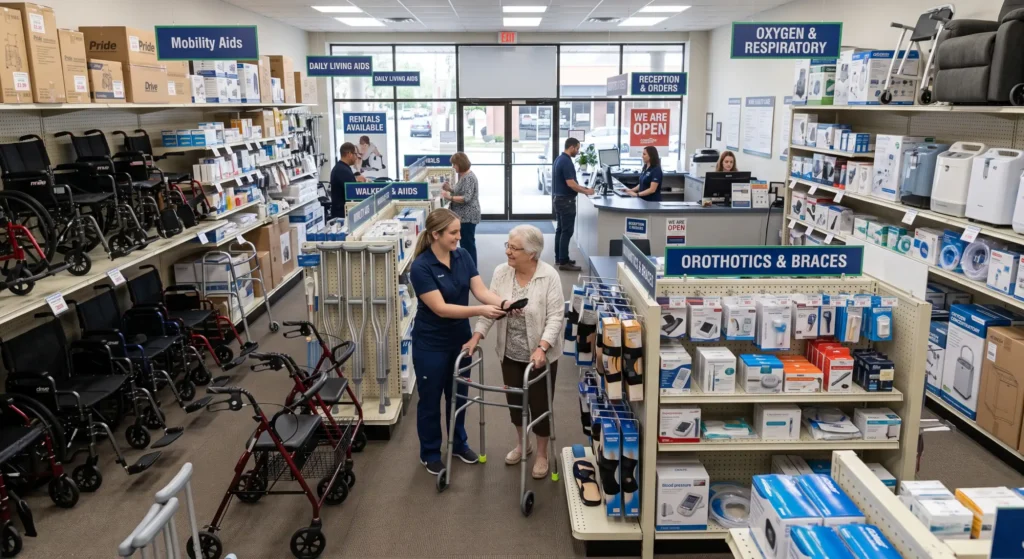
Alfa Healthcare Supply Inc. is a New York healthcare equipment and durable medical equipment (DME) supplier serving Queens and surrounding communities. The company states that it has more than 25 years of experience and provides medical equipment and supplies for patients, caregivers, healthcare professionals, and home-care needs.
What is Medical Equipment?
Medical equipment includes a broad range of products designed to assist with healthcare, recovery, monitoring, mobility, treatment, and everyday living.
Some equipment is used in hospitals and clinical environments, while other products are specifically intended for home care. Durable medical equipment, commonly called DME, generally refers to equipment intended for repeated use rather than disposable products.
Examples can include:
- Wheelchairs and transport chairs
- Walkers and mobility aids
- Hospital beds
- Patient lifts and slings
- Bath and shower safety equipment
- Commodes and daily living aids
- CPAP and respiratory equipment
- Oxygen-related equipment
- Blood glucose monitoring products
- Orthopedic supports
- Compression products
- Diabetic shoes and related supplies
Alfa Healthcare Supply’s DME catalog includes mobility solutions, home hospital beds, patient lifts and slings, pressure-relief support surfaces, commodes, shower chairs, and grab bars.
The right equipment depends on the individual’s medical situation, physical abilities, home environment, and recommendations from their healthcare professional.
Why Choosing the Right Medical Equipment Matters
Medical equipment is often purchased at a time when life has already changed.
Someone may be returning home after surgery. An older adult may be having difficulty walking. A caregiver may suddenly need to create a safer home environment. A person managing diabetes or respiratory problems may need equipment that becomes part of their daily routine.
In these situations, the equipment should be practical and appropriate—not simply inexpensive.
The right product can help support:
- Safer movement around the home
- Greater independence
- Easier caregiving
- Comfortable recovery
- Better home monitoring
- Reduced physical strain
- Improved daily routines
- Greater confidence for patients and caregivers
Good equipment does not replace medical care. Instead, it can support the care plan established by a qualified healthcare professional.
Medical Equipment Richmond Hill for Home Care
Home healthcare has become a crucial part of modern patient care. Many people can recover or manage ongoing health needs at home when they have appropriate equipment and caregiver support.
For a family searching for medical equipment Richmond Hill, common home-care needs may include mobility equipment, respiratory products, orthopedic supports, diabetic supplies, and daily living aids.
Mobility Equipment
Mobility equipment can help individuals move more safely and comfortably.
Depending on the person’s needs, this may include:
- Wheelchairs
- Rollators
- Walkers
- Transport chairs
- Mobility scooters
- Other supportive mobility products
The appropriate device depends on factors such as strength, balance, walking ability, upper-body function, home layout, and intended use.
A product that works well for one individual may not be the right choice for someone else. This is why professional guidance can be valuable when selecting DME.
Hospital Beds for Home Use
Some patients require positioning support or additional assistance while recovering at home.
Home hospital beds can provide adjustable positioning and may make transfers, sleeping, and caregiving easier. Alfa Healthcare Supply lists semi-electric and full-electric hospital bed options among its DME solutions.
Before ordering a hospital bed, families should consider:
- Patient height and weight
- Required positioning
- Available room space
- Mattress compatibility
- Side-rail requirements
- Caregiver access
- Delivery and setup needs
A healthcare professional or DME specialist can help determine whether a particular configuration is appropriate.
Respiratory Medical Equipment
Breathing-related conditions may require specialized equipment and recurring supplies.
Alfa Healthcare Supply’s product categories include COPD/Asthma supplies, while its company information identifies respiratory devices such as CPAP machines and oxygen concentrators among its healthcare solutions.
Respiratory equipment may include products associated with:
- Sleep apnea care
- Nebulizer treatments
- COPD management
- Asthma care
- Oxygen support
- Respiratory monitoring
Because respiratory equipment can be clinically important, patients should follow the instructions and treatment plan provided by their healthcare provider.
Diabetic Medical Supplies
Diabetes management frequently involves regular monitoring and recurring supplies.
A medical supply store Richmond Hill shoppers choose should ideally make it easier to access dependable diabetes-care products when they are needed.
Depending on individual requirements, diabetic supplies can include:
- Blood glucose monitors
- Testing supplies
- Insulin-related supplies
- Diabetic footwear
- Diabetic shoe inserts
- Other diabetes management products
Alfa Healthcare Supply lists diabetic supplies as one of its major product categories and describes its catalog as including glucose monitoring systems and recurring diabetic testing supplies.
For anyone using a glucose monitor or other medical device, following the manufacturer’s instructions and healthcare provider’s recommendations is essential.
Orthopedic and Compression Products
Recovery from an injury, surgery, or certain chronic conditions may involve supportive products.
Orthopedic equipment can include braces and supports designed for areas such as the knee, ankle, wrist, shoulder, or back.
Compression products may also be used as part of certain care plans. However, compression is not appropriate for everyone, and patients should follow professional medical advice regarding the type, pressure level, fit, and duration of use.
Alfa Healthcare Supply identifies orthopedic supports, braces, compression therapy, and related equipment among its healthcare offerings.
Incontinence and Urological Supplies
Some healthcare needs are private and personal. That makes discretion, comfort, and dependable access especially important.
Incontinence and urological supplies can help people manage everyday routines with greater confidence and dignity.
A comprehensive medical supplies Richmond Hill provider may offer products for:
- Incontinence management
- Personal hygiene
- Urological care
- Home-care routines
- Recurring supply needs
Alfa Healthcare Supply lists incontinence supplies among its product categories and describes these products as solutions for incontinence and urological care.
What to Look for in a Medical Supply Store Richmond Hill Customers Can Trust
Not every healthcare supplier offers the same level of service. Before choosing a provider, consider several practical factors.
1. Product Selection
Healthcare needs can change. A supplier with a broad catalog can be more convenient when families need different types of equipment over time.
Alfa Healthcare Supply’s catalog covers categories including DME, diabetic supplies, COPD/asthma supplies, incontinence supplies, and other healthcare products.
2. Product Quality
Medical equipment should come from reputable manufacturers and meet applicable safety and quality requirements.
Alfa Healthcare Supply states that it sources compliant healthcare products and emphasizes quality assurance.
Patients should still verify that the specific product is appropriate for their needs and, when necessary, approved or recommended by their healthcare professional.
3. Knowledgeable Assistance
Choosing between different walkers, wheelchairs, respiratory products, monitoring devices, or home-care equipment can be confusing.
A knowledgeable supplier should be able to explain product differences in straightforward language without making unrealistic medical promises.
4. Insurance and Ordering Support
Depending on the product and the patient’s coverage, insurance documentation and medical necessity requirements may apply.
Alfa Healthcare Supply states that it provides insurance billing assistance and works with healthcare ordering processes. Its website also identifies a partnership with Parachute Health for secure ordering.
Coverage varies by insurance plan and product, so patients should confirm their individual benefits before assuming an item will be covered.
5. Delivery and Setup
Large DME products can be difficult to transport and install independently.
For equipment such as hospital beds, patient lifts, and other complex DME, setup and safe-use instructions can be especially important. Alfa Healthcare Supply describes installation, training, ongoing support, and maintenance as parts of its service process.
Why Local Access Can Make a Difference
Searching for medical equipment Richmond Hill is often about convenience, but local access can provide benefits beyond saving travel time.
For caregivers, transporting a bulky wheelchair or mobility device can be challenging. Someone recovering from surgery may have difficulty making multiple trips. Families may also need recurring supplies rather than a one-time purchase.
Having a supplier serving the Richmond Hill and broader Queens area can make the process more manageable.
Alfa Healthcare Supply states that it serves Queens along with Brooklyn, the Bronx, Long Island, Westchester, and other areas of New York.
Medical Equipment for Seniors and Caregivers
For older adults, the goal of medical equipment is often not simply treatment—it is maintaining independence.
A properly selected walker can make movement around the home easier. A shower chair can provide additional support during bathing. Grab bars can assist with transfers. A wheelchair can help someone participate in activities when walking long distances is difficult.
Caregivers benefit too.
The right equipment can reduce unnecessary lifting and make everyday tasks more manageable. Alfa Healthcare Supply specifically includes bath safety equipment, mobility solutions, patient lifts, and support surfaces in its DME offerings.
Every home is different, so equipment selection should account for door widths, stairs, bathroom layouts, floor surfaces, available storage, and the patient’s physical capabilities.
Medical Supplies Richmond Hill for Everyday Healthcare Needs
Not every healthcare product is a large piece of equipment.
Many patients regularly use smaller medical supplies as part of daily care. These products may need to be replaced frequently, making consistent access important.
Depending on individual needs, medical supplies can include:
- Glucose testing products
- Incontinence supplies
- Compression products
- Respiratory accessories
- Orthopedic supports
- Wound-care-related supplies
- Personal care products
- Diabetic footwear and inserts
- Other home healthcare essentials
A supplier that offers multiple categories can make recurring healthcare shopping simpler.
How to Choose the Right Equipment
Before purchasing medical equipment, it helps to answer a few basic questions.
What is the equipment being used for?
Clearly identifying the purpose helps narrow down the options.
Who will use it?
Patient height, weight, mobility, strength, balance, and physical limitations can influence equipment selection.
Where will it be used?
Consider whether the equipment will be used indoors, outdoors, in a bedroom, bathroom, clinic, or another environment.
Was the product recommended by a healthcare professional?
For medically necessary or specialized equipment, professional guidance should come first.
Will insurance cover it?
Coverage varies considerably. Confirm requirements with the insurance provider and supplier before ordering.
Will the equipment require setup or training?
Some products are straightforward, while others may require professional installation or instruction.
These questions can prevent an expensive product from becoming an unsuitable product.
The Human Side of Medical Equipment
It is easy to think of medical equipment as something technical—numbers, specifications, HCPCS codes, sizes, features, and accessories.
But behind every order is usually a person.
It may be a daughter looking for a walker for her mother. A husband trying to make his home safer after surgery. A patient learning to manage a chronic condition. A caregiver searching for equipment that makes daily responsibilities less physically demanding.
That human element matters.
A good healthcare supplier should understand that customers may be stressed, uncertain, or unfamiliar with medical terminology. Clear explanations and respectful service can make an otherwise complicated process feel much easier.
That philosophy is reflected in Alfa Healthcare Supply’s stated focus on confidence, comfort, patient care, and personalized support.
Why Consider Alfa Healthcare Supply Inc.?
For people researching medical equipment Richmond Hill, Alfa Healthcare Supply Inc. offers a broad DME and healthcare supply catalog with service throughout Queens and the surrounding New York region.
According to the company’s website, Alfa Healthcare Supply has more than 25 years of experience and provides products ranging from mobility aids and respiratory devices to orthopedic supports, diabetic supplies, incontinence products, and home-care equipment.
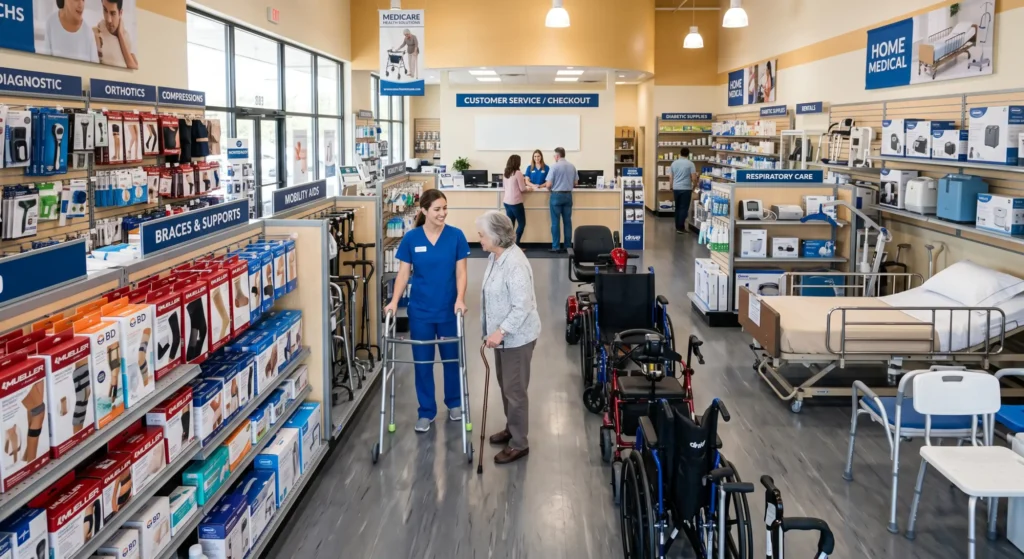
Its stated service process includes consultation and assessment, product selection, ordering and delivery, installation and training for complex DME, and ongoing support.
The company is located at 261-12 E Williston Avenue, Floral Park, NY 11001, and lists phone support at (718) 343-3860. Its published weekday hours are Monday through Friday, 9:00 AM to 5:30 PM.
Frequently Asked Questions About Medical Equipment Richmond Hill
What types of medical equipment can I find near Richmond Hill?
Depending on the supplier, you may find wheelchairs, walkers, hospital beds, patient lifts, respiratory equipment, diabetic supplies, orthopedic supports, bath safety products, and other DME and home healthcare products.
Is Alfa Healthcare Supply a medical supply store Richmond Hill residents can use?
Alfa Healthcare Supply Inc. is based in Floral Park and serves Queens and surrounding New York communities. Its website states that it provides local medical supply delivery across Queens, along with broader service throughout New York.
Can I get medical equipment for home recovery?
Yes. Home-care DME can include hospital beds, mobility equipment, patient lifts, support surfaces, commodes, shower chairs, and grab bars. The appropriate equipment should be selected according to the patient’s needs and healthcare plan.
Does medical equipment require a prescription?
It depends on the specific product, insurance requirements, and applicable regulations. Some products can be purchased directly, while certain DME items may require documentation or a prescription for insurance coverage.
Can insurance help pay for medical supplies?
Some medical equipment and supplies may qualify for insurance coverage, but eligibility depends on the patient’s plan, medical necessity, supplier requirements, and product. Alfa Healthcare Supply states that it offers insurance billing assistance.
How do I know which medical equipment is right for me?
Start with the healthcare professional who understands your medical condition and functional needs. Then discuss the recommendation with a qualified medical equipment supplier to determine the appropriate size, configuration, accessories, and usage requirements.
What should caregivers consider when purchasing DME?
Caregivers should consider patient safety, ease of use, home accessibility, equipment size, transfer requirements, cleaning and maintenance, storage, and whether training or professional setup is required.
When medical care moves from a hospital or clinic into the home, having the right supplies can make everyday life feel safer, more comfortable, and more manageable. For families searching for home medical supply Rego Park, the goal is usually not simply to find a store—it is to find a dependable healthcare partner that understands what patients and caregivers actually need.
Whether you are helping a loved one recover after surgery, supporting an older family member, managing diabetes, dealing with respiratory challenges, or looking for equipment that improves mobility and independence, the right medical supply provider can make a meaningful difference.
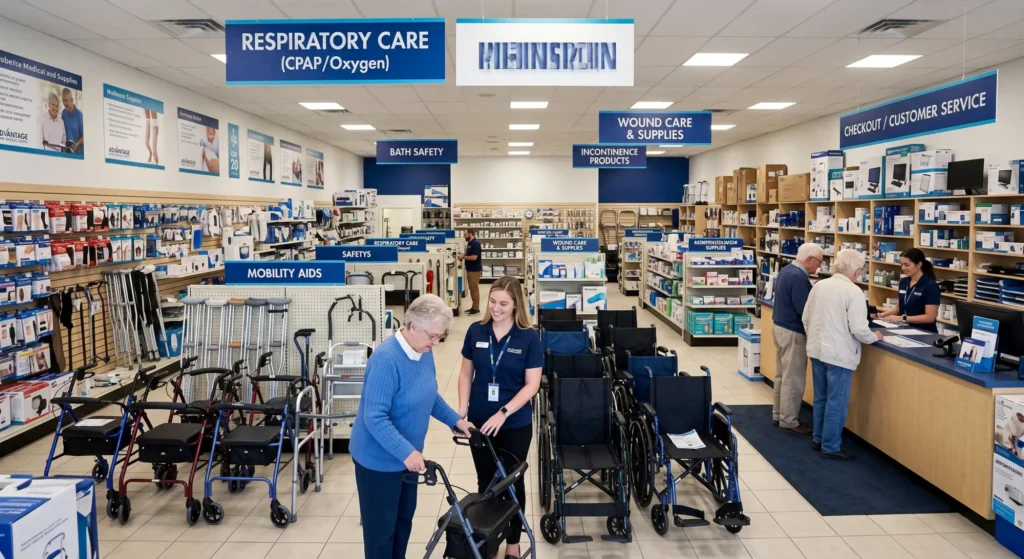
Alfa Healthcare Supply Inc. provides durable medical equipment (DME), home healthcare products, respiratory equipment, diabetic supplies, mobility aids, orthopedic products, and other healthcare essentials for patients and caregivers throughout Queens and the greater New York area. The company reports more than 25 years of experience in healthcare equipment supply.
What is Home Medical Supply?
Home medical supplies are products designed to help people receive care, manage health needs, recover, or remain independent in their own homes. Depending on an individual’s condition, these products can range from simple daily-care essentials to specialized durable medical equipment.
Common examples include:
- Wheelchairs and mobility aids
- Walkers and rollators
- Blood pressure monitors
- Blood glucose monitoring supplies
- Diabetic shoes and inserts
- Compression therapy products
- Orthopedic braces and supports
- CPAP and respiratory supplies
- Nebulizers
- Incontinence and personal-care products
- Home safety equipment
- Urological supplies
- Other durable medical equipment
A home medical supply provider should do more than offer products. Patients often need help understanding differences between products, selecting appropriate sizes, determining what equipment is suitable for their situation, and navigating ordering or insurance questions.
That combination of equipment and support is particularly valuable when a patient is already dealing with the stress of illness or recovery.
Why Search for Home Medical Supply Rego Park?
Rego Park is a busy and diverse Queens community, and residents may need medical equipment for many different reasons. A person might suddenly need a walker after an injury, a family member may require a wheelchair after surgery, or someone managing diabetes may need recurring testing supplies.
In these situations, convenience matters—but reliability matters even more.
Searching specifically for home medical supply Rego Park can help residents identify suppliers that serve the Queens community and provide products appropriate for home-based care.
A local-focused supplier can also make it easier to ask questions before purchasing equipment. Instead of trying to determine whether a product is appropriate from a product listing alone, patients and caregivers can seek guidance based on their needs.
Choosing a Medical Supply Store Rego Park NY Residents Can Trust
When comparing a medical supply store Rego Park NY residents can rely on, consider more than price.
1. Look for a Broad Product Selection
Healthcare needs are rarely limited to one category.
A patient recovering from surgery may need mobility equipment, bathroom safety products, wound-care essentials, and other supplies. Someone managing diabetes may need glucose monitoring products and specialized footwear. A person with respiratory difficulties may need nebulizer or CPAP-related supplies.
A supplier with a broad catalog can make the process easier by allowing families to address multiple healthcare needs through one provider.
Alfa Healthcare Supply Inc. lists product categories including DME equipment, diabetic supplies, COPD/asthma supplies, orthopedic products, urinary supplies, incontinence products, OBGYN supplies, shoes, and miscellaneous healthcare supplies.
2. Consider Experience
Medical equipment is not ordinary consumer merchandise.
A supplier with substantial industry experience may be better positioned to understand the practical challenges patients encounter when selecting and using healthcare equipment.
Alfa Healthcare Supply Inc. It states that it has over 25 years of experience serving patients, caregivers, and healthcare providers.
Experience is especially valuable when families are purchasing equipment for the first time and are unsure what questions to ask.
3. Ask About Product Guidance
Two products can appear similar but have different features, sizing requirements, or intended uses.
For example, choosing a mobility aid may involve considering stability, height, weight capacity, portability, and the patient’s level of mobility. Similarly, compression products and orthopedic supports often require attention to fit.
A trustworthy supplier should encourage customers to follow their healthcare provider’s recommendations and help them understand product information rather than making unsupported medical claims.
4. Check Delivery and Ordering Options
Medical supplies are often needed when people cannot easily travel.
For homebound patients, caregivers, or people recovering from procedures, dependable delivery can be extremely helpful.
Alfa Healthcare Supply Inc. says it provides local medical supply delivery across Queens and offers ordering by phone or online.
Home Medical Equipment for Recovery at Home
Recovering at home can be more comfortable than staying in a clinical environment, but the home needs to be prepared.
Depending on the patient’s condition and healthcare provider’s recommendations, equipment may help with mobility, positioning, monitoring, personal care, or respiratory support.
Mobility Equipment
Mobility products can help individuals move around the home with greater confidence.
Common options include:
- Walkers
- Rollators
- Wheelchairs
- Transport chairs
- Mobility scooters
The right product depends on the individual’s mobility level and medical needs. Patients should follow their clinician’s recommendations when selecting equipment.
Home Safety Equipment
A home can present unexpected challenges for someone recovering from surgery or living with reduced mobility.
Useful safety products may include:
- Grab bars
- Non-slip surfaces
- Bathroom safety equipment
- Bedside equipment
- Patient-support products
Small changes can sometimes make daily activities easier and reduce unnecessary obstacles for patients and caregivers.
Alfa Healthcare Supply Inc. lists home-care essentials and safety equipment among its offerings, including grab bars and patient-safety products.
Respiratory Equipment
For individuals who require respiratory support, having dependable equipment at home can be an important part of an established care plan.
Home respiratory supplies may include:
- CPAP supplies
- BiPAP supplies
- Nebulizers
- Oxygen-related equipment
- Replacement respiratory accessories
Respiratory equipment should be selected and used according to the instructions of the patient’s healthcare professional and the manufacturer.
Diabetes Supplies for Home Care
Diabetes management frequently involves recurring supplies and regular monitoring.
Depending on an individual’s treatment plan, home diabetes supplies may include:
- Blood glucose monitors
- Test strips
- Lancets
- Insulin-related supplies
- Diabetic footwear
- Diabetic shoe inserts
Having dependable access to recurring supplies can make diabetes management more convenient.
Alfa Healthcare Supply Inc. offers diabetic products including glucose monitoring systems, testing supplies, diabetic shoes, and related products.
For any diabetes-related equipment, patients should follow the monitoring schedule and treatment instructions provided by their healthcare professional.
Orthopedic and Compression Products
Injuries, joint problems, circulation-related needs, and recovery from procedures can sometimes require supportive products.
Orthopedic supplies may include:
- Knee braces
- Back braces
- Ankle supports
- Wrist and shoulder supports
- Compression products
The correct fit matters. An improperly sized brace or compression product may be uncomfortable or fail to provide the intended support.
That is why product selection should be based on the patient’s needs and, when appropriate, guidance from a healthcare professional.
Incontinence and Personal Care Supplies
For some patients, incontinence products are an important part of maintaining comfort, dignity, and independence at home.
Common products include:
- Adult briefs
- Pull-ups
- Underpads
- Bed pads
- Personal-care products
For caregivers, having these essentials readily available can also make daily routines more manageable.
Medical supply providers can be especially helpful for families who need recurring products rather than a one-time purchase.
When a Surgical Supply Store Rego Park Search Makes Sense
A search for a surgical supply store Rego Park may happen before or after a medical procedure.
Patients may need supplies for:
- Post-surgical recovery
- Mobility assistance
- Home safety
- Personal care
- Orthopedic support
- Other physician-recommended equipment
However, not every surgical or medical supply is appropriate for every patient. A product should be selected based on the healthcare provider’s instructions and the patient’s specific circumstances.
A good supplier should make it easier to obtain the products recommended as part of the care plan.
Why Home Medical Supplies Can Make a Difference
Medical equipment may seem like a collection of practical objects, but for the person using it, the impact can be much more personal.
A walker can help someone take their first steps after surgery.
A wheelchair can provide independence when walking becomes difficult.
A blood pressure monitor can support an established home-monitoring routine.
A properly selected diabetic shoe can help protect vulnerable feet.
A CPAP accessory can help someone maintain their prescribed sleep-apnea equipment routine.
These are not simply products. They can become part of someone’s everyday path toward comfort, independence, and recovery.
That human side of medical equipment is one reason supplier support matters.
Alfa Healthcare Supply Inc. for Queens Home Healthcare Needs
For residents searching for home medical supply Rego Park, Alfa Healthcare Supply Inc. serves patients and healthcare providers throughout Queens and the broader New York area.
The company describes its approach as combining healthcare products with personalized assistance. Its stated process includes consultation and assessment, product selection, and ordering and delivery support.
Its broader service area includes Queens, Brooklyn, the Bronx, Manhattan, Long Island, and Westchester.
The company also reports working with insurance providers, including Medicare, Medicaid, Workers’ Compensation, and commercial insurance plans, although coverage depends on the specific plan and equipment.
For patients, this can be particularly useful when an equipment purchase involves more than simply choosing an item and paying for it.
What to Ask Before Buying Medical Equipment
Before purchasing home healthcare equipment, consider asking:
- Is this product appropriate for my specific needs?
- Does my healthcare provider recommend this type of equipment?
- Is the product available in the correct size?
- Are there weight or usage limitations?
- Does the equipment require a prescription?
- Does insurance potentially cover the product?
- What documentation is required?
- Are replacement parts or recurring supplies available?
- How should the product be maintained?
- What should I do if I have questions after receiving it?
These questions can prevent avoidable problems and help patients make more informed decisions.
Home Medical Supply Rego Park: What Families Should Look For
The best medical supply experience is not necessarily about finding the cheapest item.
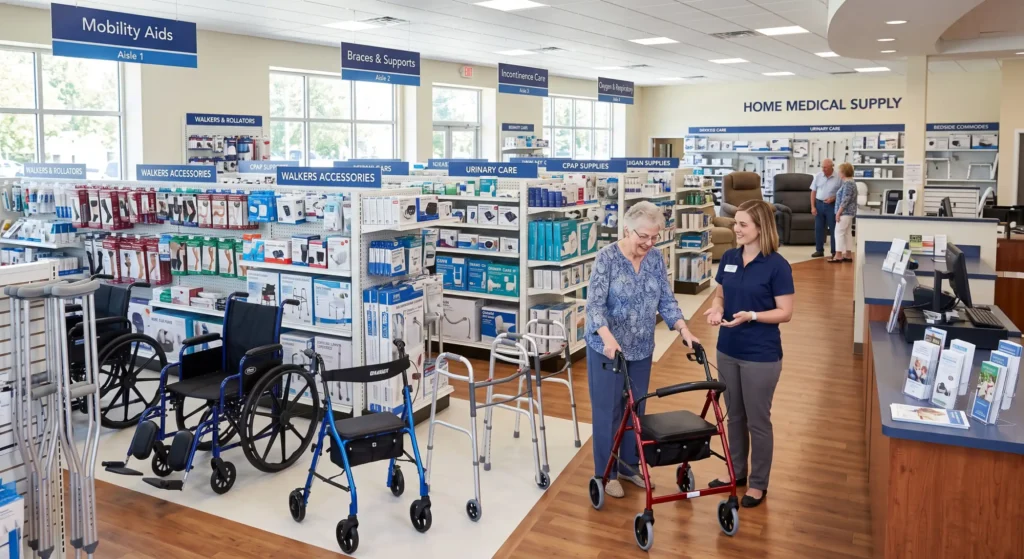
Instead, look for a combination of:
- Quality: Products should come from reputable manufacturers and meet applicable safety and regulatory requirements.
- Selection: A broad range of DME and healthcare products makes it easier to find solutions for different needs.
- Guidance: Patients should have access to knowledgeable assistance when product selection or sizing is confusing.
- Convenience: Ordering and delivery options can be especially important for homebound individuals.
- Insurance assistance: Understanding documentation and coverage can reduce unnecessary frustration.
- Ongoing support: Some healthcare products require recurring supplies, replacements, or accessories.
These factors can turn a simple purchase into a much smoother healthcare experience.
Frequently Asked Questions: Home Medical Supply Rego Park
What does a home medical supply store provide?
A home medical supply store can provide products used for home healthcare, mobility, respiratory care, diabetes management, orthopedic support, personal care, and other healthcare needs. The exact products available vary by supplier.
Where can I find home medical supply Rego Park services?
Residents searching for home medical supply Rego Park can look for medical equipment suppliers serving Rego Park and the wider Queens area. Alfa Healthcare Supply Inc. serves Queens and surrounding New York communities with DME and home healthcare products.
Does Alfa Healthcare Supply Inc. provide durable medical equipment?
Yes. Alfa Healthcare Supply Inc. identifies itself as a durable medical equipment supplier and offers products such as mobility aids, respiratory equipment, orthopedic products, diabetic supplies, and home-care equipment.
Can caregivers purchase home medical supplies?
Yes. Medical supplies can be purchased by patients, caregivers, healthcare professionals, clinics, and other organizations depending on the product and applicable requirements.
Do medical supplies require a prescription?
It depends on the product. Many everyday healthcare supplies may not require a prescription, while certain durable medical equipment or specialized products may require a healthcare provider’s prescription or documentation.
Does insurance cover medical equipment?
Some medical equipment may be covered by Medicare, Medicaid, Workers’ Compensation, or private insurance, depending on eligibility, medical necessity, plan rules, and documentation. Coverage should be confirmed before ordering.
Why choose a local medical supply provider?
A local supplier may offer easier access to product guidance, customer support, delivery services, and assistance with equipment selection. These benefits can be especially valuable when a patient is recovering at home or a caregiver needs help managing medical equipment.
When healthcare needs become part of everyday life, having access to dependable medical equipment and supplies can make things considerably easier. For patients, caregivers, physicians, home-health professionals, and healthcare facilities in Queensboro Hill, finding a trustworthy hospital supply Queensboro Hill provider is about much more than locating a store nearby. It is about finding quality products, knowledgeable support, dependable service, and a supplier that understands how important timely healthcare equipment can be.
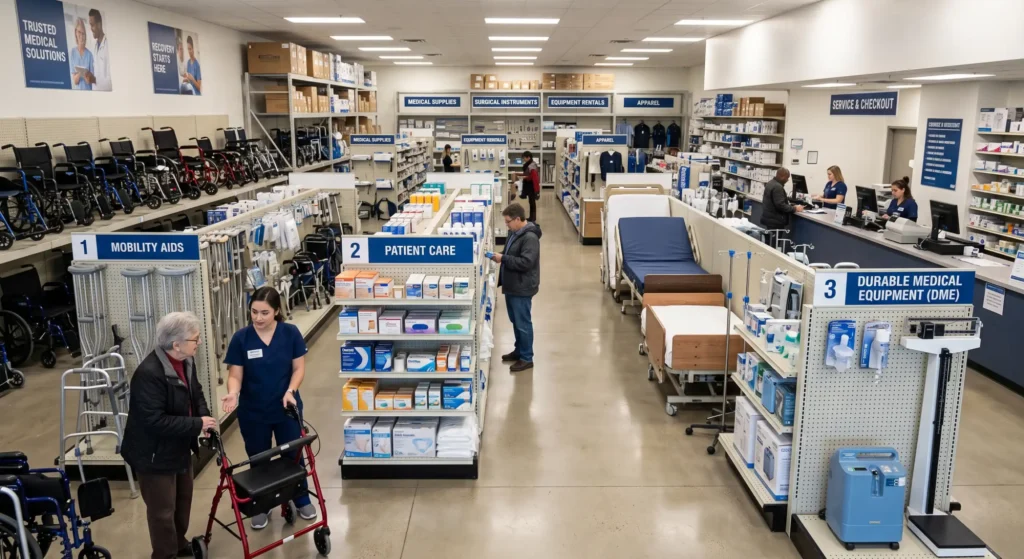
Alfa Healthcare Supply Inc serves patients and healthcare providers throughout Queens and the wider New York area. The company provides durable medical equipment (DME), respiratory products, mobility aids, diabetic supplies, orthopedic supports, home-care equipment, and other healthcare essentials. According to the company’s published information, Alfa Healthcare Supply Inc. has more than 25 years of experience serving the New York healthcare community.
If you are researching hospital supply Queensboro Hill, this guide explains what to look for in a supplier, what types of products may be available, and why professional guidance matters when choosing healthcare equipment.
What Does a Hospital Supply Provider Do?
A hospital supply provider helps healthcare organizations, medical professionals, caregivers, and patients obtain products used for treatment, recovery, monitoring, mobility, respiratory care, and daily living.
The term “hospital supply” can cover a much broader range of products than many people initially realize. Depending on the supplier, the catalog may include:
- Durable medical equipment
- Mobility equipment
- Wheelchairs and walkers
- Respiratory equipment
- CPAP supplies
- Oxygen-related equipment
- Diabetic monitoring supplies
- Orthopedic supports
- Compression products
- Incontinence supplies
- Patient-care products
- Home healthcare equipment
- PPE and infection-control products
- Bathroom and patient-safety equipment
For a healthcare facility, having a dependable supplier can help maintain continuity of care. For an individual patient, the right equipment can make recovery or long-term care at home safer and more comfortable.
Why Choosing the Right Hospital Supply Queensboro Hill Provider Matters
Medical supplies are not ordinary household purchases. The quality, fit, usability, and appropriateness of equipment can directly influence a patient’s comfort and ability to manage daily activities.
For example, a properly selected walker can provide valuable mobility support. The right compression product may help meet an individual’s prescribed care plan. A suitable CPAP setup can support nighttime respiratory therapy, while an appropriate glucose-monitoring product can help people follow their diabetes-management routine.
That is why a supplier should be evaluated on more than price.
A reliable hospital supply Queensboro Hill provider should ideally offer:
- A broad and relevant product selection
- Knowledgeable customer assistance
- Quality-focused sourcing
- Clear ordering procedures
- Insurance and billing guidance when applicable
- Dependable fulfillment
- Local service options
- Support for both professional and home-care needs
Alfa Healthcare Supply Inc. states that it provides personalized consultations, insurance billing assistance, and a broad healthcare catalog designed for patients, caregivers, and healthcare providers.
Alfa Healthcare Supply Inc.: Supporting Healthcare Needs Across Queens
Healthcare is personal. A hospital administrator may be concerned with keeping essential equipment available, while a family caregiver may simply want to know that a loved one has the right equipment at home.
Alfa Healthcare Supply Inc. approaches medical supply services with both perspectives in mind.
The company’s published service information describes a broad product portfolio covering mobility aids, respiratory devices, orthopedic products, diabetic and incontinence supplies, and home-care equipment.
The company also states that it serves Queens, Long Island, Brooklyn, the Bronx, Manhattan, Westchester, and other areas throughout New York.
For people searching for hospital supply Queensboro Hill, this wider service network can be useful when equipment or supplies need to be coordinated beyond one neighborhood.
Medical Equipment for Different Healthcare Situations
One reason medical supply shopping can feel overwhelming is that healthcare needs vary considerably.
A patient recovering from surgery may require mobility and bathroom-safety equipment. Someone managing a chronic respiratory condition may need respiratory supplies. A person living with diabetes may regularly need glucose-monitoring products and related supplies.
A good medical supply provider therefore needs to understand that there is no single solution for every patient.
1. Mobility Equipment
Mobility equipment can help people move more safely and independently.
Depending on individual needs, products may include:
- Walkers
- Rollators
- Wheelchairs
- Mobility scooters
- Canes
- Transfer equipment
- Other mobility-support products
The right equipment depends on the person’s mobility level, environment, physical abilities, and healthcare recommendations.
Alfa Healthcare Supply Inc. lists wheelchairs, walkers, scooters, and other mobility aids among its product offerings.
2. Respiratory Equipment
Breathing-related healthcare needs often require dependable equipment.
Respiratory products can include:
- CPAP equipment
- Oxygen concentrators
- Nebulizers
- Respiratory accessories
- COPD and asthma supplies
For someone who depends on respiratory equipment every day, reliability is particularly important. Equipment should be selected according to the healthcare professional’s recommendations and used according to manufacturer instructions.
Alfa Healthcare Supply Inc. identifies CPAP machines, oxygen concentrators, and breathing equipment within its respiratory product category.
3. Diabetic Supplies
Managing diabetes often requires consistent monitoring and a steady supply of essential healthcare products.
Depending on an individual’s treatment plan, diabetic supplies may include:
- Blood glucose monitors
- Testing supplies
- Insulin-related supplies
- Diabetic shoes
- Diabetic shoe inserts
- Other diabetes-management products
A dependable supplier can make recurring purchasing easier, especially for patients who need supplies regularly.
4. Orthopedic Supports
Orthopedic products can provide support during recovery, rehabilitation, or ongoing management of certain mobility and musculoskeletal needs.
Examples include:
- Knee braces
- Back supports
- Ankle supports
- Wrist supports
- Shoulder supports
- Compression products
The appropriate support depends on the individual’s condition and healthcare recommendations. A product should not be selected solely because it looks similar to something used by another person.
5. Incontinence Supplies
Incontinence products are an important part of home healthcare and long-term care.
Supplies can help patients and caregivers manage daily routines while supporting dignity, cleanliness, and comfort.
Having access to dependable products can reduce the stress of last-minute shopping, particularly for individuals who rely on recurring supplies.
Hospital Supplies and Home Healthcare Are Closely Connected
The phrase “hospital supply” can sometimes make people think only about hospitals and clinics. In reality, many medical supply products are also essential in the home.
Today, patients frequently continue their recovery outside a traditional healthcare facility. A person may leave the hospital with instructions to continue care at home using equipment such as a walker, hospital bed, respiratory device, commode, or other DME.
This makes the medical supply provider an important part of the transition from clinical care to home care.
Alfa Healthcare Supply Inc. specifically describes its services as supporting home healthcare and provides equipment intended for patients, caregivers, and healthcare professionals.
What Makes a Medical Supply Store Trustworthy?
When comparing a hospital supply Queensboro Hill provider with other options, consider several practical factors.
Product Knowledge
A large inventory is helpful, but inventory alone does not guarantee a good experience. Customers may need help understanding product differences, sizing, features, compatibility, or usage considerations.
Quality-Focused Sourcing
Healthcare products should come from trusted manufacturers and meet applicable quality and regulatory requirements.
Alfa Healthcare Supply Inc. states that it focuses on FDA-approved and compliant healthcare products and trusted brands.
Customer Support
A medical equipment order can sometimes involve questions about documentation, insurance, product selection, delivery, or setup.
Accessible customer support can make the process less frustrating for both patients and healthcare professionals.
Insurance Assistance
Certain DME products may involve insurance coverage, documentation, prescriptions, or eligibility requirements.
Alfa Healthcare Supply Inc. states that it provides insurance billing assistance and works with major medical insurance providers. Actual coverage, however, depends on the patient’s plan and eligibility.
Delivery and Fulfillment
When a patient needs medical equipment, waiting unnecessarily can be difficult.
Alfa Healthcare Supply Inc. says it provides standard and expedited shipping options and prioritizes local medical supply delivery across Queens.
How to Choose the Right Medical Supply
Choosing healthcare equipment should begin with the patient’s actual needs rather than simply searching for the cheapest product.
Consider these questions:
What has the healthcare professional recommended?
Start with the doctor’s, nurse’s, therapist’s, or other qualified healthcare professional’s recommendation.
Will the equipment be used temporarily or long term?
A short recovery period may require different equipment considerations than long-term home care.
Does the product fit the patient?
Sizing and fit can be especially important for braces, compression products, footwear, mobility equipment, and other products that interact directly with the body.
Is training or setup required?
Some larger or more complex equipment may require professional installation or instruction.
Will insurance cover the product?
Do not assume that a product is automatically covered. Confirm requirements with the supplier and insurance provider.
A More Personal Approach to Medical Supply Shopping
Healthcare can already feel complicated. Patients and families should not have to feel lost while trying to understand equipment.
Imagine a family member coming home after a hospital stay. Suddenly, the family may need to think about mobility, safety, medications, daily routines, and medical equipment—all at once.
In situations like this, a helpful supplier can provide more than a product catalog.
Clear explanations matter.
So does patience.
So does making sure customers understand what they are ordering and how the process works.
That human side of healthcare supply is one reason experience matters. Alfa Healthcare Supply Inc. describes its approach around personalized care consultations, professional product selection, ordering support, and customer assistance.
Hospital Supply Queensboro Hill for Healthcare Professionals
Medical supply needs are not limited to individual patients.
Healthcare professionals and organizations may require supplies for:
- Medical offices
- Clinics
- Rehabilitation facilities
- Nursing facilities
- Home healthcare organizations
- Caregiver programs
- Other healthcare environments
For professional buyers, consistency is particularly important. A supplier should be able to provide appropriate products while helping simplify procurement and fulfillment.
Alfa Healthcare Supply Inc. states that its healthcare solutions serve both medical providers and patients and that its catalog includes everyday medical supplies as well as durable medical equipment.
Why Local Knowledge Still Matters
Online ordering has made healthcare products easier to find, but local service still has value.
A Queens-based patient may have questions that cannot always be answered by a generic product listing. Local customers may also benefit from faster communication, delivery options, and familiarity with the communities being served.
For someone searching specifically for hospital supply Queensboro Hill, working with a supplier serving Queens can provide a practical combination of product access and regional service.
Alfa Healthcare Supply Inc. identifies Queens as part of its primary service network and offers local medical supply delivery throughout Queens.
Safety Should Come Before Convenience
Medical equipment should always be used appropriately.
A supplier can help with product information, but medical equipment is not a substitute for professional medical advice. Patients should follow their healthcare provider’s recommendations and manufacturer instructions.
Before purchasing specialized equipment, consider whether:
- A prescription is required
- A healthcare professional has recommended the product
- The product needs sizing or fitting
- Installation is necessary
- The equipment requires training
- Insurance documentation is needed
For complex equipment, professional setup can be especially valuable. Alfa Healthcare Supply Inc. states that trained professionals can provide setup and hands-on training for certain equipment, including hospital beds, patient lifts, and oxygen concentrators.
Questions to Ask Before Ordering Hospital Supplies
If you are contacting a hospital supply Queensboro Hill provider, asking the right questions can save time.
Consider asking:
- Is the product appropriate for my specific healthcare need?
- Is a prescription required?
- Is the product available now?
- What sizes or configurations are available?
- Does insurance cover this product?
- What documentation is required?
- Is delivery available to my location?
- Does the equipment require installation?
- Is training available?
- What support is available after purchase?
These questions help turn a simple purchase into a more informed healthcare decision.
Why Experience Matters in Medical Supply
Medical supply companies deal with products that can become part of someone’s daily life.
A walker may become a person’s path back to independence. A CPAP mask may become part of a nightly routine. A glucose monitor may be used repeatedly throughout the week. A wheelchair can change how someone moves through their home and community.
These are not insignificant purchases.
Alfa Healthcare Supply Inc. reports more than 25 years of experience serving the New York healthcare community. Its stated mission focuses on reliable medical equipment, clinical integrity, administrative efficiency, and compassionate patient care.
That combination of experience and patient-centered service can be valuable when selecting a medical supply partner.
Serving Queens and Beyond
Although this article focuses on hospital supply Queensboro Hill, healthcare needs rarely stop at neighborhood boundaries.
Alfa Healthcare Supply Inc. states that it serves customers across Queens as well as Brooklyn, the Bronx, Manhattan, Long Island, Westchester, and other areas of New York.
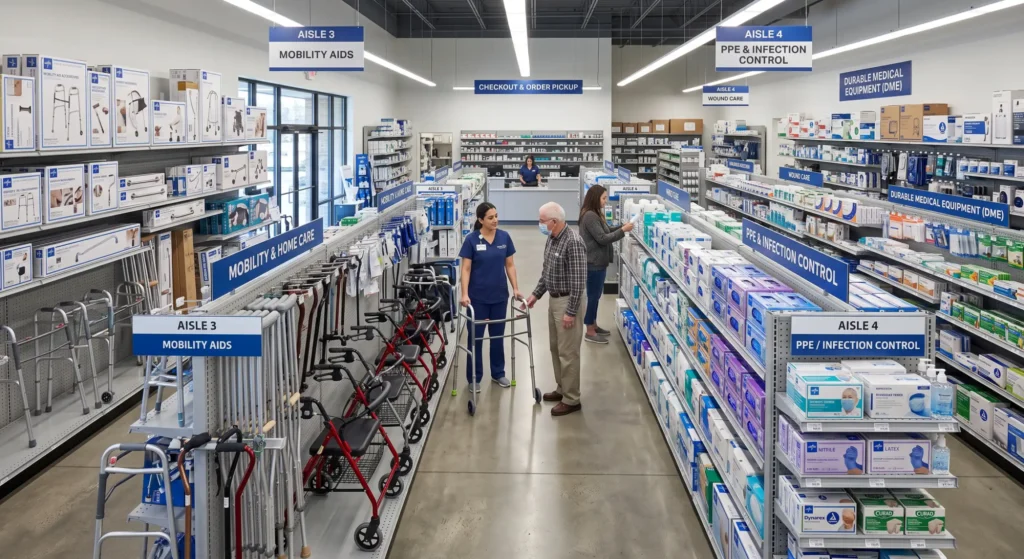
This broader service area can be useful for families or healthcare organizations that operate across multiple locations.
Final Thoughts: Finding a Dependable Hospital Supply Queensboro Hill Partner
Finding the right hospital supply Queensboro Hill provider is ultimately about confidence.
Patients want to know that the equipment they receive is appropriate and dependable. Families want support when caring for someone at home. Healthcare professionals need suppliers who understand the importance of consistency and timely fulfillment.
Alfa Healthcare Supply Inc. brings more than two decades of experience to the New York healthcare supply industry and offers a broad selection of durable medical equipment, respiratory products, mobility aids, diabetic supplies, orthopedic products, and home healthcare solutions.
For Queensboro Hill residents, caregivers, and healthcare professionals researching medical equipment, choosing a supplier should never be based on a keyword or product price alone. Look for experience, product quality, knowledgeable assistance, dependable service, and a genuine understanding of patient needs.
When healthcare becomes part of everyday life, the right supply partner can make the process feel a little simpler—and that can make a meaningful difference.
Frequently Asked Questions About Hospital Supply Queensboro Hill
What can I find from a hospital supply provider in Queens?
Depending on the supplier, you may find durable medical equipment, mobility aids, respiratory products, diabetic supplies, orthopedic supports, incontinence products, home-care equipment, and other healthcare essentials.
Does Alfa Healthcare Supply Inc. serve Queensboro Hill?
Alfa Healthcare Supply Inc. serves Queens and the wider New York area. Its published information specifically identifies Queens among its service areas and describes local medical supply delivery throughout Queens.
Does Alfa Healthcare Supply Inc. provide home healthcare equipment?
Yes. The company’s published catalog includes home-care equipment and DME designed to support patients and caregivers at home.
Can patients purchase medical equipment directly?
Many medical supplies can be purchased directly, while certain DME or specialized products may require a prescription or other documentation. Requirements can vary by product and insurance plan.
Does insurance cover medical equipment?
Some medical equipment may qualify for insurance coverage, but coverage depends on the product, medical necessity, plan, eligibility, and documentation requirements. Patients should verify benefits before ordering.
Does Alfa Healthcare Supply Inc. offer delivery?
The company states that it provides standard and expedited shipping and local medical supply delivery across Queens and other areas of New York.
Where is Alfa Healthcare Supply Inc. located?
The company lists its location at 261-12 E Williston Avenue, Floral Park, NY 11001. Its published contact information includes (718) 343-3860.
What should I consider when buying medical equipment?
Consider the patient’s healthcare needs, provider recommendations, product fit, quality, safety, insurance requirements, delivery, setup, and after-sales support.
Finding the right Medical Supply Store Ozone Park residents can depend on is about more than simply locating a place to purchase healthcare products. For patients, caregivers, families, and healthcare professionals, the right medical supply provider can make everyday care more convenient, comfortable, and organized.
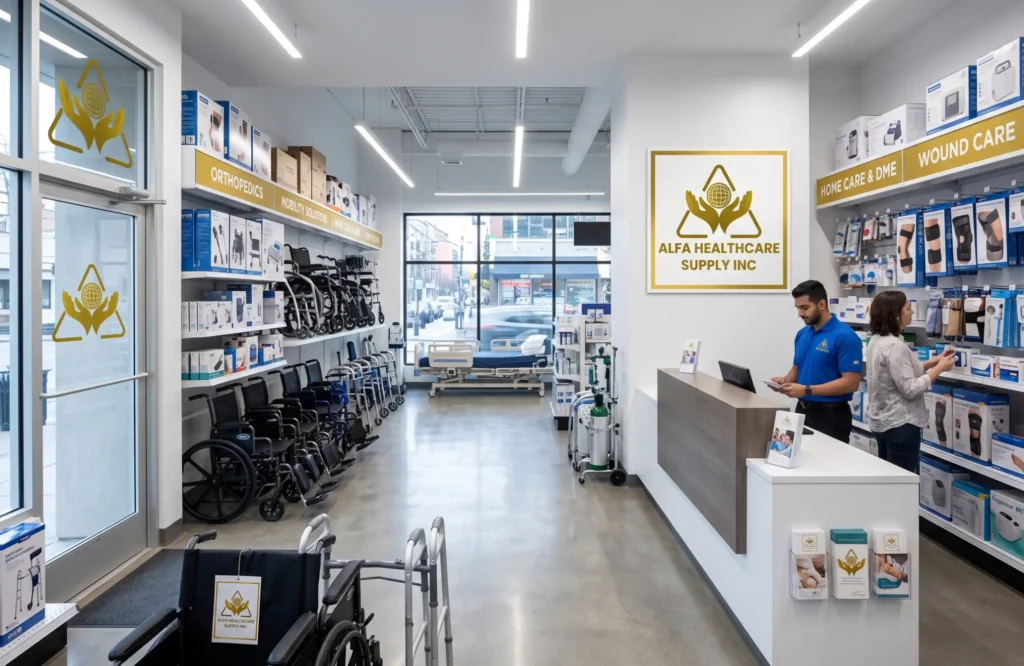
Whether you are recovering from an injury, managing a chronic condition, supporting an older family member, or looking for equipment for home care, having access to dependable medical supplies matters. Alfa Healthcare Supply Inc. provides a broad selection of medical supplies and durable medical equipment (DME) for customers throughout Queens and the surrounding New York communities. The company is based at 261-12 E Williston Avenue in Floral Park and serves customers across Queens, Long Island, Brooklyn, the Bronx, Westchester, and other parts of New York.
Why Choosing the Right Medical Supply Store Matters
Healthcare needs are often personal. A walker that helps someone move around the house, a blood glucose monitor used for routine diabetes management, or a CPAP machine that supports nighttime breathing can become an important part of someone’s daily routine.
That is why selecting a medical supply provider should involve more than price alone.
A dependable supplier should offer:
- Quality healthcare products
- A useful range of medical equipment
- Knowledgeable customer assistance
- Clear ordering information
- Appropriate product guidance
- Reliable delivery options
- Support for patients, caregivers, and healthcare professionals
Alfa Healthcare Supply Inc. emphasizes product quality, customer support, healthcare expertise, and access to a broad medical supply catalog. Its website also states that the company has more than 25 years of experience serving patients and healthcare providers.
Medical Equipment for Home Care in Ozone Park
Home healthcare can look very different from one household to another. One person may need a walker after surgery, while another may require respiratory equipment or diabetes-monitoring supplies.
The goal is not simply to fill a room with medical equipment. The goal is to select products that are appropriate for the individual’s needs and help make everyday care more manageable.
When evaluating equipment for home use, consider:
Purpose: What specific healthcare need will the product address?
Fit: Is the equipment the correct size and configuration for the user?
Ease of use: Can the patient or caregiver operate it safely?
Space: Will it work comfortably within the home environment?
Professional guidance: Has the product been recommended or approved by the appropriate healthcare professional?
Ongoing needs: Will replacement parts, accessories, or recurring supplies be required?
These questions can help patients and caregivers make more informed purchasing decisions.
Why Local Access to Medical Supplies Can Be Helpful
Searching for a Medical Supply Store Ozone Park is often about convenience. When healthcare supplies are part of someone’s daily routine, unnecessary delays can create additional stress.
A supplier serving Queens can make ordering and obtaining healthcare products more convenient for local residents. Alfa Healthcare Supply Inc. specifically states that it prioritizes local medical supply delivery across Queens, while also offering nationwide shipping.
For recurring supplies, families may also benefit from establishing an organized ordering routine rather than waiting until products are almost finished.
Supporting Patients, Caregivers, and Healthcare Professionals
Medical supply needs are not limited to individual patients.
Caregivers may need equipment and everyday supplies for someone recovering at home. Medical offices and healthcare facilities may require recurring inventory. Rehabilitation professionals may need mobility or orthopedic equipment for patients.
Alfa Healthcare Supply Inc. describes its services as supporting patients, caregivers, healthcare providers, and facilities, with options for product selection, bulk ordering, and account support.
The company also provides a patient referral process covering categories including diabetic supplies, incontinence supplies, shoes, orthopedic supplies, DME equipment, COPD/asthma supplies, OBGYN supplies, and miscellaneous medical products.
Prescription and Medical Equipment Considerations
Not every medical product has the same purchasing requirements.
According to Alfa Healthcare Supply Inc.’s FAQ, everyday products such as standard walkers, bathroom safety equipment, and some wound-care supplies may not require a prescription. Certain regulated DME products, including CPAP machines, oxygen concentrators, and custom diabetic shoe inserts, may require a valid prescription.
Because requirements can vary by product and individual circumstances, it is important to confirm requirements before ordering.
Patients should also consult their physician or qualified healthcare professional for diagnosis, treatment recommendations, and medical equipment selection when appropriate.
What Makes a Medical Supply Provider Trustworthy?
When comparing medical suppliers in or around Ozone Park, look for evidence of experience, product knowledge, customer support, and appropriate healthcare standards.
A trustworthy provider should make it easier to understand:
- What a product is designed to do
- Whether a prescription is required
- How to order the product
- Whether the item is suitable for the intended user
- What accessories or replacement supplies may be needed
- How delivery works
- What support is available after purchase
Alfa Healthcare Supply Inc. states that it works with FDA-compliant products and trusted manufacturers and provides customer support for product selection and ordering.
A More Personal Approach to Medical Supply Shopping
Medical supply shopping can sometimes feel overwhelming. A product name on a screen does not always explain whether something will actually fit comfortably into someone’s daily life.
That is where knowledgeable support can make a difference.
A caregiver may have questions about a mobility product. A patient may be unsure which supplies are compatible with existing equipment. A healthcare provider may need to arrange an order for a patient.
Having someone available to explain the ordering process and product options can make these situations feel easier.
Alfa Healthcare Supply Inc. describes its approach as combining consultation, product selection, ordering, delivery, setup or training for certain DME products, and continuing support.
Serving Ozone Park and the Greater New York Community
For Ozone Park residents searching for dependable healthcare supplies, location is only one part of the decision. Experience, product selection, service, and ongoing support are equally important.
Alfa Healthcare Supply Inc. is located in Floral Park and serves Queens and surrounding New York communities. Its website identifies Queens, Long Island, Brooklyn, the Bronx, Westchester, and other New York areas within its service coverage.
This broader service area allows patients and healthcare providers to access a medical supply partner even when they are not located directly next door to the supplier.
Choosing a Medical Supply Store With Confidence
Finding a Medical Supply Store Ozone Park residents can rely on should ultimately come down to trust, product quality, convenience, and support.
For someone managing healthcare needs at home, the right equipment can provide more than practical assistance—it can bring a little more confidence to everyday life. For caregivers, dependable access to supplies can make routines easier. For healthcare professionals, a responsive supplier can help keep patient care moving smoothly.
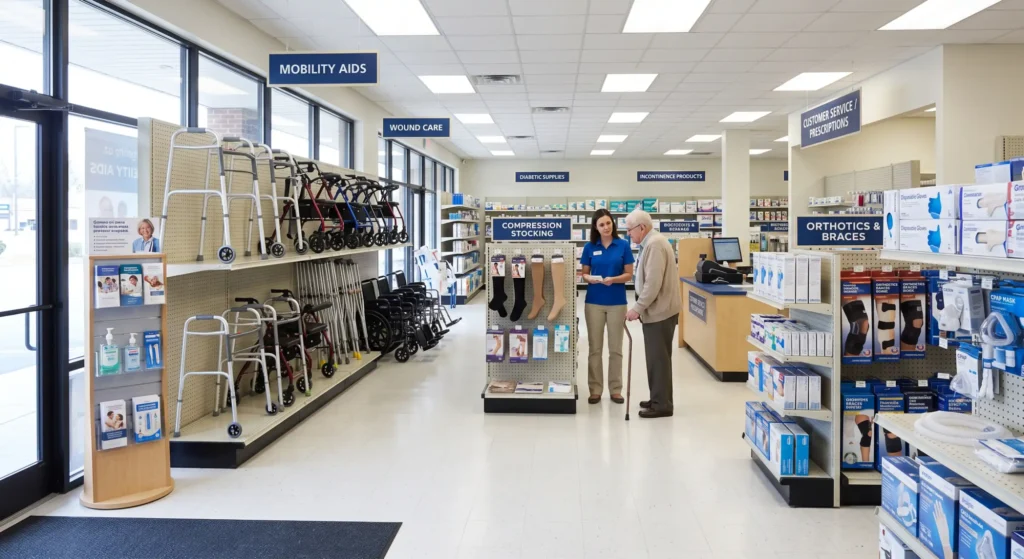
Alfa Healthcare Supply Inc. brings together medical supplies, durable medical equipment, healthcare support, and delivery services for customers across Queens and the wider New York area. With more than 25 years of experience, the company focuses on helping patients, caregivers, and healthcare providers access products designed to support comfort, mobility, independence, and ongoing care.
If you are looking for dependable healthcare products in the Ozone Park area, choosing an experienced medical supply provider can be an important first step toward making healthcare routines simpler and more manageable.
Frequently Asked Questions
Where can I find a Medical Supply Store Ozone Park residents can use?
Alfa Healthcare Supply Inc. serves customers throughout Queens and surrounding areas from its Floral Park location. The company offers medical supplies, DME, respiratory equipment, diabetic products, orthopedic supports, incontinence supplies, and other healthcare products.
What types of medical supplies are available?
Available categories include diabetic supplies, DME equipment, COPD/asthma supplies, incontinence supplies, orthopedic products, shoes, and other healthcare products.
Does Alfa Healthcare Supply Inc. deliver to Ozone Park?
The company states that it offers nationwide shipping and prioritizes local medical supply delivery across Queens, making its services available to customers in the wider Queens area.
Do all medical supplies require a prescription?
No. Prescription requirements depend on the product. Some everyday healthcare products may not require a prescription, while certain regulated DME products do. Customers should confirm requirements for their specific product before ordering.
Can healthcare providers place orders?
Yes. Alfa Healthcare Supply Inc. supports healthcare providers and offers options for ordering and bulk medical supply needs. Its FAQ also identifies Parachute Health as an ordering option for clinics and healthcare providers.
How can I contact Alfa Healthcare Supply Inc.?
Alfa Healthcare Supply Inc. lists its address as 261-12 E Williston Avenue, Floral Park, NY 11001, with phone support at (718) 343-3860. Its listed regular hours are Monday through Friday, 9:00 AM to 5:30 PM.
When you or someone you love needs medical or surgical supplies, finding the right supplier can make an unexpectedly big difference. After surgery, during recovery, or while managing an ongoing health condition, you do not want to spend hours searching for dependable equipment or wondering whether you are buying the right product.
For residents searching for a surgical supply store near Howard Beach Queens, having access to an experienced healthcare supplier serving Queens can make the process easier and more reassuring.
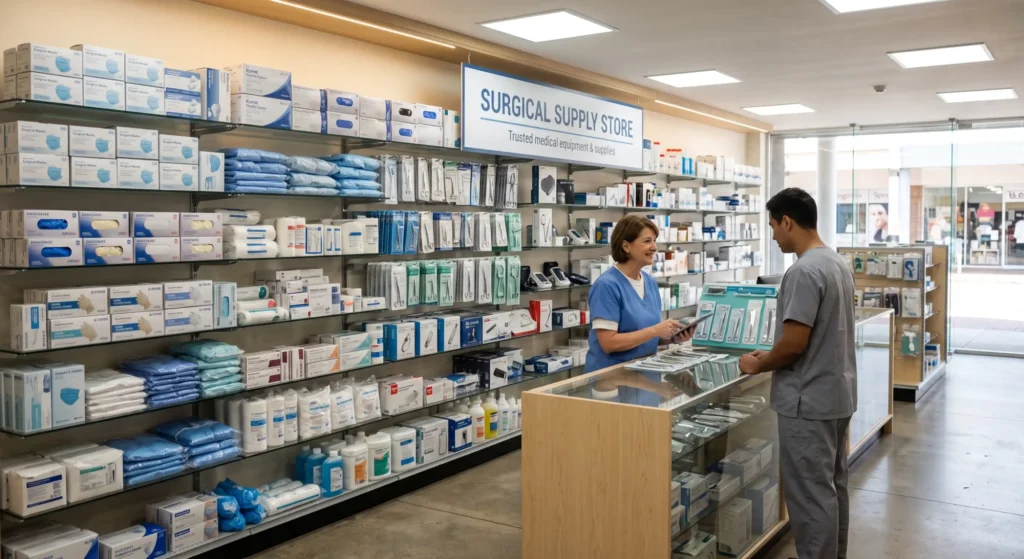
Alfa Healthcare Supply Inc. is an established healthcare and durable medical equipment (DME) supplier serving Queens and the greater New York area. The company has more than 25 years of experience and provides a broad selection of medical equipment, home-care products, orthopedic supports, respiratory equipment, diabetic supplies, mobility products, and other healthcare essentials.
This guide explains what to look for in a surgical supply provider, the types of products you may need, and why choosing an experienced supplier matters when quality, convenience, and support are important.
What Is a Surgical Supply Store?
A surgical supply store provides healthcare products used by patients, caregivers, healthcare professionals, clinics, and home-care providers.
Depending on the supplier, products can range from basic wound-care and disposable medical supplies to durable medical equipment used during recovery or long-term care.
A reliable supplier should offer more than a large catalog. Customers may also need help understanding product differences, selecting appropriate equipment, checking availability, handling insurance requirements, or arranging delivery.
That personal assistance becomes particularly valuable when someone has just returned home from a hospital or surgical procedure.
Looking for a Surgical Supply Store Near Howard Beach Queens?
Howard Beach is a Queens community where residents may need convenient access to medical equipment without having to make unnecessary trips across the city.
When searching for a surgical supply store near Howard Beach Queens, consider several factors:
- Product selection
- Supplier experience
- Product quality
- Customer support
- Delivery options
- Insurance assistance
- Availability of home-care equipment
- Guidance with product selection
- Ongoing support after purchase
Alfa Healthcare Supply Inc. serves patients and healthcare providers throughout Queens and surrounding New York communities, with local delivery services available across Queens according to its published service information.
Howard Beach Medical Equipment for Home Recovery
Medical equipment can become an important part of everyday life after surgery, injury, hospitalization, or a change in mobility.
For some people, recovery may require only a temporary product such as a walker or bathroom safety aid. Others may need equipment for months or longer.
Alfa Healthcare Supply Inc. offers multiple categories of Howard Beach medical equipment and home-care products, including mobility aids, respiratory equipment, orthopedic supports, diabetic supplies, and other DME solutions.
Mobility Equipment
Mobility products can help people move more safely and maintain independence while recovering.
Common examples include:
- Wheelchairs
- Walkers
- Rollators
- Transport chairs
- Crutches
- Mobility scooters
- Patient-support equipment
The appropriate product depends on the individual’s mobility, environment, physician recommendations, and level of assistance required.
A walker that works well for one person may not be appropriate for another. That is why discussing your requirements with a knowledgeable supplier can be helpful before making a purchase.
Surgical and Wound-Care Supplies
After a medical procedure, wound care can become part of a person’s daily routine.
Depending on clinical instructions, patients may require products such as:
- Gauze
- Dressings
- Medical tape
- Wound-care products
- Disposable medical supplies
- Protective supplies
- Other post-procedure care products
Patients should always follow the wound-care instructions provided by their physician or healthcare professional. A medical supply company can help with obtaining products, but it should not replace professional medical advice.
The goal is simple: make it easier for patients and caregivers to obtain the supplies they have been instructed to use.
Orthopedic Supplies for Recovery and Support
Orthopedic products can be useful for individuals recovering from injuries, procedures, or musculoskeletal problems.
Depending on the individual’s needs, orthopedic categories can include:
- Knee braces
- Wrist braces
- Ankle supports
- Back braces
- Shoulder supports
- Compression products
- Other orthopedic supports
Alfa Healthcare Supply Inc. lists orthopedic supports among its healthcare product categories.
The right brace is not simply the one that looks strongest or most supportive. Fit, intended use, comfort, mobility, and medical recommendations all matter.
Respiratory Medical Equipment
Some patients require respiratory equipment as part of home healthcare.
A medical equipment supplier may provide products such as:
- CPAP equipment and accessories
- Nebulizers
- Oxygen-related equipment
- Respiratory therapy supplies
- Breathing-care accessories
Alfa Healthcare Supply Inc. identifies respiratory devices, including CPAP machines and oxygen concentrators, among its product offerings.
For respiratory equipment, correct setup and safe use are especially important. Patients should use equipment according to their healthcare provider’s instructions and the manufacturer’s directions.
Diabetic Medical Supplies
Surgical and medical supply needs do not always end with recovery from a procedure. Many people also need supplies for ongoing conditions.
Diabetes-care products can include:
- Blood glucose monitors
- Test strips
- Lancets
- Diabetic shoes
- Diabetic inserts
- Other diabetes-management supplies
Alfa Healthcare Supply Inc. lists diabetic supplies among its product categories.
For someone managing diabetes, having a dependable source for recurring supplies can make everyday healthcare routines less stressful.
Why Choose an Experienced Medical Supply Provider?
When searching for a medical supply store Howard Beach residents can rely on, experience is worth considering.
Healthcare products are not ordinary household purchases. A wheelchair, CPAP accessory, orthopedic brace, diabetic product, or hospital bed can affect comfort, safety, and daily independence.
Alfa Healthcare Supply Inc. reports more than 25 years of experience serving the New York healthcare community. Its published approach includes consultation and assessment, product selection, ordering and delivery, equipment setup for certain DME products, and ongoing support.
That type of support can be valuable for both patients and caregivers.
Medical Supply Store Howard Beach: What Should You Look For?
Not every supplier provides the same level of service. Before choosing a medical supply store Howard Beach, consider asking the following questions.
1. Does the supplier carry the product you need?
A broad catalog can save time, particularly when you need several types of healthcare products.
2. Can someone help you understand your options?
Medical equipment often comes in different sizes, configurations, and designs. Knowledgeable assistance can make the purchasing process easier.
3. Does the company provide delivery?
For someone recovering at home, transporting bulky equipment can be difficult. Delivery may provide significant convenience.
4. Does the supplier assist with insurance?
Insurance requirements can sometimes be confusing. Alfa Healthcare Supply Inc. states that it works with major insurance providers and offers insurance billing assistance. Coverage and eligibility depend on the individual’s plan and circumstances.
5. Is support available after purchase?
A good supplier relationship should not necessarily end when the order is delivered. Setup, troubleshooting, replacement parts, and product questions can become important later.
The Importance of Choosing the Right Medical Equipment
A common mistake is focusing only on price.
Price is certainly important, but healthcare equipment should also be evaluated for suitability, quality, durability, comfort, ease of use, and intended purpose.
For example, someone choosing a mobility aid may need to think about:
- Height and fit
- Weight capacity
- Indoor versus outdoor use
- Portability
- Maneuverability
- Storage
- Caregiver assistance
Likewise, someone purchasing an orthopedic brace should consider proper sizing and the intended medical purpose.
The best product is not necessarily the most expensive product. It is the product that appropriately matches the person’s needs and professional recommendations.
Supporting Patients Beyond the Product
One of the most important differences between an ordinary retailer and a healthcare-focused supplier is the human side of service.
A caregiver may be purchasing equipment for an aging parent. A patient may be nervous after returning home from surgery. Another person may suddenly need mobility equipment after an injury.
These situations can be overwhelming.
A helpful medical supply team can make the process feel more manageable by listening carefully, explaining available options, and helping customers understand the ordering process.
Alfa Healthcare Supply Inc. describes its approach as combining product expertise with personalized support for patients, caregivers, and healthcare providers.
That human connection matters.
Surgical Supply Store Howard Beach for Patients and Caregivers
When people search for a surgical supply store Howard Beach, they may have very different needs.
One person may be looking for wound-care supplies following surgery.
Another may need a wheelchair or walker.
A caregiver may need a hospital bed or bathroom safety equipment.
Someone managing diabetes may need recurring testing supplies.
A patient with respiratory needs may be looking for CPAP or nebulizer equipment.
The common requirement is dependable access to appropriate healthcare products.
A supplier with multiple product categories can make this process more convenient by allowing customers to address several healthcare needs through one provider.
Home Healthcare Equipment Can Support Independence
One of the biggest benefits of appropriate DME is the potential to make everyday activities easier.
A properly selected mobility aid may help someone move around the home with greater confidence.
Bathroom safety equipment can support safer daily routines.
A hospital bed can provide positioning and accessibility benefits for certain home-care situations.
Respiratory equipment can support prescribed respiratory therapy at home.
These products are not simply pieces of equipment. For the person using them, they can become part of daily life.
That is why selection, fit, setup, and education matter.
Why Local Service Can Be Valuable
Searching for a surgical supply store near Howard Beach Queens is not necessarily just about finding the closest store.
Local service can also mean easier communication, convenient delivery options, familiarity with the surrounding communities, and ongoing customer support.
Alfa Healthcare Supply Inc. states that it serves Queens as well as Long Island, Brooklyn, the Bronx, Westchester, Manhattan, and other parts of New York through its broader service network.
For customers who need recurring supplies or equipment support, having a supplier familiar with the local area can be particularly convenient.
What Makes Alfa Healthcare Supply Inc. Different?
Alfa Healthcare Supply Inc. positions itself as a healthcare partner rather than simply a place to purchase medical products.
Its published services include:
- Durable medical equipment
- Mobility aids
- Respiratory equipment
- Orthopedic products
- Diabetic supplies
- Home-care equipment
- Medical supplies
- Product guidance
- Insurance billing assistance
- Delivery services
- Equipment setup and training for certain complex DME products
- Ongoing equipment support
The company’s website also states that it partners with manufacturers and DME-compliant suppliers and emphasizes product quality and compliance.
For consumers, these details are important because medical equipment should be sourced carefully and used appropriately.
How to Choose Supplies After Surgery
If you are preparing for surgery or caring for someone after a procedure, it can help to prepare early.
Start by asking the healthcare team what equipment and supplies will actually be required.
Then consider:
1. Make a product list.
Write down the items recommended by your physician, nurse, therapist, or discharge team.
2. Check measurements.
For products such as walkers, wheelchairs, braces, or bathroom equipment, proper measurements may be important.
3. Ask about insurance.
Find out whether the equipment or supplies are covered and what documentation may be necessary.
4. Plan delivery.
If equipment is needed when the patient returns home, arrange delivery ahead of time when possible.
5. Learn how equipment works.
Ask about setup and safe operation for products that require assembly or adjustment.
6. Keep instructions available.
Manufacturer instructions and healthcare-provider guidance should be retained for future reference.
Preparation can remove some of the stress from an already demanding recovery period.
A Healthcare Supplier for the Greater Queens Community
Healthcare needs do not follow neighborhood boundaries.
Someone living in Howard Beach may need medical equipment from a supplier serving a broader portion of Queens. Similarly, caregivers may travel between communities while helping family members.
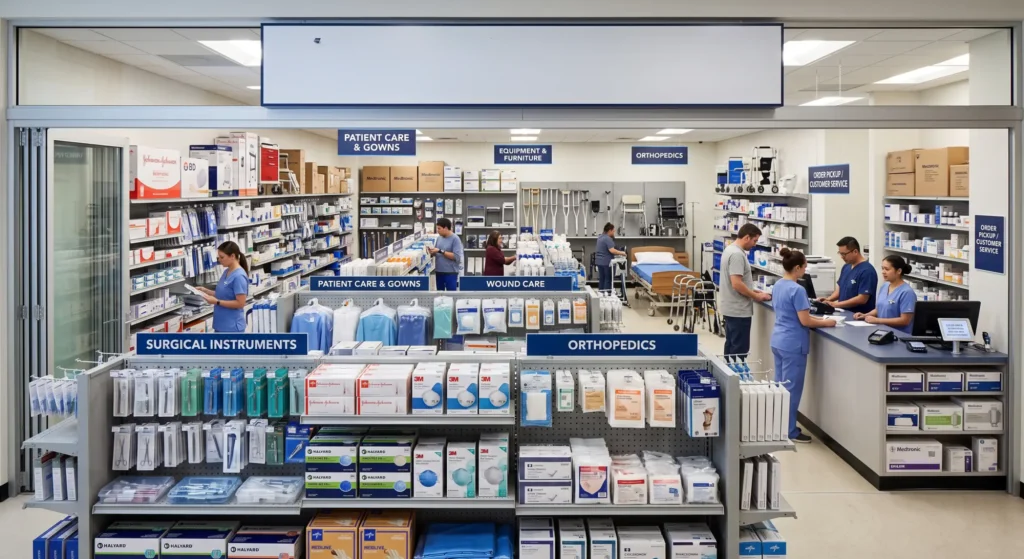
Alfa Healthcare Supply Inc. serves Queens and surrounding areas and offers products designed for home healthcare, mobility, respiratory care, orthopedic support, diabetes management, and other healthcare needs.
This broader service area can be useful for patients and families looking for a long-term medical supply partner rather than a one-time purchase.
Final Thoughts
Finding a surgical supply store near Howard Beach Queens should be about more than proximity. When health, recovery, mobility, or home care is involved, you want a supplier that understands that every order represents a real person with real needs.
Whether you are looking for surgical supplies, Howard Beach medical equipment, orthopedic products, respiratory equipment, diabetic supplies, mobility aids, or other home healthcare essentials, choosing an experienced supplier can make the process simpler.
With more than 25 years of experience, a broad medical equipment catalog, insurance assistance, delivery options, and support for patients and caregivers, Alfa Healthcare Supply Inc. provides healthcare solutions for customers throughout Queens and the greater New York area.
If you are comparing options for a medical supply store Howard Beach or a surgical supply store Howard Beach, take time to consider product quality, appropriate fit, service, delivery, insurance requirements, and ongoing support—not just price.
Because ultimately, medical supplies are not simply products sitting on a shelf. They are tools that can help someone recover, move, breathe, manage a condition, or feel a little more independent at home.
About Alfa Healthcare Supply Inc.
Alfa Healthcare Supply Inc. is a New York healthcare medical equipment and DME supplier serving patients, caregivers, and healthcare providers across Queens and surrounding communities. The company provides medical supplies, durable medical equipment, mobility products, respiratory equipment, orthopedic supports, diabetic supplies, and home healthcare solutions, with more than 25 years of experience in the New York healthcare community.
Frequently Asked Questions: Surgical Supply store near Howard Beach Queens
Where can I find a surgical supply store near Howard Beach Queens?
Alfa Healthcare Supply Inc. serves customers throughout Queens and the greater New York area with medical supplies, DME, mobility products, respiratory equipment, orthopedic supports, diabetic supplies, and home healthcare products.
What types of surgical supplies are available?
Depending on current inventory and individual requirements, medical supply providers may carry wound-care products, dressings, gauze, medical tape, disposable supplies, and other healthcare essentials.
Does Alfa Healthcare Supply Inc. provide Howard Beach medical equipment?
Alfa Healthcare Supply Inc. serves Queens and provides a range of DME and healthcare equipment, including mobility aids, respiratory devices, orthopedic products, diabetic supplies, and home-care equipment.
Does a medical supply store help with insurance?
Alfa Healthcare Supply Inc. states that it offers insurance billing assistance and works with major insurance providers. However, coverage depends on the customer’s individual insurance plan, medical necessity, authorization, and other requirements.
Can medical equipment be delivered?
Yes. Alfa Healthcare Supply Inc. states that it provides delivery services throughout Queens and other areas of New York, with expedited options available depending on location and circumstances.
Can I get home healthcare equipment?
Yes. The company’s published product categories include home healthcare equipment, mobility aids, respiratory equipment, orthopedic supports, and other DME products.
Should I ask my doctor before purchasing medical equipment?
For equipment related to a specific medical condition, surgery, rehabilitation program, or treatment plan, it is wise to follow your physician’s or healthcare professional’s recommendations. A medical supplier can assist with product availability and selection, but it does not replace professional medical advice.
Finding dependable hospital supply Long Island NY providers is about much more than locating a store with medical products on the shelf. Hospitals, clinics, rehabilitation centers, nursing facilities, home healthcare agencies, caregivers, and patients all need access to dependable equipment and supplies that support safe, comfortable, and efficient care.
When medical equipment is needed, reliability matters. A delayed order, unsuitable product, or confusing purchasing process can create unnecessary stress for healthcare professionals and families. That is why choosing an experienced supplier with a broad product selection, responsive service, and a patient-focused approach can make a meaningful difference.
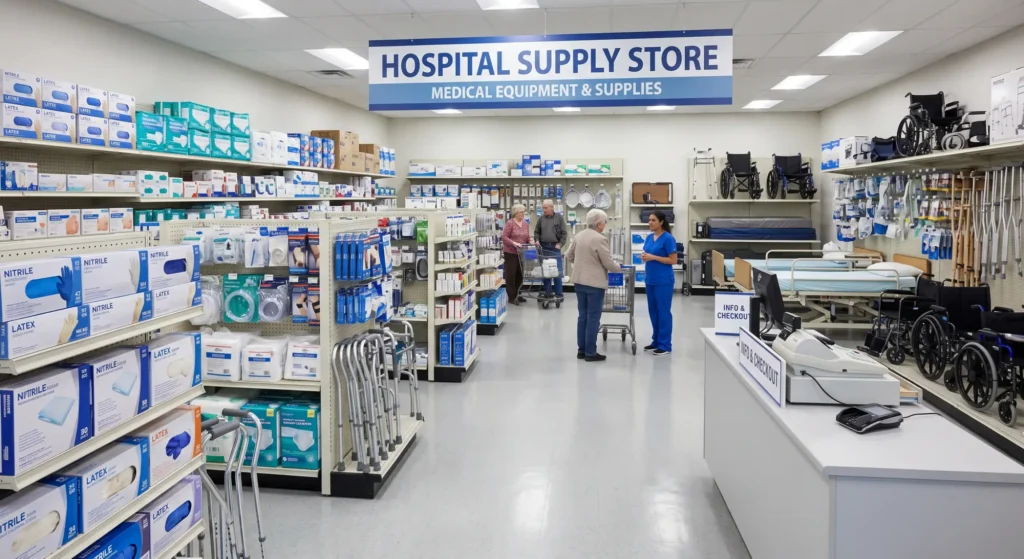
For healthcare providers and patients across Long Island and the surrounding New York communities, Alfa Healthcare Supply Inc. provides durable medical equipment (DME), home healthcare products, diabetic supplies, orthopedic supports, respiratory equipment, mobility aids, and other healthcare essentials. The company serves Long Island as well as Queens, Brooklyn, the Bronx, Westchester, and other New York communities.
What is a Hospital Supply Provider?
A hospital supply provider supplies healthcare organizations and individuals with products used for patient care, treatment support, recovery, monitoring, mobility, and everyday healthcare needs.
The term hospital supply can cover a wide range of products. Depending on the supplier, inventory may include:
- Durable medical equipment
- Mobility equipment
- Respiratory equipment
- Orthopedic supports
- Diabetes management supplies
- Incontinence and personal-care products
- Home healthcare equipment
- Diagnostic and monitoring equipment
- Surgical and clinical supplies
- CPAP and related respiratory supplies
- Patient-support products
Not every patient needs the same equipment. A hospital discharge patient may need a walker or wheelchair, while someone managing a chronic respiratory condition may need respiratory equipment. A person living with diabetes may require glucose-monitoring supplies, while a caregiver may need incontinence products or home-care equipment.
A good supplier understands that these products are connected to real people and real healthcare situations.
Why Reliable Hospital Supply Long Island NY Services Matter
Long Island has a large and diverse healthcare community. Patients receive care in hospitals, outpatient centers, physician offices, rehabilitation facilities, nursing homes, and their own homes.
This means medical supplies need to be accessible beyond the traditional hospital environment.
For example, after leaving a hospital, a patient may suddenly need equipment that was not part of everyday life before an illness or procedure. A walker may become essential for safe movement. A wheelchair may help someone remain independent. A CPAP device may become part of a nightly routine. A glucose monitor may become an important part of diabetes management.
Having a dependable medical supply partner can make this transition easier.
Alfa Healthcare Supply describes its approach as patient-focused and provides DME and healthcare products designed to support mobility, recovery, comfort, and independence.
Alfa Healthcare Supply Inc. Serving Long Island
Alfa Healthcare Supply Inc. is based in Floral Park, New York, and serves customers across Long Island and other parts of New York. Its published service information identifies Long Island among the communities it serves.
The company has more than two decades of experience in the New York healthcare supply industry and identifies itself as a healthcare equipment and DME provider. Its services include support for patients, caregivers, and healthcare providers looking for medical equipment and supplies.
For someone searching online for a medical supply store Long Island, this broader service model can be useful because medical needs are often more complicated than simply buying a single product.
What Types of Medical Supplies Are Available?
1. Durable Medical Equipment
Durable medical equipment is designed to provide ongoing support for mobility, daily living, recovery, or specific medical needs.
Examples can include:
- Wheelchairs
- Walkers
- Rollators
- Mobility aids
- Scooters
- Hospital beds
- Patient-support equipment
The right product depends on the individual’s condition, environment, mobility level, and healthcare professional’s recommendations.
For example, a person recovering from surgery may need temporary mobility equipment, while someone with a long-term mobility limitation may require equipment designed for regular daily use.
2. Respiratory Equipment
Breathing-related conditions can make dependable respiratory equipment especially important.
Depending on the patient’s needs and prescription requirements, respiratory supplies may include:
- CPAP equipment
- BiPAP supplies
- Oxygen-related equipment
- Nebulizers
- Respiratory accessories
- COPD and asthma supplies
Alfa Healthcare Supply lists respiratory products among its healthcare offerings, including CPAP equipment, oxygen concentrators, and other breathing-related equipment.
3. Diabetic Supplies
Diabetes management often requires regular access to supplies.
A medical supply provider may offer products such as:
- Blood glucose monitors
- Test strips
- Lancets
- Insulin-related supplies
- Diabetic footwear
- Diabetic shoe inserts
- Other diabetes-management products
Consistent access is important because diabetes care frequently involves routines that patients follow every day.
4. Orthopedic Supplies
Orthopedic products can provide support during recovery or help individuals manage mobility and musculoskeletal concerns.
Depending on individual needs, products can include:
- Knee braces
- Ankle braces
- Wrist supports
- Back braces
- Shoulder supports
- Compression products
- Splints
Alfa Healthcare Supply identifies orthopedic supports and compression therapy among its healthcare solutions.
5. Mobility Equipment
Mobility equipment can have a direct impact on independence.
A properly selected walker, wheelchair, rollator, or other mobility aid can make everyday activities more manageable.
For families, this can also provide reassurance. Helping a loved one move safely around the home, enter a vehicle, attend appointments, or participate in everyday activities can make recovery feel less overwhelming.
6. Incontinence and Personal-Care Supplies
Incontinence care is another important part of home healthcare.
Products may include:
- Adult briefs
- Pull-ups
- Underpads
- Bed pads
- Personal-care products
- Related hygiene supplies
These products are not simply conveniences. For patients and caregivers, dependable access can support dignity, cleanliness, comfort, and easier daily care.
Choosing a Medical Supply Store Long Island
When comparing a medical supply store Long Island, consider more than price.
Product Selection
Look for a supplier that offers products across several healthcare categories. A broader catalog can make it easier to manage multiple healthcare needs through one provider.
Product Quality
Medical equipment should come from reliable manufacturers and meet applicable safety and quality requirements. Alfa Healthcare Supply states that it sources healthcare products from trusted, compliant brands and emphasizes quality assurance.
Experience
Medical equipment can be very different from ordinary consumer products. Experience matters when a customer needs help understanding product options, documentation, ordering requirements, or insurance processes.
Customer Support
Healthcare purchasing can involve prescriptions, documentation, insurance, and clinical referrals. Responsive customer service can make the process much less frustrating.
Delivery and Ordering
For patients and healthcare organizations, dependable delivery can be important. Alfa Healthcare Supply states that it provides nationwide shipping while prioritizing local New York customers for expedited processing.
Medical Supply Store Long Island New York: What Should Patients Ask?
If you are looking for a medical supply store Long Island New York, asking the right questions before ordering can help you make a better decision.
Consider asking:
- Does the supplier carry the equipment I need?
- Is the product appropriate for my prescribed use?
- Does the supplier work with my insurance?
- Is documentation required?
- Can the supplier help with insurance or authorization questions?
- How is the equipment delivered?
- What happens if I have questions after receiving the product?
- Are recurring supplies available?
- Can healthcare providers submit orders or referrals directly?
- Is there assistance available when comparing equipment options?
These questions are particularly important when purchasing DME or products connected to an ongoing treatment plan.
Insurance and Ordering Support
Medical equipment purchasing can sometimes involve more than choosing a product and paying for it.
Depending on the equipment and insurance plan, the process may involve:
- Prescription documentation
- Detailed written orders
- Certificates of medical necessity
- Insurance eligibility
- Prior authorization
- Provider referrals
- Billing documentation
Alfa Healthcare Supply states that its team assists with prior authorization, documentation, eligibility checks, and digital referrals through Parachute Health. It also states that it is a Medicare-enrolled provider and works with major managed Medicaid plans in the Five Boroughs and Long Island.
Coverage varies by plan and product, so patients should confirm their individual benefits and requirements before ordering.
Supporting Patients Beyond the Hospital
One of the biggest changes in modern healthcare is the growing importance of care outside the hospital.
A patient may spend only a few days in a hospital but several weeks or months recovering at home.
That means the home environment needs to support recovery.
A caregiver may suddenly find themselves helping someone with:
- Walking
- Bathing
- Sleeping
- Breathing treatments
- Medication routines
- Diabetes monitoring
- Personal hygiene
- Transfers from bed to chair
- Transportation to medical appointments
Medical equipment can make some of these tasks safer and more manageable.
Alfa Healthcare Supply specifically describes its role in supporting patients and caregivers as they transition to home care, with products such as mobility equipment, diabetic supplies, respiratory products, orthopedic supports, and incontinence supplies.
Hospital Supply for Healthcare Facilities
Hospital and healthcare organizations have different requirements from individual consumers.
A facility may need consistent access to products for multiple patients, departments, or care programs.
Important supplier qualities may include:
- Reliable ordering
- Product availability
- Bulk purchasing
- Consistent product specifications
- Documentation support
- Insurance and reimbursement assistance
- Delivery coordination
- Responsive account support
For organizations purchasing medical supplies regularly, establishing a relationship with an experienced supplier can simplify procurement and reduce unnecessary administrative work.
Alfa Healthcare Supply also describes itself as a wholesale medical supply provider serving healthcare facilities, medical practices, nursing homes, rehabilitation centers, and home healthcare agencies.
Why Local Service Can Make a Difference
Searching for medical supplies Long Island New York often means the customer wants more than an online catalog.
Local and regional service can be valuable when:
- Equipment is needed after hospital discharge
- A caregiver needs help selecting equipment
- A medical provider needs to coordinate an order
- Insurance documentation is required
- Recurring supplies are needed
- Equipment needs to reach the patient efficiently
For families, a medical supply company can become part of the healthcare support network.
The goal is not simply to sell a wheelchair, CPAP supply, glucose monitor, brace, or other product. The goal is to help the customer obtain equipment that fits the intended healthcare need.
Serving Communities Across Long Island
Long Island includes a wide range of communities across Nassau and Suffolk counties. Patients may be located in densely populated suburban areas, residential neighborhoods, or farther east on the island.
A regional supplier can therefore be useful for patients and healthcare professionals who need service across multiple communities.
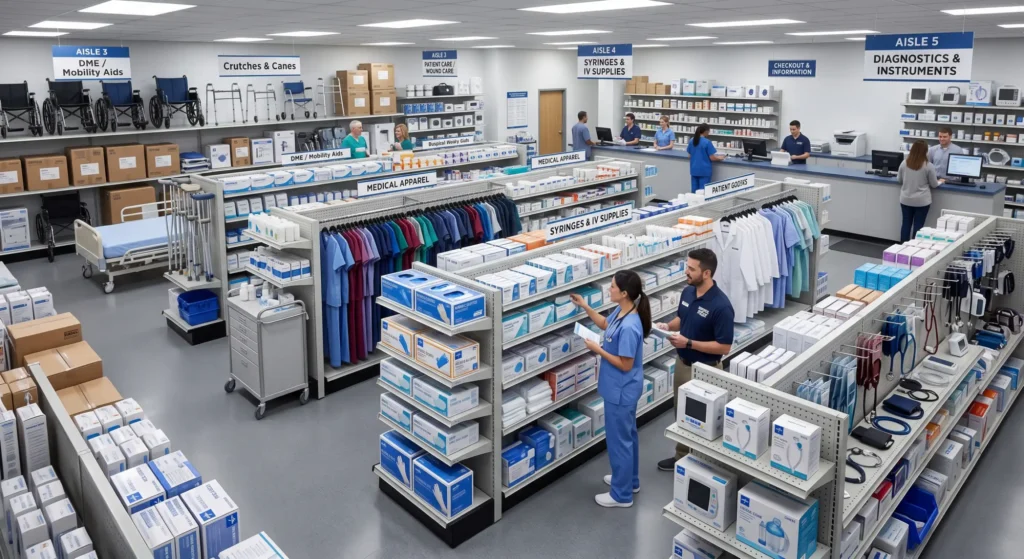
Alfa Healthcare Supply has specifically identified communities including Floral Park, New Hyde Park, Jamaica, Hicksville, Garden City, Valley Stream, Mineola, and Nassau County in its Long Island service information.
Its broader published service area also includes Queens, Brooklyn, the Bronx, Westchester, and New York communities.
How to Make the Medical Supply Process Easier
A little preparation can save time.
Have Your Medical Information Ready
If your equipment requires a prescription or medical documentation, keep the relevant paperwork available.
Know Your Insurance Information
Have your insurance card and plan information ready when contacting a supplier.
Ask About Product Specifications
Do not assume that two products with similar names are identical. Size, weight capacity, features, compatibility, and intended use can differ.
Explain the Patient’s Situation
If you are purchasing for someone else, explain the person’s mobility, home environment, and daily needs as accurately as possible.
Follow Clinical Guidance
Medical equipment should be used according to the manufacturer’s instructions and the recommendations of the appropriate healthcare professional.
Human-Centered Healthcare Starts With Listening
Medical equipment can sometimes feel technical and impersonal. But behind every order is a person.
It could be an elderly person who wants to live independently at home.
It may be a parent caring for a family member after surgery.
It may be someone learning how to manage diabetes.
It may be a patient adjusting to a new respiratory device.
Or it may be a healthcare professional trying to make sure a patient has everything needed before leaving a facility.
That human side is why supplier support matters.
At Alfa Healthcare Supply, the company’s stated mission emphasizes helping patients, caregivers, and medical providers obtain healthcare equipment that supports comfort, mobility, and well-being.
Final Thoughts
Choosing a hospital supply Long Island NY provider is ultimately about finding dependable support when healthcare needs become part of everyday life.
The right supplier can make it easier to access mobility equipment, respiratory products, diabetic supplies, orthopedic supports, incontinence products, and other medical necessities. It can also help patients, caregivers, and healthcare professionals navigate ordering, documentation, insurance, and delivery.
If you are a patient, caregiver, or healthcare professional, the best medical supply experience should leave you feeling informed—not rushed or confused. Reliable products matter, but so do knowledgeable guidance, dependable service, and a supplier that understands the people behind every order.
Frequently Asked Questions: Hospital Supply Long Island NY
What does hospital supply Long Island NY mean?
Hospital supply Long Island NY generally refers to medical and healthcare products supplied to hospitals, clinics, healthcare organizations, caregivers, and patients throughout Long Island. Products can include DME, mobility equipment, respiratory products, orthopedic supports, diabetic supplies, and other healthcare essentials.
Where can I find a medical supply store Long Island New York?
Alfa Healthcare Supply Inc. is based in Floral Park, NY, and serves Long Island and other New York communities. Its published service information includes Long Island, Queens, Brooklyn, the Bronx, and Westchester.
What medical supplies are available for home care?
Home healthcare products can include walkers, wheelchairs, respiratory equipment, diabetic supplies, orthopedic supports, incontinence products, and other DME. The appropriate product depends on the patient’s needs and healthcare provider’s recommendations.
Does Alfa Healthcare Supply work with insurance?
Alfa Healthcare Supply states that it provides insurance-related assistance, including eligibility checks, prior authorization support, and documentation assistance. It also states that it is a Medicare-enrolled provider. Coverage and eligibility depend on the patient’s plan and the specific item.
Can healthcare providers order medical equipment?
Yes. Alfa Healthcare Supply provides ordering options for healthcare providers and states that it accepts digital referrals through Parachute Health.
Does Alfa Healthcare Supply deliver to Long Island?
Yes. The company states that Long Island is part of its service area and that it provides shipping and local processing for New York customers.
How do I choose the right medical equipment?
Start with the patient’s medical requirements and any prescription or clinical recommendations. Then consider fit, intended use, safety, home environment, durability, insurance coverage, and ongoing support.
When you need medical supplies Rochdale, finding the right provider is about more than locating a store nearby. Medical supplies can become an important part of everyday life—whether you are recovering from surgery, managing diabetes, supporting an aging family member, dealing with mobility challenges, or caring for someone at home.
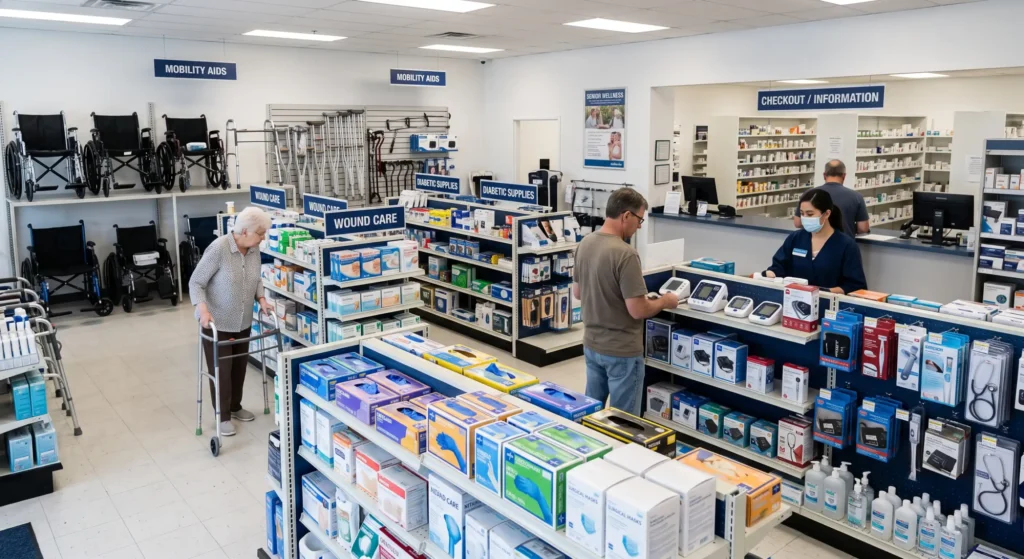
The right medical supply provider should offer dependable products, knowledgeable assistance, convenient ordering, and a genuine understanding of what patients and caregivers need. For residents of Rochdale, Queens, and surrounding communities, Alfa Healthcare Supply Inc. provides a broad selection of durable medical equipment, home healthcare products, diabetic supplies, respiratory equipment, orthopedic products, and other healthcare essentials. The company says it serves Queens and the wider New York area and has more than 25 years of experience.
Why Choosing the Right Medical Supplies Rochdale Provider Matters
Medical equipment is not like an ordinary household purchase. A walker, wheelchair, blood glucose monitor, compression stocking, CPAP machine, or respiratory device may directly affect someone’s comfort, independence, and daily routine.
For that reason, price should not be the only consideration.
A dependable supplier should make it easier to understand your options and select products appropriate for the intended use. This becomes especially important when a caregiver is purchasing equipment for a parent, spouse, or another loved one.
Good service can make a stressful situation feel much more manageable.
Instead of simply handing over a product, a quality medical supplier should help customers understand what they are purchasing, how it is intended to be used, and when professional medical guidance may be necessary.
What Types of Medical Supplies Are Available?
The term “medical supplies” covers a surprisingly wide range of products. Different patients have completely different needs, so a supplier with a broad catalog can be particularly useful.
Alfa Healthcare Supply Inc.’s online catalog includes categories such as diabetic supplies, DME equipment, incontinence supplies, COPD/asthma supplies, orthopedic products, shoes, OBGYN supplies, and miscellaneous healthcare products.
1. Durable Medical Equipment
Durable Medical Equipment, commonly called DME, is designed for repeated use and can help people maintain greater safety and independence.
Depending on individual needs, DME can include:
- Wheelchairs
- Walkers
- Rollators
- Mobility scooters
- Hospital beds
- Patient-care equipment
- Bathroom safety equipment
- Other home-care devices
Mobility equipment can be especially valuable for people recovering from injury or surgery or those who have difficulty walking safely.
The goal isn’t simply to provide equipment. The right equipment can help someone move around the home with greater confidence and participate more comfortably in everyday activities.
2. Diabetic Supplies
Diabetes management often requires regular monitoring and dependable supplies.
Medical supplies for diabetes may include:
- Blood glucose monitors
- Test strips
- Lancets
- Insulin-related supplies
- Diabetic footwear
- Diabetic shoe inserts
- Other diabetes management products
Alfa Healthcare Supply Inc. specifically lists blood glucose monitoring systems and recurring diabetic supplies among its offerings.
Patients should always follow their healthcare professional’s recommendations regarding glucose monitoring and diabetes treatment.
3. Respiratory and COPD/Asthma Supplies
Breathing-related conditions may require specialized equipment at home.
Depending on the patient’s prescription and clinical requirements, respiratory supplies can include:
- CPAP equipment
- Oxygen-related equipment
- Nebulizers
- Respiratory accessories
- Other breathing-support products
Alfa Healthcare identifies CPAP machines, oxygen concentrators, and breathing equipment among its respiratory offerings.
Because respiratory equipment can be clinically important, patients should use products according to their healthcare provider’s instructions.
4. Orthopedic Supplies
Orthopedic products can provide support during recovery or help with everyday mobility.
Common categories include:
- Knee braces
- Back supports
- Ankle braces
- Wrist supports
- Shoulder supports
- Compression products
- Other orthopedic equipment
Choosing the correct size and type matters. A product that is poorly fitted may be uncomfortable or may not provide the intended support.
5. Compression Therapy
Compression stockings are another important category of medical supplies.
Alfa Healthcare Supply Inc. offers medical-grade compression stockings and provides a measurement process involving information such as shoe size, ankle size, calf size, and leg length.
Proper measurement is important because compression garments are designed to provide graduated pressure. Patients who have been advised to use compression therapy should follow their healthcare professional’s recommendations regarding compression level and fit.
6. Incontinence and Urological Supplies
Incontinence can be difficult to discuss, but appropriate supplies can make a meaningful difference in dignity and daily comfort.
Depending on individual needs, supplies may include:
- Protective products
- Medical-grade wipes
- Skin-care products
- Urological supplies
- Other home-care essentials
Alfa Healthcare lists incontinence and urological care products among its medical supply categories.
A compassionate supplier can make the purchasing process more comfortable by treating these needs with privacy and respect.
Medical Supplies Rochdale for Home Healthcare
More healthcare is being managed outside traditional hospital settings. After discharge, many people continue their recovery at home with assistance from family members, caregivers, home-health professionals, or visiting nurses.
That means the home may need to accommodate medical equipment.
A person recovering from surgery might need mobility assistance. Someone with limited mobility may need bathroom safety equipment. A patient managing diabetes may require regular glucose-monitoring supplies. Someone using CPAP therapy may need replacement accessories.
Having a dependable medical supply source can make these transitions easier.
Alfa Healthcare states that its home-care offerings are designed to support monitoring, recovery, mobility, and everyday independence.
What Makes a Medical Supply Provider Reliable?
When comparing providers for medical supplies Rochdale, consider several practical factors.
Product Selection
A supplier with multiple categories can save customers from having to search for different providers for every healthcare need.
Look for a catalog that matches your requirements rather than choosing solely because a company sells one particular product.
Product Quality
Medical products should come from reputable manufacturers and meet applicable quality and safety requirements.
Alfa Healthcare says it sources FDA-approved and compliant healthcare products and emphasizes quality assurance.
Customers should still verify that a particular product is appropriate for their individual medical situation.
Knowledgeable Assistance
Sometimes the hardest part isn’t finding a product—it’s knowing which product is appropriate.
A knowledgeable supplier can help customers understand product categories, ordering requirements, sizing information, and documentation. Medical decisions themselves, however, should remain with qualified healthcare professionals.
Insurance and Ordering Support
Medical equipment may sometimes involve insurance documentation, prescriptions, eligibility requirements, or other administrative steps.
Alfa Healthcare says it provides insurance billing assistance and offers ordering through its website, by phone, and through Parachute Health for healthcare providers.
Insurance coverage varies by plan and product, so customers should confirm coverage and requirements with their insurer and healthcare provider.
Delivery Options
When a person needs an essential healthcare product, convenience matters.
Alfa Healthcare reports nationwide shipping and expedited processing for local New York customers, including communities in Queens and surrounding areas.
Always confirm current availability and delivery timing before placing an urgent order.
A Human Approach to Medical Supplies
Healthcare can sometimes feel impersonal.
You call a number, provide information, receive a product, and move on.
But behind every order is usually a person.
Maybe it is a daughter trying to find a safer walker for her father.
Maybe it is someone returning home after surgery.
Maybe it is a caregiver trying to organize several medical needs at once.
Maybe it is a person managing diabetes who simply wants dependable supplies without another complicated errand.
These situations are why customer service matters.
A medical supply company should understand that customers aren’t just buying equipment. They are often buying greater confidence in their daily routine.
That human element is one reason experience and communication can be just as important as inventory.
How to Choose the Right Medical Supply for Your Needs
Before purchasing a medical product, consider these questions:
What has your healthcare professional recommended?
Start with your physician, nurse, physical therapist, respiratory therapist, or other qualified professional when the product is medically prescribed or clinically important.
Do you need a specific size?
Many medical products require accurate sizing.
This can include:
- Compression stockings
- Braces
- Diabetic shoes
- Mobility accessories
- Patient-support products
Do not assume that your normal clothing or shoe size automatically corresponds to a medical product size.
Is a prescription required?
Some products may require a prescription or documentation depending on the equipment, insurance plan, and circumstances.
Confirm requirements before ordering.
Will you use it at home?
Consider the physical environment where the equipment will be used.
For mobility equipment, think about:
- Doorway widths
- Stairs
- Bathroom layout
- Flooring
- Storage space
- Turning space
For respiratory or electrical equipment, consider the location of outlets and the manufacturer’s requirements.
Does your insurance cover it?
Coverage differs considerably between plans.
Ask the supplier and your insurer about eligibility, documentation, deductibles, copayments, and authorization requirements.
Medical Supplies for Seniors and Caregivers
Seniors may need several types of healthcare equipment at the same time.
A person experiencing reduced mobility might need a walker, orthopedic support, bathroom safety equipment, and other home-care products. Another individual may need diabetes supplies or respiratory equipment.
For caregivers, managing all these requirements can feel overwhelming.
A supplier with multiple product categories can simplify the process by providing access to several types of equipment through one healthcare resource.
Alfa Healthcare describes its product range as supporting mobility, respiratory care, diabetes management, orthopedic needs, and home care.
Supporting Independence at Home
One of the most meaningful benefits of appropriate medical equipment is independence.
A walker may allow someone to move safely around the home.
A wheelchair can help a person participate in activities outside the bedroom.
A properly selected bathroom aid can make personal care easier.
A glucose monitor can support routine diabetes management.
Compression products may become part of a prescribed daily care routine.
These aren’t simply objects. They can become tools that help people maintain a sense of control over everyday life.
Of course, equipment should be selected based on individual needs and professional guidance where appropriate.
Medical Supplies Rochdale and the Greater Queens Community
Rochdale is part of the larger Queens community, where residents have access to a wide range of healthcare providers and services.
For someone searching online for medical supplies Rochdale, geographic proximity is only one consideration. The supplier’s service area, product range, ordering process, delivery options, customer support, and experience can all affect the overall experience.
Alfa Healthcare Supply Inc. identifies Queens, Brooklyn, the Bronx, Long Island, Westchester, and other New York communities within its service footprint.
For Rochdale residents, this can make a broader regional supplier worth considering when a local storefront does not have the exact product needed.
Why Experience Matters in Medical Supply
Experience does not replace clinical expertise, but it can contribute to a smoother purchasing experience.
Alfa Healthcare Supply Inc. states that it has more than 25 years of experience serving patients, caregivers, and healthcare providers.
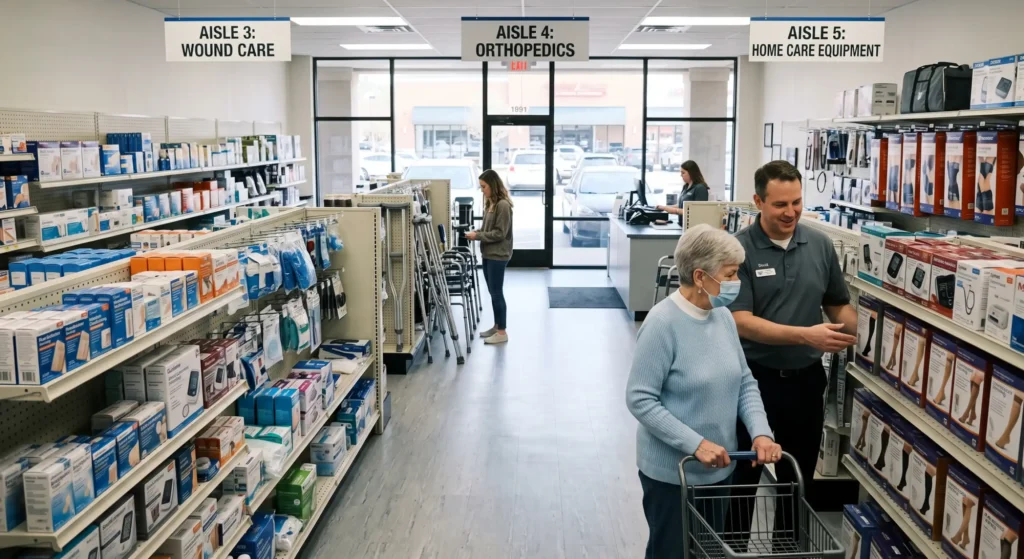
Over time, a medical supplier encounters many different practical situations—from mobility equipment and respiratory products to diabetes supplies and home-care needs.
That experience can help make ordering and product selection more straightforward.
Ordering Medical Supplies: A Simple Approach
If you’re beginning your search for medical supplies, the process does not have to be complicated.
Step 1: Identify the need.
Write down exactly what you need and why you need it.
Step 2: Ask your healthcare professional when appropriate.
For prescribed or clinically significant equipment, confirm the product requirements with your healthcare provider.
Step 3: Check product specifications.
Review sizing, compatibility, intended use, and accessories.
Step 4: Ask about insurance.
Find out whether your insurance plan covers the item and what documentation may be required.
Step 5: Compare suppliers.
Look at product quality, service, availability, ordering options, and delivery.
Step 6: Confirm before ordering.
Make sure you have the correct model, size, quantity, and supporting documentation.
Step 7: Follow usage instructions.
Use medical equipment according to the manufacturer’s instructions and guidance from your healthcare professional.
Frequently Asked Questions About Medical Supplies Rochdale
Where can I find medical supplies Rochdale residents can order?
Residents searching for medical supplies in Rochdale can consider regional healthcare suppliers that serve Queens. Alfa Healthcare Supply Inc. offers medical supplies and DME and identifies Queens among its service areas.
What medical supplies does Alfa Healthcare Supply Inc. offer?
Its catalog includes diabetic supplies, DME equipment, incontinence supplies, orthopedic products, shoes, COPD/asthma supplies, OBGYN supplies, and miscellaneous healthcare products.
Does Alfa Healthcare provide diabetic supplies?
Yes. The company’s catalog includes blood glucose monitors and other diabetic testing and management supplies.
Can I find mobility equipment?
Yes. Alfa Healthcare identifies wheelchairs, walkers, scooters, and other mobility aids among its offerings.
Does the company offer respiratory equipment?
Yes. Its respiratory category includes products such as CPAP machines, oxygen concentrators, and breathing equipment.
Can medical supplies be delivered?
Alfa Healthcare states that it offers nationwide shipping and prioritizes local New York processing. Current delivery times should be confirmed before ordering.
Can insurance help pay for medical equipment?
Some medical equipment and supplies may be covered depending on the patient’s insurance plan, medical necessity, product category, and documentation. Coverage is not automatic, so confirm requirements with your insurer and supplier.
When healthcare needs become part of everyday life, having dependable access to the right supplies can make a meaningful difference. Whether someone is recovering after a procedure, managing a chronic condition, supporting a family member at home, or running a healthcare practice, reliable medical products help make care safer, more organized, and more comfortable.
For people searching for Hamilton surgical supplies or dependable medical supply Hamilton options, choosing the right supplier involves more than finding a product online. Quality, product selection, knowledgeable assistance, ordering convenience, and dependable fulfillment all matter.
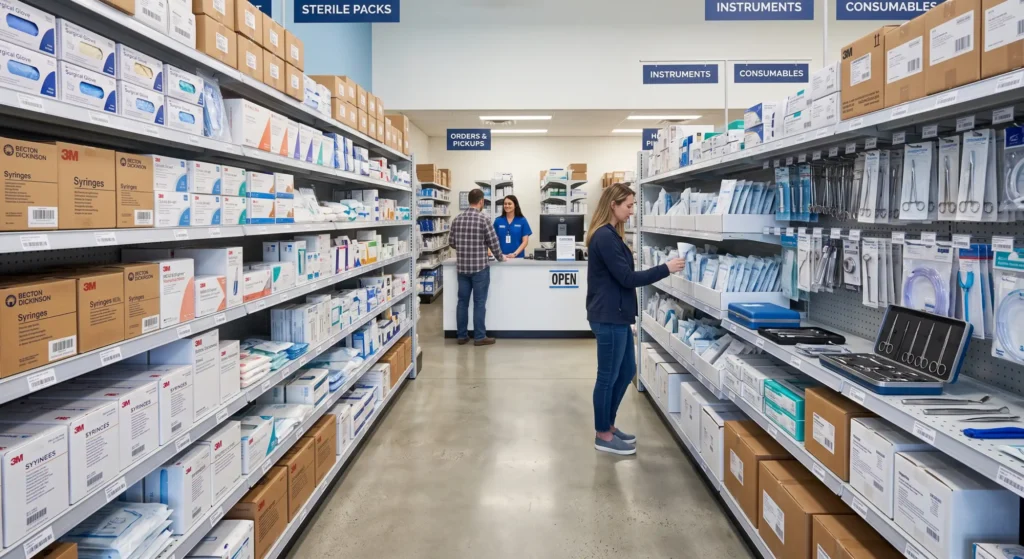
Alfa Healthcare Supply Inc. is a New York-based healthcare equipment and medical supply provider offering a broad selection of durable medical equipment (DME), respiratory products, diabetic supplies, mobility aids, orthopedic supports, and home healthcare products. The company states that it has more than 25 years of experience serving patients, caregivers, and healthcare providers.
What are Surgical Supplies?
Surgical supplies include a wide variety of healthcare products used before, during, and after medical procedures. Depending on the setting and clinical need, these products may support wound care, infection-control practices, patient protection, recovery, and routine clinical procedures.
Common categories can include:
- Gauze and dressings
- Medical tape
- Wound-care products
- Disposable medical products
- Protective equipment
- Procedure-related supplies
- Compression products
- Patient-care accessories
- Mobility and recovery equipment
The exact products needed depend on the procedure, the patient’s condition, and the instructions provided by the healthcare professional.
For patients recovering at home, surgical supplies may become part of a larger home-care routine. A dressing may need to be changed regularly, mobility may temporarily be limited, or additional equipment may be needed to make everyday activities safer.
That is why a medical supply provider should be viewed as more than a place to purchase products. The right supplier can help make the transition from clinical care to home care easier to manage.
Why Quality Matters When Choosing Hamilton Surgical Supplies
Medical supplies are closely connected to patient care. A product that is poorly suited to a patient’s needs can create unnecessary frustration and may interfere with a carefully planned recovery routine.
When comparing Hamilton surgical supplies, consider several important factors.
1. Product Quality
Healthcare products should come from reputable manufacturers and meet applicable quality and regulatory requirements. Alfa Healthcare Supply Inc. states that it sources FDA-compliant healthcare products and works with trusted manufacturers.
2. Appropriate Product Selection
Different procedures and recovery situations require different supplies. A supplier with a broad catalog can make it easier to find related products without relying on multiple vendors.
3. Availability and Fulfillment
Medical needs do not always follow a convenient schedule. A supplier with an organized fulfillment process can help patients, caregivers, and healthcare facilities obtain essential products when they are needed.
4. Knowledgeable Support
For many people, medical terminology and equipment specifications can feel overwhelming. Having access to knowledgeable assistance can make product selection less stressful.
5. Support Beyond the Sale
Some healthcare equipment requires setup, maintenance, replacement parts, or troubleshooting. A supplier that continues supporting customers after an order can provide additional peace of mind.
Alfa Healthcare Supply Inc. for Medical Supply Hamilton Needs
Alfa Healthcare Supply Inc. serves patients and healthcare providers throughout New York, including Queens, Brooklyn, the Bronx, Long Island, Westchester, Manhattan, and surrounding communities. Its published product categories include durable medical equipment, respiratory devices, diabetic supplies, orthopedic supports, mobility aids, and home healthcare equipment.
For people researching medical supply Hamilton options, the company’s broader healthcare catalog can be useful when surgical recovery involves more than disposable supplies.
For example, someone recovering from orthopedic surgery may need a combination of:
- A walker or wheelchair
- A knee or orthopedic brace
- Compression products
- Bathroom safety equipment
- Wound-care supplies
- Other prescribed or recommended medical equipment
Having access to several categories through one supplier can simplify the process.
Surgical Recovery Is About More Than the Procedure
The procedure itself may last only a few hours, but recovery can continue for days or weeks.
That period is when patients often discover how important practical details really are.
How will they get around the house?
Can they safely use the bathroom?
Do they have the supplies needed for dressing changes?
Will a caregiver have everything necessary to provide assistance?
Is the home environment prepared for temporary mobility limitations?
These questions are why choosing appropriate Hamilton surgical supplies should be part of a broader recovery plan.
A well-prepared home can reduce unnecessary stress and help patients focus on following their healthcare provider’s instructions.
Mobility Equipment for Post-Surgical Recovery
Mobility can be temporarily affected after many procedures, particularly orthopedic operations.
Depending on the patient’s prescribed care plan, mobility equipment may include:
- Walkers
- Rollators
- Wheelchairs
- Transport chairs
- Crutches
- Mobility accessories
- Bathroom safety equipment
Alfa Healthcare Supply Inc. lists wheelchairs, walkers, scooters, and other mobility aids among its healthcare solutions.
The right device depends on factors such as the patient’s mobility level, balance, weight capacity, home layout, and medical recommendations.
Patients should follow their healthcare professional’s guidance when selecting and using mobility equipment.
Orthopedic Supplies That Can Support Recovery
Orthopedic products can play an important role for patients recovering from injuries or orthopedic procedures.
Depending on the individual’s needs, orthopedic products may include:
- Knee braces
- Wrist supports
- Ankle supports
- Back braces
- Shoulder supports
- Compression products
Alfa Healthcare Supply Inc. identifies orthopedic supports, braces, and compression therapy products within its healthcare offerings.
A brace or support should be selected based on the intended purpose and professional recommendations rather than simply choosing the most popular product.
Comfort matters too. If equipment is difficult to wear or interferes with normal daily activities, patients may struggle to use it consistently.
Wound Care and Everyday Medical Supplies
Wound care is another area where dependable supplies can become essential during recovery.
Common products may include:
- Sterile or appropriate dressings
- Gauze
- Medical tape
- Wound-care accessories
- Protective supplies
- Disposable healthcare products
Patients should always follow the wound-care instructions provided by their physician, surgeon, nurse, or other qualified healthcare professional.
A medical supply company can help provide products, but it should not replace professional medical advice about how a wound should be treated.
Respiratory Supplies for Ongoing Healthcare Needs
Some patients require respiratory equipment as part of long-term healthcare management or recovery.
Alfa Healthcare Supply Inc. offers respiratory-related equipment and supplies, including CPAP equipment, oxygen concentrators, and other respiratory products.
Respiratory equipment can be particularly important for people managing conditions that require ongoing breathing support.
Because respiratory equipment can involve specific clinical requirements, patients should use equipment according to their healthcare provider’s instructions and make sure they understand proper operation and maintenance.
Diabetes Supplies and Surgical Recovery
Diabetes management does not stop when a patient undergoes surgery.
Some patients may need to continue monitoring blood glucose and maintaining their normal diabetes-care routine throughout recovery. Alfa Healthcare Supply Inc. offers diabetic supplies including blood glucose monitors, insulin-related supplies, diabetic shoes, and other diabetes-management products.
For someone searching for medical supply Hamilton services, having access to diabetes products alongside other healthcare supplies can be convenient.
Patients should continue following the diabetes-management plan established by their healthcare provider.
Home Healthcare Equipment Can Make a Difference
A hospital or surgical center is designed around patient care. A person’s home is not always designed that way.
A chair may be too low.
A bathroom may lack support.
A bedroom may be upstairs.
A patient may suddenly have difficulty standing for long periods.
This is where home healthcare equipment can become especially valuable.
Depending on the situation, useful equipment may include:
- Hospital beds
- Bathroom safety products
- Mobility aids
- Patient-support equipment
- Daily living aids
- Transfer accessories
Alfa Healthcare Supply Inc. describes its home-care range as supporting patients during home-based care, monitoring, and recovery.
The goal is not to fill a home with medical equipment. The goal is to provide practical solutions that make necessary daily activities safer and more manageable.
Why Local Knowledge Still Matters in a Digital Healthcare World
Online shopping has made medical products easier to find, but convenience should not be the only consideration.
Healthcare products can involve sizing, compatibility, insurance requirements, prescriptions, documentation, and clinical recommendations.
That is why many patients and caregivers still value access to a knowledgeable supplier.
For someone researching Hamilton surgical supplies, working with a New York-based supplier such as Alfa Healthcare Supply Inc. can provide access to a broader healthcare network and support beyond simply placing an online order.
The company says its process includes consultation and assessment, product selection, ordering and delivery, professional setup for certain complex DME, and ongoing support.
What Healthcare Providers Should Look for in a Medical Supply Partner
Medical practices, rehabilitation centers, home healthcare organizations, nursing facilities, and other providers have different procurement needs from individual patients.
When selecting a supplier, healthcare organizations may want to consider:
Consistent Product Availability
Running out of essential supplies can interrupt normal operations. Reliable inventory management and fulfillment are therefore important considerations.
Broad Product Categories
A supplier capable of providing multiple categories can reduce the administrative burden associated with managing several vendors.
Responsive Customer Service
Healthcare professionals often need quick answers about products, ordering, documentation, and delivery.
Compliance and Product Quality
Products should come from reputable sources and meet applicable standards.
Delivery Capabilities
Reliable shipping and local fulfillment can help facilities maintain appropriate inventory levels.
Alfa Healthcare Supply Inc. states that it serves healthcare providers as well as individual patients and offers shipping throughout New York.
Insurance and Medical Supply Orders
Insurance coverage for medical supplies and equipment varies significantly depending on the product, medical necessity, insurance plan, documentation, and individual circumstances.
Alfa Healthcare Supply Inc. states that it works with Medicare, Medicaid, Workers’ Compensation, and commercial insurance plans for eligible equipment and assists with benefit verification and documentation.
Patients should confirm their individual coverage before assuming a product will be reimbursed.
A supplier may help explain the ordering process, but final coverage decisions are determined by the applicable insurance plan and its requirements.
A Patient-Centered Approach to Medical Supplies
The best healthcare experience is rarely about the product alone.
It is about how the product fits into a person’s life.
A walker needs to work in the patient’s home.
A CPAP mask needs to be comfortable enough for regular use.
A wheelchair needs to match the user’s mobility requirements.
A medical supply order needs to arrive when it is actually needed.
And caregivers need clear information so they can feel confident assisting a loved one.
Alfa Healthcare Supply Inc. describes its approach as patient-focused and emphasizes personalized consultations, product guidance, delivery, installation or training for complex equipment, and ongoing support.
That human element matters, especially when someone is already dealing with the uncertainty that comes with illness or recovery.
How to Choose the Right Surgical Supply Provider
If you are comparing Hamilton surgical supplies, consider asking these questions before placing an order:
- Does the supplier carry the product category I need?
- Is the product from a reputable manufacturer?
- Do I need a prescription or medical documentation?
- Is the item covered by my insurance?
- Does the supplier assist with insurance documentation?
- Is the equipment available in the correct size or configuration?
- Can the supplier explain how the equipment should be used?
- What delivery options are available?
- What happens if a replacement part is needed?
- Can I obtain other related healthcare products from the same supplier?
These questions can help turn a simple product search into a more informed healthcare decision.
Hamilton Surgical Supplies for Home, Clinical, and Recovery Needs
Searching for Hamilton surgical supplies often begins with one specific product. But healthcare needs rarely remain limited to one item.
A surgical patient may later need mobility equipment.
A person recovering at home may need bathroom safety products.
Someone managing diabetes may require recurring testing supplies.
A patient with respiratory needs may require CPAP or oxygen-related equipment.
A caregiver may need additional home healthcare products.
This interconnected nature of healthcare is why a comprehensive medical supplier can be valuable.
Alfa Healthcare Supply Inc. provides multiple healthcare product categories and serves communities throughout New York, with its primary location in Floral Park.
Choosing Confidence Along With Convenience
Healthcare can be stressful enough without having to wonder whether the supplies you need will arrive on time or whether you selected the right equipment.
A dependable medical supply partner can help simplify that part of the journey.
For individuals and healthcare providers researching Hamilton surgical supplies or medical supply Hamilton options, Alfa Healthcare Supply Inc. offers a broad healthcare catalog, experienced support, DME solutions, respiratory products, orthopedic supplies, diabetic products, mobility equipment, and home-care solutions.
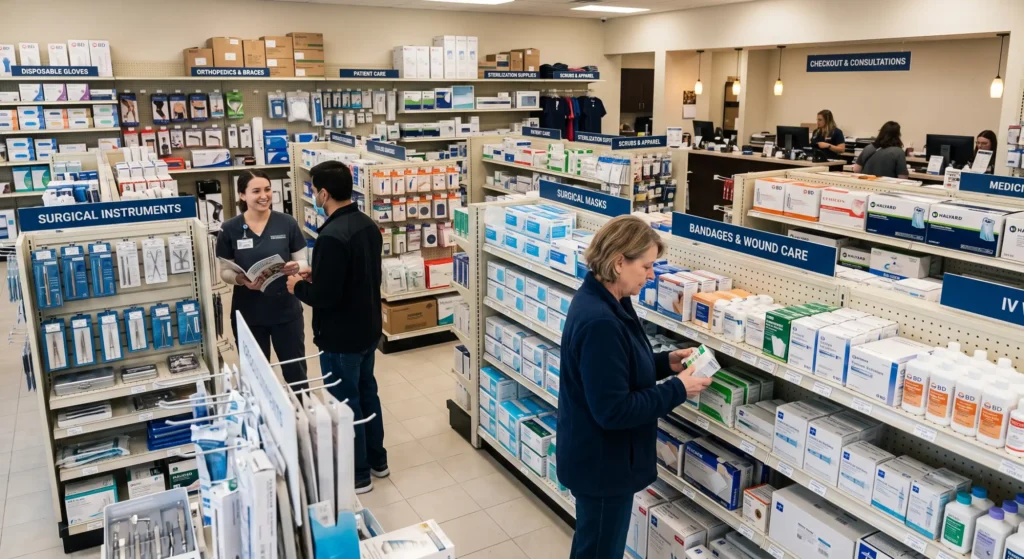
With more than 25 years of experience and a focus on patients, caregivers, and healthcare providers, the company aims to make obtaining healthcare equipment more straightforward and dependable.
Ultimately, the right medical supply is not simply something that arrives in a box. It should serve a purpose: helping a patient move more safely, recover more comfortably, manage a condition more confidently, or help a caregiver provide better everyday support.
That is the standard worth looking for when choosing a healthcare supply provider.
Learn more about Alfa Healthcare Supply Inc.: Alfa Healthcare Supply Inc.
Frequently Asked Questions About Hamilton Surgical Supplies
What are Hamilton surgical supplies?
Hamilton surgical supplies generally refers to surgical and healthcare products available to patients, caregivers, clinics, and healthcare providers serving the Hamilton area. Products may include wound-care items, dressings, medical tape, disposable supplies, orthopedic products, mobility equipment, and other healthcare essentials.
Where can I find medical supply Hamilton options?
Patients searching for medical supply Hamilton can compare local providers as well as New York-based suppliers that offer delivery. Alfa Healthcare Supply Inc. serves multiple New York communities and provides medical equipment and healthcare supplies across its service area.
Does Alfa Healthcare Supply Inc. sell surgical supplies?
Alfa Healthcare Supply Inc. offers a broad range of medical and healthcare products, including clinical consumables, wound-care-related products, DME, orthopedic supplies, respiratory equipment, diabetic supplies, and home healthcare products. Product availability can vary, so customers should contact the company regarding a specific surgical item.
Can I get medical equipment along with surgical supplies?
Yes. A comprehensive medical supplier may provide both surgical-related products and durable medical equipment. Alfa Healthcare Supply Inc. offers mobility aids, respiratory devices, orthopedic supports, diabetic supplies, and home-care equipment in addition to other healthcare products.
Does insurance cover medical supplies?
Some medical equipment and supplies may qualify for insurance coverage when eligibility, medical necessity, documentation, and plan requirements are met. Coverage varies by insurance provider and individual policy. Alfa Healthcare Supply Inc. offers insurance-related assistance for eligible equipment.
Can medical supplies be delivered?
Delivery availability depends on the product and destination. Alfa Healthcare Supply Inc. states that it provides shipping throughout New York and offers local delivery services in parts of its service area.
How do I know which surgical supply I need?
The appropriate product depends on the medical procedure and your healthcare provider’s instructions. If you are uncertain, speak with your physician, surgeon, nurse, or another qualified healthcare professional before choosing a product.
When patients, caregivers, and healthcare professionals search for a surgical supply store near Flushing Queens, they are usually looking for more than just medical products. They need a reliable partner that understands the importance of quality, comfort, safety, and timely access to healthcare supplies.
Whether someone is recovering after surgery, managing a chronic condition, supporting a family member at home, or operating a healthcare facility, having access to dependable surgical and medical supplies can make everyday care easier and less stressful.
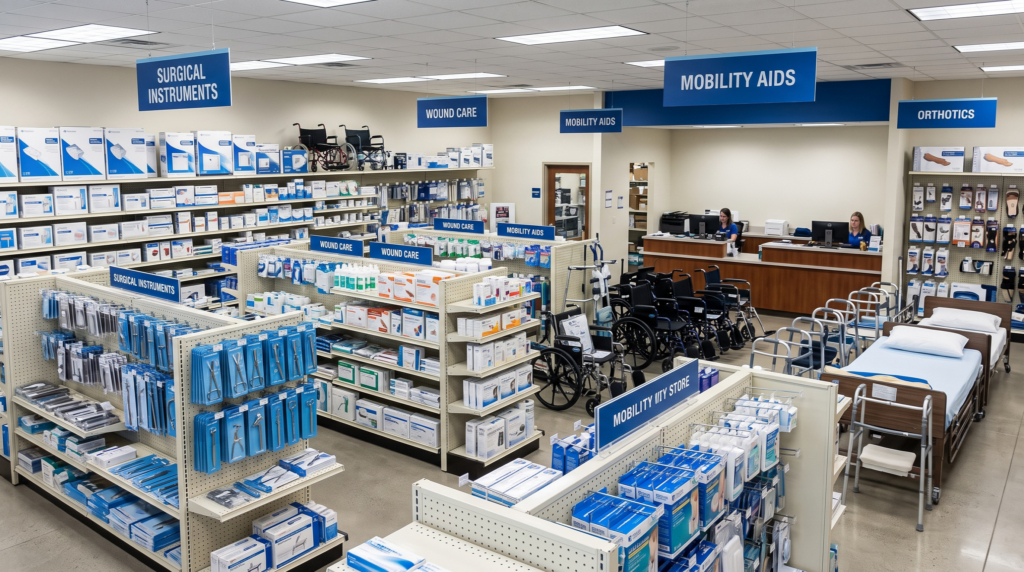
Alfa Healthcare Supply Inc. provides a wide range of medical equipment, durable medical equipment (DME), and healthcare supplies for patients and professionals throughout Queens and the greater New York area. With years of experience serving the community, Alfa Healthcare Supply Inc. focuses on delivering reliable products combined with personalized customer support.
Why Choosing the Right Surgical Supply Store Near Flushing Queens Matters
Surgical supplies play an important role in patient recovery, wound care, rehabilitation, and daily healthcare routines. The right products can improve comfort, support healing, and help patients maintain independence at home.
Many people searching for a surgical supply store near Flushing Queens need products for:
- Post-surgical recovery
- Wound care management
- Mobility assistance
- Home healthcare
- Orthopedic support
- Chronic condition management
- Professional medical use
A trusted supplier should offer quality products, knowledgeable guidance, and a customer-first approach.
Medical supplies are not simply items purchased from a shelf. Behind every order is a person who may be recovering from a procedure, helping a loved one, or adjusting to a new healthcare need.
That is why choosing an experienced supplier matters.
Alfa Healthcare Supply Inc. – Your Trusted Surgical Supply Provider Near Flushing Queens
Alfa Healthcare Supply Inc. is dedicated to helping individuals, caregivers, and healthcare providers access dependable medical products with confidence.
The company serves communities throughout Queens, Brooklyn, Bronx, Long Island, Westchester, Manhattan, and New York State with a comprehensive selection of healthcare supplies and durable medical equipment.
Customers choose Alfa Healthcare Supply Inc. because they value:
- Reliable healthcare products
- Professional customer assistance
- Convenient ordering options
- Quality medical equipment
- Support throughout the buying process
For someone searching for a surgical supply store near Flushing Queens, having a supplier that understands real healthcare challenges can make a meaningful difference.
Complete Range of Surgical and Medical Supplies Available
A dependable surgical supply store should provide access to essential products for different healthcare situations.
Alfa Healthcare Supply Inc. offers solutions designed for patients, caregivers, and healthcare professionals.
1. Wound Care Supplies
Proper wound care is an important part of recovery after surgery or injury.
Common wound care products include:
- Medical dressings
- Gauze products
- Bandages
- Adhesive supplies
- Protective wound care materials
- Skin protection products
Quality wound care supplies help support cleanliness, protection, and comfort during the healing process.
2. Durable Medical Equipment (DME)
Many patients recovering from surgery need equipment that helps them move safely and comfortably.
Durable medical equipment options may include:
- Wheelchairs
- Walkers
- Rollators
- Canes
- Bathroom safety equipment
- Patient support equipment
- Home care essentials
The right equipment can help reduce fall risks, improve mobility, and make daily activities easier.
Alfa Healthcare Supply Inc. specializes in DME solutions designed to support independence and safer home care.
3. Orthopedic Supplies and Support Products
After surgery or injury, many patients require additional support for joints, muscles, and mobility.
Orthopedic products may include:
- Knee braces
- Back supports
- Ankle supports
- Compression products
- Rehabilitation supports
Proper orthopedic support can help patients feel more comfortable while following their recovery plans.
4. Respiratory Care Equipment
Respiratory health products are important for individuals managing breathing-related conditions.
Available respiratory solutions may include:
- CPAP equipment
- Oxygen-related supplies
- Nebulizer supplies
- Breathing support accessories
Alfa Healthcare Supply Inc. provides respiratory equipment and home healthcare products designed to support patient comfort and care needs.
5. Diabetic and Home Healthcare Supplies
Many patients managing diabetes or long-term health conditions need dependable supplies regularly.
Products may include:
- Blood glucose monitors
- Testing supplies
- Diabetic footwear
- Diabetic shoe inserts
- Compression products
Having a trusted medical supplier helps patients maintain consistency with their healthcare routines.
Benefits of Choosing a Local Surgical Supply Store Near Flushing Queens
Choosing a nearby medical supplier provides several advantages.
Faster Access to Important Products
Healthcare needs often cannot wait. A reliable local supplier helps customers find necessary products without unnecessary delays.
Personalized Assistance
Medical equipment can sometimes feel confusing. Professional guidance helps customers select products that match their needs.
Better Understanding of Patient Needs
A local healthcare supplier understands that every customer has a unique situation.
A patient recovering from surgery may need different equipment than someone managing a chronic condition.
Personalized service makes the process easier.
Surgical Supplies for Home Recovery
Many patients prefer recovering at home after surgery. A comfortable and safe home environment can support better recovery.
Common home recovery needs include:
Mobility Support
Products like walkers and wheelchairs can help patients move safely during recovery.
Bathroom Safety
Bathroom equipment can reduce the risk of accidents while patients regain strength.
Comfort Equipment
Supportive medical products can improve daily comfort during the healing process.
A professional surgical supply store helps families prepare their homes with practical solutions.
Supporting Healthcare Professionals in Queens
Surgical supplies are not only needed by patients at home. Healthcare professionals, clinics, and caregivers also depend on reliable suppliers.
A quality supplier helps healthcare providers access:
- Medical equipment
- Patient care products
- Clinical supplies
- Replacement items
- Healthcare essentials
Alfa Healthcare Supply Inc. works with healthcare providers and patients by offering dependable medical supply solutions throughout New York.
What Makes Alfa Healthcare Supply Inc. Different?
When selecting a surgical supply store near Flushing Queens, customers should look beyond product availability.
Important factors include:
Experience and Knowledge
Healthcare products require understanding. Experienced suppliers can help customers choose suitable solutions.
Wide Product Selection
A complete inventory saves customers time by allowing them to find multiple healthcare products from one trusted source.
Patient-Focused Service
Healthcare decisions are personal. Customers appreciate suppliers who listen, explain options, and provide helpful support.
Commitment to Quality
Medical supplies should meet professional expectations for safety, reliability, and performance.
Helping Families Feel More Confident During Healthcare Challenges
Health-related situations can be stressful.
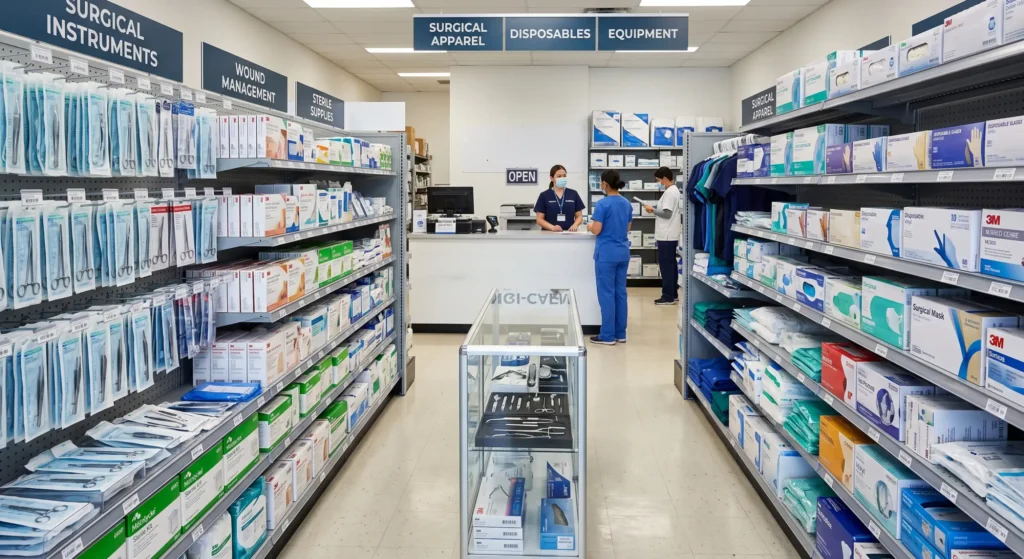
A surgery, injury, or medical diagnosis often brings many questions:
- What equipment is needed?
- Which supplies are best?
- How can recovery be made easier?
- Where can reliable products be found?
A trusted surgical supply provider helps answer these questions.
At Alfa Healthcare Supply Inc., the goal is not only to provide medical products but also to create a supportive experience for patients and families.
How to Choose the Best Surgical Supply Store Near Flushing Queens
Before selecting a supplier, consider these important factors:
1. Product Availability
Look for a store that offers a broad range of medical and surgical supplies.
2. Professional Support
Choose a supplier that can provide guidance when selecting products.
3. Reputation and Experience
An experienced healthcare supplier offers greater confidence.
4. Convenience
Consider ordering options, delivery services, and customer support.
5. Quality Standards
Medical supplies should come from reliable sources and meet healthcare expectations.
Why Flushing Queens Residents Can Trust Alfa Healthcare Supply Inc.
Flushing is a diverse and growing Queens community where patients and families need convenient access to dependable healthcare resources.
For those searching for a surgical supply store near Flushing Queens, Alfa Healthcare Supply Inc. provides a trusted solution with:
- Medical supplies for home and professional use
- Durable medical equipment
- Orthopedic products
- Respiratory equipment
- Diabetes care supplies
- Personalized assistance
The company’s commitment is centered around helping people live safer, healthier, and more comfortable lives.
Frequently Asked Questions (FAQs)
1. Where can I find a surgical supply store near Flushing Queens?
Patients looking for surgical supplies near Flushing Queens can choose Alfa Healthcare Supply Inc., which provides medical equipment, DME products, home healthcare supplies, orthopedic products, respiratory equipment, and more throughout Queens and the New York area.
2. What types of surgical supplies are available?
Surgical supply stores typically provide products such as wound care items, medical accessories, mobility equipment, orthopedic supports, and healthcare essentials for recovery and patient care.
3. Does Alfa Healthcare Supply Inc. provide home medical equipment?
Yes. Alfa Healthcare Supply Inc. offers durable medical equipment including mobility aids, respiratory products, orthopedic supports, and other home healthcare solutions.
4. Can I get medical supplies for post-surgery recovery?
Yes. Many surgical and medical supplies are designed to support recovery after procedures, including mobility equipment, wound care products, and home safety solutions.
5. Why should I choose a professional surgical supply store?
A professional supplier provides quality products, expert guidance, and support to help customers choose appropriate healthcare solutions.
6. Does Alfa Healthcare Supply Inc. serve areas outside Flushing Queens?
Yes. Alfa Healthcare Supply Inc. serves customers throughout Queens, Brooklyn, Bronx, Long Island, Westchester, Manhattan, and other areas of New York.