


Finding the right healthcare products is an important decision, especially when those products support recovery, independence, mobility, and everyday comfort. Whether you are searching for a medical supply store near Forest Hills Queens for yourself, a family member, a caregiver, or a healthcare facility, choosing a reliable supplier can make a major difference.
Medical supplies represent more than physical products; they provide support, comfort, and care when people need them most. A properly fitted mobility aid can help someone move confidently. The right diabetic supplies can help patients manage their condition effectively. Quality respiratory equipment can support individuals who need assistance breathing comfortably at home.
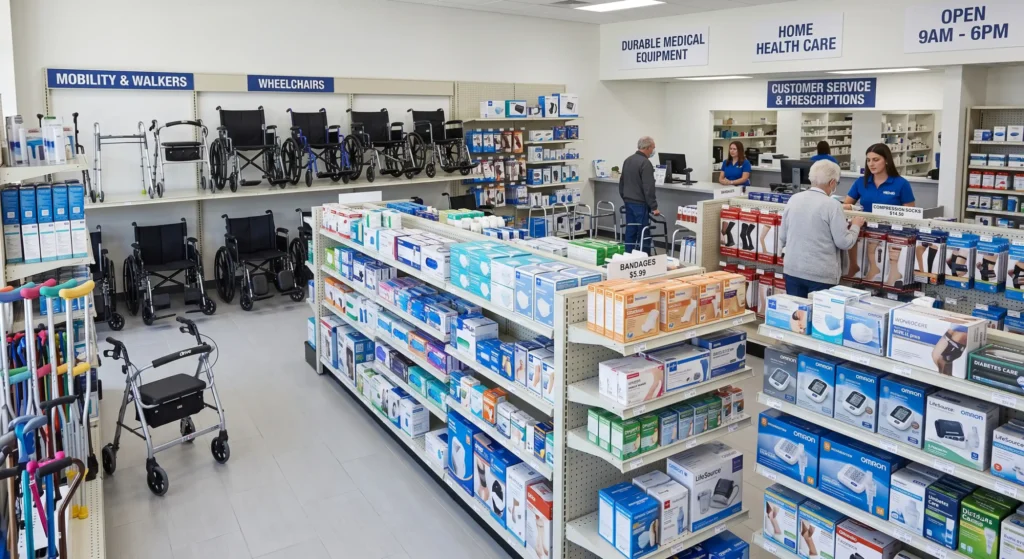
For residents searching for dependable medical supplies Forest Hills NY, Alfa Healthcare Supply Inc. provides access to a wide range of durable medical equipment (DME), home healthcare products, mobility solutions, respiratory supplies, diabetic care products, orthopedic supports, and other essential medical items.
With years of experience serving patients and healthcare providers throughout Queens and the greater New York area, Alfa Healthcare Supply Inc. focuses on providing reliable products combined with personalized support.
Why is it important to choose the right medical supply store near Forest Hills, Queens?
When people search for a medical supply store near Forest Hills Queens, they are often looking for more than convenience. They need a healthcare partner they can trust.
Medical equipment often becomes part of a person’s daily routine. A wheelchair, walker, CPAP machine, glucose monitor, compression stocking, or homecare product needs to be safe, comfortable, and appropriate for the user’s specific needs.
A trusted medical supply provider can help customers:
- Select the right healthcare equipment
- Understand product features
- Find products suitable for their condition
- Improve safety at home
- Reduce caregiver stress
- Support recovery after surgery or injury
- Maintain independence and quality of life
The healthcare journey can sometimes feel overwhelming. Having a knowledgeable supplier available makes the process easier and more reassuring.
Alfa Healthcare Supply Inc: Your Trusted Medical Supply Provider Serving Forest Hills Queens
Alfa Healthcare Supply Inc. is a healthcare equipment supplier providing medical products and durable medical equipment solutions throughout Queens, Long Island, Brooklyn, Bronx, Westchester, Manhattan, and New York State.
Although located in Floral Park, NY, Alfa Healthcare Supply Inc. supports patients across Queens communities, including those searching for a medical supply forest hills provider.
The company works with:
- Patients managing chronic conditions
- Seniors requiring mobility support
- Caregivers assisting family members
- Doctors and healthcare professionals
- Rehabilitation facilities
- Clinics and medical organizations
The goal is simple: provide dependable healthcare products that improve comfort, safety, and daily living.
Comprehensive Medical Supplies Forest Hills NY Residents Can Depend On
When looking for medical supplies Forest Hills NY, customers often need access to multiple categories of healthcare products. Alfa Healthcare Supply Inc. offers a broad selection designed to support different healthcare needs.
Durable Medical Equipment (DME)
Durable Medical Equipment plays an important role in helping patients maintain independence at home.
Common DME products include:
- Wheelchairs
- Rollators
- Walkers
- Canes
- Mobility scooters
- Patient support equipment
- Homecare equipment
For individuals recovering from surgery, managing limited mobility, or supporting an aging family member, the right equipment can improve confidence and everyday safety.
Mobility Supplies Designed for Comfort and Independence
Mobility challenges can affect anyone, whether due to aging, injury, surgery recovery, or medical conditions.
A reliable medical supply store near Forest Hills Queens can help patients find mobility solutions that match their lifestyle.
Mobility products may help users:
- Move around the home safely
- Reduce the risk of falls
- Maintain independence
- Participate in daily activities
- Improve confidence while walking
Choosing the correct walker, wheelchair, or mobility device requires understanding the user’s physical needs and environment. Professional guidance can help customers avoid purchasing equipment that does not fit their requirements.
Respiratory Supplies and Breathing Support Equipment
Respiratory health is a crucial part of overall health. Many patients require specialized equipment to assist with breathing for conditions such as sleep apnea, COPD, asthma, or other respiratory issues.
Alfa Healthcare Supply Inc. provides respiratory equipment solutions including:
- CPAP machines and accessories
- Oxygen-related equipment
- Nebulizers
- Respiratory supplies
For patients searching for a hospital supply Forest Hills provider, having access to dependable respiratory products can provide peace of mind.
Proper respiratory equipment helps patients follow their healthcare plans while improving comfort and quality of life.
Diabetic Supplies for Better Diabetes Management
Diabetes management requires consistency and reliable monitoring tools.
A trusted supplier offering medical supplies Forest Hills NY products can provide essential diabetes care items such as:
- Blood glucose monitors
- Testing supplies
- Lancets
- Insulin-related supplies
- Diabetic footwear
- Foot protection products
Diabetic supplies are not simply routine purchases. They support daily health decisions and help patients monitor important health information.
The right products can make diabetes management easier and more convenient.
Orthopedic Supplies for Recovery and Daily Support
Orthopedic products help support joints, muscles, and injured areas of the body.
Patients may need orthopedic supplies after:
- Surgery
- Sports injuries
- Accidents
- Joint problems
- Chronic pain conditions
Common orthopedic products include:
- Knee braces
- Back supports
- Compression products
- Ankle supports
- Joint stabilization products
When choosing a medical supply forest hills provider, customers benefit from working with suppliers who understand the importance of proper support and comfort.
Surgical Supply Forest Hills: Reliable Products for Healthcare Needs
When patients, caregivers, and healthcare professionals search for surgical supply Forest Hills, they need products that are dependable, safe, and designed to support proper care. Surgical supplies play an important role in wound management, recovery, patient care, and medical procedures.
Alfa Healthcare Supply Inc. provides access to essential healthcare products that support both homecare needs and professional medical environments. Whether someone is recovering after a procedure or managing ongoing healthcare needs, having a trusted supplier nearby can make the process easier.
Common surgical and medical supplies include:
- Wound care products
- Examination gloves
- Medical dressings
- Gauze and bandages
- Disposable medical supplies
- Protective healthcare products
- Patient care essentials
Choosing the right surgical products is important because quality and reliability directly impact patient comfort and safety.
For individuals searching for surgical supply Forest Hills, Alfa Healthcare Supply Inc. focuses on providing dependable healthcare solutions while helping customers understand their product options.
Home Medical Supplies for Forest Hills Queens Residents
Healthcare is increasingly moving beyond hospitals and into homes. Many patients prefer recovering and managing their health in a comfortable home environment with proper equipment and supplies.
A trusted medical supply store near Forest Hills Queens helps families access the products they need to create a safer homecare setting.
Home medical supplies may include:
- Bathroom safety equipment
- Mobility aids
- Patient support products
- Incontinence supplies
- Monitoring devices
- Respiratory equipment
- Personal care products
For seniors, individuals recovering from surgery, or patients managing chronic conditions, the right home medical equipment can improve independence and reduce daily challenges.
A well-equipped home can provide:
- Better comfort
- Increased safety
- Easier caregiving
- More confidence for patients
- Improved quality of life
Incontinence Supplies for Privacy, Comfort, and Confidence
Managing incontinence can be challenging, but having access to quality products can help individuals maintain dignity and confidence.
Alfa Healthcare Supply Inc. offers healthcare solutions designed to support personal care needs.
Common incontinence products include:
- Adult briefs
- Protective underwear
- Underpads
- Incontinence liners
- Skin care products
These products help caregivers provide better support while allowing patients to continue their daily activities comfortably.
When searching for medical supplies Forest Hills NY, customers often look for suppliers who understand that healthcare involves more than products—it involves compassion, respect, and personal attention.
CPAP and Sleep Apnea Supplies Near Forest Hills Queens
Sleep apnea affects many individuals and requires consistent treatment for better sleep quality and overall health.
A reliable medical supply store near Forest Hills Queens can help patients find CPAP-related products, including:
- CPAP machines
- CPAP masks
- Replacement cushions
- Filters
- Tubing
- Water chambers
- Accessories
Proper CPAP equipment maintenance is essential for comfort and effective therapy.
Patients often need replacement parts regularly, and having a dependable medical supplier makes it easier to continue treatment without unnecessary delays.
Alfa Healthcare Supply Inc. supports CPAP users by providing access to essential respiratory supplies and equipment.
Compression Therapy Products for Better Circulation Support
Compression products are commonly used to support circulation and help manage certain medical conditions affecting the legs.
Compression supplies may benefit individuals experiencing:
- Leg swelling
- Circulation concerns
- Varicose veins
- Recovery after certain procedures
Available products may include:
- Compression stockings
- Compression sleeves
- Support garments
Finding the correct size and compression level is important for comfort and effectiveness. A knowledgeable healthcare supplier can help customers understand their choices.
Why Customers Choose Alfa Healthcare Supply Inc. for Medical Supplies
Selecting a healthcare supplier is an important decision. Customers searching for a medical supply store near Forest Hills Queens want a company that provides quality products, helpful service, and dependable support.
Alfa Healthcare Supply Inc. stands out because of its commitment to:
Experience in Healthcare Products
With more than 25 years of experience, Alfa Healthcare Supply Inc. understands the needs of patients, caregivers, and healthcare professionals.
Experience matters because medical equipment is not a one-size-fits-all solution. Each patient has different requirements based on their health condition, lifestyle, and comfort preferences.
Wide Selection of Medical Equipment
Customers can find various healthcare categories in one convenient place, including:
- Durable Medical Equipment (DME)
- Diabetic supplies
- Orthopedic products
- Respiratory supplies
- CPAP equipment
- Mobility products
- Homecare supplies
- Surgical supplies
Having multiple healthcare solutions available helps customers save time and simplifies the purchasing process.
Patient-Focused Guidance
Medical equipment can sometimes feel confusing. Customers may have questions about:
- Which product is right for their needs?
- How does the equipment work?
- What accessories are required?
- How should the product be maintained?
A professional medical supplier helps customers make informed decisions instead of simply selling products.
How to Choose the Best Medical Supply Store Near Forest Hills Queens
When comparing medical suppliers, consider these important factors:
1. Product Quality
Healthcare products should meet safety and reliability expectations.
Look for suppliers offering trusted medical equipment brands and dependable healthcare solutions.
2. Knowledgeable Customer Support
A good supplier should help customers understand their options and answer questions clearly.
Medical equipment is an investment in health, comfort, and independence.
3. Variety of Healthcare Products
A supplier offering multiple categories makes it easier to manage different healthcare needs from one location.
Whether you need diabetic products, mobility equipment, respiratory supplies, or surgical items, a comprehensive supplier provides convenience.
4. Local Healthcare Experience
A local-focused supplier understands the needs of the community.
Patients searching for:
- medical supply forest hills
- hospital supply forest hills
- surgical supply forest hills
- medical supplies forest hills ny
benefit from working with a company familiar with New York healthcare needs.
Supporting Forest Hills Queens Families With Better Healthcare Solutions
Healthcare needs can change throughout life. Someone may need temporary equipment after surgery, while another person may require long-term medical support.
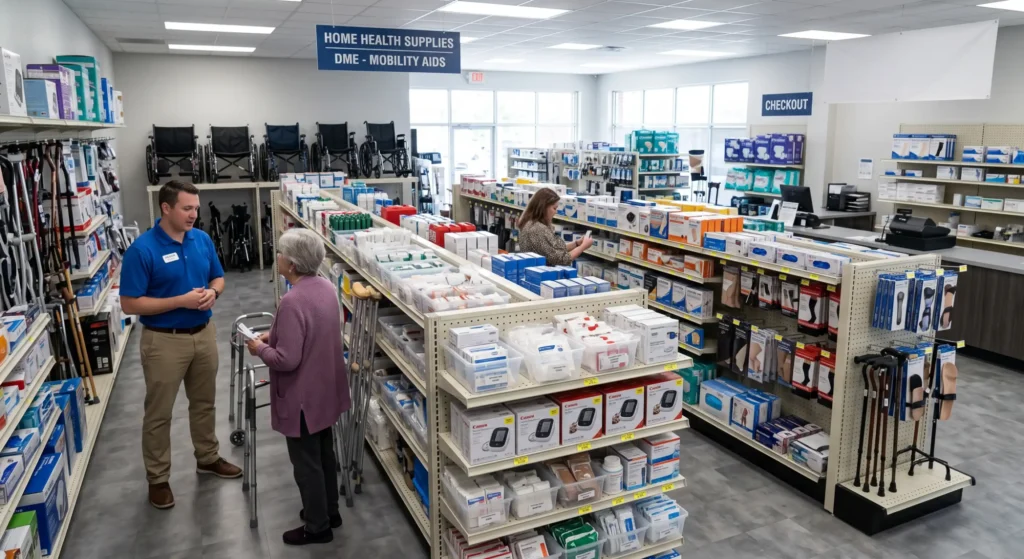
A dependable medical supply store near Forest Hills Queens provides solutions for different stages of healthcare.
Examples include:
After Surgery
Patients may need:
- Walkers
- Crutches
- Wound care supplies
- Bathroom safety products
For Seniors
Older adults may benefit from:
- Mobility equipment
- Fall prevention products
- Homecare supplies
For Chronic Conditions
Patients managing conditions such as diabetes, COPD, or sleep apnea may require:
- Monitoring devices
- Respiratory equipment
- Replacement supplies
The right medical products can make everyday life safer and more comfortable.
Frequently Asked Questions (FAQs)
What is the best medical supply store near Forest Hills Queens?
A good medical supply store should provide quality healthcare products, knowledgeable support, and a wide selection of medical equipment. Alfa Healthcare Supply Inc. serves Queens and surrounding New York communities with DME, respiratory supplies, diabetic products, mobility equipment, orthopedic supplies, and home healthcare solutions.
Where can I find medical supplies Forest Hills NY?
Patients looking for medical supplies Forest Hills NY can explore Alfa Healthcare Supply Inc.’s wide range of healthcare products, including durable medical equipment, diabetic supplies, CPAP products, mobility aids, and homecare essentials.
Does Alfa Healthcare Supply Inc. provide hospital supplies?
Yes. Alfa Healthcare Supply Inc. provides various healthcare products that support hospitals, caregivers, and home healthcare needs. Customers searching for hospital supply Forest Hills can access reliable medical products through the company.
What types of surgical supplies are available near Forest Hills?
Surgical supplies may include wound care products, dressings, gloves, disposable medical items, and patient care essentials. A trusted supplier can help customers select products suitable for their healthcare needs.
Does Alfa Healthcare Supply Inc. provide CPAP supplies?
Yes. Alfa Healthcare Supply Inc. offers CPAP-related products, including machines, masks, replacement parts, and accessories to support sleep apnea treatment.
Can I find diabetic supplies near Forest Hills Queens?
Yes. Patients can find diabetes-related products such as glucose monitoring supplies, diabetic footwear, lancets, and other essential diabetes management products.
Introduction: Finding Reliable Medical Equipment Suppliers in Jamaica
When you or your loved one needs medical equipment, choosing the right supplier is more than just finding a product. It is about finding a healthcare partner that understands your needs, provides quality solutions, and supports you throughout your healthcare journey.
Searching for medical equipment suppliers in Jamaica means looking for a company that offers dependable medical devices, durable medical equipment (DME), home healthcare products, and professional guidance.

At Alfa Healthcare Supply Inc., we understand that medical equipment plays an important role in improving independence, comfort, mobility, and overall quality of life. With years of experience serving patients and healthcare providers throughout New York, Queens, Long Island, Brooklyn, Bronx, Westchester, Manhattan, and surrounding communities, we provide trusted healthcare equipment solutions designed around real patient needs.
Why Choosing the Right Medical Equipment Supplier Matters
Medical equipment is often connected to important life moments — recovering after surgery, managing chronic conditions, supporting elderly family members, or helping patients maintain independence at home.
A professional medical equipment supplier should provide:
- High-quality healthcare products
- Reliable customer support
- Proper product guidance
- Durable and safe equipment
- Solutions for different healthcare needs
- Assistance for patients, caregivers, and professionals
Choosing the right supplier can help prevent delays, improve comfort, and ensure patients receive equipment that matches their medical requirements.
Alfa Healthcare Supply Inc. – Your Trusted Medical Equipment Supplier Near Jamaica
At Alfa Healthcare Supply Inc., we focus on making healthcare equipment accessible, reliable, and easier to obtain.
We are committed to helping individuals, families, healthcare facilities, and caregivers find the right medical products for their specific situations.
Our team understands that every patient is different. Someone recovering from an injury may need mobility support, while another person managing diabetes may require monitoring supplies. Our approach is based on listening first and recommending suitable healthcare solutions.
Our commitment includes:
- Experienced healthcare product knowledge
- Wide selection of medical supplies and equipment
- Patient-focused service
- Quality-focused product sourcing
- Support for home healthcare needs
Comprehensive Medical Equipment and Supplies Available
A trusted supplier should offer a wide range of products to support different medical conditions and daily healthcare requirements.
1. Durable Medical Equipment (DME)
Durable Medical Equipment helps patients maintain safety, comfort, and independence at home.
Common DME products include:
- Wheelchairs
- Walkers
- Rollators
- Canes
- Mobility accessories
- Bathroom safety equipment
- Patient support products
- Home care equipment
These products are especially helpful for seniors, individuals recovering from surgery, and people with mobility challenges.
2. Diabetes Medical Supplies
Managing diabetes requires consistent monitoring and reliable supplies.
Alfa Healthcare Supply Inc. provides diabetes-related healthcare solutions, including:
- Blood glucose monitors
- Testing supplies
- Diabetic footwear
- Diabetic shoe inserts
- Diabetes care accessories
Proper diabetes management equipment helps patients monitor their health and maintain better daily routines.
3. Respiratory Equipment for COPD and Asthma Support
Breathing-related conditions require dependable equipment that supports daily comfort.
Respiratory supplies may include:
- Nebulizers
- CPAP equipment
- Respiratory accessories
- Oxygen-related supplies
Quality respiratory equipment can support better treatment routines and improve patient comfort.
4. Orthopedic Supplies for Pain Relief and Support
Orthopedic products help protect joints, improve stability, and support recovery.
Available solutions may include:
- Compression stockings
- Braces
- Supports
- Orthopedic footwear
- Mobility aids
These products can assist individuals dealing with injuries, joint problems, or long-term mobility concerns.
5. Surgical and Healthcare Supplies
Healthcare providers and home caregivers often require dependable medical supplies.
Common products include:
- Examination supplies
- Wound care products
- Protective equipment
- General medical accessories
Having access to a reliable supplier helps healthcare professionals maintain proper patient care standards.
Benefits of Working With Professional Medical Equipment Suppliers in Jamaica
Expert Product Guidance
Medical equipment can sometimes feel overwhelming because there are many options available.
A professional supplier helps customers understand:
- Which product fits their needs
- How equipment should be used
- What features matter most
- How to maintain equipment properly
Quality and Safety Assurance
Medical equipment directly affects patient health and safety.
Reliable suppliers focus on providing products that meet healthcare quality expectations and industry standards.
Patients and caregivers should always choose suppliers that prioritize:
- Product reliability
- Safety
- Proper equipment information
- Customer support
Convenient Healthcare Solutions
Managing medical needs can already be stressful.
A trusted medical equipment supplier makes the process easier by helping customers find necessary products without unnecessary confusion.
Whether someone needs mobility equipment, diabetic supplies, respiratory products, or home-care items, having a dependable supplier provides peace of mind.
Medical Equipment for Seniors and Home Healthcare
Many seniors prefer staying comfortable in their own homes while receiving proper healthcare support.
Medical equipment can help seniors with:
- Safer movement around the home
- Increased independence
- Fall prevention
- Daily living activities
- Recovery support
Products such as walkers, wheelchairs, bathroom safety equipment, and support devices can make everyday activities easier.
Supporting Patients After Surgery and Injury
Recovery after surgery or injury often requires additional support.
Medical equipment suppliers help patients access products that assist with:
- Rehabilitation
- Mobility improvement
- Home recovery
- Comfort during healing
Having the right equipment at home can make recovery smoother and safer.
Helping Healthcare Professionals and Facilities
Medical equipment suppliers also support:
- Clinics
- Nursing facilities
- Healthcare professionals
- Care organizations
Healthcare providers depend on suppliers that can deliver reliable products and maintain consistent availability.
Alfa Healthcare Supply Inc. works to provide healthcare solutions that support both individual patients and professional healthcare environments.
How to Choose the Best Medical Equipment Suppliers in Jamaica
Before selecting a supplier, consider these important factors:
1. Check Product Variety
A good supplier should provide multiple healthcare categories rather than limited products.
Look for suppliers offering:
- DME equipment
- Diabetes supplies
- Respiratory products
- Orthopedic solutions
- Surgical supplies
2. Look for Experience and Expertise
Healthcare equipment requires knowledge.
Choose a supplier with:
- Industry experience
- Trained staff
- Understanding of patient needs
- Reliable service history
3. Consider Customer Support
The best suppliers provide support before and after purchase.
Important services include:
- Product explanations
- Equipment guidance
- Ordering assistance
- Customer service support
4. Choose a Supplier Focused on Patient Care
Healthcare is personal.
A good supplier understands that behind every order is a person who needs comfort, support, and reliability.
Why Patients Trust Alfa Healthcare Supply Inc.
Alfa Healthcare Supply Inc. stands out because we combine healthcare product expertise with compassionate customer service.

Our goal is not only to provide equipment but also to make healthcare easier for patients and families.
We help customers find solutions for:
- Mobility challenges
- Chronic condition management
- Home healthcare needs
- Recovery support
- Daily living assistance
With a strong commitment to quality and care, Alfa Healthcare Supply Inc. continues to serve as a dependable healthcare partner
.
Frequently Asked Questions (FAQs)
What do medical equipment suppliers provide?
Medical equipment suppliers provide healthcare products such as durable medical equipment, mobility aids, respiratory supplies, diabetes products, orthopedic supports, and home healthcare equipment.
How do I choose the best medical equipment supplier?
Choose a supplier with quality products, experienced staff, excellent customer service, and a wide range of healthcare solutions.
Can medical equipment help seniors live independently?
Yes. Products like walkers, wheelchairs, bathroom safety equipment, and mobility aids can improve safety and independence for seniors.
Does Alfa Healthcare Supply Inc. provide home medical equipment?
Yes. Alfa Healthcare Supply Inc. offers various healthcare equipment and supplies designed to support patients, caregivers, and healthcare providers.
Introduction: Finding the Best Surgical Supply Store Springfield for Reliable Healthcare Solutions
When patients, caregivers, medical professionals, and healthcare facilities need dependable healthcare products, choosing the right supplier is an important decision. Medical supplies are not just everyday products—they often support recovery, improve quality of life, and help people manage health conditions safely at home or in professional healthcare environments.
Finding the best surgical supply store Springfield means looking beyond product availability. A trusted supplier should provide high-quality medical equipment, reliable customer service, knowledgeable guidance, and solutions that match individual healthcare needs.
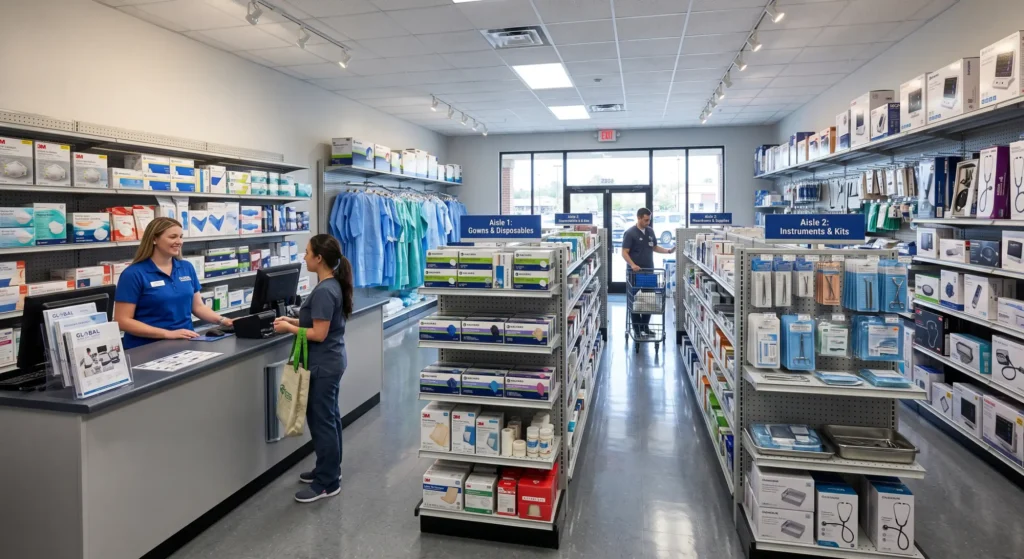
At Alfa Healthcare Supply Inc., we understand that every healthcare journey is different. Whether someone needs surgical supplies after a procedure, home medical equipment for recovery, mobility assistance products, respiratory care supplies, diabetic products, or daily living aids, having access to dependable healthcare solutions can make a meaningful difference.
As a trusted healthcare supplier serving communities throughout New York, including Queens, Brooklyn, Bronx, Long Island, Westchester, Manhattan, and surrounding areas, Alfa Healthcare Supply Inc. focuses on making medical supplies easier to access for patients, families, caregivers, and healthcare providers.
Our goal is simple: provide quality healthcare products with compassion, expertise, and personalized support.
Why Choosing the Best Surgical Supply Store Springfield Matters
Surgical supplies play a critical role in patient care. From wound management products to post-operative recovery equipment, the right supplies can support healing, comfort, and safety.
Many people search online for a medical supply store Springfield because they need quick access to reliable healthcare products. However, not every supplier offers the same level of service, product quality, or professional support.
A dependable surgical supply provider should offer:
- High-quality medical and surgical products
- Trusted healthcare brands
- Guidance in selecting appropriate supplies
- Convenient access to essential equipment
- Products designed for both professional and home healthcare needs
- Customer-focused service
Choosing the right supplier can help patients feel more confident during recovery and allow caregivers to provide better support.
At Alfa Healthcare Supply Inc., we believe healthcare products should be accessible, dependable, and easy to understand.
What is a Surgical Supply Store?
A surgical supply store is a healthcare-focused supplier that provides medical products used for surgery preparation, recovery, wound care, rehabilitation, and ongoing health management.
Unlike general retailers, a professional springfield surgical supply provider understands the importance of medical-grade products and their role in patient care.
Surgical supply stores commonly provide products such as:
Wound Care Supplies
Proper wound care is essential after surgery or injury. Common wound care products include:
- Sterile gauze
- Medical dressings
- Bandages
- Adhesive tapes
- Wound cleaning supplies
- Protective coverings
These products help maintain cleanliness, protect wounds, and support proper healing.
Surgical Gloves and Protective Equipment
Healthcare professionals and caregivers require protective supplies to maintain hygiene and safety.
Common products include:
- Disposable gloves
- Masks
- Protective gowns
- Medical barriers
- Sterile accessories
These products assist with infection control measures in healthcare and home care settings.
Patient Recovery Equipment
After surgery, many patients require additional support at home.
Recovery equipment may include:
- Walkers
- Wheelchairs
- Transfer equipment
- Bathroom safety products
- Hospital beds
- Patient support accessories
A reliable hospital supply store Springfield can help patients access equipment that improves comfort and independence during recovery.
Alfa Healthcare Supply Inc.: A Trusted Choice for Medical Supplies
When searching for the best surgical supply store Springfield, customers need a supplier they can trust.
Alfa Healthcare Supply Inc. has built a reputation for providing dependable medical equipment and healthcare products designed around patient needs.
With more than 25 years of experience, our company understands that healthcare decisions can sometimes feel overwhelming. Patients and caregivers often need more than just products—they need support, information, and confidence.
Our healthcare supply solutions include:
- Surgical supplies
- Durable medical equipment (DME)
- Home medical equipment
- Diabetic supplies
- Orthopedic products
- Mobility aids
- Compression stockings
- Incontinence supplies
- Respiratory care products
- CPAP supplies
- Urological supplies
- Daily living assistance products
We focus on helping individuals find practical healthcare solutions that fit their lifestyle and medical requirements.
Why Alfa Healthcare Supply Inc. Stands Out Among Surgical Supply Providers
1. Extensive Healthcare Experience
Experience matters when selecting a healthcare supplier.
Over the years, Alfa Healthcare Supply Inc. has helped patients, caregivers, and healthcare professionals find appropriate medical products for different healthcare situations.
Our experience allows us to understand common challenges faced by:
- Seniors
- Patients recovering from surgery
- Individuals managing chronic conditions
- Caregivers supporting loved ones
- Healthcare professionals
We use this knowledge to provide better service and product recommendations.
2. Wide Selection of Medical Products
A quality medical supply store Springfield should provide a broad range of products under one roof.
Alfa Healthcare Supply Inc. offers access to various healthcare categories, including:
Mobility Equipment
Mobility products can help individuals maintain independence and safety.
Available solutions may include:
- Walkers
- Rollators
- Wheelchairs
- Canes
- Mobility accessories
These products are designed to assist individuals with movement challenges and improve daily convenience.
Respiratory Care Supplies
Respiratory conditions often require reliable equipment for everyday management.
Respiratory products include:
- CPAP equipment
- Nebulizers
- Oxygen-related supplies
- Respiratory accessories
Having access to dependable respiratory supplies can make managing breathing conditions easier.
Diabetes Care Products
Diabetes management requires regular monitoring and reliable supplies.
Products may include:
- Blood glucose monitors
- Test strips
- Lancets
- Continuous glucose monitoring supplies
- Diabetic footwear
The right diabetic supplies help individuals better manage their health routines.
The Importance of Quality Surgical Supplies During Recovery
Recovery after surgery requires attention, patience, and proper care. Having the right supplies available can make the healing process more comfortable.
Patients often require surgical products for:
- Protecting surgical sites
- Maintaining hygiene
- Managing wounds
- Supporting mobility
- Improving home safety
A professional springfield surgical supply provider helps ensure patients receive appropriate products from trusted healthcare manufacturers.
Poor-quality supplies may create unnecessary challenges, while dependable medical products provide confidence and support.
At Alfa Healthcare Supply Inc., product quality and customer satisfaction remain important priorities.
How a Medical Supply Store Springfield Supports Patients at Home
Healthcare does not only happen inside hospitals. Many patients continue their recovery journey at home.
A reliable medical supply store Springfield helps bridge the gap between hospital care and home healthcare.
Home healthcare products can support:
- Post-surgical recovery
- Elderly care
- Chronic condition management
- Injury recovery
- Daily living assistance
Examples include:
- Adjustable hospital beds
- Shower chairs
- Bedside commodes
- Patient cushions
- Compression products
- Safety equipment
These solutions help create safer and more comfortable home environments.
Surgical Supplies Available at Alfa Healthcare Supply Inc.
Choosing the best surgical supply store Springfield means having access to essential healthcare products that support patients before, during, and after medical procedures.
At Alfa Healthcare Supply Inc., we understand that every patient has unique healthcare requirements. Whether someone is recovering from surgery, managing a chronic condition, or caring for a family member at home, having the right medical supplies available can make everyday healthcare easier and more comfortable.
Our product selection is designed to support hospitals, healthcare providers, caregivers, and individuals who need dependable medical solutions.
1. Wound Care Supplies for Safe Recovery
Wound care is one of the most important parts of post-surgical recovery. Proper wound management helps protect the affected area, maintain cleanliness, and support the body’s natural healing process.
A trusted springfield surgical supply provider should offer reliable wound care products suitable for different healthcare needs.
Common wound care supplies include:
- Sterile gauze pads
- Adhesive wound dressings
- Medical tapes
- Antimicrobial dressings
- Wound cleaning products
- Disposable wound care kits
- Skin protection products
Patients recovering from procedures often need consistent access to these supplies. Having a dependable supplier reduces stress and ensures necessary products are available when needed.
At Alfa Healthcare Supply Inc., we help customers find suitable wound care solutions based on their requirements.
2. Disposable Medical Supplies
Disposable medical products are essential in maintaining hygiene and reducing contamination risks in healthcare environments.
A professional hospital supply store Springfield provides access to quality disposable supplies used by healthcare professionals and caregivers.
Common disposable products include:
- Examination gloves
- Surgical masks
- Disposable gowns
- Medical underpads
- Syringes and accessories
- Protective barriers
- Cleaning supplies
These products are commonly used in:
- Hospitals
- Clinics
- Nursing facilities
- Home healthcare settings
Reliable disposable supplies help create safer healthcare environments for both patients and caregivers.
3. Mobility and Patient Assistance Equipment
After surgery, many individuals experience temporary or long-term mobility challenges. Having proper mobility equipment can improve independence and reduce the risk of falls.
At Alfa Healthcare Supply Inc., customers can find mobility solutions designed to support daily activities.
Available mobility products may include:
Walkers and Rollators
Walkers and rollators provide stability for individuals who need additional balance support.
Benefits include:
- Improved confidence while walking
- Better stability
- Reduced fall risk
- Increased independence
Wheelchairs
Wheelchairs provide mobility assistance for individuals recovering from surgery, experiencing injuries, or living with mobility limitations.
Different options may include:
- Lightweight wheelchairs
- Transport wheelchairs
- Folding mobility options
- Comfortable seating accessories
Canes and Support Devices
Canes can provide additional balance assistance for individuals who need light mobility support.
Choosing the right mobility product depends on:
- Patient condition
- Weight capacity
- Comfort requirements
- Daily activities
A knowledgeable medical supplier can help customers make better choices.
4. Home Medical Equipment for Recovery
Many patients continue their healing process at home after leaving a hospital or rehabilitation facility.
A reliable medical supply store Springfield helps families prepare homes with appropriate medical equipment.
Home medical equipment may include:
- Hospital beds
- Patient lifts
- Bathroom safety equipment
- Shower chairs
- Bedside commodes
- Pressure relief mattresses
- Patient positioning products
These products can improve:
- Comfort
- Safety
- Independence
- Caregiver support
At Alfa Healthcare Supply Inc., we understand that recovering at home requires both high-quality equipment and compassionate service.
5. Orthopedic Supplies for Support and Healing
Orthopedic products help provide support for bones, joints, muscles, and soft tissues.
Patients recovering from orthopedic procedures may benefit from products such as:
- Braces
- Supports
- Compression products
- Walking boots
- Joint stabilizers
- Orthopedic accessories
These products may assist individuals recovering from:
- Joint surgery
- Sports injuries
- Fractures
- Mobility-related conditions
Choosing properly designed orthopedic products can provide comfort during recovery.
6. Respiratory and Breathing Care Supplies
Many individuals require respiratory equipment to maintain their respiratory health.
There should be a full-fledged medical supply store in Springfield that offers respiratory care products for patients with various breathing-related needs.
Respiratory supplies may include:
- CPAP machines
- CPAP masks
- CPAP accessories
- Nebulizers
- Oxygen-related supplies
- Respiratory replacement parts
These products can help individuals manage conditions such as:
- Sleep apnea
- COPD
- Asthma
- Other respiratory challenges
At Alfa Healthcare Supply Inc., we provide reliable respiratory care solutions.
7. Diabetes Care Supplies
Diabetes management requires consistency, monitoring, and reliable healthcare products.
A quality medical supply store Springfield can help individuals access essential diabetes supplies.
Available products may include:
- Blood glucose monitors
- Test strips
- Lancets
- Continuous glucose monitoring supplies
- Diabetic footwear
- Diabetic shoe inserts
Proper diabetes care products can help individuals monitor their health and maintain their daily routines.
Benefits of Choosing Alfa Healthcare Supply Inc. as Your Surgical Supply Provider
Selecting a healthcare supplier is an important decision. Patients and caregivers need a company that understands healthcare needs and provides dependable products.
Here are some reasons customers choose Alfa Healthcare Supply Inc.
1. Patient-Focused Healthcare Solutions
Healthcare is personal.
Behind every medical supply purchase is a person who may be recovering, managing a condition, or supporting someone they love.
At Alfa Healthcare Supply Inc., we focus on understanding customer needs instead of simply providing products.
Our goal is to make healthcare easier by offering:
- Helpful guidance
- Quality products
- Reliable service
- Practical healthcare solutions
2. Trusted Medical Product Selection
A dependable surgical supply provider should work with reliable healthcare manufacturers.
Quality matters because medical products directly impact patient comfort and safety.
Alfa Healthcare Supply Inc. provides access to healthcare products selected for:
- Reliability
- Comfort
- Functionality
- Everyday usability
3. Convenient Access to Multiple Healthcare Categories
One advantage of choosing an established supplier is convenience.
Instead of searching for different suppliers for different needs, customers can access multiple healthcare categories in one place.
Products available through Alfa Healthcare Supply Inc. include:
- Surgical supplies
- Home medical equipment
- Mobility products
- Diabetes supplies
- Orthopedic products
- Respiratory equipment
- Incontinence products
- Urological supplies
This makes healthcare shopping simpler and more efficient.
4. Support for Patients, Families, and Caregivers
Medical situations can sometimes feel overwhelming.
Families often need help understanding:
- Which products are appropriate
- How equipment works
- Which supplies are necessary
- How to improve home safety
A knowledgeable supplier provides more than products—it provides confidence.
Alfa Healthcare Supply Inc. supports customers by helping them find healthcare solutions that match their situations.
How to Choose the Best Surgical Supply Store Springfield
Finding the right supplier requires careful consideration.
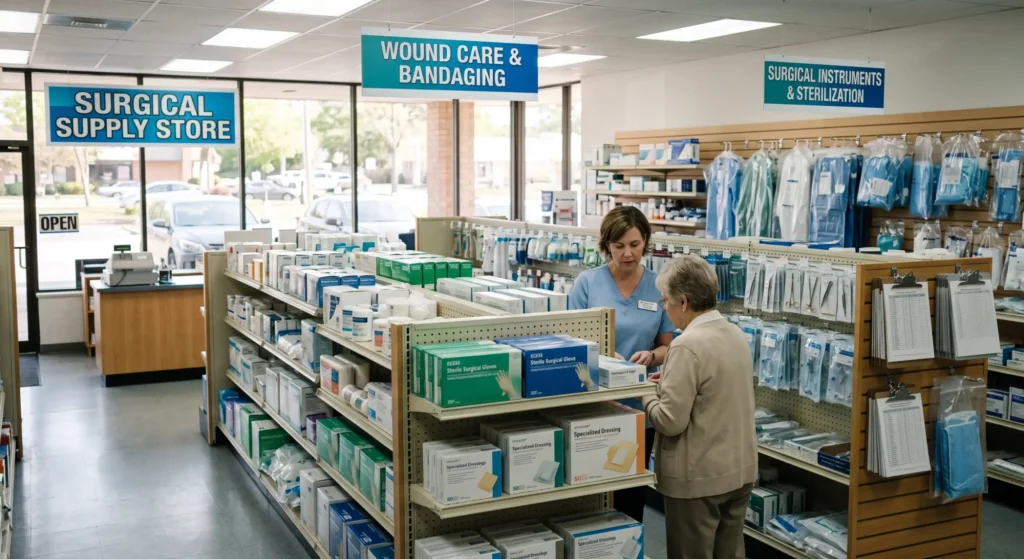
Here are important factors to evaluate:
1. Check Product Availability
A good surgical supply provider should offer a wide selection of products.
Look for suppliers that provide:
- Surgical products
- Medical equipment
- Home healthcare products
- Patient support supplies
A larger product range makes it easier to find suitable solutions.
2. Consider Experience and Reputation
Healthcare suppliers with years of experience often understand customer needs better.
Look for:
- Industry experience
- Customer reviews
- Professional service
- Healthcare knowledge
Alfa Healthcare Supply Inc. brings over 25 years of healthcare experience to support patients and caregivers.
3. Look for Personalized Customer Service
Healthcare products are not always one-size-fits-all.
A good supplier should help customers understand their options.
Personalized assistance is especially valuable when choosing:
- Mobility equipment
- Respiratory products
- Home medical equipment
- Recovery supplies
4. Choose a Supplier with Reliable Healthcare Brands
Quality healthcare products should come from trusted manufacturers.
Reliable brands often provide:
- Better product performance
- Improved comfort
- Greater durability
Why Alfa Healthcare Supply Inc. Is a Trusted Healthcare Partner
At Alfa Healthcare Supply Inc., we believe medical supplies should support better health outcomes and improved quality of life.
Our commitment includes:
✔ More than 25 years of healthcare experience
✔ Wide selection of medical products
✔ Patient-focused service
✔ Support for home healthcare needs
✔ Reliable healthcare solutions
✔ Serving communities throughout New York
Whether you need surgical supplies, home medical equipment, mobility products, diabetic supplies, or respiratory care products, Alfa Healthcare Supply Inc. is committed to helping you find dependable healthcare solutions.
Frequently Asked Questions (FAQs)
1. What does a surgical supply store provide?
Surgical supply stores provide medical products used for surgery preparation, recovery, wound care, patient assistance, and healthcare management.
These products may include wound care supplies, safety equipment, mobility aids, and home-use medical devices.
2. Where can I find the best surgical supply store Springfield?
When searching for the best surgical supply store Springfield, look for a provider that offers quality products, knowledgeable assistance, and reliable customer service.
Alfa Healthcare Supply Inc. provides a wide range of healthcare products designed around patient needs.
3. Does Alfa Healthcare Supply Inc. provide home medical equipment?
Yes. Alfa Healthcare Supply Inc. provides various home medical equipment solutions, including mobility aids, patient support equipment, and daily living assistance products.
4. What products are available at a medical supply store Springfield?
A medical supply store Springfield may provide:
- Surgical supplies
- Mobility equipment
- Diabetes supplies
- Respiratory products
- Orthopedic supports
- Home healthcare equipment
5. Can I purchase medical supplies for home recovery?
Yes. Many surgical and medical supplies are designed for home recovery after procedures or during long-term healthcare management.
6. Why should I choose Alfa Healthcare Supply Inc.?
Alfa Healthcare Supply Inc. combines healthcare experience, product variety, and customer-focused service to help individuals access reliable medical solutions.
Finding the right Maspeth medical supply provider is an important step for patients, caregivers, families, and healthcare professionals who need reliable equipment and healthcare products. Medical supplies are not just products placed on a shelf—they are tools that help people recover after surgery, manage chronic conditions, improve mobility, and maintain independence at home.
For residents of Maspeth, Queens, having access to a dependable medical supply company means receiving more than equipment. It means getting guidance, support, and solutions designed around individual healthcare needs.
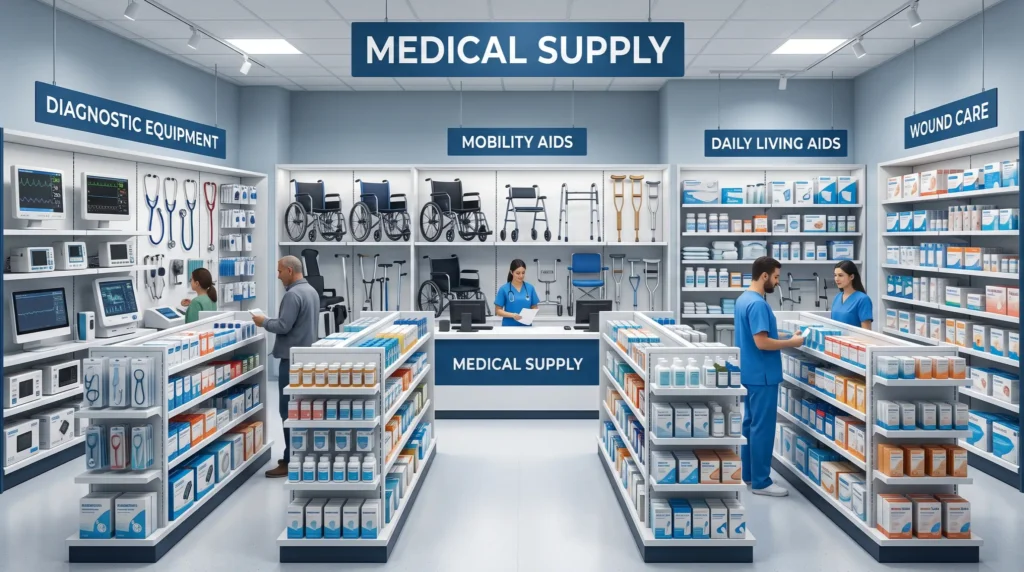
Alfa Healthcare Supply Inc. is a trusted healthcare equipment supplier serving Queens and the Greater New York area with a wide range of durable medical equipment (DME), home healthcare products, diabetic supplies, respiratory equipment, orthopedic products, mobility aids, and other essential medical supplies.
Whether someone is recovering from an injury, managing diabetes, dealing with mobility challenges, or caring for a loved one at home, choosing the right Maspeth medical supply provider can make everyday healthcare easier and more comfortable.
Understanding the Importance of a Reliable Maspeth Medical Supply Provider
Healthcare needs can change quickly. A person recovering from a hospital stay may suddenly need a walker, wheelchair, hospital bed, or bathroom safety equipment. Someone managing diabetes may require glucose monitoring supplies and diabetic footwear. Patients with respiratory conditions may need CPAP equipment or breathing support products.
A professional medical supply provider helps bridge the gap between medical treatment and everyday living.
The right supplier provides:
- Quality healthcare products
- Knowledgeable assistance
- Convenient ordering options
- Insurance support when available
- Guidance on selecting appropriate equipment
- Reliable customer service
At Alfa Healthcare Supply Inc., the goal is to make healthcare equipment access simpler while helping patients and caregivers feel confident about their choices.
What Is a Medical Supply Store?
A medical supply store provides healthcare products designed to support patients in hospitals, clinics, rehabilitation centers, and homes. Unlike general retail stores, medical supply providers focus on equipment that supports specific healthcare needs.
A professional Maspeth medical supply company may offer products such as:
- Durable medical equipment (DME)
- Mobility equipment
- Respiratory supplies
- Diabetic care products
- Orthopedic supports
- Incontinence supplies
- Surgical and wound care products
- Home healthcare equipment
These products help improve safety, comfort, and independence for people of different ages and medical conditions.
Why Residents Search for Maspeth Medical Supply
Many people search for a nearby medical supply provider because healthcare equipment needs are often personal and time-sensitive.
Families may need supplies after:
- Surgery or hospital discharge
- Accidents or injuries
- Aging-related mobility changes
- Chronic disease management
- Long-term home care situations
A local medical supply company understands that every patient has different requirements.
For example:
- An elderly patient may need a lightweight walker for safer movement.
- A person recovering from surgery may need a bedside commode or shower chair.
- Someone with diabetes may need glucose monitoring supplies and protective footwear.
- A patient with sleep apnea may need CPAP equipment and replacement accessories.
The right supplier helps match the patient with products that support their lifestyle and healthcare goals.
Alfa Healthcare Supply Inc.: Your Trusted Maspeth Medical Supply Partner
Alfa Healthcare Supply Inc. provides healthcare solutions designed around patient comfort, safety, and convenience. The company serves communities throughout Queens, Long Island, Brooklyn, Bronx, Westchester, Manhattan, and New York State.
With extensive experience in healthcare equipment solutions, Alfa Healthcare Supply Inc. focuses on providing dependable products along with personalized assistance.
Patients and caregivers can receive support for selecting:
- Home medical equipment
- Mobility solutions
- Diabetes management products
- Respiratory equipment
- Orthopedic supplies
- Compression therapy products
- Incontinence and urinary care products
The company understands that medical equipment decisions can sometimes feel overwhelming. Their approach focuses on making the process easier through professional guidance and customer-focused service.
Medical Equipment Available at Alfa Healthcare Supply Inc.
1. Durable Medical Equipment (DME)
Durable medical equipment helps individuals maintain independence and safety during daily activities.
Common DME products include:
- Wheelchairs
- Walkers
- Rollators
- Mobility scooters
- Hospital beds
- Patient support equipment
- Transfer assistance products
These products can help patients move safely while reducing strain on caregivers.
For many families, receiving the right equipment at the right time can significantly improve quality of life.
2. Mobility Equipment for Greater Independence
Mobility challenges can affect confidence and daily routines. A reliable mobility solution allows individuals to move more comfortably and safely.
Mobility products may include:
Walkers
Walkers provide stability for individuals who need additional balance support.
Rollators
Rollators offer mobility assistance with added convenience, often including:
- Comfortable handles
- Wheels for easier movement
- Built-in seating options
Wheelchairs
Wheelchairs provide transportation support for individuals with temporary or long-term mobility limitations.
Mobility Scooters
Mobility scooters help users maintain independence while moving around homes, communities, and outdoor spaces.
Choosing the right mobility product depends on the user’s condition, environment, and personal needs.
3. Diabetes Supplies and Foot Care Products
Diabetes management requires consistent monitoring and proper care.
A trusted Maspeth medical supply provider can help patients access important diabetes-related products, including:
- Blood glucose monitors
- Testing supplies
- Lancets
- Insulin-related supplies
- Diabetic footwear
- Shoe inserts
Proper foot protection is especially important for individuals with diabetes. Specialized diabetic shoes are designed to provide:
- Extra comfort
- Protective interiors
- Better support
- Reduced pressure points
- Improved walking stability
The right footwear can help protect foot health and support daily mobility.
4. Respiratory Equipment and CPAP Supplies
Respiratory health products support individuals managing breathing-related conditions.
Alfa Healthcare Supply Inc. provides respiratory solutions including:
- CPAP equipment
- Oxygen support products
- Nebulizers
- COPD and asthma supplies
For individuals with sleep apnea or respiratory conditions, having dependable equipment and replacement supplies is essential for consistent care.
5. Orthopedic Supplies and Support Products
Orthopedic products help support joints, muscles, and injured areas.
Common orthopedic supplies include:
- Knee braces
- Back supports
- Wrist supports
- Ankle braces
- Compression products
These products may assist individuals recovering from:
- Sports injuries
- Surgery
- Joint problems
- Chronic pain conditions
A knowledgeable medical supply provider helps customers select products that fit properly and provide appropriate support.
6. Home Healthcare Supplies for Everyday Living
Many patients prefer receiving care in the comfort of their own homes. Home healthcare equipment helps create a safer environment.
Popular home care products include:
- Shower chairs
- Bathroom safety equipment
- Bedside commodes
- Patient support products
- Monitoring equipment
These supplies help caregivers provide better support while allowing patients to maintain dignity and independence.
Benefits of Choosing Alfa Healthcare Supply Inc.
Personalized Healthcare Guidance
Buying medical equipment can be confusing. Different products have different features, sizes, and requirements.
Alfa Healthcare Supply Inc. helps customers understand available options and choose products based on their needs.
Wide Range of Healthcare Products
Instead of searching multiple stores, patients can access various healthcare categories through one trusted provider.
The company offers solutions for:
- Mobility
- Diabetes care
- Respiratory support
- Orthopedic needs
- Home care
- Medical equipment
Insurance Assistance
Medical equipment purchases may involve insurance requirements. Alfa Healthcare Supply Inc. works with various insurance plans and provides assistance with the ordering process.
Insurance coverage depends on individual plans, medical necessity requirements, and provider guidelines.
Quality and Reliability
Healthcare products should meet safety and performance expectations.
Choosing an established supplier helps patients receive dependable equipment from trusted sources.
How to Choose the Best Maspeth Medical Supply Provider
When selecting a medical supply company, consider these important factors:
1. Product Availability
A good supplier should offer a broad selection of healthcare products.
Look for providers offering:
- DME equipment
- Home care supplies
- Mobility products
- Specialty healthcare items
2. Customer Support
Medical equipment decisions often require guidance.
Choose a company that provides:
- Product explanations
- Assistance with selection
- Responsive communication
- Continued support
3. Experience and Expertise
Healthcare equipment requires knowledge and attention to detail.
Experienced providers understand:
- Patient needs
- Product differences
- Safety considerations
- Insurance processes
4. Convenient Ordering
A reliable medical supply provider should make purchasing simple.
Convenient options may include:
- Online ordering
- Phone assistance
- Delivery options
- Support with paperwork
Supporting Maspeth Families Through Better Healthcare Access
Healthcare is personal. Behind every medical equipment order is a person trying to improve their comfort, independence, or recovery.
- A wheelchair may represent freedom.
- A walker may represent confidence.
- A CPAP machine may represent better sleep.
- A diabetic shoe may represent protection and prevention.
- A home medical supply company plays an important role in helping people live healthier and safer lives.
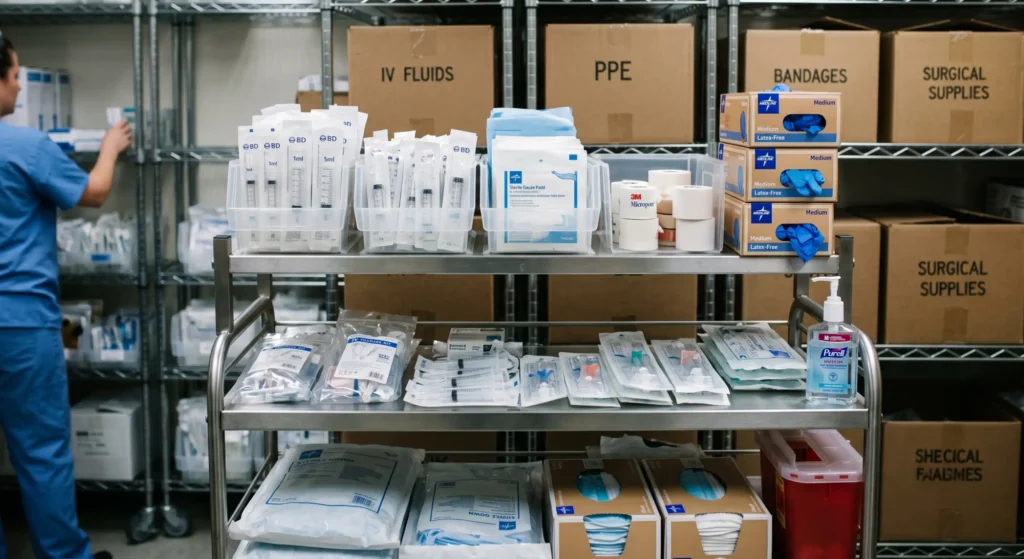
Alfa Healthcare Supply Inc. understands that medical supplies are not just products—they are part of a person’s healthcare journey. Through dependable equipment, knowledgeable support, and patient-focused service, the company helps individuals and families throughout Queens and New York access the solutions they need.
Frequently Asked Questions (FAQs)
What does a Maspeth medical supply store provide?
A medical supply store provides healthcare equipment and supplies such as mobility aids, diabetic products, respiratory equipment, orthopedic supports, and home care essentials.
Does Alfa Healthcare Supply Inc. provide home medical equipment?
Yes. Alfa Healthcare Supply Inc. provides various durable medical equipment and home healthcare solutions designed to support patients at home.
Can I get diabetic supplies from a medical supply provider?
Yes. Medical supply providers commonly offer diabetic care products such as glucose monitoring supplies, diabetic footwear, and related accessories.
Why choose a local medical supply company?
A local provider offers easier communication, personalized assistance, and better understanding of community healthcare needs.
Does Alfa Healthcare Supply Inc. assist with insurance?
Yes. Alfa Healthcare Supply Inc. works with multiple insurance plans and assists customers with the medical supply ordering process.
Finding a reliable medical supply store Long Island New York, is a crucial step for individuals, caregivers, healthcare professionals, and families in need of high-quality medical equipment and healthcare products. Whether recovering from surgery, managing a chronic condition, caring for an elderly family member, or seeking assistance with daily activities, access to reliable medical supplies can enhance comfort, safety, and independence.
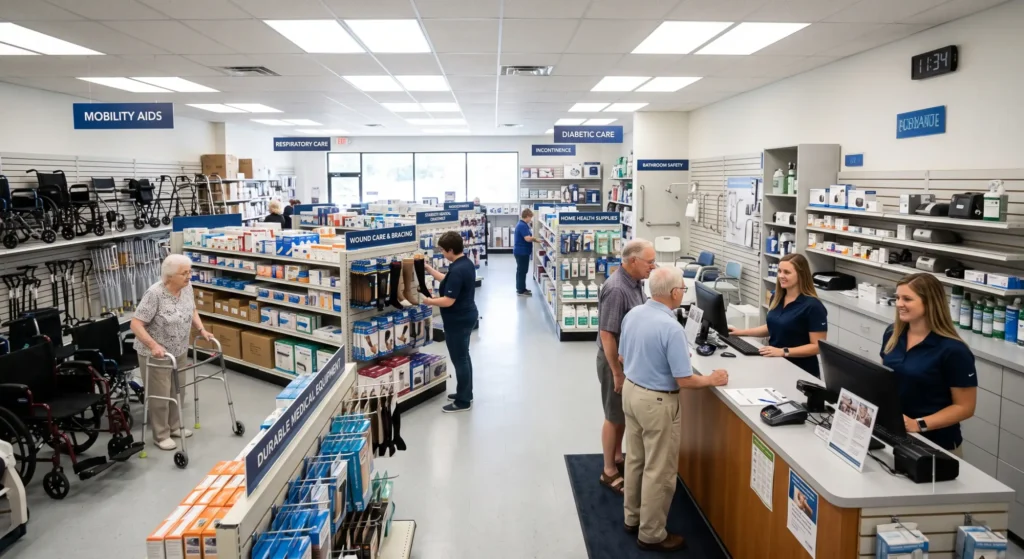
At Alfa Healthcare Supply Inc., the focus is not only on providing medical equipment but also on helping people find the right healthcare solutions for their unique needs. Serving patients and healthcare providers throughout New York, including Long Island communities, Alfa Healthcare Supply Inc. offers a wide range of durable medical equipment (DME), homecare supplies, respiratory products, diabetic supplies, orthopedic products, mobility equipment, and more.
Understanding the Importance of a Medical Supply Store in Long Island, New York
Healthcare requirements can evolve throughout different stages of life. Whether someone needs mobility assistance after an injury, respiratory devices to support easier breathing, or homecare products for a safer recovery, having access to the right supplies is essential. A trusted medical supply store Long Island New York helps connect patients with quality healthcare solutions that support comfort, independence, and improved daily living.
Unlike general retail stores, medical supply providers specialize in products designed to support health, recovery, and quality of life. They understand that every patient has different requirements and often provide guidance to help customers select suitable equipment.
A trusted medical supply provider can assist with:
- Selecting appropriate medical equipment
- Understanding product features
- Finding comfortable mobility solutions
- Choosing homecare essentials
- Supporting long-term healthcare needs
- Providing reliable customer assistance
Why Choose Alfa Healthcare Supply Inc. as Your Medical Supply Store Long Island New York?
When families search for a dependable medical supply store Long Island New York, they want more than just products. They want confidence, support, and a healthcare partner who understands their concerns.
Alfa Healthcare Supply Inc. has built its reputation by providing healthcare solutions designed around patient comfort and professional standards. With extensive experience serving New York communities, the company helps individuals, caregivers, clinics, and healthcare organizations access essential medical equipment.
Key reasons customers choose Alfa Healthcare Supply Inc. include:
1. Extensive Medical Product Selection
Every patient’s healthcare journey is unique, and their needs can vary. Alfa Healthcare Supply Inc. provides a wide range of high-quality medical supplies and equipment designed to support different health conditions and care requirements, including:
- Durable Medical Equipment (DME)
- Wheelchairs and mobility aids
- Walkers and rollators
- Hospital beds
- Patient care equipment
- CPAP supplies
- Respiratory equipment
- Oxygen-related products
- Diabetic supplies
- Compression therapy products
- Orthopedic supports
- Homecare essentials
A diverse selection of healthcare products helps patients and caregivers access various medical solutions conveniently from a single trusted provider.
Durable Medical Equipment for Home Healthcare
Home healthcare has become an important part of modern patient care. Many individuals prefer recovering at home where they feel comfortable and supported by family members.
A trusted medical supply store in Long Island, New York offers high-quality healthcare equipment designed to improve home safety, comfort, and daily convenience.
Common homecare equipment includes:
Mobility Equipment
Mobility challenges can affect independence. The right equipment can help individuals move safely and confidently.
Available solutions may include:
- Wheelchairs
- Transport chairs
- Walkers
- Rollators
- Canes
- Mobility scooters
These products help seniors, individuals recovering from injuries, and patients with limited mobility maintain greater independence.
Home Safety Equipment
Ensuring safety, reducing fall risks, and improving accessibility play a vital role in quality home healthcare.
Home safety products may include:
- Shower chairs
- Transfer benches
- Grab bars
- Raised toilet seats
- Bedside commodes
These products provide additional support for daily activities and improve safety at home.
Respiratory Equipment and Breathing Support Products
Respiratory health plays a major role in overall wellness. Patients with conditions such as sleep apnea, COPD, asthma, or other breathing challenges often require specialized equipment.
A trusted medical supply store can provide respiratory solutions such as:
- CPAP machines and accessories
- CPAP masks
- Nebulizers
- Oxygen equipment
- Respiratory accessories
Alfa Healthcare Supply Inc. supports patients by offering respiratory products designed to improve comfort and treatment compliance.
Diabetic Supplies for Better Diabetes Management
Managing diabetes requires consistent monitoring and reliable supplies. Having easy access to quality diabetic products helps patients stay prepared and maintain better control of their health.
A professional medical supply store Long Island New York can provide:
- Blood glucose monitors
- Testing strips
- Lancets
- Insulin-related supplies
- Diabetic footwear
- Foot care products
Diabetic shoes and inserts are especially important for individuals who need additional foot protection due to diabetes-related concerns.
Orthopedic Supplies for Recovery and Support
After surgery, injury, or physical strain, orthopedic products can provide stability and comfort during recovery.
Common orthopedic supplies include:
- Knee braces
- Back supports
- Ankle supports
- Wrist braces
- Compression stockings
- Supportive orthopedic products
Choosing the correct orthopedic equipment can help patients follow recovery plans more comfortably.
Medical Supplies for Seniors and Caregivers
Many seniors prefer to remain independent in their own homes. Having access to the right healthcare products can make everyday activities easier and safer.
Families often rely on medical supply stores for:
- Bathroom safety products
- Mobility equipment
- Incontinence supplies
- Monitoring devices
- Homecare accessories
For caregivers, a reliable supplier reduces stress by providing access to essential products from one convenient source.
Benefits of Choosing a Local Medical Supply Store Long Island New York
Selecting a local healthcare supplier offers several advantages compared with purchasing from unknown online sellers.
Personalized Assistance
Healthcare equipment is not one-size-fits-all. Professional guidance helps customers choose products based on their specific requirements.
Better Product Understanding
Medical supply specialists can explain:
- How equipment works
- Proper usage instructions
- Maintenance recommendations
- Product differences
Convenient Healthcare Support
Having a trusted supplier nearby provides peace of mind when medical equipment is urgently needed.
Reliable Quality Standards
Professional suppliers focus on providing dependable healthcare products from recognized manufacturers.
How Alfa Healthcare Supply Inc. Supports Long Island Patients
Healthcare is about people, not just products. Behind every order is someone looking for comfort, independence, or support during an important moment in life.
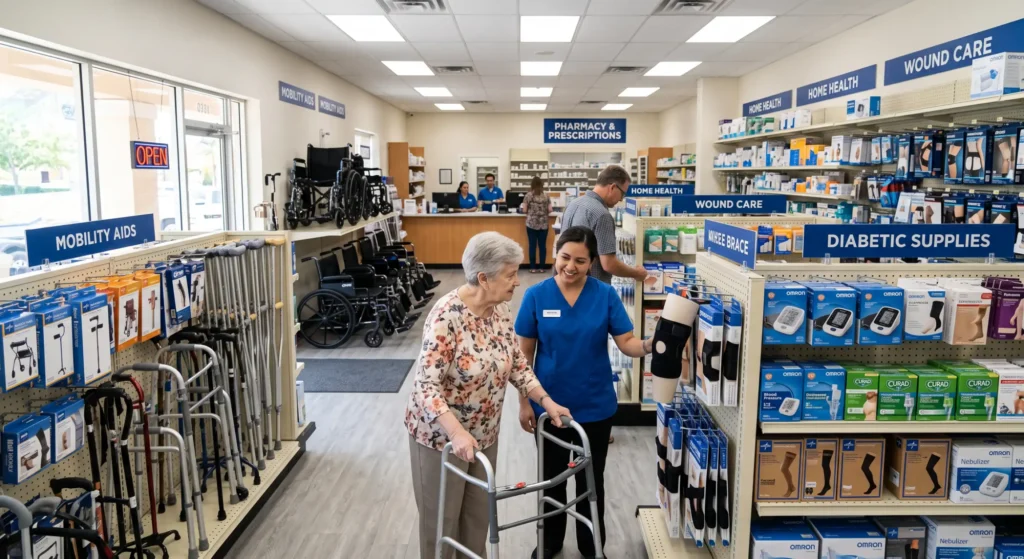
Alfa Healthcare Supply Inc. understands that medical supplies often represent more than equipment. A wheelchair may represent freedom. A hospital bed may support recovery. A CPAP machine may improve restful sleep. A diabetic monitoring device may provide confidence in daily health management.
The company works to make healthcare purchasing easier by offering:
- Professional product guidance
- Quality medical equipment
- Support for patients and caregivers
- Reliable healthcare solutions
- Assistance throughout the ordering process
Choosing the Right Medical Supply Store Long Island New York
Before selecting a medical supplier, consider these important factors:
1. Product Variety
Choose a supplier that offers multiple categories of medical equipment so future healthcare needs can also be supported.
2. Experience and Knowledge
Experienced providers understand patient needs and can recommend appropriate solutions.
3. Customer Support
Good communication and helpful service make the equipment purchasing experience easier.
4. Quality Assurance
Medical equipment should meet appropriate safety and quality standards.
5. Delivery Options
Reliable delivery services are important, especially for essential healthcare equipment.
Frequently Asked Questions (FAQs)
What products can I find at a medical supply store Long Island New York?
Medical supply stores typically provide products such as mobility equipment, respiratory supplies, diabetic products, orthopedic supports, homecare equipment, and durable medical equipment.
Does Alfa Healthcare Supply Inc. serve Long Island?
Yes. Alfa Healthcare Supply Inc. serves customers throughout New York, including Long Island, Queens, Brooklyn, Bronx, Manhattan, Westchester, and surrounding areas.
Can medical supply stores help with home healthcare needs?
Yes. Medical supply providers offer equipment and products that support recovery, aging, chronic condition management, and independent living.
Why should I choose a professional medical equipment supplier?
A professional supplier provides quality products, expert guidance, and ongoing support to help customers select appropriate healthcare solutions.
How do I choose the right medical equipment?
The right equipment depends on individual healthcare needs, doctor recommendations, lifestyle requirements, and personal comfort preferences. A knowledgeable medical supplier can help guide the selection process.
Introduction: Homecare Medical Supply Queens NY
When a loved one is recovering from surgery, battling a chronic illness, living with limited mobility, or aging at home, access to reliable medical equipment can make daily life easier and safer. Finding the right provider of homecare medical supply queens ny means choosing a company that offers quality products, knowledgeable guidance, and dependable customer support—not just medical equipment.
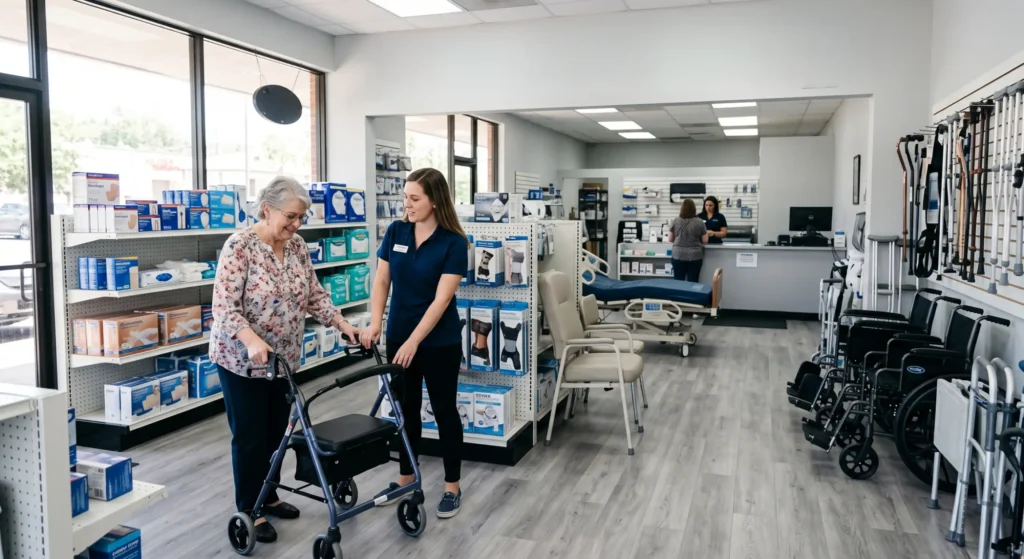
Alfa Healthcare Supply Inc. has become a trusted source for home healthcare supplies and durable medical equipment (DME) for patients, caregivers, healthcare professionals, and families throughout Queens and the greater New York area. With more than 25 years of experience, the company provides a wide range of medical products designed to support independence, comfort, recovery, and long-term wellness.
Why Home Healthcare Is Growing in Queens, NY
Home healthcare has become a very popular option among individuals and families living in Queens, NY. As more people seek personalized, convenient, and affordable care, receiving medical assistance at home has emerged as a practical alternative to prolonged stays in hospitals or rehabilitation centers. Whether recovering from surgery, managing a chronic illness, or aging in place, home healthcare allows patients to receive necessary care within the comfort and familiarity of their own homes.
There are several reasons behind the growing demand for home healthcare services in Queens. The area’s diverse population includes many elderly individuals who wish to maintain their independence for as long as possible. Advances in medical technology have made it easier for patients to safely use hospital beds, mobility aids, CPAP machines, oxygen concentrators, blood glucose monitors, and other durable medical equipment (DME) at home.
Home healthcare also benefits family caregivers by providing access to reliable medical equipment that makes daily care safer and easier. Products such as walkers, wheelchairs, bathroom safety aids, orthopedic braces, and incontinence supplies help reduce physical strain while improving the patient’s comfort and quality of life.
Furthermore, home-based care can help reduce unnecessary hospital visits, facilitate faster recovery, and promote better long-term health management. Patients often experience greater peace of mind when recovering in a familiar environment, surrounded by family and loved ones.
If you’re looking for dependable homecare medical supply Queens, NY, Alfa Healthcare Supply Inc. is a trusted choice for high-quality medical products and expert support. ensures access to high-quality medical equipment, knowledgeable support, and personalized service. With the right home healthcare products and professional guidance, individuals can enjoy greater independence, enhanced safety, and improved well-being while receiving care at home.
What is a Homecare Medical Supply Store?
A homecare medical supply store is a specialized healthcare provider that supplies medical equipment, durable medical equipment (DME), and essential healthcare supplies for safe and effective use at home. These stores assist patients, caregivers, and healthcare professionals in obtaining products that aid recovery, help manage chronic conditions, and improve daily living outside of hospitals or clinics.
Unlike standard retail stores, homecare medical supply stores offer products that meet healthcare standards and are selected to address a wide range of medical needs. Whether someone is recovering from surgery, living with a disability, managing a chronic illness, or aging in place, these supplies play a vital role in maintaining comfort, safety, and independence.
A comprehensive homecare medical supply store typically offers products such as:
- Mobility aids, including wheelchairs, walkers, rollators, and canes
- Adjustable hospital beds and pressure relief mattresses
- Bathroom safety equipment, such as shower chairs, grab bars, and raised toilet seats
- Respiratory equipment, including CPAP machines, nebulizers, and oxygen therapy supplies
- Diabetic care products like blood glucose monitors, test strips, and diabetic shoes
- Orthopedic braces and supports for injury recovery and joint stability
- Incontinence supplies for daily hygiene and comfort
- Compression stockings and other circulatory care products
In addition to providing high-quality medical equipment, a reliable homecare medical supply store offers informative advice to help customers select the right products for their specific healthcare needs. Many providers assist with insurance verification, product information, and ongoing customer support, making the purchasing process easy and convenient.
For individuals searching for homecare medical supply Queens NY, Alfa Healthcare Supply Inc. is a trusted destination offering a wide selection of high-quality home healthcare products. With experienced staff, dependable service, and a commitment to patient care, Alfa Healthcare Supply Inc. helps individuals and families find the right solutions to support safe, comfortable, and independent living at home.
Why Choose Alfa Healthcare Supply Inc.?
Searching for homecare medical supply Queens NY often leads families to companies that simply sell products. Alfa Healthcare Supply Inc. focuses on providing complete support throughout the purchasing process.
Some reasons patients trust Alfa Healthcare include:
Extensive Industry Experience
With decades of experience serving New York communities, Alfa Healthcare understands the unique needs of patients, caregivers, and healthcare providers.
Large Product Selection
Instead of purchasing equipment from multiple vendors, customers can find numerous home healthcare products under one roof.
Trusted Medical Brands
Products are sourced from recognized manufacturers that meet healthcare quality standards.
Insurance Assistance
The team helps eligible patients navigate insurance verification and documentation for covered durable medical equipment.
Friendly Customer Support
Knowledgeable staff members assist customers in selecting products suited to individual healthcare needs.
Home Healthcare Products Available
Having access to the right medical equipment can make home care safer, more comfortable, and more effective. A trusted provider of homecare medical supply Queens NY offers a wide range of products designed to meet the needs of patients recovering from surgery, managing chronic conditions, or aging in place. At Alfa Healthcare Supply Inc., patients and caregivers can find high-quality home healthcare products that support independence and improve everyday living.
Mobility Equipment
Mobility aids help individuals move safely and confidently while reducing the risk of falls and injuries. Depending on the patient’s needs, available products include:
- Manual wheelchairs
- Transport wheelchairs
- Rollator walkers
- Standard walkers
- Canes and crutches
- Mobility scooters
- Knee walkers
These products promote greater independence both inside and outside the home.
Hospital Beds and Patient Room Equipment
Adjustable hospital beds provide comfort and support for patients who require extended home care or have limited mobility. Related products include:
- Semi-electric and full-electric hospital beds
- Pressure relief mattresses
- Bed rails
- Overbed tables
- Patient transfer accessories
These solutions help improve positioning, circulation, and overall comfort while making caregiving easier.
Bathroom Safety Products
Bathrooms can present safety challenges, especially for seniors and individuals with mobility limitations. Essential bathroom safety equipment includes:
- Shower chairs
- Transfer benches
- Raised toilet seats
- Bedside commodes
- Grab bars
- Non-slip bath accessories
These products help reduce the risk of slips and falls while promoting safe personal care.
Respiratory Care Equipment
For individuals with respiratory conditions such as sleep apnea, COPD, or asthma, reliable respiratory equipment is essential. Available products include:
- CPAP machines and accessories
- Oxygen concentrators
- Nebulizers
- Oxygen tubing and supplies
- Humidification accessories
These devices help patients manage breathing conditions more comfortably at home.
Diabetic Care Supplies
Managing diabetes requires accurate monitoring and proper foot care. Home healthcare supplies include:
- Blood glucose monitors
- Test strips
- Lancets
- Continuous glucose monitoring (CGM) accessories
- Diabetic shoes
- Diabetic shoe inserts
These products support better blood sugar management and help protect foot health.
Orthopedic Supports and Braces
Orthopedic products provide stability, pain relief, and support during injury recovery or chronic joint conditions. Common options include:
- Knee braces
- Back supports
- Wrist braces
- Ankle supports
- Shoulder immobilizers
- Compression sleeves
These products help improve mobility while supporting the healing process.
Incontinence Care Products
Quality incontinence supplies provide comfort, hygiene, and confidence for patients and caregivers. Products include:
- Adult briefs
- Protective underwear
- Disposable underpads
- Bladder control products
- Skin protection creams
- Personal cleansing wipes
These essentials help maintain dignity and promote healthy skin.
Compression Therapy Products
Compression garments are commonly recommended to improve circulation and reduce swelling. Available products include:
- Compression stockings
- Compression socks
- Compression sleeves
- Medical compression wraps
They are often used by individuals with varicose veins, lymphedema, or circulation-related conditions.
Daily Living Aids
Daily living products make routine activities easier for individuals with limited mobility or reduced strength. Popular items include:
- Reachers and grabbers
- Dressing aids
- Pill organizers
- Cushions and positioning supports
- Walking accessories
- Home safety products
These tools help patients maintain greater independence while performing everyday tasks.
Benefits of Choosing a Local Homecare Medical Supply Provider
When you need medical equipment or healthcare supplies, working with a local provider offers advantages that go beyond convenience. A trusted local company understands the needs of the community and can provide personalized service, faster support, and expert guidance. If you’re searching for homecare medical supply Queens NY, choosing a reliable local provider like Alfa Healthcare Supply Inc. can make your home healthcare experience smoother and more dependable.
Personalized Customer Service
Every patient has unique healthcare needs. A local homecare medical supply provider takes the time to understand your situation and recommend products that best support your recovery, mobility, or long-term care. Whether you’re purchasing equipment for yourself or a loved one, knowledgeable staff can answer questions and help you make informed decisions.
Faster Access to Essential Medical Supplies
Medical equipment is often needed without delay. Local providers can typically offer quicker delivery and easier access to essential products, helping patients begin treatment or recovery sooner. This is especially important after surgery, during illness, or when replacing critical medical equipment.
Expert Product Guidance
Choosing the right medical equipment can be overwhelming, especially with so many options available. A professional homecare medical supply provider offers expert advice on selecting products that match your healthcare needs, lifestyle, and physician’s recommendations. Proper guidance helps ensure both safety and comfort.
High-Quality Medical Equipment
Trusted local suppliers work with reputable manufacturers to provide durable, reliable, and healthcare-grade products. From mobility aids and hospital beds to respiratory equipment and diabetic supplies, quality products are designed to deliver dependable performance and long-lasting value.
Insurance Assistance
Understanding insurance coverage for durable medical equipment (DME) can be confusing. Many local providers, including Alfa Healthcare Supply Inc., assist eligible patients with insurance verification, required documentation, and the claims process, making it easier to access covered medical supplies.
Ongoing Customer Support
Healthcare needs can change over time. A local provider offers continued support after your purchase, helping with product questions, replacement supplies, accessories, and equipment recommendations as your needs evolve. Having a trusted team nearby provides added peace of mind for both patients and caregivers.
Supporting Family Caregivers
Family caregivers play an important role in home healthcare. Local medical supply providers offer products and practical guidance that make caregiving safer and more manageable. Equipment such as hospital beds, transfer aids, shower chairs, walkers, and pressure relief cushions can reduce physical strain while improving patient comfort.
Better Understanding of Community Healthcare Needs
A local provider serving Queens understands the healthcare needs of the surrounding communities and works closely with patients, caregivers, physicians, rehabilitation centers, and healthcare professionals. This local experience allows for more personalized service and practical recommendations.
A Trusted Partner for Long-Term Care
Home healthcare often requires ongoing support rather than a one-time purchase. Building a relationship with a reliable local medical supply provider ensures you have access to quality products, knowledgeable assistance, and dependable service whenever new healthcare needs arise.
How Alfa Healthcare Supply Inc. Supports Queens Patients
Alfa Healthcare Supply Inc. serves patients, caregivers, physicians, rehabilitation centers, and healthcare organizations across Queens and surrounding New York communities with:
- Durable Medical Equipment (DME)
- Home healthcare supplies
- Respiratory products
- Orthopedic supports
- Diabetic care supplies
- Mobility equipment
- Bathroom safety products
- Compression therapy
- Incontinence supplies
The company also provides personalized assistance with product selection, insurance coordination, and ongoing customer support.
Tips for Choosing the Best Homecare Medical Supply Queens NY Provider
Selecting the right medical supply provider is an important step in ensuring safe, effective, and comfortable care at home. Whether you’re recovering from surgery, managing a chronic condition, or caring for a loved one, partnering with a trusted supplier can make a significant difference. If you’re searching for homecare medical supply Queens NY, consider these key factors before making your decision.
1. Choose an Experienced Provider
Experience matters when it comes to home healthcare. A provider with years of industry knowledge understands the needs of patients, caregivers, and healthcare professionals. They can recommend appropriate products and provide valuable guidance based on your specific situation.
2. Look for a Wide Selection of Products
A reliable homecare medical supply store should offer a comprehensive range of medical equipment and supplies, including:
- Wheelchairs and walkers
- Hospital beds
- Bathroom safety equipment
- Respiratory care products
- Diabetic supplies
- Orthopedic braces and supports
- Incontinence products
- Compression therapy products
A broad product selection allows you to find everything you need from one trusted source.
3. Prioritize Product Quality
Medical equipment should be safe, durable, and built to meet healthcare standards. Choose a provider that offers products from reputable manufacturers known for their reliability and performance. High-quality equipment helps improve comfort, safety, and long-term value.
4. Check for Knowledgeable Customer Support
A good medical supply provider does more than sell products—they help you choose the right solutions. Friendly and experienced staff should be available to answer questions, explain product features, and recommend equipment based on your healthcare needs and your healthcare provider’s recommendations.
5. Ask About Insurance Assistance
Many home healthcare products may be covered under insurance plans when eligibility requirements are met. A provider that offers insurance verification and assistance with documentation can simplify the purchasing process and save valuable time.
6. Read Customer Reviews and Testimonials
Customer feedback can provide valuable insight into a company’s reputation. Look for reviews that mention product quality, customer service, delivery reliability, and overall satisfaction. Positive experiences from other patients and caregivers often indicate a trustworthy provider.
7. Consider Delivery and Product Availability
Timely access to medical equipment is essential, especially during recovery or ongoing treatment. Choose a provider that maintains a well-stocked inventory and offers dependable delivery services so you can receive important supplies without unnecessary delays.
8. Choose a Provider That Offers Ongoing Support
Your healthcare needs may change over time. A trusted provider should continue to support you after your purchase by offering replacement supplies, compatible accessories, product guidance, and assistance whenever questions arise.
9. Select a Company That Understands Home Healthcare
Home healthcare requires more than simply providing equipment. Look for a company that understands the daily challenges faced by patients and caregivers and is committed to helping improve comfort, independence, and quality of life through personalized service.
Why Families Continue to Trust Alfa Healthcare Supply Inc.
Choosing a home healthcare provider is about more than purchasing medical equipment—it’s about finding a trusted partner who understands your needs and is committed to supporting your health and well-being. Families across Queens and the greater New York area continue to rely on Alfa Healthcare Supply Inc. because of its dedication to quality products, personalized service, and compassionate care.
Over 25 Years of Healthcare Experience
With more than two decades of industry experience, Alfa Healthcare Supply Inc. has built a strong reputation for providing dependable home healthcare solutions. Their knowledgeable team understands the unique needs of patients, caregivers, and healthcare professionals, offering guidance to help customers choose the right medical equipment for their situation.
Comprehensive Selection of Home Healthcare Products
Alfa Healthcare Supply Inc. offers a wide range of high-quality medical equipment and supplies to support recovery, mobility, and long-term health management. Customers can find:
- Durable medical equipment (DME)
- Wheelchairs, walkers, and mobility scooters
- Hospital beds and patient room equipment
- Bathroom safety products
- CPAP machines and respiratory supplies
- Diabetic care products
- Orthopedic braces and supports
- Compression therapy products
- Incontinence supplies
- Daily living aids and accessories
Having access to a complete selection of products makes it easier for families to meet their healthcare needs in one convenient place.
Commitment to Quality
Patient safety and comfort are always a priority. Alfa Healthcare Supply Inc. works with trusted manufacturers to provide reliable medical equipment that meets healthcare standards. Quality products help improve daily living, support recovery, and provide long-lasting performance.
Personalized Customer Care
Every patient has different healthcare needs. Rather than offering one-size-fits-all solutions, the experienced team at Alfa Healthcare Supply Inc. takes the time to understand each customer’s situation and recommend products that best match their physician’s recommendations, lifestyle, and recovery goals.
Support for Patients and Caregivers
Home healthcare often involves both patients and family caregivers. Alfa Healthcare Supply Inc. provides practical solutions that make caregiving easier while helping patients remain comfortable, safe, and independent at home. Their knowledgeable staff is available to answer questions and provide ongoing assistance whenever needed.
Insurance Assistance
Navigating insurance coverage for durable medical equipment can be complicated. Alfa Healthcare Supply Inc. assists eligible customers with insurance verification and required documentation, helping simplify the process and making it easier to obtain covered medical supplies.
Serving Communities Across New York
In addition to serving Queens, Alfa Healthcare Supply Inc. proudly supports patients and healthcare professionals throughout Brooklyn, Manhattan, the Bronx, Long Island, Westchester, and surrounding areas. Their commitment to dependable service has earned the trust of families across the region.
A Focus on Long-Term Relationships
Many customers return to Alfa Healthcare Supply Inc. because they value the company’s consistent service, reliable products, and genuine commitment to patient care. Whether someone needs temporary equipment for recovery or ongoing medical supplies for chronic care, the team strives to provide dependable support every step of the way.
Your Trusted Choice for Homecare Medical Supply Queens NY
If you’re looking for homecare medical supply Queens NY, Alfa Healthcare Supply Inc. is dedicated to helping patients and caregivers find the right medical equipment for safe and comfortable home care. With extensive industry experience, a comprehensive product selection, personalized customer service, and a commitment to quality, Alfa Healthcare Supply Inc. continues to be a trusted healthcare partner for families throughout Queens and the greater New York area.
Frequently Asked Questions (FAQs)
1. What is a homecare medical supply store?
A homecare medical supply store provides medical equipment, durable medical equipment (DME), and healthcare supplies for patients who receive care at home. These products help individuals recover from surgery, manage chronic conditions, improve mobility, and maintain independence in a safe and comfortable home environment.
2. What products can I find at Alfa Healthcare Supply Inc.?
Alfa Healthcare Supply Inc. offers a wide range of home healthcare products, including:
- Wheelchairs and transport chairs
- Walkers and rollators
- Hospital beds and mattresses
- CPAP machines and respiratory supplies
- Nebulizers and oxygen therapy equipment
- Diabetic supplies and diabetic shoes
- Orthopedic braces and supports
- Bathroom safety equipment
- Compression stockings
- Incontinence products
- Durable Medical Equipment (DME)
- Daily living aids and accessories
3. Who can benefit from home healthcare supplies?
Home healthcare supplies are beneficial for:
- Seniors aging in place
- Patients recovering from surgery
- Individuals with chronic illnesses
- People with mobility limitations
- Individuals with disabilities
- Stroke recovery patients
- Family caregivers providing home care
These products help improve safety, comfort, and independence while reducing the need for frequent hospital visits.
4. Does Alfa Healthcare Supply Inc. serve Queens, NY?
Yes. Alfa Healthcare Supply Inc. proudly serves customers throughout Queens, Brooklyn, Manhattan, the Bronx, Long Island, Westchester, and many surrounding communities across New York State, providing high-quality medical equipment and personalized customer support.
5. Can family caregivers purchase medical equipment for their loved ones?
Absolutely. Family members and caregivers can purchase home healthcare products to help improve mobility, safety, comfort, and daily living for loved ones receiving care at home. The knowledgeable team at Alfa Healthcare Supply Inc. can also help recommend products based on individual needs.
6. Does Alfa Healthcare Supply Inc. accept insurance?
Alfa Healthcare Supply Inc. works with many insurance providers and assists eligible patients with insurance verification and the required documentation for covered durable medical equipment (DME). Customers are encouraged to contact the team to confirm coverage for specific products.
7. How do I choose the right medical equipment for home care?
The right equipment depends on your medical condition, mobility level, physician’s recommendations, and daily care needs. The experienced staff at Alfa Healthcare Supply Inc. can help you select products that provide the best combination of safety, comfort, and functionality.
8. Why should I choose a local homecare medical supply provider?
Choosing a local provider offers several advantages, including faster access to medical supplies, personalized customer service, expert product guidance, insurance assistance, and ongoing support. Local providers also understand the unique healthcare needs of the community and can respond more quickly when assistance is needed.
9. What makes Alfa Healthcare Supply Inc. a trusted provider?
With over 25 years of experience, Alfa Healthcare Supply Inc. has earned the trust of patients, caregivers, and healthcare professionals by offering high-quality medical equipment, a comprehensive product selection, knowledgeable customer service, insurance assistance, and a commitment to helping people live safely and independently at home.
10. How can I contact Alfa Healthcare Supply Inc.?
You can contact Alfa Healthcare Supply Inc. through their website or visit their showroom to learn more about available products and services. Their experienced team is ready to help you find the right home healthcare solutions based on your individual needs.
Hospital Supply Store Near Howard Beach Queens – Quality Medical Supplies You Can Trust
When you or a loved one needs dependable medical equipment, choosing the right supplier is just as important as choosing the right healthcare provider. Whether you’re recovering from surgery, managing diabetes, caring for an aging family member, or living with a chronic condition, having access to quality medical supplies can make everyday life safer and more comfortable.
If you’re searching for a hospital supply store near Howard Beach Queens, Alfa Healthcare Supply Inc. is proud to be one of the trusted names serving Howard Beach and nearby communities throughout Queens and the Greater New York City area. With more than 25 years of industry experience, our knowledgeable team helps patients, caregivers, healthcare professionals, and medical facilities find reliable products that improve health, independence, and quality of life.
Unlike many online retailers that simply ship products, Alfa Healthcare Supply Inc. focuses on personalized service. We understand that every patient has unique medical needs, which is why we take the time to recommend products that fit your doctor’s prescription, insurance requirements, and lifestyle.
Whether you’re looking for mobility aids, respiratory equipment, diabetic supplies, orthopedic supports, urological products, compression therapy, wound care, or post-surgical recovery equipment, we are committed to helping you receive the right products at the right time.
Your Trusted Local Medical Supply Partner
Finding a dependable medical supplier shouldn’t be stressful. Medical equipment often plays an essential role in recovery, rehabilitation, and long-term health management. Choosing high-quality products from an experienced supplier helps reduce complications while making daily activities easier.
Alfa Healthcare Supply Inc. serves individuals, families, caregivers, physicians, rehabilitation centers, nursing homes, hospitals, and healthcare organizations throughout Queens and surrounding New York communities.
Our commitment goes beyond selling medical products.
We help customers understand:
- Which products best suit their condition
- How to use equipment safely
- Insurance eligibility when applicable
- Product maintenance recommendations
- Replacement schedules for disposable medical supplies
This patient-first approach has helped us build long-term relationships throughout New York.
Why Howard Beach Residents Choose Alfa Healthcare Supply Inc.
Howard Beach is a vibrant waterfront neighborhood known for its family-oriented community and growing population of seniors. Many residents require reliable access to medical equipment for home healthcare, rehabilitation, chronic disease management, and post-operative recovery.
Having a trusted hospital supply store near Howard Beach Queens means patients don’t have to struggle searching through countless online stores without guidance.
Customers appreciate Alfa Healthcare Supply Inc. because we offer:
- Over 25 years of healthcare supply experience
- Large inventory of trusted medical brands
- Friendly and knowledgeable customer service
- Home healthcare product expertise
- Insurance assistance for qualifying products
- Durable Medical Equipment (DME)
- Fast product availability
- Competitive pricing
- Personalized recommendations
- Support for patients and caregivers
Our goal is simple:
Help every customer receive the products they need while making healthcare easier and less stressful.
Complete Medical Supply Solutions Under One Roof
Healthcare needs vary from person to person. Some individuals require temporary recovery equipment, while others depend on long-term medical supplies every day.
Our extensive inventory helps meet both needs.
Durable Medical Equipment (DME)
Durable Medical Equipment supports patients recovering from illness, injury, or surgery while helping individuals maintain independence at home.
Popular DME products include:
- Hospital beds
- Patient lifts
- Wheelchairs
- Transport chairs
- Rollators
- Walkers
- Canes
- Crutches
- Mobility scooters
- Lift chairs
- Bathroom safety equipment
- Shower chairs
- Bedside commodes
Each product is selected to provide comfort, safety, and long-lasting performance.
Hospital Equipment for Home Recovery
Recovering at home has become increasingly common after surgery or hospitalization. Proper equipment allows patients to heal comfortably while reducing unnecessary hospital visits.
Our home healthcare equipment includes:
- Adjustable hospital beds
- Pressure relief mattresses
- Patient transfer equipment
- Bed rails
- Overbed tables
- Positioning cushions
- Medical mattresses
- Transfer benches
These products improve patient comfort while making caregiving easier for family members.
Professional Surgical Recovery Supplies
After surgery, using the correct recovery products can significantly improve comfort and support the healing process.
As a trusted surgical supply store Howard Beach, Alfa Healthcare Supply Inc. provides products designed to assist patients during every stage of recovery.
Our surgical supplies include:
- Surgical dressings
- Sterile gauze
- Medical tape
- Compression garments
- Wound care products
- Post-operative supports
- Surgical gloves
- Infection control products
- Protective medical supplies
Healthcare providers also rely on quality surgical products to maintain safe treatment environments.
Diabetes Management Supplies
Diabetes requires consistent monitoring and proper medical equipment.
Our diabetic product selection includes:
- Blood glucose monitors
- Test strips
- Lancets
- Continuous glucose monitoring accessories
- Insulin pen needles
- Sharps containers
- Diabetic shoes
- Diabetic shoe inserts
- Foot care products
Proper diabetes management helps patients maintain healthier blood sugar levels while reducing the risk of complications.
Respiratory Equipment for Better Breathing
Patients living with respiratory conditions often depend on specialized equipment every day.
We offer respiratory products for conditions such as:
- COPD
- Asthma
- Sleep apnea
- Chronic respiratory diseases
Available products include:
- CPAP machines
- CPAP masks
- CPAP tubing
- Humidifier chambers
- Nebulizers
- Oxygen accessories
- Filters
- Replacement cushions
- Respiratory therapy supplies
High-quality respiratory equipment helps enhance treatment results while improving patient comfort.
Mobility Products That Restore Independence
Maintaining mobility helps people remain active, independent, and confident.
Our mobility solutions include:
- Standard wheelchairs
- Lightweight wheelchairs
- Transport chairs
- Rollator walkers
- Knee walkers
- Walking canes
- Quad canes
- Folding walkers
- Mobility scooters
Every patient’s mobility requirements differ, so selecting the right equipment is important for safety and comfort.
Orthopedic Support Products
Pain from arthritis, injuries, or chronic joint conditions can affect nearly every aspect of daily life.
We provide orthopedic products designed to improve support and mobility.
Popular products include:
- Knee braces
- Back braces
- Wrist supports
- Elbow braces
- Shoulder supports
- Cervical collars
- Compression sleeves
- Plantar fasciitis supports
- Ankle braces
These products help stabilize joints while encouraging safe movement during recovery.
Compression Therapy Supplies
Compression therapy is commonly recommended for patients experiencing poor circulation, swelling, or vein-related conditions.
Our compression products include:
- Compression stockings
- Compression socks
- Compression sleeves
- Medical compression garments
Many healthcare providers recommend compression products to improve circulation and reduce discomfort.
Urological & Incontinence Supplies
Managing bladder health requires discreet, reliable products that promote comfort and dignity.
We offer:
- Catheters
- External catheters
- Drainage bags
- Leg bags
- Disposable underpads
- Adult briefs
- Protective underwear
- Skin care products
- Cleansing wipes
These products help patients maintain hygiene while supporting daily independence.
Home Healthcare Made Easier
Many families today care for aging parents or recovering loved ones at home.
Having the proper medical supplies can reduce caregiver stress while improving patient safety.
Alfa Healthcare Supply Inc. works closely with caregivers to recommend products that simplify everyday care.
Whether someone needs a walker for a few weeks or long-term respiratory equipment, our knowledgeable staff provides helpful guidance throughout the process.
Medical Supplies for Seniors Living in Howard Beach
Howard Beach is home to many older adults who want to remain independent while enjoying the comfort of their own homes. As people age, everyday tasks such as walking, bathing, getting out of bed, or managing medications can become more challenging.
At Alfa Healthcare Supply Inc., we understand these changing healthcare needs. Our goal is to provide high-quality medical supplies that promote independence, reduce the risk of injuries, and improve overall quality of life.
Our senior care products include:
- Rollator walkers
- Lightweight wheelchairs
- Transport chairs
- Lift chairs
- Adjustable hospital beds
- Patient lifts
- Bed rails
- Bathroom safety equipment
- Raised toilet seats
- Shower chairs
- Grab bars
- Overbed tables
- Compression stockings
These products are carefully selected to help seniors stay safe and comfortable at home while giving caregivers peace of mind.
Home Healthcare Equipment That Makes Daily Living Easier
Many medical conditions no longer require extended hospital stays. Thanks to advancements in home healthcare equipment, patients can recover safely in familiar surroundings.
Whether recovering from surgery, undergoing treatment for a chronic illness, or requiring long-term care, the right equipment can make a huge difference.
Our home healthcare solutions include:
- Electric hospital beds
- Semi-electric beds
- Alternating pressure mattresses
- Bedside commodes
- Transfer benches
- Patient lifts
- Mobility scooters
- Portable oxygen accessories
- Nebulizers
- Wheelchairs
- Walking aids
Every product is chosen for its durability, ease of use, and patient comfort.
Complete Wound Care Supplies
Proper wound care is essential for preventing infection and supporting faster healing.
As a trusted hospital supply store near Howard Beach Queens, Alfa Healthcare Supply Inc. offers a wide selection of wound care products for patients, caregivers, clinics, and healthcare providers.
Our wound care inventory includes:
- Sterile gauze pads
- Adhesive dressings
- Foam dressings
- Hydrocolloid dressings
- Transparent film dressings
- Medical tape
- Sterile gloves
- Wound cleansers
- Antimicrobial dressings
- Bandages
- Skin preparation products
Using high-quality wound care supplies helps create an optimal healing environment while reducing the risk of complications.
Bathroom Safety Products That Help Prevent Falls
According to healthcare professionals, bathrooms remain one of the most common locations for household falls, especially among seniors and individuals with limited mobility.
Simple safety upgrades can significantly reduce accident risks.
Popular bathroom safety products include:
- Shower chairs
- Tub transfer benches
- Raised toilet seats
- Grab bars
- Non-slip bath mats
- Toilet safety frames
- Handheld shower accessories
These solutions improve confidence and independence while making personal care easier.
Mobility Equipment for Every Stage of Recovery
Whether recovering from orthopedic surgery or living with a long-term mobility condition, choosing the right mobility equipment is essential.
Our mobility category includes products for both temporary and permanent needs.
Available equipment includes:
Walkers
Designed to provide maximum stability during rehabilitation or everyday walking.
Rollators
Ideal for users who require additional balance support while maintaining independence.
Wheelchairs
Available in standard, lightweight, reclining, transport, and bariatric models.
Mobility Scooters
Excellent for individuals who enjoy traveling longer distances without excessive physical strain.
Canes and Crutches
Simple yet effective mobility aids that provide additional support and balance.
Respiratory Care Products for Everyday Comfort
Living with respiratory conditions often requires dependable equipment used consistently over many years.
Our respiratory product selection supports patients managing:
- Sleep apnea
- COPD
- Asthma
- Chronic respiratory disorders
Popular respiratory products include:
- CPAP machines
- CPAP masks
- Nasal masks
- Full-face masks
- Heated tubing
- CPAP filters
- Humidifier chambers
- Nebulizers
- Oxygen accessories
Reliable respiratory equipment helps improve treatment effectiveness while enhancing daily comfort.
Diabetic Care Supplies You Can Depend On
Diabetes management involves much more than checking blood sugar levels. Patients need reliable supplies to monitor their condition while protecting their overall health.
Alfa Healthcare Supply Inc. carries a comprehensive selection of diabetic products, including:
- Blood glucose monitors
- Test strips
- Lancets
- Insulin pen needles
- Continuous glucose monitoring accessories
- Diabetic shoes
- Therapeutic shoe inserts
- Foot care products
- Sharps disposal containers
Our knowledgeable team helps customers choose products recommended by their healthcare providers.
Orthopedic Products for Pain Relief and Recovery
Orthopedic injuries and chronic joint conditions can affect work, exercise, and daily activities.
Our orthopedic collection includes products that support healing while improving mobility.
Available products include:
- Knee braces
- Wrist braces
- Back supports
- Shoulder immobilizers
- Ankle braces
- Cervical collars
- Elbow supports
- Compression sleeves
- Post-operative braces
These products are commonly recommended following surgery, sports injuries, arthritis, and rehabilitation.
Compression Therapy for Better Circulation
Compression therapy is frequently recommended for individuals experiencing:
- Varicose veins
- Leg swelling
- Poor circulation
- Lymphedema
- Deep vein thrombosis (under medical guidance)
Our compression products include:
- Medical compression stockings
- Compression socks
- Compression sleeves
- Recovery garments
Selecting the correct compression level is important, and our experienced staff can help customers understand available options based on their healthcare provider’s recommendations.
Products for Caregivers
Family caregivers often juggle many responsibilities while ensuring loved ones remain safe and comfortable.
We offer products designed to simplify caregiving, including:
- Patient lifts
- Transfer boards
- Disposable underpads
- Adult incontinence products
- Bedside commodes
- Hospital beds
- Bed rails
- Pressure relief cushions
- Lift recliners
These products help reduce caregiver strain while improving patient comfort.
Serving Healthcare Professionals
In addition to supporting individual patients, Alfa Healthcare Supply Inc. also works with:
- Physicians
- Clinics
- Hospitals
- Rehabilitation centers
- Physical therapy offices
- Nursing homes
- Assisted living facilities
- Home healthcare agencies
We understand the importance of dependable medical supplies and strive to provide products that meet professional healthcare standards.
Insurance Assistance for Eligible Medical Supplies
Navigating insurance requirements can sometimes feel overwhelming. Our experienced team helps customers understand coverage options for eligible durable medical equipment and medical supplies.
We assist with:
- Insurance verification
- Required documentation
- Physician prescription requirements
- Product eligibility guidance
- Order processing support
Our goal is to make obtaining necessary medical equipment as smooth and stress-free as possible.
Why Buy from a Local Hospital Supply Store?
Shopping locally offers several advantages over purchasing medical supplies from large online marketplaces.
Benefits include:
- Personalized product recommendations
- Faster access to essential equipment
- Knowledgeable customer support
- Assistance with insurance questions
- Better understanding of local healthcare needs
- Reliable after-sale support
- Easier product exchanges when necessary
For many families in Howard Beach, having access to experienced professionals nearby provides valuable peace of mind.
Why Patients Continue to Trust Alfa Healthcare Supply Inc.
Over the past 25+ years, Alfa Healthcare Supply Inc. has built its reputation by focusing on quality, reliability, and compassionate customer service.
Customers continue to choose us because we provide:
- Extensive medical supply inventory
- Trusted healthcare brands
- Competitive pricing
- Friendly, knowledgeable staff
- Personalized service
- Dependable product availability
- Support for patients, caregivers, and healthcare professionals
- Commitment to helping customers make informed decisions
Whether you’re searching for a hospital supply store near Howard Beach Queens or a dependable surgical supply store Howard Beach, our team is dedicated to helping you find the right products for your healthcare needs.
Proudly Serving Howard Beach and Nearby Queens Communities
Howard Beach is known for its friendly neighborhood, family-oriented atmosphere, and growing healthcare needs. Whether you are caring for aging parents, recovering from surgery, managing a chronic condition, or assisting a loved one with limited mobility, having access to reliable medical supplies nearby is incredibly beneficial.
Alfa Healthcare Supply Inc. proudly serves patients and healthcare professionals throughout Howard Beach and surrounding Queens communities, including:
- Ozone Park
- Lindenwood
- Hamilton Beach
- Broad Channel
- South Ozone Park
- Woodhaven
- Richmond Hill
- Jamaica
- Rego Park
- Forest Hills
- Kew Gardens
- Glendale
- Middle Village
- Bayside
- Fresh Meadows
- Floral Park
- and throughout New York City.
Our mission is simple:
Provide reliable medical equipment with compassionate customer service and personalized healthcare solutions.
How to Choose the Right Hospital Supply Store
Not every medical supplier offers the same level of service. When selecting a provider, consider the following:
- Extensive inventory of medical equipment and supplies
- Experienced and knowledgeable staff
- High-quality products from trusted manufacturers
- Assistance with insurance questions
- Positive customer service experience
- Ongoing support after purchase
- Convenient ordering and product availability
- Commitment to patient education
Choosing a supplier that prioritizes patient care can make your healthcare journey much easier.
Supporting Every Stage of Your Healthcare Journey
Medical needs often change over time. A patient recovering from surgery may initially need a wheelchair, then progress to a walker, and later require only a cane. Someone managing diabetes may need ongoing testing supplies, therapeutic footwear, and regular product replacements.
Alfa Healthcare Supply Inc. is committed to supporting patients throughout every stage of care by offering a broad range of products and personalized guidance.
Helping Caregivers with Compassion
Family caregivers play an essential role in helping loved ones recover and maintain independence. We recognize the dedication and challenges caregivers face every day.
Our team strives to make caregiving easier by recommending products that improve comfort, safety, and efficiency, including mobility aids, patient transfer equipment, pressure-relief mattresses, bathroom safety products, and incontinence supplies.
By providing practical solutions, we aim to reduce stress for caregivers while enhancing the quality of care for patients.
Frequently Asked Questions
1. Where can I find a trusted hospital supply store near Howard Beach Queens?
Alfa Healthcare Supply Inc. offers a comprehensive selection of medical equipment, durable medical equipment (DME), surgical supplies, respiratory products, diabetic supplies, orthopedic supports, mobility aids, and home healthcare products for patients and caregivers throughout Howard Beach and nearby Queens communities.
2. Do you sell products for home healthcare?
Yes. We provide hospital beds, walkers, wheelchairs, bathroom safety equipment, patient lifts, mobility scooters, respiratory supplies, and many other products designed for home healthcare.
3. What surgical supplies are available?
Our surgical product selection includes wound care supplies, sterile dressings, gauze, compression garments, medical tape, gloves, post-operative supports, and related recovery products.
4. Can I purchase diabetic supplies?
Absolutely. We carry blood glucose monitors, test strips, lancets, insulin pen needles, diabetic shoes, shoe inserts, and additional diabetic care products.
5. Do you offer CPAP supplies?
Yes. We stock CPAP machines, masks, replacement cushions, filters, tubing, humidifier chambers, and accessories from trusted manufacturers.
6. Are mobility aids available?
Yes. Our inventory includes walkers, rollators, wheelchairs, transport chairs, mobility scooters, canes, and crutches.
7. Do you provide orthopedic products?
Yes. We offer braces, supports, compression sleeves, cervical collars, ankle braces, knee braces, wrist supports, and back braces.
8. Do you carry bathroom safety products?
Yes. We offer shower chairs, transfer benches, grab bars, raised toilet seats, bedside commodes, and additional bathroom safety solutions.
9. Can caregivers receive product recommendations?
Yes. Our experienced staff assists caregivers in selecting products that meet the patient’s specific healthcare needs.
10. Do you assist with insurance?
For eligible products, our team helps customers understand insurance requirements and assists with the documentation process.
Find a Reliable Surgical Supply Store Near Me for Quality Medical Equipment and Healthcare Essentials
When you search for a surgical supply store near me, you’re looking for more than just a place to buy medical products. You want a trusted supplier that offers high-quality surgical supplies, knowledgeable customer service, competitive pricing, and dependable support throughout your healthcare journey.
Whether you’re recovering from surgery, caring for a loved one at home, managing a medical practice, or purchasing equipment for a healthcare facility, having access to reliable surgical products is essential. That’s where Alfa Healthcare Supply Inc. stands out. For over 25 years, Alfa Healthcare Supply Inc. has been a trusted provider of reliable medical supplies and healthcare equipment. proudly serves patients, caregivers, healthcare professionals, and medical organizations throughout Queens, Brooklyn, Manhattan, the Bronx, Long Island, Westchester, and across New York State.
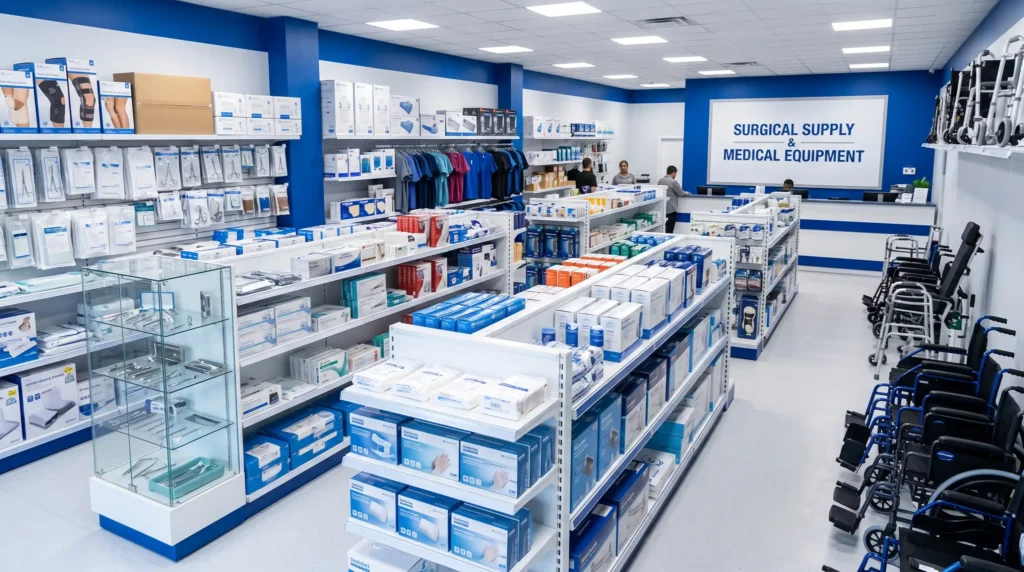
Whether you need durable medical equipment (DME), wound care supplies, mobility aids, respiratory products, diabetic care essentials, orthopedic supports, or surgical recovery equipment, Alfa Healthcare Supply Inc. provides trusted healthcare solutions that help you stay comfortable, recover with confidence, and live more independently.
Why People Search for a Surgical Supply Store Near Me
Medical needs often arise unexpectedly. Whether you’ve recently undergone surgery, received a new diagnosis, or need ongoing home healthcare products, finding a nearby supplier that offers trusted products and expert guidance can make all the difference.
People commonly search for a surgical supply store near me when they need:
- Post-surgical recovery products
- Hospital-grade medical equipment
- Durable medical equipment (DME)
- Orthopedic braces and supports
- Mobility equipment
- Wound care supplies
- Respiratory therapy equipment
- Diabetes management products
- Compression therapy products
- Incontinence supplies
- Urological products
- Home healthcare equipment
Choosing the right supplier helps ensure you receive safe, reliable products that meet your medical needs while offering ongoing support throughout your recovery.
Why Choose Alfa Healthcare Supply Inc.?
Healthcare products directly affect your comfort, recovery, and overall well-being. That is why choosing an experienced supplier matters.
Alfa Healthcare Supply Inc. has built its reputation by focusing on quality, personalized service, and patient satisfaction.
More Than 25 Years of Industry Experience
Years of experience allow the team to understand the unique needs of patients, caregivers, physicians, and healthcare organizations. Every recommendation is based on practical knowledge and a commitment to improving patient care.
Extensive Product Selection
Rather than visiting multiple stores, customers can find a wide range of medical and surgical supplies in one convenient location.
Trusted Quality
Only products from reputable manufacturers are offered, helping ensure safety, durability, and dependable performance.
Friendly Customer Support
Whether you’re purchasing your first walker or replacing CPAP supplies, knowledgeable staff members help guide you toward the right products.
Insurance Assistance
Many eligible medical supplies and durable medical equipment may be covered through insurance. Alfa Healthcare Supply Inc. assists customers in understanding available coverage whenever possible.
What is a Surgical Supply Store?
A surgical supply store provides medical equipment and healthcare products used before, during, and after medical treatment.
These stores serve:
- Patients
- Hospitals
- Medical clinics
- Physicians
- Home healthcare providers
- Physical therapists
- Rehabilitation centers
- Long-term care facilities
- Caregivers
Unlike general retail stores, surgical supply stores specialize in medically appropriate products that meet healthcare standards.
Comprehensive Medical Products Available
One reason people trust Alfa Healthcare Supply Inc. is the broad range of healthcare solutions available.
Durable Medical Equipment (DME)
Durable Medical Equipment supports patients with mobility challenges, chronic illnesses, and post-surgical recovery.
Examples include:
- Hospital beds
- Wheelchairs
- Rollators
- Walkers
- Transport chairs
- Patient lifts
- Mobility scooters
- Bedside commodes
- Lift chairs
- Pressure relief mattresses
These products are designed to improve independence while reducing caregiver strain.
Surgical Recovery Supplies
After surgery, having the right supplies at home can significantly improve comfort and healing.
Common recovery products include:
- Medical cushions
- Cold therapy products
- Compression garments
- Surgical dressings
- Bandages
- Gauze
- Medical tape
- Abdominal binders
- Wound care products
- Support braces
Wound Care Supplies
Proper wound care helps prevent infection and supports quicker healing.
Available products often include:
- Sterile gauze
- Foam dressings
- Hydrocolloid dressings
- Transparent film dressings
- Medical tape
- Adhesive bandages
- Skin preparation products
- Cleansing solutions
- Protective barriers
Healthcare professionals can help determine which dressing best suits your condition.
Mobility Equipment
Recovering patients often need assistance moving safely around the home.
Popular mobility products include:
- Rollator walkers
- Standard walkers
- Folding walkers
- Lightweight wheelchairs
- Transport chairs
- Electric scooters
- Walking canes
- Crutches
- Knee walkers
Selecting properly fitted mobility equipment helps reduce fall risks while promoting independence.
Orthopedic Supplies
Orthopedic products help relieve pain while supporting muscles, joints, and bones.
Products include:
- Knee braces
- Back supports
- Wrist braces
- Ankle supports
- Shoulder immobilizers
- Elbow braces
- Neck collars
- Posture supports
- Compression sleeves
These supports are commonly recommended following injuries, surgeries, or chronic joint conditions.
Respiratory Care Products
Patients managing respiratory conditions often require specialized equipment.
Available respiratory products may include:
- CPAP machines
- BiPAP equipment
- Nebulizers
- Oxygen accessories
- CPAP masks
- CPAP tubing
- Humidifiers
- Filters
- Replacement cushions
Maintaining respiratory equipment according to manufacturer recommendations supports effective therapy.
Diabetes Care Supplies
Managing diabetes requires dependable monitoring tools and treatment supplies.
Common diabetes products include:
- Blood glucose monitors
- Test strips
- Lancets
- Continuous glucose monitoring accessories
- Insulin pen needles
- Diabetic shoes
- Therapeutic shoe inserts
- Sharps containers
These products help patients monitor blood sugar and reduce the risk of diabetes-related complications.
Incontinence Supplies
Incontinence products improve hygiene, comfort, and confidence for individuals managing bladder or bowel control issues.
Available options include:
- Adult briefs
- Protective underwear
- Underpads
- Disposable wipes
- Catheters
- Drainage bags
- Skin protection creams
High-quality products help reduce skin irritation and improve daily comfort.
Home Healthcare Equipment
More patients today recover at home following surgery or hospitalization.
Essential home healthcare products include:
- Adjustable beds
- Overbed tables
- Patient lifts
- Shower chairs
- Grab bars
- Raised toilet seats
- Transfer benches
- Bed rails
- Pressure relief cushions
Creating a safer home environment supports recovery while reducing caregiver stress.
Benefits of Shopping at a Local Surgical Supply Store
Searching for a surgical supply store near me offers several advantages over ordering from unfamiliar online retailers.
Immediate Availability
Many essential medical supplies can be obtained without lengthy shipping delays.
Expert Guidance
Experienced staff can explain product features and help customers choose equipment suited to their needs.
Proper Product Fit
Items such as walkers, braces, wheelchairs, and diabetic footwear often require sizing and adjustment.
Easier Returns and Exchanges
Working with a local supplier often simplifies warranty claims and product exchanges.
Personalized Customer Service
Customers receive one-on-one assistance rather than relying solely on online descriptions.
Who Benefits from a Surgical Supply Store?
Healthcare products support individuals across many situations, including:
- Seniors aging safely at home
- Patients recovering after surgery
- Individuals with chronic illnesses
- People living with mobility limitations
- Caregivers assisting family members
- Physical therapy patients
- Medical professionals
- Home healthcare agencies
- Long-term care facilities
The right medical equipment can improve safety, independence, and quality of life for both patients and caregivers.
.
Why do patients and healthcare professionals trust Alpha Healthcare Supply Inc.?
When searching for a surgical supply store near me, trust is just as important as product selection. Patients rely on medical supplies to recover safely, manage chronic conditions, and maintain independence at home. Healthcare providers also need dependable products that meet high standards of quality and performance.
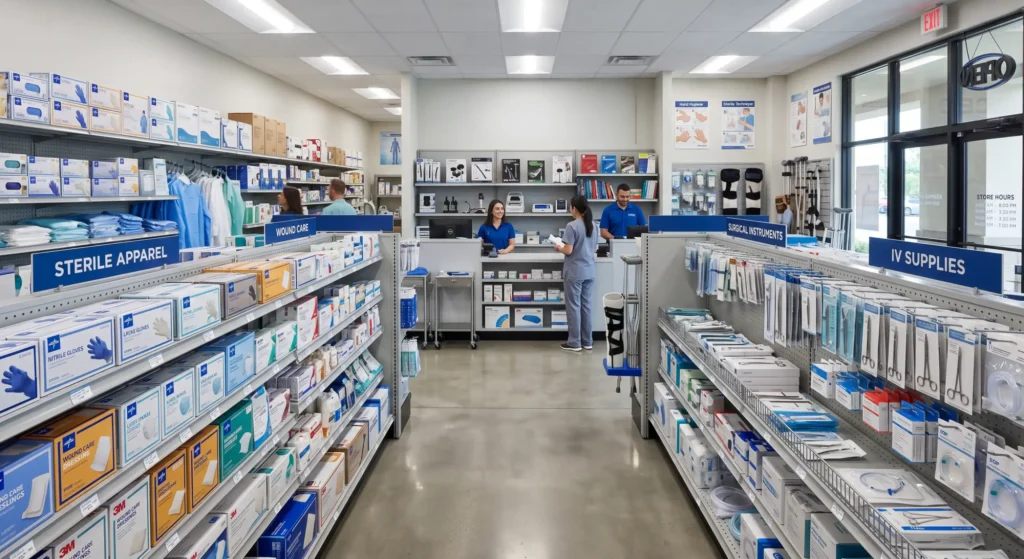
At Alfa Healthcare Supply Inc., every customer receives personalized attention and access to carefully selected medical equipment from trusted manufacturers. With over 25 years of experience serving New York communities, this company has become a trusted resource for individuals, caregivers, doctors, rehabilitation centers, and healthcare organizations.
Whether you need a single item for short-term recovery or ongoing supplies for long-term care, Alfa Healthcare Supply Inc. focuses on helping customers find solutions that match their medical needs and lifestyle.
Serving Patients Through Every Stage of Recovery
Recovery looks different for everyone. Some people need mobility assistance after orthopedic surgery, while others require respiratory equipment or wound care supplies after a hospital stay.
Alfa Healthcare Supply Inc. supports patients throughout each stage of healing by offering products that promote comfort, safety, and independence.
Common recovery situations include:
- Knee replacement surgery
- Hip replacement recovery
- Shoulder surgery
- Back surgery
- Sports injury rehabilitation
- Chronic illness management
- Stroke recovery
- Respiratory conditions
- Diabetes management
- Senior home care
Instead of purchasing products from multiple vendors, patients can find many essential healthcare supplies in one convenient location.
Complete Home Healthcare Solutions
Healthcare increasingly takes place at home. Advances in medical technology allow many patients to recover comfortably outside of the hospital while still receiving effective treatment.
Alfa Healthcare Supply Inc. offers home healthcare equipment that helps create a safer, more accessible living environment.
Bedroom Safety Equipment
Proper bedroom equipment can reduce fall risks and make caregiving easier.
Available products may include:
- Adjustable hospital beds
- Bed rails
- Pressure-relief mattresses
- Overbed tables
- Patient transfer systems
- Lift chairs
These products improve comfort while supporting safe movement in and out of bed.
Bathroom Safety Products
Bathrooms are among the most common places in the home where falls occur.
Safety equipment may include:
- Shower chairs
- Tub transfer benches
- Raised toilet seats
- Grab bars
- Non-slip bath accessories
- Commode chairs
These solutions provide greater stability while maintaining independence during daily routines.
Mobility Assistance
Remaining active plays an important role in recovery.
Mobility products available through Alfa Healthcare Supply Inc. include:
- Standard walkers
- Rolling walkers
- Rollators
- Lightweight wheelchairs
- Transport chairs
- Mobility scooters
- Walking canes
- Crutches
Properly fitted equipment helps reduce strain while encouraging safe movement.
Medical Supplies for Caregivers
Family caregivers often manage complex responsibilities while supporting loved ones recovering at home.
Reliable medical supplies can make caregiving safer and more manageable.
Helpful caregiver products include:
- Disposable gloves
- Underpads
- Patient lifts
- Transfer belts
- Adult incontinence products
- Bedside commodes
- Skin care products
- Blood pressure monitors
- Pulse oximeters
- Thermometers
Using appropriate equipment can help reduce caregiver fatigue while improving patient comfort.
Durable Medical Equipment (DME)
Durable Medical Equipment, often referred to as DME, includes reusable medical devices prescribed for home use.
Examples include:
- Hospital beds
- CPAP machines
- Wheelchairs
- Walkers
- Oxygen equipment
- Patient lifts
- Nebulizers
- Mobility scooters
Many DME products may be eligible for insurance coverage when prescribed by a healthcare provider.
Alfa Healthcare Supply Inc. assists customers in understanding documentation requirements and navigating the insurance process whenever applicable.
Respiratory Care Equipment
Respiratory health requires dependable equipment that functions correctly every day.
Patients managing conditions such as sleep apnea, COPD, or asthma often rely on specialized products for ongoing care.
Available respiratory supplies include:
- CPAP machines
- CPAP masks
- Replacement cushions
- Heated tubing
- Filters
- Nebulizers
- Oxygen accessories
- Humidifier chambers
Replacing accessories according to manufacturer recommendations helps maintain effective therapy and hygiene.
Diabetes Care Solutions
Millions of Americans manage diabetes every day.
Having reliable monitoring equipment makes blood sugar management easier and supports healthier outcomes.
Alfa Healthcare Supply Inc. offers products such as:
- Blood glucose monitors
- Test strips
- Lancets
- Continuous glucose monitoring accessories
- Insulin pen needles
- Diabetic footwear
- Therapeutic shoe inserts
Proper foot protection is especially important for individuals with diabetes, as it can help reduce pressure and lower the risk of foot complications.
Orthopedic Products for Everyday Support
Orthopedic conditions can affect mobility, work, exercise, and daily activities.
Supportive orthopedic products help stabilize joints while reducing discomfort.
Popular products include:
- Knee braces
- Wrist supports
- Back braces
- Neck collars
- Shoulder immobilizers
- Ankle braces
- Compression sleeves
- Elbow supports
Choosing the correct brace and size improves both comfort and effectiveness.
Urological and Incontinence Products
Managing bladder health with high-quality supplies helps improve comfort, dignity, and confidence.
Available products may include:
- External catheters
- Intermittent catheters
- Drainage bags
- Leg bags
- Protective underwear
- Adult briefs
- Disposable underpads
- Cleansing wipes
- Skin barrier creams
These products are designed to support daily hygiene while helping prevent skin irritation.
Why Shopping Local Makes a Difference
Although online shopping offers convenience, choosing a trusted local medical supplier provides several additional benefits.
Personalized Recommendations
Medical equipment should fit the individual’s health needs rather than relying solely on online reviews.
Experienced staff can explain product features and recommend suitable options based on healthcare provider instructions.
Faster Access to Essential Products
Following surgery or hospital discharge, patients often need equipment immediately.
A nearby supplier helps reduce waiting time and allows customers to obtain important supplies more quickly.
Ongoing Customer Support
Questions often arise after a purchase.
A local medical supply provider offers continued assistance for:
- Product setup
- Replacement parts
- Maintenance
- Warranty questions
- Insurance documentation
Insurance Assistance
Understanding insurance coverage for medical equipment can feel overwhelming.
Alfa Healthcare Supply Inc. works with eligible customers to help simplify the process whenever possible.
Depending on the product and insurance plan, customers may receive assistance with:
- Prescription requirements
- Documentation
- Coverage verification
- Prior authorization guidance
- Equipment replacement schedules
Customers should always verify benefits directly with their insurance provider, as coverage varies by plan.
Tips for Choosing the Right Surgical Supply Store
When comparing providers, consider the following factors.
1. Experience
Choose a supplier with years of experience serving patients and healthcare professionals.
2. Product Selection
A comprehensive inventory saves time and simplifies purchasing.
3. Quality Standards
Look for products from established medical manufacturers that meet applicable healthcare standards.
4. Customer Service
Knowledgeable staff should answer questions clearly and help customers make informed decisions.
5. Insurance Support
A supplier experienced in insurance documentation can make the purchasing process easier.
6. Convenient Service Area
A trusted local supplier allows quicker access to essential healthcare products when they’re needed most.
Medical Equipment That Improves Everyday Life
The right medical equipment does more than support recovery—it can also help people remain independent, comfortable, and active.
Patients often report benefits such as:
- Greater confidence while walking
- Reduced risk of falls
- Improved comfort during recovery
- Easier caregiving routines
- Better sleep with respiratory therapy
- Enhanced mobility at home
- Improved daily independence
Every patient’s experience is unique, and equipment should always be selected based on individual medical needs and guidance from a qualified healthcare professional.
Service Areas
Alfa Healthcare Supply Inc. proudly serves customers throughout:
- Queens
- Brooklyn
- Manhattan
- The Bronx
- Long Island
- Westchester County
- Greater New York City
- New York State
Whether you visit the showroom or need assistance finding the right equipment, the team is committed to delivering dependable service and quality healthcare products.
Why Experience Matters
Choosing a surgical supply provider is about more than buying products—it’s about partnering with a knowledgeable team that understands patient needs and the healthcare journey.
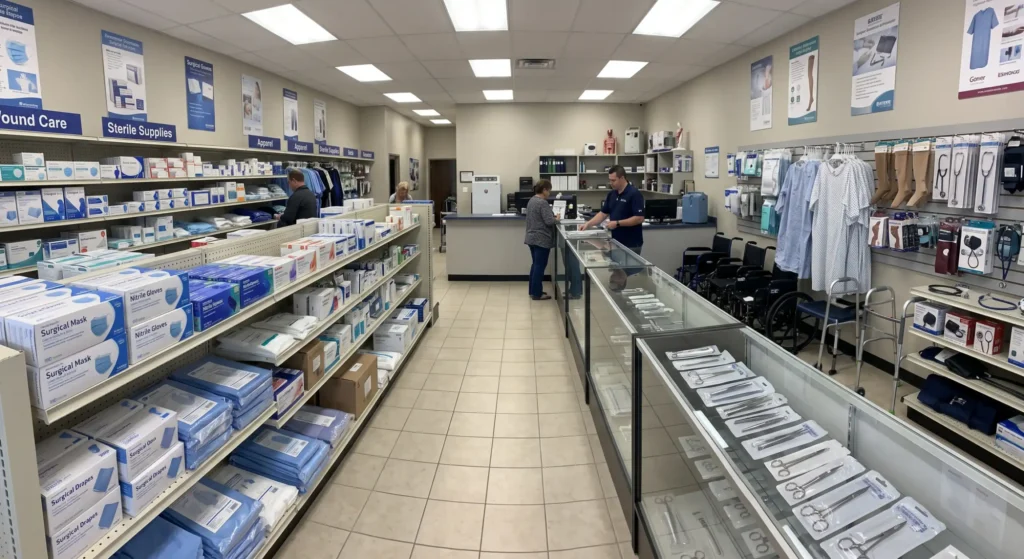
At Alfa Healthcare Supply Inc., the focus is on providing dependable products, clear guidance, and personalized service. Whether you’re recovering after surgery, managing a chronic condition, or supporting a family member at home, the goal is to help you find solutions that improve comfort, safety, and independence.
Serving Communities Across New York
If you’re searching for a surgical supply store near me, Alfa Healthcare Supply Inc. proudly serves customers throughout:
- Queens
- Brooklyn
- Manhattan
- The Bronx
- Long Island
- Westchester County
- Nassau County
- Suffolk County
- Greater New York City
- New York State
Whether you need a single medical item or ongoing support with home healthcare supplies, the experienced team is ready to assist.
Tips for Buying Surgical Supplies
Before making a purchase:
- Consult your healthcare provider about the recommended product.
- Verify measurements and sizing for braces, wheelchairs, walkers, and diabetic footwear.
- Ask about compatible accessories and replacement parts.
- Follow the manufacturer’s cleaning and maintenance instructions.
- Check whether your insurance plan requires a prescription or prior authorization.
- Replace consumable items, such as dressings or CPAP accessories, according to the manufacturer’s guidance.
Frequently Asked Questions (FAQs)
1. What is a surgical supply store?
A surgical supply store specializes in medical equipment, surgical supplies, durable medical equipment (DME), rehabilitation products, mobility aids, wound care supplies, respiratory equipment, diabetic supplies, orthopedic supports, and home healthcare products for patients, caregivers, and healthcare professionals.
2. Why should I search for a surgical supply store near me?
A local supplier offers faster access to essential medical equipment, personalized customer service, product demonstrations, insurance assistance, and easier exchanges or replacements compared to many online-only retailers.
3. Does Alfa Healthcare Supply Inc. sell products for home recovery?
Yes. Alfa Healthcare Supply Inc. provides a wide range of home healthcare products, including hospital beds, walkers, wheelchairs, lift chairs, bathroom safety equipment, respiratory devices, orthopedic supports, and more.
4. Do I need a prescription for medical equipment?
Some medical products can be purchased directly, while others—especially certain durable medical equipment or insurance-covered items—may require a prescription from your healthcare provider.
5. What is Durable Medical Equipment (DME)?
Durable Medical Equipment includes reusable medical devices designed for long-term use, such as hospital beds, wheelchairs, walkers, CPAP machines, patient lifts, mobility scooters, and nebulizers.
6. Does Alfa Healthcare Supply Inc. help with insurance?
Yes. The team assists eligible customers with insurance documentation, coverage verification, and product eligibility whenever applicable.
7. Can I purchase diabetic supplies?
Yes. Products include blood glucose monitors, test strips, lancets, insulin pen needles, diabetic shoes, therapeutic shoe inserts, and other diabetes management essentials.
8. What respiratory products are available?
Respiratory products may include:
- CPAP machines
- CPAP masks
- Heated tubing
- Replacement filters
- Nebulizers
- Oxygen accessories
- Humidifier chambers
9. Do you sell mobility equipment?
Yes. Available mobility products include:
- Rollators
- Walkers
- Canes
- Wheelchairs
- Transport chairs
- Mobility scooters
- Crutches
10. What orthopedic products are available?
Customers can find:
- Knee braces
- Back supports
- Wrist braces
- Shoulder supports
- Neck collars
- Compression sleeves
- Ankle braces
Medical Supply Store Queens Near Me: Your Trusted Source for Quality Healthcare Supplies
When you search for a medical supply store queens near me, you’re looking for more than just a place that sells healthcare products. You want a dependable provider that understands your needs, offers high-quality medical equipment, provides knowledgeable guidance, and delivers excellent customer service. Whether you’re recovering from surgery, managing a chronic condition, caring for a loved one, or simply looking for reliable home healthcare products, choosing the right medical supply store makes all the difference.
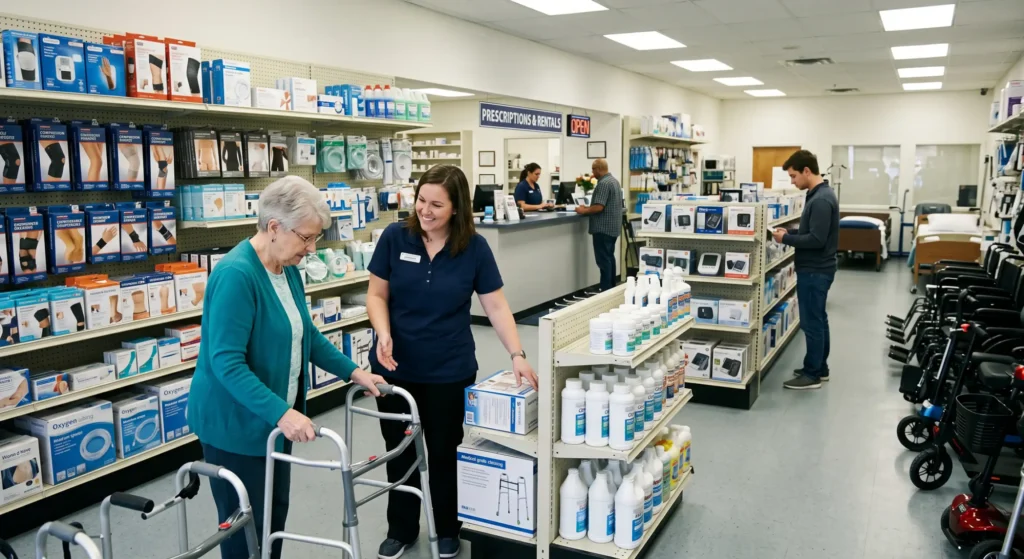
At Alfa Healthcare Supply Inc., we proudly serve individuals, families, caregivers, hospitals, physicians, nursing facilities, and healthcare professionals throughout Queens and the greater New York area. With more than 25 years of industry experience, our team is committed to providing durable medical equipment (DME), mobility aids, diabetic supplies, respiratory products, orthopedic supports, and countless other healthcare essentials designed to improve everyday living.
Our goal is simple: help every customer receive the products they need with compassionate service, professional guidance, and dependable quality.
Why Finding a Local Medical Supply Store Matters
Healthcare needs often arise unexpectedly. Waiting days for essential medical equipment isn’t always an option. Choosing a local provider offers several advantages that online-only retailers simply cannot match.
When you visit a trusted medical supply store queens ny, you receive:
- Personalized recommendations
- Professional product demonstrations
- Faster access to medical equipment
- Local customer support
- Insurance assistance
- Product fitting and adjustments
- Immediate availability for many items
- Expert guidance from experienced staff
Instead of guessing which product is right for your condition, you can speak directly with professionals who understand your healthcare needs.
Why Choose Alfa Healthcare Supply Inc.?
For decades, Alfa Healthcare Supply Inc. has built its reputation on quality, reliability, and exceptional customer care. We understand that purchasing medical equipment is often connected to important life events such as surgery recovery, chronic disease management, aging, rehabilitation, or home caregiving.
That’s why we focus on providing solutions—not just products.
More Than 25 Years of Experience
Experience matters in healthcare. Our knowledgeable team understands medical products, insurance processes, physician requirements, and the everyday challenges patients face.
Our years of serving the New York community have allowed us to develop strong relationships with healthcare providers, caregivers, hospitals, rehabilitation centers, and families throughout Queens.
Serving Communities Across Queens
Whether you’re located in:
- Fresh Meadows
- Forest Hills
- Bayside
- Flushing
- Jamaica
- Astoria
- Long Island City
- Rego Park
- Elmhurst
- Sunnyside
- Jackson Heights
- Woodside
- Glendale
- Ridgewood
- Middle Village
- Ozone Park
- Howard Beach
- Floral Park
- Whitestone
- College Point
our team is ready to help you find the right medical equipment quickly and efficiently.
Searching for medical supplies queens should lead you to experienced professionals who understand your healthcare journey—not simply an online warehouse.
Complete Medical Supplies for Every Stage of Care
Every patient has different healthcare needs. Some require temporary equipment after surgery, while others depend on long-term medical devices for daily independence.
Alfa Healthcare Supply Inc. offers a comprehensive selection of medical products designed to improve comfort, safety, and quality of life.
Our inventory includes:
- Durable Medical Equipment (DME)
- Mobility aids
- Wheelchairs
- Rollators
- Walkers
- Transport chairs
- Hospital beds
- Patient lifts
- Bathroom safety equipment
- Shower chairs
- Bedside commodes
- Diabetic supplies
- Compression stockings
- Orthopedic braces
- CPAP supplies
- Nebulizers
- Respiratory therapy equipment
- Incontinence supplies
- Urological supplies
- Maternity products
- Wound care products
- Daily living aids
- Home safety accessories
We carefully select products from trusted manufacturers known for quality, safety, and reliability.
Durable Medical Equipment (DME)
Durable Medical Equipment helps patients safely recover and maintain independence at home.
Examples include:
- Hospital beds
- Patient lifts
- Wheelchairs
- Scooters
- Walkers
- Rollators
- Lift chairs
- Pressure relief mattresses
- Bed rails
These products are designed for long-term use and often qualify for insurance coverage when medically necessary.
Our knowledgeable staff can help explain available options based on physician recommendations.
Mobility Solutions That Support Independence
Maintaining mobility is essential for both physical and emotional well-being.
Whether you’re recovering from surgery or managing arthritis, neurological disorders, or age-related mobility changes, we offer products that help you move safely and confidently.
Available mobility equipment includes:
Wheelchairs
Manual and lightweight wheelchairs provide dependable transportation both indoors and outdoors.
Rollators
Rollators provide stability and also help users stay active.
Features often include:
- Comfortable seating
- Storage baskets
- Adjustable handles
- Locking brakes
Walkers
Traditional walkers provide maximum support during rehabilitation or daily movement.
Mobility Scooters
Scooters allow individuals with limited mobility to maintain independence while shopping, traveling, or enjoying outdoor activities.
Diabetic Supplies for Better Health Management
Millions of Americans manage diabetes every day.
Having reliable diabetes-related products is essential for maintaining healthy blood sugar levels and avoiding complications.
Our diabetic product selection includes:
- Blood glucose monitors
- Test strips
- Lancets
- Lancing devices
- Continuous glucose monitoring accessories
- Insulin pen needles
- Alcohol prep pads
- Diabetic footwear
- Therapeutic shoes
- Custom diabetic shoe inserts
Proper diabetic care supports healthier feet, better circulation, and improved long-term health.
Therapeutic Diabetic Shoes
Diabetic footwear is specially designed to reduce pressure points, minimize friction, and protect sensitive feet.
Benefits include:
- Extra depth
- Cushioned interiors
- Improved circulation
- Better balance
- Reduced injury risk
- Enhanced comfort
For patients living with neuropathy or poor circulation, properly fitted diabetic shoes can significantly reduce the risk of foot ulcers and other complications.
Orthopedic Supports for Everyday Comfort
Pain shouldn’t prevent you from enjoying life.
We offer orthopedic products that help stabilize joints, reduce discomfort, and support recovery.
Popular orthopedic products include:
- Knee braces
- Ankle braces
- Wrist supports
- Shoulder immobilizers
- Back braces
- Neck collars
- Compression sleeves
- Plantar fasciitis supports
These products help improve mobility while reducing strain during daily activities.
Respiratory Care Products
Managing respiratory conditions requires dependable equipment.
Our respiratory supplies include products for patients with:
- COPD
- Asthma
- Sleep apnea
- Chronic respiratory illnesses
Available products include:
- CPAP masks
- CPAP tubing
- CPAP filters
- Water chambers
- Nebulizers
- Portable nebulizers
- Oxygen accessories
Reliable respiratory equipment supports better breathing, improved sleep quality, and enhanced daily comfort.
Home Healthcare Made Easier
Many patients now recover at home rather than in hospitals or rehabilitation centers.
Having access to the proper equipment allows families to provide safer and more comfortable care.
Home healthcare products include:
- Bed rails
- Transfer benches
- Shower chairs
- Grab bars
- Raised toilet seats
- Patient positioning cushions
- Pressure relief cushions
- Lift recliners
- Bedside commodes
These products reduce caregiver strain while improving patient safety.
Hospital Beds for Home Recovery
Adjustable hospital beds offer superior comfort compared to traditional beds.
Benefits include:
- Easier transfers
- Improved circulation
- Adjustable positioning
- Reduced caregiver effort
- Better pressure management
- Increased patient independence
Hospital beds are ideal for long-term recovery, chronic illness management, and home nursing care.
Quality Products from Trusted Manufacturers
Quality matters when selecting medical equipment.
Alfa Healthcare Supply Inc. partners with reputable manufacturers known for producing dependable healthcare products that meet industry standards.
Our commitment to quality helps ensure customers receive products they can trust for everyday use.
Personalized Customer Service
Healthcare is personal.
Every customer has unique medical needs, mobility challenges, insurance questions, and product preferences.
Our experienced team takes time to understand each situation before recommending solutions.
Rather than simply selling equipment, we focus on helping customers make informed decisions that support their long-term health and independence.
Helping Patients, Families, and Caregivers Across Queens
Healthcare needs are different for every individual. Some customers visit us because they are recovering from surgery, while others need long-term medical equipment to manage chronic conditions. Family caregivers often need dependable products that make caring for loved ones safer and more comfortable at home.
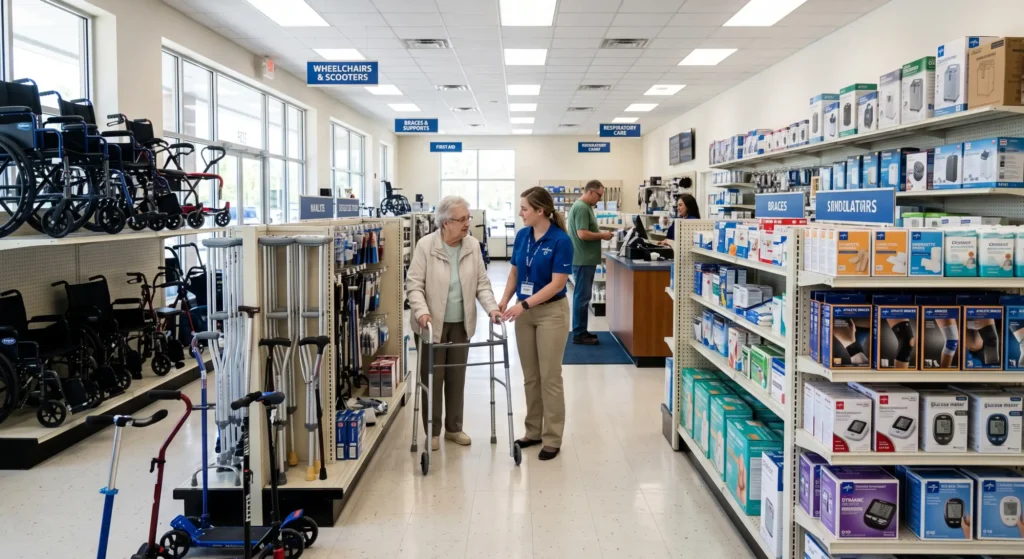
At Alfa Healthcare Supply Inc., we understand that choosing the right medical equipment can feel overwhelming. That’s why our experienced team takes the time to answer your questions, explain product options, and help you find solutions that fit your medical needs and lifestyle.
When searching for a medical supply store queens near me, you deserve a provider that offers expert guidance—not just products.
Comprehensive Medical Supplies Queens Residents Can Trust
As one of the trusted providers of medical supplies queens, we offer an extensive inventory for home healthcare, rehabilitation, chronic disease management, and daily living support.
Our goal is to help customers remain safe, comfortable, and independent while receiving quality care at home.
Our product categories include:
- Durable Medical Equipment (DME)
- Mobility equipment
- Respiratory therapy supplies
- Diabetes management products
- Orthopedic supports
- Bathroom safety equipment
- Home accessibility products
- Incontinence supplies
- Urological products
- Maternity products
- Compression therapy
- Wound care essentials
- Daily living aids
- Patient care accessories
Medical Equipment for Seniors
As people grow older, everyday tasks can become more difficult to manage. Proper medical equipment helps seniors maintain independence while reducing the risk of falls and injuries.
We offer products specifically designed for older adults, including:
Walking Aids
Walking aids provide additional balance and stability.
Options include:
- Standard walkers
- Folding walkers
- Rollators
- Quad canes
- Offset canes
These mobility solutions help reduce fall risks while encouraging an active lifestyle.
Lift Chairs
Lift recliners gently assist users when sitting down or standing up.
These chairs are ideal for individuals experiencing:
- Arthritis
- Joint pain
- Muscle weakness
- Balance issues
- Recovery after surgery
Lift chairs also improve comfort for extended periods of sitting.
Bedside Commodes
For individuals with limited mobility, bedside commodes provide greater convenience and safety, especially during nighttime.
Benefits include:
- Reduced fall risk
- Easy accessibility
- Improved hygiene
- Greater independence
Bathroom Safety Products
Bathrooms are one of the most common locations for household falls.
Safety equipment can dramatically reduce accident risks.
Popular bathroom safety products include:
- Grab bars
- Raised toilet seats
- Shower benches
- Transfer benches
- Shower stools
- Non-slip bath mats
- Toilet safety frames
- Handheld shower accessories
These products help users maintain confidence during daily hygiene routines.
Incontinence Supplies for Everyday Comfort
Managing incontinence requires dependable products that provide comfort, dignity, and protection.
Our inventory includes:
- Adult briefs
- Protective underwear
- Disposable underpads
- Reusable bed pads
- Skin care products
- Cleansing wipes
- Protective creams
We understand that discussing incontinence can feel sensitive. Our team provides respectful, confidential assistance while helping customers choose products that fit their needs.
Urological Supplies
Patients managing urinary conditions often require specialized medical products for daily care.
Available products include:
- Urinary drainage bags
- Catheters
- Leg bags
- Collection accessories
- Related patient care supplies
Choosing high-quality urological products can improve comfort, reduce complications, and simplify home care.
Compression Therapy Products
Compression therapy supports healthy blood circulation and can help reduce swelling, discomfort, and fatigue in the legs.
Our compression products include:
- Compression stockings
- Compression socks
- Graduated compression garments
- Support hosiery
These products are commonly recommended for individuals with:
- Varicose veins
- Lymphedema
- Venous insufficiency
- Pregnancy-related swelling
- Long periods of standing or sitting
Proper fitting is essential for effective compression therapy, and our team can help you select the appropriate size and compression level.
Respiratory Therapy Equipment
Respiratory health is essential for overall well-being. We provide reliable equipment that supports patients living with asthma, COPD, sleep apnea, and other breathing conditions.
Our respiratory product selection includes:
- CPAP machines
- CPAP masks
- Replacement cushions
- Heated tubing
- CPAP filters
- Humidifier water chambers
- Nebulizers
- Portable nebulizers
- Respiratory accessories
Using quality respiratory equipment consistently can improve sleep, breathing, and daily energy levels.
Maternity and Women’s Healthcare Products
Expectant and new mothers often benefit from products that provide comfort and support during pregnancy and postpartum recovery.
Our maternity selection may include:
- Maternity support belts
- Breast pumps
- Breast milk storage bags
- Nursing accessories
- Pregnancy support products
These products are designed to help mothers feel more comfortable while caring for themselves and their babies.
Daily Living Aids for Greater Independence
Simple tasks such as dressing, reaching objects, or eating can become difficult after surgery or due to aging or disability.
Daily living aids promote greater independence and reduce caregiver assistance.
Examples include:
- Reachers
- Dressing aids
- Sock aids
- Long-handled shoehorns
- Grabbers
- Adaptive utensils
- Pill organizers
Small changes can make a significant difference in everyday life.
Supporting Family Caregivers
Family caregivers play an essential role in helping loved ones remain safely at home.
We are committed to supporting caregivers with products that simplify daily care while improving patient comfort.
Popular caregiver products include:
- Transfer boards
- Patient lifts
- Positioning cushions
- Pressure relief mattresses
- Hospital beds
- Mobility equipment
- Bath safety products
- Disposable protective supplies
Providing quality home care becomes easier when caregivers have access to dependable medical equipment.
Insurance Assistance
Medical equipment can represent a significant investment, and understanding insurance requirements is often confusing.
Our knowledgeable staff can assist customers by helping explain documentation requirements, product eligibility, and available coverage options when applicable.
We encourage customers to contact our team with insurance-related questions before purchasing equipment.
Why Product Quality Matters
Medical equipment should never be selected based solely on price.
High-quality products often provide:
- Better durability
- Improved comfort
- Greater safety
- Easier maintenance
- Longer product lifespan
- Enhanced reliability
At Alfa Healthcare Supply Inc., we prioritize products from trusted manufacturers that meet recognized quality standards.
Convenient Shopping Experience
Finding healthcare supplies shouldn’t be stressful.
We strive to make the shopping experience as convenient as possible by offering:
- Friendly customer service
- Professional product guidance
- Wide product availability
- Efficient order processing
- Assistance with product selection
- Reliable home healthcare solutions
Our team understands that many customers are facing challenging health situations, and we work to make every interaction helpful and supportive.
Serving Healthcare Professionals
In addition to individual patients and families, Alfa Healthcare Supply Inc. supports healthcare professionals by supplying dependable medical products for clinical and home healthcare settings.
We proudly work with:
- Physicians
- Nurses
- Physical therapists
- Occupational therapists
- Home healthcare agencies
- Rehabilitation facilities
- Assisted living communities
- Skilled nursing facilities
Our commitment to quality and service has helped build lasting relationships throughout Queens and the surrounding New York communities.
Your Local Medical Supply Store Queens NY Can Depend On
Searching online for a medical supply store queens ny should lead you to a provider that values customer care, product quality, and professional expertise.
At Alfa Healthcare Supply Inc., we are committed to helping customers make informed healthcare decisions with confidence.
Whether you need mobility equipment, diabetic supplies, respiratory products, orthopedic supports, or home healthcare essentials, our experienced team is here to assist every step of the way.
How to Choose the Best Medical Supply Store in Queens
Choosing the right medical supply provider is a crucial decision that can impact your comfort, recovery process, and long-term health. While many retailers sell medical products, not every supplier offers the same level of expertise, customer service, or product quality.
When searching for a medical supply store queens near me, consider the following factors before making your decision.
1. Wide Selection of Products
A reliable medical supply store should carry a broad range of products to meet different healthcare needs. Whether you’re looking for diabetic supplies, mobility aids, respiratory equipment, orthopedic supports, or bathroom safety products, having everything available in one location saves time and simplifies the shopping experience.
2. Experienced and Knowledgeable Staff
Medical equipment is not one-size-fits-all. Every customer has unique health concerns, mobility limitations, and recovery goals. Working with experienced professionals ensures you receive guidance on selecting the most appropriate products for your condition.
3. Quality Products from Trusted Manufacturers
Durable medical equipment should provide dependable performance, safety, and comfort. Choose a supplier that offers products from reputable manufacturers known for meeting recognized healthcare quality standards.
4. Excellent Customer Service
Healthcare purchases often come with questions about sizing, product features, maintenance, or insurance. A trustworthy supplier should be responsive, patient, and committed to helping customers make informed decisions.
5. Convenient Location and Service Area
Being a local provider makes it easier to get products quickly, ask questions, or receive ongoing support. Alfa Healthcare Supply Inc. It proudly serves customers in Queens, Brooklyn, Manhattan, the Bronx, Long Island, Westchester, and the Greater New York area.
Benefits of Shopping Locally for Medical Supplies
Buying from a local medical supply store offers several advantages over ordering from large online retailers.
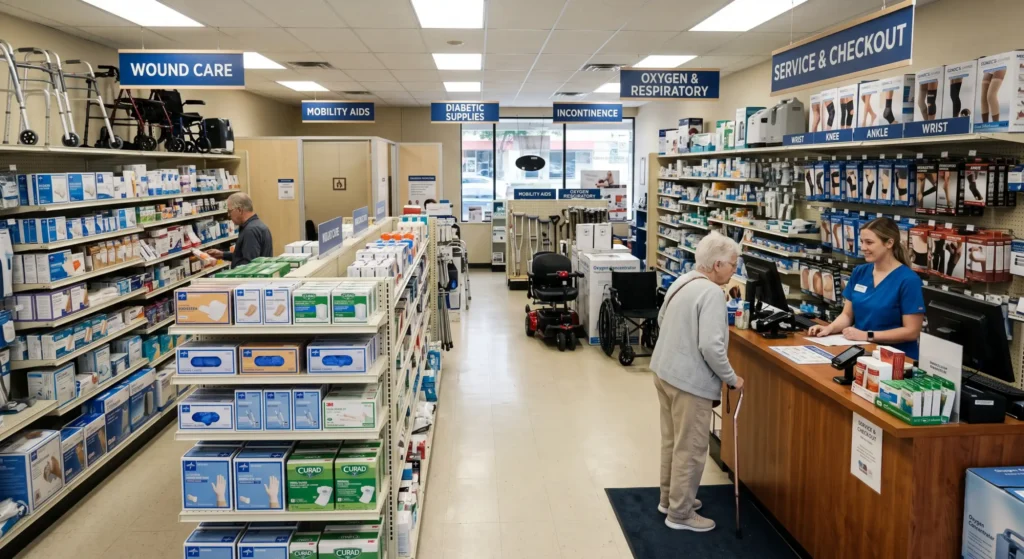
Faster Access to Essential Equipment
Medical needs often cannot wait. A local provider can help you quickly obtain essential healthcare products, thereby minimizing delays in treatment or recovery.
Personalized Product Recommendations
Instead of relying solely on online descriptions, you can receive personalized recommendations based on your physician’s guidance and individual needs.
Product Demonstrations
Some medical devices require proper setup or adjustment. A knowledgeable team can explain how products work and answer questions before you make a purchase.
Ongoing Support
If you need replacement parts, accessories, or assistance after your purchase, working with a local provider makes follow-up support more convenient.
Common Mistakes to Avoid When Buying Medical Equipment
Choosing medical equipment without proper advice can lead to wasteful expenditure or result in products that do not meet your needs.
Avoid these common mistakes:
- Purchasing equipment without consulting your healthcare provider.
- Choosing products based only on the lowest price.
- Ignoring product sizing and fit.
- Overlooking warranty or manufacturer support.
- Buying from unknown or unreliable sellers.
- Failing to consider long-term comfort and usability.
- Not asking about maintenance or replacement parts.
Selecting quality equipment from an experienced supplier helps reduce these risks.
Why Queens Residents Trust Alfa Healthcare Supply Inc.
Customers throughout Queens continue to choose Alfa Healthcare Supply Inc. because of our commitment to quality, integrity, and compassionate service.
Our strengths include:
- More than 25 years of industry experience
- Extensive inventory of medical equipment and healthcare supplies
- Friendly and knowledgeable customer support
- High-quality products from trusted manufacturers
- Assistance with product selection
- Convenient service for patients, caregivers, and healthcare professionals
- Commitment to customer satisfaction
We understand that healthcare decisions are personal, and we strive to provide a positive experience for every customer.
Supporting Recovery at Home
Recovering at home is often more comfortable than staying in a hospital or rehabilitation facility. The right medical equipment can make home recovery safer and more effective.
Depending on your needs, helpful products may include:
- Hospital beds
- Mobility aids
- Shower chairs
- Bedside commodes
- Pressure relief mattresses
- Orthopedic supports
- Compression stockings
- Nebulizers
- CPAP supplies
- Diabetic monitoring equipment
Our team can help you select products that aid in your recovery while also enhancing your comfort and independence.
Frequently Asked Questions (FAQ)
1. What products can I find at a medical supply store in Queens?
Most medical supply stores offer durable medical equipment, mobility aids, diabetic supplies, respiratory products, orthopedic braces, bathroom safety equipment, compression therapy products, incontinence supplies, and home healthcare accessories.
2. Does Alfa Healthcare Supply Inc. sell mobility equipment?
Yes. We offer wheelchairs, walkers, rollators, mobility scooters, transport chairs, and other mobility solutions designed to improve independence and safety.
3. Do you carry diabetic supplies?
Yes. Our diabetic product selection includes blood glucose monitors, test strips, lancets, insulin pen needles, diabetic shoes, therapeutic inserts, and related accessories.
4. Can I purchase hospital beds for home use?
Yes. Adjustable hospital beds are available for patients recovering at home or managing long-term medical conditions.
5. What respiratory products are available?
We offer CPAP supplies, nebulizers, portable nebulizers, replacement masks, tubing, filters, and other respiratory care accessories.
6. Do you sell orthopedic braces?
Yes. We carry braces and supports for the knee, ankle, wrist, shoulder, back, neck, and other joints.
7. Are bathroom safety products available?
Absolutely. Shower chairs, grab bars, transfer benches, raised toilet seats, and other bathroom safety products are available to help reduce the risk of falls.
8. Do you provide products for caregivers?
Yes. We offer patient lifts, transfer aids, hospital beds, pressure relief products, and many other caregiver essentials.
9. Can your staff help me choose the right equipment?
Yes. Our knowledgeable team is available to answer questions and help customers select products based on their individual healthcare needs.
10. Why should I shop locally instead of ordering online?
Local medical supply stores provide faster access to products, personalized assistance, product demonstrations, and ongoing customer support.