


Medical Supply Store NYC Upper East Side:
When people search for a Medical Supply store nyc Upper East Side, they are often looking for more than just equipment—they are looking for reliability, fast access, and compassionate service they can trust during important health moments. Whether it’s mobility support, diabetes care, or home recovery equipment, having a dependable local supplier can make all the difference in comfort and peace of mind.
One trusted name serving New York communities is Alfa Healthcare Supply Inc, a licensed Durable Medical Equipment (DME) provider known for delivering high-quality medical supplies across NYC, including Manhattan’s Upper East Side.
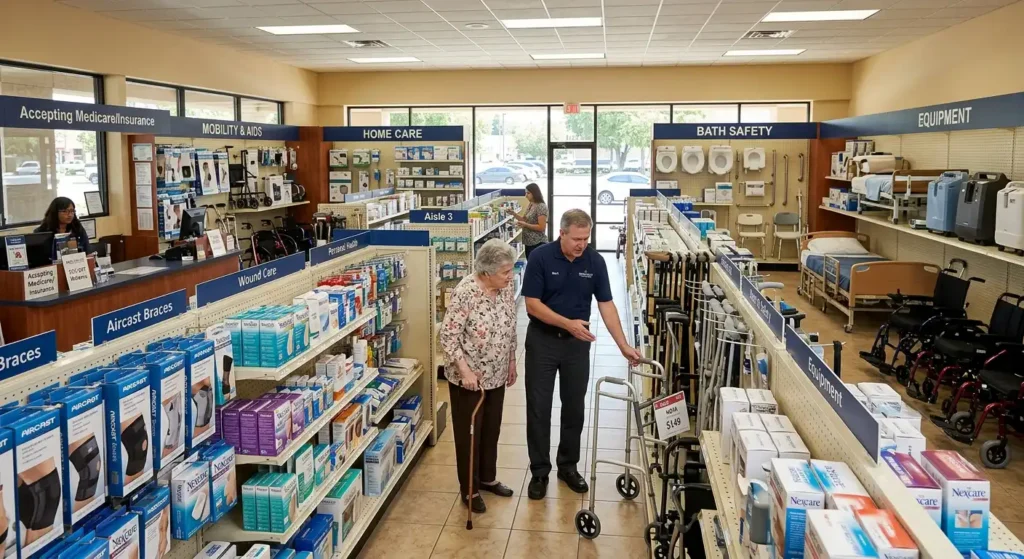
This article explores what makes a great medical supply store, what products patients commonly need, and why local access matters more than ever in today’s healthcare environment.
Understanding the Role of a Medical Supply Store in NYC
A medical supply store in New York City plays a critical role in supporting patients, caregivers, hospitals, and home healthcare providers. In a fast-paced city like NYC, access to reliable medical equipment is not just convenient—it is essential for recovery, independence, and long-term wellness.
Whether someone is managing a chronic illness, recovering after surgery, or caring for an elderly family member, a trusted medical supply store becomes a key part of the healthcare journey.
What Is a Medical Supply Store?
A medical supply store is a specialized healthcare provider that offers equipment and products used for patient care at home or in clinical settings.
In NYC, these stores typically supply:
- Durable Medical Equipment (DME)
- Mobility aids (wheelchairs, walkers, canes)
- Diabetes management tools
- Respiratory support devices (CPAP machines, oxygen supplies)
- Home care and safety equipment
- Post-surgical recovery supplies
Unlike general retail stores, medical supply providers work closely with healthcare needs and often coordinate with doctors and insurance providers.
The Role They Play in Patient Care
Medical supply stores bridge the gap between hospitals and home care. Once a patient is discharged, they still need ongoing support—and that is where these providers step in.
Their role includes:
1. Supporting Recovery at Home
Patients recovering from surgery or illness often require hospital beds, mobility aids, or wound care supplies. Medical supply stores ensure these essentials are available quickly.
2. Managing Chronic Conditions
Conditions like diabetes, COPD, or arthritis require ongoing equipment such as glucose monitors, CPAP machines, and orthopedic supports.
3. Improving Independence
Mobility devices and home safety equipment help patients maintain independence and reduce reliance on caregivers.
Why Medical Supply Stores Are Essential in NYC
New York City presents unique healthcare challenges due to its population density, fast lifestyle, and diverse medical needs.
A medical supply store in NYC is especially important because:
- Patients often need fast access to equipment without delays
- Home healthcare is widely preferred for comfort and cost-efficiency
- Hospitals discharge patients earlier, requiring home support
- Insurance coordination is essential for affordability
- Elderly populations rely heavily on mobility and safety devices
In this environment, medical supply providers are not optional—they are part of the healthcare infrastructure.
Types of Equipment Provided
A well-established medical supply store typically offers a wide range of products, including:
Mobility Equipment
- Wheelchairs
- Walkers and rollators
- Canes and crutches
Diabetes Care Supplies
- Blood glucose monitors
- Test strips
- Continuous glucose monitoring systems
Respiratory Care Equipment
- CPAP machines and masks
- Oxygen concentrators
- Nebulizers
Home Safety Equipment
- Shower chairs
- Grab bars
- Hospital beds
Rehabilitation Supplies
- Orthopedic braces
- Compression stockings
- Therapy aids
Each product plays a specific role in improving patient safety and comfort.
Importance of Expert Guidance
A medical supply store plays a crucial role in offering not only products but also guidance and educational support to patients and caregivers.
Many patients are using medical devices for the first time, and proper guidance ensures:
- Correct usage of equipment
- Reduced risk of injury or complications
- Better treatment outcomes
- Confidence for caregivers and family members
For example, using a CPAP machine correctly can significantly improve sleep quality and overall health, but only if properly fitted and explained.
Insurance and Accessibility
In NYC, medical supply stores often work directly with insurance providers. This helps reduce costs and ensures patients receive necessary equipment without financial burden.
Support typically includes:
- Insurance verification
- Billing assistance
- Documentation handling
- Prescription coordination
This simplifies the process for patients already dealing with medical stress.
Human Impact: More Than Just Equipment
Behind every wheelchair, glucose monitor, or oxygen machine is a real person trying to live a healthier and more comfortable life.
Medical supply stores help with:
- An elderly patient regaining mobility after a fall
- A diabetic patient managing daily blood sugar levels
- A post-surgery patient recovering safely at home
- A caregiver helping a family member manage a long-term health condition.
This human connection is what makes medical supply providers an essential part of healthcare—not just a retail service.
Trusted Support in NYC Healthcare
Reliable providers like Alfa Healthcare Supply Inc demonstrate how medical supply stores go beyond products—they offer care, guidance, and long-term support for patients across New York City.
Their role reflects what modern medical supply services should be:
- Accessible
- Patient-focused
- Insurance-friendly
- Reliable
- Compassionate
Why Upper East Side Residents Need Reliable Medical Supply Access
Upper East Side residents in New York City often live fast-paced yet health-conscious lifestyles, where access to dependable healthcare resources is essential. In this neighborhood—known for its large senior population, working professionals, and families managing long-term care needs—having a reliable medical supply store nearby is not just helpful, it is critical for day-to-day well-being and emergency preparedness.
A trusted provider such as Alfa Healthcare Supply Inc plays an important role in ensuring that patients and caregivers in NYC have timely access to essential Durable Medical Equipment (DME) and home healthcare supplies.
1. Fast Access During Health Needs
Health situations rarely come with warning. Whether it’s a sudden injury, post-surgical discharge, or worsening chronic condition, Upper East Side residents often need immediate access to medical equipment such as:
- Wheelchairs and walkers
- Oxygen and respiratory supplies
- Blood glucose monitoring devices
- Hospital beds and home care equipment
Having a reliable Medical Supply store NYC Upper East Side nearby ensures patients do not face delays that could affect recovery or comfort.
2. Support for an Aging Population
The Upper East Side has a significant population of older adults who often require ongoing medical support. Mobility assistance, fall prevention equipment, and home safety tools become part of daily life.
Reliable medical supply access helps seniors:
- Maintain independence at home
- Reduce risk of falls and injuries
- Manage chronic conditions safely
- Receive proper caregiver support
Without local access, even simple equipment replacements can become stressful and time-consuming.
3. Chronic Disease Management at Home
Many residents manage long-term conditions such as diabetes, hypertension, sleep apnea, or respiratory illnesses. These conditions require consistent access to medical supplies, including:
- Glucose monitors and test strips
- CPAP machines and accessories
- Compression stockings
- Monitoring devices for home use
A dependable supplier ensures continuity of care, which is essential for stable health outcomes.
4. Convenience in a High-Demand Urban Environment
Life in the Upper East Side is busy. Traveling long distances for medical supplies or waiting for delayed deliveries can disrupt care routines. Local medical supply providers offer:
- Faster delivery times
- Easier prescription processing
- Insurance coordination support
- Personalized product guidance
This convenience helps ease stress for both patients and caregivers.
5. Emotional Comfort and Peace of Mind
Beyond physical health, reliable access to medical supplies provides emotional reassurance. Families feel more secure knowing they can quickly obtain essential equipment when needed. Caregivers also benefit from professional guidance, especially when using complex devices for the first time.
Alfa Healthcare Supply Inc: A Trusted NYC Medical Supply Provider
In a city as fast-moving and medically demanding as New York, having a reliable healthcare partner is essential. Patients, caregivers, and medical professionals depend on fast access to quality equipment that supports recovery, independence, and long-term care.
One trusted name in this space is Alfa Healthcare Supply Inc, a licensed Durable Medical Equipment (DME) provider serving the greater New York City area, including Queens, Brooklyn, Bronx, Long Island, Westchester—and patients across Manhattan.
This article explores what makes Alfa Healthcare Supply Inc a dependable provider in NYC’s medical supply ecosystem.
A Strong Foundation in Durable Medical Equipment (DME)
Alfa Healthcare Supply Inc is built around one core mission: delivering reliable, high-quality Durable Medical Equipment (DME) that improves patient care at home and in clinical settings.
According to company information, they provide a wide range of healthcare solutions including mobility aids, respiratory devices, orthopedic supports, diabetic supplies, and home care equipment.
Their focus is not just on products—but on helping patients regain comfort, independence, and safety in daily life.
Comprehensive Medical Supply Categories
A key reason Alfa Healthcare Supply Inc is trusted in NYC is its broad and clinically relevant product catalog.
1. Mobility Support Equipment
Patients recovering from surgery or managing mobility challenges can access:
- Wheelchairs (manual and lightweight)
- Walkers and rollators
- Canes and crutches
- Scooters and transport aids
These tools help restore independence and reduce fall risk.
2. Respiratory Care Solutions
Respiratory health is critical, especially for patients with COPD, asthma, or sleep apnea. Alfa provides:
- CPAP machines and accessories
- Oxygen concentrators
- Nebulizers and breathing support equipment
These devices help patients breathe easier and manage long-term conditions at home.
3. Diabetes Care Supplies
Diabetes management requires consistency and accuracy. Their offerings include:
- Blood glucose monitors
- Testing strips and kits
- Continuous monitoring supplies
These tools help patients maintain stable health through daily monitoring.
4. Home Care & Safety Equipment
For seniors and post-surgery patients, home safety is essential:
- Hospital beds
- Shower chairs
- Grab bars
- Patient lifts
These products reduce risks and support safer recovery environments.
5. Orthopedic and Compression Therapy
For pain management and rehabilitation:
- Braces and supports
- Compression stockings
- Post-injury recovery aids
These items help improve circulation and reduce discomfort.
Patient-Centered Approach to Care
What sets Alfa Healthcare Supply Inc apart is its patient-first service model.
Rather than just selling equipment, the company prioritizes:
- Personalized product recommendations
- Guidance for first-time users
- Insurance and billing assistance
- Post-purchase support and maintenance
This approach ensures patients feel supported, not overwhelmed, when selecting medical equipment.
Insurance and Accessibility in NYC Healthcare
One of the biggest challenges in medical supply access is insurance coordination. Alfa Healthcare Supply Inc helps simplify this process by working with multiple insurance providers, including Medicare and Medicaid.
This makes essential equipment more affordable and accessible for NYC residents who depend on insurance coverage for ongoing care.
Reliable Delivery and Fast Response Times
In New York City, time matters—especially in healthcare situations.
Alfa Healthcare Supply Inc supports:
- Fast local delivery across NYC boroughs
- Efficient order processing
- Urgent supply coordination when needed
- Home delivery for patient convenience
This ensures patients receive critical equipment without unnecessary delays.
Why NYC Patients Rely on Alfa Healthcare Supply Inc
Patients and caregivers choose Alfa Healthcare Supply Inc because it offers:
- Wide product availability in one place
- Reliable and compliant medical equipment
- Insurance-friendly purchasing process
- Compassionate customer support
- Fast access across NYC regions
In a city where healthcare needs are urgent and diverse, this level of service makes a real difference.
Common Medical Supplies Needed in Upper East Side Homes
A well-stocked Medical Supply store nyc Upper East Side typically provides essential equipment for both short-term recovery and long-term care.
1. Mobility Assistance Equipment
- Wheelchairs
- Walkers
- Canes
- Rollators
These tools help patients maintain independence while ensuring safety at home or outdoors.
2. Diabetes Care Supplies
- Blood glucose monitors
- Test strips
- Continuous glucose monitoring systems
- Diabetic shoes and inserts
Proper diabetes management begins with consistent monitoring and reliable tools.
3. Respiratory Equipment
- CPAP machines
- CPAP masks and accessories
- Oxygen therapy supplies
These are vital for individuals managing sleep apnea or respiratory conditions.
4. Compression Therapy
- Compression stockings
- Circulation support garments
Often recommended for patients with swelling, varicose veins, or post-surgical recovery.
5. Home Care Essentials
- Hospital beds
- Patient lifts
- Bathroom safety equipment (grab bars, shower chairs)
These products help create a safer home environment for recovery and aging in place.
How to Choose the Right Medical Supply Store in NYC Upper East Side
Choosing the right medical supply provider in the Upper East Side is an important healthcare decision. The right store doesn’t just sell equipment—it supports recovery, independence, and long-term health outcomes. In a city like New York, where healthcare needs are fast-paced and diverse, selecting a trustworthy provider can make a major difference in patient care and comfort.
A reliable example of a patient-focused provider is Alfa Healthcare Supply Inc, which serves NYC residents with Durable Medical Equipment (DME), insurance support, and home healthcare solutions.
Below are the key factors to consider when choosing a Medical Supply store NYC Upper East Side.
1. Check Licensing and Certification (Trust First)
The first step is ensuring the provider is properly licensed and authorized to supply medical equipment.
A trustworthy medical supply store should:
- Be a licensed Durable Medical Equipment (DME) provider
- Follow healthcare compliance standards
- Offer medically approved products
- Work with certified manufacturers
This ensures the equipment you receive is safe, reliable, and medically appropriate.
2. Look for a Wide Range of Medical Supplies
A strong medical supply store should offer more than just basic equipment. This helps patients avoid going to multiple providers.
Key product categories include:
- Mobility aids (wheelchairs, walkers, canes)
- Diabetes care supplies (glucose monitors, test strips)
- Respiratory equipment (CPAP machines, oxygen therapy)
- Home safety equipment (hospital beds, grab bars)
- Orthopedic and recovery supplies
A broader inventory means faster access and more complete care solutions in one place.
3. Evaluate Insurance Support and Affordability
In NYC, insurance plays a major role in healthcare affordability. A good medical supply store should help simplify this process.
Look for providers that:
- Accept Medicare and private insurance
- Assist with insurance verification
- Help with billing and documentation
- Reduce out-of-pocket expenses when possible
This support removes stress and makes essential equipment more accessible.
4. Prioritize Fast Delivery and Local Access
For Upper East Side residents, speed matters—especially in urgent or post-hospital situations.
A reliable provider should offer:
- Fast local NYC delivery
- Same-day or next-day service when possible
- Easy pickup options
- Emergency supply support
Quick access ensures patients continue their care without interruption.
5. Assess Customer Support and Guidance
Medical equipment can be complex, especially for first-time users. That’s why expert guidance is essential.
A quality store should provide:
- Step-by-step usage instructions
- Help selecting the right equipment
- Caregiver support guidance
- Follow-up assistance if needed
Good support reduces errors and improves patient safety at home.
6. Read Reputation and Experience in the Community
Experience matters in healthcare supply services. Stores with long-term service in NYC are often more reliable and knowledgeable.
Look for:
- Years of experience in DME services
- Positive patient reviews
- Strong local NYC presence
- Partnerships with healthcare providers
Established providers like Alfa Healthcare Supply Inc demonstrate how experience builds trust over time.
7. Focus on Patient-Centered Care
The best medical supply stores don’t just deliver products—they support people.
Patient-centered providers focus on:
- Comfort and dignity of patients
- Clear communication
- Personalized recommendations
- Long-term care support
This approach is especially important for seniors and chronic care patients in the Upper East Side.
8. Ensure Availability of Essential Equipment
A reliable store should always have essential equipment readily available, especially for urgent needs.
Common high-demand items include:
- CPAP machines and masks
- Wheelchairs and walkers
- Blood glucose monitoring kits
- Hospital beds and safety rails
Availability reduces waiting time and improves recovery outcomes.
The Importance of Patient Support and Guidance
In healthcare, access to medical equipment is only part of the equation. Just as important is patient support and guidance—the human help that ensures equipment is used correctly, safely, and confidently at home. In a fast-paced city like New York, especially in areas such as the Upper East Side, this support can directly influence recovery outcomes and quality of life.
A trusted provider such as Alfa Healthcare Supply Inc demonstrates how medical supply services go beyond products by offering education, assistance, and ongoing care support for patients and caregivers.
Why Patient Support Matters in Medical Care
Medical devices are often introduced at moments of stress—after surgery, during illness, or when managing a chronic condition. Without proper guidance, even high-quality equipment can become confusing or ineffective.
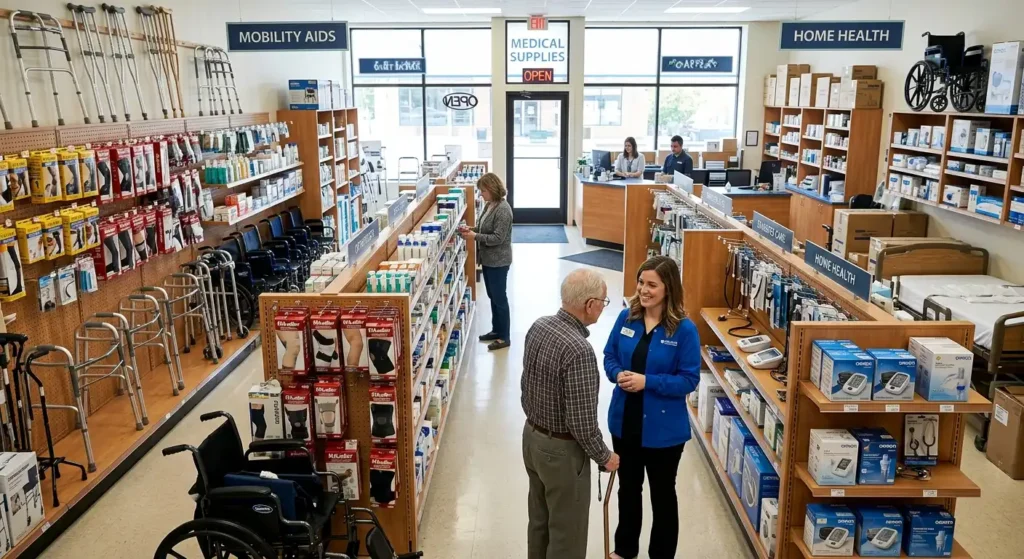
Patient support helps ensure:
- Correct use of medical equipment
- Reduced risk of injury or misuse
- Better treatment outcomes
- Greater patient confidence
- Lower caregiver stress
This support transforms medical supplies from “tools” into effective parts of a care plan.
Reducing Confusion for First-Time Users
Many patients encounter devices like CPAP machines, glucose monitors, or mobility aids for the first time after being discharged from a hospital. This transition can feel overwhelming.
Guidance helps by:
- Explaining step-by-step usage
- Demonstrating proper setup
- Clarifying maintenance and cleaning
- Answering patient questions in real time
When patients understand how to use their equipment, they are more likely to follow treatment plans correctly.
Improving Safety at Home
Incorrect use of medical equipment can lead to complications or discomfort. Patient support helps prevent avoidable risks such as:
- Improper fitting of mobility devices
- Incorrect CPAP mask usage
- Misuse of glucose testing equipment
- Unsafe setup of hospital beds or lifts
Clear guidance ensures equipment is not only used—but used safely.
Supporting Caregivers and Families
In many Upper East Side households, family members or hired caregivers assist patients with daily medical needs. These caregivers also need training and reassurance.
Patient support helps caregivers:
- Understand equipment functions
- Assist patients more confidently
- Manage emergencies effectively
- Reduce emotional and physical stress
When caregivers are supported, patients receive better overall care.
Building Trust Through Communication
Good medical supply providers prioritize communication. They don’t just hand over equipment—they ensure patients understand it.
This includes:
- Clear verbal instructions
- Printed or digital guides
- Follow-up support when needed
- Availability for questions after purchase
Providers like Alfa Healthcare Supply Inc reflect this approach by focusing on patient understanding and long-term care success.
Better Health Outcomes Through Education
Education is one of the most powerful tools in healthcare. When patients know how to manage their condition and use their equipment properly, outcomes improve significantly.
Strong patient guidance leads to:
- More consistent treatment adherence
- Fewer hospital readmissions
- Improved chronic disease management
- Faster recovery times
- Greater independence at home
Knowledge directly supports healing and stability.
Emotional Reassurance for Patients
Beyond physical care, patient support also provides emotional comfort. Dealing with illness or recovery can feel uncertain, but having someone explain the process reduces fear and confusion.
Patients feel:
- More in control of their health
- Less anxious about using equipment
- Supported instead of overwhelmed
- More confident in daily routines
This emotional stability is just as important as physical recovery.
The Future of Medical Supply Services in NYC
Healthcare is evolving quickly, and so is the medical supply industry. In cities like New York, the future includes:
- Faster home delivery systems
- More insurance-integrated services
- Smart medical devices (digital monitoring tools)
- Increased telehealth support
- Personalized care recommendations
Providers like Alfa Healthcare Supply Inc are already adapting to these changes to better serve patients across NYC.
Final Thoughts
Finding a reliable Medical Supply store nyc Upper East Side is about more than convenience—it’s about trust, safety, and consistent care. Whether you’re managing a chronic condition, recovering from surgery, or caring for a loved one, having the right medical supplier ensures better outcomes and peace of mind.
With dependable providers like Alfa Healthcare Supply Inc, NYC residents gain access to professional-grade medical equipment supported by experience, compassion, and reliability.
Because in healthcare, the right support at the right time truly changes everything.
Frequently Asked Questions (FAQs)
1. What is a medical supply store in NYC?
A medical supply store in NYC provides Durable Medical Equipment (DME) and healthcare products used for home care, recovery, and chronic condition management. This includes items like wheelchairs, CPAP machines, glucose monitors, and hospital beds.
2. Why do Upper East Side residents rely on medical supply stores?
Upper East Side residents often need fast, reliable access to medical equipment for seniors, post-surgery recovery, and chronic illness management. Local access ensures quicker delivery, easier insurance processing, and better ongoing support.
3. What types of products can I get from a medical supply store?
Most medical supply stores offer:
- Mobility aids (walkers, wheelchairs, canes)
- Diabetes care supplies (glucose monitors, test strips)
- Respiratory equipment (CPAP machines, oxygen supplies)
- Home safety equipment (hospital beds, grab bars)
- Orthopedic and recovery supplies
4. Do medical supply stores in NYC accept insurance?
Yes, many licensed providers accept Medicare and private insurance. They often assist with verification, billing, and documentation to make medical equipment more affordable and accessible.
5. How important is patient support when choosing a medical supply provider?
Patient support is extremely important. Proper guidance ensures safe equipment use, reduces complications, helps caregivers, and improves overall health outcomes—especially for first-time users.
6. Can medical equipment be delivered to Upper East Side homes?
Yes. Many NYC medical supply providers offer home delivery services, including fast and sometimes same-day delivery, depending on availability and urgency.
7. What should I look for in a trusted medical supply store in NYC?
Key factors include:
- Licensed DME certification
- Wide product selection
- Insurance support
- Fast delivery options
- Strong customer service and guidance
8. Why is local access to medical supplies important?
Local access ensures patients receive essential equipment quickly, avoid treatment delays, and get personalized support when managing health conditions at home.
9. Who benefits most from medical supply stores?
They support a wide range of people, including:
- Seniors needing mobility assistance
- Patients recovering from surgery
- Individuals managing chronic conditions
- Caregivers providing home care support
10. Are medical supply stores only for hospitals?
No. Medical supply stores primarily serve home healthcare needs, though they also support clinics, caregivers, and healthcare facilities with essential equipment.
What Medical Equipment Do Nurses Use?
If you’ve ever watched a nurse move through a shift, you’ve probably noticed something: they’re never far from a piece of equipment. A stethoscope around the neck, a pulse oximeter clipped to a pocket, a vital signs monitor wheeled from room to room. Nursing is a hands-on profession, and the right tools aren’t just helpful — they’re what makes safe, accurate patient care possible.
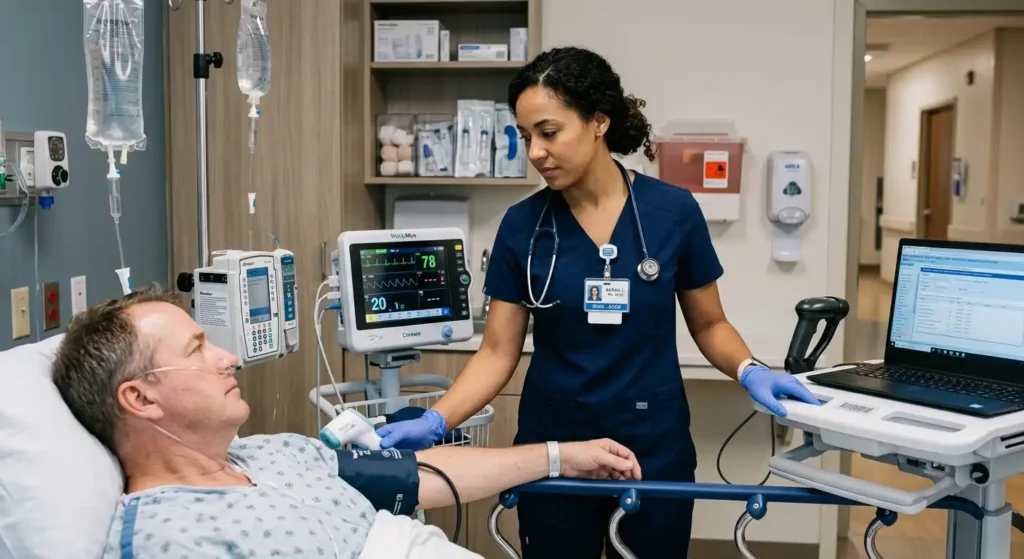
Whether you’re a nursing student building your first clinical kit, a new grad prepping for orientation, or a healthcare facility manager reviewing your supply list, this guide breaks down the medical equipment nurses actually rely on every day — and why each piece matters.
Why the Right Equipment Matters More Than People Thin
Nurses are often the first and most frequent point of contact a patient has with the healthcare system. A missed or inaccurate reading — blood pressure, oxygen saturation, temperature — can delay treatment or mask a developing complication. That’s why equipment quality isn’t a minor detail; it’s part of patient safety itself.
It’s also worth saying plainly: nursing tools have to survive real conditions. They get dropped, sanitized dozens of times a shift, used in low light, and passed between staff. Durability and calibration accuracy matter just as much as the initial price tag.
Personal Equipment Nurses Carry Every Shift
These are the items nurses typically own themselves and carry from unit to unit, or even job to job.
1. Stethoscope
Still the most iconic tool in nursing, the stethoscope is used to assess heart sounds, lung sounds, and bowel sounds. Nurses working in cardiac or critical care often invest in higher-acoustic models that pick up subtler sounds than a standard dual-head stethoscope.
2. Pulse Oximeter
A small clip-on device that measures blood oxygen saturation (SpO2) and pulse rate through a fingertip. It’s one of the fastest ways to catch early signs of respiratory distress, which is why it’s used constantly in med-surg, ICU, and emergency settings.
3. Digital Thermometer
Accurate, quick-read thermometers — oral, temporal, or tympanic — are used for routine vital sign checks and fever monitoring. Many facilities now use no-contact infrared thermometers to reduce cross-contamination risk.
4. Penlight
A simple but essential tool for checking pupillary response, assessing the throat, and general bedside exams. It sounds basic, but a reliable, bright penlight is one of those things nurses notice the moment it fails.
5. Bandage Scissors and Trauma Shears
Used for cutting gauze, tape, clothing, or dressings quickly — especially important in emergency and trauma situations where seconds matter.
6. Watch with a Second Hand
Even with digital monitors everywhere, many nurses still keep a reliable watch for manually timing pulses and respirations, particularly when equipment is being shared or is temporarily unavailable.
Equipment Nurses Use at the Bedside
These tools usually belong to the unit or facility, but nurses interact with them constantly throughout a shift.
7. Vital Signs Monitors
These combine blood pressure, heart rate, SpO2, and sometimes temperature into a single device, often on a mobile cart. They’re used for routine checks and continuous monitoring in higher-acuity patients.
8. Blood Pressure Cuffs (Sphygmomanometers)
Manual and automatic cuffs are used to assess cardiovascular status. Nurses often calibrate readings against manual cuffs to double-check automated results, especially for patients with irregular pulses.
9. Infusion Pumps
Used to deliver IV fluids, medications, and nutrition at precise, programmable rates. Infusion pump competency is a core part of nursing training because dosing errors here can have serious consequences.
10. IV Start Kits and Venipuncture Supplies
Catheters, tourniquets, alcohol swabs, and dressings used for starting IV lines and drawing blood. Nurses often develop personal preferences for catheter gauge and kit setup based on patient population.
11. Glucometers
Blood glucose monitors are used constantly on units with diabetic patients, in post-surgical recovery, and in labor and delivery. Quick, accurate readings guide immediate treatment decisions like insulin dosing.
12. Wound Care and Dressing Supplies
Sterile gauze, adhesive dressings, wound irrigation supplies, and specialty dressings for pressure injuries or surgical sites. Wound assessment and care is a major part of daily nursing documentation and treatment.
13. Patient Lifts and Transfer Equipment
Mechanical lifts, gait belts, and slide sheets protect both patients and nurses during transfers. With musculoskeletal injuries being one of the most common workplace injuries in nursing, this equipment is as much about staff safety as patient safety.
14. Suction Equipment
Portable and wall-mounted suction units are used to clear airways, manage secretions, and assist during procedures. Nurses in respiratory, surgical, and ICU settings use these regularly.
Equipment for Specialized Nursing Roles
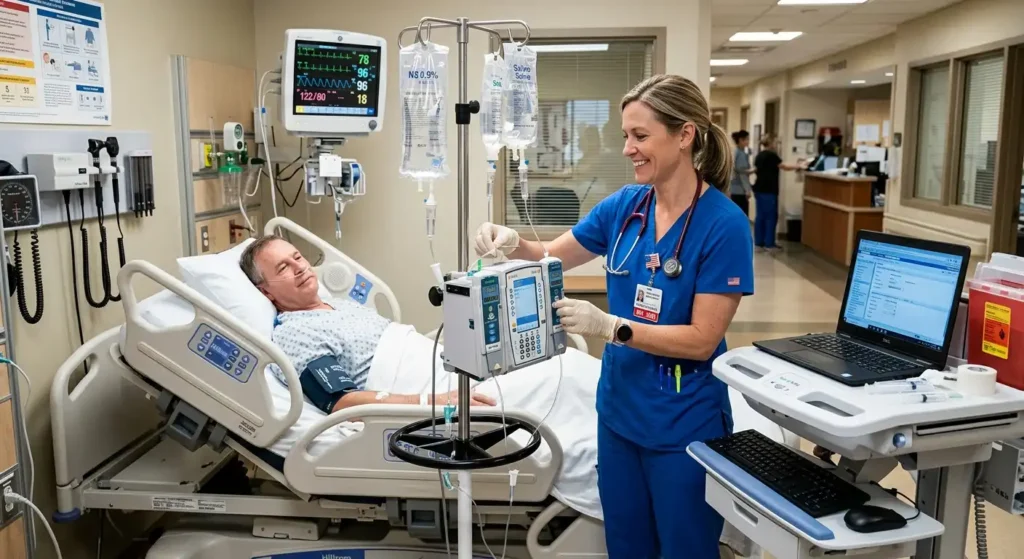
Not every nurse uses the same toolkit. Setting changes everything.
1] ICU and Critical Care Nurses rely heavily on cardiac monitors, ventilators, arterial line setups, and continuous infusion systems.
2] Labor and Delivery Nurses use fetal Doppler monitors, external fetal monitors, and specialized delivery instruments.
3] Emergency Department Nurses work with trauma shears, rapid IV access devices, defibrillators, and portable monitors built for speed.
4] School and Community Health Nurses often carry more compact, portable versions of standard equipment — think handheld BP monitors and basic first aid supplies — since they’re working without a full clinical setup.
5] Home Health Nurses need durable, transportable equipment: portable vital signs monitors, wound care kits, and glucose meters that hold up to travel.
Personal Protective Equipment (PPE)
No modern discussion of nursing equipment is complete without PPE. Gloves, gowns, masks, and eye protection are used constantly — not just during outbreaks, but as a daily standard of infection control. Facilities are trained to select the right level of protection for each task, from routine contact precautions to airborne isolation.
How Nurses and Facilities Choose Equipment
A few factors consistently guide purchasing and personal equipment decisions:
1] Accuracy and calibration — especially for diagnostic tools like BP cuffs and glucometers, where inconsistent readings can affect treatment.
2] Durability — equipment gets dropped, disinfected repeatedly, and used across long shifts.
3] Ease of cleaning — infection control standards mean equipment needs to withstand frequent sanitizing without degrading.
4] Comfort for patients — things like cuff sizing or catheter gauge affect the patient experience directly.
5] Cost and reliability at scale — for facilities outfitting entire units, consistent quality across bulk orders matters as much as any single device.
This is where working with an established medical supply source makes a real difference. Facilities and individual nurses alike often turn to dedicated suppliers — like Alfa Healthcare Supply — for clinical-grade equipment ranging from diagnostic tools to daily-use disposables, so they’re not sourcing critical items from inconsistent retail channels.
Final Thoughts
The equipment nurses use isn’t glamorous, and most of it is designed to be almost invisible when it’s working correctly — you only really notice a stethoscope, a glucometer, or an infusion pump when something goes wrong with it. But behind every accurate vital sign, every well-managed IV line, and every timely intervention is a piece of equipment doing exactly what it’s supposed to do, in the hands of someone trained to use it well.
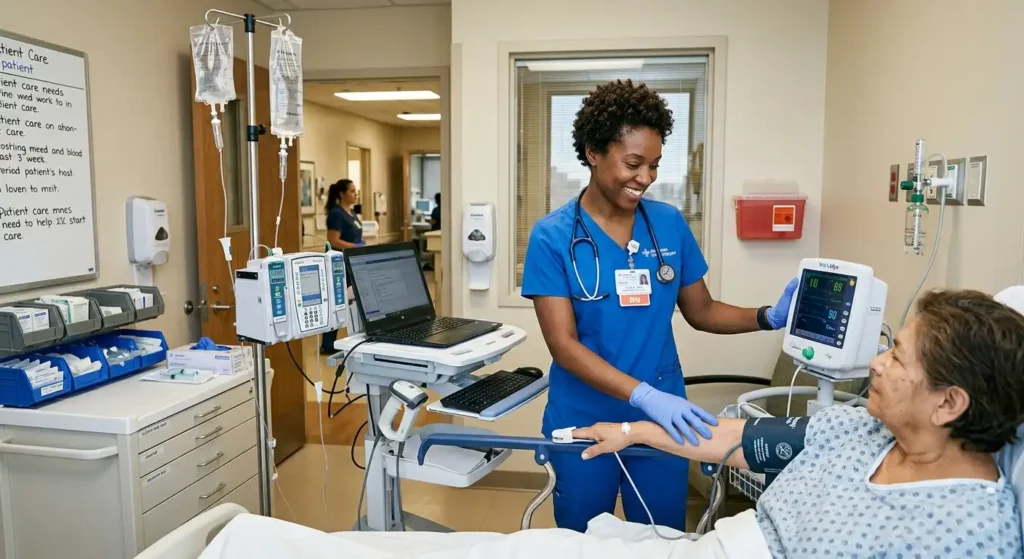
For nursing students building a first kit, or facilities re-evaluating their supply chain, the goal is the same: reliable tools that hold up under real clinical pressure, sourced from suppliers who understand what “clinical-grade” actually needs to mean.
Frequently Asked Questions (FAQs):
1. What medical equipment do nurses use every day?
Nurses use a wide range of medical equipment to provide safe and effective patient care. Some of the most common tools include stethoscopes, blood pressure monitors, thermometers, pulse oximeters, blood glucose monitors, infusion pumps, syringes, personal protective equipment (PPE), and wound care supplies. The exact equipment depends on the healthcare setting, such as hospitals, clinics, nursing homes, or home healthcare.
2. Why is high-quality medical equipment important for nurses?
High-quality medical equipment helps nurses perform accurate patient assessments, detect health concerns early, and reduce the risk of medical errors. Reliable devices also improve workflow efficiency and contribute to better patient outcomes. Choosing equipment from a trusted medical supplier ensures durability, accuracy, and compliance with healthcare standards.
3. What medical equipment do home healthcare nurses use?
Home healthcare nurses often use portable medical equipment that allows them to monitor patients outside of a hospital. Common items include digital blood pressure monitors, pulse oximeters, blood glucose meters, thermometers, portable scales, wound care kits, and mobility aids. These tools help nurses provide professional care while allowing patients to remain comfortable at home.
4. How do nurses choose the right medical equipment?
Nurses and healthcare providers select medical equipment based on the patient’s medical condition, the intended use, ease of operation, accuracy, safety features, and regulatory compliance. Equipment should also be easy to clean, durable, and supported by the manufacturer for long-term reliability.
5. What safety equipment do nurses use to protect themselves and patients?
Nurses regularly use Personal Protective Equipment (PPE) to reduce the spread of infections and maintain a safe healthcare environment. PPE commonly includes disposable gloves, surgical masks, N95 respirators when appropriate, face shields, protective gowns, and eye protection. Proper use of PPE follows infection prevention guidelines established by healthcare authorities.
6. What medical equipment do nurses use to monitor vital signs?
To monitor a patient’s vital signs, nurses commonly use blood pressure monitors, thermometers, pulse oximeters, stethoscopes, heart rate monitors, and respiratory monitoring devices. These tools provide essential information about a patient’s overall health and help identify changes that may require medical attention.
7. Can caregivers use the same medical equipment that nurses use?
Many medical devices used by nurses, such as digital blood pressure monitors, thermometers, pulse oximeters, and blood glucose monitors, are also designed for home use by caregivers and patients. However, more advanced equipment, including infusion pumps and cardiac monitors, should only be used by trained healthcare professionals or under medical supervision.
8. Where can I purchase reliable medical equipment for home or professional use?
When purchasing medical equipment, look for an established supplier that offers quality products, knowledgeable customer support, and dependable service. Alfa Healthcare Supply provides a wide selection of durable medical equipment (DME), diabetic supplies, respiratory products, orthopedic supplies, mobility aids, and other healthcare essentials to support both healthcare professionals and home caregivers.
9. How often should medical equipment be cleaned and maintained?
Medical equipment should be cleaned after each use when appropriate and maintained according to the manufacturer’s instructions. Regular inspection, calibration, battery replacement, and proper storage help ensure accurate performance and extend the life of the equipment. Healthcare facilities should also follow their internal maintenance and infection control protocols.
10. What should I consider before buying medical equipment?
Before purchasing medical equipment, consider the following:
- Whether it meets your medical needs or prescription requirements
- Accuracy and clinical reliability
- Ease of use for patients or caregivers
- Product quality and durability
- Manufacturer warranty and customer support
- Compliance with applicable healthcare regulations
- Recommendations from your healthcare provider when needed
What is a Durable Medical Equipment Supplier?
Introduction
When recovering from an injury, managing a chronic illness, or caring for a loved one at home, having access to the right medical equipment can make all the difference. From wheelchairs and hospital beds to mobility aids and respiratory devices, these products help patients maintain independence, improve comfort, and enhance their quality of life.
This is where a medical equipment supplier plays a vital role. A durable medical equipment (DME) supplier provides essential healthcare products that support patients in hospitals, rehabilitation centers, nursing facilities, and home environments.
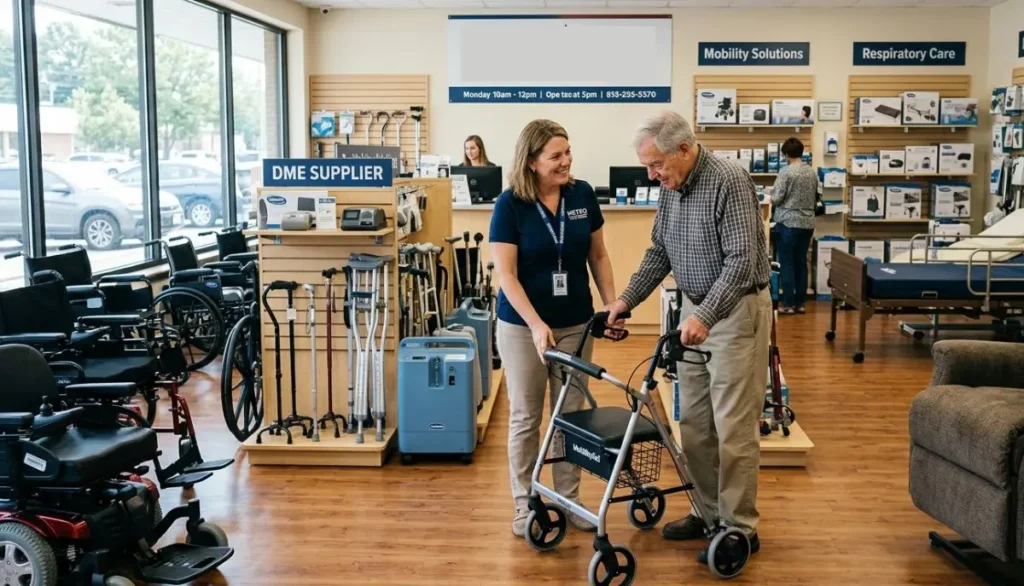
As healthcare increasingly shifts toward home-based care, the demand for trusted medical equipment supplier continues to grow. Understanding what a durable medical equipment supplier does and how to choose the right one can help patients, caregivers, and healthcare professionals make informed decisions.
In this guide, we’ll explore everything you need to know about durable medical equipment supplier, the products they provide, and why selecting a reputable supplier is crucial for long-term health and wellness.
What is Durable Medical Equipment (DME)?
Durable Medical Equipment, commonly known as DME, refers to medical devices and supplies designed for repeated use to assist individuals with medical conditions, disabilities, or recovery needs.
Unlike disposable medical products, durable medical equipment is built to withstand extended use and provide ongoing support for patients.
Examples of durable medical equipment include:
- Wheelchairs
- Walkers and rollators
- Hospital beds
- Mobility scooters
- Oxygen concentrators
- CPAP machines
- Patient lifts
- Bathroom safety equipment
- Blood pressure monitors
- Nebulizers
- Knee walkers
- Compression therapy devices
These products help patients perform daily activities safely while promoting recovery and independence.
What is a Medical Equipment Supplier?
A medical equipment supplier is a company that provides durable medical equipment and healthcare supplies to patients, caregivers, healthcare facilities, and medical professionals.
These suppliers serve as an essential link between manufacturers and end users. Their role goes beyond simply selling products—they help customers identify the right equipment, understand product usage, arrange delivery, and provide ongoing support.
A reputable medical equipment supplier ensures that patients receive reliable, high-quality equipment that meets healthcare standards and supports their unique needs.
Why Medical Equipment Suppliers Are Important
Healthcare providers often prescribe specific medical equipment to help patients manage health conditions outside traditional clinical settings.
Without access to reliable equipment, patients may experience:
- Reduced mobility
- Increased risk of injury
- Delayed recovery
- Greater dependence on caregivers
- Lower quality of life
A trusted medical equipment supplier helps bridge this gap by providing products that improve safety, comfort, and independence.
For example, a patient recovering from surgery may require a walker and bedside commode. A person with respiratory issues may need oxygen therapy equipment. Elderly individuals can benefit from mobility aids that reduce the risk of falling.
In each case, the supplier plays a critical role in ensuring the patient receives the appropriate equipment quickly and efficiently.
Types of Products Offered by a Medical Equipment Supplier
Mobility Equipment
Mobility products help individuals move safely and independently.
Common mobility equipment includes:
- Manual wheelchairs
- Power wheelchairs
- Mobility scooters
- Walkers
- Rollators
- Canes
- Crutches
These devices support patients recovering from injuries, living with disabilities, or managing age-related mobility challenges.
Home Care Equipment
Home healthcare continues to expand, making home care equipment increasingly important.
Examples include:
- Hospital beds
- Overbed tables
- Patient lifts
- Transfer benches
- Bedside commodes
- Pressure-relief mattresses
These products help create safer home environments while reducing caregiver strain.
Respiratory Equipment
Patients with breathing disorders often rely on specialized respiratory equipment.
Products may include:
- Oxygen concentrators
- Portable oxygen systems
- CPAP machines
- BiPAP devices
- Nebulizers
These devices help people with COPD, sleep apnea, and other respiratory conditions.
Monitoring Devices
Health monitoring equipment allows patients and caregivers to track important health metrics.
Popular monitoring products include:
- Blood pressure monitors
- Blood glucose monitors
- Pulse oximeters
- Digital thermometers
- Weight scales
Regular monitoring helps patients and healthcare providers make informed treatment decisions.
Bathroom Safety Equipment
Falls frequently occur in bathrooms, particularly among seniors.
Safety products include:
- Shower chairs
- Grab bars
- Raised toilet seats
- Bath benches
- Transfer aids
These items reduce fall risks and improve confidence during daily routines.
Who Uses Durable Medical Equipment?
Durable medical equipment supplier a wide range of individuals.
Seniors
Older adults often use mobility aids and home safety products to maintain independence and reduce fall risks.
Individuals with Chronic Conditions
People managing conditions such as arthritis, diabetes, COPD, and neurological disorders often rely on medical equipment for daily support.
Post-Surgery Patients
Recovery from surgery may require temporary use of wheelchairs, walkers, hospital beds, or rehabilitation equipment.
Caregivers
Family caregivers use durable medical equipment to assist loved ones safely and effectively.
Healthcare Facilities
Hospitals, rehabilitation centers, assisted living facilities, and nursing homes depend on medical equipment supplier to maintain patient care standards.
Key Services Provided by a Medical Equipment Supplier
A quality medical equipment supplier offers much more than product sales.
Product Consultation
Suppliers help customers choose equipment based on medical requirements, lifestyle, and budget considerations.
Equipment Delivery
Many suppliers provide home delivery services, ensuring patients receive equipment promptly.
Product Education
Understanding how to use equipment properly is essential for safety and effectiveness.
Suppliers often provide:
- Product demonstrations
- User instructions
- Safety guidelines
- Setup assistance
Ongoing Customer Support
Reliable suppliers remain available after purchase to answer questions and resolve issues.
Equipment Replacement and Upgrades
As patient needs change, suppliers can recommend updated equipment and replacement options.
Benefits of Choosing a Reliable Medical Equipment Supplier
Selecting the right supplier offers numerous advantages.
High-Quality Products
Trusted suppliers work with reputable manufacturers known for reliability and durability.
Enhanced Safety
Properly designed and maintained equipment reduces risks of accidents and injuries.
Better Patient Outcomes
The right equipment supports faster recovery and improved daily functioning.
Greater Independence
Mobility aids and assistive devices help individuals perform everyday tasks with confidence.
Long-Term Value
Durable, high-quality equipment often lasts longer and requires fewer replacements.
How to Choose the Best Medical Equipment Supplier
With many suppliers available, it’s important to evaluate several factors before making a decision.
Product Selection
Look for suppliers that offer a comprehensive range of medical equipment and supplies.
A broad inventory allows customers to find multiple solutions from a single source.
Industry Experience
Experience often indicates product knowledge and customer service expertise.
Established suppliers understand patient needs and healthcare requirements.
Customer Service
Excellent customer support can significantly improve the purchasing experience.
Choose a supplier that provides:
- Responsive communication
- Product guidance
- Technical support
- Follow-up assistance
Product Quality
Verify that products meet industry standards and come from trusted manufacturers.
Delivery and Availability
Timely access to medical equipment is essential, particularly after hospital discharge or surgery.
Positive Reputation
Customer reviews and testimonials can provide valuable insights into supplier reliability.
The Growing Importance of Home Healthcare
Healthcare delivery has evolved dramatically in recent years.
Many patients now prefer receiving care in the comfort of their homes rather than extended stays in hospitals or care facilities.
This shift has increased demand for:
- Home hospital beds
- Mobility equipment
- Monitoring devices
- Respiratory equipment
- Patient safety products
A dependable medical equipment supplier helps make home healthcare more accessible, affordable, and effective.
As technology continues to advance, patients can expect even more innovative products designed to support independent living.
Why Patients Trust Alfa Healthcare Supply Inc.
When people begin searching for a durable medical equipment supplier, they are often not just looking for products—they are looking for reassurance, safety, and long-term support. Medical equipment is deeply personal. It affects mobility, independence, recovery, and daily comfort. That is why trust becomes the most important factor in choosing the right provider.
One company that has built its reputation around reliability and patient-centered care is Alfa Healthcare Supply Inc.. Patients and caregivers turn to this supplier because it goes beyond simply selling equipment—it focuses on improving quality of life at home.
This article explores why patients place their trust in a durable medical equipment supplier like Alfa Healthcare Supply Inc., and what makes it stand out in today’s healthcare landscape.
Understanding the Role of a Durable Medical Equipment Supplier
A durable medical equipment (DME) supplier provides medical devices designed for repeated, long-term use. These products are essential for patients recovering from illness or surgery, managing chronic conditions, or living with mobility challenges.
Common examples include:
- Wheelchairs and mobility scooters
- Hospital beds and patient lifts
- Oxygen and respiratory equipment
- Blood glucose monitoring devices
- Walkers, canes, and transfer aids
- Home safety and rehabilitation tools
A reliable supplier does more than deliver products—it ensures patients receive the right equipment based on medical needs, lifestyle, and safety requirements.
That is where trust begins.
1. Trust Built on Quality and Reliability
One of the strongest reasons patients trust Alfa Healthcare Supply Inc. is product quality.
Medical equipment must perform consistently. A wheelchair cannot fail during daily use. A glucose monitor must deliver accurate readings. A hospital bed must provide stability and safety every single day.
Patients and caregivers depend on:
- Durable construction
- Clinically appropriate designs
- Safe and tested materials
- Long-term usability
When equipment works reliably, patients feel more secure in their daily lives. That sense of stability is one of the biggest foundations of trust.
2. Personalized Guidance for Every Patient
Choosing medical equipment is not always straightforward. Many patients are recovering from surgery, managing new diagnoses, or caring for elderly family members. They may not know what equipment best fits their condition.
A key reason people rely on Alfa Healthcare Supply Inc. is the personalized support offered during selection.
Instead of a one-size-fits-all approach, patients receive guidance based on:
- Medical condition
- Mobility level
- Home environment
- Doctor recommendations
- Long-term care needs
This human-centered approach helps patients avoid confusion and choose equipment that truly supports recovery and independence.
3. Supporting Independence at Home
Modern healthcare is increasingly shifting toward home-based care. Patients prefer recovering in familiar environments where they feel comfortable and emotionally secure.
A trusted durable medical equipment supplier plays a major role in making this possible.
With the right equipment, patients can:
- Move safely inside their home
- Manage chronic conditions independently
- Reduce hospital visits
- Improve recovery speed
- Maintain dignity and confidence
Alfa Healthcare Supply Inc. supports this transition by offering solutions that bring professional-grade healthcare tools into the home environment.
4. Emotional Comfort and Peace of Mind
Medical needs are not just physical—they are emotional as well. Patients often experience anxiety when dealing with illness, aging, or injury. Having reliable equipment reduces stress significantly.
Trust grows when patients feel:
- Safe using their equipment
- Confident in product performance
- Supported by knowledgeable professionals
- Reassured during recovery or long-term care
Families also experience relief knowing their loved ones are using safe and dependable equipment at home.
This emotional layer is often overlooked, but it is one of the most important reasons patients stay loyal to a supplier.
5. Fast Access to Essential Medical Equipment
In many cases, medical equipment is urgently needed. A patient may be discharged from the hospital and require a wheelchair or hospital bed immediately. Delays can affect recovery and comfort.
A dependable supplier like Alfa Healthcare Supply Inc. is trusted because of its ability to provide timely access to essential equipment.
Quick availability helps:
- Prevent interruptions in care
- Support post-surgery recovery
- Reduce caregiver stress
- Ensure safe transitions from hospital to home
Speed and reliability in service often determine whether patients feel supported or stranded.
6. Insurance and Documentation Assistance
Healthcare systems can be complicated, especially when dealing with insurance coverage for durable medical equipment.
Patients often struggle with:
- Understanding coverage eligibility
- Completing required paperwork
- Meeting prescription requirements
- Navigating reimbursement processes
A trusted supplier helps simplify this process.
Alfa Healthcare Supply Inc. supports patients by helping them understand documentation needs and insurance guidelines so they can access eligible equipment without unnecessary stress.
This assistance reduces confusion and ensures patients get the support they need.
7. A Focus on Safety and Proper Fit
Medical equipment is not just about availability—it must also be safe and properly fitted to each patient.
Incorrect equipment selection can lead to:
- Discomfort
- Injury risk
- Poor mobility support
- Reduced effectiveness of treatment
That is why expert guidance is essential.
A reputable supplier ensures that each product is matched correctly to the patient’s needs, improving both safety and comfort in daily use.
8. Long-Term Support and After-Sales Service
Trust does not end after purchase. Patients often need ongoing support, adjustments, or replacement parts over time.
A strong durable medical equipment supplier provides:
- Product usage guidance
- Maintenance support
- Replacement assistance
- Follow-up service when needed
This ongoing relationship builds long-term confidence. Patients know they are not alone after receiving their equipment.
9. Building Confidence for Caregivers and Families
Caregivers play a major role in home healthcare. They often manage daily routines, assist with mobility, and monitor patient safety.
When they trust the equipment provider, they feel more confident in their caregiving responsibilities.
Alfa Healthcare Supply Inc. helps caregivers by ensuring:
- Equipment is easy to use
- Safety features are clear and reliable
- Instructions are simple and understandable
- Support is available when needed
This reduces caregiver stress and improves the overall care experience.
10. The Human Side of Healthcare Supply
At its core, durable medical equipment is about people—not products.
Every wheelchair supports a story of recovery. Every oxygen device helps someone breathe easier. Every mobility aid restores independence.
What sets trusted suppliers apart is their ability to recognize this human reality.
Alfa Healthcare Supply Inc. stands out because it approaches healthcare supply with empathy, responsibility, and a focus on improving everyday life—not just fulfilling orders.
Future Trends in Durable Medical Equipment
The durable medical equipment industry continues to evolve with technological innovation.
Emerging trends include:
Smart Monitoring Devices
Connected health devices allow real-time tracking of health metrics and remote monitoring.
Lightweight Mobility Equipment
Manufacturers are developing lighter, more portable mobility solutions for improved convenience.
Telehealth Integration
Many medical devices now integrate with telehealth platforms, enabling healthcare providers to monitor patients remotely.
Enhanced Home Care Solutions
As home healthcare grows, new products are being designed specifically for independent living and caregiver support.
These innovations will continue to improve patient experiences and healthcare outcomes.
Conclusion
Medical equipment suppliers play a vital role in today’s healthcare system. They provide durable medical equipment that supports mobility, safety, comfort, and self-reliance. From wheelchairs and hospital beds to respiratory aids, health monitoring tools, and home safety products, a reliable supplier ensures that patients have access to the equipment needed to effectively manage their health.
Working with a trusted supplier offers numerous benefits, including high-quality products, professional advice, reliable customer support, and improved patient health outcomes. As the demand for home healthcare services grows, suppliers of durable medical equipment remain essential in helping individuals maintain their health and independence comfortably at home.
For patients, caregivers, and healthcare providers alike, selecting a reputable medical equipment supplier is a crucial step toward enhancing long-term care, simplifying daily routines, and improving the overall quality of life.
Frequently Asked Questions (FAQ)
1. What is a durable medical equipment (DME) supplier?
A durable medical equipment supplier provides medical devices and equipment designed for long-term use, such as wheelchairs, hospital beds, oxygen supplies, and mobility aids.
2. What types of products do DME suppliers offer?
They typically offer mobility aids, respiratory equipment, home care beds, blood glucose monitors, walking aids, and other health-support devices used at home or in clinical care.
3. Who needs durable medical equipment?
Patients recovering from surgery, individuals with chronic illnesses, seniors with mobility challenges, and people needing home healthcare support often require DME.
4. Do I need a prescription to get durable medical equipment?
Some equipment requires a doctor’s prescription for insurance coverage, while basic mobility aids may be purchased without one depending on the supplier.
5. Does insurance cover durable medical equipment?
Yes, many insurance plans, including Medicare, may cover eligible DME if it is deemed medically necessary and prescribed by a healthcare provider.
6. How do I choose the right DME supplier?
Look for a licensed supplier with quality products, good customer reviews, insurance support, expert guidance, and reliable after-sales service.
7. Can DME be used at home safely?
Yes, most durable medical equipment is designed specifically for safe and convenient home use, improving comfort and independence.
8. What is the difference between medical equipment and DME?
Durable medical equipment is a category of medical equipment meant for repeated, long-term use at home or in care settings, unlike disposable medical supplies.
Where to Buy Medical Supplies in Queens, NY – A Complete Patient Guide
When you or a loved one needs medical supplies, the first priority is finding a trusted, reliable, and easily accessible medical equipment supplier. Whether you’re searching for mobility aids, orthopedic braces, respiratory equipment, diabetic care products, or maternity supplies, choosing the right provider can make everyday life more comfortable and safe.
Queens, NY, is home to a large community of seniors, families, and patients recovering from surgeries or managing long-term conditions. The need for quality durable medical equipment (DME) continues to grow—yet many people still wonder:
“Where can I buy medical supplies in Queens that I can trust?”
1. Why Buying Medical Supplies Locally in Queens Matters
Ordering online is convenient, but medical equipment often requires guidance from experts. A local supplier provides:
- Faster access to essential equipment
- Product demonstrations
- Sizing help for braces, shoes, and mobility devices
- Immediate support if something doesn’t fit or needs replacement
- Personalized recommendations
Local stores also understand the needs of nearby hospitals, clinics, rehabilitation centers, and senior communities across Queens and Nassau County.
2. Types of Medical Supplies Available in Queens
A good medical supply store in Queens should offer a complete range of DME products, including:
- Orthopedic Supplies
Knee braces
Back braces
Ankle, wrist, elbow, and shoulder braces
Night splints
- Respiratory Care Equipment
Nebulizers
CPAP / BiPAP machines
Disposable tubing and accessories
- Mobility Equipment
Wheelchairs
Walkers
Transport chairs
Crutches
- Diabetic Supplies
Test strips
Lancets
Blood glucose monitors
Diabetic shoes & inserts
- Incontinence Products
Pads
Pull-ups
Underpads
Adult diapers
- Maternity & OBGYN Supplies
Maternity belts
Breast pumps
Postpartum support
- Urinary Care Supplies
Catheters
Drainage bags
- Home-Care Essentials
BP monitors
Pulse oximeters
Compression stockings
Therapeutic shoes
Queens residents benefit from having immediate access to these essentials—especially when recovery depends on the right equipment.
3. What to Consider When Choosing a Medical Supply Store
When purchasing medical supplies in Queens, look for:
- Certified, high-quality products
Durable equipment that meets safety standards is essential. - Clear product guidance
Suppliers should help you choose the right size and type of product. - A wide inventory
You shouldn’t need to visit multiple stores to find what you’re looking for. - Local pickup availability
For urgent needs, waiting for delivery is not an option. - Responsive customer support
A good supplier answers your questions clearly and quickly.
4. Alfa Healthcare Supply Inc – A Reliable Medical Supply Store in Queens, NY
Located in Floral Park, NY, Alfa Healthcare Supply Inc is one of the most trusted providers of medical supplies in Queens and Long Island.
Why patients prefer Alfa Healthcare Supply:
- Wide selection of DME & orthopedic products
- Quick and easy ordering & pickup
- Friendly staff that helps you understand what product suits your needs
- High-quality products for daily medical care
- Convenient location near Queens, Long Island, and Brooklyn
Whether you need diabetic shoes, braces, incontinence supplies, or respiratory equipment, Alfa provides dependable solutions for home-care patients and caregivers.
Conclusion
Finding the right place to buy medical supplies in Queens, NY ensures better comfort, safer recovery, and reliable long-term support. Whether you’re a caregiver, patient, or family member, choosing a trusted supplier like Alfa Healthcare Supply Inc gives you peace of mind knowing you’re getting dependable, high-quality products.
Top 5 Rehab Centers in Queens & Long Island (And What to Bring With You)
Recovering from a major surgery, stroke, or fall is a journey that doesn’t end when you leave the hospital. For many seniors, the next step is a short-term stay at a rehabilitation center. This transition can feel overwhelming, but choosing the right facility makes all the difference in how fast and comfortably you get back on your feet.
Top 5 Rehab Centers in Queens & Long Island
Finding the “best” facility often depends on your specific needs, but these five centers consistently rank high for their quality of care, cleanliness, and specialized therapy programs.
- Glen Cove Hospital (Northwell Health)
Location: Glen Cove, Long Island Best For: High-tech acute rehabilitation Ranked among the best in the nation, Glen Cove Hospital is a powerhouse for acute rehab. It is one of the few facilities in the country to offer the G-EO System Robotic Assisted Gait Trainer, a futuristic device that helps patients relearn to walk and climb stairs. They also have a renowned Parkinson’s rehabilitation program, making this a top choice for complex neurological recovery. - Cliffside Rehabilitation & Residential Health Care Center
Location: Flushing, Queens Best For: Culturally sensitive care and specialized units Consistently earning 5-star ratings, Cliffside is a standout among rehab centers Queens NY has to offer. They are known for their specialized sub-acute care, including a dedicated ventilator unit and an amputee recovery program. They also feature a unique Asian Cultural Unit with bilingual staff and culturally specific cuisine, ensuring patients feel at home during their recovery. - Stern Family Center for Rehabilitation
Location: Manhasset, Long Island Best For: Short-term post-surgical recovery Another gem in the Northwell Health network, the Stern Family Center frequently appears on U.S. News & World Report’s “Best Nursing Homes” list. It is located on the campus of North Shore University Hospital, providing seamless access to emergency medical care if needed. Their short-term rehab wing is specifically designed for high-intensity physical and occupational therapy to get you home faster. - Gurwin Jewish Nursing & Rehabilitation Center
Location: Commack, Long Island Best For: Comprehensive amenities and complex care Gurwin is more than just a rehab center; it is a massive healthcare campus. They offer a 5-star rated facility with an on-site dialysis center, which is a game-changer for patients who would otherwise need medical transport for treatment 3 times a week. Their “holistic” approach includes art therapy, pastoral care, and beautiful grounds that encourage mental well-being alongside physical recovery. - Margaret Tietz Nursing and Rehabilitation Center
Location: Jamaica Hills, Queens Best For: A homelike environment with deep community roots Founded to care for Holocaust survivors, Margaret Tietz has a deep legacy of compassionate care. Today, it serves a diverse population with excellent short-term rehab services. They are particularly praised for their kosher kitchen and Shabbos elevator, accommodating the observant Jewish community while providing top-tier physical therapy for all residents.
What to Pack for Rehab: The Essential Checklist
When you are transferring from the hospital to a rehab center, you usually only have a few hours to prepare. Many families panic and overpack, or worse, forget the essentials.
Here is the definitive guide on what to pack for rehab to ensure your loved one is comfortable and safe.
- Clothing (Think “Comfort & Access”)
You will be doing physical therapy daily, so leave the hospital gown behind.
- 5-7 days of loose-fitting outfits: Sweatpants or elastic-waist shorts are best. Avoid zippers or buttons if you have arthritis or limited dexterity.
- Sneakers with Velcro: Laces can be a tripping hazard and difficult to tie. Sturdy, rubber-soled sneakers are mandatory for gym work.
- Socks with grips: To prevent slips on tile floors.
- Undergarments: Pack plenty—laundry services can sometimes take a few days.
- Toiletries (The Comforts of Home)
While the center provides basics, industrial soap can be harsh on aging skin.
- Electric razor: Safer than standard blades for patients on blood thinners.
- Denture care kit: Cup, adhesive, and cleaner.
- Your own shampoo and body wash: The scent of your own products can be incredibly grounding.
- Lip balm and moisturizer: Hospitals and rehab centers often have dry air.
- Health & Tech Essentials
- Current list of medications: Even though the doctor sends records, having a printed list prevents errors.
- Hearing aid batteries: These are rarely stocked by the facility.
- Phone and EXTRA long charger: Outlets are often located far behind the hospital bed. A 6-10 foot cable is a lifesaver.
- Insurance and ID cards: Copies of Medicare/Medicaid cards and Power of Attorney documents.
- What NOT to Bring
- Large amounts of cash or jewelry: Rehab centers are busy places; don’t risk losing valuables.
- Area rugs or throw pillows: These can clutter the room and become fall hazards.
Coming Home
A successful stay at a rehab center is just the first step. When it is time to transition home, you may need your own durability medical equipment—like a walker, shower chair, or hospital bed—to maintain the progress you made.
Alfa Healthcare Supply Inc. is here to bridge that gap. We serve Queens and Long Island with the high-quality medical supplies you need to stay safe at home. Contact us today to prepare your home for a safe return.
Will Medicaid NY Pay for My Shower Chair? DME Coverage Rules Explained
If you or a loved one is struggling with balance or mobility, a shower chair is not just a “convenience”—it is a safety essential. A simple slip in the bathroom can lead to hospitalizations that no one wants.
However, when you look at the price tag of high-quality bathroom safety equipment, the first question is almost always: “Will my insurance pay for this?”
If you have New York Medicaid, the answer is yes, but with strict conditions.
The Big Difference: Medicare vs. Medicaid
Before we dive into New York specific rules, it is vital to understand a common confusion.
- Medicare (Federal): generally does NOT cover shower chairs. They classify them as “environmental convenience items” rather than medical equipment.
- Medicaid (New York State): DOES cover shower chairs, but only if you can prove they are “medically necessary.”
This means if you have “dual eligibility” (both Medicare and Medicaid), you will likely be relying on your Medicaid benefit to get this item covered.
NY Medicaid Rules for Shower Chairs
New York Medicaid classifies shower chairs under Durable Medical Equipment (DME). To get one covered, you must meet specific criteria outlined in the state’s DME fee schedule.
- The “Medical Necessity” Requirement
You cannot simply ask for a chair because you are tired of standing. Your doctor must document that the patient has a specific medical condition that makes showering without a chair dangerous or impossible. Common qualifying reasons include:
- Extreme weakness or high risk of falls.
- Inability to stand for more than a few minutes due to heart or respiratory issues.
- Poor balance or vertigo.
- Recent surgery (like hip or knee replacement) requiring restricted movement.
- The Specific Codes
When your doctor writes a prescription (known as a “fiscal order” in NY Medicaid terms), they cannot just scribble “shower chair.” They should ideally use the correct medical codes.
- HCPCS Code E0240: Standard Bath/Shower Chair (with or without wheels).
- HCPCS Code E0247/E0248: Transfer Bench (for those who cannot step over a bathtub wall).
- Prior Approval (The “PA” Hurdle)
Here is the tricky part. In the New York Medicaid fee schedule, Code E0240 often carries a “PA” indicator. This stands for Prior Approval.
- This means your DME supplier (like us) cannot just hand you the chair and bill Medicaid later.
- We must submit a request to the Department of Health first, proving why you need it.
- Note for Managed Care Patients: If you have a Medicaid Managed Care plan (like Fidelis, Healthfirst, or UnitedHealthcare Community Plan), they have their own internal authorization teams. They often approve these items faster than strict Fee-for-Service Medicaid, provided the doctor’s note is strong.
Step-by-Step: How to Get Your Shower Chair Covered
If you want to use your shower chair insurance coverage, follow this checklist to ensure the process goes smoothly.
Step 1: Visit Your Doctor
You need a face-to-face visit. Tell your doctor you are having difficulty bathing safely. Ask for a prescription for a “Shower Chair” (Code E0240) or “Transfer Bench” (Code E0247).
- Crucial Tip: Ask the doctor to include a diagnosis code (ICD-10) on the prescription that explains why you need it (e.g., “Osteoarthritis,” “History of Falls,” “Gait Abnormality”).
Step 2: Find an Enrolled DME Provider
Not every pharmacy or medical supply store accepts NY Medicaid. You must find an enrolled provider.
- Alfa Healthcare Supply Inc. is experienced in handling DME claims. We can review your prescription to see if it meets the state’s strict formatting rules.
Step 3: The Waiting Game (Prior Approval)
Once you bring us the prescription and your Medicaid card, we submit the paperwork.
- Timeframe: Approval can take anywhere from a few days (for Managed Care) to a few weeks (for straight Medicaid).
- Frequency Limit: NY Medicaid typically covers one shower chair every 5 years. If you received one 3 years ago and it broke, getting a new one covered will be very difficult without proof of “irreparable damage” or a change in your medical condition.
What If I Get Denied?
Denials usually happen for two reasons:
- “Convenience” Ruling: The state decides you could shower without it, and you just want one. (Solution: Your doctor needs to write a stronger letter of medical necessity).
- Same or Similar Equipment: You already received a similar item (like a commode that can go in the shower) recently.
The “Out-of-Pocket” Option
Because the Prior Approval process can be slow, many families choose to purchase a shower chair out-of-pocket to ensure safety immediately.
- Basic shower chairs are often affordable (ranging from $40–$80).
- Buying one privately allows you to choose a premium model (like one with padded seats or a higher weight capacity) that Medicaid might not cover.
Need Help Navigating the Rules?
At Alfa Healthcare Supply Inc., we know that Medicaid NY DME coverage rules are confusing. We are here to help you understand your benefits and find the right equipment to keep you safe.
Do not wait for a fall to make your bathroom safe. Contact us today to discuss your options for shower chairs and transfer benches.
Does Medicare Cover Diabetic Supplies? A Simple Guide for NY Residents
The Big Question: Part B vs. Part D
The most common source of confusion is knowing which part of Medicare pays for which item. Medicare doesn’t lump all “diabetic supplies” into one bucket. Instead, they split them based on whether the item is considered “Durable Medical Equipment” (DME) or a medication.
Medicare Part B: The “Equipment” Coverage
Medicare Part B is your medical insurance. It covers outpatient care and, crucially for you, Durable Medical Equipment (DME).
If you have Original Medicare and your doctor prescribes these items for use in your home, Part B typically covers 80{506a2751bf67d2d85e1c4aac7f95981850bfa4625add47fe72fdabc52524907c} of the Medicare-approved amount (after you meet your deductible). You (or your supplemental insurance) pay the remaining 20{506a2751bf67d2d85e1c4aac7f95981850bfa4625add47fe72fdabc52524907c}.
Items Covered Under Part B:
- Blood Sugar Monitors (Glucometers): The device used to read your blood sugar.[6]
- Blood Sugar Test Strips: The disposable strips used with the monitor.
- Lancets & Lancet Devices: The spring-loaded device and needles used to draw blood.
- Glucose Control Solutions: Liquid used to check the accuracy of your monitor.
- Therapeutic Shoes & Inserts: Covered if you have diabetic foot complications (specifically for prevention of ulcers).
- Insulin Pumps: If you require a pump, the device and the insulin used in the pump are often covered under Part B as DME.
Medicare Part D: The “Drug” Coverage
Medicare Part D is strictly for prescription drugs. This is usually an add-on plan you purchase separately or part of a Medicare Advantage plan.
Items Covered Under Part D:
- Insulin: Unless used in an insulin pump (see above), insulin is covered here.
- Syringes & Needles: The supplies used to inject insulin manually.
- Alcohol Swabs: Used to clean the injection site.
- Gauze: For post-injection care.
Important 2025 Update: Thanks to the Inflation Reduction Act, the cost of a month’s supply of each covered insulin product is capped at $35, and you do not have to pay a deductible for it. This applies to both Part D and Part B (pump) insulin.
Coverage Limits: How Many Test Strips Can You Get?
Medicare doesn’t give you an unlimited supply of test strips; they have strict “utilization guidelines” based on whether or not you use insulin.
- If You Use Insulin
Because you need to check your sugar more frequently to dose your insulin, Medicare allows for more supplies.
- Limit: Up to 300 test strips and 300 lancets every 3 months.
- Testing Frequency: This assumes you are testing 3 times a day.
- If You Do Not Use Insulin
If you manage diabetes with pills (like Metformin) or diet alone, Medicare covers fewer supplies.
- Limit: Up to 100 test strips and 100 lancets every 3 months.
- Testing Frequency: This assumes you are testing once a day.
“Can I Get More If I Need Them?”
Yes. If your doctor deems it medically necessary for you to test more often—for example, if your blood sugar fluctuates wildly or you are pregnant—they can write a prescription explaining why. You will need to keep a testing log for six months to prove you are actually using the extra supplies.
The “Mail-Order” Myth: Do I Have to Wait for Delivery?
Many New York residents believe they must use a national mail-order company to get their diabetic supplies covered by Medicare. This is not true.
While Medicare has a “National Mail-Order Program” that requires you to use specific suppliers if you want goods shipped to your door, you always have the option to buy locally.
You can walk into a Medicare-enrolled supplier—like a local pharmacy or a medical supply store in Floral Park—and pick up your supplies in person. For many seniors, this is a better option because:
- No Stolen Packages: Porch piracy is a real issue in Queens and NYC.
- Immediate Access: You don’t have to wait 5-7 business days if you run out of strips.
- Customer Service: You can ask a real person how to use your new glucose meter.
At Alfa Healthcare Supply Inc., we specialize in helping locals get the DME they need without the headache of 1-800 numbers.
New for 2025: Continuous Glucose Monitors (CGMs)
Continuous Glucose Monitors (like the Dexcom or FreeStyle Libre) have revolutionized diabetes care. In the past, Medicare coverage for these was very strict. However, guidelines have expanded.
As of 2025, Medicare Part B covers CGMs if:
- You have diabetes (Type 1 or Type 2).
- You use insulin OR you have a history of “problematic hypoglycemia” (low blood sugar events) even if you don’t use insulin.
- Your doctor prescribes it and you see them every 6 months to review your diabetes management.
Pro-Tip for NY Residents: If you are on a Medicare Advantage plan (Part C), coverage might vary slightly, but most plans follow the standard Medicare guidelines. Always check your specific plan’s “Summary of Benefits.”
A Checklist for New York Residents
Navigating insurance in New York can be tricky. Follow this checklist to ensure your supplies are covered:
1. Get a Specific Prescription: A generic note saying “Diabetic Supplies” isn’t enough. Your doctor must write a prescription that includes:
- “Diabetes Mellitus” diagnosis code.
- Whether you use insulin.
- The specific item (e.g., “Glucose Test Strips”).
- Frequency of use (e.g., “Test 3 times daily”).
- Quantity to be dispensed.
2. Check Your Supplier: Ensure you are buying from a Medicare-enrolled supplier. If you buy from a supplier who isn’t enrolled, Medicare will not pay a cent, and you will be stuck with the full bill.
3. Ask About “Assignment”: You want a supplier who “accepts assignment.” This means they agree to the Medicare-approved price. If they don’t, they can charge you “Excess Charges” (up to 15{506a2751bf67d2d85e1c4aac7f95981850bfa4625add47fe72fdabc52524907c} more).
4. Keep Your Testing Logs: If you are requesting extra supplies above the standard limits, keep a written log of your blood sugar readings. Medicare audits these frequently.
Local Support in Floral Park & Queens
Why deal with faceless call centers when you can get personalized care right here in your neighborhood?
Alfa Healthcare Supply Inc. is dedicated to serving the Floral Park and greater New York community. We understand the nuances of local insurance plans and can help guide you toward the right products for your needs.
Whether you need a new Glucometer, a restock of Test Strips, or are looking into Diabetic Shoes to protect your feet, we are here to help.
Shop Our Diabetic Care Collection Here:
Frequently Asked Questions (FAQs)
Q: Does Medicare cover diabetic socks?
A: Generally, no. Medicare does not cover diabetic socks for the general diabetic population. However, if you have a venous stasis ulcer or other specific wounds, they might be covered as “wound dressings,” but this is rare. Medicare does cover diabetic shoes and inserts once per year if you have qualified foot conditions.
Q: I have both Medicare and Medicaid (Dual Eligible). Do I pay anything?
A: In New York, if you have both Medicare and Medicaid (full coverage), Medicaid usually covers the 20{506a2751bf67d2d85e1c4aac7f95981850bfa4625add47fe72fdabc52524907c} coinsurance that Medicare leaves behind. This means your cost for diabetic supplies could be $0. Be sure to show both cards to your supplier.
Q: Can I switch from mail-order back to a local store?
A: Yes! You are not locked into a mail-order contract forever. You can choose to pick up your next prescription at a local participating supplier whenever you choose.
Disclaimer: This guide is for informational purposes only and does not constitute medical or legal advice. Medicare guidelines are subject to change. Please verify your specific coverage with Medicare.gov or your plan provider.
Selecting the Right Walker or Crutch for Post-Surgery Recovery
After surgery—whether it’s on your knee, hip, or leg—mobility becomes one of your biggest challenges. Choosing the right walking aid can make a world of difference in how quickly and safely you recover. While both walkers and crutches help maintain balance and reduce strain on the healing limb, selecting the correct one depends on your strength, comfort, and medical needs.
At Alfa Healthcare Supply, we believe in helping patients regain mobility confidently with well-designed, supportive equipment. This article will guide you through understanding the differences between walkers and crutches, the right time to use each, and how to ensure they fit your recovery goals perfectly.
If you’re still preparing your home for post-surgery recovery, check out our earlier blog Recovering from Knee Surgery: Essential Mobility Aids and Home Care Tips to set up your space safely.
1. Understanding the Purpose of Mobility Aids
Mobility aids play two major roles during recovery — support and protection. After surgery, the body needs to regain stability and confidence in movement while protecting the operated area from excessive strain. Walkers and crutches are not just tools for movement; they are essential recovery companions.
- Walkers offer four points of ground contact, ensuring excellent stability and even weight distribution. They are best suited for individuals who have limited balance or need full support when walking.
- Crutches, on the other hand, are better for those who need to keep one leg completely non-weight-bearing but still want more freedom of movement.
Each device helps prevent falls, reduce muscle fatigue, and maintain proper posture during the recovery phase.
2. Types of Walkers and Their Uses
Walkers come in several designs, each serving a different stage of recovery:
- Standard Walker: The most stable option, without wheels. Ideal for initial recovery stages after major surgeries like total knee replacement.
- Two-Wheel Walker: Offers slight mobility with stability — perfect when you can put partial weight on the recovering leg.
- Rollator (Four-Wheel Walker): Comes with wheels and a seat, great for patients who can walk short distances but may need to rest frequently.
- Knee Walker (Knee Scooter): Allows patients to rest one leg on a padded platform while moving with the other. It’s comfortable and prevents fatigue during long recovery phases.
When selecting a walker, focus on height adjustability, grip comfort, and stability. Ensure the height allows your elbows to bend slightly (about 15°) when holding the handles — this prevents shoulder strain.
Walkers are also easier to pair with accessories such as walker trays, pouches, or glides to carry essentials safely during recovery.
3. Understanding Crutches: Function and Fit
Crutches are a great alternative for those with upper body strength and balance. They provide mobility while keeping weight off one leg.
Types of Crutches:
- Underarm (Axillary) Crutches: The most common type, suitable for short-term use. They help transfer body weight from the legs to the upper body.
- Forearm (Lofstrand) Crutches: Commonly used for long-term mobility assistance. The cuff around the forearm provides better control and reduces underarm pressure.
- Platform Crutches: Used when a patient cannot bear weight on their hands or wrists, offering forearm support instead.
Fitting Matters:
- When standing straight, the crutch pad should be 1–2 inches below the armpit.
- Handgrips should align with your hip line, and elbows should bend slightly when holding them.
- Never rest your armpits on the crutches—it can cause nerve irritation.
With correct posture and balance, crutches promote faster mobility progress while preventing muscle strain.
4. Choosing What’s Right for You
The right choice between a walker and crutch depends on your surgery type, doctor’s recommendation, and comfort level.
| Recovery Need | Best Option |
|---|---|
| Full support, low balance | Standard or 2-wheel walker |
| Partial weight-bearing | Rollator or knee walker |
| Non-weight-bearing, higher mobility | Crutches |
| Long-term or chronic mobility support | Forearm crutches |
Patients recovering from knee surgery, hip replacements, or leg fractures often start with walkers and gradually transition to crutches as they regain balance.
Remember: comfort and stability should always come before speed. Overexertion or improper use can delay healing and cause strain injuries. Your physiotherapist can help determine when to transition from one aid to another.
5. Tips for Safe Use and Maintenance
- Always inspect rubber tips and grips for wear — replace them regularly.
- Clean wheels and handles to maintain grip and hygiene.
- Avoid using walkers or crutches on wet, uneven, or cluttered surfaces.
- Maintain good posture — stand tall, keep shoulders relaxed, and look forward while walking.
- Keep frequently used items accessible to avoid unnecessary movement or reaching.
Using the correct walking aid the right way ensures a safe, confident recovery process at home.
At Alfa Healthcare Supply, we offer a range of high-quality mobility aids designed for safe, comfortable recovery. Take the next step in your healing journey by exploring aids that match your lifestyle and needs.
If you’re still navigating your early post-surgery days, our detailed guide Recovering from Knee Surgery: Essential Mobility Aids and Home Care Tips shares valuable insights to help you prepare your home and daily routine for faster recovery.
Recovering from Knee Surgery: Essential Mobility Aids and Home Care Tips
Knee surgery, whether for ligament repair, joint replacement, or injury correction, marks the beginning of a crucial recovery journey. While the procedure itself is a big step forward, what truly determines success is how you care for your knee afterward. Proper rest, the right equipment, and gentle rehabilitation exercises can make all the difference in restoring comfort and mobility.
At Alfa Healthcare Supply, we understand the challenges patients face during recovery and offer reliable mobility aids and orthopedic supports designed to make healing safer and smoother. In this guide, we’ll walk you through practical steps to speed up your recovery while keeping pain and strain at bay.
1. Start with Safe and Steady Movement
The first few weeks after knee surgery are all about regaining basic mobility. A walker provides balanced support, ideal for those who feel unstable on their feet. Crutches, on the other hand, help keep weight off the healing leg entirely. As recovery progresses, switching to a cane helps restore confidence in walking independently.
Each step should be gradual, based on your doctor’s advice. Overexertion can delay healing, so listen to your body’s signals. For a deeper understanding of choosing the right mobility aid, you can explore our next article — Selecting the Right Walker or Crutch for Post-Surgery Recovery
2. Use Supportive Aids to Protect Your Knee
Beyond walking assistance, your knee needs external stability. Knee braces and compression sleeves help reduce swelling, maintain alignment, and protect the joint during movement. A hinged brace offers controlled flexibility, while soft sleeves provide mild compression for everyday comfort.
Wearing these aids correctly is crucial—too tight, and circulation suffers; too loose, and they lose effectiveness. Always follow your orthopedist’s fitting instructions.
Pairing braces with comfortable orthopedic insoles or supportive footwear can also prevent strain on the recovering knee. Remember, recovery is not just about healing the joint but supporting your entire posture to avoid secondary injuries.
3. Create a Safe and Comfortable Home Setup
Your home environment should make recovery easier, not harder. Start by creating a clutter-free pathway to prevent tripping hazards. Use non-slip mats, especially in bathrooms and kitchens. Installing grab bars in the shower or near stairs adds an extra layer of safety.
Consider setting up a recliner chair or adjustable bed for resting positions that reduce pressure on the knee. Keep frequently used items—water bottles, medication, phone—within reach to avoid unnecessary strain.
At Alfa Healthcare, many of our customers combine mobility aids with daily living accessories that improve home safety during recovery. Simple changes like raised toilet seats and portable ramps make a significant difference in comfort and independence.
4. Manage Pain and Swelling Effectively
Mild pain and swelling are common during recovery, but effective management ensures faster healing. Use cold therapy (ice packs or cold wraps) several times a day during the first week to reduce inflammation.
After the initial stage, alternating between heat and cold can relieve muscle stiffness. Gentle stretching and prescribed physiotherapy help maintain flexibility without straining the healing joint.
Always communicate with your healthcare provider before introducing new pain relief methods or exercise routines. Consistency is key—short, regular sessions are more effective than infrequent intense efforts.
5. Stay Positive and Patient Throughout Recovery
Recovery from knee surgery can test both physical and emotional strength. Some days may feel frustratingly slow—but steady progress adds up. Celebrate small wins, like walking across the room or reducing brace dependency.
Surround yourself with supportive family members and caregivers who understand your journey. Staying mentally positive plays a major role in long-term recovery outcomes.
For patients transitioning from knee to full-body mobility improvement, our follow-up guide Regaining Confidence with Everyday Mobility Supports dives deeper into lifestyle adjustments and safe movement routines.
Recovering from knee surgery requires more than rest—it’s about using the right aids, maintaining consistent care, and rebuilding confidence step by step. From walkers and braces to daily living essentials, Alfa Healthcare Supply provides reliable solutions to make recovery smoother and safer.
Your journey to stronger movement starts today—equip yourself with the tools and knowledge you need to move forward confidently.