


Your blood pressure tells an important story about your heart health. Whether you’re managing hypertension, monitoring medication, or simply staying proactive, choosing the most accurate blood pressure monitor can make a real difference in your daily health routine.
Not every monitor on the market delivers the same level of precision. While many devices appear similar, factors like clinical validation, cuff size, measurement technology, and proper usage all influence accuracy. Investing in the most accurate blood pressure monitor gives you greater confidence in every reading and helps your healthcare provider make better treatment decisions.
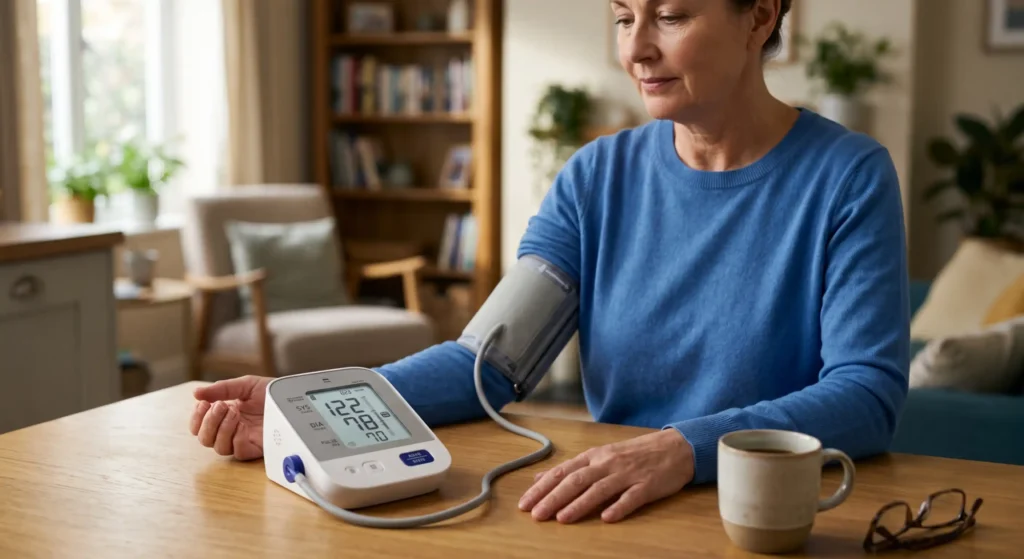
At Alfa Healthcare Supply, we believe reliable health monitoring begins with dependable equipment. That’s why we help individuals and families find quality medical devices designed for consistent performance and ease of use.
Why Accuracy Matters
Blood pressure naturally changes throughout the day. Stress, physical activity, meals, caffeine, and even poor posture can temporarily affect your numbers. If your monitor isn’t accurate, you could receive readings that are misleading.
An inaccurate device may result in:
- Unnecessary anxiety over falsely high readings
- Missed warning signs of hypertension
- Incorrect medication adjustments
- Difficulty tracking long-term health progress
- Confusion during doctor visits
Using the
allows you to monitor trends with greater confidence rather than relying on uncertain numbers.
What Makes the Most Accurate Blood Pressure Monitor?
Several important features separate high-quality monitors from average ones.
Clinically Validated Performance
The most accurate blood pressure monitor should be clinically validated through recognized testing standards. Validation means the device has been independently tested to ensure reliable measurements under real-world conditions. Experts recommend choosing validated upper-arm monitors rather than relying on unvalidated devices.
Upper Arm Cuff Design
Upper-arm monitors consistently provide more dependable readings than wrist or finger monitors for most people. Healthcare organizations generally recommend automatic upper-arm devices because they reduce user error and improve consistency.
Proper Cuff Size
Even the most accurate blood pressure monitor cannot provide dependable results if the cuff does not fit correctly.
A cuff that is too small may produce readings that are too high, while one that is too large may produce readings that are too low. Always measure your upper arm and choose the recommended cuff size.
Automatic Inflation
Automatic digital inflation helps eliminate mistakes that commonly occur with manual devices. Most modern home users find automatic monitors easier to operate while maintaining consistent performance.
Memory Storage
Many modern monitors save dozens or even hundreds of readings. This feature helps you monitor long-term trends instead of focusing on a single measurement.
Easy-to-Read Display
A large display with clearly visible numbers makes daily monitoring easier, especially for older adults or individuals with vision difficulties.
How to Get the Most Accurate Reading Every Time
Owning the most accurate blood pressure monitor is only part of the equation. Proper technique is equally important.
For the best results:
- Sit quietly for at least five minutes before measuring.
- Keep both feet flat on the floor.
- Rest your arm at heart level.
- Place the cuff directly on bare skin.
- Avoid talking during the measurement.
- Do not consume caffeine, smoke, or exercise for at least 30 minutes before the measurement.
- Take two readings, one minute apart, and use the average as your final result.
Who Should Use the Most Accurate Blood Pressure Monitor?
The most accurate blood pressure monitor isn’t just for people who have already been diagnosed with high blood pressure. It is a valuable health tool for anyone who wants to stay informed about their cardiovascular health and catch potential problems early. Regular monitoring at home provides a clearer picture of your blood pressure trends and helps you make informed decisions with your healthcare provider.
Here are the groups of people who can benefit the most from using the most accurate blood pressure monitor.
People Living with High Blood Pressure
If you’ve been diagnosed with hypertension, using the most accurate blood pressure monitor is one of the best ways to manage your condition. Daily or weekly readings help you understand how well your medication, diet, and exercise plan are working. Home monitoring also gives your doctor more complete information than occasional readings taken during office visits.
Adults Over the Age of 40
As we age, the risk of developing high blood pressure naturally increases. Even if you feel healthy, regular monitoring can help detect changes before symptoms appear. Investing in the most accurate blood pressure monitor allows adults over 40 to take a proactive approach to heart health and maintain peace of mind.
Individuals with Diabetes
People with diabetes have a higher risk of developing heart disease and hypertension. Monitoring blood pressure regularly is an important part of overall diabetes management. The most accurate blood pressure monitor helps identify changes early, allowing timely adjustments to treatment plans and lifestyle habits.
People with Heart Disease
For individuals living with heart conditions, keeping blood pressure within a healthy range is essential. Using the most accurate blood pressure monitor at home provides dependable readings that help reduce the risk of complications and supports ongoing care recommended by healthcare professionals.
Individuals with Kidney Disease
Healthy kidneys and healthy blood pressure go hand in hand. High blood pressure can damage the kidneys, while kidney disease can also increase blood pressure. A most accurate blood pressure monitor helps patients and doctors closely monitor these changes and make informed treatment decisions.
Pregnant Women
Some women develop high blood pressure during pregnancy, including conditions such as gestational hypertension or preeclampsia. Under the guidance of a healthcare provider, using the most accurate blood pressure monitor at home can help detect concerning changes early and support a healthier pregnancy for both mother and baby.
People Starting Blood Pressure Medication
When beginning new blood pressure medication, doctors often recommend frequent home monitoring to see how well the treatment is working. The most accurate blood pressure monitor provides reliable readings that help determine whether medication adjustments are needed.
Individuals with a Family History of Hypertension
If high blood pressure runs in your family, you may have an increased risk of developing it yourself. Even if your readings are currently normal, using the most accurate blood pressure monitor periodically can help identify early changes before they become serious health concerns.
Fitness Enthusiasts and Health-Conscious Individuals
Many people who focus on healthy living use the most accurate blood pressure monitor as part of their wellness routine. Monitoring blood pressure alongside exercise, nutrition, and weight management provides a more complete picture of overall cardiovascular health and helps measure the positive impact of healthy lifestyle choices.
Seniors Who Want Greater Independence
Older adults often manage multiple health conditions at once. Having the most accurate blood pressure monitor at home makes it easier to keep track of blood pressure without frequent clinic visits. Family members and caregivers also benefit from having reliable readings to share with healthcare providers when needed.
Why Home Monitoring Benefits Everyone
Blood pressure can change throughout the day due to stress, activity, sleep, diet, and medications. Regular home monitoring helps identify long-term trends rather than relying on a single reading taken during a medical appointment. The most accurate blood pressure monitor gives you dependable information that supports better conversations with your doctor and encourages healthier daily habits.
Common Mistakes That Reduce Accuracy
Even the most accurate blood pressure monitor can produce unreliable numbers if used incorrectly.
Common mistakes include:
- Measuring immediately after exercise
- Talking during the test
- Crossing your legs
- Wearing thick clothing beneath the cuff
- Using the wrong cuff size
- Measuring immediately after drinking coffee
- Taking only one reading
- Sitting with poor posture
Avoiding these mistakes makes your measurements much more reliable.
Features Worth Looking For
When shopping for the most accurate blood pressure monitor, consider devices that include:
- Clinical validation
- Automatic upper-arm cuff
- Adjustable cuff sizes
- Irregular heartbeat detection
- Multi-user memory
- Bluetooth or smartphone connectivity
- Average reading calculation
- Large digital display
- Long battery life
- Easy one-button operation
These features improve both convenience and long-term monitoring.
Who Should Use the Most Accurate Blood Pressure Monitor?
The most accurate blood pressure monitor isn’t just for people who have already been diagnosed with high blood pressure. It is a valuable health tool for anyone who wants to stay informed about their cardiovascular health and catch potential problems early. Regular monitoring at home provides a clearer picture of your blood pressure trends and helps you make informed decisions with your healthcare provider.
Here are the groups of people who can benefit the most from using the most accurate blood pressure monitor.
People Living with High Blood Pressure
If you’ve been diagnosed with hypertension, using the most accurate blood pressure monitor is one of the best ways to manage your condition. Daily or weekly readings help you understand how well your medication, diet, and exercise plan are working. Home monitoring also gives your doctor more complete information than occasional readings taken during office visits.
Adults Over the Age of 40
As we age, the risk of developing high blood pressure naturally increases. Even if you feel healthy, regular monitoring can help detect changes before symptoms appear. Investing in the most accurate blood pressure monitor allows adults over 40 to take a proactive approach to heart health and maintain peace of mind.
Individuals with Diabetes
People with diabetes have a higher risk of developing heart disease and hypertension. Monitoring blood pressure regularly is an important part of overall diabetes management. The most accurate blood pressure monitor helps identify changes early, allowing timely adjustments to treatment plans and lifestyle habits.
People with Heart Disease
For individuals living with heart conditions, keeping blood pressure within a healthy range is essential. Using the most accurate blood pressure monitor at home provides dependable readings that help reduce the risk of complications and supports ongoing care recommended by healthcare professionals.
Individuals with Kidney Disease
Healthy kidneys and healthy blood pressure go hand in hand. High blood pressure can damage the kidneys, while kidney disease can also increase blood pressure. A most accurate blood pressure monitor helps patients and doctors closely monitor these changes and make informed treatment decisions.
Pregnant Women
Some women develop high blood pressure during pregnancy, including conditions such as gestational hypertension or preeclampsia. Under the guidance of a healthcare provider, using the most accurate blood pressure monitor at home can help detect concerning changes early and support a healthier pregnancy for both mother and baby.
People Starting Blood Pressure Medication
When beginning new blood pressure medication, doctors often recommend frequent home monitoring to see how well the treatment is working. The most accurate blood pressure monitor provides reliable readings that help determine whether medication adjustments are needed.
Individuals with a Family History of Hypertension
If high blood pressure runs in your family, you may have an increased risk of developing it yourself. Even if your readings are currently normal, using the most accurate blood pressure monitor periodically can help identify early changes before they become serious health concerns.
Fitness Enthusiasts and Health-Conscious Individuals
Many people who focus on healthy living use the most accurate blood pressure monitor as part of their wellness routine. Monitoring blood pressure alongside exercise, nutrition, and weight management provides a more complete picture of overall cardiovascular health and helps measure the positive impact of healthy lifestyle choices.
Seniors Who Want Greater Independence
Older adults often manage multiple health conditions at once. Having the most accurate blood pressure monitor at home makes it easier to keep track of blood pressure without frequent clinic visits. Family members and caregivers also benefit from having reliable readings to share with healthcare providers when needed.
Why Home Monitoring Benefits Everyone
Blood pressure can change throughout the day due to stress, activity, sleep, diet, and medications. Regular home monitoring helps identify long-term trends rather than relying on a single reading taken during a medical appointment. The most accurate blood pressure monitor gives you dependable information that supports better conversations with your doctor and encourages healthier daily habits.
Why Choose Alfa Healthcare Supply?
When you’re looking for the most accurate blood pressure monitor, you deserve more than just a product—you deserve a trusted healthcare partner. At Alfa Healthcare Supply, we are committed to helping individuals and families monitor their health with confidence by offering reliable home medical equipment that combines quality, comfort, and value.
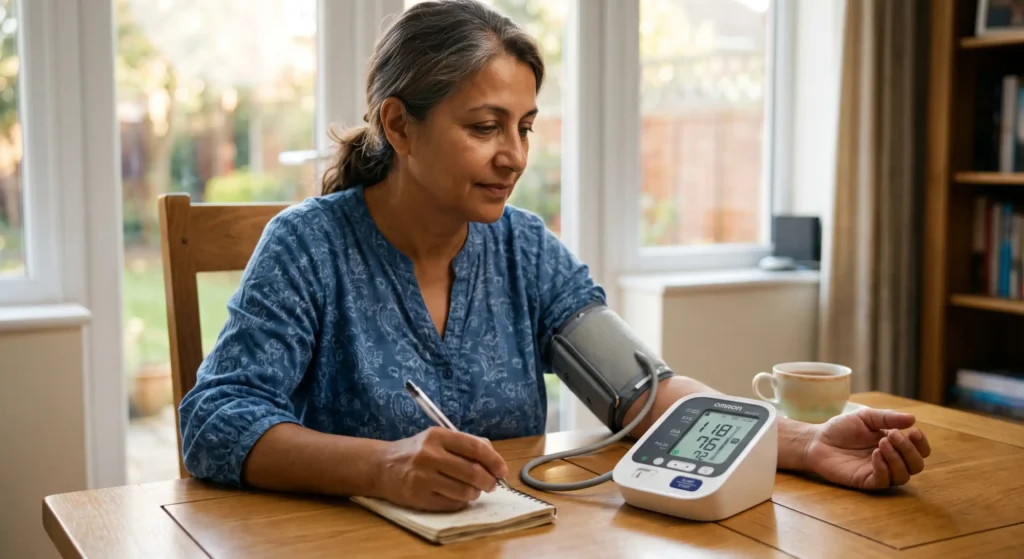
High-Quality Healthcare Products
We carefully select products that are designed to deliver dependable performance for everyday home use. Whether you’re purchasing your first most accurate blood pressure monitor or replacing an older device, our goal is to provide equipment you can trust for consistent monitoring.
Supporting Better Heart Health
Managing blood pressure starts with having accurate information. That’s why Alfa Healthcare Supply offers products that help you track your readings with confidence. A reliable most accurate blood pressure monitor makes it easier to monitor your progress, share accurate results with your healthcare provider, and make informed decisions about your health.
Easy Online Shopping Experience
Finding the right medical equipment shouldn’t be complicated. Our website is designed to make shopping simple, allowing you to browse quality healthcare products, compare options, and place your order quickly from the comfort of your home.
Affordable Solutions Without Compromising Quality
Everyone deserves access to dependable healthcare equipment. Alfa Healthcare Supply strives to offer competitive pricing so you can purchase the most accurate blood pressure monitor and other essential medical supplies without exceeding your budget.
Trusted Customer Support
Choosing medical equipment can sometimes feel overwhelming. Our knowledgeable customer support team is ready to answer your questions and help you find products that best fit your individual healthcare needs. We believe every customer deserves friendly, reliable assistance before and after every purchase.
A Wide Selection of Home Medical Supplies
In addition to offering the most accurate blood pressure monitor, Alfa Healthcare Supply provides a broad range of home healthcare products designed to support daily wellness. From mobility aids and diabetic supplies to respiratory equipment and patient care essentials, we aim to be your one-stop destination for dependable medical solutions.
Your Health Is Our Priority
At Alfa Healthcare Supply, we understand that every blood pressure reading matters. That’s why we’re dedicated to providing products that support healthier living, greater independence, and peace of mind. Whether you’re managing hypertension, monitoring a chronic condition, or simply taking a proactive approach to your health, choosing the most accurate blood pressure monitor from Alfa Healthcare Supply is a smart investment in your long-term well-being.
Our mission is simple: to make high-quality home healthcare products accessible, affordable, and dependable so you can care for yourself and your loved ones with confidence every day.
Final Thoughts
Choosing the most accurate blood pressure monitor is an investment in your long-term health. Reliable readings help you understand your cardiovascular health, identify trends early, and work more effectively with your healthcare provider.
Accuracy depends on both the quality of the monitor and proper measuring technique. By selecting a clinically validated upper-arm monitor with the correct cuff size and using it consistently, you’ll gain trustworthy information that supports better health decisions.
With dependable products from Alfa Healthcare Supply, home blood pressure monitoring becomes easier, more accurate, and more reassuring every day.
Frequently Asked Questions (FAQs)
1. What is the most accurate blood pressure monitor for home use?
The most accurate blood pressure monitors are automatic upper-arm monitors that have been clinically validated for accuracy. Look for devices that are approved by recognized medical organizations and offer consistent readings when used correctly.
2. Are upper-arm blood pressure monitors more accurate than wrist monitors?
Yes. Upper-arm blood pressure monitors are generally more accurate and are recommended by healthcare professionals. Wrist monitors can be affected by arm position and movement, leading to less reliable readings.
3. How can I make sure my blood pressure readings are accurate?
For the most accurate results:
- Rest for at least 5 minutes before measuring.
- Sit with your back supported and feet flat on the floor.
- Keep your arm at heart level.
- Avoid caffeine, smoking, or exercise for at least 30 minutes before taking a reading.
- Take readings at the same time each day.
4. How often should I check my blood pressure at home?
Your healthcare provider may recommend checking your blood pressure once or twice daily if you have hypertension. For routine monitoring, a few readings each week may be enough unless otherwise advised.
5. What cuff size should I choose?
The cuff should fit your upper arm properly. A cuff that is too small or too large can produce inaccurate readings. Measure your upper arm circumference and select a monitor with the correct cuff size.
6. Can blood pressure monitors lose accuracy over time?
Yes. Like any medical device, blood pressure monitors may become less accurate after years of use. Regular calibration, proper storage, and following the manufacturer’s maintenance recommendations help ensure reliable performance.
7. Is it normal for blood pressure readings to change throughout the day?
Yes. Blood pressure naturally changes throughout the day due to activity, stress, meals, sleep, and medications. This is why it’s best to measure your blood pressure at consistent times each day.
8. Should I take multiple blood pressure readings?
Yes. Taking two or three readings one minute apart and averaging the results provides a more accurate picture of your blood pressure than relying on a single reading.
9. Can I rely on a home blood pressure monitor instead of visiting my doctor?
Home monitors are excellent for tracking your blood pressure between medical visits, but they should not replace regular checkups. Share your home readings with your healthcare provider for proper diagnosis and treatment decisions.
10. What features should I look for in the most accurate blood pressure monitor?
Consider features such as:
- Clinically validated accuracy
- Automatic inflation
- Easy-to-read digital display
- Irregular heartbeat detection
- Memory storage for multiple users
- Bluetooth or smartphone app connectivity
- Adjustable upper-arm cuff
- Long battery life or AC adapter option
11. Can stress affect blood pressure readings?
Yes. Anxiety, emotional stress, and even talking during the measurement can temporarily raise your blood pressure. Try to relax and remain quiet while taking a reading.
12. Why should I choose a trusted medical supplier for my blood pressure monitor?
Purchasing from a reputable medical supply provider ensures you receive high-quality, clinically reliable equipment along with expert guidance, warranty support, and assistance in selecting the right monitor for your healthcare needs.
.
Introduction : Best Blood Pressure Monitor for Home Use
Choosing the best blood pressure monitor for your home is one of the smartest investments you can make for your long-term health. Whether you’re managing high blood pressure, monitoring your heart health, or simply staying proactive, having the best blood pressure monitor at home gives you peace of mind and helps you make informed decisions about your well-being.
Many people only check their blood pressure during doctor visits, but blood pressure naturally changes throughout the day. Home monitoring provides a clearer picture of your overall health and allows your healthcare provider to make better treatment decisions. With the best blood pressure monitor, you can track your readings comfortably, consistently, and accurately without leaving your home.
At Alfa Healthcare Supply, we believe that quality healthcare starts with reliable medical equipment. That’s why we help individuals and families find dependable home monitoring devices that are easy to use and designed for everyday life.
Why Every Home Should Have the Best Blood Pressure Monitor
Your health is one of your greatest assets, and protecting it starts with paying attention to the small signs your body gives you. One of those important signs is your blood pressure. Because high blood pressure often develops without noticeable symptoms, many people don’t realize they have a problem until it leads to serious health complications. That’s why having the best blood pressure monitor at home is no longer just a convenience—it’s an essential part of modern healthcare.
The best blood pressure monitor allows you to keep track of your heart health from the comfort of your own home. Instead of waiting for your next doctor’s appointment, you can monitor your blood pressure regularly and identify unusual changes early. This simple habit can provide valuable information that helps your healthcare provider make better treatment decisions while giving you greater confidence in managing your health.
Home monitoring is especially helpful because blood pressure naturally changes throughout the day. Stress, exercise, diet, sleep, and even emotions can affect your readings. A single measurement taken during a medical visit may not accurately reflect your everyday blood pressure. By using the best blood pressure monitor consistently at home, you can build a complete picture of your cardiovascular health over time.
For people living with hypertension, heart disease, diabetes, or kidney conditions, the best blood pressure monitor becomes an important partner in daily care. Regular monitoring helps determine whether medications are working effectively and whether lifestyle improvements such as healthier eating, regular exercise, and stress management are making a positive difference.
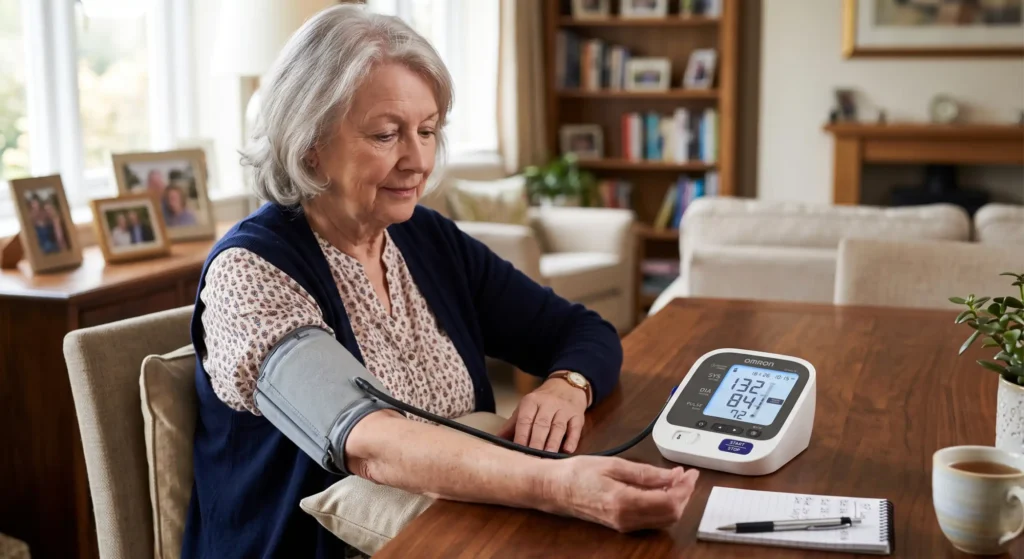
Even if you’ve never been diagnosed with high blood pressure, owning the best blood pressure monitor is a smart preventive step. Blood pressure can gradually increase with age, and many adults have no warning signs until complications develop. Routine home monitoring helps catch potential problems early, allowing treatment to begin before serious damage occurs.
The emotional benefits are equally important. Knowing that you can check your blood pressure whenever needed brings reassurance to both you and your family. Instead of worrying about your health between appointments, you gain confidence through regular, reliable information. That peace of mind is something every household deserves.
Today’s best blood pressure monitor models are designed with user-friendly features such as one-touch operation, large digital displays, memory storage, irregular heartbeat detection, and comfortable upper-arm cuffs. These features make it easy for people of all ages to monitor their health without feeling overwhelmed by complicated technology.
At Alfa Healthcare Supply, we understand that every reading represents more than just numbers on a screen—it represents your health, your future, and the people who care about you. That’s why we are committed to providing dependable home healthcare products that help families take control of their well-being with confidence.
Ultimately, every home should have the best blood pressure monitor because prevention is always better than treatment. A few minutes spent checking your blood pressure today can help protect your heart for years to come. Investing in the best blood pressure monitor is not just buying a medical device—it’s investing in a healthier, safer, and more confident future for you and your loved ones.
What Makes the Best Blood Pressure Monitor?
Finding the best blood pressure monitor is about more than simply choosing the first device you see online. It is about selecting a monitor that delivers accurate readings, is easy to use every day, and gives you the confidence to stay on top of your heart health. Since blood pressure plays a major role in your overall well-being, investing in the best blood pressure monitor means investing in your future.
Here are the most important features that set the best blood pressure monitor apart from ordinary devices.
1. Clinical Accuracy You Can Trust
Accuracy should always be your top priority. The best blood pressure monitor provides reliable readings that closely match those taken in a healthcare setting. Accurate results help you and your doctor make informed decisions about medications, lifestyle changes, and treatment plans.
A monitor that consistently delivers dependable readings gives you peace of mind every time you check your blood pressure.
2. Easy-to-Use Design
Health monitoring shouldn’t feel complicated. The best blood pressure monitor is designed with simplicity in mind, featuring one-touch operation, clear instructions, and an intuitive interface. Whether you’re a first-time user or an older adult, the device should make daily monitoring quick and stress-free.
When a monitor is easy to use, you’re more likely to check your blood pressure regularly.
3. Large, Clear Digital Display
Many users appreciate a bright, easy-to-read screen. The best blood pressure monitor should display large numbers that can be read without straining your eyes. A clear display is especially helpful for seniors and individuals with vision challenges, allowing them to review their readings confidently.
4. Comfortable Upper Arm Cuff
A properly fitting cuff is essential for accurate measurements. The best blood pressure monitor includes a comfortable upper-arm cuff that fits securely without causing unnecessary discomfort. Many modern monitors also offer adjustable cuff sizes to accommodate different arm measurements.
A comfortable cuff encourages regular use and improves the accuracy of every reading.
5. Memory Storage for Tracking Progress
One reading alone doesn’t tell the whole story. The best blood pressure monitor stores previous measurements so you can easily monitor trends over time. Being able to review weeks or even months of readings helps you recognize improvements or identify potential concerns before they become serious.
Tracking your progress also makes conversations with your healthcare provider more productive.
6. Multi-User Functionality
In many households, more than one family member monitors their blood pressure. The best blood pressure monitor often includes multiple user profiles, allowing each person to save their own readings separately.
This feature keeps health records organized while making the device useful for the entire family.
7. Irregular Heartbeat Detection
Many advanced models include irregular heartbeat detection. The best blood pressure monitor can notify you if it detects an unusual heart rhythm during measurement. While this feature is not a diagnosis, it serves as an early alert that encourages you to consult your healthcare provider if necessary.
Having this additional layer of monitoring adds extra reassurance during everyday use.
8. Quiet and Fast Operation
Nobody wants a complicated device that takes several minutes to complete a reading. The best blood pressure monitor delivers fast, quiet, and comfortable measurements, making it easy to fit blood pressure checks into your daily routine without disruption.
Quick readings are especially helpful for busy families and older adults who value convenience.
9. Durable Quality for Long-Term Use
A blood pressure monitor is a long-term health investment. The best blood pressure monitor should be built with durable materials that provide reliable performance for years. High-quality construction ensures the device continues to deliver dependable results with regular use.
Choosing a trusted supplier like Alfa Healthcare Supply also gives you confidence that you’re purchasing a product designed for dependable home healthcare.
10. Confidence and Peace of Mind
Beyond its technical features, the best blood pressure monitor offers something even more valuable—confidence. Every accurate reading helps you better understand your health, make informed lifestyle choices, and work closely with your healthcare provider.
Knowing you can check your blood pressure anytime from the comfort of home reduces uncertainty and helps you feel more in control of your well-being.
Who Benefits Most from the Best Blood Pressure Monitor?
The best blood pressure monitor is not just for people who have already been diagnosed with high blood pressure. It is a valuable health tool for anyone who wants to stay informed about their heart health and catch potential problems before they become serious. Regular home monitoring provides reassurance, encourages healthier habits, and helps people make better decisions about their overall well-being.
Here are the groups of people who benefit the most from using the best blood pressure monitor.
People with High Blood Pressure
If you have been diagnosed with hypertension, the best blood pressure monitor becomes an important part of your daily routine. Monitoring your blood pressure at home allows you to see how well your medications and lifestyle changes are working. Instead of relying only on occasional readings at your doctor’s office, you can build a complete record of your blood pressure over time.
This information helps your healthcare provider adjust your treatment if needed and gives you confidence that you’re taking the right steps to protect your heart.
Adults Over the Age of 40
As we get older, our risk of developing high blood pressure naturally increases. Even if you feel perfectly healthy, regular monitoring with the best blood pressure monitor can help detect early changes before symptoms appear.
Early detection often leads to earlier treatment, reducing the risk of heart disease, stroke, and other serious health complications.
People Living with Diabetes
Diabetes and high blood pressure often occur together. High blood pressure can increase the risk of kidney disease, eye problems, heart disease, and nerve damage in people with diabetes. By using a reliable home blood pressure monitor, individuals can keep track of their heart health and take immediate, necessary steps if readings begin to rise.
Daily monitoring becomes an important part of managing diabetes and maintaining a healthier future.
Individuals with Heart Disease
People who have experienced heart disease, heart attacks, or other cardiovascular conditions greatly benefit from owning the best blood pressure monitor. Regular monitoring provides valuable information that helps ensure blood pressure remains within the target range recommended by their healthcare provider.
Knowing your daily readings can also provide peace of mind and encourage better long-term heart care.
People with Kidney Disease
Healthy kidneys rely on healthy blood pressure. High blood pressure can damage the kidneys, while kidney disease can also contribute to elevated blood pressure. The best blood pressure monitor helps people with kidney conditions monitor changes closely and work alongside their healthcare team to protect kidney function.
Consistent readings can make a significant difference in managing chronic kidney disease effectively.
Pregnant Women with Blood Pressure Concerns
During pregnancy, monitoring blood pressure is especially important because certain conditions, such as pregnancy-related hypertension or preeclampsia, can develop unexpectedly. For women whose healthcare provider recommends home monitoring, the best blood pressure monitor offers a safe and convenient way to track readings between prenatal visits.
Regular monitoring helps identify potential concerns early and supports a healthier pregnancy for both mother and baby.
Individuals with a family history of high blood pressure.
If high blood pressure runs in your family, you may have a higher chance of developing it yourself. Even if your current readings are normal, using the best blood pressure monitor helps you stay proactive rather than waiting for symptoms to appear.
Keeping track of your blood pressure over the years can help you make lifestyle adjustments before problems develop.
Health-Conscious Individuals
You don’t need a medical diagnosis to benefit from the best blood pressure monitor. Many people simply want to take better care of their health. Whether you’re starting a new fitness program, improving your diet, losing weight, or reducing stress, home blood pressure monitoring allows you to see how your healthy choices positively affect your cardiovascular health.
Watching your numbers improve can be incredibly motivating and encourages you to maintain healthy habits.
Seniors Who Value Independent Living
Many older adults prefer to manage their health from the comfort of home. The best blood pressure monitor makes this possible by offering simple operation, large digital displays, and quick readings. Regular monitoring helps seniors stay informed while reducing unnecessary trips to healthcare facilities.
Why the Best Blood Pressure Monitor Benefits the Entire Family
In many households, more than one person can benefit from regular blood pressure monitoring. Parents, grandparents, and adult children may all use the same device if it includes multiple user profiles. Having the best blood pressure monitor at home encourages everyone to become more aware of their heart health and creates a family culture focused on prevention rather than treatment.
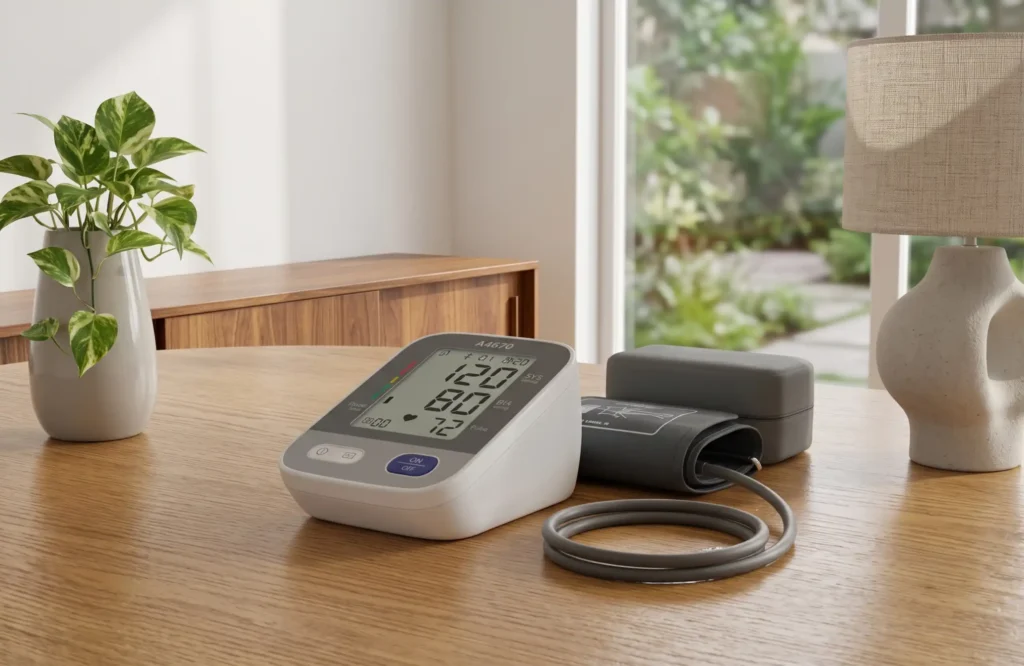
At Alfa Healthcare Supply, we believe that good health begins with reliable home healthcare equipment. A dependable blood pressure monitor empowers every family member to take a more active role in protecting their long-term wellness.
Why Home Monitoring Matters
Checking your blood pressure at home creates a more complete picture of your cardiovascular health.
Benefits include:
- Better long-term tracking
- More informed treatment decisions
- Reduced anxiety during clinic visits
- Improved medication adherence
- Increased awareness of healthy habits
Over time, these small daily habits can make a significant difference in managing heart health.
Tips for Getting Accurate Blood Pressure Readings
Even the best blood pressure monitor requires proper technique.
For the most accurate readings:
- Sit quietly for five minutes before measuring.
- Keep both feet flat on the floor.
- Rest your arm at heart level.
- Avoid caffeine, smoking, and exercise for at least 30 minutes before taking your reading.
- Use the same arm each time.
- Measure at approximately the same times each day.
Consistency is often more valuable than taking many random readings.
Why Choose Alfa Healthcare Supply?
When it comes to your health, quality and reliability matter. Choosing the best blood pressure monitor is an important decision, but choosing a trusted supplier is just as essential. At Alfa Healthcare Supply, we are committed to helping individuals and families access dependable home healthcare products that make everyday health management easier, safer, and more comfortable.
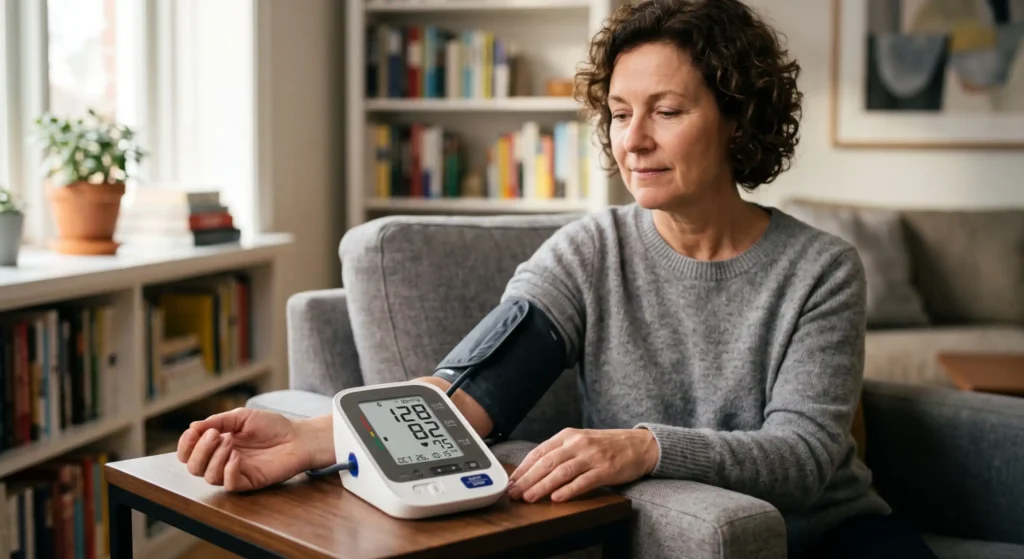
We understand that monitoring your blood pressure is more than just recording numbers. It is about protecting your heart, preventing future health complications, and giving yourself and your loved ones peace of mind. That’s why we strive to provide products that combine quality, accuracy, and ease of use.
Reliable Home Healthcare Products
Finding the best blood pressure monitor should never feel confusing or overwhelming. At Alfa Healthcare Supply, we carefully offer healthcare products designed to support daily wellness and long-term health management. Whether you’re monitoring high blood pressure, recovering from a medical condition, or taking preventive steps for a healthier future, you can shop with confidence.
Quality You Can Depend On
Accuracy is essential when monitoring blood pressure. A dependable device helps you and your healthcare provider make informed decisions about your treatment and lifestyle. That’s why Alfa Healthcare Supply focuses on providing reliable home medical equipment that supports consistent and accurate monitoring.
When you invest in the best blood pressure monitor, you deserve equipment that performs reliably every time you use it.
Making Home Healthcare Simple
Managing your health at home shouldn’t be complicated. We believe that everyone should have access to medical equipment that is easy to understand and simple to operate. From user-friendly designs to dependable performance, our goal is to help make home health monitoring less stressful and more convenient.
Whether you’re checking your blood pressure for the first time or you’ve been monitoring it for years, having the best blood pressure monitor makes the process quicker and more comfortable.
Supporting Your Health Journey
Every person’s health journey is unique. Some customers are managing hypertension, while others are monitoring blood pressure because of diabetes, heart disease, pregnancy, or simply as part of a healthy lifestyle. Whatever your reason, Alfa Healthcare Supply is here to support you with dependable healthcare products that fit your needs.
We believe that small daily habits—like checking your blood pressure regularly—can make a big difference in protecting your long-term health.
Customer-Focused Service
At Alfa Healthcare Supply, our customers are at the center of everything we do. We aim to provide a smooth shopping experience, helpful support, and products that bring confidence to your home healthcare routine.
Our mission is not just to sell medical equipment but to help families feel more informed, prepared, and empowered to take charge of their health.
Affordable Solutions Without Compromising Quality
Quality healthcare equipment should be accessible to everyone. That’s why we work to offer dependable products at competitive prices, allowing more families to purchase the best blood pressure monitor without sacrificing reliability or performance.
Good health is an investment, and we believe everyone deserves access to trusted home monitoring solutions.
Your Trusted Partner in Home Healthcare
Choosing the best blood pressure monitor is an important step toward better heart health, but choosing the right supplier gives you even greater confidence. At Alfa Healthcare Supply, we’re dedicated to providing reliable home healthcare products that help you monitor your health with accuracy, comfort, and peace of mind.
Whether you’re managing an existing medical condition or taking proactive steps to stay healthy, we’re here to support you every step of the way. With Alfa Healthcare Supply, you can feel confident that you’re choosing quality products backed by a commitment to helping you live a healthier, more informed life.
Final Thoughts
Your heart works every second of every day, and it deserves the best care possible. Investing in the best blood pressure monitor is a simple step that can have a lasting impact on your health.
Regular home monitoring helps you stay informed, detect changes early, and work more effectively with your healthcare provider. Whether you’re managing hypertension or simply taking a proactive approach to wellness, choosing a dependable monitor gives you confidence and peace of mind.
When you’re ready to invest in quality home healthcare equipment, Alfa Healthcare Supply is here to help you find the best blood pressure monitor for your needs and support your journey toward better health.
Frequently Asked Questions (FAQ) About the Best Blood Pressure Monitor
1. What is the best blood pressure monitor for home use?
The best blood pressure monitor for home use is one that provides accurate readings, has an easy-to-read display, features a comfortable upper-arm cuff, and is simple to operate. Look for a monitor that stores previous readings, supports multiple users if needed, and is clinically validated for accuracy. Choosing a reliable device from Alfa Healthcare Supply can help you monitor your heart health with confidence.
2. Are home blood pressure monitors accurate?
Yes, the best blood pressure monitor can provide highly accurate readings when used correctly. To get the most reliable results, use the correct cuff size, sit quietly for a few minutes before measuring, and follow the manufacturer’s instructions. Regularly comparing your home monitor with your doctor’s equipment can also help ensure consistent accuracy.
3. How often should I check my blood pressure at home?
The frequency depends on your health condition and your healthcare provider’s recommendations. If you have high blood pressure, you may be asked to check it once or twice daily. If you’re monitoring your general health, a few times each week may be enough. The best blood pressure monitor makes regular tracking simple and convenient.
4. Is an upper-arm monitor better than a wrist monitor?
In most cases, yes. Healthcare professionals generally recommend an upper-arm best blood pressure monitor because it usually provides more accurate and consistent readings than wrist monitors. Wrist monitors can be useful for some individuals, but they must be positioned very carefully to ensure reliable results.
5. Can the best blood pressure monitor detect irregular heartbeats?
Many modern models of the best blood pressure monitor include an irregular heartbeat detection feature. While it does not diagnose a heart condition, it can alert you if an unusual heartbeat is detected during measurement. If this happens repeatedly, you should consult your healthcare provider for further evaluation.
6. What time of day should I use the best blood pressure monitor?
For the most consistent results, use the best blood pressure monitor at the same times each day, such as once in the morning before taking medications and again in the evening. Avoid caffeine, smoking, heavy meals, or exercise for at least 30 minutes before checking your blood pressure.
7. Who should own the best blood pressure monitor?
Almost everyone can benefit from having the best blood pressure monitor at home. It is especially valuable for people with high blood pressure, diabetes, heart disease, kidney disease, adults over 40, pregnant women with blood pressure concerns, and anyone with a family history of hypertension. Regular monitoring helps detect changes early and supports better long-term health.
8. How do I know if my blood pressure monitor cuff fits properly?
A properly fitting cuff is essential for accurate readings. The cuff should wrap comfortably around your upper arm without being too loose or too tight. Many models of the best blood pressure monitor come with adjustable cuffs or offer multiple cuff sizes to ensure a proper fit.
9. Can more than one person use the same blood pressure monitor?
Yes. Many models of the best blood pressure monitor offer multi-user memory, allowing each family member to store their readings separately. This makes it easy for households to monitor everyone’s heart health using one reliable device.
10. Why should I buy the best blood pressure monitor from Alfa Healthcare Supply?
At Alfa Healthcare Supply, we understand that your health deserves dependable equipment. We provide quality home healthcare products designed for comfort, reliability, and ease of use. Choosing the best blood pressure monitor from Alfa Healthcare Supply means investing in accurate home monitoring, excellent customer support, and greater peace of mind for you and your family.
Automatic vs. Manual Blood Pressure Monitors: Which is More Accurate?
If you or a loved one has been diagnosed with hypertension, your doctor has likely given you a simple homework assignment: “Monitor your blood pressure at home.”
It sounds easy enough until you start shopping. You are immediately faced with a choice between the classic manual cuff (the kind with the squeezing bulb and stethoscope) and the modern automatic (digital) monitor. The big question on everyone’s mind is usually, “Which one can I trust?”
At Alfa Healthcare Supply Inc., we know that accuracy isn’t just a technical detail—it’s peace of mind. In this guide, we’ll settle the debate between automatic and manual monitors and help you find the best BP cuff for seniors managing their health at home.
The “Gold Standard” vs. Real Life
To understand accuracy, we have to look at how these two devices work.
Manual Monitors (Aneroid Sphygmomanometers)
These are the devices you see in most doctor’s offices. You wrap the cuff, pump the bulb, and listen to the pulse through a stethoscope as the needle on the gauge drops.
- The Verdict: In the hands of a trained professional, manual monitors are considered the “gold standard” for accuracy. They don’t rely on sensitive electronics that can be confused by movement or irregular heart rhythms.
- The Catch: They require perfect technique. If your hearing is slightly diminished, your hand isn’t steady when releasing the valve, or you pump it up too slowly, the reading will be wrong. For most seniors trying to self-monitor, these hurdles often lead to less accurate results than a digital machine.
Automatic (Digital) Monitors
These devices use oscillometric technology to detect vibrations in your arterial wall as the cuff deflates.
- The Verdict: Digital blood pressure monitor accuracy has improved drastically in the last decade. While they can be slightly more sensitive to body movement, they eliminate the biggest source of error: human interpretation.
- The Catch: They can occasionally be “fooled” by irregular heartbeats (arrhythmia) or shivering. However, high-quality models now include sensors to alert you if this happens.
The Bottom Line: Unless you are a trained nurse or doctor, an automatic monitor is usually more accurate for home use simply because it leaves less room for user error.
Why Digital is the Best Choice for Seniors
When looking for the best BP cuff for seniors, “ease of use” is just as important as raw technical accuracy. A device that is difficult to use causes frustration and skipped readings.
Here is why we generally recommend automatic upper-arm monitors for our elderly customers:
- No Stethoscope Required: Hearing loss is common as we age. Digital monitors rely on sensors, not your ears, ensuring you get a result you can trust.
- Large, Clear Displays: Reading a tiny needle on a moving dial is hard. Digital screens offer large, high-contrast numbers that are easy to read, even without reading glasses.
- Memory Storage: Instead of scrambling for a pen and paper to write down your numbers, digital monitors automatically store your last 30-60 readings. This is incredibly helpful when you need to show your history to a cardiologist.
- Error Alerts: Many modern cuffs will tell you if you moved too much or if the cuff isn’t wrapped correctly, preventing false readings.
How to Ensure Your Digital Monitor is Accurate
Even the most expensive machine will give you wrong numbers if used incorrectly. “User error” is the #1 reason for inaccurate readings at home. Follow this 4-step checklist to ensure clinical precision:
- The Right Fit Matters
One size does not fit all. If a cuff is too small, your reading will be artificially high. If it’s too loose, it will be too low. Measure your upper arm circumference and check the sizing guide on the box before you buy.
- The “Heart Level” Rule
Your arm must be resting at the same level as your heart.
- Don’t: Let your arm dangle at your side.
- Do: Sit at a table and rest your arm on the surface. If the table is low, use a cushion to prop your arm up slightly.
- The Five-Minute Rest
Never rush in from a walk or carrying groceries and immediately test your BP. Sit quietly for five minutes before pressing the button. Your body needs to return to a “resting” state.
- Watch Your Posture
Sit in a sturdy chair with your back supported and both feet flat on the floor. Crossing your legs can temporarily raise your blood pressure by 2–8 points!
Summary: Which Should You Buy?
- Choose a Manual Monitor if: You are a healthcare professional, have been specifically trained to use one, and have excellent hearing and dexterity.
- Choose an Automatic Monitor if: You want a reliable, easy-to-use device for daily home monitoring that does the heavy lifting for you.
At Alfa Healthcare Supply Inc., we stock a curated selection of clinically validated blood pressure monitors. Whether you need a simple one-touch device or a monitor with Bluetooth connectivity to track your health on your phone, we have options that fit your lifestyle.
Take control of your heart health today. Browse our selection of home diagnostic supplies and find the perfect monitor for your needs.
Patient Discharge Checklist: Essential Home Recovery Equipment
Leaving the hospital is a major milestone — but it’s just the beginning of your recovery journey. Once you’re home, having the right medical equipment and recovery aids can make all the difference in comfort, safety, and healing speed.
Many patients and families ask:
“What equipment do I need when I leave the hospital?”
“Should I rent or buy these items?”
“How do I prepare my home for recovery?”
In this guide, we’ll cover a comprehensive discharge checklist to help you set up your home safely — with everything from mobility aids to daily care essentials.
1. Why a Home Recovery Checklist Matters
When transitioning from hospital to home, patients often move from supervised medical care to self-care or caregiver assistance. Having the right tools in place:
- Prevents accidents and falls
- Reduces hospital readmission risk
- Promotes independence
- Helps caregivers provide better support
Your doctor or hospital discharge team may recommend certain items, but understanding each one helps you make the right decision — and plan your home setup efficiently.
2. Mobility Aids: Regaining Independence Safely
One of the first challenges after discharge is moving around safely. Depending on your condition or surgery, you may need support for walking, standing, or transferring between rooms.
Essential Mobility Aids:
- Walkers and Rollators: Provide stability for weak muscles or balance issues. Rollators include wheels for easier movement.
- Canes: Ideal for patients who can walk but need partial support.
- Wheelchairs: For patients with limited or no walking ability. Available in both manual and electric models.
- Transfer Belts and Lift Chairs: Help caregivers move patients safely from bed to chair.
Tip: Choose a walker or wheelchair that fits your height and weight properly. Adjustable options prevent strain on your shoulders and back.
3. Hospital Beds and Mattress Accessories
A hospital-style adjustable bed can significantly improve recovery comfort. It helps with posture, breathing, and circulation while allowing easier caregiver assistance.
Equipment to Consider:
- Adjustable Hospital Bed: Raises or lowers the upper/lower body for optimal positioning.
- Overbed Table: Handy for eating, reading, or medication.
- Pressure-Relief Mattress: Prevents bedsores during long rest periods.
- Side Rails: Provide added safety to prevent accidental falls.
Bonus Tip: If recovery is short-term, consider renting a hospital bed instead of purchasing.
4. Bathroom Safety Essentials
Bathrooms are common spots for post-surgery slips or falls. Installing simple safety tools minimizes risk.
Recommended Equipment:
- Commode Chair: Acts as a portable toilet beside the bed for patients with limited mobility.
- Shower Chair or Transfer Bench: Allows safe bathing while seated.
- Grab Bars and Handrails: Offer sturdy support while standing or sitting.
- Non-slip Mats: Reduce risk of slipping on wet tiles.
Pro tip: Ensure good lighting and keep frequently used items within reach.
5. Respiratory and Health Monitoring Devices
For patients recovering from respiratory conditions or surgery, monitoring vital signs at home helps detect early issues.
Must-Have Devices:
- Oxygen Concentrator or Cylinder: Provides breathing support for respiratory recovery.
- Nebulizer: Helps deliver medication for asthma, bronchitis, or lung care.
- Pulse Oximeter: Monitors oxygen levels easily.
- Digital Thermometer: Tracks fever or infection signs.
- Blood Pressure Monitor: Monitors cardiovascular stability post-surgery.
These devices ensure you stay informed about your recovery and can alert doctors early if readings change.
6. Daily Living Aids for Comfort and Convenience
Home recovery often requires tools that simplify daily activities and prevent unnecessary movement or strain.
Helpful Items Include:
- Reaching Tools / Grabbers: Avoid bending or stretching.
- Bedside Organizer: Keeps essentials close.
- Footrests and Cushions: Support posture and comfort.
- Meal Trays: Make eating in bed easier.
Small additions like these improve overall comfort and allow greater independence during recovery.
7. Rent vs. Buy: What’s Right for You?
This is one of the most common questions patients ask: Should I rent or buy medical equipment?
Consider Buying When:
- Recovery or condition is long-term (e.g., chronic illness, elderly care).
- You want personalized equipment that’s always available.
Consider Renting When:
Recovery is short-term (few weeks to months).
- You’re testing which device suits you best.
- You want to avoid high upfront costs.
Many providers like us, offer both options depending on your needs — helping you choose the most practical and affordable solution.
8. Setting Up Your Home for Recovery
Creating a safe and healing-friendly home environment is just as important as having the right equipment.
Key Setup Tips:
- Keep pathways clear of clutter or loose rugs.
- Install bright night lights for better visibility.
- Arrange furniture to allow smooth wheelchair or walker movement.
- Keep essentials (water, phone, medication) within easy reach.
Pro Tip: Use one room as your “recovery zone” — with everything arranged ergonomically for easy access and comfort.
Conclusion: Plan Ahead for a Safer, Easier Recovery
Preparing your home with the right medical equipment ensures your transition from hospital to home is safe, smooth, and stress-free. From hospital beds to mobility aids, each item contributes to faster healing and greater independence.
At Alfa Healthcare Supply, we specialize in high-quality home recovery equipment designed to make post-hospital life comfortable and safe — with expert advice to help you choose what’s best for your needs.
Common Mistakes to Avoid During Mobility Exercises
At Alfa Healthcare Supply, we often see patients eager to recover quickly—but speed without proper form can do more harm than good. Understanding and avoiding common exercise mistakes helps you make steady progress without setbacks.
1. Ignoring Pain and Pushing Beyond Limits
One of the biggest mistakes in recovery exercise is confusing pain with progress. While some mild discomfort is normal as muscles regain flexibility, sharp or increasing pain is your body’s warning sign. Ignoring it and pushing through can worsen inflammation or tear healing tissues.
During recovery, your focus should be on restoring movement, not testing endurance. Overexertion often happens when patients attempt to “catch up” after missed sessions or feel pressure to recover faster. This can backfire by causing swelling, fatigue, or even re-injury.
Instead:
- Stop immediately if pain exceeds a mild ache.
- Apply ice to any swollen areas and rest.
- Resume exercises only after your physiotherapist approves.
Progress should feel gradual—mobility recovery is about consistency, not intensity. A well-paced approach delivers better results than rushing through painful repetitions.
2. Skipping Warm-Ups and Cool-Downs
Warm-ups are essential to prepare your muscles and joints for activity. Skipping them increases the risk of stiffness and muscle strain. Cold muscles lack elasticity, making them prone to minor tears.
Before starting any recovery exercise:
- Perform gentle movements like ankle rotations, shoulder rolls, or light marching for 3–5 minutes.
- Take slow, deep breaths to oxygenate your muscles.
Similarly, cool-down stretches after exercise prevent lactic acid buildup, reduce soreness, and help muscles relax. For example, ending your routine with hamstring stretches, neck tilts, or gentle seated extensions can make a significant difference in recovery comfort.
Think of warm-ups and cool-downs as bookends of your exercise session—they prepare your body to perform and then help it heal afterward.
3. Using Poor Posture or Incorrect Form
Form matters more than speed. Incorrect posture can place pressure on the wrong muscles or joints, leading to pain and imbalance. Many patients unknowingly lean too far forward during squats or sit-to-stand exercises, stressing the knees and lower back. Others may hunch their shoulders during upper-body stretches, reducing effectiveness.
To maintain good form:
- Keep your spine straight during seated or standing exercises.
- Engage your core gently for balance.
- Breathe evenly—avoid holding your breath while moving.
- Use mirrors or ask a caregiver to check your alignment.
Mobility aids like walkers or canes can also help you stay balanced while practicing posture-based movements. Adjust their height properly so you’re not stooping or leaning unnaturally.
If you’re unsure of your form, perform movements slower and more deliberately. Quality matters far more than quantity—doing 5 correct repetitions beats 20 rushed ones.
For a detailed look at safe and effective recovery movements, you can revisit our earlier guide Exercises and Stretches for Faster Mobility Recovery for step-by-step demonstrations.
4. Neglecting Balance and Core Strength
Many people focus only on limb recovery—leg strength after knee surgery, for instance—while forgetting that core stability and balance are key to overall mobility. Weak abdominal and lower-back muscles make it difficult to walk steadily or maintain proper posture, leading to fatigue and potential falls.
Simple exercises like seated knee lifts, pelvic tilts, or standing heel raises can gently strengthen your core and improve coordination.
Incorporating balance-focused movements—such as standing on one leg (with support), side leg raises, or slow toe-heel walking—also trains your stabilizing muscles.
Remember, every movement in recovery should aim for control over speed. A stable body recovers faster and avoids secondary injuries caused by imbalance or overreliance on one side of the body.
5. Doing Too Much, Too Soon
Ambition can be both your biggest motivator and your greatest obstacle. After a few days of progress, it’s tempting to increase repetitions or resistance too quickly. However, your muscles, joints, and tendons need time to rebuild tolerance and strength.
Doing too much too soon can:
- Cause inflammation or delayed soreness
- Fatigue your body, slowing recovery
- Increase your dependency on support devices longer than necessary
Follow the “10{506a2751bf67d2d85e1c4aac7f95981850bfa4625add47fe72fdabc52524907c} rule”—increase exercise intensity or duration by no more than 10{506a2751bf67d2d85e1c4aac7f95981850bfa4625add47fe72fdabc52524907c} per week. Small, steady improvements are safer and more sustainable.
Your recovery plan should be guided by your healthcare provider, not self-judgment or comparison with others. Each person’s healing timeline is unique.
By following proper technique, pacing yourself, and resting strategically, you’ll build sustainable strength and flexibility. Every movement counts, as long as it’s done safely.
At Alfa Healthcare Supply, we support recovery journeys with reliable mobility aids and guidance designed to make each step safer and more effective.
Exercises and Stretches for Faster Mobility Recovery
Introduction
Recovering from an injury, surgery, or extended period of immobility can feel overwhelming. The stiffness, weakness, and lack of balance that follow can make everyday tasks challenging. But the good news is that gentle, consistent exercises and stretches can help restore your strength, balance, and confidence—faster than you might expect.
At Alfa Healthcare Supply, we’ve seen countless individuals benefit from combining the right mobility aids with simple, guided movement routines. You don’t need a gym or complex equipment—just commitment, patience, and the proper approach.
1. The Role of Exercise in Mobility Recovery
Movement is medicine—especially during recovery. Light exercises improve blood circulation, deliver oxygen to healing tissues, and prevent muscle stiffness. When performed under medical guidance, they can reduce recovery time significantly.
Here’s what gentle rehabilitation exercises can help achieve:
- Reduce stiffness and swelling by improving joint movement
- Rebuild muscle strength without overexertion
- Enhance balance and coordination to prevent falls
- Boost confidence and mental health through active progress
However, recovery is not about pushing harder—it’s about consistency and correct form. Before starting any exercise routine, always get clearance from your doctor or physiotherapist.
Your mobility equipment—like walkers, canes, or support braces—can complement these exercises by offering balance and protection as you move.
2. Gentle Range-of-Motion Exercises
Range-of-motion exercises are the foundation of recovery. They restore flexibility and help the body return to natural movement patterns without pain or tension.
🦵 Ankle Rotations:
Sit comfortably and slowly rotate your ankle clockwise and counterclockwise, 10 times in each direction. This helps prevent stiffness and improves circulation—especially after leg or knee surgeries.
💪 Arm Circles:
Extend your arms sideways and make small, slow circles. Gradually increase the circle size to loosen shoulder joints and improve upper-body mobility.
🦶 Knee Flex and Extend:
Sit on a chair, gently extend one leg forward, hold for 3 seconds, and bring it back. Repeat 10–12 times per leg. This helps strengthen muscles that support walking and standing.
🦵 Hip Rolls: Lie flat on your back, bend your knees, and slowly move both legs side-to-side like a windshield wiper. This strengthens the hip area and reduces lower-back tension.
These simple, daily movements can be performed at home and take only 10–15 minutes. They’re most effective when combined with braces or supports for safety and alignment during the early recovery phase.
3. Safe Stretching for Flexibility
Stretching helps reduce tightness, increase blood flow, and promote faster muscle recovery. When done gently, it enhances joint health and prevents re-injury.
🦵 Hamstring Stretch:
Sit on the edge of your bed with one leg extended and the other bent. Lean forward slowly until you feel a mild pull in the back of your thigh. Hold for 10–15 seconds and release.
🦶 Calf Stretch:
Stand facing a wall, place both hands on it, and extend one leg backward. Keep the heel down and lean gently until you feel the stretch. This is especially useful for those recovering from ankle or knee issues.
💪 Shoulder Stretch:
Cross one arm over your chest and gently pull it closer with your other arm. This improves shoulder flexibility and prevents stiffness from limited arm movement.
🧍♀️ Neck Stretch:
Slowly tilt your head toward your shoulder, hold for a few seconds, and repeat on the other side. This reduces upper body tension and helps improve posture.
Always remember: you should feel a gentle stretch, never pain. Overstretching can delay recovery. Controlled breathing during stretches helps your muscles relax and respond better.
4. Light Strengthening and Balance Exercises
As mobility improves, light strengthening exercises can help rebuild muscle endurance and stability. These are essential for patients transitioning from walker or brace-assisted walking to independent movement.
🪑 Seated Leg Raises:
Sit upright and lift one leg slowly, holding for 5 seconds before lowering it. Repeat 10 times on each leg. This strengthens your thighs and improves balance.
🧍 Heel Raises:
Hold onto a stable surface (like a counter or walker handle) and lift your heels off the ground slowly. Hold for 2 seconds, then lower down. This strengthens calves and improves ankle stability.
🧍 Marching in Place:
Hold a walker or sturdy chair, and lift your knees one at a time like gentle marching. This builds coordination and enhances circulation.
🪑 Sit-to-Stand Exercise:
Sit in a sturdy chair, cross your arms over your chest, and slowly stand up without using your hands, then sit back down. Repeat 5–10 times. This builds lower-body strength and confidence in daily movements.
Perform these movements at your own pace—gradual improvement is key. Overexertion or rushing progress can cause setbacks.
5. Recovery Safety and Consistency Tips
- Warm up before every session with light movement or breathing.
- Use mobility aids (like canes, walkers, or braces) to maintain balance early on.
- Stop immediately if you feel sharp pain, swelling, or dizziness.
- Follow a schedule—short, consistent sessions (10–20 minutes daily) are more effective than long, infrequent ones.
- Track progress in a notebook or app—it boosts motivation and helps your physiotherapist adjust your plan.
Recovery exercises work best when paired with adequate hydration, good nutrition, and rest. The body rebuilds itself gradually—stay patient and consistent, and celebrate every milestone.
However, while exercises accelerate healing, doing them incorrectly can delay recovery or cause strain. That’s why understanding what not to do is equally important.
👉 Read our next article: Common Mistakes to Avoid During Mobility Exercises to make sure you’re recovering safely and effectively.
Final Thoughts
Mobility recovery is a journey of small, steady steps. With the right exercises, safe stretching, and a positive mindset, you can regain control over your body and daily life. These simple, at-home routines—paired with reliable mobility supports from Alfa Healthcare Supply—help you move toward full independence and comfort.
Caregiver’s Guide to Cleaning and Maintaining Medical Equipment at Home
Caring for a loved one at home often means using medical equipment on a daily basis—nebulizers, oxygen monitors, wheelchairs, or even smart devices. While these tools make healthcare more accessible, they also require proper cleaning and maintenance to stay safe and effective.
Why Cleaning and Maintenance Matter
Medical devices come into direct contact with the body, which means they can easily collect bacteria, dust, or medication residue. If not cleaned properly, they can:
- Spread infections.
- Reduce device performance.
- Shorten the lifespan of the equipment.
For example, a nebulizer that isn’t cleaned after each use can harbor germs. To learn how to use one safely and effectively, check out our Beginner’s Guide on How to Use a Nebulizer Correctly.
General Rules for Cleaning Medical Equipment
While each device has its own care instructions, here are universal rules every caregiver should follow:
- Wash hands thoroughly before handling equipment.
- Follow manufacturer guidelines—always check the manual.
- Use mild soap and warm water for basic cleaning unless otherwise directed.
- Air-dry equipment completely before reassembling or storing.
- Disinfect regularly using recommended solutions.
Caring for Smart Medical Devices
Smart devices such as connected oxygen monitors, digital thermometers, or smart nebulizers need special care. Here are tips:
- Wipe sensors gently with alcohol wipes—avoid water damage.
- Check batteries or charging ports regularly.
- Keep apps updated to ensure accurate data syncing.
- Store in a dry environment to avoid condensation.
To better understand how these tools are shaping the future of care, explore our blog on The Role of Smart Medical Devices in Home Healthcare.
Signs It’s Time to Replace Equipment
Cleaning can extend the life of medical devices, but parts eventually wear out. Look for:
- Cracks or discoloration in tubing.
- Filters that turn gray or clogged.
- Fraying straps on braces or supports.
- Battery life that drops quickly in smart devices.
Replacing these parts on time ensures safety and performance.
Cleaning Other Common Medical Equipment
- Wheelchairs: Wipe down handles, seats, and wheels weekly with disinfectant.
- Walkers & Crutches: Clean grips and rubber tips to prevent bacteria buildup.
- Hospital Beds: Change linens daily and disinfect rails and remotes.
- Compression Stockings: Wash in mild detergent after each use and air-dry.
Each item has its own cleaning schedule, but consistency is key.
Safety Tips for Caregivers
- Never share equipment between patients.
- Label devices clearly if caring for multiple people.
- Create a cleaning schedule and set reminders.
- Keep a backup set of parts like masks, filters, or tubing.
Final Thoughts
Clean and well-maintained medical equipment is not just about extending the device’s lifespan—it’s about protecting your loved one’s health. A few minutes spent each day on cleaning can prevent infections, ensure reliable performance, and bring peace of mind.
Remember:
- For respiratory care, always check our Nebulizer Beginner’s Guide.
By following a structured cleaning and maintenance routine, you’ll make home healthcare safer, smoother, and stress-free.
The Role of Smart Medical Devices in Home Healthcare
Healthcare is no longer limited to hospitals and clinics. Today, technology allows people to bring advanced medical care into their homes. One of the most exciting changes in recent years has been the rise of smart medical devices—tools that not only provide treatment but also monitor progress, collect data, and even connect with healthcare providers remotely.
What Are Smart Medical Devices?
Smart medical devices combine traditional medical tools with modern technology such as sensors, Bluetooth connectivity, and mobile apps. These features allow them to:
Track health data in real time.
- Send updates to caregivers or doctors.
- Provide alerts when something is wrong.
- Store information for future reference.
Examples of smart devices include:
- Smart nebulizers.
- Connected blood pressure monitors.
- Wearable oxygen sensors.
- Smart pill dispensers.
Key Benefits of Smart Medical Devices
- Improved Accuracy
Smart devices reduce the risk of human error by automating measurements and recording data digitally. - Better Communication with Doctors
Many devices connect directly to apps or cloud platforms, making it easy to share results with healthcare professionals. - Convenience for Caregivers
Family members or caregivers can monitor health indicators remotely, which brings peace of mind. - Encourages Patient Engagement
Having access to personal health data often motivates patients to take a more active role in their care.
Popular Smart Medical Devices for Home Use
- Smart Nebulizers – deliver respiratory treatments while recording usage history.
- Connected Blood Pressure Monitors – automatically log results in an app.
- Smart Oxygen Monitors (Pulse Oximeters) – track blood oxygen levels and detect sudden drops.
- Smart Pill Dispensers – remind patients when it’s time to take medication and prevent missed doses.
- Smart Thermometers – track fever patterns and send alerts when temperature spikes.
Each of these devices is designed to make healthcare more proactive rather than reactive.
Final Thoughts
- Smart medical devices are reshaping the way people manage health at home. From respiratory aids like smart nebulizers to connected monitors and pill dispensers, these devices bring accuracy, convenience, and peace of mind.
- If you’re considering starting with one, a smart nebulizer can be a great entry point. To learn how to use one safely and effectively, read our Beginner’s Guide on How to Use a Nebulizer Correctly. And for tips on keeping your devices in top condition, see our Caregiver’s Guide to Cleaning and Maintaining Medical Equipment.
Medical Wipes: Beyond the Basics – Antiseptic, Cleansing, and More for Home Care
In any home care setting, hygiene is paramount. From routine cleaning to wound care, medical wipes are essential tools that offer convenience, effectiveness, and infection control. But “medical wipe” is a broad term, encompassing a range of products designed for specific purposes. Understanding the differences between antiseptic wipes, cleansing wipes, and other specialized options will ensure you’re using the right wipe for the job, promoting better health and safety.
Important Disclaimer: Always read the product label for specific usage instructions and safety precautions. For wound care, follow the advice of a healthcare professional.
1. Antiseptic Wipes: Your First Line of Defense Against Germs
Antiseptic wipes are formulated with germ-killing ingredients (like alcohol or benzalkonium chloride) to reduce bacteria on the skin and surfaces.
Primary Use:
- Skin Preparation: Before injections, blood sugar tests (e.g., with a glucometer), or minor procedures, alcohol pads/swabs are used to disinfect the skin.
- Minor Cuts and Scrapes: To clean and disinfect small wounds before applying a bandage, preventing infection.
- Surface Disinfection: For quick cleaning of small, non-porous surfaces.
- Key Benefit: Effectively kills germs to minimize infection risk.
- Important Note: Not for deep wounds or prolonged use on large skin areas, as they can dry out the skin.
2. Cleansing Wipes: Gentle Hygiene for Sensitive Skin
Cleansing wipes (often referred to as patient cleansing wipes or incontinence wipes) are designed for gentle, non-irritating cleaning of the skin, especially for those with incontinence or limited mobility.
Primary Use:
- Incontinence Care: Essential for cleaning the perineal area after incidents, helping to prevent skin irritation and breakdown. Many are pH-balanced and contain moisturizers.
- Daily Hygiene: For bedridden individuals, these wipes can be used for full-body cleaning when a traditional bath or shower isn’t feasible.
- Key Benefit: Gentle, moisturizing, and pH-balanced to protect delicate skin, while effectively removing bodily fluids.
- Important Note: They are for cleaning, not for killing germs like antiseptic wipes.
3. Specialty Wipes: Targeted Solutions
Beyond these two main categories, you’ll find other specialized medical wipes:
- Moisturizing Wipes: Focus on hydration, often containing lotions or emollients to protect skin.
- Barrier Wipes: Apply a protective film to the skin, often used around ostomy sites or areas prone to friction and moisture.
- Iodine Swabs: Used for stronger antiseptic action, particularly for preparing skin before surgical procedures.
Why Choosing the Right Wipe Matters for Home Care
Using the correct medical wipe ensures both effectiveness and patient comfort. Using a harsh antiseptic wipe for daily incontinence care, for example, could lead to severe skin dryness and irritation. Conversely, using a simple cleansing wipe for pre-injection skin prep wouldn’t provide adequate disinfection.
Conclusion
Medical wipes are indispensable tools in modern home care, offering efficient and hygienic solutions for various needs. By understanding the specific functions of antiseptic wipes, cleansing wipes, and other specialized options, you can ensure optimal hygiene, prevent irritation, and promote a safer, healthier environment.
Ready to stock your home care kit? Explore our comprehensive range of medical wipes and other essential medical supplies to find the perfect solutions for every need.