


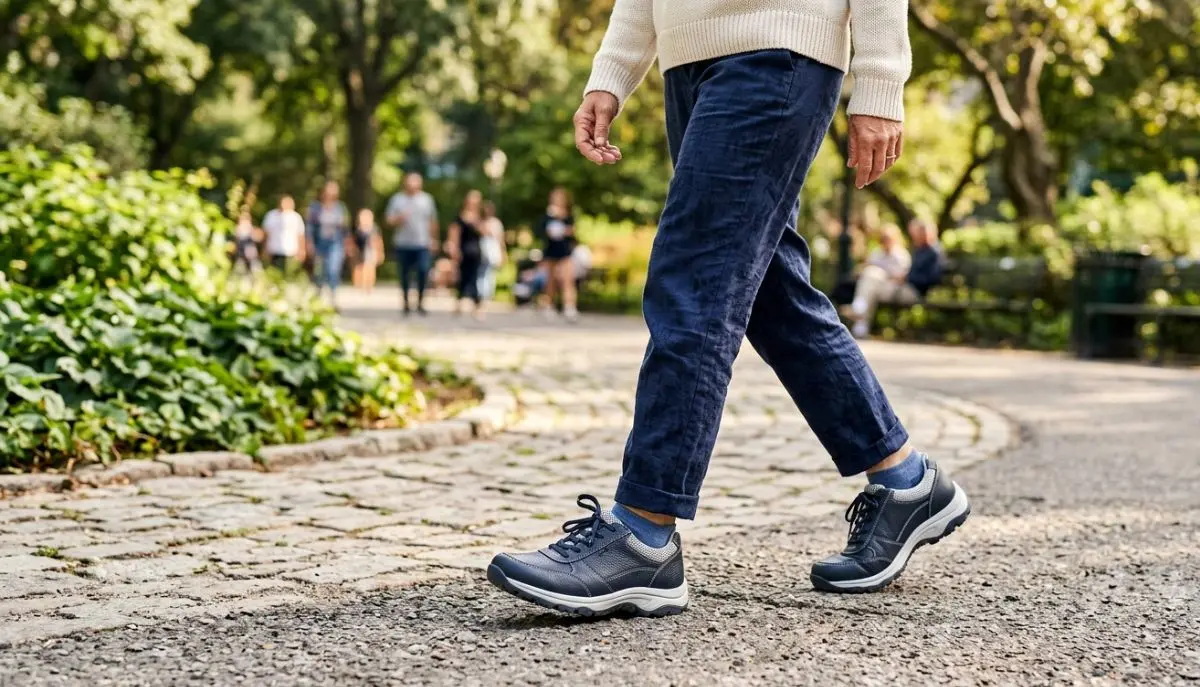
Living with diabetes is not just about managing blood sugar—it’s about protecting every step you take. For many people, something as simple as walking can become uncomfortable or even risky due to nerve damage, poor circulation, or foot sensitivity. This is where diabetic shoes make a real difference.
But the real question is: how do diabetic shoes work? And why are they so important for daily life?
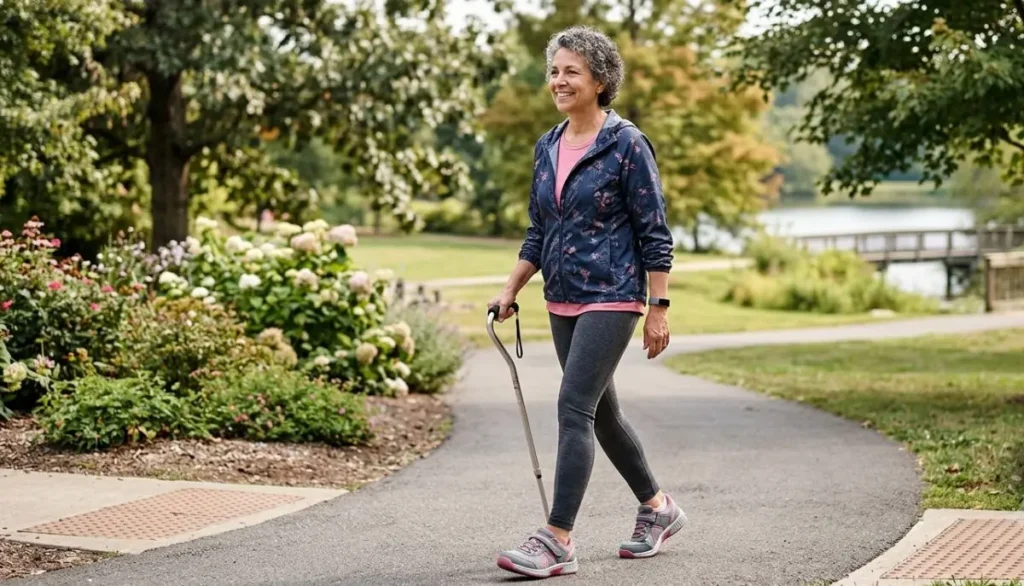
Let’s break it down in a simple, human way—no medical jargon overload, just clear understanding of how these shoes protect your feet and improve your comfort.
Understanding the Problem First: Why Regular Shoes Aren’t Enough
When people first hear about specialized footwear, one common thought comes up: “Why can’t I just wear regular shoes?” It feels like a simple question, but for someone living with diabetes, the answer is deeply personal.
To understand why diabetic shoes are effective, we must first understand what ordinary shoes fail to do. For sensitive feet, the wrong shoes are not merely uncomfortable; they can also silently pose long-term health risks.
This is where the importance of diabetic shoes work begins to make sense in everyday life.
When “Normal” Shoes Become a Hidden Problem
Regular shoes are designed for the average foot—not for feet affected by diabetes, nerve damage, or circulation issues.
At first glance, they look fine. They feel fine. But over time, small issues begin to appear:
- Tight pressure on certain areas
- Uneven weight distribution
- Hard internal stitching
- Limited toe space
- Lack of shock absorption
For most people, these problems are minor. But for someone with diabetes, these small discomforts can turn into serious complications.
This is exactly why understanding how diabetic shoes work is so important—they are designed to solve problems that regular shoes simply ignore.
Loss of Sensation: The Silent Risk
One of the biggest challenges in diabetes is neuropathy, or nerve damage.
This means a person may not feel:
- Small cuts
- Blisters forming
- Pressure points building up
- Heat or irritation inside the shoe
So imagine wearing a pair of regular shoes that are slightly tight or rubbing your skin. Most people would feel it immediately and adjust.
But someone with reduced sensation may not notice until damage has already happened.
This is one of the key reasons why diabetic shoes work so effectively—they are designed to prevent damage before you can feel it happening.
Pressure That Builds Slowly Over Time
Regular shoes often place uneven pressure on the foot without you realizing it.
For example:
- The heel may carry too much weight
- The ball of the foot may become overloaded
- Certain toes may be squeezed together
At first, nothing seems wrong. However, this pressure—persisting for hours, days, and weeks—can lead to these problems:
- Skin breakdown
- Calluses
- Ulcers
- Painful sores
This is where diabetic shoes work differently. They are engineered to distribute pressure evenly, reducing stress on high-risk areas.
Instead of forcing the foot to adjust to the shoe, the shoe adapts to the foot.
The Problem of Friction You Don’t Notice
Inside a regular shoe, there are seams, stitches, and rough surfaces. For most people, this is harmless.
But in diabetic feet, even slight friction can lead to:
- Blisters
- Skin irritation
- Open wounds
- Infection risks
And because healing is slower in diabetes, even a small blister can become a major medical issue.
This is why diabetic shoes work with seamless interiors and soft lining materials. They eliminate unnecessary rubbing and protect the skin from constant irritation.
Swelling and Changing Foot Shape
Another overlooked issue is foot swelling, which is common in people with diabetes.
Regular shoes:
- Do not adjust to swelling
- Often become tight during the day
- Can restrict blood flow
This creates discomfort and increases the risk of injury.
But diabetic shoes work by offering extra depth and flexible space. This allows the foot to expand naturally without pressure or restriction.
The difference may feel small, but for someone experiencing daily swelling, it can completely change comfort levels.
Circulation Problems Make Things Worse
Poor blood circulation is another complication of diabetes. When blood flow is reduced:
- Healing becomes slower
- Skin becomes more fragile
- Infection risks increase
Tight or rigid shoes make circulation even worse by compressing the foot.
This is where the design of diabetic footwear becomes essential. Understanding how diabetic shoes work helps explain why they avoid tight compression and instead promote gentle support and airflow-friendly structure.
They don’t fight against the foot—they support it.
Why Small Injuries Become Big Problems
In healthy individuals, a small blister or cut heals quickly.
But in diabetes:
- Healing is slower
- Infection risk is higher
- Minor injuries can worsen quickly
A simple rubbing point from a regular shoe can turn into:
- A chronic wound
- A foot ulcer
- A serious medical complication
This is the reality that many people don’t see until it happens.
That’s why diabetic shoes work as preventive protection rather than just comfort footwear. They aim to stop injuries before they start.
The Emotional Side: The Fear People Don’t Always Talk About
Beyond the physical issues, there is also an emotional weight.
Many people with diabetes quietly worry about:
- “What if I hurt my leg and I don’t know?”
- “If the condition of my legs worsens, will I lose my freedom?”
- “Is every step risky?”
Regular shoes don’t address these fears at all. They simply exist as footwear.
But when people understand how diabetic shoes work, there is often a sense of relief. Because these shoes are designed with protection in mind, not just appearance or style.
They bring confidence back into something as simple as walking to the kitchen or going outside.
Why Regular Shoes Fall Short Overall
To summarize the core issue, regular shoes fail because they:
- Don’t reduce pressure points
- Don’t protect sensitive skin
- Don’t support medical conditions
- Don’t adjust to foot changes
- Don’t prevent injury risk
They are made for general use—not medical protection.
This is the gap that diabetic footwear fills, and it explains why diabetic shoes work so effectively for people who need extra care.
So, How Do Diabetic Shoes Work?
At their core, diabetic shoes work by reducing pressure, preventing friction, and improving foot stability. Every feature is designed to protect sensitive feet from injury.
Let’s look at how each part works together.
1. Pressure Redistribution: The Most Important Function
One of the main ways diabetic shoes work is by spreading pressure evenly across the foot.
Instead of allowing weight to concentrate on one area (like the heel or ball of the foot), diabetic shoes:
- Cushion the entire foot surface
- Reduce “hot spots” where pressure builds up
- Support natural foot alignment
This helps prevent pressure ulcers and sores, which are common in diabetic patients.
In simple terms:
👉 Less pressure = fewer injuries = safer walking
2. Extra Depth Design for Swelling and Comfort
Diabetic shoes are built deeper than regular shoes.
Why does that matter?
People with diabetes often experience:
- Foot swelling throughout the day
- Changing foot shape over time
- Sensitivity to tight spaces
The extra depth allows:
- More room for movement
- Reduced compression on toes
- Space for custom orthotic inserts
So instead of squeezing the foot, diabetic shoes gently “hold” it in a safe, relaxed position.
3. Seamless Interior to Prevent Friction
One small seam inside a normal shoe might not bother most people—but for someone with diabetes, it can cause irritation, blisters, or even open wounds.
That’s why diabetic shoes work with:
- Smooth, seamless interiors
- Soft lining materials
- Carefully placed stitching outside pressure zones
This reduces friction, which is one of the biggest causes of foot injuries.
Think of it like this:
👉 No rubbing = no blisters = healthier skin
4. Wide Toe Box for Natural Movement
Another important feature is the wide toe box.
Diabetic shoes work by giving your toes space to:
- Spread naturally
- Avoid crowding or overlap
- Move comfortably during walking
This helps prevent conditions like:
- Hammertoes
- Corns
- Nail pressure injuries
A wide toe box may seem like a small detail, but it plays a huge role in long-term foot health.
5. Shock Absorption for Every Step
Walking creates impact force every time your foot hits the ground. For sensitive diabetic feet, that impact can cause pain or tissue damage.
Diabetic shoes work by using:
- Soft midsoles
- Shock-absorbing cushioning layers
- Flexible soles that reduce impact stress
This helps protect joints, bones, and soft tissue from repeated strain.
The result is simple:
👉 Walking feels smoother, lighter, and less painful
6. Better Blood Flow Support
Poor circulation is a common issue in diabetes. Tight or rigid shoes can make it worse.
Diabetic shoes work by:
- Avoiding tight compression points
- Allowing natural blood flow
- Supporting relaxed foot positioning
This helps reduce numbness and supports healthier tissue function over time.
Good circulation also helps with healing—something extremely important for diabetic foot care.
7. Stability and Balance Support
Many people with diabetes experience reduced sensation in their feet, making balance harder.
Diabetic shoes help by:
- Providing firm heel support
- Improving posture alignment
- Reducing the risk of slipping or twisting
This stability is especially important for older adults or those with neuropathy.
8. Compatibility with Custom Orthotics
Another key way diabetic shoes work is by supporting custom inserts.
Many patients use orthotics designed to:
- Correct foot alignment
- Reduce pressure points
- Support arch structure
Diabetic shoes are built with removable insoles and extra depth to fit these medical inserts comfortably.
The Emotional Side of Wearing Diabetic Shoes
When people talk about diabetic footwear, the conversation often stays technical—pressure relief, cushioning, support, and protection. But behind all of that, there’s something more personal that rarely gets spoken about.
Wearing diabetic shoes isn’t just a physical adjustment. It’s an emotional experience too.
For many people, it begins quietly—with concern, uncertainty, and sometimes even resistance. Over time, it can shift into comfort, acceptance, and even relief. Understanding this emotional journey helps explain why diabetic shoes work in more ways than just protecting the feet.
The First Feeling: Denial or Hesitation
At the beginning, many people don’t feel excited about the idea of diabetic shoes.
There’s often a thought like:
- “Do I really need special shoes?”
- “Are my feet that bad?”
- “I can still manage with normal footwear.”
This reaction is completely human. Shoes are personal—they’re tied to style, identity, and independence. The idea of switching to medical footwear can feel like losing something.
But this is also where the importance of understanding how diabetic shoes work begins to matter. They are not about limitation—they are about protection.
Fear Beneath the Surface
For many people living with diabetes, there is a quiet, ongoing fear they don’t always express out loud.
It might sound like:
- Fear of unnoticed injuries
- Fear of slow-healing wounds
- Fear of losing mobility over time
- Fear of complications that start with something “small”
Regular shoes don’t address these worries. They simply cover the feet and go on.
But diabetic shoes work differently. They are designed to reduce those risks before they happen. And emotionally, that can bring a sense of reassurance that is just as important as physical comfort.
This is one of the reasons diabetic shoes work beyond the physical level—they help reduce anxiety tied to movement and walking.
The Transition: Getting Used to Something New
The first few days of wearing diabetic shoes can feel unfamiliar.
They may feel:
- Different in shape
- Softer or more padded than expected
- Wider than regular shoes
- “Too protective” at first
During this stage, some people question whether they are necessary. But slowly, the body adjusts—and so does the mind.
What once felt unusual starts to feel supportive. This is where the functional design of diabetic footwear begins to prove itself, reinforcing how diabetic shoes work not just physically, but through gradual emotional acceptance.
The Hidden Relief No One Talks About
After some time, something important happens: relief begins to replace worry.
It doesn’t always happen loudly. It’s subtle.
- Walking feels less stressful
- There’s less checking of feet throughout the day
- Movement feels safer
- Daily routines become easier
For someone who has spent time worrying about foot health, this relief can be powerful.
This is where people begin to realize that diabetic shoes work not just by protecting skin and bones—but by easing mental pressure too.
Regaining Confidence in Everyday Life
Confidence doesn’t always come from big moments. Sometimes it comes from small ones:
- Walking to the mailbox without concern
- Standing longer while cooking
- Going out without overthinking every step
- Moving without constant foot awareness
These small moments rebuild independence.
And independence is deeply emotional.
When people feel safe in their footwear, they start moving more freely again. That’s a quiet but meaningful part of how diabetic shoes work—they help restore trust in your own steps.
Letting Go of “Normal” Expectations
One of the emotional challenges is accepting that “regular shoes” may no longer be the safest option.
This can feel like a shift in identity:
- From “I wear whatever I like”
- To “I need shoes that protect my health”
That adjustment takes time.
But over time, many people realize something important: comfort and safety are not limitations—they are priorities.
And once that mindset shifts, understanding how diabetic shoes work becomes less about restriction and more about self-care.
Feeling Seen and Supported
There’s also an emotional comfort in knowing that diabetic shoes exist for a reason.
They send a message:
- Your condition matters
- Your mobility matters
- Your comfort matters
That recognition is powerful.
It helps people feel supported rather than overlooked. And that emotional support is part of why diabetic shoes work so effectively—they acknowledge the real challenges people face every day.
The Quiet Confidence of Protection
Eventually, diabetic shoes stop feeling “special.” They simply become part of daily life.
And at that point, something changes:
- Worry decreases
- Movement feels natural again
- Foot care becomes less stressful
- Confidence quietly returns
This is the stage where protection becomes invisible—but meaningful.
It’s not about thinking about shoes all the time. It’s about not having to think about them at all.
That is one of the deepest ways diabetic shoes work—they fade into the background while doing their job quietly and consistently.
Who Should Use Diabetic Shoes?
Not everyone considers footwear a component of healthcare, but for certain individuals, shoes are more than just comfort—they provide protection, help prevent complications, and offer essential daily support.
So the question is simple: who should use diabetic shoes?
The answer is important because diabetic footwear is not just for “severe cases.” It is designed for people who need extra protection long before serious problems appear. And this is exactly where understanding how diabetic shoes work becomes meaningful in everyday life.

People Living With Diabetes (With or Without Symptoms)
The most obvious group consists of people who have diabetes.
But here’s something many don’t realize:
You don’t need to have visible foot problems to benefit from diabetic shoes.
Even early-stage diabetes can lead to:
- Reduced circulation
- Mild nerve sensitivity changes
- Slight swelling
- Slower healing
This is why doctors often recommend protective footwear early.
Diabetic shoes work by reducing pressure, preventing friction, and protecting sensitive areas before damage occurs.
👉 So yes—anyone with diabetes can benefit, even if their feet “feel fine.”
People With Diabetic Neuropathy (Nerve Damage)
Neuropathy is one of the biggest reasons diabetic shoes are recommended.
When nerve damage occurs:
- Pain signals become weak or disappear
- Injuries may go unnoticed
- Pressure points are not felt
This creates a hidden risk.
A small blister or cut can go unnoticed until it becomes serious.
This is where diabetic shoes work as a protective barrier. They reduce the chance of injury in the first place because relying on sensation is no longer safe.
People With Poor Blood Circulation
Good circulation is essential for healthy feet. But diabetes and other conditions can reduce blood flow to the lower limbs.
This leads to:
- Cold feet
- Slow healing wounds
- Higher risk of infection
Tight or rigid shoes can make circulation worse.
Diabetic shoes are designed to:
- Avoid compression
- Support natural blood flow
- Reduce pressure buildup
👉 If blood circulation is poor, diabetic shoes become essential not just for comfort, but for protection.
People With Foot Deformities or Structural Changes
Over time, diabetes can lead to changes in foot shape such as:
- Bunions
- Hammertoes
- Swelling
- Uneven pressure distribution
Regular shoes often fail to fit these changes properly.
But diabetic shoes work by offering:
- Extra depth
- Wider toe boxes
- Flexible internal space
- Room for custom orthotics
This helps reduce friction and prevents further damage.
People With a History of Foot Ulcers or Wounds
Anyone who has previously experienced:
- Foot ulcers
- Open sores
- Repeated infections
is at higher risk of recurrence.
Even after healing, the area remains sensitive.
Diabetic shoes help by:
- Reducing pressure on healed areas
- Preventing re-injury
- Supporting safe movement
👉 In these cases, diabetic shoes are often part of long-term care.
Older Adults With Reduced Foot Sensitivity
As people age, foot sensitivity and balance often decline—even without diabetes.
This can lead to:
- Unsteady walking
- Increased fall risk
- Difficulty sensing pressure or discomfort
Diabetic shoes provide:
- Better stability
- Shock absorption
- Safer walking support
So even older adults with mild sensitivity issues may benefit from them.
People With Swollen or Changing Foot Size
Some individuals experience daily or frequent swelling due to:
- Diabetes
- Circulatory issues
- Long hours of standing
- Medical conditions affecting fluid retention
Standard shoes can feel tight and uncomfortable as the day goes on.
Diabetic shoes work by providing:
- Extra depth
- Flexible fit
- Reduced pressure on swollen areas
👉 This makes them suitable for anyone whose foot size changes throughout the day.
People Using Custom Orthotics
If someone uses medical insoles or orthotic inserts, they often need shoes designed to accommodate them properly.
Diabetic shoes:
- Fit orthotics comfortably
- Provide enough internal space
- Maintain proper alignment
This improves posture and reduces uneven pressure.
People Focused on Preventive Foot Health
One of the most overlooked groups is people who simply want to prevent future problems.
This includes individuals who:
- Are newly diagnosed
- Have mild symptoms
- Want to reduce long-term risks
- Have family history of foot complications
In prevention, diabetic shoes work like daily protection—not treatment after damage occurs.
The Emotional Reality Behind the Choice
Choosing diabetic shoes is not just a medical decision—it is often an emotional one.
Some people worry:
- “Do I really need this?”
- “Is my condition serious enough?”
- “Will it feel different from normal shoes?”
But over time, many realize something important:
It’s not about severity—it’s about safety.
And once that understanding settles in, the purpose of how diabetic shoes work becomes clearer: they are designed to make walking safer, not more complicated.
Final Thoughts: How Do Diabetic Shoes Work
When we think about footwear, most people focus on style, comfort, or durability. But for individuals living with diabetes, shoes carry a much deeper meaning. They are not just part of an outfit—they are part of daily health protection. This is where understanding how diabetic shoes work becomes essential, because their purpose goes far beyond ordinary footwear.
Diabetic shoes are designed to protect feet that may be vulnerable due to reduced sensation, poor circulation, swelling, or long-term complications of diabetes. What makes them truly important is not just what they look like, but how they function in preventing problems before they start. Unlike regular shoes, which are made for general comfort, diabetic footwear is built with medical awareness in mind. Every detail—from cushioning to interior design—is intentional and protective.
At the heart of their purpose, diabetic shoes work by reducing pressure on sensitive areas of the foot. In everyday life, even normal walking creates repeated pressure on heels, toes, and the ball of the foot. For someone with diabetes, this pressure can lead to serious issues like calluses, ulcers, or unnoticed injuries. Diabetic shoes distribute weight more evenly, eliminating areas of high pressure and reducing the risk of damage over time.
Another important aspect of how diabetic shoes work is friction control. Inside regular shoes, seams, stitching, or tight areas can rub against the skin. For most people, this may cause minor discomfort. But for diabetic feet—especially those with neuropathy, where sensation is reduced—this friction can go unnoticed until a wound forms. Diabetic shoes use seamless interiors, soft linings, and carefully designed structures to prevent rubbing and protect the skin from irritation.
FAQ: How Do Diabetic Shoes Work?
1. How do diabetic shoes work?
Diabetic shoes work by reducing pressure, friction, and stress on the feet. They are specially designed with extra depth, soft interiors, and supportive cushioning to help protect sensitive feet from injuries that may go unnoticed due to reduced sensation.
2. Why are diabetic shoes important for people with diabetes?
People with diabetes may experience nerve damage (neuropathy) and poor circulation, making their feet more vulnerable to cuts, blisters, and ulcers. Diabetic shoes work as a protective barrier, helping to prevent small problems from becoming serious complications.
3. How do diabetic shoes work to prevent foot ulcers?
One of the main ways diabetic shoes work is by evenly distributing body weight across the foot. This reduces pressure points that can lead to skin breakdown, irritation, and foot ulcers over time.
4. Do diabetic shoes improve comfort?
Yes. Many people are surprised by how comfortable they feel. Diabetic shoes work by providing extra cushioning and support that help reduce foot fatigue, making everyday activities like walking, shopping, or working much more comfortable.
5. Can diabetic shoes help people with neuropathy?
Absolutely. Since neuropathy can reduce feeling in the feet, injuries may go unnoticed. Diabetic shoes work by minimizing rubbing, pressure, and irritation that could otherwise cause wounds or infections.
6. What features make diabetic shoes different from regular shoes?
Several special features explain how diabetic shoes work, including:
- Extra-depth construction
- Wide toe boxes
- Soft, seamless interiors
- Shock-absorbing soles
- Adjustable closures
- Removable inserts for custom orthotics
These features work together to protect and support the feet throughout the day.
7. Do diabetic shoes help with foot swelling?
Yes. Many diabetic shoes are designed with adjustable straps or laces and extra room inside. This means diabetic shoes work well for people whose feet swell during the day, providing comfort without creating painful pressure.
8. Can diabetic shoes improve blood circulation?
While they do not directly treat circulation problems, diabetic shoes work by avoiding tight pressure on the feet and allowing natural movement. This can help create a healthier environment for overall foot comfort and circulation.
9. Are diabetic shoes only for severe diabetes?
No. Diabetic shoes work for people at different stages of diabetes. Whether someone has mild symptoms or advanced foot concerns, these shoes can provide valuable protection and support.
10. Do I need special inserts with diabetic shoes?
In many cases, yes. Custom or diabetic inserts can enhance how diabetic shoes work by offering additional cushioning, pressure relief, and personalized support based on your foot shape and needs.
11. Can diabetic shoes help people stay active?
Definitely. When feet feel comfortable and protected, people are often more confident about walking, exercising, traveling, and participating in daily activities. Diabetic shoes work not only to protect the feet but also to support a more active lifestyle.
12. How quickly will I notice the benefits of diabetic shoes?
Many people notice improved comfort immediately. Over time, diabetic shoes work to reduce pressure, prevent injuries, and support healthier feet, helping individuals feel more secure with every step they take.
13. Can anyone wear diabetic shoes?
Yes. Although they are designed for people with diabetes, many people appreciate the comfort and support they provide. The reason diabetic shoes work so well is that their design focuses on reducing pressure and improving overall foot comfort.
14. What is the biggest reason diabetic shoes work so well?
The biggest reason diabetic shoes work is that they focus on prevention. They protect vulnerable feet before problems develop. For many people, they’re more than footwear—they’re a source of confidence, independence, and peace of mind, helping them move through life with greater comfort and less worry.