


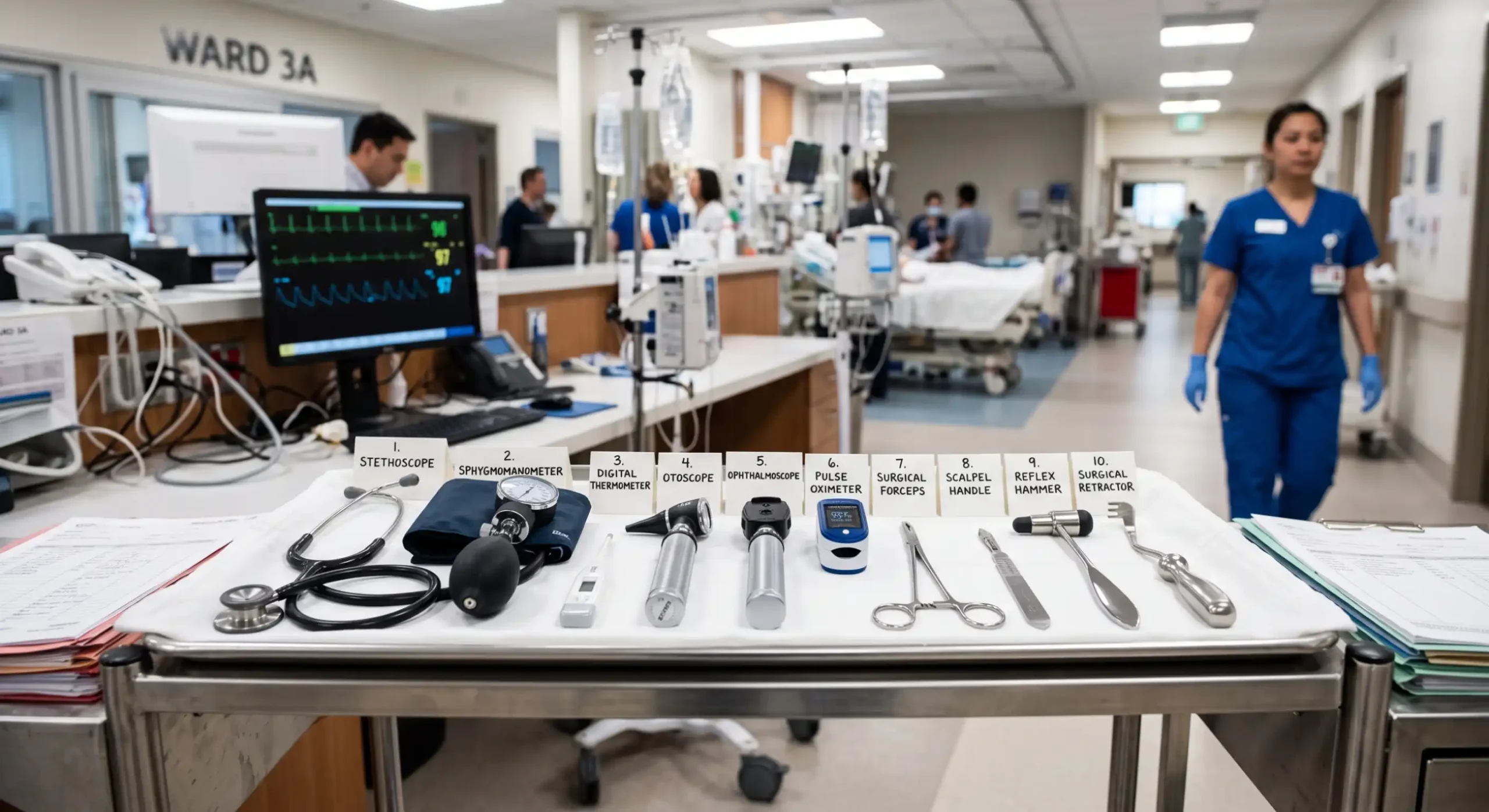
What are the 10 instruments used in the hospital
Hospitals rely on a wide variety of medical instruments to diagnose illnesses, monitor patients, perform treatments, and save lives every day. Whether you are visiting a healthcare facility for a routine checkup or undergoing surgery, dozens of specialized instruments work together to ensure accurate diagnosis and effective patient care.
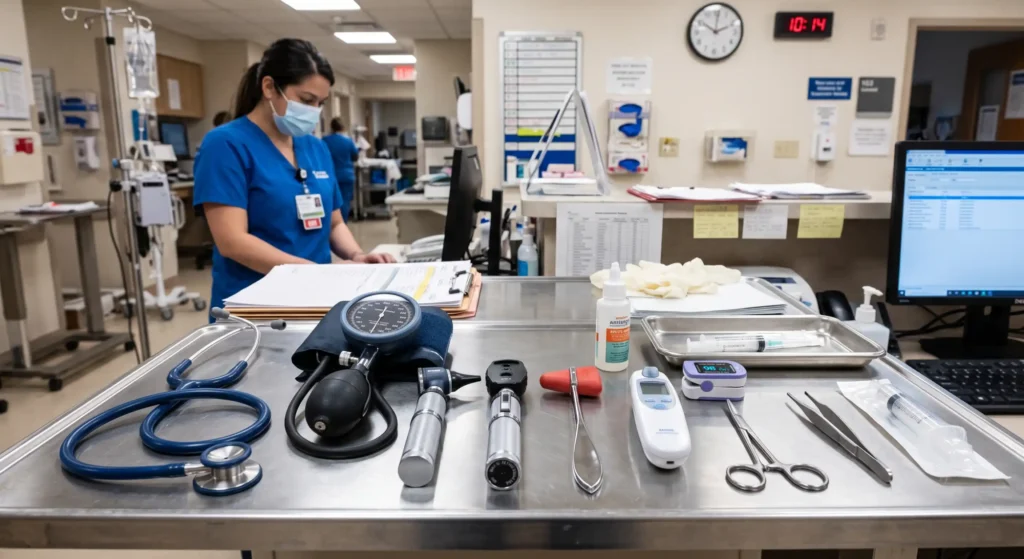
If you’ve ever wondered, what are the 10 instruments used in the hospital? This guide explains the most common hospital instruments, their functions, and why they are essential in modern healthcare. At Alfa Healthcare Supply Inc., we understand the importance of dependable medical equipment and quality healthcare supplies for hospitals, clinics, and home care providers across New York.
Why Hospital Instruments Are Important
Hospital instruments are the backbone of modern healthcare. Every diagnosis, treatment, monitoring process, and emergency response depends on precise, reliable medical tools. Without them, healthcare professionals would not be able to deliver safe, accurate, and timely care to patients.
When we talk about why hospital instruments are important, we are really talking about how lives are saved, diseases are detected early, and treatment becomes more effective through the use of advanced medical equipment.
1. Accurate Diagnosis of Diseases
One of the most important roles of hospital instruments is helping doctors identify illnesses correctly.
Tools like:
- Stethoscopes
- ECG machines
- Ultrasound systems
- Thermometers
allow healthcare providers to detect abnormal signs in the body early.
Accurate diagnosis is the first step toward effective treatment. Without proper instruments, many conditions would go unnoticed until they become severe.
2. Continuous Patient Monitoring
In hospitals, patient conditions can change quickly. That is why continuous monitoring is essential.
Instruments such as:
- Patient monitors
- Pulse oximeters
- Blood pressure monitors
help track vital signs like heart rate, oxygen levels, temperature, and blood pressure in real time.
This allows doctors and nurses to respond immediately if something goes wrong, especially in critical care units.
3. Safe and Effective Treatment
Hospital instruments also ensure that treatments are delivered safely and correctly.
For example:
- Infusion pumps deliver the exact dose of medication
- Ventilators support breathing in critically ill patients
- Defibrillators restore normal heart rhythm during emergencies
These tools reduce human error and improve treatment outcomes.
4. Early Detection and Prevention
Many serious diseases can be managed or cured if detected early. Hospital instruments make early detection possible.
Examples include:
- Blood pressure monitors detecting hypertension
- Glucose monitors identifying diabetes
- ECG machines detecting heart problems
Early detection helps prevent complications and reduces long-term health risks.
5. Life-Saving Emergency Care
In emergencies, every second matters. Hospital instruments are designed to respond quickly in life-threatening situations.
Critical tools include:
- Defibrillators for cardiac arrest
- Ventilators for respiratory failure
- Suction machines for airway management
These instruments often make the difference between life and death.
6. Infection Control and Patient Safety
Hospital instruments also help maintain hygiene and prevent infections.
Sterilization tools, surgical instruments, and disposable medical supplies ensure that procedures are safe and contamination-free.
This is especially important in surgeries, wound care, and intensive care environments.
7. Supporting Medical Procedures and Surgery
Surgeries and medical procedures require precision and control. Instruments such as:
- Scalpels
- Forceps
- Surgical scissors
- Anesthesia machines
allow surgeons to perform complex procedures safely and effectively.
Without these tools, modern surgical success would not be possible.
8. Improving Patient Recovery and Comfort
Hospital instruments not only treat diseases but also improve patient comfort and recovery.
Examples include:
- Hospital beds that adjust positioning
- Oxygen therapy equipment
- Mobility aids
- Monitoring devices for safe recovery
These tools help patients heal faster and with less discomfort.
9. Reducing Human Error in Healthcare
Medical errors can have serious consequences. Hospital instruments help reduce these risks by providing precise readings and controlled operations.
Digital devices and automated systems ensure:
- Accurate dosage delivery
- Reliable vital sign readings
- Consistent treatment support
This improves overall healthcare safety.
10. Enhancing Healthcare Efficiency
Hospitals handle many patients every day. Instruments help streamline workflows and improve efficiency.
With modern medical equipment:
- Doctors can diagnose faster
- Nurses can monitor more patients effectively
- Treatments can be delivered without delay
This leads to better hospital performance and improved patient care.
What are the 10 Instruments Used in the Hospital?
Below are ten of the most commonly used hospital instruments and their primary uses.
1. Stethoscope
The stethoscope is one of the most recognizable medical instruments worldwide. Doctors, nurses, and other healthcare professionals use it daily.
Uses
- Listening to heart sounds
- Checking lung function
- Monitoring bowel sounds
- Measuring blood pressure with a manual cuff
Why It’s Important
A stethoscope helps clinicians detect abnormal heartbeats, breathing problems, and other health conditions quickly.
2. Blood Pressure Monitor (Sphygmomanometer)
Blood pressure monitoring is a routine part of every hospital visit.
Uses
- Measuring systolic and diastolic blood pressure
- Monitoring hypertension
- Evaluating cardiovascular health
Common Types
- Manual blood pressure cuffs
- Digital blood pressure monitors
- Automatic hospital monitors
Regular blood pressure monitoring helps detect serious cardiovascular conditions before complications develop.
3. Thermometer
Body temperature provides valuable information about a patient’s health.
Uses
- Detecting fever
- Monitoring infections
- Tracking patient recovery
Hospital Thermometer Types
- Digital thermometers
- Infrared thermometers
- Tympanic (ear) thermometers
- Temporal artery thermometers
Hospitals rely on accurate temperature readings to assess infections and overall patient condition.
4. Pulse Oximeter
A pulse oximeter measures oxygen saturation in the bloodstream.
Uses
- Monitoring oxygen levels
- Assessing respiratory conditions
- Evaluating patients during surgery
- Monitoring chronic lung diseases
This small device became especially important during respiratory illnesses and remains a standard monitoring tool in hospitals.
5. Electrocardiogram (ECG/EKG) Machine
An ECG machine records the heart’s electrical activity.
Uses
- Detecting irregular heart rhythms
- Diagnosing heart attacks
- Monitoring cardiac patients
- Evaluating chest pain
Hospitals frequently use ECG machines in emergency rooms, intensive care units, and cardiology departments.
6. Defibrillator
A defibrillator delivers controlled electrical shocks to restore a normal heart rhythm during cardiac emergencies.
Uses
- Treating sudden cardiac arrest
- Correcting life-threatening arrhythmias
- Emergency resuscitation
Defibrillators are standard equipment in emergency departments, ambulances, and intensive care units.
7. Patient Monitor
Patient monitors continuously display vital signs in real time.
Common Measurements
- Heart rate
- Blood pressure
- Oxygen saturation
- Respiratory rate
- Temperature
Healthcare teams rely on these monitors to identify changes in a patient’s condition quickly.
8. Infusion Pump
Infusion pumps deliver medications and fluids with precise control.
Uses
- IV medications
- Antibiotics
- Chemotherapy
- Nutrition therapy
- Pain management
Accurate dosing helps improve treatment safety and effectiveness.
9. Ventilator
A ventilator supports or replaces natural breathing when patients cannot breathe adequately on their own.
Uses
- Intensive care treatment
- Surgical anesthesia support
- Respiratory failure
- Severe lung disease
Mechanical ventilators are among the most critical pieces of equipment in modern hospitals.
10. Ultrasound Machine
Ultrasound machines create images of internal organs using sound waves.
Uses
- Pregnancy monitoring
- Diagnosing abdominal conditions
- Cardiac imaging
- Emergency evaluations
- Guided medical procedures
Unlike X-rays, ultrasound imaging does not use ionizing radiation, making it suitable for many diagnostic applications.
Additional Instruments Frequently Found in Hospitals
Beyond these ten essential instruments, hospitals also use:
- X-ray machines
- MRI scanners
- CT scanners
- Surgical scissors
- Forceps
- Scalpels
- Anesthesia machines
- Sterilizers (autoclaves)
- Nebulizers
- Glucose monitors
- Wheelchairs
- Hospital beds
- Suction machines
- Oxygen concentrators
Each instrument serves a unique role in diagnosis, treatment, patient comfort, or infection control.
How Hospitals Choose Medical Instruments
Choosing medical instruments is one of the most critical decisions a hospital makes. These tools directly impact patient safety, diagnostic accuracy, treatment success, and overall healthcare quality. Because of this, hospitals follow a strict evaluation process before selecting any medical equipment.
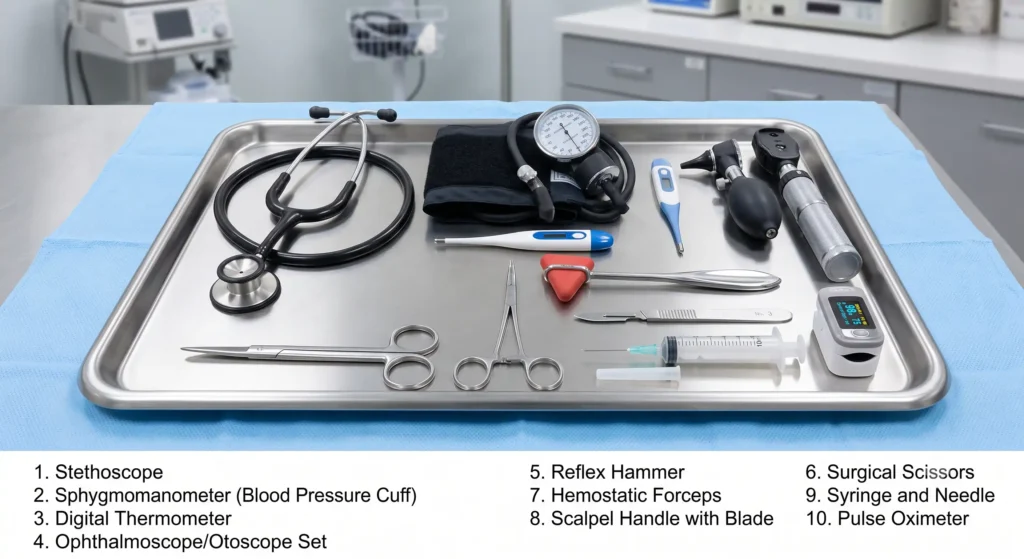
Understanding how hospitals choose medical instruments helps patients, caregivers, and healthcare providers appreciate the level of care and responsibility involved in building a safe medical environment.
1. Patient Safety Comes First
The most important factor in selecting hospital instruments is patient safety.
Hospitals carefully evaluate whether a device:
- Is safe for repeated clinical use
- Minimizes risk of infection or injury
- Meets safety certifications and regulatory standards
- Performs consistently without malfunction
Any equipment that poses risk to patients or staff is immediately rejected, regardless of cost or features.
2. Regulatory Compliance and Certifications
Medical instruments must comply with strict healthcare regulations.
Hospitals only choose equipment that is approved by authorities such as:
- FDA (Food and Drug Administration)
- CE (Conformité Européenne) certification (for global standards)
- Other national healthcare regulatory bodies
These certifications ensure the device has been tested for safety, accuracy, and reliability.
3. Accuracy and Clinical Performance
Accuracy is essential in healthcare. A small error in measurement can lead to incorrect diagnosis or treatment.
Hospitals evaluate:
- Precision of readings (e.g., blood pressure, oxygen levels)
- Diagnostic reliability
- Consistency of performance over time
- Clinical validation studies
Instruments like ECG machines, ultrasound systems, and patient monitors must deliver highly accurate results every time.
4. Durability and Long-Term Reliability
Hospital equipment is used constantly, often 24/7. Because of this, durability is a major consideration.
Hospitals look for instruments that:
- Withstand heavy daily use
- Require minimal maintenance
- Have a long operational lifespan
- Perform reliably in emergency conditions
Durable equipment reduces downtime and replacement costs.
5. Ease of Use for Healthcare Staff
Medical staff work in fast-paced environments, especially in emergency rooms and ICUs. Equipment must be simple and efficient to use.
Hospitals prefer instruments that:
- Have intuitive controls
- Require minimal training
- Provide clear digital displays
- Reduce the chance of human error
User-friendly design helps improve workflow efficiency and patient care.
6. Cost-Effectiveness and Budget Planning
While quality is the top priority, hospitals must also manage budgets carefully.
They consider:
- Initial purchase cost
- Maintenance and repair expenses
- Replacement parts availability
- Long-term operational costs
The goal is to balance affordability with performance and safety—not simply choose the cheapest option.
7. Maintenance and Technical Support
Reliable after-sales support is essential when selecting medical instruments.
Hospitals evaluate:
- Availability of technical support
- Speed of repairs and servicing
- Warranty coverage
- Availability of spare parts
Equipment with strong manufacturer support is preferred because it reduces downtime and operational risk.
8. Compatibility With Existing Systems
Modern hospitals use interconnected digital systems. New instruments must integrate smoothly with existing infrastructure.
Hospitals check whether equipment can:
- Connect with electronic health records (EHR)
- Share patient data across departments
- Work with existing monitoring systems
- Support hospital IT infrastructure
Compatibility improves efficiency and reduces data errors.
9. Infection Control and Hygiene Standards
Instruments must support strict infection control protocols.
Hospitals prefer equipment that:
- Is easy to clean and sterilize
- Uses disposable or sterile components where needed
- Reduces cross-contamination risks
- Meets hospital hygiene standards
This is especially important in surgical and intensive care environments.
10. Reputation of Manufacturer or Supplier
Hospitals rely heavily on trusted medical equipment suppliers.
They evaluate:
- Company reputation in the healthcare industry
- Track record of product quality
- Reviews from other healthcare providers
- Experience in the medical field
Trusted suppliers like Alfa Healthcare Supply Inc. play an important role in providing reliable durable medical equipment that supports hospitals, clinics, and home healthcare providers.
Why Quality Medical Equipment Matters
Using high-quality hospital instruments helps:
- Improve diagnostic accuracy
- Reduce medical errors
- Enhance patient safety
- Support faster treatment decisions
- Increase healthcare efficiency
- Improve patient satisfaction
Reliable instruments also reduce downtime and maintenance costs while ensuring consistent performance.
Why Choose Alfa Healthcare Supply Inc.?
At Alfa Healthcare Supply Inc., we are committed to providing dependable durable medical equipment (DME) and healthcare supplies throughout New York. Whether you are a patient, caregiver, healthcare provider, or medical practice, we offer products designed to support quality care and improve everyday health.
Our product selection includes:
- CPAP machines
- Continuous glucose monitors
- Compression stockings
- Diabetic shoes
- Mobility aids
- Home medical equipment
- Daily healthcare supplies
We proudly serve patients across Queens, Brooklyn, the Bronx, Long Island, Westchester, and throughout New York State with knowledgeable support, quality products, insurance assistance, and fast delivery.
Final Thoughts
Understanding what are the 10 instruments used in the hospital helps patients appreciate the technology and expertise behind modern healthcare. From routine examinations to life-saving emergency care, these essential instruments support accurate diagnosis, continuous monitoring, and effective treatment.
Choosing dependable medical equipment is essential for healthcare providers and patients alike. At Alfa Healthcare Supply Inc., we remain dedicated to supplying trusted durable medical equipment and healthcare solutions that promote safer care, greater comfort, and improved outcomes for individuals and families across New York.
Frequently Asked Questions (FAQs)
1. What are the 10 instruments used in the hospital?
The 10 commonly used hospital instruments include a stethoscope, blood pressure monitor, thermometer, pulse oximeter, ECG machine, defibrillator, patient monitor, infusion pump, ventilator, and ultrasound machine. These tools are essential for diagnosis, monitoring, and treatment.
2. Why are hospital instruments important in healthcare?
Hospital instruments are important because they help doctors diagnose diseases accurately, monitor patient conditions, deliver treatments safely, and respond quickly in emergencies. They are essential for saving lives and improving patient outcomes.
3. Which hospital instrument is used for checking heart problems?
Doctors commonly use a stethoscope to listen to heart sounds and an ECG (Electrocardiogram) machine to measure the heart’s electrical activity and detect abnormalities such as arrhythmias or heart attacks.
4. What instrument is used to measure oxygen levels in patients?
A pulse oximeter is used to measure oxygen saturation (SpO₂) in the blood. It is a quick, painless, and non-invasive device commonly used in hospitals and clinics.
5. What hospital instrument is used in emergencies?
In emergencies, hospitals use defibrillators, ventilators, patient monitors, and infusion pumps. These instruments help stabilize patients and support life-saving treatment during critical situations.
6. How do hospitals choose medical instruments?
Hospitals choose medical instruments based on safety, accuracy, durability, regulatory approval, ease of use, cost-effectiveness, maintenance support, and compatibility with existing hospital systems.
7. What is the difference between hospital instruments and medical equipment?
Hospital instruments are typically smaller tools used for examination and procedures (like stethoscopes or scalpels), while medical equipment refers to larger, more complex machines like ventilators, ECG machines, and ultrasound systems.
8. Are hospital instruments reused?
Some hospital instruments are reusable and must be properly sterilized after each use, while others are single-use disposable items designed to prevent infection and ensure patient safety.
9. Why is accuracy important in hospital instruments?
Accuracy is critical because even small errors in readings can lead to incorrect diagnosis or treatment. Accurate instruments ensure patient safety and improve clinical outcomes.
10. Where can healthcare providers get reliable hospital instruments?
Healthcare providers can obtain reliable medical instruments from trusted suppliers like Alfa Healthcare Supply Inc., which provides durable medical equipment and healthcare supplies for hospitals, clinics, and home care across New York.