


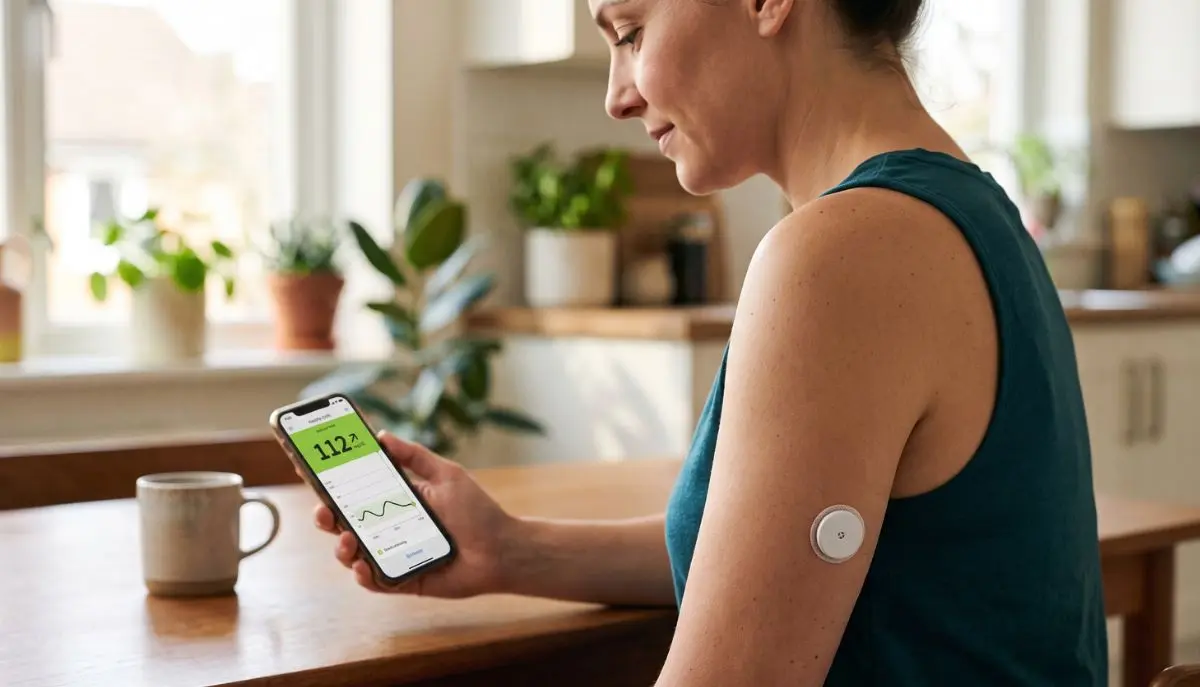
FreeStyle Libre 3 Features
Maintaining diabetes can involve frequent blood sugar monitoring and keeping an eye on the effects of food intake, physical activity, medication, stress and lifestyle. Many people would prefer a more convenient way to monitor their glucose levels during the day, and traditional blood glucose testing can be helpful.
CGM technology can come to your aid.
The FreeStyle Libre 3 is Abbott’s new CGM system that delivers continuous glucose data via a small wearer sensor. The greatest benefit is that the system will automatically push glucose results to a compatible smartphone, so users don’t need to scan the sensor over and over again to view glucose information. Abbott says the system gives readings “every minute.
Alfa Healthcare Supply Inc. sheds light on the essential features of a freestyle libre 3, its operation, and the crucial considerations for selecting this glucose monitoring system.
What Is the FreeStyle Libre 3?
The FreeStyle Libre 3 is a continuous glucose monitoring system (CGM), which is a small sensor worn on the body that continuously monitors glucose levels. CGM technology collects data constantly, rather than just occasionally, and gives the user information about the changes and patterns in glucose.
The FreeStyle Libre 3 sensor has been designed to be small and discreet with ease of wear. Abbott says that in the original FreeStyle Libre 3 system the sensor can be worn for up to 14 days.
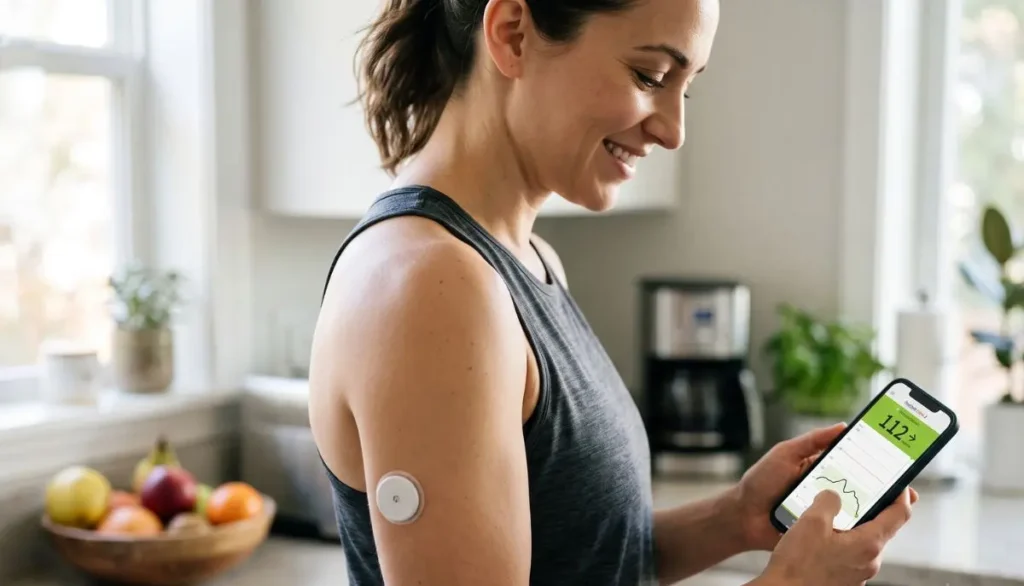
Information about glucose can be automatically transmitted to a compatible smartphone via the system. This allows users to monitor glucose levels and trends throughout the day, with ease.
A small sensor and a continuous reading are options which can be a big deal to anyone studying the features of freestyle libre 3, plus a possibility to link to a smartphone.
Key FreeStyle Libre 3 Features
There are several freestyle libre 3 features that make the system different from traditional blood glucose monitoring.
1. Continuous Glucose Monitoring
The most prominent feature is the continuous glucose monitoring.
The sensor in the FreeStyle Libre 3 continuously measures glucose and offers readings every minute. This can provide users with a significantly better understanding of glucose fluctuations than just at certain points throughout the day.
For example, a person may notice that their glucose changes after:
- Eating a meal
- Exercising
- Taking medication
- Sleeping
- Experiencing stress
- Changing their normal routine
Seeing these patterns can help users have more informed conversations with their healthcare professionals.
2. Automatic Smartphone Readings
One more advantage is automatic glucose data transmission.
The system will communicate glucose readings directly to a compatible smartphone without the user having to scan the sensor to get the readings. FreeStyle Libre 3 is Abbott’s newest device, which offers minute-by-minute readings via a compatible smartphone, Abbott explains.
This can help daily glucose monitoring be more convenient.
You don’t have to pause your activity to scan a sensor – just open the compatible app and check for glucose data.
But, there is a problem with smartphones, though. Users are advised to refer to Abbott’s compatibility data to verify that the system will be compatible with each user’s smartphone and operating system prior to use.
3. Small and Discreet Sensor
One of the most recognized freestyle libre 3 features is the small sensor design.
Abbott describes the FreeStyle Libre 3 sensor as approximately the size of two stacked U.S. pennies and among its smallest and thinnest CGM sensors.
A discreet design can be helpful for people who want glucose monitoring to fit naturally into their daily routine.
Whether you are working, exercising, traveling, or spending time with family, a smaller wearable sensor may feel less noticeable.
4. Up to 14 Days of Sensor Wear
The original FreeStyle Libre 3 system is designed for up to 14 days of sensor wear.
Longer sensor wear means users do not have to replace the sensor every few days.
Before using any sensor, however, users should follow the instructions supplied with their specific product and check the current labeling for their market.
It is also important not to confuse the original FreeStyle Libre 3 with the newer FreeStyle Libre 3 Plus sensor. Abbott’s current support information identifies the FreeStyle Libre 3 Plus as a newer option with extended wear of up to 15 days.
5. Optional Glucose Alarms
Customizable glucose alerts is another handy feature.
Depending on the system configuration and applicable labeling, the user may have the option to get an alarm when glucose levels start dropping or when the level is too high, or when there is a signal loss.
These alerts can be particularly beneficial as glucose levels can fluctuate during activities such as sleep, exercise, work, and other activities.
An alarm may help to alert the person to a possible glucose problem and allow them to follow their diabetes care plan.
Alarms should be set based on the user’s healthcare provider’s instructions and the device instructions.
6. Signal Loss Alerts
The FreeStyle Libre 3 can also provide a signal-loss alert.
This is important because a CGM depends on communication between the sensor and the compatible reading device. If communication is interrupted, the alert can notify the user.
Abbott’s healthcare professional information describes optional signal-loss alarms and explains that the system is designed to maintain connectivity between the sensor and smartphone within its specified range.
Keeping Bluetooth and required notifications enabled is important when using a compatible smartphone.
7. Glucose Trends and History
A single glucose number only tells part of the story.
One of the helpful freestyle libre 3 features is the ability to view glucose information over time. This allows users to look beyond an individual reading and identify patterns.
For example, you may notice that glucose tends to rise after a particular meal or change during physical activity.
Reviewing trends can help users and healthcare professionals better understand what may be happening throughout the day.
The FreeStyle Libre system also provides reports and data-sharing options through compatible Abbott applications and services.
8. Data Sharing With Caregivers
Diabetes management does not always happen alone.
The FreeStyle Libre ecosystem includes options that can allow glucose information to be shared with family members, caregivers, or other people involved in diabetes support, depending on the applicable app and configuration.
Abbott explains that glucose data can be shared through LibreLinkUp, while healthcare professionals can use LibreView for reports and insights.
This can be useful for families who want an additional way to stay informed.
9. Easy Sensor Application
The FreeStyle Libre 3 is fitted with a sensor applicator that is made as simple as possible to apply.
Abbott’s instructions for application of the sensor for its patient guide suggest preparation of the skin, sensor placement on the back of the upper arm, and following instructions provided.
It is crucial to follow the manufacturer’s instructions carefully to ensure optimal performance and sensor placement.
Putting the sensor in a location that is not recommended by the product instructions is not recommended for users.
10. No Routine Scanning for Automatic Readings
Older flash glucose monitoring devices might need to be scanned for a reading.
One of the interesting aspects of freestyle libre 3 is that it connects to a compatible smartphone to automatically send glucose readings.
Abbott says that FreeStyle Libre 3 transmits the real-time, minute-by-minute reading data automatically to compatible smartphones without having to scan.
This can make it easier to keep an eye on it, particularly if you are someone who wants updates on a regular basis throughout the day.
How FreeStyle Libre 3 Can Fit Into Everyday Life
Often the best medical technology is the one that is natural to the individual.
Think about waking up in the morning and reading your glucose data directly on a mobile device instead of doing a fingerstick test.
Then you have breakfast and see how your glucose levels are affected. It is possible to review the information again at any time during the walk. Before going to sleep, you can check your glucose trend and make decisions according to the diabetes care plan provided by your healthcare professional.
One of the reasons why this freestyle libre 3 feature is attractive to those seeking a more integrated way to monitor their glucose.
The system is intended to offer information during the day and not just at specific testing intervals.
FreeStyle Libre 3 and Fingerstick Testing
One common concern is if CGM is able to completely replace a blood glucose meter.
Users must not rely on the fact that all CGM readings will correspond to user’s feeling. Abbott’s safety information says that if a reading or alarm is not consistent with the symptoms or expectations, a user should use the reading from a blood glucose meter to make treatment decisions as instructed.
It is important to note that this is a safety note.
A CGM is a monitoring device and not a substitute for medical advice. Always follow the instructions provided with your product and your health care provider’s directions.
Who May Benefit From FreeStyle Libre 3?
The FreeStyle Libre 3 may be useful for people who want:
- Continuous glucose information
- Smartphone-based monitoring
- A small wearable sensor
- Optional glucose alerts
- Glucose trend information
- Longer sensor wear
- The ability to share information with caregivers
- A convenient alternative to frequent traditional testing
The right glucose monitoring system depends on a person’s medical needs, treatment plan, age, device compatibility, insurance coverage, and healthcare professional’s recommendation.
FreeStyle Libre 3 vs. FreeStyle Libre 3 Plus
It’s crucial to recognize the product family has changed.
Abbott’s latest support information states that the sensor for FreeStyle Libre 3 is now discontinued and the FreeStyle Libre 3 Plus sensor is in its place in some markets, and the Plus version offers up to 15 days of wear.
As products may change and labels are subject to change, customers should check with the manufacturer to ensure the sensor is available and will work with their reader, application, and treatment plan prior to purchase.
Do not mistake FreeStyle Libre 3 for FreeStyle Libre 3 Plus.
Why Buy Diabetes Supplies From a Trusted Supplier?
Picking a medical supplies supplier is more than just picking out a product.
A reliable supplier should be able to simplify the information about the product, its availability, how to order it and how to use it.
Alfa Healthcare Supply Inc. offers patients and caregivers medical supplies and durable medical equipment. The company offers products in diabetes care, home care, orthopedic supplies, incontinence supplies and other health care products.
Customers who are considering buying freestyle libre 3 products will find it helpful to have straightforward information about the product.
It is always important that customers check the requirements for prescriptions, compatibility of product, insurance coverage, and availability before ordering.
Final Thoughts
The freestyle libre 3 features are designed around a simple idea: give people more glucose information with less interruption to everyday life.
Its continuous readings, automatic smartphone connectivity, small sensor, optional alarms, trend information, and data-sharing options can make glucose monitoring more convenient for many people.
At the same time, CGM technology should be used according to the manufacturer’s instructions and a healthcare professional’s diabetes management plan. Product versions, compatibility, labeling, and availability can change, so checking current information is always important.
At Alfa Healthcare Supply Inc., our goal is to make medical supply information easier to understand so patients and caregivers can make informed choices. If you are considering a FreeStyle Libre system, confirm the appropriate product and requirements with your healthcare professional and choose the version that fits your monitoring needs.
Frequently Asked Questions About FreeStyle Libre 3 Features
What are the main FreeStyle Libre 3 features?
The main freestyle libre 3 features include continuous glucose monitoring, minute-by-minute glucose readings, automatic smartphone data transmission, a small wearable sensor, optional glucose alarms, trend information, and data-sharing capabilities.
How long can a FreeStyle Libre 3 sensor be worn?
The original FreeStyle Libre 3 sensor is designed for up to 14 days of wear. The newer FreeStyle Libre 3 Plus sensor can provide up to 15 days of wear, depending on the applicable product labeling.
Does FreeStyle Libre 3 require scanning?
The original FreeStyle Libre 3 can automatically send glucose readings to a compatible smartphone, so routine scanning is not required for receiving those automatic readings.
Does FreeStyle Libre 3 have alarms?
Yes. Depending on the product and configuration, optional alarms can notify users about low glucose, high glucose, or signal loss.
Can FreeStyle Libre 3 share glucose data?
Compatible Abbott services can allow glucose information to be shared with caregivers and healthcare professionals. LibreLinkUp can support sharing with loved ones, while LibreView provides reporting options for healthcare professionals.
Is FreeStyle Libre 3 compatible with every smartphone?
No. Abbott states that FreeStyle Libre applications are compatible only with certain mobile devices and operating systems. Check the current compatibility information before using the system.
Is FreeStyle Libre 3 the same as FreeStyle Libre 3 Plus?
No. They are different sensor versions. Abbott identifies FreeStyle Libre 3 Plus as the newer sensor, with wear time of up to 15 days in applicable markets.
Medical Disclaimer: This article is for general educational purposes only and is not a substitute for medical advice, diagnosis, or treatment. Always follow the manufacturer’s instructions and speak with your healthcare professional about your individual diabetes care.