


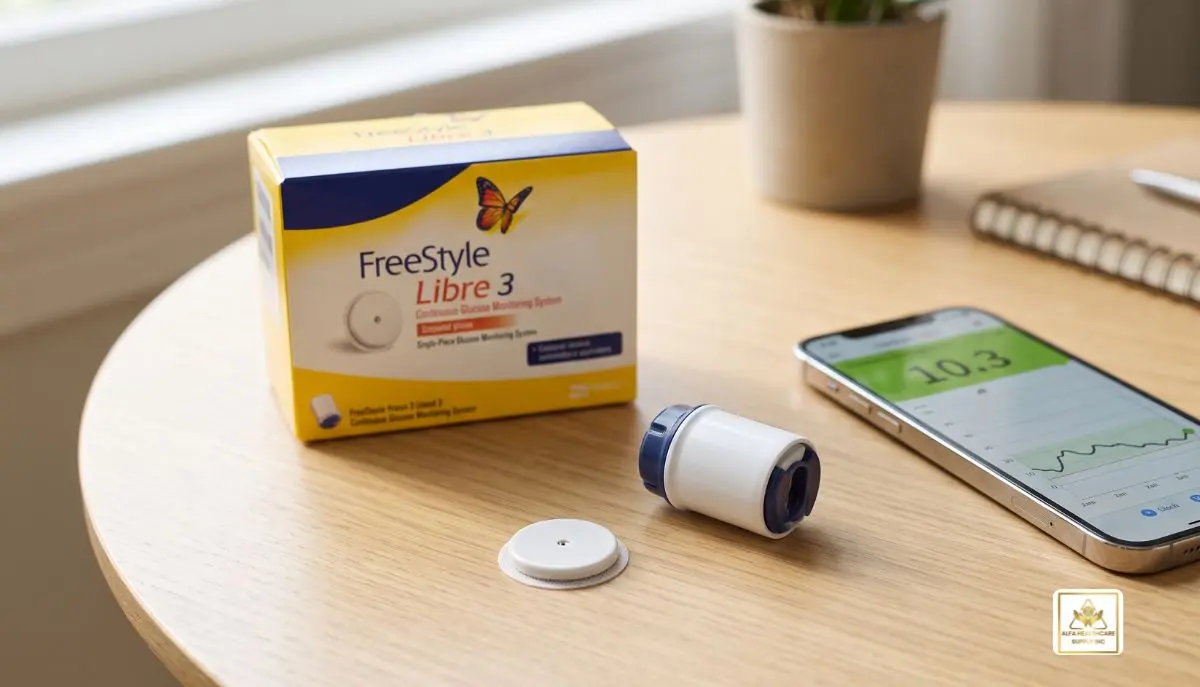
Best Libre 3 Sensor Covers:
Wearing a continuous glucose monitoring sensor can make everyday glucose management much easier. But keeping the sensor securely attached during work, exercise, sleep, showers, and normal daily activities can sometimes be a concern. This is where best Libre 3 sensor covers can be useful.
A good sensor cover can provide an additional layer of support over the adhesive area of a FreeStyle Libre 3 sensor. It may help reduce the chance of the sensor catching on clothing, towels, bags, or other objects. For people who exercise regularly or have an active lifestyle, choosing one of the best Libre 3 sensor covers can provide extra confidence while wearing a sensor.
At Alfa Healthcare Supply Inc., we understand that medical supplies are part of real everyday life. Small things, such as keeping a glucose sensor secure, can make a meaningful difference in comfort and peace of mind.
What are Libre 3 Sensor Covers?
Before choosing the best Libre 3 sensor covers, it helps to understand what they are.
A Libre 3 sensor cover is an adhesive over-bandage or protective patch designed to be placed over the sensor and surrounding area. The goal is to provide additional support without interfering with the sensor.
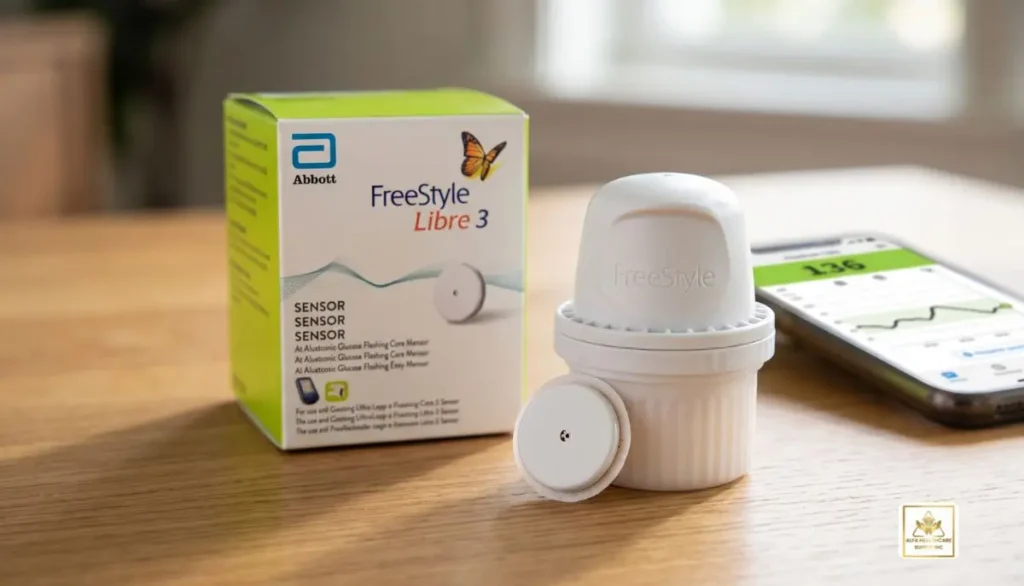
The right cover should fit comfortably, stay attached to the skin, and allow the sensor’s central opening to remain uncovered. Abbott states that a medical-grade adhesive bandage or tape can be used over FreeStyle Libre 3 sensors, but the opening in the center of the sensor should not be covered.
This is an important point when comparing the best Libre 3 sensor covers. A cover should protect the sensor without blocking the part of the sensor that needs to remain open.
Why Do People Use the Best Libre 3 Sensor Covers?
There are several everyday reasons someone may want additional sensor protection.
1. Extra Sensor Security
The sensor adhesive is designed to hold the sensor against the skin. However, daily activities can put additional stress on the adhesive.
A cover can provide another layer of support around the sensor.
This can be especially helpful when changing clothes, exercising, traveling, or participating in activities where the sensor may accidentally be bumped.
2. Protection During Exercise
Sweat and frequent movement can make keeping a sensor secure more challenging for some people.
Abbott’s sensor adhesion guidance recommends taking precautions during exercise and suggests an over-bandage for activities such as contact sports.
Therefore, the best Libre 3 sensor covers for an active person may be different from what works best for someone who mainly wants additional protection during everyday activities.
3. Added Confidence During Sleep
Some people worry about catching their sensor on bedding or clothing while sleeping.
A properly applied cover can help reinforce the area around the sensor and may make the wearer feel more comfortable moving around during sleep.
4. Help With Clothing Friction
Shirts, jackets, towels, and other clothing can occasionally catch on a sensor.
Abbott recommends being careful when dressing and undressing so clothing does not pull or dislodge the sensor.
A suitable cover may provide additional protection against these everyday situations.
What Makes the Best Libre 3 Sensor Covers?
Not every adhesive patch is necessarily the right choice. When looking for the best Libre 3 sensor covers, consider several important features.
Skin-Friendly Material
The cover sits directly against the skin for an extended period. A skin-friendly, medical-grade adhesive is an important consideration.
People can have different levels of skin sensitivity, so it is important to pay attention to how your skin reacts.
If you experience significant redness, swelling, itching, irritation, or discomfort, stop using the product and speak with a healthcare professional.
Correct Size
A sensor cover should provide enough coverage to support the sensor without being unnecessarily large.
A patch that is too small may not provide adequate support. One that is too large may catch on clothing or create unnecessary adhesive contact with the skin.
The right size is one of the most important factors when comparing the best Libre 3 sensor covers.
Comfortable Design
A sensor cover should be comfortable enough for normal daily activities.
Look for a design that allows reasonable flexibility when moving your arm. This can be particularly important for people who exercise, work physically, or spend a lot of time outdoors.
Water Resistance
People may shower or participate in water-related activities while wearing their sensor.
The FreeStyle Libre system is water-resistant under specified conditions, but users should follow the applicable sensor instructions for water exposure. Abbott advises careful drying after getting the sensor wet.
A water-resistant cover may offer additional convenience, but it should not be assumed to change the sensor’s official water-resistance specifications.
Easy Application
The best Libre 3 sensor covers should be relatively simple to apply.
A complicated application can make it easier to position the patch incorrectly or create wrinkles that may cause the edges to lift.
How to Apply a Libre 3 Sensor Cover
Proper application matters just as much as choosing one of the best Libre 3 sensor covers.
First, apply your FreeStyle Libre 3 sensor according to the manufacturer’s instructions.
Allow the sensor to be properly positioned and secured.
When using an over-bandage, Abbott specifically states that it should be applied at the time of sensor application. The central opening of the sensor must remain uncovered.
A simple approach is:
- Clean and prepare the skin according to the sensor instructions.
- Apply the Libre 3 sensor correctly.
- Prepare the over-bandage according to its instructions.
- Position the cover over the sensor.
- Make sure the sensor’s central opening is not covered.
- Smooth the adhesive around the sensor.
- Avoid unnecessary pulling or stretching of the patch.
- Check the edges periodically.
Once an over-bandage has been applied, Abbott advises leaving it in place until the sensor is ready for removal because removing the over-bandage can potentially loosen the sensor.
Should You Cover the Center of a Libre 3 Sensor?
No.
This is one of the most important things to remember when choosing among the best Libre 3 sensor covers.
The cover should not block the opening in the center of the sensor. Abbott’s guidance specifically says the opening or hole in the center should remain uncovered.
Do not simply place a solid piece of tape over the entire sensor without considering the sensor’s design.
Always follow the manufacturer’s instructions for your specific sensor and cover.
Best Libre 3 Sensor Covers for Active People
If you exercise frequently, your priorities may be different.
For an active lifestyle, look for a cover that:
- Has secure adhesive
- Provides comfortable movement
- Is suitable for exercise
- Helps protect the sensor from accidental knocks
- Has a flexible design
- Is comfortable during sweating
- Does not cover the sensor opening
Abbott recommends selecting a sensor site on the back of the upper arm that minimizes the risk of the sensor being knocked during contact sports and heavy exercise.
The best Libre 3 sensor covers for athletes should complement these good sensor-wearing habits rather than replace them.
Best Libre 3 Sensor Covers for Sensitive Skin
Skin comfort should always be part of the decision.
Some people tolerate adhesive products easily, while others may experience irritation after extended wear.
If you have sensitive skin, consider:
- Medical-grade adhesive options
- Hypoallergenic materials when appropriate
- Breathable patch designs
- Products with skin-friendly materials
- A cover that does not require excessive adhesive
Abbott’s adhesion guidance lists several types of products that can be used to improve sensor adhesion, while also emphasizing that manufacturers’ instructions should be followed.
If you have previously experienced adhesive reactions, ask your healthcare professional for advice before trying a new product.
Can You Shower With a Libre 3 Sensor Cover?
Some sensor covers are designed to tolerate normal exposure to water, but the specific cover’s instructions should always be followed.
Do not assume that a water-resistant cover makes a sensor waterproof.
After showering or swimming, gently pat the area dry instead of rubbing directly over the sensor.
Abbott also recommends taking care when drying so a towel does not catch and pull on the sensor.
This simple habit can be just as important as choosing one of the best Libre 3 sensor covers.
How Long Should a Libre 3 Sensor Cover Stay On?
The answer depends on the cover’s instructions and the condition of the adhesive.
If you use an over-bandage with a Libre 3 sensor, Abbott advises that it should not be removed until the sensor is ready for removal because peeling away the cover can potentially loosen the sensor.
Always follow the instructions supplied with the particular cover.
Do not continue using a cover if it becomes badly damaged, causes significant irritation, or no longer stays securely attached.
How to Choose the Best Libre 3 Sensor Covers for Everyday Life
The best option is not necessarily the most expensive one.
Instead, consider your own routine.
For Everyday Use
Choose a comfortable, flexible cover that provides basic protection against clothing and accidental bumps.
For Exercise
Prioritize secure adhesion and flexibility. A suitable over-bandage can provide additional support during physical activity.
For Swimming or Frequent Water Exposure
Look for a product specifically designed for the intended type of water exposure and follow its instructions carefully.
For Sensitive Skin
Focus on skin-friendly materials and avoid products that have caused irritation in the past.
For Children
Parents and caregivers may want to pay particular attention to secure edges, comfort, skin sensitivity, and the child’s daily activities.
The best Libre 3 sensor covers should always be selected with the individual user’s needs in mind.
Common Mistakes to Avoid
Even the best cover may not work well if it is applied incorrectly.
Avoid these common mistakes:
Covering the center opening: The sensor opening should remain uncovered.
Applying the cover after the sensor has already been worn: Abbott specifically says an over-bandage should be applied at the time of sensor application.
Pulling the cover off too early: Removing the adhesive cover can potentially loosen the sensor.
Ignoring skin irritation: Persistent irritation should not be ignored.
Rubbing the sensor after showering: Pat the area dry gently.
Choosing a patch without checking compatibility: Always confirm that the cover is suitable for your specific Libre sensor model.
Libre 3 Sensor Covers and Daily Diabetes Management
A sensor cover does not measure glucose, improve glucose accuracy, or replace medical care.
Its primary purpose is physical protection and additional adhesion support.
The FreeStyle Libre system provides glucose information through its sensor and compatible reader or app. Users should continue following their healthcare professional’s recommendations regarding glucose monitoring and treatment decisions.
If glucose readings do not match symptoms or expectations, follow the manufacturer’s guidance and speak with your healthcare professional as appropriate.
Why Buy Diabetes Supplies From a Trusted Supplier?
When purchasing diabetes supplies, reliability matters.
A healthcare supply company should make it easier for customers to understand what they are purchasing and whether a product fits their needs.
Alfa Healthcare Supply Inc. serves patients and caregivers with a range of medical and diabetes-related supplies. Customers can explore available products and healthcare supply categories through the company’s website.
Whether you are looking for CGM-related supplies, diabetic products, home medical equipment, or other healthcare items, choosing a supplier that focuses on quality and customer support can make the shopping experience easier.
Final Thoughts on the Best Libre 3 Sensor Covers
Finding the best Libre 3 sensor covers is really about finding the right balance between protection, comfort, adhesive strength, skin tolerance, and your daily routine.
An appropriate over-bandage can help protect your sensor from accidental bumps, clothing friction, exercise, and other everyday challenges. However, correct application is essential.
Remember the most important rule: do not cover the opening in the center of the sensor. Abbott confirms that medical-grade adhesive bandages or tape can be used with Libre 3 sensors when applied correctly.
Take time to choose a cover that matches your lifestyle, follow both the sensor and cover manufacturer’s instructions, and pay attention to your skin.
For diabetes supplies and healthcare products, Alfa Healthcare Supply Inc. is committed to helping patients and caregivers find practical solutions for everyday healthcare needs.
Frequently Asked Questions
What are the best Libre 3 sensor covers?
The best Libre 3 sensor covers are those that provide reliable additional support, fit comfortably, use appropriate medical-grade adhesive, and are compatible with your specific sensor. Your skin sensitivity and daily activities should also be considered.
Can I put a cover over my Libre 3 sensor?
Yes. Abbott states that a medical-grade adhesive bandage or tape can be used over a Libre 3 sensor. The cover should be applied at the time of sensor application, and the center opening must remain uncovered.
Do Libre 3 sensor covers help keep the sensor on?
A suitable over-bandage can provide additional physical support around the sensor. It can be particularly useful during exercise or activities where the sensor may be bumped.
Can I use a Libre 3 cover while exercising?
Yes, an appropriate over-bandage may be used during exercise. Abbott’s guidance specifically discusses using an over-bandage during contact sports and heavy exercise.
Can I swim while wearing a Libre 3 sensor?
Follow Abbott’s instructions for the specific sensor you use and observe its water-exposure limits. A sensor cover should not be assumed to change the sensor’s official water-resistance specifications.
Should a Libre 3 sensor cover cover the entire sensor?
No. The central opening of the sensor must remain uncovered. This is an important consideration when selecting the best Libre 3 sensor covers.
How can I prevent my Libre 3 sensor from coming off?
Proper skin preparation, careful application, avoiding unnecessary contact with the sensor, and using an appropriate over-bandage when needed can help. Abbott also recommends being careful with clothing, towels, and objects that can catch the sensor.
Where can I find diabetes and medical supplies?
You can explore healthcare and diabetes supply options through Alfa Healthcare Supply Inc., a medical supply provider serving patients and caregivers.