


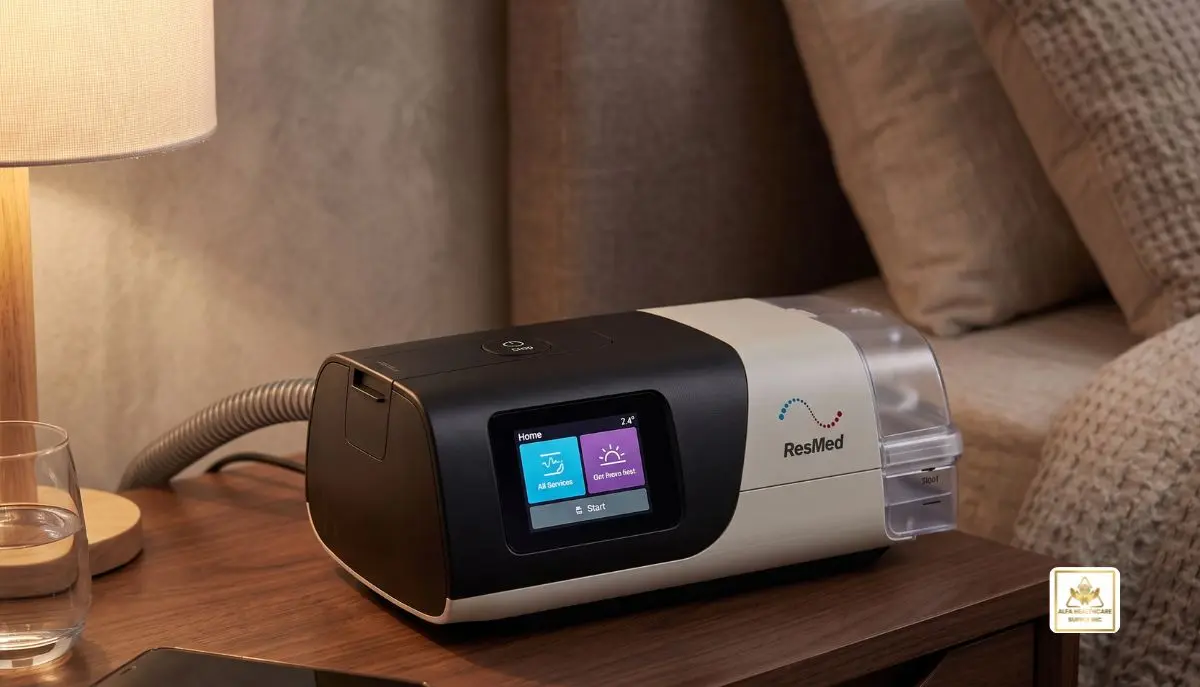
Introduction: ResMed AirSense 11 CPAP Machine
Getting a restful night’s sleep can greatly improve how you feel and function throughout the day. However, achieving restful sleep can be challenging for those suffering from Obstructive Sleep Apnea (OSA). Issues such as loud snoring, interrupted breathing, morning headaches, and daytime fatigue can impact daily life. With the right treatment and guidance from a healthcare professional, sleep can be made safe and comfortable.
The ResMed AirSense 11 CPAP machine is a modern ‘Positive Airway Pressure’ device designed to help manage Obstructive Sleep Apnea. It features automatic pressure adjustment options, a touchscreen interface, humidification capabilities, and digital tools that simplify therapy management.
For patients and caregivers seeking reliable respiratory equipment, understanding how the ResMed AirSense 11 CPAP machine works is essential. At Alfa Healthcare Supply Inc., we believe that clear product information empowers people to make informed decisions regarding their home healthcare needs.
This guide explains the machine’s key features and benefits, how to set it up and clean it properly, which accessories are compatible, and what to consider before making a purchase.
What is the ResMed AirSense 11 CPAP machine?
The ResMed AirSense 11 CPAP machine is a ‘Continuous Positive Airway Pressure’ (CPAP) device developed by ResMed to treat Obstructive Sleep Apnea. It delivers a steady flow of pressurized air through a hose and mask to keep the upper airway open during sleep.
In people with obstructive sleep apnea, the airway can repeatedly narrow or close during sleep. This can obstruct normal breathing and impair sleep quality. CPAP therapy helps prevent these airway obstructions by maintaining positive air pressure.
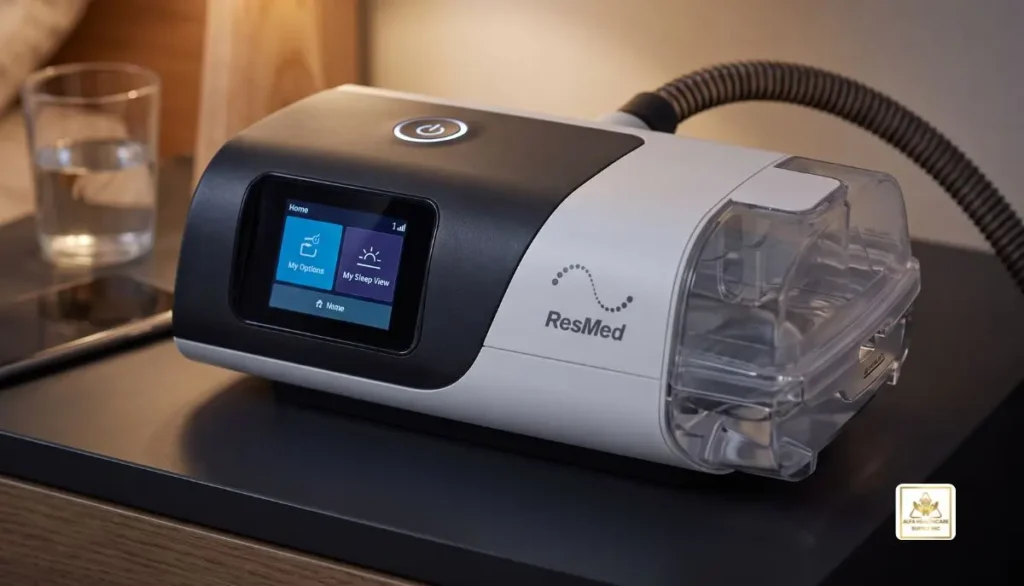
The ResMed AirSense 11 CPAP machine is designed for home use and includes features that support therapy, comfort, and daily convenience.
It is important to remember that this machine helps manage sleep apnea but does not permanently cure the condition. It is a treatment device that should be used according to the instructions of a healthcare professional.
Key Features of the ResMed AirSense 11 CPAP Machine
1. Automatic Pressure Adjustment Options
The ResMed AirSense 11 CPAP machine offers fixed-pressure CPAP therapy or automatic pressure adjustments through AutoSet mode, depending on the model and prescribed settings.
In fixed CPAP therapy, the device delivers air at a constant pressure. In AutoSet therapy, the machine can adjust the pressure within a set range based on breathing patterns.
These options allow healthcare professionals to select the therapy mode best suited to the individual’s treatment needs.
Important: Users should not alter prescribed pressure settings without consulting their sleep specialist or equipment provider.
2. User-Friendly Touchscreen
The ResMed AirSense 11 CPAP machine features a color touchscreen designed to simplify daily use.
Users can access available settings, view therapy data, and follow on-screen instructions. The interface is designed to streamline common tasks, making it particularly helpful for those new to CPAP therapy.
An intuitive control system helps minimize confusion when starting treatment and facilitates the establishment of a consistent bedtime routine.
3. Integrated Heated Humidification
The dry air associated with CPAP therapy can sometimes cause dry mouth, dry nose, or nasal discomfort. The ResMed AirSense 11 CPAP machine supports integrated humidification through the compatible HumidAir 11 humidifier.
Humidification adds moisture to the airflow, which can provide comfort for some users. When used with compatible ClimateLineAir 11 heated air tubing, the system can help manage condensation and maintain a more comfortable airflow temperature.
Humidification needs vary from person to person. Follow the manufacturer’s instructions when adjusting humidity and temperature settings.
4. Personal Therapy Assistance
The ResMed AirSense 11 CPAP machine includes features designed to assist those starting therapy.
Depending on device configuration and available software, these may include guided setup, mask fit checks, and personal therapy assistant features.
Such tools can help users understand basic operating steps and identify certain mask-fitting issues. They do not replace professional advice or clinical assessment.
5. Digital Therapy Tracking
Compatible ResMed digital services can provide therapy data, subject to device connectivity, account setup, regional availability, and service support.
The available information can help users and healthcare professionals review aspects of treatment, such as usage and mask seal.
Digital monitoring is useful for tracking therapy, but it does not, on its own, guarantee that sleep apnea is fully controlled. Clinical follow-up is essential.
6. Quiet Operation
Noise can be a concern for those sharing a bedroom. The ResMed AirSense 11 CPAP machine is designed for quiet operation, although the noise level perceived by the user may depend on the mask, tubing, air leaks, and the surrounding environment. A properly fitted mask and a well-maintained device can help minimize unnecessary noise. If the machine makes unusual sounds, check it according to the user guide and contact an equipment professional if necessary.
Benefits of using the ResMed AirSense 11 CPAP machine
The primary benefit of CPAP therapy is that it helps keep the airway open during sleep. When the treatment is effective and used consistently, it can reduce instances of breathing obstruction and improve sleep-related symptoms.
Potential benefits include:
- Improved sleep continuity: Effective treatment can reduce interruptions caused by airway obstructions.
- Reduced daytime fatigue: Some users experience greater alertness due to improved sleep quality.
- Comfortable therapy routine: Humidification and proper mask fitting can help make nighttime therapy more comfortable.
- Easy controls: The touchscreen makes accessing device functions simple.
- Therapy insights: Compatible tracking tools allow users and clinicians to review treatment patterns.
- Support for home care: The device is designed for regular home use in accordance with the prescribed treatment plan.
Individual experiences may differ. While some people adapt quickly, others may need more time to find a suitable mask, improve comfort, and develop a consistent routine.
How to Set Up the ResMed AirSense 11 CPAP Machine
Correct setup is essential for comfortable and effective treatment. Always follow the official user guide and instructions provided by your equipment supplier.
Step 1: Choose a Suitable Location
Place the machine on a stable, level surface near the bed. Keep the air intake clear and position the device so that it is protected from accidental spills.
Avoid placing the machine where it could be pulled onto the floor or where bedding could block its air intake.
Step 2: Connect the Air Tubing
Attach compatible air tubing to the machine’s air outlet. Connect the other end to the appropriate CPAP mask assembly.
Check that the connections are secure and that the tubing is not twisted or obstructed.
Step 3: Prepare the Humidifier
If using the HumidAir 11 humidifier, fill its water tub according to the manufacturer’s instructions. Use the water type specified in the official guide and never fill the tub beyond its maximum level.
Make sure the tub is correctly installed before operating the machine.
Step 4: Fit Your CPAP Mask
Choose a compatible mask recommended for your therapy. Adjust the headgear according to the manufacturer’s instructions so that the mask fits securely without excessive tightness.
A mask that is too loose may leak air, while one that is too tight can cause discomfort or skin irritation.
Step 5: Follow Your Prescribed Therapy Settings
Use the prescribed configuration established by your healthcare professional. If the machine has a guided setup process, follow the on-screen instructions.
Do not select pressure settings based on another person’s device or treatment plan.
Step 6: Start Therapy
Put on the mask and begin treatment according to the device instructions. Check that air is flowing normally and that there are no major leaks.
If you experience persistent discomfort, significant dryness, or difficulty breathing against the pressure, speak with your healthcare professional rather than stopping or changing treatment without guidance.
Which Masks Are Compatible With the ResMed AirSense 11 CPAP Machine?
The ResMed AirSense 11 CPAP machine can be used with a range of compatible CPAP masks. The best choice depends on your breathing habits, facial structure, sleep position, comfort preferences, and prescribed treatment.
Common mask styles include:
Nasal pillow masks: These rest at the entrance of the nostrils and have a minimal design. Some users prefer them because they cover less of the face.
Nasal masks: These cover the nose and may suit people who prefer a more traditional mask design.
Full-face masks: These cover the nose and mouth and may be appropriate for people who breathe through their mouths during sleep or need a mask that accommodates both breathing routes.
Not every mask has the same connector or compatibility requirements. Confirm that your selected mask and tubing are suitable for your particular AirSense 11 configuration.
A healthcare professional or qualified equipment supplier can help you choose a mask that balances comfort, fit, and therapy requirements.
Cleaning and Maintenance
Regular cleaning helps keep your equipment in good condition and supports a more comfortable therapy experience.
Follow the cleaning schedule and methods in the official ResMed instructions for each component.
- Mask: Clean the mask cushion and other washable components as directed by the manufacturer.
- Air tubing: Inspect it regularly and clean it using the recommended method.
- Humidifier tub: Empty, clean, and dry it according to the instructions.
- Air filter: Inspect and replace it at the recommended interval.
- Machine exterior: Disconnect power as instructed before cleaning, and use only an appropriate method for the device.
Do not immerse the machine in water or use cleaning chemicals that are not approved for the equipment. Replace worn, damaged, or deteriorating accessories as recommended.
If you notice persistent odors, visible damage, unusual noise, or performance problems, consult the official support information or your equipment supplier.
ResMed AirSense 11 CPAP Machine vs. ResMed AirSense 10
Both the AirSense 10 and AirSense 11 product families are designed to support CPAP therapy, but their interfaces and available features differ.
The AirSense 11 offers a touchscreen and updated digital support features. The AirSense 10 uses a different control interface, and its features depend on the exact model.
Both product families include configurations intended for prescribed sleep apnea treatment. The newer device is not automatically the best choice for every person. Existing equipment, prescribed therapy, mask compatibility, budget, and clinician recommendations should all be considered.
Before upgrading, confirm whether your current equipment meets your treatment needs and whether the replacement device supports your prescribed settings and accessories.
Who May Benefit From the ResMed AirSense 11 CPAP Machine?
The ResMed AirSense 11 CPAP machine may be suitable for adults who have been evaluated for obstructive sleep apnea and prescribed compatible PAP therapy.
It may be worth discussing with a healthcare professional if you are:
- Starting CPAP therapy for the first time.
- Replacing an older compatible CPAP device.
- Looking for a device with a touchscreen interface.
- Interested in integrated humidification.
- Seeking available digital tools to support treatment monitoring.
A sleep study or other appropriate clinical evaluation may be needed to diagnose sleep apnea and determine the correct treatment.
The ResMed AirSense 11 is not appropriate for every breathing condition. Your clinician should determine whether CPAP is suitable for your diagnosis and individual needs.
Buying the ResMed AirSense 11 CPAP Machine
Before purchasing a ResMed AirSense 11 CPAP machine, check the exact model, included accessories, warranty, supplier support, and prescription requirements.
In the United States, CPAP devices are generally prescription medical devices. Buyers should be prepared to provide the required prescription documentation and confirm coverage rules with their insurer when applicable.
Also verify whether the package includes the humidifier, air tubing, power supply, and mask. These items may vary by package, and a mask may need to be purchased separately.
Alfa Healthcare Supply Inc. provides medical supply information and supports customers seeking home healthcare equipment. Visit Alfa Healthcare Supply Inc. to explore available products and contact the supplier for current availability, ordering requirements, and product-specific assistance.
Before completing an order, confirm that the equipment matches your prescribed therapy and that you understand the supplier’s return, warranty, and support policies.
Final Thoughts
The ResMed AirSense 11 CPAP machine combines prescribed airway pressure therapy with a touchscreen interface, humidification support, and available digital tools. For people managing obstructive sleep apnea, these features may help make nightly treatment more convenient and easier to maintain.
However, successful therapy depends on more than the device alone. A suitable mask, correct prescription settings, regular maintenance, and ongoing clinical support all play important roles.
Alfa Healthcare Supply Inc. encourages patients and caregivers to review product details carefully, ask questions, and work with qualified healthcare professionals when selecting respiratory equipment. With the right guidance and a consistent treatment routine, CPAP therapy can become a more manageable part of everyday life.
Frequently Asked Questions
1. What is the ResMed AirSense 11 CPAP machine used for?
It is designed to treat obstructive sleep apnea by delivering pressurized air through a mask to help keep the airway open during sleep.
2. Does the ResMed AirSense 11 adjust pressure automatically?
AutoSet versions can adjust pressure within a prescribed range. Other configurations may deliver fixed CPAP pressure. Check the exact model and prescribed settings.
3. Does the AirSense 11 include a humidifier?
The AirSense 11 supports the compatible HumidAir 11 integrated humidifier. Confirm whether the humidifier is included in the package you are purchasing.
4. Can I use my existing CPAP mask?
Possibly. Compatibility depends on the mask, tubing, connector, and device configuration. Confirm compatibility before connecting an existing mask.
5. How often should I clean the machine?
Clean the mask, tubing, and humidifier components according to the official cleaning schedule. Inspect the air filter and replace it as instructed.
6. Can I use the AirSense 11 without a prescription?
In the United States, CPAP devices are generally prescription medical devices. Confirm the applicable requirements with your healthcare professional and equipment supplier.
7. Is the AirSense 11 better than the AirSense 10?
The AirSense 11 offers a touchscreen and updated digital support features. Whether it is better for you depends on your treatment needs, device configuration, budget, and clinician’s recommendation.
8. What should I do if my mask leaks?
Check the mask position and headgear adjustment using the manufacturer’s instructions. If the leak continues, ask your equipment supplier or clinician about mask fit and alternative mask styles.
Medical disclaimer: This article is for general educational purposes only and is not a substitute for professional medical advice, diagnosis, or treatment. Always follow your healthcare professional’s instructions and the official device user guide.