


Using a CPAP machine every night can become an important part of your sleep routine. But even when your machine works well, a worn or poorly fitting mask cushion can make therapy less comfortable. You may experience air leaks, skin discomfort, or trouble keeping your mask securely in place while you sleep.
If you use the ResMed AirFit F40 full face mask, replacing the cushion when needed can help you maintain a comfortable fit and a reliable seal. The good news is that you usually do not need to purchase an entirely new mask just because the cushion has worn out.
This guide from Alfa Healthcare Supply Inc. explains everything you need to know about ResMed F40 cushion replacement, including when to replace it, how to select the correct size, how to install a new cushion, and how to care for it.
What is a ResMed AirFit F40 Cushion?
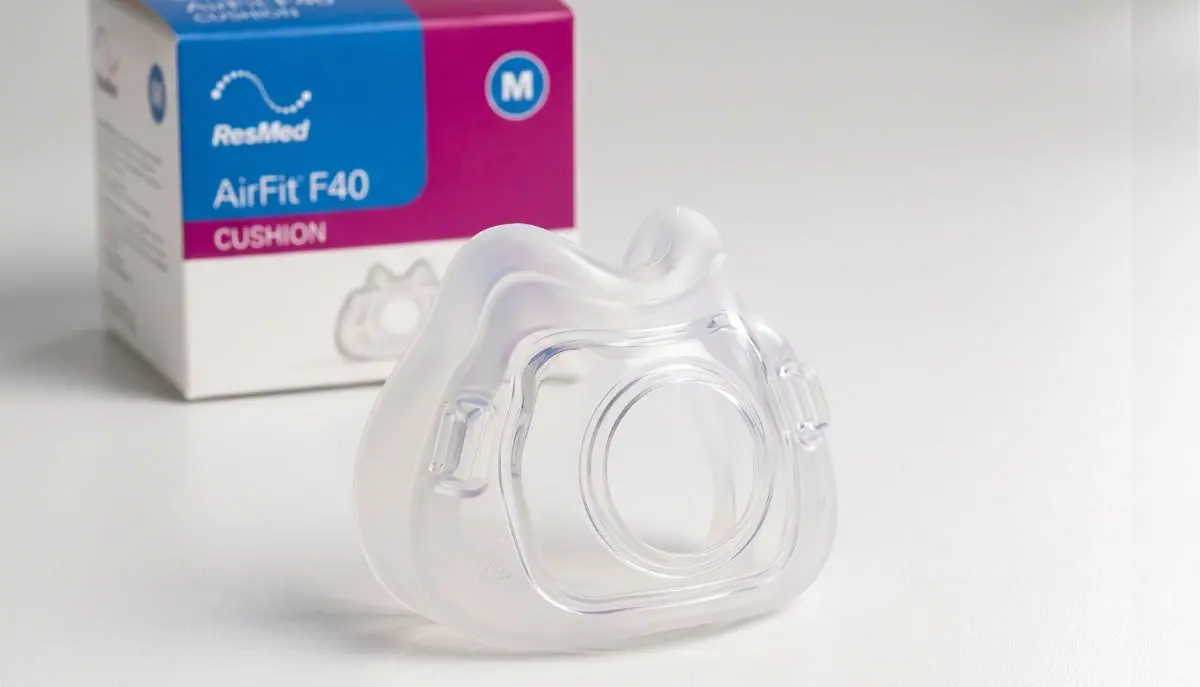
The ResMed AirFit F40 is a compact, under-the-nose full face CPAP mask designed for people who need respiratory support during sleep. Its soft silicone cushion rests beneath the nose and helps create a seal around the area where the mask contacts the face.
Unlike some traditional full face masks that cover the bridge of the nose, the AirFit F40 uses an under-the-nose design. This low-profile construction may appeal to people who prefer less contact with their face.
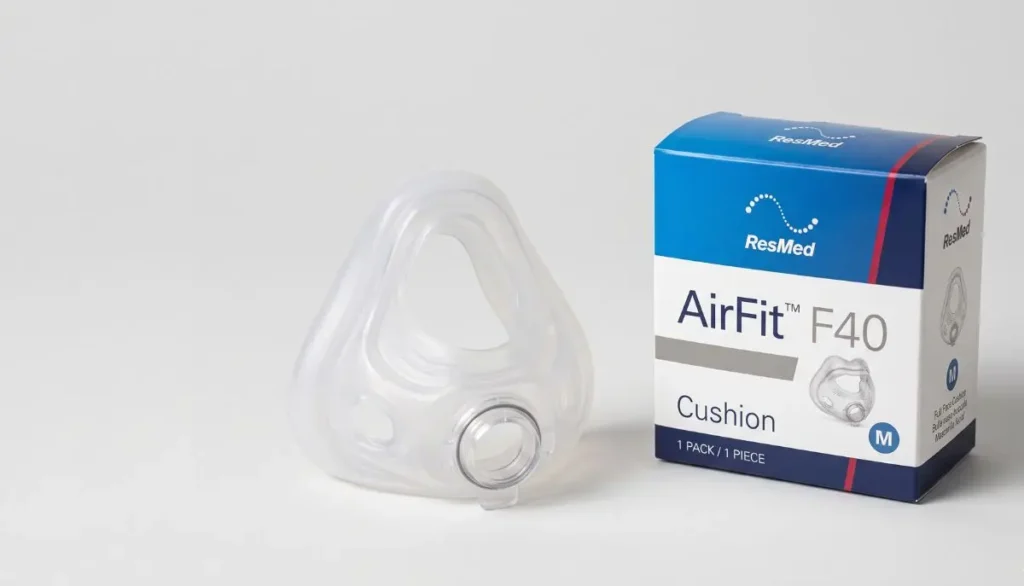
The cushion is an important part of the mask because it helps keep pressurized air inside the mask during therapy. When the cushion becomes damaged, loses its shape, or no longer fits properly, maintaining an effective seal can become more difficult.
A ResMed F40 cushion replacement allows you to replace this specific component while continuing to use your compatible mask frame and other parts, provided they remain in good condition.
When Should You Replace Your ResMed F40 Cushion?
Knowing when to replace your cushion can help you avoid unnecessary discomfort and interruptions to your sleep routine.
ResMed recommends replacing the AirFit F40 cushion approximately once a month as a general replacement guideline. However, the condition of the cushion, your supplier’s recommendations, and your insurance coverage may affect your replacement schedule.
Here are some signs that it may be time for a new cushion.
1. You Notice More Air Leaks
A properly positioned cushion helps maintain a seal around your face. If air begins escaping around the nose or other contact areas, check the cushion for folds, damage, or incorrect positioning.
First, reposition the mask and adjust the straps gently. If the problem continues, inspect the cushion for wear and consider replacing it.
2. The Silicone Looks Damaged
Regular use and cleaning can gradually affect the cushion’s condition. Look for visible tears, cracks, deformation, or other deterioration.
If the cushion is damaged, replace it rather than continuing to rely on a compromised seal.
3. The Cushion Feels Different
Your cushion may become less comfortable as it ages. If it no longer sits naturally beneath your nose or repeatedly shifts during sleep, check its condition and fit.
A new cushion may help restore the intended fit, although the mask frame and headgear should also be checked if the problem continues.
4. Cleaning No Longer Removes Residue
Skin oils, sweat, and everyday dirt can collect on the cushion. Daily cleaning helps remove these deposits and supports a better seal.
If the cushion remains visibly deteriorated or cannot be cleaned properly, replacement may be appropriate. Persistent residue alone does not automatically mean the cushion is unusable, so assess its overall condition.
5. You Experience Repeated Discomfort
Redness, pressure marks, and irritation may indicate that the mask is too tight, incorrectly positioned, or the wrong size.
Before purchasing a replacement, check the fit and cleaning routine. If the discomfort continues, consult your sleep specialist or healthcare provider.
How to Choose the Right ResMed F40 Cushion Replacement Size
Selecting the correct size is essential for a comfortable fit. A cushion that is too small or too large may cause leaks, movement, or unnecessary pressure.
The AirFit F40 cushion is available in three sizes:
- Small-Wide (SW): Designed for users whose measurements match the Small-Wide fitting guide.
- Medium (M): Designed for users whose measurements match the Medium fitting guide.
- Large (L): Designed for users whose measurements match the Large fitting guide.
Do not select a size based only on the size of your nose or your previous experience with another CPAP mask. Different mask models can fit differently.
To find your size, use the official ResMed AirFit F40 fitting template. Position it beneath your nose in front of a mirror and compare your nose measurements with the marked sizing areas. Choose the size that best matches the guide.
If your current cushion fits comfortably and seals well, ordering the same size is generally a sensible starting point.
Before ordering a ResMed F40 cushion replacement, confirm that the package is for the AirFit F40, not another ResMed mask such as the AirFit F20 or F30i. Their cushions are not interchangeable simply because they share the same brand.
How to Replace a ResMed AirFit F40 Cushion
Replacing the cushion is a straightforward maintenance task when you follow the manufacturer’s instructions.
Step 1: Remove the Mask From Your Face
Turn off your CPAP machine and remove your mask. Place it on a clean, flat surface where you can easily access its components.
Step 2: Disconnect the Elbow Assembly
Squeeze the side buttons on the mask elbow and detach it from the vent ring according to the AirFit F40 user guide.
Handle the components gently to avoid damaging the plastic connections.
Step 3: Remove the Old Cushion
Locate the cushion studs that connect the cushion to the frame. Pull each stud out of its corresponding frame stud hole.
Remove the cushion carefully without forcing the parts apart.
Step 4: Inspect the Frame
Before installing the new cushion, examine the frame and surrounding components. Check for cracks, visible damage, or dirt.
Clean the reusable parts as directed in the manufacturer’s instructions, and allow them to dry completely before reassembly.
Step 5: Install the New Cushion
Take the new ResMed F40 cushion replacement and align its studs with the corresponding holes in the mask frame.
Insert the cushion studs securely into the frame stud holes on both sides. Make sure the cushion is positioned evenly and sits correctly against the frame.
Step 6: Reattach the Vent Ring and Elbow
Align the vent ring groove with the cushion opening and press it firmly into place, ensuring that the cushion opening sits correctly in the groove.
Reconnect the elbow assembly to the vent ring. Check that all components are properly secured before using the mask.
Step 7: Check the Fit
Put the mask on and connect it to your CPAP equipment. Start the machine and check for air leaks according to the device’s instructions.
The cushion should rest comfortably beneath your nose without folds or twisting. Adjust the headgear gently if needed. Avoid overtightening the straps, as excessive tension may make the mask less comfortable.
If leaks persist despite correct assembly and adjustment, consult your equipment provider or sleep specialist.
Tips to Make Your New Cushion Last Longer
A regular cleaning routine can help maintain the cushion’s condition between replacements.
Clean the cushion daily. Wash it with warm, drinking-quality water and a mild liquid detergent. Gently rub the surface to remove facial oils and residue.
Rinse thoroughly. Remove all detergent so that no cleaning residue remains on the silicone.
Air-dry it properly. Place the cushion on a clean towel and allow it to dry away from direct sunlight.
Avoid harsh cleaning products. Strong chemicals and unsuitable cleaners may damage the cushion or leave residue. Follow the manufacturer’s cleaning instructions.
Check for damage regularly. Inspect the cushion for tears, cracks, or changes in shape. Replace damaged components instead of attempting to repair them.
Avoid overtightening your mask. Excessive strap tension can affect comfort and may contribute to fitting problems. Reposition the mask and adjust the straps evenly.
Follow the recommended replacement schedule. Regular cleaning helps, but it does not prevent normal wear indefinitely. ResMed’s general guideline is to replace the AirFit F40 cushion monthly.
ResMed F40 Cushion Replacement vs. Buying a Complete Mask
Should you purchase a new cushion or replace the entire mask? The answer depends on which components need attention.
| Situation | Option to consider |
| Cushion is worn or damaged, but the frame and headgear are in good condition | Replace the cushion |
| Headgear is stretched or no longer holds the mask securely | Consider replacing the headgear |
| Frame is cracked or damaged | Replace the affected frame component or mask system as appropriate |
| Multiple parts are worn or damaged | Consider a replacement mask system |
| Mask continues to leak despite correct fitting and a new cushion | Seek fitting assistance and check the other components |
A cushion-only replacement can be a practical option when the remaining mask components are still serviceable. However, do not continue using damaged components simply to avoid replacing the complete mask.
Where to Buy a ResMed F40 Cushion Replacement
When shopping for replacement CPAP supplies, make sure you select the correct model, size, and package contents.
At Alfa Healthcare Supply Inc., customers can explore medical supplies and CPAP-related products. If you are shopping for a ResMed F40 cushion replacement, visit the website at Alfa Healthcare Supply Inc. to explore the available catalog or contact the supplier for assistance with product availability.
Before placing an order, verify these details:
- The cushion is specifically designed for the ResMed AirFit F40.
- Your required size is Small-Wide, Medium, or Large.
- The package contains the replacement cushion rather than a complete mask system.
- The product information and any applicable prescription or insurance requirements have been confirmed.
Replacement schedules and insurance coverage can vary. Contact your insurance provider or medical equipment supplier to confirm eligibility and any documentation needed before ordering.
Final Thoughts: ResMed F40 Cushion Replacement
A comfortable CPAP mask can make your nightly routine easier to maintain. Paying attention to cushion wear, keeping the mask clean, and choosing the correct size can help support a proper fit throughout therapy.
A ResMed F40 cushion replacement is worth considering when your existing cushion shows signs of wear, becomes damaged, or no longer fits properly. You do not necessarily need to replace the entire mask if the other components remain in good condition.
For product information and medical supply options, visit Alfa Healthcare Supply Inc. at https://alfahealthcaresupplyinc.com/. Always follow the manufacturer’s instructions and consult your healthcare provider if you continue to experience leaks, discomfort, or difficulties with your CPAP therapy.
Frequently Asked Questions: ResMed F40 Cushion Replacement
1. How often should I replace my ResMed F40 cushion?
ResMed’s general recommendation is to replace the AirFit F40 cushion once a month. Replace it sooner if it becomes damaged or cannot maintain a suitable fit. Check your supplier’s guidance and insurance replacement schedule as well.
2. Can I replace only the cushion instead of the entire AirFit F40 mask?
Yes. If the cushion is worn but the frame, headgear, and other components remain in good condition, you can generally replace the cushion alone. Confirm compatibility before purchasing.
3. What sizes are available for the ResMed F40 cushion?
The available cushion sizes are Small-Wide, Medium, and Large. Use the official ResMed fitting template to select the size that best matches your measurements.
4. Will a new cushion stop my CPAP mask from leaking?
A new cushion may help if the old one is worn, damaged, or unable to seal correctly. However, leaks can also result from incorrect sizing, poor positioning, loose or damaged headgear, or problems with other mask components.
5. How do I clean my replacement cushion?
Clean the cushion daily using warm water and mild liquid detergent. Rinse thoroughly and allow it to air-dry away from direct sunlight. Follow the official AirFit F40 cleaning instructions.
6. Can I use an AirFit F20 cushion on my F40 mask?
No. The AirFit F20 and AirFit F40 are different mask models with different cushion designs. Purchase a cushion specifically made for the AirFit F40.
7. Do I need a prescription to buy an F40 replacement cushion?
Requirements depend on the supplier, product, and applicable regulations. Confirm any prescription or documentation requirements with the supplier before ordering.