


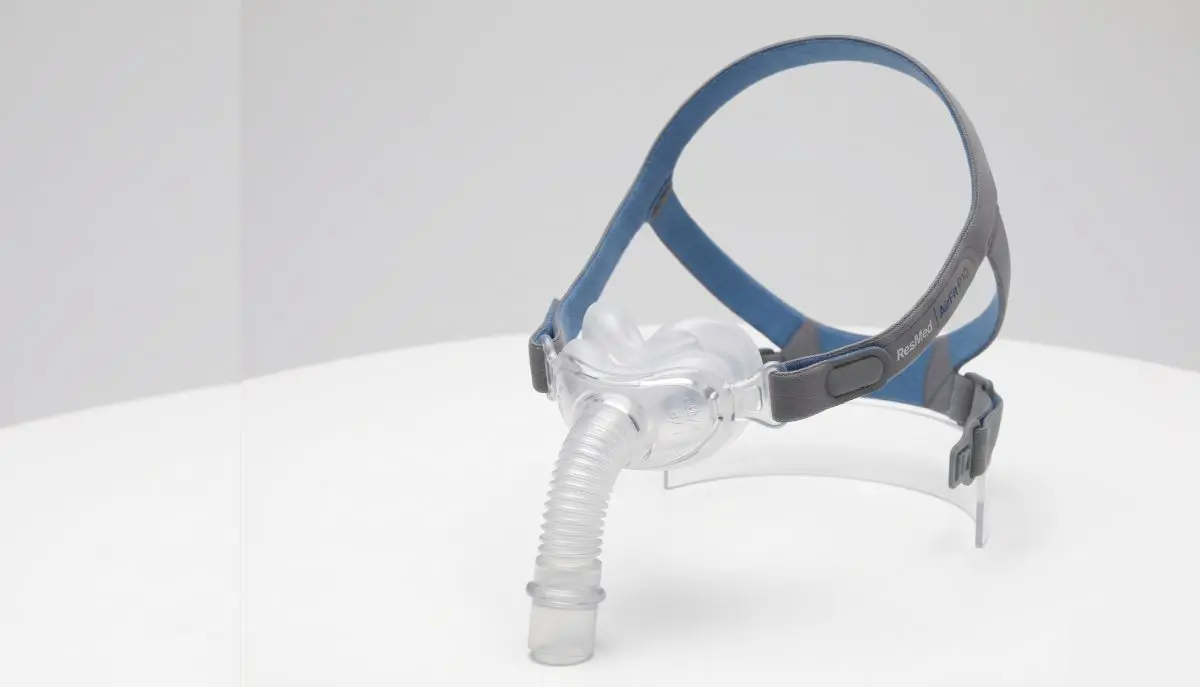
ResMed AirFit P10 How to Use:
Starting CPAP therapy can feel unfamiliar, especially when you are learning how to wear a new mask. You may wonder how to position the nasal pillows, adjust the headgear, prevent air leaks, or clean the mask after sleeping. The good news is that the ResMed AirFit P10 is designed with a simple, lightweight structure that makes daily use easier.
If you are searching for resmed airfit p10 how to use, this guide explains the process in clear, simple steps. Whether you are using the mask for the first time or replacing an older CPAP mask, learning the correct fitting and cleaning methods can help you maintain comfort during your prescribed sleep therapy.
At Alfa Healthcare Supply Inc., we understand that choosing and using medical equipment can raise questions. Our goal is to help you understand your CPAP supplies so you can follow your healthcare provider’s instructions with greater confidence.
What is the ResMed AirFit P10?
The ResMed AirFit P10 is a nasal pillows CPAP mask designed to deliver pressurized air from a compatible CPAP or bilevel device. Instead of covering the nose and mouth, it uses two soft nasal pillows that sit at the entrance of the nostrils.
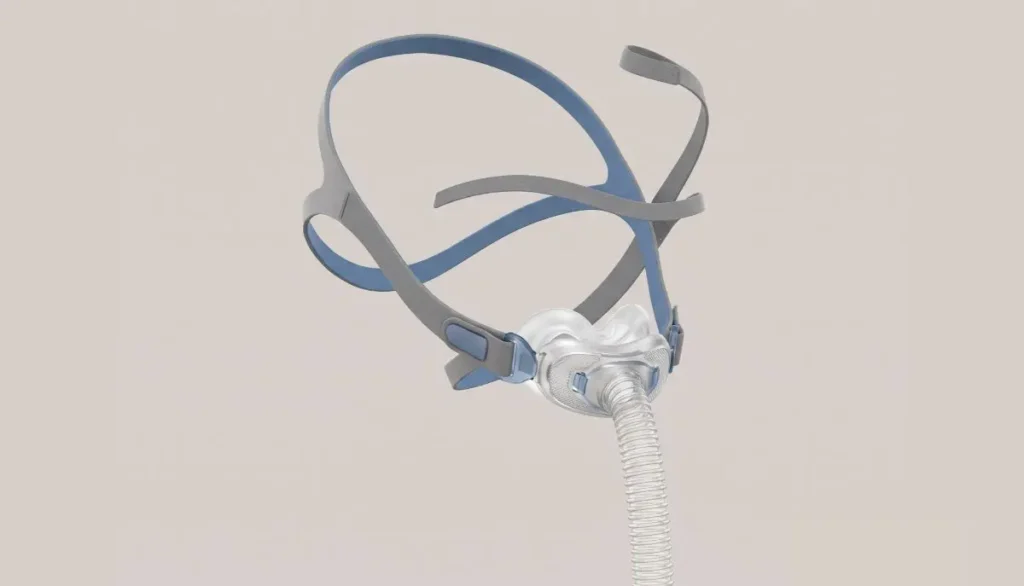
Its lightweight design and minimal facial coverage make it an option for people who prefer a less bulky mask. The AirFit P10 also features elastic headgear and a vent system that disperses exhaled air.
Before learning resmed airfit p10 how to use, remember that this mask is intended for people who have been prescribed positive airway pressure therapy. Your healthcare provider can help determine whether a nasal pillows mask is appropriate for your needs.
What Comes With the ResMed AirFit P10?
The standard AirFit P10 mask system has three main components:
- Nasal pillows: These soft parts rest at the entrance of your nostrils and create the seal.
- Mask frame and tubing: These components connect the nasal pillows to the CPAP air tubing.
- Headgear: The elastic straps hold the mask in position while you sleep.
The standard mask package commonly includes small, medium, and large nasal pillows, although the included sizes may vary by model or package. The AirFit P10 for Her may include extra-small, small, and medium sizes.
Check your product packaging and user guide to confirm the components supplied with your specific mask.
ResMed AirFit P10 How to Use: Step-by-Step Instructions
Putting on the AirFit P10 becomes easier with practice. Follow these steps each evening, while also following the instructions supplied with your mask and CPAP machine.
Step 1: Choose the Correct Nasal Pillow Size
Before wearing your mask, make sure the nasal pillows fit your nostrils properly. The correct size should feel secure without causing uncomfortable pressure.
A pillow that is too small may not create a reliable seal, while one that is too large may feel uncomfortable or irritate the nostrils.
Try the available sizes according to the manufacturer’s fitting instructions. Choose the size that sits comfortably and maintains a good seal. Do not assume that the smallest size will always be the most comfortable.
Step 2: Position the Mask Correctly
Hold the mask near your nose. Check the left and right orientation markings and the pillow-size indicator so the nasal pillows are positioned correctly.
Place the two pillows gently at the entrance of your nostrils. They should sit upright and securely without being forced deeply into your nose.
Correct positioning is an important part of resmed airfit p10 how to use because poorly positioned pillows can cause discomfort or air leaks during therapy.
Step 3: Put on the Headgear
Hold the lower elastic strap and gently stretch it around the back of your head. The upper strap should rest comfortably over the crown of your head.
Make sure the straps are not twisted. The mask should stay in place without pulling tightly against your nostrils.
The AirFit P10 is designed to slip on and off easily. If your particular version includes an adjustment buckle, use it to make small changes to the fit.
Step 4: Reseat the Nasal Pillows
Once the headgear is in place, gently move the mask away from your face and then bring it back toward your nose. This helps the nasal pillows settle into a comfortable position.
Check that both pillows remain upright and that the mask does not pull to one side.
Avoid overtightening the headgear to solve a fitting problem. A comfortable, well-positioned mask is generally preferable to one that presses firmly against the face.
Step 5: Connect the Mask to Your CPAP Machine
Connect the mask tubing to the compatible CPAP air tubing according to the equipment instructions. Check that the connection is secure and that the tubing is not twisted or pinched.
Make sure your CPAP machine is set up according to your healthcare provider’s directions. Do not change your prescribed pressure settings on your own.
Step 6: Turn on the Machine and Check the Fit
Start your CPAP therapy using the machine’s normal operating instructions. Breathe naturally and check how the mask feels.
Look for these signs of a comfortable fit:
- The nasal pillows remain in place.
- You do not feel uncomfortable pressure inside your nostrils.
- The mask does not pull strongly against your nose.
- Air is not escaping around the nasal pillows.
- The headgear stays in position without feeling excessively tight.
The AirFit P10 has intentional vent openings that release exhaled air. A gentle flow from the vent is normal; do not block these openings.
If air leaks occur elsewhere, turn off the machine if necessary, reposition the pillows, and check the connections. Persistent leaks may require a different pillow size or professional fitting assistance.
Tips for Comfortable AirFit P10 Use During Sleep
Learning resmed airfit p10 how to use involves more than putting the mask on. Small habits can make your nightly routine more comfortable.
Keep your face clean. Facial oils can affect the seal, so wash your face before putting on the mask.
Avoid excessive strap tension. Tightening the headgear too much can create pressure and discomfort. Adjust it only as needed to maintain a comfortable fit.
Position the tubing carefully. Keep the air tubing free from twists and avoid pulling it in a way that shifts the mask.
Check your sleeping position. If the mask moves when you turn onto your side, adjust your pillow or tubing position without tightening the straps excessively.
Allow time to adjust. If you are new to CPAP therapy, the sensation of pressurized air may take some getting used to. Follow the acclimation advice given by your sleep specialist.
If you regularly experience nasal irritation, dryness, persistent leaks, or difficulty tolerating the mask, contact your healthcare provider or sleep therapist for advice.
How to Clean the ResMed AirFit P10
Regular cleaning removes facial oils, dirt, and residue that can affect the mask seal. It also helps keep the equipment in good condition.
ResMed recommends daily cleaning of the nasal pillows, frame, and mask tubing, along with weekly cleaning of the headgear. Always check the instructions for your exact model.
Daily Cleaning
- Disconnect the mask from the CPAP equipment as directed in the user guide.
- Separate the nasal pillows, frame, and mask tubing according to the manufacturer’s instructions.
- Wash the components gently by hand in warm water, approximately 86°F (30°C), using mild liquid soap.
- Pay attention to the nasal pillows and vent openings.
- Rinse the parts thoroughly with clean, drinking-quality water.
- Leave the components to air-dry away from direct sunlight.
- Reassemble the mask only after all parts are completely dry.
Do not use harsh cleaning products, strong fragrances, or unapproved cleaning devices. Avoid blocking or damaging the vent openings.
Weekly Headgear Cleaning
Wash the headgear by hand using warm water and mild soap. Rinse it thoroughly and allow it to air-dry away from direct sunlight.
Avoid using excessive heat to dry the elastic straps because it may damage the material or affect the fit.
Common ResMed AirFit P10 Problems and Solutions
Even when you understand resmed airfit p10 how to use, you may need to make small adjustments as you become familiar with the mask.
Problem 1: Air Leaking Around the Nose
Possible cause: The pillows may be the wrong size, incorrectly positioned, or not seated properly.
What to do: Reseat the pillows, check the left and right orientation, and try another size if appropriate. If the leak continues, ask your healthcare provider or equipment supplier about a fitting assessment.
Problem 2: Soreness or Irritation in the Nostrils
Possible cause: The pillows may be too large, the headgear may be too tight, or the skin may be reacting to friction.
What to do: Recheck the pillow size and loosen the headgear if necessary. Persistent soreness, broken skin, or pain should be discussed with your healthcare provider.
Problem 3: The Mask Slips Off During Sleep
Possible cause: The straps may be too loose, stretched, twisted, or incorrectly positioned.
What to do: Reposition the upper and lower straps and inspect the headgear for wear. Replace damaged components when needed rather than relying on excessive tightening.
Problem 4: The Mask Feels Uncomfortable
Possible cause: You may need time to adjust, or the nasal pillows may not suit your facial shape or breathing needs.
What to do: Check the fit and speak with your sleep therapist if discomfort continues. A different mask style may be worth discussing.
Problem 5: Airflow Seems Restricted
Possible cause: The tubing may be kinked, the mask may not be assembled correctly, or the vent may be obstructed.
What to do: Check the tubing and connections, and clean the mask according to the manufacturer’s instructions. Never block the vent openings. If you still cannot breathe comfortably or suspect equipment failure, stop and seek appropriate medical or equipment support.
When Should You Replace AirFit P10 Parts?
CPAP mask components gradually wear out through regular use, cleaning, and exposure to facial oils. Nasal pillows may become discolored, lose their shape, or stop sealing properly. Headgear may stretch, and the frame or tubing may show signs of damage.
Inspect your mask regularly and follow the replacement schedule recommended by your supplier, insurer, and manufacturer. Replace parts sooner if they become damaged or cannot maintain a reliable seal.
When ordering replacement nasal pillows, make sure they are compatible with your specific AirFit P10 model and select the appropriate size. Not every ResMed nasal pillow or mask component is interchangeable.
Where Can You Find CPAP Supplies?
If you need replacement CPAP mask components or other home medical equipment, Alfa Healthcare Supply Inc. provides medical supply resources for patients and caregivers.
Visit Alfa Healthcare Supply Inc. to explore available products and contact the supplier with questions about product compatibility, availability, and ordering requirements.
Before purchasing a replacement, confirm the exact mask model, pillow size, and component you need. If your prescription, insurance plan, or supplier has specific requirements, verify those details before ordering.
Final Thoughts: ResMed AirFit P10 How to Use
Learning resmed airfit p10 how to use can make your nightly CPAP routine easier and more predictable. Start with the correct nasal pillow size, position the headgear properly, check the seal, and connect the mask to your compatible CPAP equipment. Clean the components regularly and replace worn parts when necessary.
Most importantly, comfort should not come at the expense of proper therapy. If you experience ongoing leaks, discomfort, or breathing difficulties, ask your healthcare provider for help rather than changing your prescribed settings yourself.
Alfa Healthcare Supply Inc. is a resource for patients and caregivers looking for medical supplies and compatible CPAP accessories. Choosing the right components and caring for them properly can help you maintain a consistent equipment routine.
Frequently Asked Questions: ResMed AirFit P10 How to Use
1. How do I put on the ResMed AirFit P10 correctly?
Position the nasal pillows at the entrance of your nostrils, check the left and right markings, and pull the headgear over your head. Rest the upper strap on the crown and the lower strap behind your head. Reseat the pillows gently, connect the mask to your CPAP tubing, and start therapy as directed.
2. Should the AirFit P10 nasal pillows go deep inside my nose?
No. The pillows should sit comfortably at the entrance of your nostrils. Do not force them deeply into your nose. If they cause pressure or soreness, check the size and fit.
3. How tight should the AirFit P10 headgear be?
The headgear should hold the mask securely without pulling excessively on your nostrils. Avoid overtightening. Small adjustments and correct pillow positioning can often improve the seal.
4. How often should I clean my ResMed AirFit P10?
Clean the nasal pillows, frame, and mask tubing daily according to the manufacturer’s instructions. Wash the headgear weekly and allow all components to dry completely before use.
5. Why does my AirFit P10 leak air?
Leaks can occur when the nasal pillows are the wrong size, are not positioned correctly, or have become worn. Check the fit, inspect the components, and seek help if leaks continue.
6. Can I use the AirFit P10 with any CPAP machine?
Not necessarily. Compatibility depends on the specific mask and device. The standard AirFit P10 and AirFit P10 for AirMini are different configurations. Check the official compatibility information and your equipment instructions before connecting the mask.
7. Can I replace only the nasal pillows?
Replacement nasal pillows may be available separately for compatible AirFit P10 models. Confirm the correct replacement part and size before ordering.
8. What should I do if I cannot get a comfortable fit?
Recheck the pillow size, orientation, and strap position. If you continue to experience leaks, pain, skin irritation, or difficulty tolerating therapy, contact your sleep therapist or healthcare provider for a fitting assessment.