


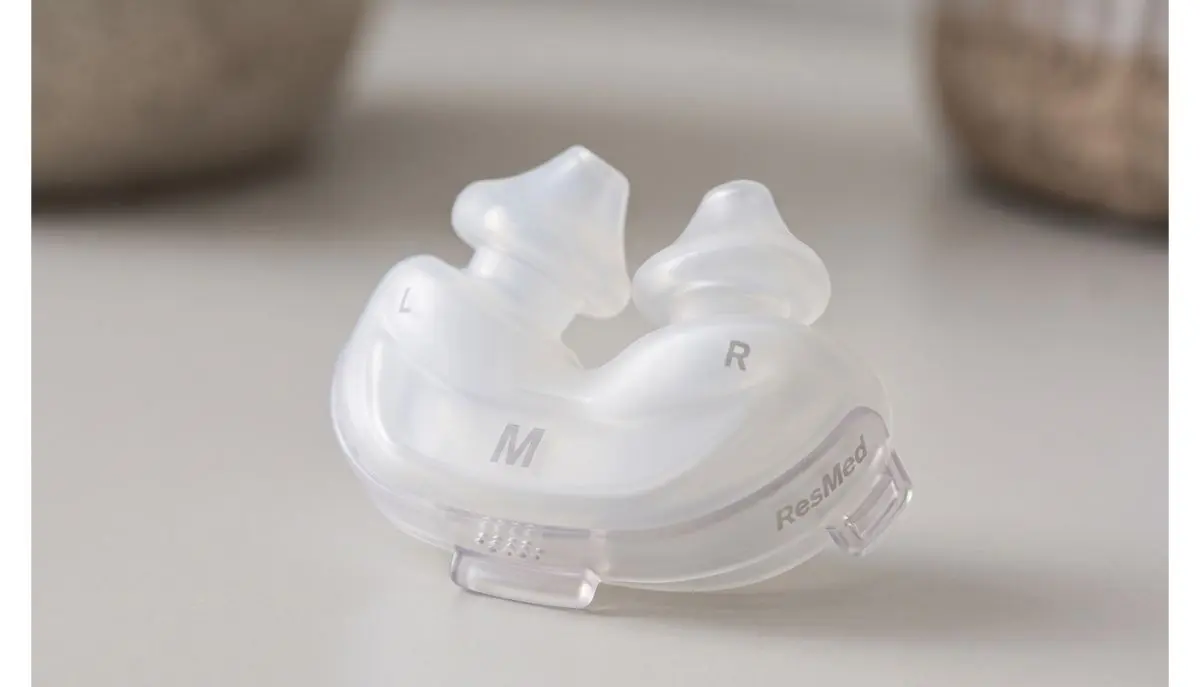
Introduction: ResMed AirFit P10 Nasal Pillow Replacement
With the AirFit P10 nasal pillows mask, you know how important it is to have a soft, clean, and properly fitting cushion. Over time, nasal pillows can wear out, lose their shape, or accumulate facial oils, which can compromise the mask’s seal. Replacing them when necessary ensures the mask remains comfortable and helps you stay consistent with your prescribed CPAP therapy routine.
Choosing the right ResMed AirFit P10 nasal pillow replacement is not difficult. You simply need to understand which replacement part is correct for your mask, how to select the right size, and how to care for your new pillows.
At Alfa Healthcare Supply Inc., we understand that finding the right CPAP supplies should be easy. This guide explains what to consider when replacing your nasal pillows, how to fit them, and how to keep them in good condition.
What is a ResMed AirFit P10 Nasal Pillow Replacement?
The ResMed AirFit P10 is a lightweight nasal pillows CPAP mask designed to deliver pressurized air through two small cushions that sit at the entrance of the nostrils. Instead of covering the nose or mouth, the mask uses a compact design that leaves much of the face uncovered.
The ResMed AirFit P10 nasal pillow replacement is a cushion that attaches to the mask frame. It allows you to replace the part of the mask that comes into contact with your nose, so you don’t need to purchase an entirely new mask system.
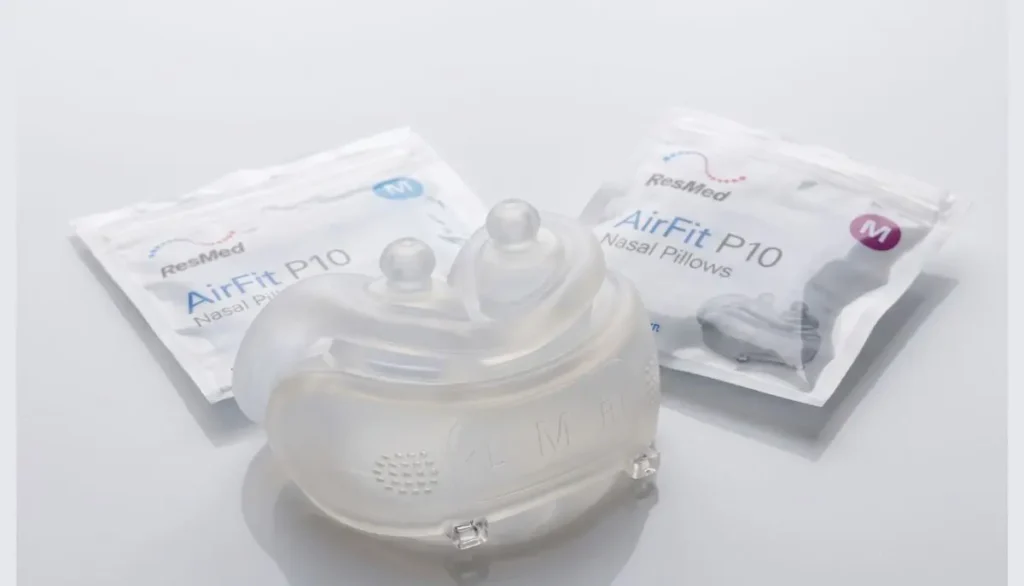
The original AirFit P10 nasal pillows are made from soft silicone. Their shape is designed to provide a seal around the nostrils while keeping the mask compact and lightweight.
Before ordering, remember that the standard AirFit P10 and the AirFit P10 for AirMini are different mask versions. Always confirm the exact model you use before choosing replacement parts.
Why Should You Replace Your AirFit P10 Nasal Pillows?
Nasal pillows experience regular contact with your skin and exposure to moisture, facial oils, and everyday handling. Even with proper cleaning, the material can gradually wear down.
Here are several reasons to consider a replacement.
1. The Cushion Looks Worn
Inspect your nasal pillows regularly. If the silicone becomes damaged, develops tears, or loses its original shape, it may no longer fit correctly.
A fresh ResMed AirFit P10 nasal pillow replacement can help restore the cushion’s intended shape when the old component is worn.
2. You Notice Air Leaks
Air escaping around your nostrils may indicate that the pillows are not positioned correctly, the size is unsuitable, or the cushion needs replacement.
However, a leak does not necessarily mean that the nasal pillows are faulty. First, check the fit, the adjustment of the headgear, and the positioning of the cushion. If the problem persists, contact your equipment supplier or a sleep care professional.
3. The Cushion Feels Less Comfortable
Your mask should feel secure without causing unnecessary pressure or irritation. If your nasal pillows have become stiff, misshapen, or uncomfortable despite proper cleaning and adjustment, inspect them for signs of wear.
Choosing the right size is equally important. A cushion that is too small or too large can cause discomfort or interfere with the seal.
4. You Want to Maintain Better Mask Hygiene
Regular cleaning helps remove facial oils and residue from the silicone. However, cleaning cannot restore material that has already deteriorated.
Replacing worn components and following the manufacturer’s maintenance instructions can help keep your equipment in suitable condition for continued use.
How to Choose the Right ResMed AirFit P10 Nasal Pillow Replacement
Selecting the right replacements for the maintenance of your CPAP mask is one of the most important steps.
Check Your Mask Model
Start by confirming that you use the standard ResMed AirFit P10 nasal pillows mask. Do not assume that every P10-labeled component fits every version.
The AirFit P10 for AirMini is designed for use with the AirMini system. Its components and construction differ from those of the standard AirFit P10.
Checking your mask model before ordering helps prevent compatibility problems.
Select the Correct Pillow Size
The standard AirFit P10 nasal pillows are available in Small, Medium, and Large sizes. The AirFit P10 for Her also offers an Extra Small option, depending on the specific product version.
The right size should sit securely at your nostrils without being forced into place. It should provide a stable seal without causing unnecessary pressure.
Use the manufacturer’s sizing guidance and your clinician’s recommendations when choosing a replacement.
Check the Product Description
Before purchasing a ResMed AirFit P10 nasal pillow replacement, read the product listing carefully.
Confirm the following details:
- This replacement is for the exact same version of your AirFit P10 mask.
- The selected size matches your needs.
- The listing is for the nasal pillows or cushion only, rather than a complete mask.
- The product description identifies the manufacturer and included components.
These simple checks can help you order the part you actually need.
How to Replace ResMed AirFit P10 Nasal Pillows
Replacing the nasal pillows is generally straightforward because the standard AirFit P10 uses a simple, compact design. Always follow the instructions for your specific mask model.
Step 1: Prepare Your Mask
Turn off your CPAP device and detach the mask from the air tubing, following the instructions provided in the user guide. Place the mask on a clean surface.
Wash your hands before handling the replacement component.
Step 2: Remove the Old Nasal Pillows
Hold the mask frame securely near the pillow connection. Gently squeeze and pull the existing nasal pillows away from the frame.
Avoid pulling roughly on the silicone or twisting the frame excessively, as this could damage the components.
Step 3: Inspect the Mask Frame
Before installing the new cushion, check the frame and connection points for visible damage, dirt, or residue.
If the frame is cracked or damaged, replacing the pillows alone may not solve your mask problem.
Step 4: Attach the New Nasal Pillows
Position the replacement pillows correctly and align the clips with the corresponding slots on the frame. Press the parts together until they are securely attached.
For the standard AirFit P10, the shorter clip fits into the upper slot and the longer clip fits into the lower slot.
Make sure the inner walls of the pillows are not folded or collapsed. They should retain their intended shape.
Step 5: Check the Fit
Position the mask so the pillows sit comfortably at the entrance of your nostrils. Make sure the left and right orientation markings are correctly positioned.
Place the headgear comfortably on your head and connect the mask tubing to your CPAP air tubing.
When you start therapy, check for an appropriate seal and confirm that air is not escaping from unintended areas. If the fit remains uncomfortable or leaks continue, consult your equipment supplier or sleep care professional.
How Often Should You Replace AirFit P10 Nasal Pillows?
The replacement schedule depends on the condition of your equipment, how often you use it, your cleaning routine, and your insurance plan.
ResMed lists the mask cushion as a component that may typically need replacement about once a month. This is a general guideline, not a guarantee that every user must replace the cushion on the same schedule.
Inspect your nasal pillows regularly and replace them sooner if they become damaged or no longer provide a comfortable, reliable fit.
Insurance coverage and replacement allowances vary. Check with your insurer or medical equipment supplier to understand your plan’s requirements.
How to Clean and Care for Your Replacement Nasal Pillows
Proper care can help keep your replacement cushions clean and in good condition.
Clean the Pillows Daily
After use, remove the nasal pillows according to the manufacturer’s instructions. Gently wash them in warm water with mild soap, paying particular attention to the openings and areas that contact your skin.
Rinse thoroughly to remove all soap residue.
Let the Component Air-Dry
Place the cleaned pillows on a clean surface and allow them to air-dry away from direct sunlight. Make sure the component is completely dry before reassembling the mask.
Avoid Harsh Cleaning Products
Do not use harsh chemicals or unapproved cleaning methods. Follow ResMed’s instructions for your specific mask, and avoid ozone-based cleaning devices unless the manufacturer specifically approves their use for your equipment.
Inspect Before Each Use
Look for cracks, tears, deformation, or other signs of damage. Also check that the pillow openings are clear and the component remains securely attached to the frame.
These habits can help you recognize when it is time to order another ResMed AirFit P10 nasal pillow replacement.
Common Problems and Simple Solutions
Problem: Air Escapes Around the Nose
Check whether the pillows are the correct size and positioned properly. Adjust the headgear gently without overtightening it.
If leaks continue, inspect the cushions and seek help from your equipment supplier.
Problem: The Pillows Feel Too Tight
The chosen size might not be the right fit for your nostrils, or the mask may not be positioned correctly. Instead of trying to force the pillows into place, follow the sizing instructions provided in your user guide.
Persistent discomfort should be discussed with your sleep care professional.
Problem: The Replacement Does Not Fit the Frame
Confirm the exact mask model and the replacement part number. A standard AirFit P10 component may not be interchangeable with the AirFit P10 for AirMini.
Do not force a component that does not fit securely.
Problem: The Pillows Look Clean but Still Leak
A clean cushion can still be worn or incorrectly fitted. Inspect the silicone, confirm the size, and check the headgear adjustment.
If the problem remains, ask your equipment supplier or clinician to assess the mask fit.
Benefits of Replacing Only the Nasal Pillows
When the mask frame and headgear remain in good condition, replacing just the cushion may be a practical option.
Potential benefits include:
- A refreshed contact surface: A new silicone component replaces a worn cushion.
- Continued use of compatible equipment: It is possible that you may be able to continue using your existing frame and headgear.
- Simple maintenance: The replacement process is designed to be straightforward.
- More targeted purchasing: You can purchase the component that needs attention instead of automatically buying a complete mask.
A replacement cushion is not a solution for every mask problem. If the frame, tubing, or headgear is damaged, those components may also need attention.
Shop for CPAP Supplies at Alfa Healthcare Supply Inc.
Finding suitable CPAP supplies should be simple and convenient. Alfa Healthcare Supply Inc. provides medical supply resources to help customers identify equipment and replacement components for their needs.
When looking for a ResMed AirFit P10 nasal pillow replacement, verify the model, size, and product details before placing an order.
Visit Alfa Healthcare Supply Inc. to explore available medical supplies. If you are unsure which replacement component is compatible with your mask, contact the supplier for assistance before purchasing.
Availability, pricing, shipping options, and insurance coverage may vary by product and plan.
Final Thoughts: ResMed AirFit P10 Nasal Pillow Replacement
Your CPAP mask is part of your nightly routine, and even a small component can affect how comfortable that routine feels. Keeping your nasal pillows clean, checking their condition, and selecting the correct replacement can help you maintain a suitable mask fit.
Before ordering a ResMed AirFit P10 nasal pillow replacement, confirm the mask version, choose the appropriate size, and review the product details. Replace worn components as needed and ask your healthcare professional or equipment supplier for help if discomfort or air leaks continue.
With the right replacement and consistent care, you can keep your CPAP equipment in good condition and focus on following your prescribed sleep therapy routine.
Frequently Asked Questions: ResMed AirFit P10 Nasal Pillow Replacement
1. What is a ResMed AirFit P10 nasal pillow replacement?
It is a replacement silicone cushion for the compatible AirFit P10 nasal pillows mask. It replaces the component that rests at the entrance of the nostrils.
2. What sizes are available for standard AirFit P10 nasal pillows?
The standard AirFit P10 offers Small, Medium, and Large nasal pillows. The AirFit P10 for Her also offers Extra Small, depending on the product version.
3. How often should I replace my AirFit P10 nasal pillows?
ResMed lists a monthly replacement interval as general guidance for mask cushions. Actual needs vary with wear, maintenance, and insurance requirements.
4. Can I replace the nasal pillows without buying a new mask?
Yes, provided the frame and other components remain in good condition and the replacement is compatible with your mask.
5. Are AirFit P10 and AirFit P10 for AirMini replacement pillows interchangeable?
Do not assume they are interchangeable. Check the exact model and manufacturer compatibility information before purchasing.
6. How do I know if my nasal pillows are the wrong size?
You may notice discomfort, an unstable seal, or persistent leaks. Review the manufacturer’s sizing guide and seek fitting assistance if necessary.
7. Can I clean replacement nasal pillows with regular soap?
Use mild soap and warm water according to the manufacturer’s instructions. Rinse thoroughly and air-dry away from direct sunlight.
8. Where can I find a ResMed AirFit P10 nasal pillow replacement?
Visit Alfa Healthcare Supply Inc. to explore available supplies and verify product compatibility before ordering.
Medical information note: This article is for general educational purposes and does not replace advice from your healthcare professional or the manufacturer’s instructions. Follow your prescribed CPAP treatment plan and the user guide for your specific equipment.