


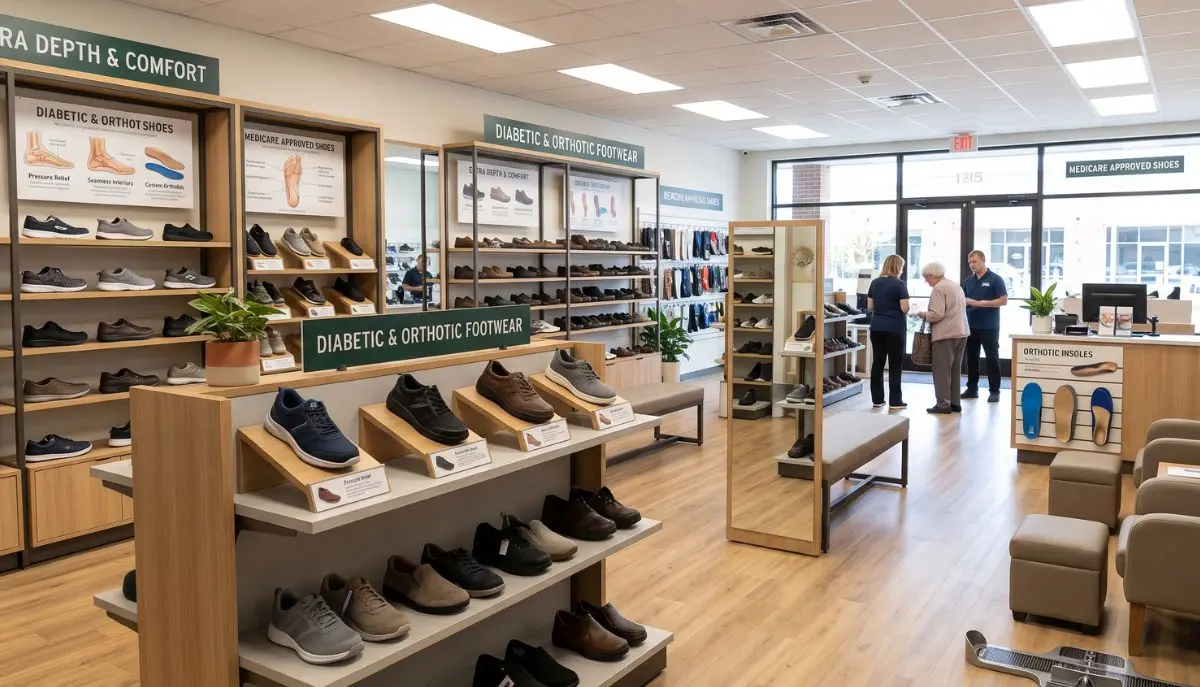
Diabetic Shoes Bay Ridge Brooklyn:
Living with diabetes means paying attention to the small things that support your health every day. Choosing the right shoes is one of them. A comfortable pair of diabetic shoes can help protect your feet from unnecessary rubbing, pressure, and minor injuries while making everyday activities more comfortable.
For people searching for diabetic shoes Bay Ridge Brooklyn, understanding footwear options is an important first step toward better foot care. Whether you walk around the neighborhood, commute to work, visit family, or manage daily errands, properly fitting shoes can make a meaningful difference in your routine.
Alfa Healthcare Supply Inc. is a medical supply provider based in Floral Park, New York, serving customers across parts of New York City and surrounding areas. Through its medical supply services, the company helps patients and caregivers explore healthcare products and supplies for everyday needs.
This guide explains what diabetic shoes are, how to choose the right pair, what features to look for, and how to find medical supply support when you live in Bay Ridge, Brooklyn.
Why Diabetic Shoes Matter for People With Diabetes
Diabetes can affect the nerves and blood circulation in your feet. Some people develop diabetic neuropathy, a condition that reduces their ability to feel pain, heat, or pressure. As a result, a small blister or cut may go unnoticed until it becomes a more serious problem.
Regular shoes may not always provide enough room or cushioning for people with sensitive feet, foot deformities, or a history of sores. This is why healthcare professionals may recommend specialized footwear for certain patients.
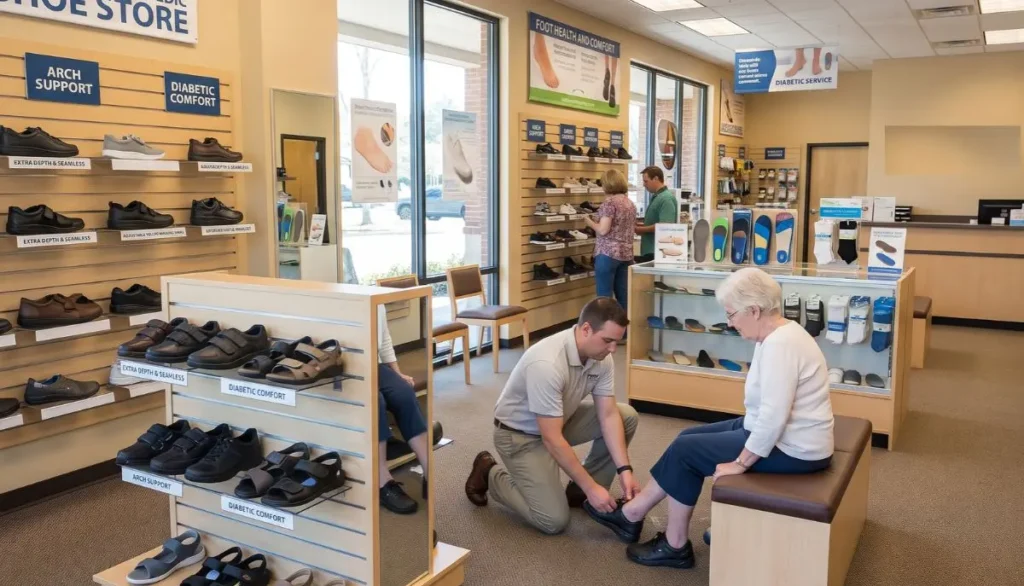
When researching diabetic shoes Bay Ridge Brooklyn, consider how a shoe fits your individual foot shape and health needs instead of focusing only on its appearance.
Depending on your situation, appropriate footwear may help:
- Reduce rubbing and pressure in sensitive areas.
- Provide extra room for toes and foot deformities.
- Accommodate prescribed inserts or orthotic devices.
- Improve comfort during walking and standing.
- Support daily foot protection when combined with proper foot care.
Diabetic shoes do not eliminate every risk associated with diabetes. Regular foot examinations, blood sugar management, and guidance from your healthcare professional remain important parts of preventive care.
What Are Diabetic Shoes?
Diabetic shoes are specially designed shoes intended to support people who have diabetes-related foot concerns or an increased risk of foot complications.
They may have deeper interiors, wider toe boxes, softer linings, supportive soles, and enough room for medically recommended inserts. Some styles are designed for everyday walking, while others accommodate more complex foot conditions.
People looking for diabetic shoes Bay Ridge Brooklyn may encounter several types of footwear.
1. Extra-Depth Shoes
Extra-depth shoes provide additional space inside the shoe. This room can be helpful for people with wider feet, bunions, hammertoes, or prescribed inserts.
The additional depth may reduce contact between the toes and the top of the shoe, depending on the design and fit.
2. Wide-Width Diabetic Shoes
Wide-width footwear offers more room across the forefoot. This may help people whose feet feel squeezed in standard-width shoes.
However, a wider shoe should still hold the heel securely. A shoe that is too loose can create friction and increase the risk of skin irritation.
3. Therapeutic Shoes With Inserts
Some patients need specialized shoes paired with protective inserts that help redistribute pressure across the foot.
The right combination depends on the person’s foot structure, medical history, and level of risk. A healthcare professional should help determine whether therapeutic footwear or custom inserts are appropriate.
4. Walking Shoes for Everyday Use
Some people with diabetes can wear well-fitting walking shoes that provide cushioning, stability, and adequate room for their toes.
Not everyone with diabetes needs prescription diabetic footwear. A podiatrist or other qualified healthcare professional can help determine which type is appropriate.
How to Choose Diabetic Shoes in Bay Ridge, Brooklyn
Finding the right footwear involves more than selecting a size. Every person’s feet are different, and diabetes-related foot concerns can change over time.
If you are searching for diabetic shoes Bay Ridge Brooklyn, use the following points to guide your selection.
Choose the Correct Size
Shoes should fit comfortably without squeezing your toes or allowing your feet to slide around. Check both feet because one foot may be larger than the other.
Measure your feet when they are at their largest, often later in the day. If you use orthotic inserts, bring them when trying on shoes.
Do not assume that a familiar shoe size will fit every brand or style.
Look for a Roomy Toe Box
The toe box is the front part of the shoe where your toes sit. A broad, sufficiently deep toe box can help limit pressure on the toes.
Avoid footwear that forces your toes together or presses against bunions and other prominent areas.
Check the Interior Lining
Run your hand gently along the inside of the shoe to check for rough seams, wrinkles, or hard areas that could rub against your skin.
A smooth interior can be particularly important for people with reduced sensation because they may not notice friction as it develops.
Consider Cushioning and Stability
Comfortable cushioning may help make walking easier. A stable sole can also support everyday movement.
The best design depends on your balance, gait, foot shape, and medical needs. If you have significant foot deformities or a history of ulcers, seek professional advice rather than choosing shoes based on comfort alone.
Make Sure Your Inserts Fit
If your healthcare professional has prescribed diabetic inserts or custom orthotics, make sure the shoes can accommodate them without creating new pressure points.
Do not remove prescribed inserts or replace them with a different product without checking with your healthcare professional.
Where to Look for Diabetic Shoes Bay Ridge Brooklyn
Bay Ridge residents have several ways to explore therapeutic footwear and related healthcare supplies. Your choice may depend on whether you prefer to visit a local store, shop online, or work with a medical supply provider.
Explore Local Medical Supply Providers
A local medical supply store may help you identify available footwear, understand product options, and ask questions about sizing or documentation.
When contacting a provider, ask whether diabetic shoes are currently available, whether fitting assistance is offered, and whether the business can help with prescribed inserts.
If you are comparing a medical supply store Bay Ridge Brooklyn, look for clear product information, knowledgeable assistance, and a straightforward explanation of any insurance requirements.
Contact Alfa Healthcare Supply Inc.
Alfa Healthcare Supply Inc. is based in Floral Park, NY, and serves customers in Brooklyn and other areas of the New York region.
The company offers a range of medical supplies and durable medical equipment, including diabetic supplies and orthopedic-related products. Customers looking for diabetic footwear can contact the team to ask about current availability, ordering options, fitting or prescription requirements, and service eligibility.
Visit the official website at https://alfahealthcaresupplyinc.com/ to explore available products and contact information.
Before placing an order, confirm that the specific shoe style, size, and any required inserts are available. Service availability, delivery arrangements, and insurance coverage may depend on the product and individual circumstances.
Ask About Insurance Coverage
Some eligible patients may qualify for Medicare coverage of therapeutic shoes and inserts under specific conditions. Coverage is not automatic for everyone with diabetes.
Ask the supplier and your healthcare professional which documents are required, whether you meet the eligibility criteria, and what costs you may be responsible for paying.
How a Medical Supply Store Supports Your Footwear Needs
Finding suitable shoes may involve more than shopping. Some people need help understanding product options, coordinating paperwork, or locating related supplies.
A hospital supply store Bay Ridge or medical supply provider may offer products that support different parts of a person’s care routine. Depending on the supplier, these may include orthopedic supports, mobility aids, diabetes monitoring products, and home healthcare equipment.
When comparing suppliers, consider the following:
- Product availability and size options.
- Clear information about prescriptions and documentation.
- Assistance with insurance verification, when offered.
- Delivery or shipping options for your area.
- Helpful communication about ordering and returns.
Alfa Healthcare Supply Inc. provides a range of home healthcare and medical supply products. If you live in Bay Ridge, contact the company directly to confirm whether your requested diabetic footwear can be supplied and how the ordering process works.
The Connection Between Diabetic Shoes and Orthopedic Foot Care
Foot discomfort can have several causes, including bunions, hammertoes, abnormal pressure distribution, and other structural concerns.
People searching for orthopedic Bay Ridge Brooklyn may be looking for products that support comfort and movement. Orthopedic footwear and diabetic shoes can overlap, but they are not exactly the same.
Orthopedic shoes are designed to address certain foot, ankle, or walking concerns. Diabetic shoes focus on appropriate fit, protection, and accommodation for people with diabetes-related foot risks.
Some shoes may serve both purposes. However, a shoe marketed as orthopedic or diabetic is not automatically suitable for every person.
A podiatrist can assess your feet and determine whether you need ordinary supportive shoes, extra-depth footwear, prescribed inserts, custom shoes, or another treatment.
Do not use new footwear to manage unexplained foot swelling, an open wound, or a suspected infection without medical evaluation.
Daily Foot Care Tips for People With Diabetes
Choosing suitable diabetic shoes is only one part of protecting your feet. A simple daily routine can help you notice problems early.
Inspect Your Feet Every Day
Check the tops and bottoms of your feet, between your toes, and around your heels. Look for redness, blisters, cuts, swelling, cracks, or changes in skin color.
If you cannot easily see the bottoms of your feet, ask a family member or caregiver to help or use an appropriate mirror.
Check Your Shoes Before Wearing Them
Look inside your shoes for small stones, rough areas, or objects that could injure your feet.
Make sure the lining is smooth and that the shoes have not developed worn or damaged areas.
Wear Clean, Comfortable Socks
Choose socks that fit properly and do not create tight pressure around your feet or ankles. Avoid socks with seams that rub against sensitive areas.
Change damp socks promptly and keep your feet clean and dry.
Avoid Walking Barefoot
Even at home, walking barefoot can expose your feet to injuries you may not feel immediately.
Wear suitable protective footwear indoors and outdoors, following your healthcare professional’s recommendations.
Schedule Regular Foot Examinations
The American Diabetes Association recommends a comprehensive foot evaluation at least annually, with more frequent checks for people at increased risk. Your healthcare professional can assess sensation, circulation, skin condition, and foot structure.
If you notice a new wound, unusual swelling, redness, warmth, or signs of infection, seek prompt medical attention. A red, hot, swollen foot can require urgent evaluation even when it does not hurt.
What to Ask Before Buying Diabetic Shoes
Before choosing diabetic shoes Bay Ridge Brooklyn, prepare a few questions to help you make an informed decision.
- Do I need specialized therapeutic shoes, or will supportive walking shoes meet my needs?
- Should I use prescribed diabetic inserts or custom orthotics?
- Which width and depth are appropriate for my feet?
- Do I need a prescription or medical documentation?
- Does my insurance plan cover eligible shoes and inserts?
- Can the supplier explain the ordering process and any out-of-pocket costs?
- What should I do if the shoes rub against my skin or do not fit correctly?
These questions can help you avoid buying footwear that looks suitable but does not meet your needs.
Why Choose Alfa Healthcare Supply Inc. for Medical Supply Support?
Managing diabetes often involves keeping track of several products, appointments, and everyday care needs. A medical supply provider can help make the process easier by giving customers a place to explore available products and ask practical questions.
Alfa Healthcare Supply Inc. serves patients and caregivers from its Floral Park location and provides medical supplies to customers across parts of New York.
The company offers a range of healthcare products, including diabetic supplies, orthopedic products, and durable medical equipment. Customers can visit its website to learn more about the available catalog and contact the team regarding specific requirements.
For residents searching for diabetic shoes Bay Ridge Brooklyn, the next step is to confirm whether the required footwear is available and whether the company can support the relevant prescription, fitting, insurance, or delivery arrangements.
Learn more at https://alfahealthcaresupplyinc.com/.
Take the Next Step Toward Better Foot Care
The right footwear should support your daily routine without creating unnecessary pressure or irritation. For people managing diabetes, a proper fit and regular foot checks are important parts of a broader care plan.
If you are researching diabetic shoes Bay Ridge Brooklyn, start by discussing your needs with your healthcare professional, comparing suitable footwear options, and confirming any prescription or insurance requirements.
Alfa Healthcare Supply Inc. can be a starting point for exploring medical supply options in the New York region. Visit https://alfahealthcaresupplyinc.com/ to learn more and contact the company about your specific needs.
Frequently Asked Questions: Diabetic Shoes Bay Ridge Brooklyn
1. Where can I find diabetic shoes in Bay Ridge, Brooklyn?
You can explore local medical supply and therapeutic footwear providers or contact Alfa Healthcare Supply Inc. in Floral Park to ask about available diabetic footwear and service options for Brooklyn customers. Confirm product availability before ordering.
2. Are diabetic shoes necessary for everyone with diabetes?
No. The need for specialized footwear depends on foot sensation, circulation, deformities, previous ulcers, and other risk factors. A podiatrist or qualified healthcare professional can recommend the right option.
3. Does Medicare cover diabetic shoes?
Medicare Part B may cover certain therapeutic shoes and inserts for eligible beneficiaries who meet specific medical criteria. Documentation and supplier requirements apply. Confirm eligibility and costs before purchasing.
4. What features should I look for in diabetic shoes?
Look for a suitable fit, adequate toe room, sufficient depth, a smooth interior, and appropriate cushioning and stability. If you need prescribed inserts, make sure the shoes can accommodate them comfortably.
5. Can I use orthopedic shoes as diabetic shoes?
Some orthopedic shoes may be appropriate for people with diabetes, but not all qualify as therapeutic diabetic footwear. Ask your healthcare professional to recommend the correct type for your needs.
6. Can Alfa Healthcare Supply Inc. help customers in Bay Ridge?
Alfa Healthcare Supply Inc. serves parts of Brooklyn and the wider New York region from its Floral Park base. Contact the company to verify the availability of specific diabetic shoes, ordering requirements, and delivery options.
7. How often should I replace diabetic shoes?
There is no single replacement schedule for everyone. Replace shoes when they become worn, damaged, lose their support, or no longer fit properly. Check them regularly and ask your healthcare professional whether your footwear remains suitable.
8. What should I do if a new pair of diabetic shoes causes a blister?
Stop wearing the shoes that are causing friction and contact your healthcare professional, especially if you have reduced sensation or poor circulation. Do not ignore a blister or attempt to treat a foot wound on your own if you are at increased risk.
Disclaimer: This article is for general educational purposes only and is not a substitute for professional medical advice, diagnosis, or treatment. Consult your healthcare professional before choosing therapeutic footwear, especially if you have reduced sensation, poor circulation, foot deformities, or a history of foot ulcers.