


Continuous Glucose Monitor New York:
Living with diabetes can feel overwhelming, especially when you’re trying to keep your blood sugar within a healthy range every day. Fortunately, modern technology has made diabetes management easier, safer, and more convenient than ever before. If you’re searching for a continuous glucose monitor new york, you’re already taking an important step toward improving your health and gaining better control over your diabetes.
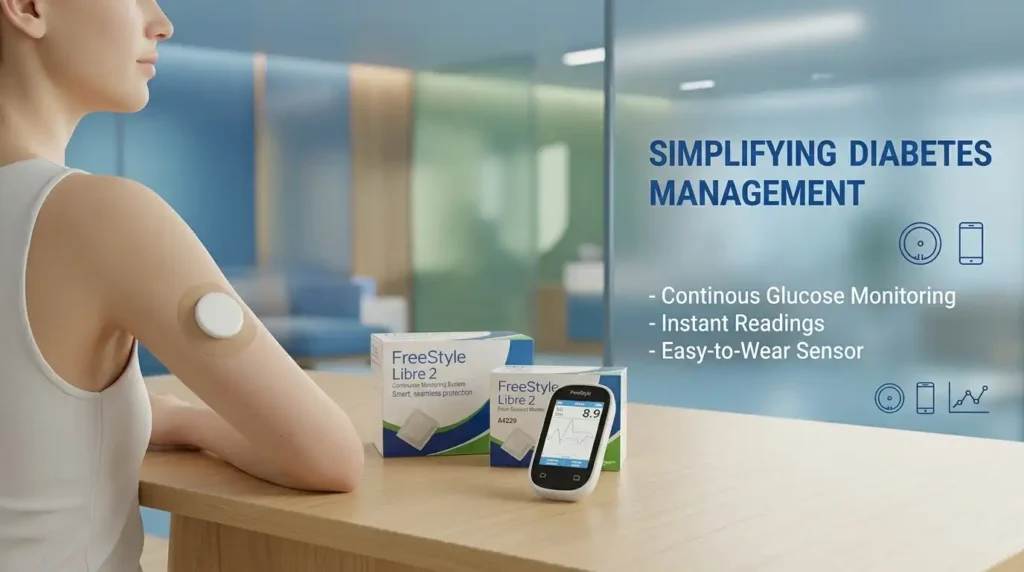
At Alfa Healthcare Supply, we understand that every person’s diabetes journey is unique. Whether you’ve recently been diagnosed or have been managing diabetes for years, having access to reliable Continuous Glucose Monitoring (CGM) technology can help you make smarter health decisions with confidence.
What is a Continuous Glucose Monitor?
A Continuous Glucose Monitor (CGM) is a wearable medical device that continuously tracks glucose (blood sugar) levels throughout the day and night. Unlike a traditional blood glucose meter that provides a single reading from a finger-stick test, a CGM automatically measures glucose levels every few minutes through a small sensor placed just beneath the skin. This gives users a complete picture of how their glucose levels change over time.
The system typically consists of three main components:
- A small sensor that measures glucose levels in the fluid beneath the skin.
- A transmitter that wirelessly sends glucose data.
- A compatible smartphone, receiver, or insulin pump that displays real-time glucose readings, trends, and alerts.
One of the greatest advantages of a CGM is its ability to provide continuous glucose data instead of isolated readings. Users can see whether their glucose levels are rising, falling, or remaining stable, helping them make more informed decisions about meals, physical activity, medication, and insulin therapy.
Many CGM systems also include customizable alerts that notify users when glucose levels become too high, too low, or are changing rapidly. These real-time notifications can help reduce the risk of unexpected blood sugar emergencies and support better day-to-day diabetes management.
For individuals searching for a continuous glucose monitor new york, this technology has become an essential tool for improving diabetes care. Whether you have Type 1 diabetes, Type 2 diabetes, gestational diabetes, or require closer glucose monitoring as recommended by your healthcare provider, a CGM can provide valuable insights that support healthier decisions and greater peace of mind.
At Alfa Healthcare Supply, we are committed to helping patients throughout New York access high-quality continuous glucose monitoring solutions and dependable diabetic supplies. Our experienced team is dedicated to making diabetes management easier by providing trusted products, personalized service, and ongoing customer support.
Why More People Are Choosing a Continuous Glucose Monitor New York
More people are choosing a continuous glucose monitor new york because it offers a smarter, more convenient way to manage diabetes in today’s fast-paced world. Rather than relying only on occasional finger-stick tests, a Continuous Glucose Monitor (CGM) provides real-time glucose readings throughout the day and night, helping users better understand how food, exercise, medications, stress, and sleep affect their blood sugar levels.
For busy New Yorkers balancing work, commuting, family responsibilities, and active lifestyles, having continuous access to glucose information can make diabetes management easier and more proactive. Instead of guessing whether blood sugar levels are stable, users receive continuous updates and alerts that allow them to respond quickly to changes.
People are increasingly turning to a continuous glucose monitor new york because it offers several important benefits, including:
- Continuous glucose readings 24 hours a day, 7 days a week
- Early alerts for high and low blood sugar levels
- Fewer routine finger-stick tests for many users
- Better understanding of glucose trends and daily patterns
- More informed decisions about meals, physical activity, and medication
- Greater confidence during work, travel, exercise, and sleep
- Easy data sharing with healthcare providers and caregivers
- Improved support for long-term diabetes management
Continuous glucose monitoring is especially valuable for people living with Type 1 diabetes, insulin-treated Type 2 diabetes, gestational diabetes, or anyone whose healthcare provider recommends closer glucose monitoring. The detailed insights provided by a CGM can help identify patterns that traditional blood glucose testing may miss, allowing healthcare professionals to make more personalized treatment recommendations.
As awareness of diabetes technology continues to grow, many patients across New York are discovering that a continuous glucose monitor new york provides greater convenience, improved confidence, and better day-to-day control of their health. With access to trusted medical supply providers like Alfa Healthcare Supply, individuals can obtain high-quality CGM products along with the guidance and support needed to make diabetes management simpler and more effective.
How Does a Continuous Glucose Monitor Work?
A CGM uses a small sensor inserted just beneath the skin to measure glucose in the interstitial fluid surrounding your cells.
The sensor sends readings wirelessly to your smartphone or receiver every few minutes. Most systems also include customizable alerts that notify you when glucose levels are rising too quickly, falling dangerously low, or moving outside your target range.
Instead of seeing only one blood sugar reading, you receive:
- Real-time glucose levels
- Daily glucose trends
- Overnight glucose monitoring
- Time-in-range reports
- High and low glucose alerts
This constant stream of information helps patients make more informed treatment decisions.
Who Can Benefit from a Continuous Glucose Monitor?
A CGM is beneficial for many individuals, including:
People with Type 1 Diabetes
Continuous monitoring makes insulin adjustments easier while reducing the risk of severe hypoglycemia.
People with Type 2 Diabetes
Many individuals using insulin—or those who need closer glucose monitoring—can benefit from continuous glucose tracking.
Pregnant Women with Gestational Diabetes
Real-time glucose monitoring helps maintain healthy blood sugar levels during pregnancy.
Seniors
Automatic alerts can help prevent dangerous overnight glucose fluctuations.
Active Individuals
Exercise significantly affects blood sugar levels. A CGM helps athletes and active adults stay within their target range safely.
Benefits of Using a Continuous Glucose Monitor New York
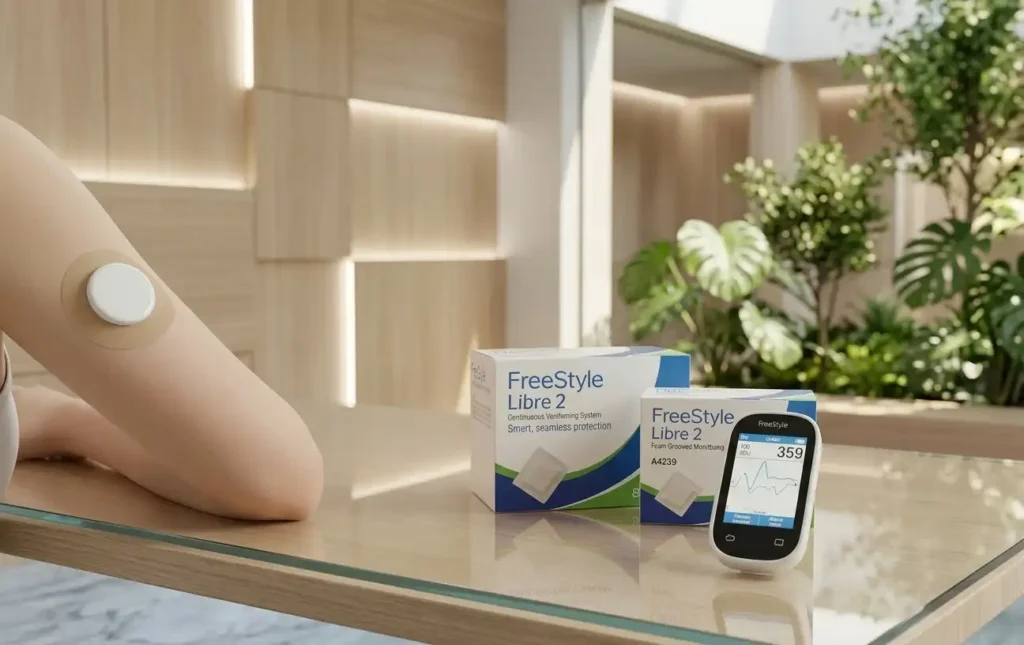
1. Real-Time Blood Sugar Monitoring
Instead of wondering what your blood sugar is, you always know.
The device updates glucose readings throughout the day, allowing faster action when necessary.
2. Fewer Finger Sticks
Although occasional finger-stick confirmation may still be needed, CGMs greatly reduce routine finger-prick testing for many users.
3. Better Diabetes Control
Because you can identify glucose trends early, many users experience:
- Improved glucose stability
- Better daily management
- More confidence making food and medication decisions
4. Early Warning Alerts
One of the biggest advantages is receiving alerts before glucose becomes dangerously high or low.
These warnings can be especially valuable while:
- Sleeping
- Driving
- Exercising
- Working
5. Better Conversations with Your Doctor
CGMs store valuable data that healthcare providers can review to personalize treatment plans.
Instead of relying on occasional glucose readings, doctors can evaluate weeks of detailed trends.
Continuous Glucose Monitor vs Traditional Blood Glucose Meter
| Feature | Continuous Glucose Monitor | Traditional Meter |
| Continuous readings | ✔ | ✘ |
| Glucose trend graphs | ✔ | ✘ |
| High & low alerts | ✔ | ✘ |
| Smartphone connectivity | ✔ | Limited |
| Finger sticks | Minimal | Frequent |
| Overnight monitoring | ✔ | ✘ |
Why Accurate Glucose Monitoring Matters
Every day your glucose changes because of:
- Meals
- Physical activity
- Stress
- Illness
- Medications
- Sleep
- Hormonal changes
Without continuous monitoring, many glucose fluctuations go unnoticed.
A CGM helps identify hidden patterns that improve overall diabetes care.
Choosing the Right Continuous Glucose Monitor New York
Selecting the right continuous glucose monitor new york is an important step toward managing diabetes with greater confidence and convenience. Since every person’s health needs, lifestyle, and treatment plan are different, there isn’t a one-size-fits-all solution. Working with your healthcare provider and choosing a trusted medical supply company like Alfa Healthcare Supply can help you find a CGM system that supports your daily routine and long-term health goals.
When comparing continuous glucose monitors, consider the following factors:
Accuracy and Reliability
Accurate glucose readings are essential for making informed decisions about insulin, meals, and physical activity. Choose a CGM that is clinically proven to deliver consistent, dependable performance so you can better manage your diabetes every day.
Comfort and Ease of Wear
Because you’ll wear your CGM for several days at a time, comfort matters. Modern sensors are compact, lightweight, and designed to stay securely in place while allowing you to go about your normal activities, including sleeping, exercising, and working.
Smartphone and Device Compatibility
Many continuous glucose monitors connect directly to compatible smartphones or receivers, allowing you to view your glucose levels in real time. Some systems also enable you to securely share your glucose data with family members or healthcare providers for added support and peace of mind.
Customizable Glucose Alerts
One of the biggest advantages of a CGM is receiving alerts when your glucose levels are too high, too low, or changing rapidly. These notifications can help you take action before your blood sugar reaches dangerous levels, reducing stress and improving daily diabetes management.
Sensor Wear Duration
Different CGM systems have varying sensor replacement schedules. Choosing a device with a wear time that matches your lifestyle can make diabetes management more convenient and reduce interruptions to your daily routine.
Insurance and Prescription Coverage
Many continuous glucose monitors may be covered by private insurance, Medicare, or Medicaid for eligible patients. Alfa Healthcare Supply can help you understand available options and guide you through the documentation process, making it easier to access the diabetes supplies you need.
Ongoing Customer Support
A reliable supplier provides more than just medical equipment. At Alfa Healthcare Supply, we are committed to offering responsive customer service, product guidance, and dependable support throughout your diabetes care journey.
Partner with Alfa Healthcare Supply
If you’re looking for a continuous glucose monitor new york, Alfa Healthcare Supply is dedicated to helping you find quality diabetic supplies backed by exceptional customer care. Our experienced team works with patients, caregivers, and healthcare professionals to make obtaining the right CGM simple, convenient, and stress-free, so you can focus on living a healthier, more confident life.
Daily Tips for Getting the Most from Your CGM
To maximize the benefits of your device:
- Wear the sensor as instructed.
- Rotate insertion sites to reduce skin irritation.
- Keep your receiver or phone charged.
- Respond promptly to glucose alerts.
- Review trend reports regularly.
- Follow your healthcare provider’s recommendations.
- Replace sensors on schedule.
Living with Diabetes in New York
Managing diabetes in a busy city can be challenging, but the right technology makes it much easier.
Whether you’re commuting across the city, working long shifts, attending school, or spending time with family, a continuous glucose monitor new york allows you to stay informed without constantly interrupting your day for manual testing.
Many users say they feel more confident because they can see glucose changes in real time rather than guessing.
Why Choose Alfa Healthcare Supply for a Continuous Glucose Monitor New York?
When it comes to managing diabetes, choosing the right medical supply provider is just as important as choosing the right device. At Alfa Healthcare Supply, we are committed to helping individuals and families across New York access high-quality diabetic supplies with dependable service and personalized support.
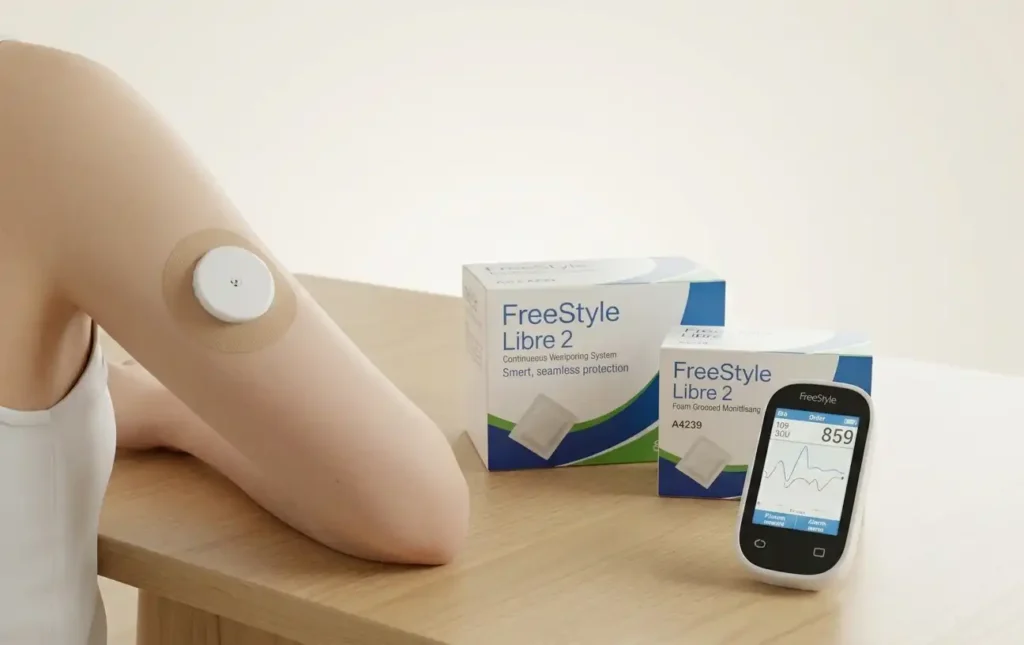
With over 25 years of experience serving the healthcare community, Alfa Healthcare Supply has built a reputation for providing trusted durable medical equipment (DME) and diabetic care products. Whether you’re looking for a continuous glucose monitor new york or other diabetes management essentials, our knowledgeable team is here to help make the process simple and stress-free.
Trusted Medical Supply Provider
We understand that every diabetes journey is different. That’s why we work closely with patients, caregivers, and healthcare professionals to help ensure you receive the products that best fit your individual needs.
High-Quality Diabetes Products
We offer reliable diabetic supplies from trusted manufacturers, helping you monitor your glucose levels with confidence. Our focus is on providing products that support accurate readings, comfort, and everyday convenience.
Personalized Customer Support
Our friendly and experienced team is ready to answer your questions, explain product options, and guide you through the ordering process. We believe every customer deserves attentive service and compassionate care.
Fast, Reliable Service
Managing diabetes shouldn’t mean waiting for essential supplies. We strive to provide efficient order processing and dependable delivery so you can receive the products you need as quickly as possible.
Serving New York Communities
From Floral Park and Queens to the Greater New York City area, Alfa Healthcare Supply proudly serves patients throughout New York with quality medical equipment and exceptional customer care.
A Commitment to Better Diabetes Care
At Alfa Healthcare Supply, our mission goes beyond supplying medical equipment. We are dedicated to helping people live healthier, more confident lives by providing reliable diabetes management solutions and ongoing support every step of the way.
Whether you’re new to continuous glucose monitoring or looking to upgrade your current device, Alfa Healthcare Supply is your trusted partner for continuous glucose monitor new york solutions and comprehensive diabetic care.
Conclusion
Choosing a continuous glucose monitor new york is more than purchasing a medical device—it’s an investment in your long-term health and daily peace of mind. By providing continuous glucose insights, timely alerts, and valuable trend data, CGMs can help many people make informed decisions about food, activity, and diabetes management in partnership with their healthcare team.
If you’re looking for dependable diabetic supplies and trusted customer support, Alfa Healthcare Supply is here to help you find solutions that fit your lifestyle and support better diabetes care every day.
Frequently Asked Questions (FAQs):
1. What is a continuous glucose monitor?
A continuous glucose monitor (CGM) is a wearable device that measures glucose levels throughout the day and night, providing real-time readings and trend information without routine finger-stick testing.
2. Who should use a continuous glucose monitor new york?
CGMs may be appropriate for people with type 1 diabetes, many people with insulin-treated type 2 diabetes, some pregnant individuals with diabetes, and others whose healthcare provider recommends continuous glucose monitoring.
3. Does a CGM replace finger-stick blood sugar testing?
Many users need far fewer finger sticks, but occasional blood glucose meter checks may still be necessary in certain situations or with some devices.
4. Can I sleep while wearing a continuous glucose monitor?
Yes. CGMs are designed for continuous wear and can monitor glucose levels during sleep, with alerts available for high or low readings.
5. How often does a CGM update glucose readings?
Most continuous glucose monitors update glucose data every few minutes, providing near real-time information.
6. Can a CGM connect to my smartphone?
Many modern CGM systems connect wirelessly to compatible smartphones and can also share data with caregivers or healthcare providers.
7. Why choose Alfa Healthcare Supply?
Alfa Healthcare Supply is dedicated to providing quality diabetic supplies, dependable service, knowledgeable support, and products that help people throughout New York manage diabetes with greater confidence.
Best Shoes for Diabetics with Neuropathy for Women:
Living with diabetes and neuropathy can make every step feel challenging. Tingling, numbness, burning sensations, and foot pain can affect your daily routine, making it difficult to walk, exercise, or even stand for long periods. That’s why finding the best shoes for diabetics with neuropathy for women is more than a comfort choice—it’s an important part of protecting your overall foot health.

At Alfa Healthcare Supply, we understand how proper footwear can help reduce pressure, improve stability, and lower the risk of foot injuries. In this guide, we’ll explain what makes diabetic shoes different, which features matter most, and how to choose the right pair for your lifestyle.
Why Women with Diabetic Neuropathy Need Specialized Shoes
For women living with diabetes, foot health deserves daily attention—especially when diabetic neuropathy is involved. Neuropathy can reduce sensation in the feet, making it difficult to notice injuries such as blisters, cuts, or pressure sores. Without proper protection, these minor issues can quickly develop into serious complications. That’s why choosing the best shoes for diabetics with neuropathy for women is an important step toward maintaining comfort, mobility, and long-term foot health.
Unlike regular footwear, diabetic shoes are thoughtfully designed to meet the unique needs of women experiencing nerve damage. They provide extra cushioning to absorb impact, helping reduce pressure on sensitive areas with every step. Soft, seamless interiors minimize friction that can lead to skin irritation, while wide toe boxes allow the toes to move naturally without being cramped. These features work together to create a safer and more comfortable walking experience.
Women’s feet often experience natural changes due to aging, pregnancy, hormonal shifts, or swelling caused by diabetes. The best shoes for diabetics with neuropathy for women accommodate these changes with adjustable closures, extra depth, and supportive construction that adapts to varying foot shapes throughout the day. This customizable fit helps reduce discomfort and lowers the risk of pressure-related injuries.
Proper footwear also plays a vital role in improving stability and balance. Since diabetic neuropathy can affect coordination and increase the risk of falls, supportive shoes with slip-resistant outsoles provide better traction and confidence on a variety of surfaces. Whether you’re walking around the house, shopping, or enjoying a daily stroll, the right shoes help you move more safely and comfortably.
Another key benefit of specialized diabetic shoes is their ability to distribute body weight more evenly across the feet. By reducing concentrated pressure on vulnerable areas, they help lower the risk of developing calluses, ulcers, and other foot complications. Many styles are also designed with removable insoles, allowing women to use custom orthotics if recommended by their healthcare provider.
Ultimately, investing in the best shoes for diabetics with neuropathy for women is about more than comfort—it’s about protecting your feet and preserving your independence. When combined with daily foot inspections, proper diabetes management, and regular medical checkups, specialized diabetic shoes can help women stay active, confident, and enjoy a better quality of life for years to come.
Features to Look for in the Best Shoes for Diabetics with Neuropathy for Women
Not every shoe marketed as “comfortable” is suitable for diabetic neuropathy. Here are the most important features.
1. Extra Cushioning
Soft midsoles absorb shock while walking and reduce stress on painful pressure points.
Benefits include:
- Less heel pain
- Reduced forefoot pressure
- Better comfort during long walks
- Improved daily mobility
2. Wide Toe Box
Your toes should move naturally without being squeezed.
A roomy toe box helps:
- Prevent blisters
- Reduce rubbing
- Accommodate swelling
- Improve overall comfort
3. Seam-Free Interior
Internal stitching may create friction against sensitive skin.
The best shoes for diabetics with neuropathy for women often include smooth interiors that help reduce irritation and lower the chance of skin breakdown.
4. Extra Depth
Extra-depth shoes provide additional space for:
- Custom orthotics
- Diabetic inserts
- Swollen feet
- Thick diabetic socks
This added room helps prevent unnecessary pressure across the top and sides of the foot.
5. Slip-Resistant Outsoles
Neuropathy may affect balance.
Slip-resistant soles improve traction on indoor and outdoor surfaces, helping reduce the risk of falls.
6. Breathable Materials
Feet stay healthier when moisture is controlled.
Choose shoes made from breathable mesh, stretch knit, or soft leather to:
- Improve airflow
- Reduce sweating
- Help prevent fungal infections
- Keep feet cooler throughout the day
7. Adjustable Closures
Every woman’s feet change slightly throughout the day.
Shoes with:
- Adjustable straps
- Laces
- Hook-and-loop closures
allow you to create a secure yet comfortable fit as swelling changes.
Benefits of Wearing the Best Shoes for Diabetics with Neuropathy for Women
Choosing the best shoes for diabetics with neuropathy for women is one of the most effective ways to protect your feet while staying comfortable throughout the day. Diabetic neuropathy can make it difficult to feel pain, pressure, or injuries, which means even a small blister or sore can become a serious health concern if left unnoticed. The right pair of diabetic shoes provides the support, cushioning, and protection needed to help reduce these risks and improve your overall quality of life.
Reduces Pressure on Sensitive Feet
Women with diabetic neuropathy often experience tenderness or numbness in certain areas of the feet. Specialized diabetic shoes are designed to distribute body weight evenly, helping reduce pressure on high-impact areas such as the heels, toes, and balls of the feet. This extra support makes everyday activities more comfortable and helps prevent painful pressure points.
Helps Prevent Blisters and Foot Ulcers
One of the biggest advantages of wearing the best shoes for diabetics with neuropathy for women is the added protection against blisters, calluses, and diabetic foot ulcers. Seam-free interiors, soft linings, and a roomy toe box reduce friction and irritation, helping keep the skin healthy and lowering the risk of wounds that may heal slowly.
Provides Superior Cushioning and Comfort
Every step becomes easier with shoes designed specifically for diabetic foot care. Extra cushioning absorbs shock while walking, reducing stress on joints and sensitive nerves. Whether you’re running errands, working, or enjoying time with family, supportive diabetic shoes help minimize foot fatigue and improve daily comfort.
Improves Stability and Balance
Neuropathy can affect balance and coordination, increasing the risk of slips and falls. High-quality diabetic shoes feature supportive soles and slip-resistant outsoles that provide better traction on different surfaces. This added stability gives women greater confidence when walking both indoors and outdoors.
Accommodates Swelling and Foot Changes
Feet can naturally change throughout the day due to swelling or circulation issues. The best shoes for diabetics with neuropathy for women often include adjustable closures, stretchable materials, and extra depth to create a comfortable fit without causing excessive pressure. This flexibility helps ensure lasting comfort from morning until evening.
Supports Better Foot Alignment
Proper alignment plays an important role in reducing stress on the feet, ankles, knees, and lower back. Diabetic shoes are designed with supportive midsoles and structured construction that encourage a more natural walking motion. Better alignment can improve posture, reduce discomfort, and make daily movement easier.
Works with Custom Orthotics
Many women require custom orthotics or specialized diabetic inserts for additional support. Extra-depth diabetic shoes typically feature removable insoles, making it simple to accommodate orthotics without compromising comfort or fit.
Encourages a More Active Lifestyle
When your feet feel supported and protected, staying active becomes much easier. Walking, exercising, shopping, and participating in everyday activities become more enjoyable when foot pain is minimized. Regular movement also supports healthy circulation and overall diabetes management.
Invest in Healthier Feet Every Day
The best shoes for diabetics with neuropathy for women are more than just comfortable footwear—they’re an important investment in long-term foot health. By reducing pressure, improving stability, preventing injuries, and providing exceptional comfort, the right diabetic shoes help women maintain their independence and continue enjoying an active, confident lifestyle.
Who Should Wear Diabetic Neuropathy Shoes?
These shoes are ideal for women who have:
- Type 1 or Type 2 diabetes
- Peripheral neuropathy
- Foot numbness
- Burning sensations
- Tingling feet
- Bunions
- Hammertoes
- Swollen feet
- Poor circulation
- A history of diabetic foot ulcers
Even if symptoms are mild, supportive diabetic footwear may help prevent future complications.
Tips for Choosing the Right Fit
When shopping for the best shoes for diabetics with neuropathy for women, remember these simple tips:
- Measure both feet regularly.
- Shop later in the day, when feet are naturally a little swollen.
- Wear diabetic socks while trying on shoes.
- Leave a space about the width of a thumb in front of your toes.
- Ensure the heel fits securely without slipping.
- Check the inside of the shoe for rough seams or pressure points before wearing.
Daily Foot Care Tips
Great shoes work best when combined with healthy foot-care habits.
Make it a daily routine to:
- Check your feet for cuts, redness, or swelling.
- Wash your feet carefully and dry them completely, paying special attention to the areas between your toes.
- Apply moisturizer to dry skin (avoid between the toes).
- Trim toenails carefully.
- Wear clean diabetic socks every day.
- Never walk barefoot, even at home.
- Replace worn-out shoes when cushioning or support declines.
Why Buy from Alfa Healthcare Supply?
When searching for the best shoes for diabetics with neuropathy for women, choosing a trusted supplier is just as important as choosing the right footwear. At Alfa Healthcare Supply, we are committed to helping women with diabetes find high-quality products that prioritize comfort, protection, and long-term foot health.

Carefully Selected for Diabetic Foot Care
We understand that women with diabetic neuropathy need more than ordinary shoes. That’s why we offer diabetic footwear designed with features such as extra cushioning, supportive soles, roomy toe boxes, and soft interiors to help reduce pressure, minimize friction, and provide lasting comfort throughout the day.
Comfort That Supports Everyday Living
Whether you’re working, walking, traveling, or simply enjoying time with family, the best shoes for diabetics with neuropathy for women should help you stay active without unnecessary discomfort. Our collection is chosen to support daily movement while helping protect sensitive feet from common diabetic foot problems.
Quality You Can Count On
At Alfa Healthcare Supply, we believe medical footwear should be both durable and comfortable. Our diabetic shoes are crafted with quality materials that offer reliable support, breathability, and long-lasting performance, giving you confidence with every step.
A Wide Selection to Fit Your Needs
Every woman’s feet are unique. That’s why we provide a variety of diabetic shoe styles and sizes designed to accommodate different foot shapes, swelling, and personal preferences. Whether you need everyday walking shoes or supportive casual footwear, you’ll find options that combine function with comfort.
Trusted Medical Supply Provider
Alfa Healthcare Supply is dedicated to delivering dependable medical products that help improve everyday wellness. We focus on customer satisfaction by offering quality diabetic footwear and healthcare solutions that support healthier, more comfortable living.
Convenient Shopping Experience
Finding the best shoes for diabetics with neuropathy for women shouldn’t be stressful. Our easy-to-navigate online store makes it simple to browse products, compare options, and shop from the comfort of your home. We strive to provide a smooth shopping experience backed by reliable service and dependable products.
Choose Comfort, Protection, and Confidence
Your feet deserve the best care possible. When you shop with Alfa Healthcare Supply, you’re choosing a trusted partner dedicated to helping women with diabetes stay comfortable, protected, and active. Explore our collection of diabetic footwear today and take the next step toward healthier feet and greater peace of mind.
Final Thoughts
Choosing the best shoes for diabetics with neuropathy for women is one of the simplest ways to protect your feet and improve your daily comfort. A supportive pair of diabetic shoes can reduce pressure, cushion sensitive areas, improve balance, and help prevent serious foot complications.
Combined with regular foot inspections, healthy blood sugar management, and routine medical care, the right footwear can help you stay active and confident every day. Investing in quality diabetic shoes is an investment in your long-term health, comfort, and independence.
Frequently Asked Questions (FAQ)
1. What are the best shoes for diabetics with neuropathy for women?
The best shoes for diabetics with neuropathy for women are designed with extra cushioning, a wide toe box, seamless interiors, supportive soles, and adjustable closures. These features help reduce pressure, prevent friction, improve stability, and protect sensitive feet from injuries.
2. Why do women with diabetic neuropathy need specialized shoes?
Women with diabetic neuropathy often experience numbness, tingling, burning sensations, or reduced feeling in their feet. Specialized diabetic shoes help minimize pressure, reduce the risk of blisters and ulcers, improve balance, and provide all-day comfort for safer movement.
3. Can diabetic shoes help relieve foot pain caused by neuropathy?
Yes. While diabetic shoes do not cure neuropathy, they can significantly reduce foot discomfort by providing superior cushioning, proper arch support, and even pressure distribution. Many women experience less pain and fatigue after switching to properly fitted diabetic footwear.
4. What features should I look for in the best shoes for diabetics with neuropathy for women?
Look for shoes that offer:
- Extra-depth design
- Wide toe box
- Soft, seamless lining
- Cushioned midsoles
- Slip-resistant outsole
- Breathable materials
- Adjustable straps or laces
- Removable insoles for custom orthotics
These features help improve comfort while protecting sensitive feet.
5. Are diabetic shoes covered by Medicare or insurance?
In some cases, Medicare and certain insurance plans may cover diabetic shoes and custom inserts if you meet specific medical requirements and receive a prescription from your healthcare provider. Coverage varies by plan, so it’s always best to confirm your eligibility with your provider.
6. Can I wear diabetic shoes every day?
Absolutely. The best shoes for diabetics with neuropathy for women are designed for everyday wear. Wearing them consistently can help protect your feet, improve walking comfort, and reduce the risk of diabetic foot complications.
7. How do I know if my diabetic shoes fit correctly?
A properly fitted diabetic shoe should feel comfortable from the first wear. Your toes should have enough room to move freely, your heel should stay secure without slipping, and there should be no tight spots or rubbing. If you notice discomfort or pressure, consider trying a different size or width.
8. Can I use custom orthotics with diabetic shoes?
Yes. Many diabetic shoes include removable insoles and extra depth, making them compatible with custom orthotics or prescribed diabetic inserts for additional support and pressure relief.
9. How often should diabetic shoes be replaced?
Most diabetic shoes should be replaced every 6 to 12 months, depending on how frequently they are worn and the condition of the soles and cushioning. If you notice uneven wear, reduced support, or visible damage, it’s time for a new pair.
10. Why should I choose Alfa Healthcare Supply for diabetic shoes?
Alfa Healthcare Supply offers high-quality diabetic footwear designed to provide comfort, protection, and reliable support for women living with diabetes and neuropathy. With carefully selected products, dependable customer service, and a commitment to foot health, Alfa Healthcare Supply helps you find the best shoes for diabetics with neuropathy for women so you can stay active and confident every day.
Diabetic Shoes for Women:
Introduction
Living with diabetes means paying close attention to many aspects of your health, and foot care should be at the top of that list. For women with diabetes, proper footwear is more than a fashion choice—it is an essential part of maintaining mobility, comfort, and overall well-being. That’s where diabetic shoes for women come in.
Many women experience foot-related complications due to diabetes, including nerve damage, poor circulation, swelling, and slow-healing wounds. Wearing the wrong shoes can increase the risk of blisters, calluses, ulcers, and infections. Fortunately, diabetic footwear is specifically designed to provide protection, support, and comfort while reducing pressure on sensitive areas of the feet.

Whether you’re looking for everyday walking shoes, stylish casual footwear, athletic shoes, or extra-depth options, understanding the benefits of diabetic shoes can help you make the best choice for your foot health.
In this guide, we’ll explore everything you need to know about diabetic shoes for women, including their benefits, features, selection tips, and how they can improve quality of life.
What Are Diabetic Shoes?
Diabetic shoes are specially designed footwear created to reduce the risk of skin breakdown in individuals with diabetes. Unlike regular shoes, they provide extra cushioning, superior support, seamless interiors, and a wider fit to accommodate sensitive feet.
These shoes help prevent common foot problems by:
- Reducing pressure points
- Minimizing friction
- Improving stability
- Enhancing circulation
- Accommodating foot deformities
- Protecting against injuries
For women managing diabetes, these features can make a significant difference in daily comfort and long-term foot health.
Why Women with Diabetes Need Specialized Footwear
Women living with diabetes face unique foot health challenges that make specialized footwear an essential part of daily care. Diabetes can affect blood circulation and nerve function, increasing the risk of foot injuries, infections, and other complications. Because many foot problems develop gradually and may go unnoticed, wearing properly designed diabetic shoes can help protect foot health and maintain mobility.
Reduced Sensation Due to Neuropathy
One of the most common complications of diabetes is peripheral neuropathy, a condition that damages the nerves in the feet. Women with neuropathy may experience numbness, tingling, or a reduced ability to feel pain. As a result, small cuts, blisters, or pressure points can go unnoticed and worsen over time. Specialized diabetic footwear provides extra cushioning and a seamless interior to minimize friction and protect sensitive feet.
Poor Blood Circulation
Diabetes can reduce blood flow to the feet, slowing the body’s natural healing process. Even minor foot injuries may take longer to heal and can increase the risk of infection. Diabetic shoes are designed to reduce pressure and improve comfort, helping support overall foot health and lowering the chance of skin breakdown.
Increased Risk of Foot Ulcers
Foot ulcers are a serious concern for people with diabetes. Constant pressure or rubbing from poorly fitting shoes can damage the skin and lead to open sores. Specialized diabetic footwear distributes weight more evenly across the foot, reducing pressure points and helping prevent ulcer formation.
Accommodation for Foot Changes
Women with diabetes may develop foot conditions such as bunions, hammertoes, swelling, or changes in foot shape. Diabetic shoes typically feature a wider toe box and extra-depth design, providing additional space and comfort without squeezing or irritating the feet.
Better Stability and Balance
Diabetes-related nerve damage can affect balance and coordination. Specialized footwear often includes supportive soles, cushioned insoles, and slip-resistant outsoles that help improve stability and reduce the risk of falls.
Enhanced Comfort for Everyday Activities
Whether walking, working, exercising, or spending time with family, comfort matters. Diabetic shoes are designed to reduce foot fatigue and provide long-lasting support, allowing women to stay active and maintain their independence.
A Preventive Approach to Foot Health
The primary goal of diabetic footwear is prevention. By reducing pressure, minimizing friction, and protecting vulnerable areas of the feet, these shoes help lower the risk of complications before they occur. Combined with regular foot inspections and proper diabetes management, specialized footwear can play a vital role in preserving long-term foot health.
Benefits of Diabetic Shoes for Women
Enhanced Comfort
Comfort is one of the primary reasons women choose diabetic footwear. Soft interiors and cushioned soles help reduce stress on sensitive feet.
Women who spend long hours standing or walking often experience less fatigue when wearing diabetic shoes.
Better Pressure Distribution
Diabetic shoes evenly distribute body weight across the foot, minimizing pressure on vulnerable areas.
This helps prevent:
- Corns
- Calluses
- Blisters
- Ulcers
Improved Stability and Balance
Many diabetic shoes feature supportive midsoles and slip-resistant outsoles.
These features help women maintain balance and reduce the risk of falls.
Reduced Friction
Traditional shoes often have seams that rub against the skin.
Diabetic shoes are designed with seamless interiors that reduce irritation and skin damage.
Accommodates Swelling
Many women experience swelling due to diabetes or related conditions.
Extra-depth diabetic shoes provide additional room without sacrificing support.
Key Features of Diabetic Shoes for Women
When shopping for diabetic footwear, it’s important to understand the features that make them different from standard shoes.
Extra Depth Design
Extra-depth shoes provide additional space for:
- Orthotics
- Swollen feet
- Foot deformities
- Thick diabetic socks
This design improves comfort while reducing pressure.
Seam-Free Interior
Internal seams can create friction and lead to skin irritation.
A smooth interior minimizes rubbing and protects delicate skin.
Cushioned Insoles
Soft, supportive insoles help absorb shock and reduce pressure points.
Many diabetic shoes include removable insoles for customized comfort.
Wide Toe Box
A roomy toe box allows toes to move naturally and prevents crowding.
This is particularly beneficial for women with bunions or hammertoes.
Adjustable Closures
Velcro straps, elastic laces, and adjustable fasteners provide a secure fit while accommodating swelling throughout the day.
Slip-Resistant Outsole
Traction is essential for preventing slips and falls.
Many diabetic shoes feature non-slip rubber outsoles for added safety.
Types of Diabetic Shoes for Women
Women’s diabetic footwear comes in a variety of styles to suit different lifestyles and preferences.
Walking Shoes
Walking shoes are among the most popular options.
They provide:
- Excellent cushioning
- Arch support
- Shock absorption
- Stability
Ideal for everyday wear and exercise.
Athletic Shoes
Women who enjoy fitness activities benefit from diabetic athletic shoes.
These shoes support:
- Walking
- Light jogging
- Gym workouts
- Recreational activities
Casual Shoes
Casual diabetic shoes combine comfort with style.
They work well for:
- Shopping
- Social outings
- Work environments
- Daily activities
Dress Shoes
Modern diabetic footwear includes stylish dress options that don’t compromise comfort.
Women can find:
- Loafers
- Flats
- Professional footwear
Suitable for formal occasions.
Sandals
Diabetic sandals provide breathability and comfort during warmer months.
Many feature adjustable straps and cushioned footbeds.
How to Choose Best Diabetic Shoes for Women
Selecting the right pair involves more than choosing a style.
Get Properly Measured
Foot size can change over time due to:
- Aging
- Swelling
- Weight fluctuations
Professional measurements ensure the best fit.
Shop Later in the Day
Feet naturally swell throughout the day.
Shopping in the afternoon helps ensure shoes fit comfortably during peak swelling.
Check Width
Women often focus on length while overlooking width.
A shoe that’s too narrow can increase pressure and friction.
Consider Orthotics
If you use custom inserts, choose shoes with removable insoles and extra depth.
Look for Breathable Materials
Breathable fabrics help keep feet cool and dry, reducing the risk of fungal infections.
.
Signs You Need Diabetic Shoes for Women
Many women delay upgrading their footwear until problems develop.
Consider diabetic shoes if you experience:
- Frequent foot pain
- Numbness or tingling
- Swelling
- Calluses
- Bunions
- Balance issues
- Previous foot ulcers
- Poor circulation
Early intervention can help prevent complications.
Common Foot Problems Diabetic Shoes Help Prevent
Blisters
Properly fitted diabetic shoes reduce rubbing and friction.
Corns and Calluses
Pressure redistribution minimizes thickened skin formation.
Ulcers
Reducing pressure points lowers ulcer risk.
Foot Injuries
Protective designs help prevent accidental trauma.
Infections
Healthy skin and improved circulation support infection prevention.
Diabetic Shoes and Orthotics
Many women benefit from custom inserts that provide:
- Arch support
- Pressure relief
- Improved alignment
- Enhanced comfort
Diabetic shoes are specifically designed to accommodate these devices without creating tight spots.
Tips for Maintaining Healthy Feet
Wearing diabetic shoes is only one part of a comprehensive foot care routine.
Inspect Feet Daily
Check for:
- Cuts
- Redness
- Swelling
- Blisters
- Changes in skin color
Wash and Moisturize
Keep feet clean and moisturized, but avoid applying lotion between the toes.
Trim Nails Carefully
Cut toenails straight across to prevent ingrown nails.
Wear Socks
Choose moisture-wicking diabetic socks for additional protection.
Stay Active
Regular physical activity supports circulation and overall foot health..
Myths About Diabetic Shoes for Women
Myth 1: They Are Unattractive
Modern diabetic footwear comes in stylish designs that look similar to regular shoes.
Myth 2: Only Seniors Need Them
Women of all ages with diabetes can benefit from protective footwear.
Myth 3: They Are Only for Severe Diabetes
Even women with well-managed diabetes can use diabetic shoes to prevent complications.
Myth 4: Any Comfortable Shoe Is a Diabetic Shoe
While comfort is important, diabetic shoes include specialized features that standard shoes do not.
The Emotional Impact of Comfortable Footwear
Footwear is often thought of as something purely functional, but for many women managing diabetes, the right shoes carry a much deeper emotional significance. Diabetic Shoes for Women are not just about protecting feet—they also play an important role in restoring confidence, reducing daily stress, and improving overall emotional well-being.
Restoring Confidence in Every Step
Living with diabetes can sometimes make women more aware of their physical limitations, especially when foot pain or discomfort becomes part of daily life. Comfortable diabetic shoes help change that experience. When walking no longer feels painful or uncertain, confidence naturally returns. Each step feels more stable and supported, allowing women to move through their day with greater ease and self-assurance.
Reducing Daily Anxiety About Foot Health
One of the hidden emotional burdens of diabetes is the constant concern about foot health. Worries about blisters, swelling, or injuries can create ongoing stress. Diabetic shoes for women help ease this anxiety by offering protection and cushioning designed specifically for sensitive feet. Knowing that their footwear is actively helping prevent harm allows women to focus less on fear and more on living their lives fully.
Encouraging Independence and Freedom
Painful or uncomfortable shoes can limit mobility and reduce independence over time. In contrast, well-designed diabetic shoes for women support freedom of movement. Whether it’s going for a walk, running errands, or spending time with family, comfortable footwear allows women to stay active without relying heavily on others for assistance. This sense of independence has a powerful emotional impact, reinforcing dignity and self-reliance.
Improving Mood Through Physical Comfort
Physical discomfort often affects emotional well-being. When feet hurt, it becomes harder to enjoy daily activities, leading to frustration or fatigue. Diabetic shoes for women reduce this discomfort by providing cushioning, support, and pressure relief. As physical pain decreases, mood and energy levels often improve, making everyday experiences more enjoyable and less stressful.
Supporting a Positive Self-Image
Modern diabetic shoes are no longer bulky or unattractive. Today’s designs combine medical support with style, allowing women to feel good about how they look while prioritizing their health. This balance helps improve self-image and reduces the feeling of “medical footwear stigma.” Feeling stylish and comfortable at the same time can significantly boost emotional well-being.
Reducing Fear of Long-Term Complications
Foot complications are a real concern for women with diabetes, and fear of future problems can weigh heavily on the mind. diabetic shoes for women provide reassurance by offering preventive protection. Knowing that each step is supported and cushioned helps reduce fear and brings peace of mind, which is an important part of emotional health.
Enhancing Quality of Life
When comfort, safety, and confidence come together, overall quality of life improves. Diabetic shoes for women make it easier to stay active, socialize, and enjoy everyday routines without being held back by discomfort or worry. This improved lifestyle contributes to a stronger sense of happiness and emotional balance.
How Diabetic Shoes Support an Active Lifestyle
Staying active is an important part of maintaining overall health, especially for women managing diabetes. Regular movement helps improve blood circulation, supports blood sugar control, and contributes to better energy levels. However, foot comfort and protection become essential when activity increases. This is where Diabetic Shoes for Women play a vital role in supporting an active and healthy lifestyle.
Encouraging Safe Daily Movement
One of the biggest challenges for women with diabetes is maintaining consistent physical activity without discomfort or risk of injury. Diabetic shoes are designed to make walking, light exercise, and everyday movement safer. With cushioned soles and shock-absorbing materials, they reduce the impact on the feet, making it easier to stay active for longer periods without pain or fatigue.
Reducing Pressure During Activity
When walking or standing for extended periods, pressure points can quickly develop on sensitive feet. Diabetic shoes for women are engineered with extra depth and supportive insoles that distribute body weight evenly. This reduces strain on specific areas of the foot, helping prevent soreness, blisters, and pressure-related injuries during physical activity.
Improving Stability and Balance
Active lifestyles require good balance and stability. diabetic shoes for women provide a wide base and firm grip that help reduce the risk of slipping or falling. This is especially important for women who may experience neuropathy or reduced sensation in their feet. A stable shoe design ensures safer movement on different surfaces, whether indoors or outdoors.
Supporting Better Circulation
Comfortable, non-restrictive footwear plays a key role in supporting healthy blood circulation. Diabetic shoes for women are designed with soft interiors and flexible materials that avoid tight pressure on the feet. This helps maintain proper blood flow during walking or exercise, which is essential for overall foot health and healing.
Reducing Fatigue During Long Wear
An active lifestyle often involves long hours on your feet—whether at work, running errands, or exercising. Diabetic shoes help reduce fatigue by offering superior cushioning and arch support. This allows women to stay active longer without feeling excessive strain or discomfort in their feet, ankles, or legs.
Supporting Everyday Fitness Goals
Whether it’s walking in the neighborhood, light gym workouts, or simply staying mobile throughout the day, diabetic shoes make it easier to maintain fitness goals. They provide the comfort and protection needed to encourage consistent movement, which is essential for managing diabetes effectively.
Preventing Activity-Related Foot Injuries
For women with diabetes, even minor injuries can lead to complications if not properly managed. diabetic shoes for women help minimize the risk of cuts, friction burns, and blisters caused by repetitive movement. Their protective design ensures that physical activity remains safe and sustainable over time.
Future Innovations in Diabetic Footwear
The diabetic footwear industry continues to evolve.
Emerging technologies include:
- Smart pressure-monitoring insoles
- Advanced cushioning materials
- Improved moisture control
- Lightweight designs
- Enhanced customization options
These innovations aim to provide even greater protection and comfort diabetic shoes for women.
Why Choose Alfa Healthcare Supply Inc.
When it comes to managing diabetes and protecting your long-term health, choosing the right medical supply partner is just as important as choosing the right products. Alfa Healthcare Supply Inc. has built its reputation on trust, care, and quality—offering reliable durable medical equipment (DME) that supports patients in living healthier, more comfortable lives.
Here’s why many patients, caregivers, and healthcare professionals choose Alfa Healthcare Supply Inc. for diabetic care needs, including diabetic shoes for women and related supplies.

1. Trusted Durable Medical Equipment Provider
Alfa Healthcare Supply Inc. is a recognized provider of durable medical equipment serving New York and surrounding areas. With years of experience in the healthcare supply industry, the company focuses on delivering high-quality medical products that meet clinical standards and real patient needs.
They offer a wide range of products, including diabetic supplies, mobility aids, respiratory equipment, and orthopedic care solutions.
This makes Alfa a one-stop solution for individuals managing chronic conditions like diabetes.
2. Specialized Focus on Diabetic Care
One of the strongest reasons to choose Alfa Healthcare Supply Inc. is its dedicated diabetic care category.
They provide essential diabetic products such as:
- Blood glucose monitoring systems
- Test strips and lancets
- Continuous glucose monitors
- Diabetic shoe inserts (HCPCS A5514)
- Therapeutic diabetic footwear
This specialization ensures that patients receive products designed specifically for diabetes management—not generic alternatives.
3. High-Quality Diabetic Shoes for Women
Foot health is critical for diabetic patients, especially women who often face pressure-related foot issues, swelling, and sensitivity.
Alfa Healthcare Supply Inc. offers therapeutic footwear designed to:
- Reduce pressure points
- Prevent foot ulcers and skin breakdown
- Improve walking comfort
- Support proper foot alignment
- Accommodate swelling and deformities
These diabetic shoes for women are built with comfort-focused features such as extra depth, wide toe boxes, cushioning, and supportive soles—helping protect vulnerable feet every day.
4. Expert Guidance and Patient Support
Choosing the right diabetic footwear or medical equipment can feel overwhelming. Alfa Healthcare Supply Inc. helps simplify this process by offering expert support and guidance.
Their team assists with:
- Product selection based on medical needs
- Insurance and Medicare documentation
- Prescription coordination
- Proper sizing and fitting guidance
This support ensures that patients get the right products the first time, reducing discomfort and improving long-term outcomes.
5. Insurance-Friendly and Medicare-Approved Solutions
One of the biggest advantages of working with Alfa Healthcare Supply Inc. is their experience with insurance processing.
They help patients navigate:
- Medicare Part B requirements
- Medicaid eligibility
- Medical documentation for diabetic footwear
- Coverage for therapeutic shoes and inserts
This reduces out-of-pocket expenses and makes essential diabetic care more accessible.
6. Fast Delivery and Reliable Service
Timely access to medical supplies can make a real difference in daily diabetes management.
Alfa Healthcare Supply Inc. provides:
- Fast order processing
- Expedited delivery options
- Home and clinic supply support
- Ongoing product availability
This ensures patients never face interruptions in their care routine.
7. Comprehensive Product Range
Instead of purchasing from multiple vendors, patients can rely on Alfa for a complete range of healthcare needs.
Their catalog includes:
- Diabetic supplies
- Orthopedic supports
- Mobility equipment (wheelchairs, walkers, etc.)
- Respiratory care devices
- Home healthcare essentials
This convenience saves time and ensures consistent product quality across all categories.
8. Commitment to Comfort, Safety, and Independence
At its core, Alfa Healthcare Supply Inc. is focused on improving quality of life.
Their products are designed to:
- Increase patient independence
- Improve daily comfort
- Support long-term mobility
- Reduce complications from chronic conditions
This patient-first approach is especially important for women managing diabetes, where foot protection and comfort play a vital role in everyday well-being.
Conclusion: Diabetic Shoes for Women
Diabetic shoes for women play an important role in protecting foot health, improving comfort, and supporting daily mobility for those living with diabetes or sensitive foot conditions. Unlike regular footwear, these shoes are thoughtfully designed to address specific medical needs such as reducing pressure points, preventing friction, and supporting proper foot alignment. Over time, even small improvements in footwear can make a significant difference in preventing complications like blisters, calluses, sores, or more serious foot ulcers.
One of the most important benefits of diabetic shoes is their ability to provide consistent comfort throughout the day. Many women experience foot swelling, numbness, or discomfort due to fluctuating blood sugar levels or reduced circulation. Diabetic shoes help minimize these issues by offering cushioned insoles, extra depth, and wide toe boxes that allow the feet to rest naturally without unnecessary pressure. This makes walking, standing, and daily movement much easier and less painful.
Another key advantage is protection. For individuals with diabetes, even minor injuries can take longer to heal and may lead to complications if not properly managed. Diabetic shoes act as a protective barrier between the foot and external surfaces, reducing the risk of cuts, irritation, or pressure injuries. Seamless interiors and soft materials further reduce friction, helping to keep the skin safe and healthy.
In addition to comfort and protection, modern diabetic shoes for women also focus on style and versatility. Today’s designs are no longer limited to plain or clinical-looking footwear. Instead, they come in a variety of fashionable options that can be worn in everyday life without compromising appearance. This allows women to feel confident while still prioritizing their health needs.
Choosing the right pair of diabetic shoes is also an investment in long-term well-being. Proper footwear can help prevent complications that may lead to medical treatments or reduced mobility. By supporting the natural structure of the foot and improving balance, these shoes encourage a more active and independent lifestyle.
Frequently Asked Questions (FAQ)
1. What are diabetic shoes for women?
Diabetic shoes for women are specially designed footwear that help protect sensitive feet, reduce pressure points, and improve comfort for people with diabetes or foot-related conditions.
2. Why do women with diabetes need special shoes?
Women with diabetes often experience foot sensitivity, poor circulation, or risk of ulcers. Diabetic shoes help prevent injuries, reduce friction, and support healthy foot alignment.
3. Are diabetic shoes comfortable for everyday use?
Yes, diabetic shoes are designed for all-day comfort. They usually include soft interiors, extra depth, and cushioned soles, making them suitable for daily walking and long wear.
4. How do I choose the best diabetic shoes for women?
Look for features like:
- Extra cushioning
- Wide toe box
- Seamless interior
- Breathable material
- Good arch support
5. Can diabetic shoes help prevent foot problems?
Yes, they are designed to reduce pressure, prevent blisters, and lower the risk of foot ulcers and infections, especially for diabetic patients.
6. Are diabetic shoes for women stylish as well as functional?
Modern diabetic shoes for women combine comfort with style. Many options now look like regular footwear while still offering medical-grade support.
7. When should a woman start wearing diabetic shoes?
If there are signs of diabetes, foot pain, swelling, or numbness, it is recommended to start wearing diabetic shoes early for protection and prevention.
8. Can diabetic shoes be worn outside daily?
Yes, most diabetic shoes are built for both indoor and outdoor use, offering durability, stability, and comfort for everyday activities.
How to Check Blood Sugar at Home Naturally and Monitor Your Health Effectively
Introduction:
Monitoring blood sugar levels at home has become an essential part of modern healthcare, especially for those dealing with diabetes, pre-diabetes, or metabolic issues. The convenience of check blood sugar at home helps people control their health without having to visit the hospital frequently.
Today, home glucose monitoring is simple, fast, and highly accurate when done correctly using a reliable device. Along with lifestyle awareness—such as diet, hydration, and physical activity—regular monitoring helps maintain balanced glucose levels and prevents complications.
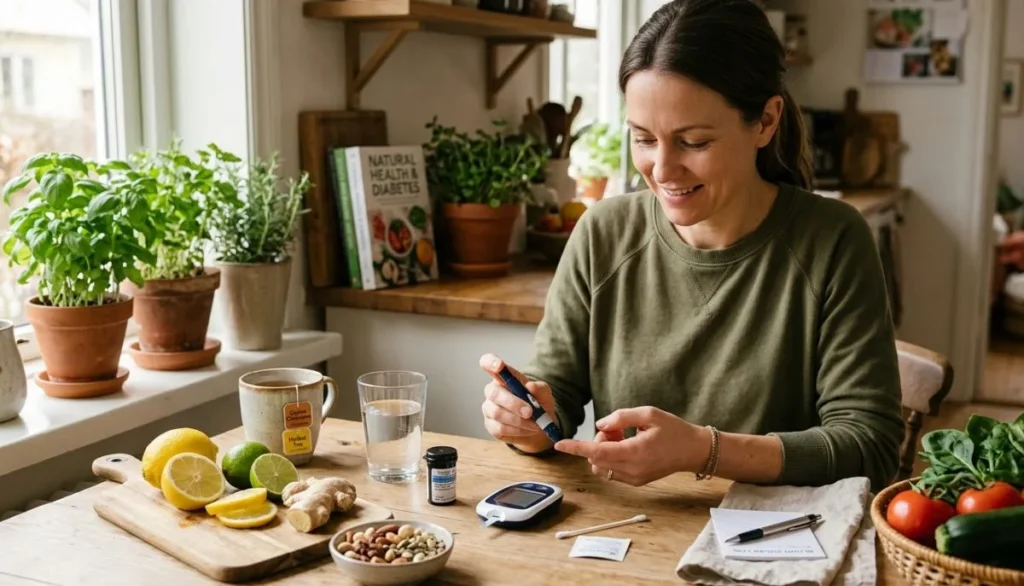
One trusted source for quality medical equipment in the United States is Alfa Healthcare Supply Inc., a leading healthcare medical equipment supplier and durable medical supply store serving Floral Park, Queens, and the Greater New York City area with over 25 years of experience.
Understanding Blood Sugar and Why It Fluctuates
Blood sugar, also known as blood glucose, is the main source of energy for your body’s cells. It comes primarily from the carbohydrates you eat and is regulated by insulin, a hormone produced by the pancreas. When everything is working properly, your body keeps blood sugar within a healthy range throughout the day. However, many internal and external factors can influence whether these levels increase or decrease.
How Blood Sugar Works in the Body
After you eat, your digestive system breaks food down into glucose, which enters your bloodstream. In response, the pancreas releases insulin, helping move glucose from the blood into cells where it is used for energy or stored for later use.
When this process is disrupted—whether due to insulin resistance, reduced insulin production, or lifestyle habits—blood sugar levels can become unstable. Therefore, to maintain good health in the long run, it is crucial to monitor blood sugar levels and learn how to check blood sugar at home.
Common Reasons Blood Sugar Fluctuates
Blood sugar levels fluctuate during the day due to a variety of influencing factors.
1. Food Choices
Carbohydrate-rich foods such as bread, rice, pasta, sweets, and sugary beverages can cause rapid spikes in blood glucose. On the other hand, high-fiber foods, protein, and healthy fats help slow absorption and maintain stability.
2. Physical Activity
Exercise allows muscles to absorb glucose and use it as energy, which can help reduce blood sugar levels. In contrast, a sedentary lifestyle may contribute to higher and more fluctuating blood sugar readings.
3. Stress Levels
When you are stressed, your body releases hormones like cortisol and adrenaline. These hormones can increase blood sugar levels, even if your diet has not changed.
4. Illness or Infection
When the body is fighting illness, it releases additional glucose to provide energy for the immune system, often leading to higher-than-normal readings.
5. Sleep Quality
Inadequate or inconsistent sleep can reduce insulin sensitivity and cause elevated blood sugar levels the following day.
6. Medications and Hormones
Certain medications, as well as hormonal changes (such as during menstruation or menopause), can also impact blood sugar regulation.
Why Understanding Fluctuations Matters
Knowing why blood sugar changes helps you take better control of your health. Instead of reacting blindly, you can identify patterns—such as which foods or habits cause spikes—and make informed adjustments.
This is also why regular monitoring with a reliable device is important. It allows you to check blood sugar at home naturally and understand how your daily lifestyle directly affects your glucose levels.
Building Awareness for Better Control
When you combine awareness of these factors with consistent monitoring, you gain a clearer picture of your metabolic health. Over time, this helps you:
- Maintain stable energy levels
- Reduce risk of complications
- Improve diet and lifestyle choices
- Better manage diabetes or prediabetes
By understanding what causes fluctuations, you take the first step toward better control and long-term wellness.
Can You Really Check Blood Sugar at Home Naturally?
The phrase “naturally” in this context does not mean without tools entirely—it means using natural awareness combined with safe at-home methods.
You can check blood sugar at home naturally using:
- A blood glucose monitor (glucometer)
- Continuous glucose monitoring systems (CGMs)
- Lifestyle observation (symptoms + dietary response tracking)
While diet and lifestyle give clues, only a medical device provides accurate readings. That’s why combining natural habits with a reliable glucometer is the most effective approach.
Best Method: Using a Blood Glucose Monitor at Home
The most reliable method for check blood sugar at home is by using a glucose meter., which measures a small drop of blood, typically taken from the fingertip.
Step-by-Step Guide:
- Wash your hands thoroughly
- Use warm water and soap
- Dry completely
- Prepare the glucometer
- Insert a test strip
- Turn on the device
- Prick your fingertip
- Use a sterile lancet
- Select the side of the fingertip to reduce discomfort.
- Apply blood sample
- Apply a small blood sample onto the test strip.
- Read results
- The meter displays your blood sugar level in seconds
- Record your reading
- Track daily patterns for better management
This process is the most reliable way to check blood sugar at home naturally and is widely recommended by healthcare professionals.
Natural Ways to Support Healthy Blood Sugar Levels
While devices measure glucose levels, natural habits help maintain stability.
1. Balanced Diet Choices
Eating the right foods plays a major role in glucose control.
- Choose whole grains over refined carbs
- Include fiber-rich vegetables
- Add lean proteins
- Avoid sugary drinks and processed snacks
2. Stay Hydrated
Drinking water helps the body maintain healthy blood sugar levels by supporting kidney function and helping dilute glucose concentration in the bloodstream.
3. Regular Physical Activity
Exercise increases insulin sensitivity and helps muscles use glucose more efficiently.
- Walking
- Yoga
- Light cardio
- Strength training
4. Stress Management
Stress hormones can raise blood sugar levels. Deep breathing, meditation, and restful sleep help maintain balance.
5. Sleep Quality
Poor sleep disrupts insulin regulation and increases sugar cravings.
Symptoms That Indicate You Should Check Blood Sugar
Even without a device, your body may show warning signs:
- Frequent thirst
- Fatigue
- Blurred vision
- Frequent urination
- Sudden hunger spikes
- Headaches
If you notice these symptoms, it’s important to immediately check blood sugar at home naturally using a glucose meter.
How often should you check your blood sugar level at home?
Understanding the right frequency for check blood sugar at home is just as important as learning the proper way to do it. The right testing frequency depends on your health condition, lifestyle, and whether you are managing diabetes, prediabetes, or simply monitoring your wellness.
Regular monitoring helps you understand patterns in your blood glucose levels and allows you to make better decisions about food, exercise, and medication. It also supports safer long-term health management and helps you respond quickly to any unusual changes.
1. If You Have Type 1 Diabetes
People with Type 1 diabetes usually need to check blood sugar more frequently because their bodies produce little or no insulin.
Typical testing schedule includes:
- Before each meal
- 1–2 hours after meals
- Before bedtime
- Before and after exercise
- During illness or stress
In many cases, multiple daily checks are necessary to maintain stable glucose levels and prevent sudden highs or lows.
2. If You Have Type 2 Diabetes
For Type 2 diabetes, testing frequency depends on treatment type and how stable your blood sugar is.
General guidelines:
- If using insulin: 2–4 times per day
- If using oral medication: once daily or a few times per week
- If well-controlled: occasional checks or as advised by a doctor
Consistent monitoring helps you understand how diet and lifestyle choices affect your readings.
3. If You Have Prediabetes
If you have prediabetes, daily testing may not be necessary, but keeping up with regular monitoring can still be beneficial.
Recommended frequency:
- 2–4 times per week
- After high-carbohydrate meals
- When starting a new diet or exercise plan
This helps you catch early warning signs and take action before blood sugar levels rise further.
4. If You Are Monitoring for General Health
Even without diabetes, some people choose to monitor blood sugar for wellness and prevention.
Suggested approach:
- A few times per month
- After large meals
- During lifestyle changes (diet or fitness programs)
It helps you see how your body reacts to various foods and lifestyle habits.
5. When You Should Check More Often
In some cases, it is advised to test more often than usual.
- When feeling symptoms like dizziness, fatigue, or excessive thirst
- During periods of illness or infection
- After major dietary changes
- When starting new medications
- During pregnancy (gestational diabetes monitoring)
In these cases, closer monitoring helps ensure early detection of abnormal changes.
6. Importance of Consistency
Rather than testing randomly, consistency is key. Checking at similar times each day helps you identify patterns more clearly, such as:
- Morning fasting levels
- Post-meal spikes
- Nighttime fluctuations
This helps you make more effective diet and lifestyle adjustments while supporting improved long-term control.
7. Using the Right Equipment Matters
Accurate results depend on using a reliable glucose monitoring device. High-quality testing tools make it easier to confidently check blood sugar at home naturally and track changes over time.
Trusted medical suppliers like Alfa Healthcare Supply Inc. provide dependable diabetes care equipment designed for safe and consistent home monitoring.
Common Mistakes to Avoid When Checking Blood Sugar
Many people make errors that affect accuracy:
- Not washing hands before testing
- Using expired test strips
- Squeezing fingertip too hard
- Not calibrating devices properly
- Ignoring tracking logs
Avoiding these mistakes ensures you get reliable readings when you check blood sugar at home naturally.
Why a Reliable Glucose Monitor Matters
Accuracy is critical when managing health. A high-quality glucose monitor ensures:
- Fast results
- Minimal pain
- High precision
- Easy tracking
- Long-term reliability
This is where reliable providers such as Alfa Healthcare Supply Inc. come in. play an important role by providing durable, medical-grade devices for home use.
Recommended Product: Home Blood Glucose Monitoring Kit
A Home Blood Glucose Monitoring Kit is one of the most essential tools for anyone who needs to regularly check blood sugar at home. It provides quick, accurate readings of blood glucose levels using a small drop of blood, usually taken from the fingertip. This makes it simple to monitor diabetes, prediabetes, or general metabolic health from the comfort of your home.
When used correctly, a monitoring kit helps you understand how food, activity, stress, and medications affect your blood sugar throughout the day. This allows for better decision-making and more stable long-term health control.
What’s Included in a Typical Monitoring Kit?
A complete home blood glucose monitoring kit usually contains:
- Digital glucose meter – Displays your blood sugar reading within seconds
- Test strips – Disposable strips used to measure glucose levels
- Lancet device – A small tool used to gently prick the finger
- Sterile lancets – Single-use needles for safe sampling
- Carrying case – Helps keep all items neatly organized and easy to transport.
- User manual – Step-by-step instructions for proper use
Each component works together to ensure accurate and reliable results when you check blood sugar at home naturally.
Key Benefits of Check Blood Sugar at Home Monitoring Kit
1. Fast and Accurate Results
Most modern glucose meters provide results in just a few seconds, allowing you to quickly understand your current blood sugar level.
2. Easy to Use at Home
No special training is required. With a few simple steps, anyone can learn how to use the device safely and correctly.
3. Better Diabetes Management
Regular monitoring helps you track patterns and adjust your diet, medication, or lifestyle based on real data.
4. Convenient and Portable
You can carry the kit anywhere, making it easy to test your blood sugar at work, while traveling, or at home.
5. Early Detection of Changes
Frequent testing helps you identify sudden spikes or drops in blood sugar before they become serious.
How to Use the Kit Correctly
To get accurate results when you check blood sugar at home:
- Wash and dry your hands thoroughly
- Insert a test strip into the glucose meter
- Use the lancet device to prick your fingertip
- Please wait a few seconds for the results to appear.
- Record the reading for future tracking
Consistency in timing and technique ensures more reliable readings over time.
Why Quality Matters in a Glucose Monitoring Kit
Not all monitoring kits are the same.Different brands can differ greatly in terms of accuracy, durability, and ease of use. A high-quality device reduces errors and provides more trustworthy results, which is critical for managing blood sugar effectively.
That’s why it’s important to choose medical-grade products from trusted suppliers.
Trusted Source for Reliable Diabetes Care Equipment
For dependable and clinically reliable home monitoring tools, you can rely on Alfa Healthcare Supply Inc., a well-established healthcare and durable medical equipment supplier serving Floral Park, Queens, and the Serving the Greater New York City area for more than 25 years.
They specialize in providing high-quality medical supplies that support safe and effective home healthcare management.
Benefits of Check Blood Sugar at Home
Regular monitoring provides several advantages:
1. Early Detection of Health Issues
You can identify abnormal spikes or drops early.
2. Better Diabetes Management
Helps adjust diet, exercise, or medication.
3. Improved Lifestyle Decisions
You understand how food affects your body.
4. Reduced Hospital Visits
Home testing reduces dependency on clinical visits.
5. Greater Health Awareness
You become more proactive about your wellness.
Natural Blood Sugar Tracking vs Medical Monitoring
It’s important to understand the difference:
| Method | Accuracy | Purpose |
| Diet observation | Low | General awareness |
| Symptom tracking | Moderate | Early warning signs |
| Glucometer testing | High | Medical monitoring |
The best approach combines both natural awareness and device-based testing.
Tips to Improve Accuracy When Testing Check Blood Sugar at Home
- Always test at the same time each day
- Avoid testing immediately after eating unless required
- Keep your device clean
- Store test strips in a dry place
- Rotate fingers to avoid soreness
Why Choose Alfa Healthcare Supply Inc.
Choosing the right healthcare equipment provider is just as important as choosing the right medical device. When it comes to managing conditions like diabetes and maintaining long-term wellness, quality, reliability, and trust matter. This is where Alfa Healthcare Supply Inc. It stands out as a dependable choice for both individuals and families.
With over 25 years of experience in the healthcare supply industry, the company has built a strong reputation for providing durable medical equipment and home healthcare solutions across Floral Park, Queens, and the Greater New York City area.
1. Over 25 Years of Industry Experience
Experience plays a major role in healthcare supply services. With more than two decades in the field, Alfa Healthcare Supply Inc. understands the real needs of patients, caregivers, and healthcare professionals.
This long-standing experience ensures:
- Reliable product selection
- Knowledgeable customer support
- Trusted sourcing of medical equipment
- Consistent quality standards
2. Trusted Source for Durable Medical Equipment
When you need to check blood sugar at home naturally, the accuracy of your results depends heavily on the quality of your device.
Alfa Healthcare Supply Inc. offers a comprehensive selection of durable medical equipment, including:
- Blood glucose monitoring kits
- Diabetes care supplies
- Home health care devices
- Mobility and wellness equipment
Each product is carefully selected to support safe and effective home use.
3. Focus on Home Healthcare Convenience
One of the biggest advantages of choosing Alfa Healthcare Supply Inc. is its focus on home healthcare solutions. Instead of frequent clinic visits, patients can manage their health comfortably at home.
This is especially helpful for:
- Seniors
- Diabetic patients
- Individuals with mobility limitations
- People managing chronic conditions
Home monitoring tools make it easier to track health consistently and independently.
4. High-Quality and Reliable Medical Products
Accuracy and reliability are critical when monitoring blood sugar levels. Poor-quality devices can lead to incorrect readings and poor health decisions.
Alfa Healthcare Supply Inc. prioritizes:
- Medical-grade equipment
- Tested and approved devices
- Long-lasting product performance
- User-friendly designs
This ensures users can confidently check blood sugar at home without uncertainty.
5. Personalized Customer Support
Another reason customers choose Alfa Healthcare Supply Inc. is their commitment to service. Instead of offering generic solutions, they help customers find the right product based on individual needs.
This includes:
- Guidance on selecting glucose monitors
- Product usage support
- Assistance with home healthcare equipment
- Friendly and knowledgeable service
6. Serving the Greater New York City Community
As a local provider based in Floral Park, Queens, Alfa Healthcare Supply Inc. proudly serves the Greater New York City area. Their strong community presence means faster service, better accessibility, and a deeper understanding of local healthcare needs.
7. Supporting Better Health Management at Home
With chronic conditions like diabetes on the rise, home monitoring has become essential. Alfa Healthcare Supply Inc. supports this shift by providing reliable tools that make it easier to:
- Track blood sugar levels regularly
- Understand health patterns
- Improve lifestyle decisions
- Reduce hospital dependency
This empowers individuals to take control of their health in a simple and effective way.
Final Thoughts: The Smart Way to Check Blood Sugar at Home Naturally
Learning how to check blood sugar at home naturally is ultimately about building awareness, consistency, and control over your daily health. While natural habits like balanced eating, regular exercise, proper hydration, and stress management play a major role in stabilizing blood glucose levels, they work best when combined with accurate and consistent monitoring.
A healthy lifestyle can influence how your body processes sugar, but it cannot replace real-time measurement. That is why using a reliable glucose monitoring device remains the most practical and effective way to understand your actual blood sugar levels at any given moment.
When you regularly check your readings at home, you begin to recognize important patterns—such as how specific foods affect your glucose, how your body responds to physical activity, and the impact of stress or sleep on your levels. Check blood sugar at home helps you make better decisions, which supports long-term health and improved diabetes management.
Equally important is choosing high-quality equipment that delivers accurate and dependable results. Trusted healthcare suppliers like Alfa Healthcare Supply Inc. play a key role in making this possible by offering reliable home medical equipment designed for everyday use. With over 25 years of experience serving Floral Park, Queens, and the Greater New York City area, they provide the tools needed to support safe and effective home health monitoring.
Ultimately, the smartest approach is a balanced one—combine healthy natural habits with regular testing using a dependable glucose monitor. This ensures you are not guessing about your health but actively managing it with clear, actionable information.
Blood Glucose Monitor: How to Use It for Daily Diabetes Care
Monitoring blood sugar levels at home has become an essential part of managing diabetes, prediabetes, and general metabolic health. A blood glucose monitor is a small, portable medical device that allows you to check your blood sugar (glucose) levels quickly and accurately without visiting a lab.
Whether you are newly diagnosed or helping a loved one manage diabetes, learning how to use a blood glucose monitor correctly ensures accurate readings and better health decisions.
In this detailed guide, we’ll break down everything you need to know—from setup and testing to interpreting results and avoiding common mistakes.
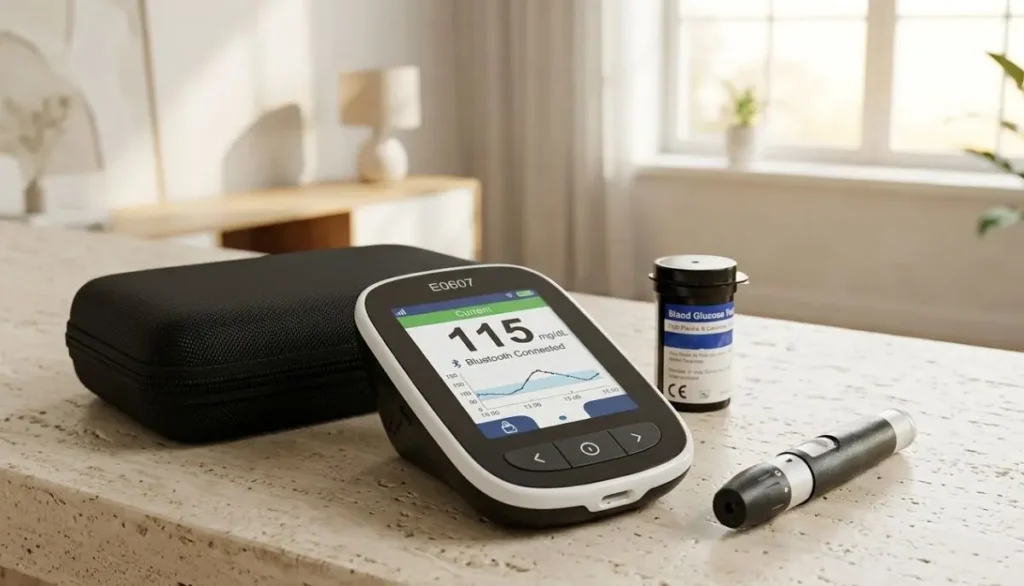
A blood glucose monitor is a small, handheld medical device used to measure the amount of glucose (sugar) in your blood. It helps people—especially those with diabetes or prediabetes—track their blood sugar levels at home quickly and accurately without needing a lab test.
How it works
A blood glucose monitor typically uses:
- A test strip that collects a small drop of blood
- A lancet device that pricks the fingertip
- A meter (device) that reads the strip and displays the result
When a drop of blood is placed on the test strip, the device analyzes it and shows your blood sugar level on the screen within a few seconds.
Why it is important
A blood glucose monitor helps you:
- Track daily blood sugar levels
- Understand how food and lifestyle affect glucose
- Manage diabetes more effectively
- Prevent dangerously low or high blood sugar
- Support treatment decisions (with your doctor’s guidance)
Who uses it
It is commonly used by:
- People with Type 1 diabetes
- People with Type 2 diabetes
- Pregnant women with gestational diabetes
- Individuals monitoring prediabetes or metabolic health
In simple terms, a blood glucose monitor is a personal health tool that helps you keep your blood sugar under control and make better daily health decisions.
Why Blood Glucose Monitoring is Important
Blood glucose monitoring is important because it helps you understand and control the level of sugar (glucose) in your blood in real time. For people with diabetes or those at risk, it is one of the most effective tools for preventing serious health complications and maintaining overall well-being.
1. Helps Manage Diabetes Effectively
Regular use of a blood glucose monitor allows you to see how your body responds to food, medication, and daily activities. This makes it easier to keep your blood sugar within a healthy range and follow your treatment plan more accurately.
2. Prevents Dangerous High Blood Sugar (Hyperglycemia)
When blood sugar stays too high for too long, it can lead to symptoms like:
- Frequent urination
- Excessive thirst
- Fatigue
Long-term high glucose levels can damage organs such as the heart, kidneys, eyes, and nerves. Monitoring helps you catch high readings early and take corrective action.
3. Prevents Low Blood Sugar (Hypoglycemia)
Low blood sugar can happen suddenly and may cause:
- Dizziness
- Shaking
- Confusion
- Fainting
A blood glucose monitor helps you detect drops in sugar levels quickly so you can treat them before they become dangerous.
4. Helps You Understand Food and Lifestyle Impact
Different foods, portion sizes, stress levels, and physical activity all affect blood sugar. Monitoring helps you:
- Identify which foods spike your glucose
- Adjust your diet plan
- Improve exercise timing and intensity
Over time, you gain better control over your lifestyle choices.
5. Supports Better Medication and Insulin Management
For people taking insulin or diabetes medication, blood glucose readings help doctors adjust dosages safely. This ensures:
- More effective treatment
- Fewer side effects
- Better long-term control
6. Reduces Risk of Long-Term Complications
Consistently managing blood sugar helps lower the risk of serious complications such as:
- Heart disease
- Kidney failure
- Vision loss
- Nerve damage
Regular monitoring is one of the best preventive steps you can take.
7. Gives You More Control Over Your Health
A blood glucose monitor empowers you to make informed daily decisions instead of guessing. It provides instant feedback so you can take action immediately when needed.
Parts of a Blood Glucose Monitoring Kit
Before learning how to use it, familiarize yourself with the components:
1. Glucose Meter
The main device that reads and displays results.
2. Test Strips
Disposable strips where blood is placed for testing.
3. Lancet Device
A spring-loaded pen used to prick your finger.
4. Lancets
Sterile, single-use needles inserted into the lancet device.
5. Control Solution (optional)
It is used to check whether the meter is working properly.
Step-by-Step: How to Use a Blood Glucose Monitor
Follow these steps carefully to ensure accurate readings.
Step 1: Wash Your Hands
Begin by thoroughly washing your hands using warm water and soap.
Why this matters:
- Removes sugar residue from food
- Prevents infection
- Ensures accurate readings
Dry your hands completely before testing.
Step 2: Prepare Your Meter and Test Strip
- Insert the test strip into the blood glucose meter.
- Wait for the device to turn on automatically
- Ensure the strip is not expired or damaged
Different monitors may vary slightly, so always check the instruction manual.
Step 3: Prepare the Lancet Device
- Load a sterile lancet into the device
- Adjust the depth setting (usually 1–5)
- Lower setting = less pain
- Higher setting = deeper puncture
Step 4: Choose a Finger for Testing
The best fingers for testing are:
- Middle finger
- Ring finger
Rotate fingers while using to help prevent soreness.
Tip: Use the side of your fingertip instead of the center—it hurts less.
Step 5: Prick Your Finger
- Press the lancet device firmly against your finger
- Press the release button
- A small drop of blood should appear
If no blood appears, gently squeeze your finger from base to tip.
Step 6: Apply Blood to Test Strip
- Bring the blood sample to the edge of the test strip and allow it to absorb.
- The strip will automatically draw in the sample
- Do NOT smear or apply too much pressure
Step 7: Wait for Results
Within 5–10 seconds, the blood glucose monitor will display your reading.
Typical readings:
- Normal fasting: 70–99 mg/dL
- Before meals: 80–130 mg/dL
- After meals: below 180 mg/dL (general guideline)
Always follow your doctor’s personalized target range.
Step 8: Record Your Results
You can:
- Write results in a logbook
- Use a mobile app (if supported)
- Track trends over time
Recording helps identify patterns in diet, exercise, and medication response.
Step 9: Dispose of Used Supplies Safely
- Remove used test strip
- Dispose of lancet in a sharps container
- Wash hands again
Never reuse lancets or strips.
Common Mistakes to Avoid When Using a Blood Glucose Monitor
Even a good device can give inaccurate readings if used incorrectly.
1. Not washing hands
Food residue can falsely increase readings.
2. Using expired test strips
This leads to unreliable results.
3. Not enough blood sample
May cause error messages.
4. Incorrect storage of strips
Heat and moisture damage strips.
5. Reusing lancets
Increases pain and infection risk.
How Often Should You Check Your Blood Sugar?
The frequency of checking your blood sugar depends on your health condition, treatment plan, and your doctor’s recommendations. Using a blood glucose monitor regularly helps you stay in control of your glucose levels and avoid complications.
Below is a general guide based on different health situations:
1. Type 1 Diabetes
People with Type 1 diabetes usually need to check their blood sugar multiple times a day because insulin levels must be closely managed.
Typical frequency:
- Before meals
- After meals
- Before bedtime
- Before and after exercise
- During illness or unusual symptoms
This can mean 4 to 10 checks per day, depending on insulin therapy.
2. Type 2 Diabetes (Using Insulin)
If you are using insulin, frequent monitoring is important to adjust doses safely.
Typical frequency:
- 2 to 4 times per day
- Before breakfast and meals
- Occasionally before bedtime
Regular monitoring helps prevent both high and low blood sugar episodes.
3. Type 2 Diabetes (Not Using Insulin)
If you manage diabetes with oral medication, diet, or exercise, you may not need to test as often.
Typical frequency:
- A few times per week
- Fasting (morning) readings
- Occasionally after meals
Your doctor may adjust this based on your control level.
4. Prediabetes
For people with prediabetes, testing helps track early changes and prevent progression to diabetes.
Typical frequency:
- 1–3 times per week
- Fasting or post-meal testing
- After dietary changes or new exercise routines
5. Gestational Diabetes
Pregnant women require more frequent monitoring to protect both mother and baby.
Typical frequency:
- 4 or more times daily
- Fasting in the morning
- After each meal
This helps maintain safe glucose levels throughout pregnancy.
6. When You Feel Symptoms
Regardless of your condition, you should check your blood sugar if you experience:
- Dizziness
- Shakiness
- Fatigue
- Sudden hunger
- Confusion or blurred vision
A quick check with a blood glucose monitor can help you take immediate action.
7. During Illness or Stress
Illness, stress, or infection can cause blood sugar levels to fluctuate.
Recommended:
- Test more frequently than usual
- Monitor every few hours if advised by your doctor
Tips for Accurate Blood Glucose Readings
Obtaining accurate results from a blood glucose monitor is crucial for effectively managing diabetes and understanding how your body responds to changes in diet, medication, and lifestyle. Even minor errors can affect your readings, so using the correct technique is vital.
Below are practical and easy-to-follow tips to help you get the most reliable results every time you test.
1. Always Wash Your Hands Before Testing
One of the most common causes of inaccurate readings is residue on the skin.
- Wash hands with warm water and soap
- Dry them completely before testing
- Avoid using hand sanitizer right before testing (it may contain sugars or chemicals that affect results)
Clean hands ensure the blood sample is not contaminated.
2. Use Fresh, Unexpired Test Strips
Test strips are highly sensitive and can lose accuracy over time.
- Always check the expiration date
- Keep strips in their original container
- Close the lid immediately after removing one strip
- Avoid exposure to heat, moisture, or sunlight
Expired or damaged strips are a major cause of incorrect readings.
3. Use the Correct Blood Sample Size
An insufficient or excessive amount of blood can affect the reading.
- Make sure a full drop of blood forms before testing
- Let the strip “sip” the blood naturally
- Avoid smearing or adding extra drops
Follow your device instructions carefully for best results.
4. Choose the Right Finger and Site
Where you test matters for comfort and consistency.
- Use the side of your fingertip (less pain)
- Rotate fingers to avoid soreness
- Avoid using the same finger repeatedly
Consistent testing areas help improve comfort and reliability.
5. Keep Your Blood Glucose Monitor Clean
A clean device works more accurately.
- Wipe the meter with a soft, dry cloth
- Keep the test strip port free of dust
- Store the device in a clean, dry case
Avoid moisture or dirt entering the device.
6. Check Device Temperature Conditions
Extreme temperatures can affect performance.
- Do not test immediately after exposure to heat or cold
- Keep your monitor at room temperature
- Avoid leaving it in cars or direct sunlight
Stable conditions ensure consistent results.
7. Avoid Squeezing Your Finger Too Hard
Excess pressure can mix blood with tissue fluid, affecting accuracy.
- Gently massage your finger if needed
- Let the drop form naturally
- Avoid “milking” the finger too aggressively
8. Calibrate or Perform Control Tests (If Required)
Some devices require occasional accuracy checks.
- Use control solution if recommended
- Follow manufacturer instructions
- Replace strips or device if readings seem inconsistent
9. Test at the Same Times Daily
Consistency helps you understand patterns better.
- Test at similar times each day (fasting, before meals, etc.)
- Avoid random testing unless necessary
- Track readings in a log or app
10. Avoid Testing Immediately After Eating Without Context
Food can cause natural spikes in blood sugar.
- Wait 1–2 hours after meals for post-meal testing
- Follow your doctor’s recommended timing
- Compare readings over time, not individually
Understanding Your Blood Sugar Results
Here’s a simple breakdown:
Low Blood Sugar (Hypoglycemia)
- Below 70 mg/dL
Symptoms: dizziness, sweating, shakiness
Action: consume fast-acting sugar (juice, glucose tablets)
Normal Range
- 70–140 mg/dL (varies by individual)
High Blood Sugar (Hyperglycemia)
- Above 180 mg/dL
Symptoms: thirst, fatigue, frequent urination
Action: consult healthcare provider
Maintenance and Care of Your Blood Glucose Monitor
Proper maintenance of your blood glucose monitor is essential for ensuring accurate readings, long device life, and safe daily use. Even the most advanced glucose meter can give incorrect results if it is not handled and stored correctly.
Below are simple but important steps to help you care for your device effectively.
1. Keep the Device Clean
Regular cleaning ensures that dirt, dust, and residues do not affect performance.
- Wipe the meter gently with a soft, dry cloth
- If needed, use a lightly damp cloth (never soak it)
- Avoid using alcohol, chemicals, or harsh cleaning solutions
Make sure no liquid enters the test strip port or battery area.
2. Store Test Strips Properly
Test strips are very sensitive to temperature and moisture.
- Keep strips in their original container
- Close the cap immediately after removing a strip
- Store in a cool, dry location, away from bathrooms and kitchens.
- Do not use expired test strips
Improper storage can lead to inaccurate blood sugar readings.
3. Handle Lancets Safely
Lancets should always be used carefully to maintain hygiene and safety.
- Use a new lancet for each test
- Dispose of used lancets in a sharps container
- Never reuse lancets, as they become dull and unhygienic
This reduces pain and prevents infection.
4. Check and Replace Batteries
A weak battery can affect device performance.
- Replace batteries when the low-battery indicator appears
- Keep spare batteries available if you test frequently
- If the device will not be used for a long period, remove the battery.
5. Store the Monitor in a Safe Place
Proper storage protects your device from damage.
- Store it in a protective case when not in use.
- Avoid exposure to extreme heat, cold, or humidity
- Do not drop or shake the device
A stable environment helps maintain long-term accuracy.
6. Calibrate or Check Accuracy (If Required)
Some meters require periodic checks using control solutions.
- Use control solution to test accuracy occasionally
- Follow manufacturer instructions carefully
- Replace the device if readings become inconsistent
7. Avoid Cross-Contamination
To ensure hygiene and accurate results:
- Never share your blood glucose monitor with others
- Always wash hands before testing
- Use only your own lancets and test strips
Troubleshooting Common Issues
Error Message on Screen
- Check strip insertion
- Replace strip
- Restart device
No Blood Reading
- Use a new lancet
- Increase depth setting
Inaccurate Results
- Check strip expiration
- Ensure proper storage
- Recalibrate device if required
Who Should Use a Blood Glucose Monitor?
A blood glucose monitor is essential for:
- People with diabetes (Type 1 or Type 2)
- Pregnant women with gestational diabetes
- Individuals with prediabetes
- Patients on insulin therapy
- People managing metabolic syndrome
Benefits of Using a Home Blood Glucose Monitor
A blood glucose monitor is one of the most important tools for managing diabetes and maintaining overall metabolic health. Using it at home gives you real-time insight into your blood sugar levels without needing frequent lab visits, making daily health management more convenient and effective.
Below are the key benefits of using a home blood glucose monitor regularly.
1. Convenient and Easy to Use
Home glucose monitoring is designed for simplicity.
- Quick testing in under a minute
- Portable and lightweight device
- Can be used anytime, anywhere
- No need for clinic appointments
This convenience makes it easier to stay consistent with monitoring.
2. Immediate Blood Sugar Results
One of the biggest advantages is instant feedback.
- Results appear within seconds
- Helps you respond quickly to high or low readings
- Supports timely decision-making about food or medication
This real-time information is critical for daily diabetes management.
3. Better Diabetes Control
Regular use of a blood glucose monitor helps you maintain stable blood sugar levels.
- Track how meals affect glucose
- Adjust lifestyle habits effectively
- Work better with your doctor on treatment plans
Over time, this leads to improved long-term control.
4. Helps Prevent Complications
Consistent monitoring reduces the risk of serious health problems.
- Lowers risk of heart disease
- Helps prevent kidney damage
- Reduces risk of nerve damage
- Supports eye health
Early detection of abnormal readings allows for faster action.
5. Supports Personalized Diet and Lifestyle Choices
Everyone reacts differently to food and exercise.
- Identify foods that spike blood sugar
- Understand how exercise affects glucose levels
- Make informed diet adjustments
This helps create a personalized health routine that works for your body.
6. Improves Medication and Insulin Management
For people using diabetes medications or insulin:
- Helps doctors adjust dosages accurately
- Prevents overdosing or underdosing
- Improves treatment effectiveness
Monitoring ensures safer and more precise medication use.
7. Reduces the Need for Frequent Lab Visits
Home monitoring reduces dependency on clinical testing.
- Fewer trips to hospitals or labs
- Saves time and transportation costs
- Provides continuous data between doctor visits
This makes long-term care more manageable.
8. Early Detection of Blood Sugar Fluctuations
A blood glucose monitor helps detect issues before they become serious.
- Identifies sudden spikes or drops
- Helps prevent emergency situations
- Allows early corrective action
This is especially important for people on insulin therapy.
9. Encourages Better Health Awareness
Regular monitoring increases awareness of your body’s patterns.
- Helps you understand daily glucose trends
- Builds discipline in health management
- Encourages healthier lifestyle choices
Awareness leads to better long-term habits.
10. Safe and Reliable for Daily Use
Modern glucose monitors are built to deliver high accuracy while ensuring safe and reliable use.
- Minimal blood required
- Simple finger-prick method
- Highly accurate when used correctly
- Safe for daily repeated use
This makes them suitable for long-term monitoring.
Conclusion
A blood glucose monitor is a simple yet powerful device that plays a crucial role in managing diabetes and maintaining overall health. It allows you to track your blood sugar levels at home, giving you immediate and reliable information to make better daily decisions.
From understanding how your body responds to food and exercise to helping prevent dangerous highs and lows, regular monitoring is essential for long-term health control. When used correctly and consistently, a blood glucose monitor becomes more than just a device—it becomes a daily guide for healthier living.
By following proper usage techniques, maintaining your device, and checking your levels as recommended, you can significantly improve your ability to manage diabetes and reduce the risk of complications.
In short, consistent blood sugar monitoring empowers you with knowledge, control, and confidence in your health journey.
Frequently Asked Questions (FAQs)
1. What is a blood glucose monitor used for?
A blood glucose monitor is used to measure the level of glucose (sugar) in your blood. It helps people with diabetes or prediabetes track their blood sugar levels and manage their condition effectively at home.
2. How does a blood glucose monitor work?
It functions by analyzing a small blood sample placed on a test strip.. The strip is then inserted into the meter, which quickly measures and displays your blood sugar level within seconds.
3. Is a home blood glucose monitor accurate?
Yes, most modern blood glucose monitors are highly accurate when used correctly. Accuracy depends on proper technique, fresh test strips, and correct device handling.
4. How frequently should I monitor my blood sugar levels?
The frequency depends on your health condition:
- Type 1 diabetes: multiple times daily
- Type 2 diabetes (on insulin): 2–4 times daily
- Type 2 (non-insulin): a few times per week
- Prediabetes: occasionally or as advised by a doctor
5. Do I need a prescription to use a blood glucose monitor?
No, most blood glucose monitors are available over the counter and can be used at home without a prescription. However, your doctor may recommend one based on your health condition.
6. Can I reuse test strips or lancets?
Test strips are designed for one-time use only, and lancets should be changed after every use to maintain hygiene, safety, and accurate results.
7. What is the normal blood sugar range?
General guidelines are:
- Fasting: 70–99 mg/dL
- Before meals: 80–130 mg/dL
- After meals: below 180 mg/dL
Always follow your doctor’s personalized target range.
8. Why do my readings change throughout the day?
Blood sugar levels naturally fluctuate based on:
- Food intake
- Physical activity
- Stress levels
- Medication timing
This is normal and expected.
9. Where can I buy a reliable blood glucose monitor?
You can purchase a reliable and easy-to-use device from trusted medical suppliers such as
Alfa Healthcare Supply Blood Glucose Monitor, or other certified medical equipment providers.
10. Can I use a blood glucose monitor without diabetes?
Yes, some people use it to track metabolic health, fitness progress, or prediabetes risk. However, it is most commonly used for diabetes management.
How Alfa Healthcare Supports Patients Across Queens & Long Island
Access to reliable medical equipment can significantly improve comfort, mobility, and independence. Patients and caregivers across Queens and Long Island need trusted partners who can supply home-care essentials quickly and reliably. Alfa Healthcare Supply Inc has become a dependable resource for these communities by offering a wide range of high-quality medical supplies, excellent service, and personalized support.
Patients looking for a reliable medical supplier in Queens or Long Island often prefer providers who offer clear guidance, easy ordering, and dependable delivery—especially for long-term medical supplies.
Here’s how Alfa Healthcare helps patients every day.
1. Wide Range of Home-Care Medical Equipment
Alfa Healthcare offers an extensive catalog of DME products, including:
- Orthopedic Supports
Knee braces
Back braces
Ankle braces
Shoulder & wrist braces
Night splints
- Mobility Equipment
Wheelchairs
Walkers
Transport chairs
- Diabetic Supplies
Glucose monitors
Test strips
Lancets
Diabetic shoes
- Respiratory Care Products
Nebulizers
CPAP & BiPAP supplies
- Incontinence & Personal Care
Bed pads
Pull-ups
Adult diapers
This ensures caregivers and patients always find exactly what they need.
2. Helping Patients Recover Comfortably at Home
Healing often happens outside hospitals—inside homes. Alfa plays a key role by ensuring:
- Patients have the right equipment for daily activities
- Caregivers get tools that make assistance easier
- Seniors can move safely and comfortably
- Individuals managing long-term conditions have consistent supplies
A supportive home environment is essential for dignity and quality of life.
3. Serving the Entire Queens & Long Island Region
Patients from:
Floral Park , New Hyde Park , Jamaica , Hicksville , Garden City , Valley Stream , Mineola , Nassau County and nearby areas , depend on Alfa Healthcare for fast, reliable supply.
The location is convenient for both Queens residents and Long Island communities.
4. Fast Access to Essential Supplies
When patients need urgent items like:
- Nebulizer kits
- Braces
- Incontinence supplies
- Mobility aids
Alfa Healthcare offers quick ordering and easy pickup. No need to wait for long delivery times.
5. Friendly Support & Product Guidance
Choosing the right medical equipment can be confusing. Alfa helps patients by:
- Explaining product features
- Guiding in sizes and fit
- Suggesting alternatives if needed
- Providing clear usage instructions
This level of support makes a difference, especially for seniors or first-time buyers.
6. Strong Commitment to Community Care
Beyond selling products, Alfa Healthcare contributes by:
- Supporting long-term patient needs
- Providing compassionate service
- Offering medical essentials at accessible prices
- Ensuring local families have the resources they need
This dedication builds long-term trust within the communities they serve.
Conclusion
Across Queens and Long Island, Alfa Healthcare Supply Inc stands as a dependable partner for patients, caregivers, and families. With a wide selection of medical supplies, expert support, and quick service, Alfa helps individuals manage their daily health needs comfortably and safely.
Whether it’s orthopedic braces, respiratory care devices, diabetic supplies, or home-care essentials, Alfa Healthcare ensures patients receive the quality and reliability they deserve.
Where to Buy Medical Supplies in Queens, NY – A Complete Patient Guide
When you or a loved one needs medical supplies, the first priority is finding a trusted, reliable, and easily accessible medical equipment supplier. Whether you’re searching for mobility aids, orthopedic braces, respiratory equipment, diabetic care products, or maternity supplies, choosing the right provider can make everyday life more comfortable and safe.
Queens, NY, is home to a large community of seniors, families, and patients recovering from surgeries or managing long-term conditions. The need for quality durable medical equipment (DME) continues to grow—yet many people still wonder:
“Where can I buy medical supplies in Queens that I can trust?”
1. Why Buying Medical Supplies Locally in Queens Matters
Ordering online is convenient, but medical equipment often requires guidance from experts. A local supplier provides:
- Faster access to essential equipment
- Product demonstrations
- Sizing help for braces, shoes, and mobility devices
- Immediate support if something doesn’t fit or needs replacement
- Personalized recommendations
Local stores also understand the needs of nearby hospitals, clinics, rehabilitation centers, and senior communities across Queens and Nassau County.
2. Types of Medical Supplies Available in Queens
A good medical supply store in Queens should offer a complete range of DME products, including:
- Orthopedic Supplies
Knee braces
Back braces
Ankle, wrist, elbow, and shoulder braces
Night splints
- Respiratory Care Equipment
Nebulizers
CPAP / BiPAP machines
Disposable tubing and accessories
- Mobility Equipment
Wheelchairs
Walkers
Transport chairs
Crutches
- Diabetic Supplies
Test strips
Lancets
Blood glucose monitors
Diabetic shoes & inserts
- Incontinence Products
Pads
Pull-ups
Underpads
Adult diapers
- Maternity & OBGYN Supplies
Maternity belts
Breast pumps
Postpartum support
- Urinary Care Supplies
Catheters
Drainage bags
- Home-Care Essentials
BP monitors
Pulse oximeters
Compression stockings
Therapeutic shoes
Queens residents benefit from having immediate access to these essentials—especially when recovery depends on the right equipment.
3. What to Consider When Choosing a Medical Supply Store
When purchasing medical supplies in Queens, look for:
- Certified, high-quality products
Durable equipment that meets safety standards is essential. - Clear product guidance
Suppliers should help you choose the right size and type of product. - A wide inventory
You shouldn’t need to visit multiple stores to find what you’re looking for. - Local pickup availability
For urgent needs, waiting for delivery is not an option. - Responsive customer support
A good supplier answers your questions clearly and quickly.
4. Alfa Healthcare Supply Inc – A Reliable Medical Supply Store in Queens, NY
Located in Floral Park, NY, Alfa Healthcare Supply Inc is one of the most trusted providers of medical supplies in Queens and Long Island.
Why patients prefer Alfa Healthcare Supply:
- Wide selection of DME & orthopedic products
- Quick and easy ordering & pickup
- Friendly staff that helps you understand what product suits your needs
- High-quality products for daily medical care
- Convenient location near Queens, Long Island, and Brooklyn
Whether you need diabetic shoes, braces, incontinence supplies, or respiratory equipment, Alfa provides dependable solutions for home-care patients and caregivers.
Conclusion
Finding the right place to buy medical supplies in Queens, NY ensures better comfort, safer recovery, and reliable long-term support. Whether you’re a caregiver, patient, or family member, choosing a trusted supplier like Alfa Healthcare Supply Inc gives you peace of mind knowing you’re getting dependable, high-quality products.
Top 5 Rehab Centers in Queens & Long Island (And What to Bring With You)
Recovering from a major surgery, stroke, or fall is a journey that doesn’t end when you leave the hospital. For many seniors, the next step is a short-term stay at a rehabilitation center. This transition can feel overwhelming, but choosing the right facility makes all the difference in how fast and comfortably you get back on your feet.
Top 5 Rehab Centers in Queens & Long Island
Finding the “best” facility often depends on your specific needs, but these five centers consistently rank high for their quality of care, cleanliness, and specialized therapy programs.
- Glen Cove Hospital (Northwell Health)
Location: Glen Cove, Long Island Best For: High-tech acute rehabilitation Ranked among the best in the nation, Glen Cove Hospital is a powerhouse for acute rehab. It is one of the few facilities in the country to offer the G-EO System Robotic Assisted Gait Trainer, a futuristic device that helps patients relearn to walk and climb stairs. They also have a renowned Parkinson’s rehabilitation program, making this a top choice for complex neurological recovery. - Cliffside Rehabilitation & Residential Health Care Center
Location: Flushing, Queens Best For: Culturally sensitive care and specialized units Consistently earning 5-star ratings, Cliffside is a standout among rehab centers Queens NY has to offer. They are known for their specialized sub-acute care, including a dedicated ventilator unit and an amputee recovery program. They also feature a unique Asian Cultural Unit with bilingual staff and culturally specific cuisine, ensuring patients feel at home during their recovery. - Stern Family Center for Rehabilitation
Location: Manhasset, Long Island Best For: Short-term post-surgical recovery Another gem in the Northwell Health network, the Stern Family Center frequently appears on U.S. News & World Report’s “Best Nursing Homes” list. It is located on the campus of North Shore University Hospital, providing seamless access to emergency medical care if needed. Their short-term rehab wing is specifically designed for high-intensity physical and occupational therapy to get you home faster. - Gurwin Jewish Nursing & Rehabilitation Center
Location: Commack, Long Island Best For: Comprehensive amenities and complex care Gurwin is more than just a rehab center; it is a massive healthcare campus. They offer a 5-star rated facility with an on-site dialysis center, which is a game-changer for patients who would otherwise need medical transport for treatment 3 times a week. Their “holistic” approach includes art therapy, pastoral care, and beautiful grounds that encourage mental well-being alongside physical recovery. - Margaret Tietz Nursing and Rehabilitation Center
Location: Jamaica Hills, Queens Best For: A homelike environment with deep community roots Founded to care for Holocaust survivors, Margaret Tietz has a deep legacy of compassionate care. Today, it serves a diverse population with excellent short-term rehab services. They are particularly praised for their kosher kitchen and Shabbos elevator, accommodating the observant Jewish community while providing top-tier physical therapy for all residents.
What to Pack for Rehab: The Essential Checklist
When you are transferring from the hospital to a rehab center, you usually only have a few hours to prepare. Many families panic and overpack, or worse, forget the essentials.
Here is the definitive guide on what to pack for rehab to ensure your loved one is comfortable and safe.
- Clothing (Think “Comfort & Access”)
You will be doing physical therapy daily, so leave the hospital gown behind.
- 5-7 days of loose-fitting outfits: Sweatpants or elastic-waist shorts are best. Avoid zippers or buttons if you have arthritis or limited dexterity.
- Sneakers with Velcro: Laces can be a tripping hazard and difficult to tie. Sturdy, rubber-soled sneakers are mandatory for gym work.
- Socks with grips: To prevent slips on tile floors.
- Undergarments: Pack plenty—laundry services can sometimes take a few days.
- Toiletries (The Comforts of Home)
While the center provides basics, industrial soap can be harsh on aging skin.
- Electric razor: Safer than standard blades for patients on blood thinners.
- Denture care kit: Cup, adhesive, and cleaner.
- Your own shampoo and body wash: The scent of your own products can be incredibly grounding.
- Lip balm and moisturizer: Hospitals and rehab centers often have dry air.
- Health & Tech Essentials
- Current list of medications: Even though the doctor sends records, having a printed list prevents errors.
- Hearing aid batteries: These are rarely stocked by the facility.
- Phone and EXTRA long charger: Outlets are often located far behind the hospital bed. A 6-10 foot cable is a lifesaver.
- Insurance and ID cards: Copies of Medicare/Medicaid cards and Power of Attorney documents.
- What NOT to Bring
- Large amounts of cash or jewelry: Rehab centers are busy places; don’t risk losing valuables.
- Area rugs or throw pillows: These can clutter the room and become fall hazards.
Coming Home
A successful stay at a rehab center is just the first step. When it is time to transition home, you may need your own durability medical equipment—like a walker, shower chair, or hospital bed—to maintain the progress you made.
Alfa Healthcare Supply Inc. is here to bridge that gap. We serve Queens and Long Island with the high-quality medical supplies you need to stay safe at home. Contact us today to prepare your home for a safe return.
Does Medicare Cover Diabetic Supplies? A Simple Guide for NY Residents
The Big Question: Part B vs. Part D
The most common source of confusion is knowing which part of Medicare pays for which item. Medicare doesn’t lump all “diabetic supplies” into one bucket. Instead, they split them based on whether the item is considered “Durable Medical Equipment” (DME) or a medication.
Medicare Part B: The “Equipment” Coverage
Medicare Part B is your medical insurance. It covers outpatient care and, crucially for you, Durable Medical Equipment (DME).
If you have Original Medicare and your doctor prescribes these items for use in your home, Part B typically covers 80{506a2751bf67d2d85e1c4aac7f95981850bfa4625add47fe72fdabc52524907c} of the Medicare-approved amount (after you meet your deductible). You (or your supplemental insurance) pay the remaining 20{506a2751bf67d2d85e1c4aac7f95981850bfa4625add47fe72fdabc52524907c}.
Items Covered Under Part B:
- Blood Sugar Monitors (Glucometers): The device used to read your blood sugar.[6]
- Blood Sugar Test Strips: The disposable strips used with the monitor.
- Lancets & Lancet Devices: The spring-loaded device and needles used to draw blood.
- Glucose Control Solutions: Liquid used to check the accuracy of your monitor.
- Therapeutic Shoes & Inserts: Covered if you have diabetic foot complications (specifically for prevention of ulcers).
- Insulin Pumps: If you require a pump, the device and the insulin used in the pump are often covered under Part B as DME.
Medicare Part D: The “Drug” Coverage
Medicare Part D is strictly for prescription drugs. This is usually an add-on plan you purchase separately or part of a Medicare Advantage plan.
Items Covered Under Part D:
- Insulin: Unless used in an insulin pump (see above), insulin is covered here.
- Syringes & Needles: The supplies used to inject insulin manually.
- Alcohol Swabs: Used to clean the injection site.
- Gauze: For post-injection care.
Important 2025 Update: Thanks to the Inflation Reduction Act, the cost of a month’s supply of each covered insulin product is capped at $35, and you do not have to pay a deductible for it. This applies to both Part D and Part B (pump) insulin.
Coverage Limits: How Many Test Strips Can You Get?
Medicare doesn’t give you an unlimited supply of test strips; they have strict “utilization guidelines” based on whether or not you use insulin.
- If You Use Insulin
Because you need to check your sugar more frequently to dose your insulin, Medicare allows for more supplies.
- Limit: Up to 300 test strips and 300 lancets every 3 months.
- Testing Frequency: This assumes you are testing 3 times a day.
- If You Do Not Use Insulin
If you manage diabetes with pills (like Metformin) or diet alone, Medicare covers fewer supplies.
- Limit: Up to 100 test strips and 100 lancets every 3 months.
- Testing Frequency: This assumes you are testing once a day.
“Can I Get More If I Need Them?”
Yes. If your doctor deems it medically necessary for you to test more often—for example, if your blood sugar fluctuates wildly or you are pregnant—they can write a prescription explaining why. You will need to keep a testing log for six months to prove you are actually using the extra supplies.
The “Mail-Order” Myth: Do I Have to Wait for Delivery?
Many New York residents believe they must use a national mail-order company to get their diabetic supplies covered by Medicare. This is not true.
While Medicare has a “National Mail-Order Program” that requires you to use specific suppliers if you want goods shipped to your door, you always have the option to buy locally.
You can walk into a Medicare-enrolled supplier—like a local pharmacy or a medical supply store in Floral Park—and pick up your supplies in person. For many seniors, this is a better option because:
- No Stolen Packages: Porch piracy is a real issue in Queens and NYC.
- Immediate Access: You don’t have to wait 5-7 business days if you run out of strips.
- Customer Service: You can ask a real person how to use your new glucose meter.
At Alfa Healthcare Supply Inc., we specialize in helping locals get the DME they need without the headache of 1-800 numbers.
New for 2025: Continuous Glucose Monitors (CGMs)
Continuous Glucose Monitors (like the Dexcom or FreeStyle Libre) have revolutionized diabetes care. In the past, Medicare coverage for these was very strict. However, guidelines have expanded.
As of 2025, Medicare Part B covers CGMs if:
- You have diabetes (Type 1 or Type 2).
- You use insulin OR you have a history of “problematic hypoglycemia” (low blood sugar events) even if you don’t use insulin.
- Your doctor prescribes it and you see them every 6 months to review your diabetes management.
Pro-Tip for NY Residents: If you are on a Medicare Advantage plan (Part C), coverage might vary slightly, but most plans follow the standard Medicare guidelines. Always check your specific plan’s “Summary of Benefits.”
A Checklist for New York Residents
Navigating insurance in New York can be tricky. Follow this checklist to ensure your supplies are covered:
1. Get a Specific Prescription: A generic note saying “Diabetic Supplies” isn’t enough. Your doctor must write a prescription that includes:
- “Diabetes Mellitus” diagnosis code.
- Whether you use insulin.
- The specific item (e.g., “Glucose Test Strips”).
- Frequency of use (e.g., “Test 3 times daily”).
- Quantity to be dispensed.
2. Check Your Supplier: Ensure you are buying from a Medicare-enrolled supplier. If you buy from a supplier who isn’t enrolled, Medicare will not pay a cent, and you will be stuck with the full bill.
3. Ask About “Assignment”: You want a supplier who “accepts assignment.” This means they agree to the Medicare-approved price. If they don’t, they can charge you “Excess Charges” (up to 15{506a2751bf67d2d85e1c4aac7f95981850bfa4625add47fe72fdabc52524907c} more).
4. Keep Your Testing Logs: If you are requesting extra supplies above the standard limits, keep a written log of your blood sugar readings. Medicare audits these frequently.
Local Support in Floral Park & Queens
Why deal with faceless call centers when you can get personalized care right here in your neighborhood?
Alfa Healthcare Supply Inc. is dedicated to serving the Floral Park and greater New York community. We understand the nuances of local insurance plans and can help guide you toward the right products for your needs.
Whether you need a new Glucometer, a restock of Test Strips, or are looking into Diabetic Shoes to protect your feet, we are here to help.
Shop Our Diabetic Care Collection Here:
Frequently Asked Questions (FAQs)
Q: Does Medicare cover diabetic socks?
A: Generally, no. Medicare does not cover diabetic socks for the general diabetic population. However, if you have a venous stasis ulcer or other specific wounds, they might be covered as “wound dressings,” but this is rare. Medicare does cover diabetic shoes and inserts once per year if you have qualified foot conditions.
Q: I have both Medicare and Medicaid (Dual Eligible). Do I pay anything?
A: In New York, if you have both Medicare and Medicaid (full coverage), Medicaid usually covers the 20{506a2751bf67d2d85e1c4aac7f95981850bfa4625add47fe72fdabc52524907c} coinsurance that Medicare leaves behind. This means your cost for diabetic supplies could be $0. Be sure to show both cards to your supplier.
Q: Can I switch from mail-order back to a local store?
A: Yes! You are not locked into a mail-order contract forever. You can choose to pick up your next prescription at a local participating supplier whenever you choose.
Disclaimer: This guide is for informational purposes only and does not constitute medical or legal advice. Medicare guidelines are subject to change. Please verify your specific coverage with Medicare.gov or your plan provider.