


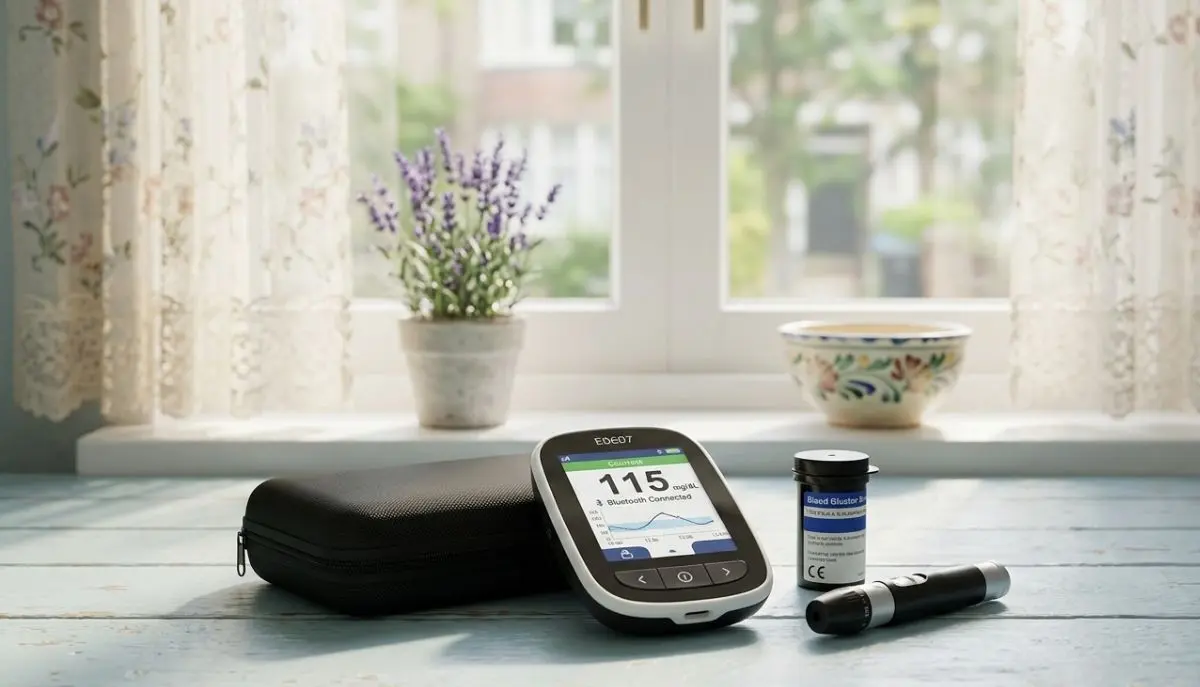
Blood Glucose Monitor: How to Use It for Daily Diabetes Care
Monitoring blood sugar levels at home has become an essential part of managing diabetes, prediabetes, and general metabolic health. A blood glucose monitor is a small, portable medical device that allows you to check your blood sugar (glucose) levels quickly and accurately without visiting a lab.
Whether you are newly diagnosed or helping a loved one manage diabetes, learning how to use a blood glucose monitor correctly ensures accurate readings and better health decisions.
In this detailed guide, we’ll break down everything you need to know—from setup and testing to interpreting results and avoiding common mistakes.
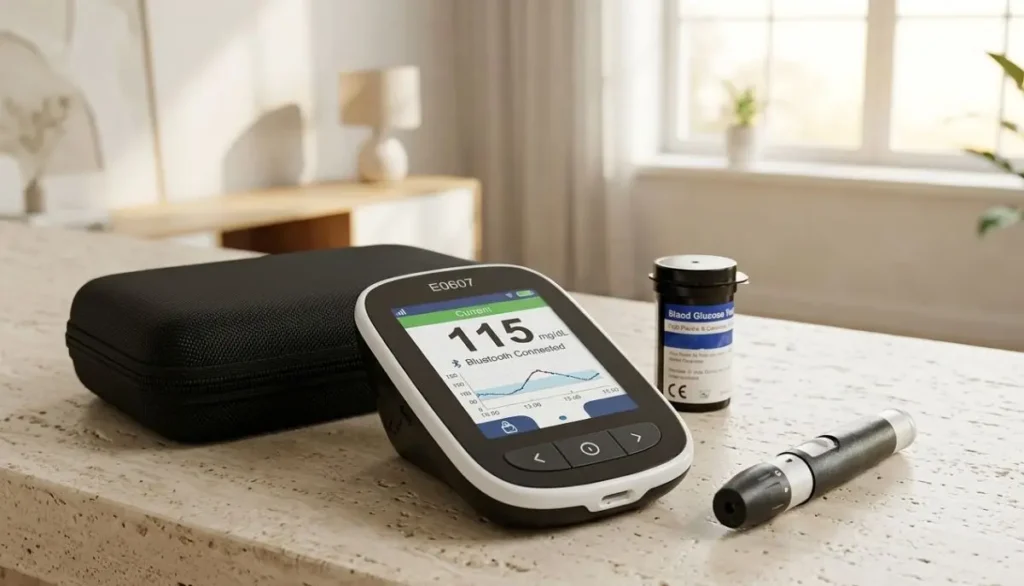
A blood glucose monitor is a small, handheld medical device used to measure the amount of glucose (sugar) in your blood. It helps people—especially those with diabetes or prediabetes—track their blood sugar levels at home quickly and accurately without needing a lab test.
How it works
A blood glucose monitor typically uses:
- A test strip that collects a small drop of blood
- A lancet device that pricks the fingertip
- A meter (device) that reads the strip and displays the result
When a drop of blood is placed on the test strip, the device analyzes it and shows your blood sugar level on the screen within a few seconds.
Why it is important
A blood glucose monitor helps you:
- Track daily blood sugar levels
- Understand how food and lifestyle affect glucose
- Manage diabetes more effectively
- Prevent dangerously low or high blood sugar
- Support treatment decisions (with your doctor’s guidance)
Who uses it
It is commonly used by:
- People with Type 1 diabetes
- People with Type 2 diabetes
- Pregnant women with gestational diabetes
- Individuals monitoring prediabetes or metabolic health
In simple terms, a blood glucose monitor is a personal health tool that helps you keep your blood sugar under control and make better daily health decisions.
Why Blood Glucose Monitoring is Important
Blood glucose monitoring is important because it helps you understand and control the level of sugar (glucose) in your blood in real time. For people with diabetes or those at risk, it is one of the most effective tools for preventing serious health complications and maintaining overall well-being.
1. Helps Manage Diabetes Effectively
Regular use of a blood glucose monitor allows you to see how your body responds to food, medication, and daily activities. This makes it easier to keep your blood sugar within a healthy range and follow your treatment plan more accurately.
2. Prevents Dangerous High Blood Sugar (Hyperglycemia)
When blood sugar stays too high for too long, it can lead to symptoms like:
- Frequent urination
- Excessive thirst
- Fatigue
Long-term high glucose levels can damage organs such as the heart, kidneys, eyes, and nerves. Monitoring helps you catch high readings early and take corrective action.
3. Prevents Low Blood Sugar (Hypoglycemia)
Low blood sugar can happen suddenly and may cause:
- Dizziness
- Shaking
- Confusion
- Fainting
A blood glucose monitor helps you detect drops in sugar levels quickly so you can treat them before they become dangerous.
4. Helps You Understand Food and Lifestyle Impact
Different foods, portion sizes, stress levels, and physical activity all affect blood sugar. Monitoring helps you:
- Identify which foods spike your glucose
- Adjust your diet plan
- Improve exercise timing and intensity
Over time, you gain better control over your lifestyle choices.
5. Supports Better Medication and Insulin Management
For people taking insulin or diabetes medication, blood glucose readings help doctors adjust dosages safely. This ensures:
- More effective treatment
- Fewer side effects
- Better long-term control
6. Reduces Risk of Long-Term Complications
Consistently managing blood sugar helps lower the risk of serious complications such as:
- Heart disease
- Kidney failure
- Vision loss
- Nerve damage
Regular monitoring is one of the best preventive steps you can take.
7. Gives You More Control Over Your Health
A blood glucose monitor empowers you to make informed daily decisions instead of guessing. It provides instant feedback so you can take action immediately when needed.
Parts of a Blood Glucose Monitoring Kit
Before learning how to use it, familiarize yourself with the components:
1. Glucose Meter
The main device that reads and displays results.
2. Test Strips
Disposable strips where blood is placed for testing.
3. Lancet Device
A spring-loaded pen used to prick your finger.
4. Lancets
Sterile, single-use needles inserted into the lancet device.
5. Control Solution (optional)
It is used to check whether the meter is working properly.
Step-by-Step: How to Use a Blood Glucose Monitor
Follow these steps carefully to ensure accurate readings.
Step 1: Wash Your Hands
Begin by thoroughly washing your hands using warm water and soap.
Why this matters:
- Removes sugar residue from food
- Prevents infection
- Ensures accurate readings
Dry your hands completely before testing.
Step 2: Prepare Your Meter and Test Strip
- Insert the test strip into the blood glucose meter.
- Wait for the device to turn on automatically
- Ensure the strip is not expired or damaged
Different monitors may vary slightly, so always check the instruction manual.
Step 3: Prepare the Lancet Device
- Load a sterile lancet into the device
- Adjust the depth setting (usually 1–5)
- Lower setting = less pain
- Higher setting = deeper puncture
Step 4: Choose a Finger for Testing
The best fingers for testing are:
- Middle finger
- Ring finger
Rotate fingers while using to help prevent soreness.
Tip: Use the side of your fingertip instead of the center—it hurts less.
Step 5: Prick Your Finger
- Press the lancet device firmly against your finger
- Press the release button
- A small drop of blood should appear
If no blood appears, gently squeeze your finger from base to tip.
Step 6: Apply Blood to Test Strip
- Bring the blood sample to the edge of the test strip and allow it to absorb.
- The strip will automatically draw in the sample
- Do NOT smear or apply too much pressure
Step 7: Wait for Results
Within 5–10 seconds, the blood glucose monitor will display your reading.
Typical readings:
- Normal fasting: 70–99 mg/dL
- Before meals: 80–130 mg/dL
- After meals: below 180 mg/dL (general guideline)
Always follow your doctor’s personalized target range.
Step 8: Record Your Results
You can:
- Write results in a logbook
- Use a mobile app (if supported)
- Track trends over time
Recording helps identify patterns in diet, exercise, and medication response.
Step 9: Dispose of Used Supplies Safely
- Remove used test strip
- Dispose of lancet in a sharps container
- Wash hands again
Never reuse lancets or strips.
Common Mistakes to Avoid When Using a Blood Glucose Monitor
Even a good device can give inaccurate readings if used incorrectly.
1. Not washing hands
Food residue can falsely increase readings.
2. Using expired test strips
This leads to unreliable results.
3. Not enough blood sample
May cause error messages.
4. Incorrect storage of strips
Heat and moisture damage strips.
5. Reusing lancets
Increases pain and infection risk.
How Often Should You Check Your Blood Sugar?
The frequency of checking your blood sugar depends on your health condition, treatment plan, and your doctor’s recommendations. Using a blood glucose monitor regularly helps you stay in control of your glucose levels and avoid complications.
Below is a general guide based on different health situations:
1. Type 1 Diabetes
People with Type 1 diabetes usually need to check their blood sugar multiple times a day because insulin levels must be closely managed.
Typical frequency:
- Before meals
- After meals
- Before bedtime
- Before and after exercise
- During illness or unusual symptoms
This can mean 4 to 10 checks per day, depending on insulin therapy.
2. Type 2 Diabetes (Using Insulin)
If you are using insulin, frequent monitoring is important to adjust doses safely.
Typical frequency:
- 2 to 4 times per day
- Before breakfast and meals
- Occasionally before bedtime
Regular monitoring helps prevent both high and low blood sugar episodes.
3. Type 2 Diabetes (Not Using Insulin)
If you manage diabetes with oral medication, diet, or exercise, you may not need to test as often.
Typical frequency:
- A few times per week
- Fasting (morning) readings
- Occasionally after meals
Your doctor may adjust this based on your control level.
4. Prediabetes
For people with prediabetes, testing helps track early changes and prevent progression to diabetes.
Typical frequency:
- 1–3 times per week
- Fasting or post-meal testing
- After dietary changes or new exercise routines
5. Gestational Diabetes
Pregnant women require more frequent monitoring to protect both mother and baby.
Typical frequency:
- 4 or more times daily
- Fasting in the morning
- After each meal
This helps maintain safe glucose levels throughout pregnancy.
6. When You Feel Symptoms
Regardless of your condition, you should check your blood sugar if you experience:
- Dizziness
- Shakiness
- Fatigue
- Sudden hunger
- Confusion or blurred vision
A quick check with a blood glucose monitor can help you take immediate action.
7. During Illness or Stress
Illness, stress, or infection can cause blood sugar levels to fluctuate.
Recommended:
- Test more frequently than usual
- Monitor every few hours if advised by your doctor
Tips for Accurate Blood Glucose Readings
Obtaining accurate results from a blood glucose monitor is crucial for effectively managing diabetes and understanding how your body responds to changes in diet, medication, and lifestyle. Even minor errors can affect your readings, so using the correct technique is vital.
Below are practical and easy-to-follow tips to help you get the most reliable results every time you test.
1. Always Wash Your Hands Before Testing
One of the most common causes of inaccurate readings is residue on the skin.
- Wash hands with warm water and soap
- Dry them completely before testing
- Avoid using hand sanitizer right before testing (it may contain sugars or chemicals that affect results)
Clean hands ensure the blood sample is not contaminated.
2. Use Fresh, Unexpired Test Strips
Test strips are highly sensitive and can lose accuracy over time.
- Always check the expiration date
- Keep strips in their original container
- Close the lid immediately after removing one strip
- Avoid exposure to heat, moisture, or sunlight
Expired or damaged strips are a major cause of incorrect readings.
3. Use the Correct Blood Sample Size
An insufficient or excessive amount of blood can affect the reading.
- Make sure a full drop of blood forms before testing
- Let the strip “sip” the blood naturally
- Avoid smearing or adding extra drops
Follow your device instructions carefully for best results.
4. Choose the Right Finger and Site
Where you test matters for comfort and consistency.
- Use the side of your fingertip (less pain)
- Rotate fingers to avoid soreness
- Avoid using the same finger repeatedly
Consistent testing areas help improve comfort and reliability.
5. Keep Your Blood Glucose Monitor Clean
A clean device works more accurately.
- Wipe the meter with a soft, dry cloth
- Keep the test strip port free of dust
- Store the device in a clean, dry case
Avoid moisture or dirt entering the device.
6. Check Device Temperature Conditions
Extreme temperatures can affect performance.
- Do not test immediately after exposure to heat or cold
- Keep your monitor at room temperature
- Avoid leaving it in cars or direct sunlight
Stable conditions ensure consistent results.
7. Avoid Squeezing Your Finger Too Hard
Excess pressure can mix blood with tissue fluid, affecting accuracy.
- Gently massage your finger if needed
- Let the drop form naturally
- Avoid “milking” the finger too aggressively
8. Calibrate or Perform Control Tests (If Required)
Some devices require occasional accuracy checks.
- Use control solution if recommended
- Follow manufacturer instructions
- Replace strips or device if readings seem inconsistent
9. Test at the Same Times Daily
Consistency helps you understand patterns better.
- Test at similar times each day (fasting, before meals, etc.)
- Avoid random testing unless necessary
- Track readings in a log or app
10. Avoid Testing Immediately After Eating Without Context
Food can cause natural spikes in blood sugar.
- Wait 1–2 hours after meals for post-meal testing
- Follow your doctor’s recommended timing
- Compare readings over time, not individually
Understanding Your Blood Sugar Results
Here’s a simple breakdown:
Low Blood Sugar (Hypoglycemia)
- Below 70 mg/dL
Symptoms: dizziness, sweating, shakiness
Action: consume fast-acting sugar (juice, glucose tablets)
Normal Range
- 70–140 mg/dL (varies by individual)
High Blood Sugar (Hyperglycemia)
- Above 180 mg/dL
Symptoms: thirst, fatigue, frequent urination
Action: consult healthcare provider
Maintenance and Care of Your Blood Glucose Monitor
Proper maintenance of your blood glucose monitor is essential for ensuring accurate readings, long device life, and safe daily use. Even the most advanced glucose meter can give incorrect results if it is not handled and stored correctly.
Below are simple but important steps to help you care for your device effectively.
1. Keep the Device Clean
Regular cleaning ensures that dirt, dust, and residues do not affect performance.
- Wipe the meter gently with a soft, dry cloth
- If needed, use a lightly damp cloth (never soak it)
- Avoid using alcohol, chemicals, or harsh cleaning solutions
Make sure no liquid enters the test strip port or battery area.
2. Store Test Strips Properly
Test strips are very sensitive to temperature and moisture.
- Keep strips in their original container
- Close the cap immediately after removing a strip
- Store in a cool, dry location, away from bathrooms and kitchens.
- Do not use expired test strips
Improper storage can lead to inaccurate blood sugar readings.
3. Handle Lancets Safely
Lancets should always be used carefully to maintain hygiene and safety.
- Use a new lancet for each test
- Dispose of used lancets in a sharps container
- Never reuse lancets, as they become dull and unhygienic
This reduces pain and prevents infection.
4. Check and Replace Batteries
A weak battery can affect device performance.
- Replace batteries when the low-battery indicator appears
- Keep spare batteries available if you test frequently
- If the device will not be used for a long period, remove the battery.
5. Store the Monitor in a Safe Place
Proper storage protects your device from damage.
- Store it in a protective case when not in use.
- Avoid exposure to extreme heat, cold, or humidity
- Do not drop or shake the device
A stable environment helps maintain long-term accuracy.
6. Calibrate or Check Accuracy (If Required)
Some meters require periodic checks using control solutions.
- Use control solution to test accuracy occasionally
- Follow manufacturer instructions carefully
- Replace the device if readings become inconsistent
7. Avoid Cross-Contamination
To ensure hygiene and accurate results:
- Never share your blood glucose monitor with others
- Always wash hands before testing
- Use only your own lancets and test strips
Troubleshooting Common Issues
Error Message on Screen
- Check strip insertion
- Replace strip
- Restart device
No Blood Reading
- Use a new lancet
- Increase depth setting
Inaccurate Results
- Check strip expiration
- Ensure proper storage
- Recalibrate device if required
Who Should Use a Blood Glucose Monitor?
A blood glucose monitor is essential for:
- People with diabetes (Type 1 or Type 2)
- Pregnant women with gestational diabetes
- Individuals with prediabetes
- Patients on insulin therapy
- People managing metabolic syndrome
Benefits of Using a Home Blood Glucose Monitor
A blood glucose monitor is one of the most important tools for managing diabetes and maintaining overall metabolic health. Using it at home gives you real-time insight into your blood sugar levels without needing frequent lab visits, making daily health management more convenient and effective.
Below are the key benefits of using a home blood glucose monitor regularly.
1. Convenient and Easy to Use
Home glucose monitoring is designed for simplicity.
- Quick testing in under a minute
- Portable and lightweight device
- Can be used anytime, anywhere
- No need for clinic appointments
This convenience makes it easier to stay consistent with monitoring.
2. Immediate Blood Sugar Results
One of the biggest advantages is instant feedback.
- Results appear within seconds
- Helps you respond quickly to high or low readings
- Supports timely decision-making about food or medication
This real-time information is critical for daily diabetes management.
3. Better Diabetes Control
Regular use of a blood glucose monitor helps you maintain stable blood sugar levels.
- Track how meals affect glucose
- Adjust lifestyle habits effectively
- Work better with your doctor on treatment plans
Over time, this leads to improved long-term control.
4. Helps Prevent Complications
Consistent monitoring reduces the risk of serious health problems.
- Lowers risk of heart disease
- Helps prevent kidney damage
- Reduces risk of nerve damage
- Supports eye health
Early detection of abnormal readings allows for faster action.
5. Supports Personalized Diet and Lifestyle Choices
Everyone reacts differently to food and exercise.
- Identify foods that spike blood sugar
- Understand how exercise affects glucose levels
- Make informed diet adjustments
This helps create a personalized health routine that works for your body.
6. Improves Medication and Insulin Management
For people using diabetes medications or insulin:
- Helps doctors adjust dosages accurately
- Prevents overdosing or underdosing
- Improves treatment effectiveness
Monitoring ensures safer and more precise medication use.
7. Reduces the Need for Frequent Lab Visits
Home monitoring reduces dependency on clinical testing.
- Fewer trips to hospitals or labs
- Saves time and transportation costs
- Provides continuous data between doctor visits
This makes long-term care more manageable.
8. Early Detection of Blood Sugar Fluctuations
A blood glucose monitor helps detect issues before they become serious.
- Identifies sudden spikes or drops
- Helps prevent emergency situations
- Allows early corrective action
This is especially important for people on insulin therapy.
9. Encourages Better Health Awareness
Regular monitoring increases awareness of your body’s patterns.
- Helps you understand daily glucose trends
- Builds discipline in health management
- Encourages healthier lifestyle choices
Awareness leads to better long-term habits.
10. Safe and Reliable for Daily Use
Modern glucose monitors are built to deliver high accuracy while ensuring safe and reliable use.
- Minimal blood required
- Simple finger-prick method
- Highly accurate when used correctly
- Safe for daily repeated use
This makes them suitable for long-term monitoring.
Conclusion
A blood glucose monitor is a simple yet powerful device that plays a crucial role in managing diabetes and maintaining overall health. It allows you to track your blood sugar levels at home, giving you immediate and reliable information to make better daily decisions.
From understanding how your body responds to food and exercise to helping prevent dangerous highs and lows, regular monitoring is essential for long-term health control. When used correctly and consistently, a blood glucose monitor becomes more than just a device—it becomes a daily guide for healthier living.
By following proper usage techniques, maintaining your device, and checking your levels as recommended, you can significantly improve your ability to manage diabetes and reduce the risk of complications.
In short, consistent blood sugar monitoring empowers you with knowledge, control, and confidence in your health journey.
Frequently Asked Questions (FAQs)
1. What is a blood glucose monitor used for?
A blood glucose monitor is used to measure the level of glucose (sugar) in your blood. It helps people with diabetes or prediabetes track their blood sugar levels and manage their condition effectively at home.
2. How does a blood glucose monitor work?
It functions by analyzing a small blood sample placed on a test strip.. The strip is then inserted into the meter, which quickly measures and displays your blood sugar level within seconds.
3. Is a home blood glucose monitor accurate?
Yes, most modern blood glucose monitors are highly accurate when used correctly. Accuracy depends on proper technique, fresh test strips, and correct device handling.
4. How frequently should I monitor my blood sugar levels?
The frequency depends on your health condition:
- Type 1 diabetes: multiple times daily
- Type 2 diabetes (on insulin): 2–4 times daily
- Type 2 (non-insulin): a few times per week
- Prediabetes: occasionally or as advised by a doctor
5. Do I need a prescription to use a blood glucose monitor?
No, most blood glucose monitors are available over the counter and can be used at home without a prescription. However, your doctor may recommend one based on your health condition.
6. Can I reuse test strips or lancets?
Test strips are designed for one-time use only, and lancets should be changed after every use to maintain hygiene, safety, and accurate results.
7. What is the normal blood sugar range?
General guidelines are:
- Fasting: 70–99 mg/dL
- Before meals: 80–130 mg/dL
- After meals: below 180 mg/dL
Always follow your doctor’s personalized target range.
8. Why do my readings change throughout the day?
Blood sugar levels naturally fluctuate based on:
- Food intake
- Physical activity
- Stress levels
- Medication timing
This is normal and expected.
9. Where can I buy a reliable blood glucose monitor?
You can purchase a reliable and easy-to-use device from trusted medical suppliers such as
Alfa Healthcare Supply Blood Glucose Monitor, or other certified medical equipment providers.
10. Can I use a blood glucose monitor without diabetes?
Yes, some people use it to track metabolic health, fitness progress, or prediabetes risk. However, it is most commonly used for diabetes management.