


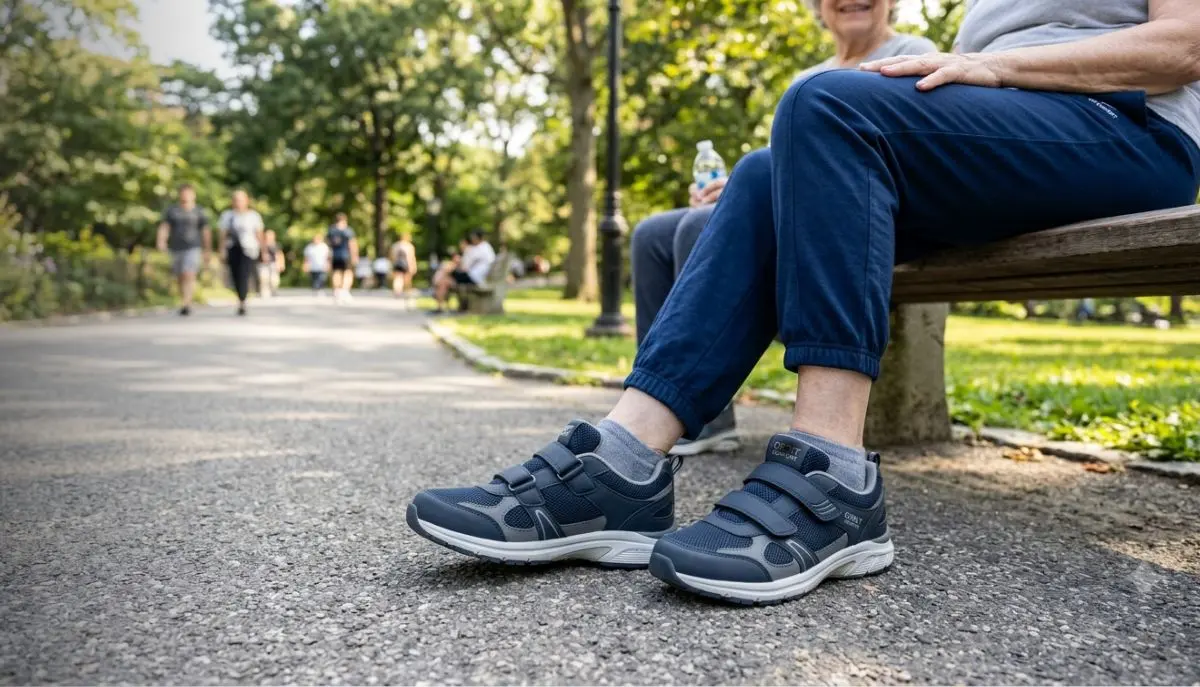
For many people, shoes are just part of an outfit. But for someone managing diabetes, shoes can be a critical part of daily health care. Wearing special footwear becomes necessary due to reduced blood flow, nerve damage (neuropathy), and a higher risk of foot injuries.
So the question isn’t just “where can you buy diabetic shoes?” but also:
The answer often lies in choosing a reliable medical supply provider rather than a general retail store.
One such option is exploring trusted medical equipment providers like Alfa Healthcare Supply Inc., which offers diabetic footwear solutions designed for comfort and protection.
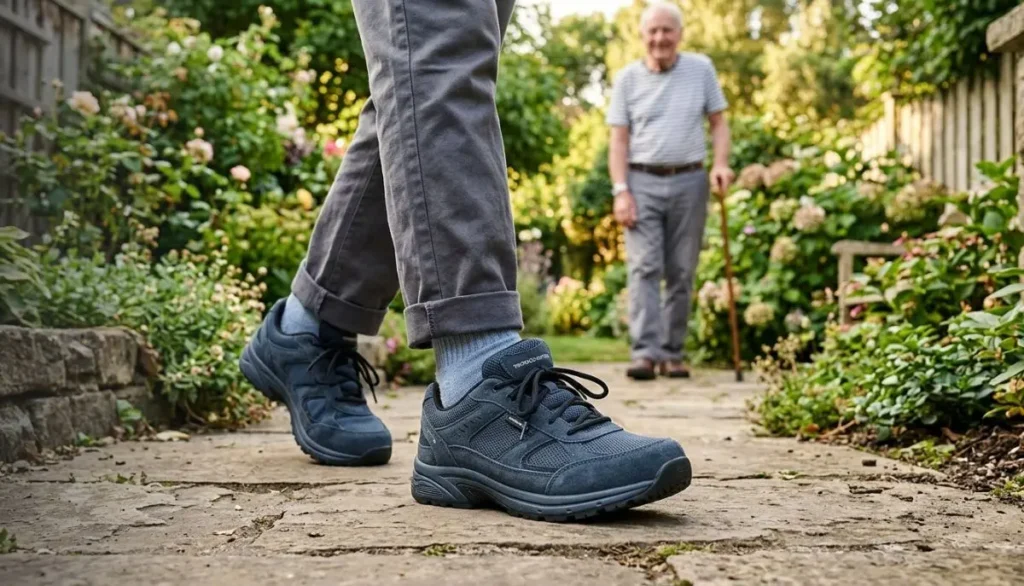
Before you decide where to buy diabetic shoes, it’s important to understand what sets them apart from regular footwear.
Diabetic shoes are specially designed to:
Unlike fashion shoes, diabetic shoes prioritize protection over appearance—though modern designs now balance both comfort and style.
You may need diabetic shoes if you experience:
Doctors often recommend diabetic footwear for preventive care, even before severe symptoms appear.
There are several places where diabetic shoes are available, but not all sources are equal in quality and reliability.
You can buy diabetic shoes from several reliable places in the United States, depending on whether you want online convenience, insurance coverage, or professional fitting.
Here are the most trusted options:
These are specialized providers that focus on foot health for people with diabetes. They often offer Medicare-approved diabetic shoes and custom inserts.
Examples include:
These suppliers are ideal because they provide:
If you prefer shopping from home, online medical suppliers are one of the easiest ways to buy diabetic shoes.
A good example of a related provider is:
They offer diabetic-related footwear solutions and supportive products designed for foot protection and comfort.
You can also explore diabetic shoe inserts here:
Online stores typically offer:
Many specialized shoe brands sell directly or through authorized retailers, offering diabetic-friendly designs.
These shoes usually include:
They are commonly available through medical footwear websites and orthopedic stores.
Some pharmacies and local DME stores carry diabetic shoes or can order them for you.
Benefits:
Foot specialists often prescribe diabetic shoes after evaluating your foot health.
They may:
Buying diabetic shoes isn’t just about comfort—it’s about preventing complications like:
That’s why medical-grade suppliers are strongly preferred over regular shoe stores.
When it comes to diabetic shoes, where you buy matters just as much as what you buy.
A trusted supplier ensures:
Shoes designed for diabetic foot health, not just comfort marketing.
Ill-fitting shoes can do more harm than good.
Reduced risk of friction, pressure, or internal foot injuries.
Medical suppliers understand patient needs better than general retailers.
When shopping for diabetic footwear, keep an eye out for these essential features:
Allows room for swelling and custom insoles.
Prevents rubbing that can cause blisters.
Reduces pressure on sensitive areas.
Velcro or straps help accommodate swelling.
Keeps feet dry and reduces infection risk.
Helps prevent falls and improves stability.
Buying diabetic shoes is often considered a practical health decision—but for many people, it goes much deeper than that. It’s not just about shoes. it is about fear, relief, adjustment, acceptance, and ultimately, self-care.
For someone living with diabetes, shoes stop being a fashion choice and start becoming a daily form of protection. And that shift carries a lot of emotional weight that people don’t always talk about openly.
For many individuals, the emotional experience starts well before they actually buy diabetic shoes.
It often starts with small signs:
At first, it feels easy to ignore. But eventually, there’s a moment when reality becomes clear:
“My feet require more protection than standard shoes can offer”
That realization can feel unsettling. It’s not just about shoes—it’s about acknowledging that the body needs extra care now.
One of the strongest emotions tied to diabetic footwear is fear.
Not fear of shoes themselves—but fear of what happens without them:
Even if everything is currently fine, that awareness sits quietly in the background.
That’s why diabetic shoes are more than just medical devices—they provide peace of mind. They help reduce uncertainty in situations where even minor issues can quickly become serious.
For many people, giving up their regular shoes can be one of the most emotionally difficult steps.
Shoes often carry personal meaning:
Switching to diabetic shoes can initially feel like losing a part of one’s identity.
Some people think:
But over time, something important shifts—the priority moves from appearance to protection.
And that shift is an act of self-respect, even if it doesn’t feel like it in the beginning.
After the adjustment phase comes something powerful: relief.
For many people, wearing properly fitted diabetic shoes feels like:
This is the moment when diabetic shoes stop feeling like a “medical requirement” and start feeling like freedom.
Comfort becomes emotional healing.
Something surprising happens after switching to proper diabetic footwear: confidence slowly returns.
It doesn’t come from appearance—it comes from security.
People begin to:
Confidence grows quietly, one safe step at a time.
That trust runs deep on an emotional level, as it restores what fear once stripped away.
The emotional experience is not limited to the person wearing the shoes.
Family members and caregivers often feel:
Sometimes, buying diabetic shoes becomes a shared decision—a small but meaningful act of care.
It often brings reassurance not just to the wearer, but to everyone who cares about them.
One of the most important emotional milestones is acceptance.
Acceptance does not mean giving up—it means adapting wisely.
It sounds like:
Once this mindset shifts, diabetic shoes are no longer viewed as a limitation or a hindrance. Instead, they are seen as a protective shield that helps one lead a better and more fulfilling life.
Choosing the right diabetic shoes becomes an empowering act.
It means:
Trusted providers like Alfa Healthcare Supply Inc. play a role in this process by offering medical-grade footwear solutions designed for safety, comfort, and daily support.
Having reliable access to the right products makes the emotional journey less overwhelming and more guided.
Initially, wearing diabetic shoes might feel restrictive. But over time, people come to realize an important point:
They don’t limit life—they protect it.
They make it possible to:
The emotional shift is powerful: from resistance → to acceptance → to appreciation.
Diabetes can impact your feet in two primary ways.
This means a simple shoe that feels “a little tight” can actually lead to:
Diabetic shoes are made to help reduce pressure on the feet and safeguard sensitive areas, preventing many related complications.
Before choosing diabetic shoes, you need to understand your foot health. Ask yourself:
If you answered yes to any of these, you likely need medical-grade diabetic footwear, not regular shoes.
A frequent mistake people make is choosing the incorrect size.
For diabetic shoes, sizing is even more important because:
✔ Measure your feet in the evening
✔ Always measure both length and width
✔ Don’t rely on old shoe sizes
A well-fitted shoe is essential for maintaining diabetic foot safety.
Good diabetic shoes always include:
This provides extra room for your feet, particularly when using orthotics or shoe inserts.
Your toes should never feel squeezed. This helps prevent:
Your feet should feel light and breathable while still being comfortably supported, not constricted.
The interior of the shoe matters just as much as its exterior.
Look for:
Why? Because even small internal seams can rub against sensitive diabetic skin and cause wounds over time.
The interior of the shoe is just as important as its exterior.
Good shoes include:
This helps reduce stress on:
Instead of fashion laces or tight slip-ons, look for:
These features let you modify the fit during the day, especially when your feet become swollen.This reduces the risk of falls, which can be dangerous for healing feet.
Healthy diabetic feet need airflow.
Choose shoes made with:
This helps prevent:
Dry feet are healthy feet.
Balance is often affected in people with diabetes, especially if neuropathy is present.
Good diabetic shoes include:
This helps lower the risk of falls, which can be especially harmful for feet that are in the process of healing.
Where you purchase diabetic shoes is just as important as the shoes you choose.
Avoid general fashion stores and instead choose:
A trusted option is Alfa Healthcare Supply Inc., which specializes in durable medical equipment and diabetic care products designed for comfort and safety.
They also offer supportive diabetic footwear solutions along with related accessories designed to enhance foot protection.
You can explore a related product here:
Diabetic Shoe Inserts A5514
These inserts help:
Many people unknowingly choose the wrong diabetic shoes. Avoid:
❌ Choosing tight or narrow shoes
❌ Buying fashion shoes labeled “comfortable”
❌ Ignoring swelling changes
❌ Skipping medical advice
❌ Wearing shoes without proper cushioning
A small mistake can lead to serious foot complications later.
For many people, choosing diabetic shoes is not just a medical step—it’s emotional.
It often comes after:
The right diabetic shoes bring something powerful:
👉 Confidence to walk again without fear
👉 Relief from daily discomfort
👉 Peace of mind about long-term health
It’s not just footwear—it’s freedom.
Before buying, make sure your shoes include:
✔ Extra depth design
✔ Wide toe box
✔ Seam-free interior
✔ Soft cushioning
✔ Breathable material
✔ Adjustable closure
✔ Non-slip outsole
✔ Proper medical fit
If it checks all these boxes, it’s a good choice.
If you are specifically looking for supportive solutions, diabetic shoe inserts are a great starting point. They help improve comfort and reduce pressure points.
You can explore this option here:
Diabetic Shoe Inserts A5514 – View Product
These inserts are designed to:
Online purchasing has become the most common way to buy diabetic shoes due to:
However, always ensure you are buying from a reputable healthcare supplier.
When buying diabetic shoes, avoid:
These mistakes can increase the risk of complications.
Diabetic shoes are not just a purchase—they are an investment in health.
They help:
Spending on proper footwear today can prevent serious health issues tomorrow.
If you are wondering where to buy diabetic shoes, the answer is simple: choose trusted medical suppliers that specialize in diabetic care and foot protection.
Online medical equipment providers like Alfa Healthcare Supply Inc. offer reliable solutions designed for safety, comfort, and long-term foot health.
Whether you are shopping for yourself or a loved one, the right diabetic shoes can make walking feel safe again—one step at a time.
Diabetic shoes are specially designed footwear that helps protect the feet of people with diabetes. They reduce pressure, prevent rubbing, and lower the risk of blisters, ulcers, and infections.
Unlike regular shoes, they are built with:
Diabetic shoes are recommended for people who have:
Even people without severe symptoms may be advised to wear them for prevention.
You can buy diabetic shoes from:
A trusted option for diabetic care products is Alfa Healthcare Supply Inc., which provides diabetic footwear solutions and related medical equipment.
In many cases, yes. Medicare and some insurance plans may cover diabetic shoes if you meet certain medical conditions and receive a prescription from a doctor.
Coverage typically includes:
Always check with your healthcare provider or insurance company for eligibility.
You may need diabetic shoes if you experience:
A doctor or podiatrist can confirm whether they are necessary for you.
Regular shoes are not designed to protect diabetic feet. They may:
While some comfortable shoes may be used in mild cases, diabetic shoes are safer and recommended for long-term foot protection.
Diabetic shoes should feel:
There should always be enough room to wiggle your toes freely.
Most diabetic shoes should be replaced every:
Regular replacement ensures continued protection and comfort.
Yes. Diabetic shoes are designed to reduce pressure and protect sensitive areas of the foot, helping prevent:
They are a key part of diabetic foot care prevention.
Modern diabetic shoes are designed to look more like regular footwear than before. While they may be slightly bulkier due to added support features, many styles now balance appearance with medical function.
In some cases, custom inserts may be used in wider regular shoes, but diabetic shoes are specifically designed to hold inserts safely and provide proper pressure distribution.
You can explore diabetic shoe inserts here:
Diabetic Shoe Inserts A5514