


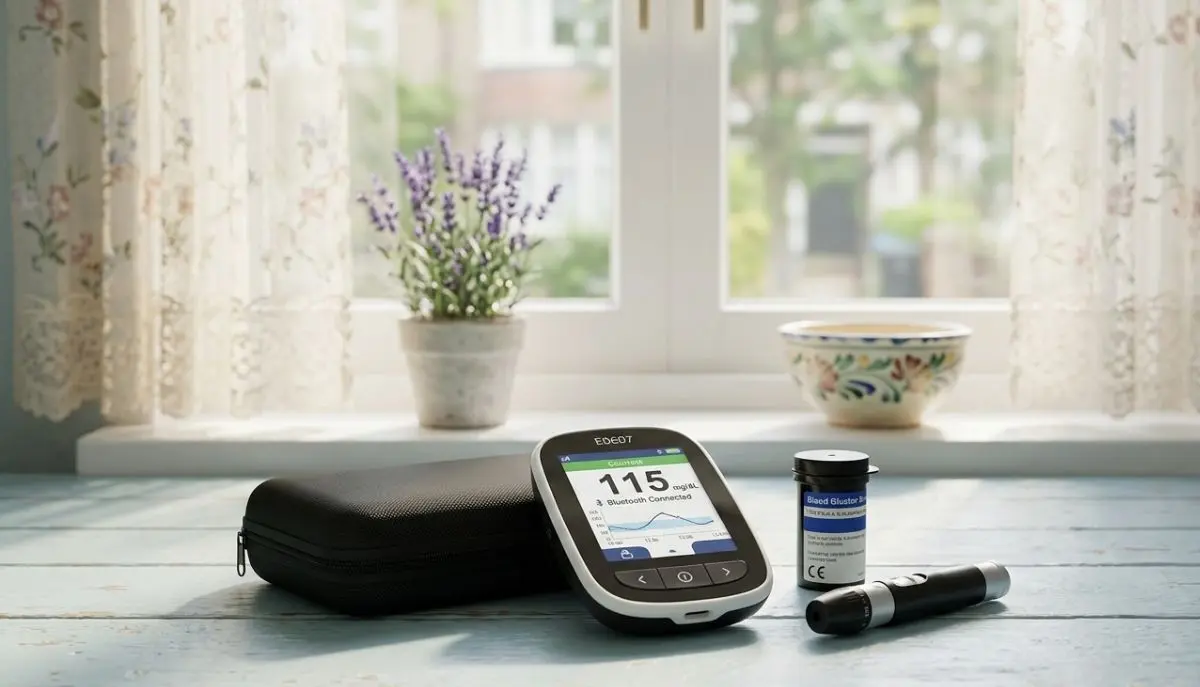
Monitoring blood sugar levels at home has become an essential part of managing diabetes, prediabetes, and general metabolic health. A blood glucose monitor is a small, portable medical device that allows you to check your blood sugar (glucose) levels quickly and accurately without visiting a lab.
Whether you are newly diagnosed or helping a loved one manage diabetes, learning how to use a blood glucose monitor correctly ensures accurate readings and better health decisions.
In this detailed guide, we’ll break down everything you need to know—from setup and testing to interpreting results and avoiding common mistakes.
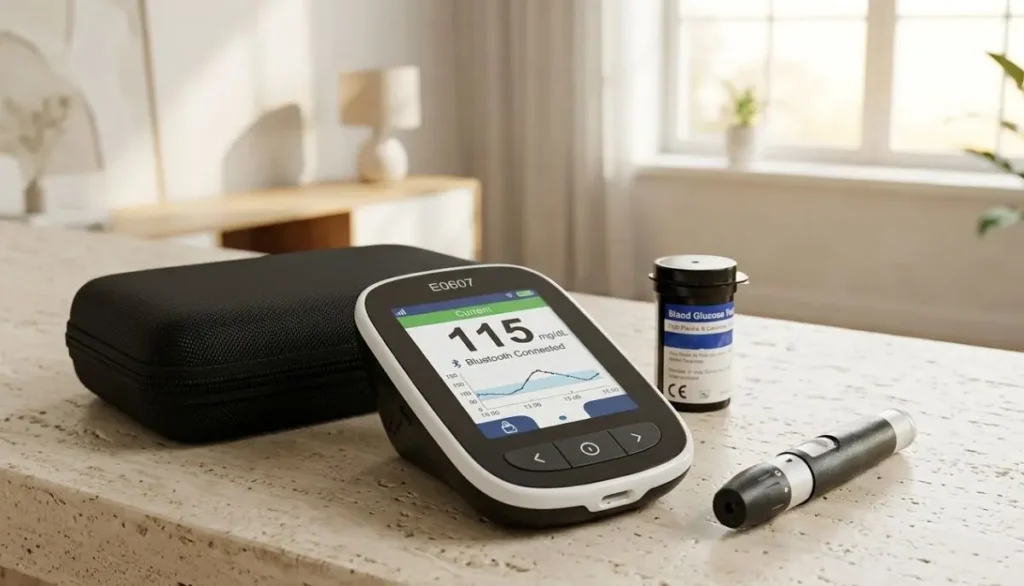
A blood glucose monitor is a small, handheld medical device used to measure the amount of glucose (sugar) in your blood. It helps people—especially those with diabetes or prediabetes—track their blood sugar levels at home quickly and accurately without needing a lab test.
A blood glucose monitor typically uses:
When a drop of blood is placed on the test strip, the device analyzes it and shows your blood sugar level on the screen within a few seconds.
A blood glucose monitor helps you:
It is commonly used by:
In simple terms, a blood glucose monitor is a personal health tool that helps you keep your blood sugar under control and make better daily health decisions.
Blood glucose monitoring is important because it helps you understand and control the level of sugar (glucose) in your blood in real time. For people with diabetes or those at risk, it is one of the most effective tools for preventing serious health complications and maintaining overall well-being.
Regular use of a blood glucose monitor allows you to see how your body responds to food, medication, and daily activities. This makes it easier to keep your blood sugar within a healthy range and follow your treatment plan more accurately.
When blood sugar stays too high for too long, it can lead to symptoms like:
Long-term high glucose levels can damage organs such as the heart, kidneys, eyes, and nerves. Monitoring helps you catch high readings early and take corrective action.
Low blood sugar can happen suddenly and may cause:
A blood glucose monitor helps you detect drops in sugar levels quickly so you can treat them before they become dangerous.
Different foods, portion sizes, stress levels, and physical activity all affect blood sugar. Monitoring helps you:
Over time, you gain better control over your lifestyle choices.
For people taking insulin or diabetes medication, blood glucose readings help doctors adjust dosages safely. This ensures:
Consistently managing blood sugar helps lower the risk of serious complications such as:
Regular monitoring is one of the best preventive steps you can take.
A blood glucose monitor empowers you to make informed daily decisions instead of guessing. It provides instant feedback so you can take action immediately when needed.
Before learning how to use it, familiarize yourself with the components:
The main device that reads and displays results.
Disposable strips where blood is placed for testing.
A spring-loaded pen used to prick your finger.
Sterile, single-use needles inserted into the lancet device.
It is used to check whether the meter is working properly.
Follow these steps carefully to ensure accurate readings.
Begin by thoroughly washing your hands using warm water and soap.
Why this matters:
Dry your hands completely before testing.
Different monitors may vary slightly, so always check the instruction manual.
The best fingers for testing are:
Rotate fingers while using to help prevent soreness.
Tip: Use the side of your fingertip instead of the center—it hurts less.
If no blood appears, gently squeeze your finger from base to tip.
Within 5–10 seconds, the blood glucose monitor will display your reading.
Typical readings:
Always follow your doctor’s personalized target range.
You can:
Recording helps identify patterns in diet, exercise, and medication response.
Never reuse lancets or strips.
Even a good device can give inaccurate readings if used incorrectly.
Food residue can falsely increase readings.
This leads to unreliable results.
May cause error messages.
Heat and moisture damage strips.
Increases pain and infection risk.
The frequency of checking your blood sugar depends on your health condition, treatment plan, and your doctor’s recommendations. Using a blood glucose monitor regularly helps you stay in control of your glucose levels and avoid complications.
Below is a general guide based on different health situations:
People with Type 1 diabetes usually need to check their blood sugar multiple times a day because insulin levels must be closely managed.
Typical frequency:
This can mean 4 to 10 checks per day, depending on insulin therapy.
If you are using insulin, frequent monitoring is important to adjust doses safely.
Typical frequency:
Regular monitoring helps prevent both high and low blood sugar episodes.
If you manage diabetes with oral medication, diet, or exercise, you may not need to test as often.
Typical frequency:
Your doctor may adjust this based on your control level.
For people with prediabetes, testing helps track early changes and prevent progression to diabetes.
Typical frequency:
Pregnant women require more frequent monitoring to protect both mother and baby.
Typical frequency:
This helps maintain safe glucose levels throughout pregnancy.
Regardless of your condition, you should check your blood sugar if you experience:
A quick check with a blood glucose monitor can help you take immediate action.
Illness, stress, or infection can cause blood sugar levels to fluctuate.
Recommended:
Obtaining accurate results from a blood glucose monitor is crucial for effectively managing diabetes and understanding how your body responds to changes in diet, medication, and lifestyle. Even minor errors can affect your readings, so using the correct technique is vital.
Below are practical and easy-to-follow tips to help you get the most reliable results every time you test.
One of the most common causes of inaccurate readings is residue on the skin.
Clean hands ensure the blood sample is not contaminated.
Test strips are highly sensitive and can lose accuracy over time.
Expired or damaged strips are a major cause of incorrect readings.
An insufficient or excessive amount of blood can affect the reading.
Follow your device instructions carefully for best results.
Where you test matters for comfort and consistency.
Consistent testing areas help improve comfort and reliability.
A clean device works more accurately.
Avoid moisture or dirt entering the device.
Extreme temperatures can affect performance.
Stable conditions ensure consistent results.
Excess pressure can mix blood with tissue fluid, affecting accuracy.
Some devices require occasional accuracy checks.
Consistency helps you understand patterns better.
Food can cause natural spikes in blood sugar.
Here’s a simple breakdown:
Proper maintenance of your blood glucose monitor is essential for ensuring accurate readings, long device life, and safe daily use. Even the most advanced glucose meter can give incorrect results if it is not handled and stored correctly.
Below are simple but important steps to help you care for your device effectively.
Regular cleaning ensures that dirt, dust, and residues do not affect performance.
Make sure no liquid enters the test strip port or battery area.
Test strips are very sensitive to temperature and moisture.
Improper storage can lead to inaccurate blood sugar readings.
Lancets should always be used carefully to maintain hygiene and safety.
This reduces pain and prevents infection.
A weak battery can affect device performance.
Proper storage protects your device from damage.
A stable environment helps maintain long-term accuracy.
Some meters require periodic checks using control solutions.
To ensure hygiene and accurate results:
A blood glucose monitor is essential for:
A blood glucose monitor is one of the most important tools for managing diabetes and maintaining overall metabolic health. Using it at home gives you real-time insight into your blood sugar levels without needing frequent lab visits, making daily health management more convenient and effective.
Below are the key benefits of using a home blood glucose monitor regularly.
Home glucose monitoring is designed for simplicity.
This convenience makes it easier to stay consistent with monitoring.
One of the biggest advantages is instant feedback.
This real-time information is critical for daily diabetes management.
Regular use of a blood glucose monitor helps you maintain stable blood sugar levels.
Over time, this leads to improved long-term control.
Consistent monitoring reduces the risk of serious health problems.
Early detection of abnormal readings allows for faster action.
Everyone reacts differently to food and exercise.
This helps create a personalized health routine that works for your body.
For people using diabetes medications or insulin:
Monitoring ensures safer and more precise medication use.
Home monitoring reduces dependency on clinical testing.
This makes long-term care more manageable.
A blood glucose monitor helps detect issues before they become serious.
This is especially important for people on insulin therapy.
Regular monitoring increases awareness of your body’s patterns.
Awareness leads to better long-term habits.
Modern glucose monitors are built to deliver high accuracy while ensuring safe and reliable use.
This makes them suitable for long-term monitoring.
A blood glucose monitor is a simple yet powerful device that plays a crucial role in managing diabetes and maintaining overall health. It allows you to track your blood sugar levels at home, giving you immediate and reliable information to make better daily decisions.
From understanding how your body responds to food and exercise to helping prevent dangerous highs and lows, regular monitoring is essential for long-term health control. When used correctly and consistently, a blood glucose monitor becomes more than just a device—it becomes a daily guide for healthier living.
By following proper usage techniques, maintaining your device, and checking your levels as recommended, you can significantly improve your ability to manage diabetes and reduce the risk of complications.
In short, consistent blood sugar monitoring empowers you with knowledge, control, and confidence in your health journey.
A blood glucose monitor is used to measure the level of glucose (sugar) in your blood. It helps people with diabetes or prediabetes track their blood sugar levels and manage their condition effectively at home.
It functions by analyzing a small blood sample placed on a test strip.. The strip is then inserted into the meter, which quickly measures and displays your blood sugar level within seconds.
Yes, most modern blood glucose monitors are highly accurate when used correctly. Accuracy depends on proper technique, fresh test strips, and correct device handling.
The frequency depends on your health condition:
No, most blood glucose monitors are available over the counter and can be used at home without a prescription. However, your doctor may recommend one based on your health condition.
Test strips are designed for one-time use only, and lancets should be changed after every use to maintain hygiene, safety, and accurate results.
General guidelines are:
Always follow your doctor’s personalized target range.
Blood sugar levels naturally fluctuate based on:
This is normal and expected.
You can purchase a reliable and easy-to-use device from trusted medical suppliers such as
Alfa Healthcare Supply Blood Glucose Monitor, or other certified medical equipment providers.
Yes, some people use it to track metabolic health, fitness progress, or prediabetes risk. However, it is most commonly used for diabetes management.