


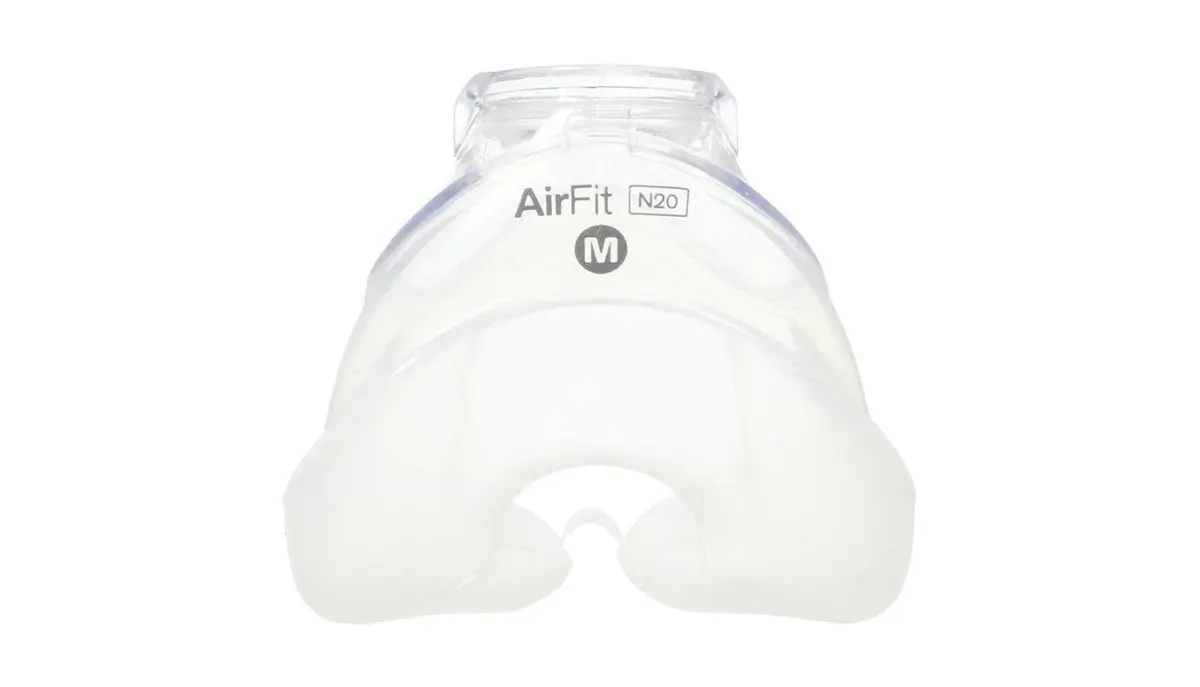
Introduction: How Often to Replace AirFit N20 Cushion
Using a CPAP machine every night can make a big difference in managing obstructive sleep apnea. However, your therapy depends on more than the machine itself. Your mask cushion also plays an important role in comfort, fit, and airflow.
If you use the ResMed AirFit N20 nasal mask, you may wonder how often to replace AirFit N20 cushion to maintain a comfortable fit and dependable seal. The cushion rests against your nose throughout the night, so it is exposed to facial oils, sweat, moisture, and regular movement.
The good news is that replacing this small part is simple once you understand the recommended schedule and warning signs.
At Alfa Healthcare Supply Inc., we believe that understanding your CPAP supplies helps you make informed decisions about your daily care. This guide explains when to replace your cushion, how to clean it, which signs to watch for, and how to choose the right replacement.
How Often to Replace AirFit N20 Cushion?
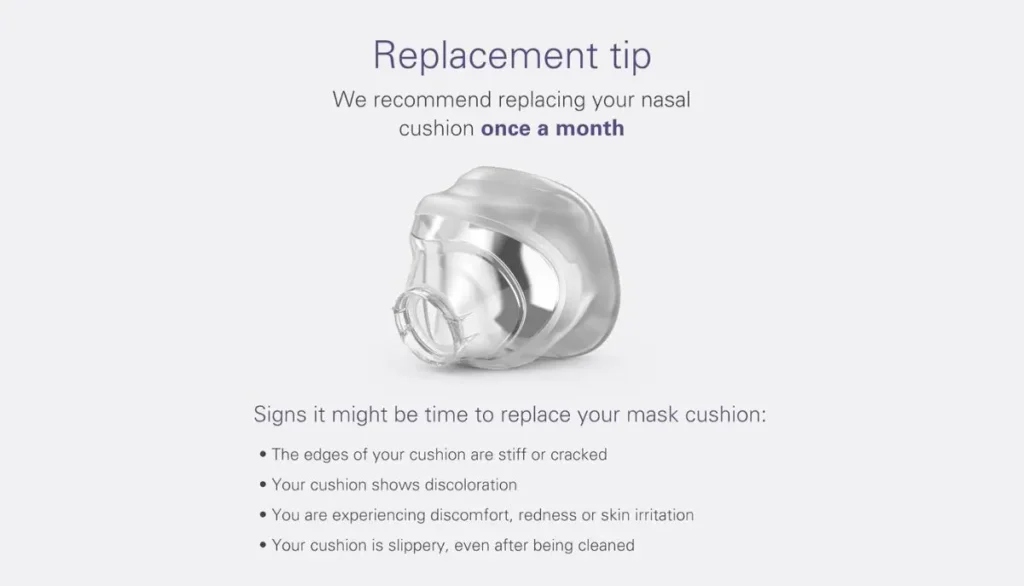
ResMed recommends replacing the standard AirFit N20 nasal mask cushion about once a month. This is a general replacement guideline, not a guarantee that every cushion will last exactly 30 days. Your cushion may need replacing sooner if it becomes damaged, worn, or difficult to seal properly.
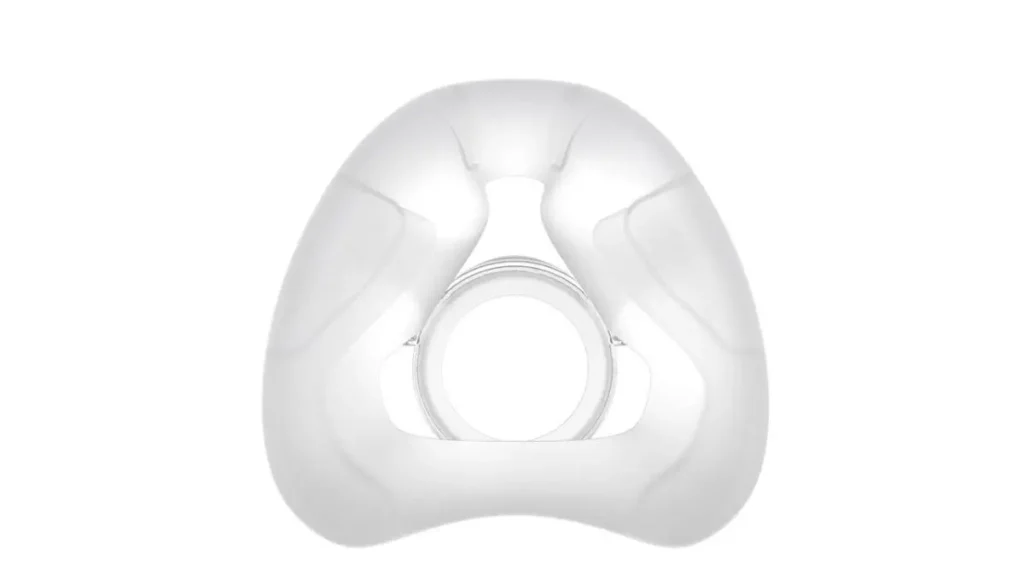
Knowing how often to replace AirFit N20 cushion can help you plan ahead and avoid discovering a problem just before bedtime.
Here is a simple guide:
- Every month: Follow ResMed’s general replacement recommendation.
- Earlier when needed: Replace a cushion that is cracked, stiff, misshapen, or visibly deteriorated.
- When leaks continue: Check the cushion, fit, and headgear. Replace the cushion if wear is contributing to the problem.
- When irritation develops: Inspect the cushion and clean it properly. Replace it if deterioration is present, and seek professional advice if irritation continues.
Your replacement needs may vary with cleaning habits, frequency of use, and the condition of your equipment. Insurance coverage may also follow a specific replacement schedule, so check your plan before ordering supplies.
Why is It Important to Replace Your AirFit N20 Cushion?
The AirFit N20 uses a soft silicone cushion designed to sit around your nose and help create a seal during CPAP therapy. Over time, daily use can change the cushion’s condition.
Understanding how often to replace AirFit N20 cushion is important for several reasons.
1. Helps Maintain a Proper Seal
A cushion in good condition helps keep the mask sealed against your face. If the silicone becomes worn or distorted, air may escape around the edges.
You might notice air blowing toward your eyes, hear unexpected leaking sounds, or find yourself adjusting the mask during the night.
However, not every leak means your cushion needs replacing. Incorrect sizing, loose or overly tight headgear, and sleeping position can also cause leaks.
2. Supports Comfortable Sleep
A new, properly fitted cushion should feel comfortable against your nose. As silicone wears down, it may become less flexible or fit differently.
This can lead to pressure marks, discomfort, or repeated adjustments before you fall asleep.
If your mask suddenly feels different, inspect the cushion and check the fit rather than tightening the straps excessively.
3. Helps Maintain Good Mask Hygiene
Facial oils, sweat, and skin residue can build up on the cushion. Daily cleaning helps remove this buildup, but cleaning cannot restore damaged silicone.
Replacing the cushion according to the recommended schedule and keeping it clean are two separate parts of proper CPAP care.
4. Helps Reduce Unnecessary Adjustments
When your cushion fits well, you may spend less time repositioning the mask. This can make your nightly routine easier and more comfortable.
If you find yourself repeatedly adjusting the cushion, check for damage, residue, incorrect sizing, and worn headgear before deciding which component needs replacement.
Signs Your AirFit N20 Cushion Needs Replacing
Even if you follow a monthly schedule, it is important to inspect your cushion regularly. The following signs can help you decide when it may be time for a replacement.
1. Cracks or visible damage
Look for tears, cracks, thin areas, or damaged edges. A cushion with visible deterioration should be replaced rather than repaired.
2. Stiffness or loss of shape
The silicone should remain flexible and retain its intended shape. If the cushion feels unusually stiff or looks distorted, consider replacing it.
3. Persistent air leaks
Repeated leaks may indicate that the cushion is worn. Check the fit and headgear first, then replace the cushion if it is damaged or no longer seals properly.
4. New discomfort or skin irritation
Redness or discomfort can occur because of pressure, poor fit, or residue. Clean the mask, check its fit, and replace a deteriorated cushion. Persistent skin problems should be discussed with a healthcare professional.
A change in color or a cushion that remains dirty after proper cleaning can also be a reason to inspect it closely. When in doubt, refer to the manufacturer’s instructions or ask your equipment supplier for help.
How to Clean Your AirFit N20 Cushion Properly
Good cleaning habits help keep your cushion in better condition between replacements. ResMed recommends cleaning the cushion daily using warm water and mild soap.
Follow these steps:
- Disconnect the mask. Remove the cushion from the mask frame according to the user guide.
- Prepare warm water. Use clean, drinking-quality water and a mild liquid detergent.
- Wash gently. Rub the cushion carefully to remove facial oils, sweat, and residue.
- Rinse thoroughly. Make sure no soap remains on the silicone.
- Inspect the cushion. Check for cracks, tears, stiffness, and changes in shape.
- Allow it to air-dry. Place it on a clean, flat surface or towel away from direct sunlight.
- Reassemble when dry. Follow the manufacturer’s instructions to fit the cushion securely into the mask frame.
Avoid harsh chemicals and cleaning methods that are not approved for your mask. Do not use direct heat to speed up drying.
Remember that cleaning does not eliminate the need to replace the cushion. Even a clean cushion may eventually lose its flexibility and sealing ability.
How to Replace Your AirFit N20 Cushion
Replacing the cushion is usually straightforward and does not require replacing the entire mask if the other components remain in good condition.
If you are learning how often to replace AirFit N20 cushion, it is also helpful to understand how to install the new part correctly.
Follow these general steps:
- Wash your hands. Start with clean hands before handling your CPAP equipment.
- Remove the old cushion. Gently pull it away from the mask frame.
- Inspect the frame. Check for dirt, cracks, or other damage before installing the replacement.
- Select the correct cushion. Make sure the replacement is designed for the standard ResMed AirFit N20 mask.
- Install the new cushion. Press it into the frame in the correct orientation, following the manufacturer’s instructions.
- Check the fit. Place the mask over your nose and adjust the headgear comfortably.
- Test for leaks. Turn on your CPAP machine and check that the mask seals properly.
Do not overtighten the headgear to compensate for a poor seal. Excessive tightening can cause discomfort and pressure marks.
How to Choose the Right AirFit N20 Replacement Cushion
Selecting the correct replacement is just as important as knowing how often to replace AirFit N20 cushion.
The standard AirFit N20 nasal mask is available with different cushion sizes. Your replacement should match your mask model and the size you need for a comfortable fit.
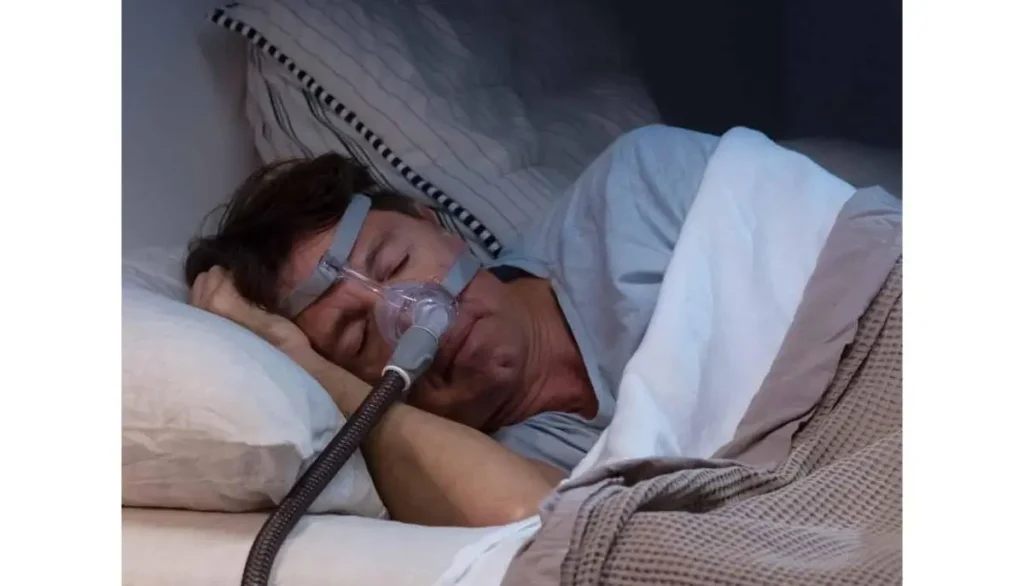
Consider these points before purchasing:
- Check the mask model: Confirm that you use the standard AirFit N20 rather than a different ResMed mask.
- Check the size: Choose the appropriate small, medium, or large cushion for your existing mask and facial fit.
- Inspect the packaging: Confirm that the product is the correct replacement cushion and that its packaging is intact.
- Review compatibility: Do not assume that cushions from other ResMed mask models will fit your AirFit N20.
- Ask for assistance: If your current mask leaks or feels uncomfortable, your CPAP supplier or healthcare professional can help you determine whether you need a different size.
A cushion that is too small or too large may not seal properly. If you experience repeated leaks despite installing a new cushion, consider having your mask fit checked.
AirFit N20 Cushion Replacement Schedule
The following table provides a simple reference for planning your CPAP maintenance routine.
| CPAP component | General replacement guideline |
| AirFit N20 silicone cushion | About once a month |
| AirFit N20 mask frame system | About every 3 months |
| CPAP mask headgear | About every 6 months |
| CPAP tubing | Check regularly and follow the manufacturer’s guidance |
These are general guidelines published by ResMed; actual replacement needs and insurance coverage can vary. Inspect your equipment regularly and follow the instructions for your specific model.
Knowing how often to replace AirFit N20 cushion helps you plan ahead, but the condition of your equipment should always be considered.
Common Mistakes to Avoid
Some everyday habits can shorten cushion life or affect your mask’s performance.
1. Skipping daily cleaning
Facial oils and residue can build up quickly. Make cleaning part of your morning routine.
2. Waiting for the cushion to break completely
You do not need to wait until the cushion tears. Replace it when it shows clear deterioration or no longer seals properly.
3. Using harsh cleaning products
Strong chemicals may damage mask materials or leave unwanted residue. Use mild soap and follow the manufacturer’s cleaning instructions.
4. Tightening the mask too much
Overtightening may cause discomfort without fixing the underlying leak. Check the cushion, sizing, and headgear instead.
5. Buying an incompatible replacement
A cushion designed for another mask model may not fit correctly. Always verify compatibility before ordering.
6. Ignoring ongoing leaks
If leaks continue after replacing the cushion and checking the fit, speak with your equipment supplier or sleep care professional. Your mask size, headgear, or other equipment may need attention.
Final Thoughts: How Often to Replace AirFit N20 Cushion
Understanding how often to replace AirFit N20 cushion is a simple but important part of maintaining your CPAP routine. ResMed’s general recommendation is to replace the standard silicone cushion about once a month, while checking regularly for damage, stiffness, and persistent leaks.
Keep your cushion clean, allow it to dry away from direct sunlight, and make sure it fits correctly. If you continue to experience discomfort or air leaks, seek help with mask fitting rather than relying on repeated adjustments.
At Alfa Healthcare Supply Inc., our goal is to help patients and caregivers make informed decisions about their medical supplies. Taking a few minutes to inspect and care for your CPAP equipment can help make your nightly routine more comfortable and manageable.
Frequently Asked Questions: How Often to Replace AirFit N20 Cushion
1. How often to replace AirFit N20 cushion if I use CPAP every night?
ResMed recommends replacing the standard AirFit N20 cushion about once a month. Replace it sooner if you notice damage, deterioration, or persistent sealing problems.
2. Can I use my AirFit N20 cushion for longer than one month?
A cushion may appear usable after a month, but ResMed’s general recommendation is monthly replacement. Inspect it regularly and follow the manufacturer’s guidance rather than extending its use solely because it looks clean.
3. How do I know if my AirFit N20 cushion is worn out?
Look for cracks, stiff silicone, distorted edges, visible deterioration, or repeated leaks. New discomfort may also indicate a fit or equipment problem that needs attention.
4. Does cleaning make my AirFit N20 cushion last longer?
Regular cleaning helps remove oils and residue and supports good hygiene. However, it cannot reverse material wear or restore a damaged cushion. Follow the recommended replacement schedule.
5. Can I replace only the cushion instead of buying a complete mask?
Yes. If your mask frame, headgear, and other components are still in good condition, you can generally replace the cushion separately. Make sure the replacement is compatible with your exact mask model.
6. What should I do if my new cushion still leaks?
Check that the cushion is installed correctly, the size is appropriate, and the headgear is adjusted comfortably. If the leak continues, contact your CPAP supplier or healthcare professional for help with fitting and troubleshooting.
7. Will insurance cover my replacement cushion?
Coverage depends on your insurance plan, supplier, and applicable replacement guidelines. Contact your insurer or medical equipment supplier to confirm eligibility, documentation requirements, and your next replacement date.
8. Where can I buy a replacement AirFit N20 cushion?
You can check with a reputable CPAP equipment supplier, verify compatibility, and compare available sizes. Alfa Healthcare Supply Inc. is a medical supply resource where customers can explore available products and contact the supplier with questions about product details and ordering.
Visit the Alfa Healthcare Supply Inc. website to explore its medical supply offerings.
Medical disclaimer: This article is for general educational purposes and does not replace advice from your healthcare professional, equipment supplier, or the manufacturer’s instructions. Follow your prescribed CPAP treatment plan.