


AirFit F40 Full Face CPAP Mask ResMed Reviews:
Choosing the right CPAP mask can make a real difference in your nightly sleep routine. A mask that feels bulky, leaks air, or puts pressure on your nose can make it harder to stay comfortable throughout the night. This is why many people look for honest information before choosing a new mask.
In these airfit f40 full face cpap mask resmed reviews, we explore the ResMed AirFit F40’s design, comfort, fit, benefits, possible drawbacks, cleaning requirements, and suitability for different CPAP users.
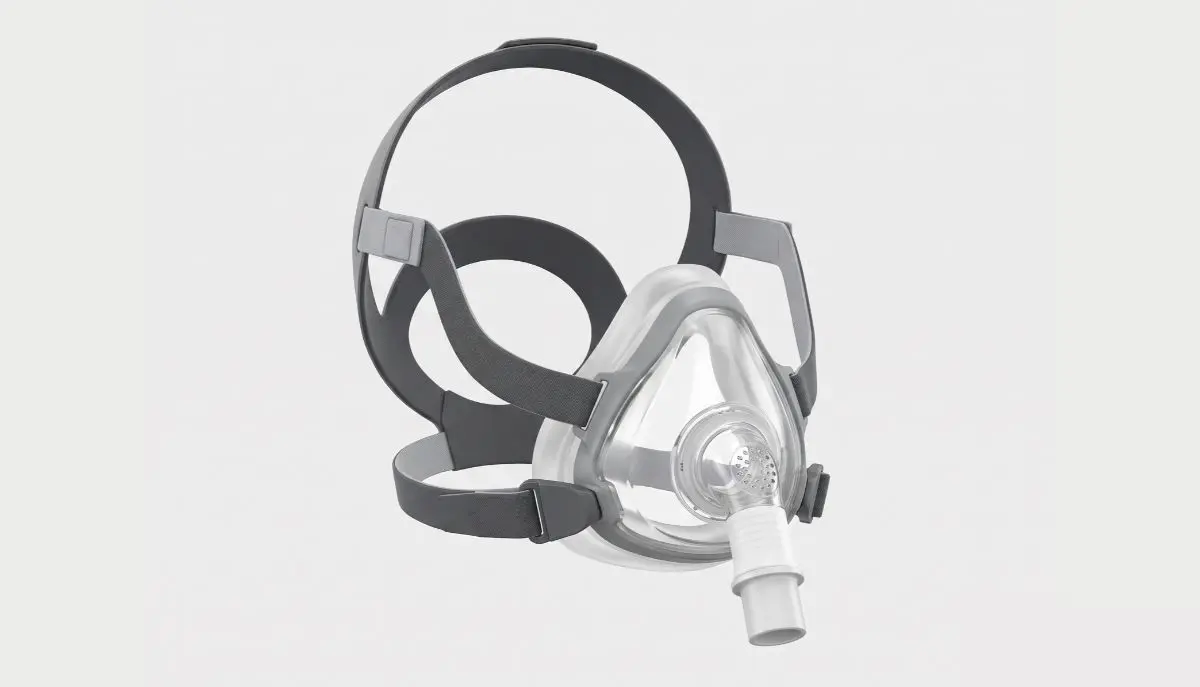
The AirFit F40 is designed for people who want the coverage of a full face CPAP mask without the bulky feel of some traditional designs. It features a soft silicone cushion that sits under the nose and covers the mouth, creating a low-profile alternative for prescribed positive airway pressure (PAP) therapy.
Alfa Healthcare Supply Inc. helps customers explore medical supplies and respiratory care products. This guide provides practical product information to help you make a more informed decision. Individual comfort and mask performance can vary, so always follow your healthcare professional’s recommendations.
What is the ResMed AirFit F40 Full Face CPAP Mask?
The ResMed AirFit F40 is an ultra-compact full face mask designed for CPAP and compatible PAP therapy systems. Unlike traditional full face masks that seal over the bridge of the nose, the AirFit F40 uses an under-the-nose cushion while covering the mouth.
This design may appeal to people who want a smaller mask with less material across the face. According to ResMed, the AirFit F40 is its smallest tube-down full face mask.
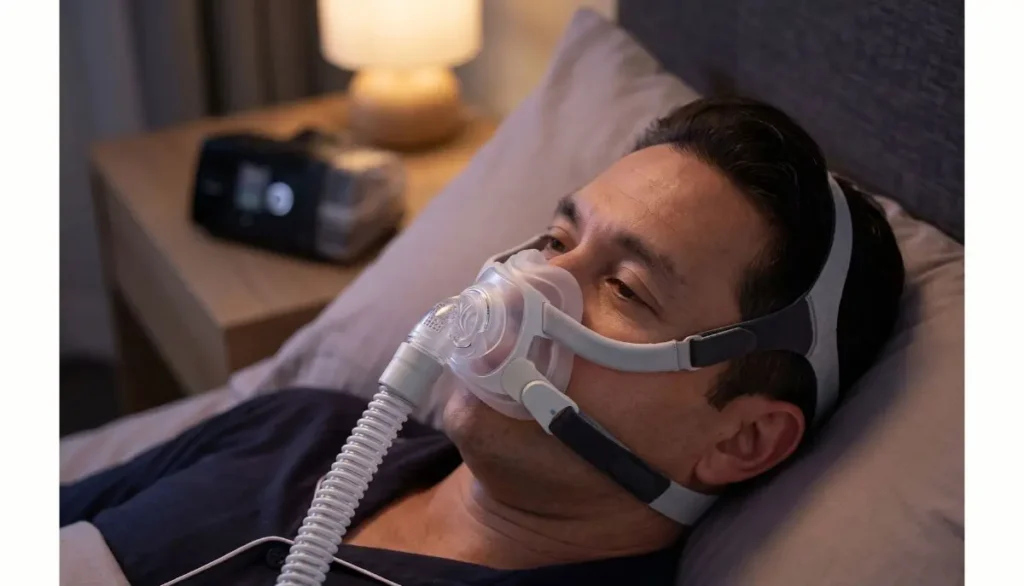
The mask combines a flexible frame, soft silicone cushion, magnetic headgear clips, and a quick-release elbow. These features are intended to simplify everyday use while helping maintain a comfortable seal during therapy.
For anyone researching airfit f40 full face cpap mask resmed reviews, the main question is whether these features fit their sleeping habits and personal comfort needs.
AirFit F40 Full Face CPAP Mask ResMed Reviews: First Impressions
The AirFit F40 focuses on a simple idea: provide full face coverage without making the mask feel unnecessarily large.
Its compact shape leaves more of the upper face uncovered than many traditional full face masks. The under-the-nose cushion also avoids placing the main sealing surface directly across the nasal bridge.
This can be helpful for people who dislike pressure around the bridge of their nose or prefer a less restrictive design. However, a smaller mask is not automatically a better mask for everyone. The cushion must still match the user’s facial shape and create a reliable seal.
ResMed reports positive results from its own patient studies, including favorable feedback about initial comfort and ease of use. These findings are useful, but they represent study participants and should not be treated as a guarantee of individual results.
Key Features of the ResMed AirFit F40
1. Soft AdaptiSeal Silicone Cushion
The AirFit F40 uses an AdaptiSeal cushion made from soft silicone. It is designed to adapt to facial contours and help maintain a seal as the user changes sleeping positions.
A properly fitted cushion can help reduce unwanted air leaks and improve comfort. If the cushion is too small, too large, or positioned incorrectly, air may escape around the nose or mouth.
When reading airfit f40 full face cpap mask resmed reviews, remember that cushion sizing and fitting are just as important as the mask’s design.
2. Compact Under-the-Nose Design
One of the most noticeable features is the under-the-nose fit. The cushion sits beneath the nostrils rather than covering the nose bridge.
Potential benefits include:
- Less material across the upper face.
- A more open field of vision.
- Reduced pressure on the nasal bridge.
- Greater convenience for reading or wearing glasses before sleep.
This design may be particularly appealing to people who find traditional masks uncomfortable around the nose.
3. Flexible Frame
The flexible frame is designed to move more naturally with the user’s face and sleeping position. It also helps keep the mask’s structure compact.
People who sleep on their sides may appreciate a design that feels less bulky against their pillow. Nevertheless, side sleeping can still affect the seal, depending on the pillow, head position, and individual facial shape.
4. Magnetic Headgear Clips
Magnetic clips connect the lower headgear straps to the mask frame. They are intended to make putting on and removing the mask easier, especially when getting ready for bed or waking during the night.
Important safety warning: The AirFit F40 contains magnets. These may interfere with certain medical implants or devices. If you or someone close to you has an implant, including a pacemaker or another potentially affected device, review the current ResMed user guide and consult the relevant healthcare professional before using this mask.
5. Quick-Release Elbow and Short Tube
The quick-release elbow makes it easier to disconnect the mask from the CPAP tubing when needed. The short tube also provides some flexibility and is designed to reduce pulling from the main hose.
These details can make nighttime adjustments more convenient, although the complete setup must remain compatible with the prescribed therapy equipment.
Pros and Cons: An Honest Overview
Before making a decision, consider both the potential benefits and the limitations of the AirFit F40.
Potential Advantages
- Compact construction: A low-profile alternative to some larger full face masks.
- Under-the-nose cushion: Avoids placing the main cushion across the nasal bridge.
- Soft silicone: Designed to adapt to facial contours.
- Easy headgear connections: Magnetic clips can simplify putting on and removing the mask.
- Flexible sleeping positions: Designed to accommodate movement during sleep.
- Quick disconnection: The quick-release elbow makes separating the mask from the hose more convenient.
Potential Disadvantages
- Fit still matters: A cushion that does not match your face may leak or feel uncomfortable.
- Adjustment may be necessary: First-time users may need practice positioning the cushion and headgear.
- Magnet precautions: Certain implants and medical devices require special attention.
- Replacement costs: Cushions and other components may need periodic replacement.
- Not universally compatible: The mask should be checked against the specific PAP device and therapy setup.
The AirFit F40 may be worth considering if you want a compact full face mask, but it is not possible to determine the best mask for you from product features alone.
Is the AirFit F40 Comfortable for Side Sleepers?
Side sleeping is an important consideration for many CPAP users. A bulky mask may press against a pillow, shift position, or develop air leaks when the head turns.
The AirFit F40’s compact shape and flexible frame are designed to support movement during sleep. ResMed also reports favorable patient feedback regarding the ability to change sleeping positions while using the mask.
However, results differ between individuals. A soft or specially shaped CPAP pillow may help some users reduce pressure on their mask. It is also worth checking that the hose has enough room to move without pulling on the frame.
If leaks occur whenever you turn onto your side, check the cushion position and strap adjustment before tightening everything further. Excessive tightening can create pressure marks and may not solve the underlying fit problem.
AirFit F40 vs. Traditional Full Face CPAP Masks
Traditional full face masks often seal around the nose and mouth, while the AirFit F40 uses an under-the-nose cushion that covers the mouth.
The difference is primarily in the design and contact points, rather than whether one style is universally better.
The AirFit F40 may be a suitable option if you:
- Prefer less material around the upper face.
- Want to reduce pressure on the nasal bridge.
- Need a full face mask because you breathe through your mouth during sleep.
- Want an option designed for different sleeping positions.
A traditional over-the-nose mask may be a better fit for some facial shapes or personal preferences. If you experience persistent leaks with an under-the-nose design, ask your sleep specialist or equipment provider whether another style would suit you better.
How to Choose the Right AirFit F40 Size
Correct sizing is essential for comfort and therapy performance. The AirFit F40 offers three cushion sizes: Small-Wide, Medium, and Large. Headgear is available in Small, Standard, and Large.
Do not select a size based only on your usual clothing size or assumptions about your face.
For a more reliable fit:
- Obtain the official ResMed AirFit F40 sizing template.
- Position it beneath your nose as shown in the manufacturer’s fitting instructions.
- Compare your nose’s width and length with the available size guides.
- Select the cushion size that best matches the template.
- Check the headgear size separately.
- Test the fit with your PAP device running and make small adjustments as directed.
The cushion should sit comfortably beneath the nose without being folded or pushed too tightly against the face. If you cannot achieve a stable seal after following the fitting guide, contact your equipment provider for assistance.
How to Put On and Adjust the Mask
A simple fitting routine can make the mask easier to use.
First, detach the magnetic clips and place the cushion beneath your nose. Pull the headgear over your head, keeping the ResMed logo facing outward. Position the upper strap correctly, then bring the lower straps into place and reconnect the clips.
Adjust the upper and lower straps evenly until the cushion feels secure without excessive pressure.
Connect the mask to the compatible tubing and turn on your prescribed therapy. Check for leaks around the nose and mouth. If air escapes, gently reposition the cushion before making further strap adjustments.
The goal is a stable, comfortable seal—not the tightest possible fit. Follow the instructions for your specific mask and machine, including the correct mask-type setting.
Cleaning and Maintenance Tips
Regular cleaning helps remove facial oils, dirt, and moisture that can affect mask comfort and hygiene.
ResMed recommends cleaning the cushion, elbow, short tube, and vent ring daily or after each use, while the headgear and frame require weekly cleaning.
Follow these basic steps:
- Disassemble the mask according to the user guide.
- Wash the appropriate components in warm water with mild liquid detergent.
- Use a soft brush where needed, paying particular attention to the vent openings.
- Rinse all washed parts thoroughly.
- Allow components to air-dry away from direct sunlight.
- Reassemble the mask carefully and check that the vent ring and connections are secure.
Avoid harsh cleaners, and do not use components that are cracked, torn, or visibly deteriorated. Replace worn parts according to the manufacturer’s instructions and your insurance or supplier’s replacement schedule.
When Should You Replace AirFit F40 Parts?
Replacement timing depends on the component, its condition, usage, and the applicable coverage guidelines.
ResMed’s general replacement guidance lists the cushion for replacement every month, the frame system every three months, and the headgear every six months. These are general recommendations, not a guarantee that every insurance plan follows the same schedule.
Check your supplier’s policy before ordering replacement parts. If you notice persistent leaks, damaged silicone, loose connections, or stretched headgear, inspect the mask and replace worn components as appropriate.
Final Verdict: Is the AirFit F40 Worth Considering?
The ResMed AirFit F40 offers a compact alternative for people who need a full face CPAP mask but prefer an under-the-nose cushion. Its soft silicone design, flexible frame, magnetic clips, and quick-release elbow are intended to make everyday therapy more convenient.
The main strengths are its low-profile design and practical features. The main considerations are proper sizing, ongoing maintenance, device compatibility, and the precautions required for its magnetic components.
If you are comparing airfit f40 full face cpap mask resmed reviews, focus on how the mask’s design matches your needs rather than relying on ratings alone. A mask that fits your face, works with your prescribed equipment, and feels comfortable enough to use consistently is the most useful choice.
Alfa Healthcare Supply Inc. can be a helpful starting point for exploring medical supplies and asking product-related questions. Before purchasing, confirm the exact model, included components, sizing, availability, and any prescription or insurance requirements that apply.
Frequently Asked Questions
1. Is the ResMed AirFit F40 a full face CPAP mask?
Yes. It covers the mouth and uses an under-the-nose cushion, providing full face mask coverage in a compact design.
2. Is the AirFit F40 suitable for mouth breathers?
It may be suitable for people who breathe through their mouth during sleep because the mask covers both the mouth and nasal area. Your healthcare professional can help determine whether it meets your therapy needs.
3. Does the AirFit F40 work for side sleepers?
It is designed to accommodate different sleeping positions. However, the quality of the seal depends on the cushion fit, headgear adjustment, pillow, and sleeping habits.
4. How do I know which AirFit F40 cushion size I need?
Use the official ResMed sizing template to compare Small-Wide, Medium, and Large. Do not guess based on another mask model, as sizing can differ between products.
5. Can the AirFit F40 cause air leaks?
Yes. Air leaks can happen if the cushion is incorrectly sized, folded, poorly positioned, or worn out. Reposition the mask and check the headgear before seeking further assistance.
6. Can I use the AirFit F40 with any CPAP machine?
No. Compatibility should be confirmed for your particular PAP device and setup. ResMed states that the AirFit F40 is not compatible with the AirMini.
7. Where can I find reliable AirFit F40 product information?
Start with ResMed’s official product information and user guide. You can also contact Alfa Healthcare Supply Inc. to ask about product availability, sizing, and ordering requirements.
Medical disclaimer: This article is for general educational purposes and is not a substitute for professional medical advice. Consult your sleep specialist or equipment provider if you have persistent leaks, discomfort, skin irritation, or concerns about your CPAP therapy.