



Best Shoes for Diabetics with Neuropathy: Why Footwear Matters So Much in Diabetic Neuropathy
When someone searches for the best shoes for diabetics with neuropathy, they’re usually not just looking for footwear—they’re looking for relief. Relief from discomfort, from uncertainty, and from the quiet worry that every step might cause harm.
Diabetic neuropathy changes the relationship between your feet and the ground beneath you. What used to be automatic—walking, standing, moving around the house—can slowly become something you think about constantly. And in that space, footwear becomes more than an accessory. It becomes protection, support, and sometimes even confidence.

Neuropathy Changes How Your Feet “Feel” the World
Diabetic neuropathy damages the nerves in the feet, reducing sensation. This means you might not feel pain, heat, pressure, or small injuries the same way anymore.
That sounds simple on paper, but in real life, it creates a serious problem:
You may not notice a blister forming.
You may not feel a shoe rubbing too tightly.
You may not realize you’ve developed a pressure point until it becomes a wound.
This is exactly why choosing the best shoes for diabetics with neuropathy becomes so important. Because when sensation decreases, protection must increase.
Why Ordinary Shoes Are Not Enough
Standard shoes are designed for everyday comfort and style—not for medical protection. For someone with neuropathy, this distinction matters more than most people realize.
Ordinary shoes often have:
- Tight toe areas that compress sensitive nerves
- Hard seams that create friction
- Thin soles that don’t absorb shock
- Poor arch support
- Narrow designs that restrict circulation
Even a small design flaw can lead to repeated pressure on the same spot. And in neuropathy, repeated pressure can quietly turn into skin damage.
That’s why doctors often recommend switching to the best shoes for diabetics with neuropathy, specifically designed to reduce risk and protect fragile feet.
The Silent Risk: When Small Problems Become Serious
One of the hardest parts of diabetic neuropathy is how quietly problems can develop.
A small blister can go unnoticed.
A tight shoe can create constant pressure without pain signals.
A minor cut can worsen without immediate awareness.
Over time, these small issues may develop into ulcers or infections that take much longer to heal.
This is why footwear is not just about comfort—it is about prevention.
The best shoes for diabetics with neuropathy act like a protective barrier, reducing friction, distributing pressure evenly, and helping prevent injuries before they even begin.
Comfort Is Not a Luxury—It’s a Medical Need
For many people, comfort is something optional when choosing shoes. But for someone with neuropathy, comfort becomes a necessity.
The right shoes should feel:
- Soft but supportive
- Gentle but stable
- Secure but never tight
When you wear properly designed diabetic shoes, something subtle changes. You stop thinking about your feet every few minutes. You stop adjusting your steps. You stop worrying about pain that might come later.
That emotional relief is just as important as physical protection.
This is why the search for the best shoes for diabetics with neuropathy is often driven by more than medical advice—it’s driven by lived experience.
Pressure Distribution: The Hidden Science Behind Foot Protection
Every step you take puts pressure on your feet. In healthy feet, the nerves and tissues handle this pressure naturally. However, with neuropathy, uneven pressure becomes dangerous.
Good diabetic footwear helps by:
- Spreading weight evenly across the foot
- Reducing stress on heels and toes
- Supporting natural walking motion
- Minimizing impact shock
This pressure distribution is one of the most important reasons why the best shoes for diabetics with neuropathy are designed differently from regular footwear.
It’s not just about cushioning—it’s about engineering safety into every step.
Emotional Impact: The Fear of Taking a Step
There’s a part of diabetic neuropathy that is rarely discussed—the emotional side.
Many people begin to feel:
- Fear of walking long distances
- Anxiety about foot pain later in the day
- Hesitation when choosing footwear
- Frustration over limited options
Something as simple as putting on shoes can become a moment of doubt.
But when the right footwear is found, that emotional weight starts to lift. Walking becomes less stressful. Movement feels more natural again. Confidence slowly returns.
That’s why people don’t just want shoes—they want the best shoes for diabetics with neuropathy that restore a sense of normal life.
Protection Starts with the Right Design
The design of diabetic footwear is focused on one core idea: prevent injury before it happens.
That’s why the best shoes for diabetics with neuropathy often include:
- Extra depth to reduce pressure
- Wide toe boxes for natural movement
- Seam-free interiors to prevent rubbing
- Cushioned insoles for shock absorption
- Breathable materials to keep feet dry
- Non-slip soles for stability
Each feature works together like layers of protection. Not one detail is accidental.
Why Footwear Is a Daily Health Decision
For someone with neuropathy, shoes are not just something you wear when going out—they are part of daily health management.
Choosing the wrong pair can affect:
- Walking comfort
- Balance and stability
- Skin health
- Long-term foot condition
Choosing the right pair, especially the best shoes for diabetics with neuropathy, can support independence and reduce complications over time.
Read More…..
Understanding Diabetic Neuropathy and Its Impact on Feet
When people start searching for the best shoes for diabetics with neuropathy, it’s usually not just about buying footwear—it’s about trying to solve a deeper problem. Something has already changed in how their feet feel. Walking doesn’t feel the same anymore. Comfort becomes unpredictable. And every step starts to carry a little more caution than before.
That change is often caused by diabetic neuropathy, a condition that affects the nerves—especially in the feet. Understanding it is the first step toward protecting your feet, preventing complications, and choosing the right footwear that truly supports your daily life.
What is Diabetic Neuropathy?
Diabetic neuropathy is a type of nerve damage that happens when blood sugar levels stay high for a long period of time. Over time, this damages the small nerves in the body, especially in the legs and feet.
The most common form is peripheral neuropathy, which directly affects the feet.
And this is where footwear becomes critical. Because once sensation changes, you can no longer rely on your feet to warn you when something is wrong. That’s why the best shoes for diabetics with neuropathy become essential—not optional.
How Diabetic Neuropathy Changes the Feet
Neuropathy does not develop overnight. It progresses gradually, and often, no clear warning signs are visible in the early stages. However, the changes associated with it become clearly apparent over time.
1. Loss of Sensation
Many people begin to feel numbness in their feet. It may start as a mild tingling, then progress to reduced feeling altogether.
This means:
- You may not feel cuts or blisters
- You may not notice tight shoes rubbing
- You may not sense heat or pressure properly
At this stage, wearing the best shoes for diabetics with neuropathy becomes a protective necessity.
2. Burning or Sharp Pain
For some people, neuropathy doesn’t just cause numbness—it causes pain.
This pain can feel like:
- Burning sensations
- Electric shocks
- Sharp stabbing feelings
- Night-time discomfort
Proper footwear helps reduce pressure points, which is why the best shoes for diabetics with neuropathy are designed with cushioning and shock absorption in mind.
3. Increased Risk of Injuries
Because sensation is reduced, small injuries often go unnoticed.
A simple problem can include:
- A blister from tight shoes
- A small cut from friction
- Pressure sores from uneven walking
Without proper footwear, these can worsen quickly. That’s why doctors often recommend the best shoes for diabetics with neuropathy to prevent injuries before they start.
4. Changes in Foot Shape
Over time, neuropathy can also affect muscles and joints in the feet.
This may lead to:
- Foot deformities
- Swelling
- Uneven pressure while walking
Shoes that are too narrow or rigid can make this worse. The best shoes for diabetics with neuropathy are designed with extra depth and wider toe boxes to accommodate these changes comfortably.
Why Foot Pain Often Goes Unnoticed
One of the most dangerous aspects of neuropathy is the “silent injury” effect.
A person may:
- Step on something sharp and not feel it
- Wear tight shoes all day without realizing damage is happening
- Develop a wound without pain signals
This is why relying on sensation alone is no longer enough.
Instead, protection must come from external support—especially from wearing the best shoes for diabetics with neuropathy that reduce friction, pressure, and impact.
The Emotional Side of Living With Neuropathy
Beyond the physical symptoms, there is an emotional experience that often goes unspoken.
Many people quietly feel:
- Uncertainty when walking longer distances
- Fear of developing foot wounds
- Frustration over limited shoe choices
- Anxiety about long-term foot health
Even something as simple as getting ready in the morning can involve hesitation.
In such a situation, the best shoes for diabetic patients with neuropathy not only protect their feet but also instill confidence. These shoes make walking safe again, even when sensation in the feet is reduced.
Why Regular Shoes Are Not Enough
Normal shoes are designed for general use, not medical protection. For someone with neuropathy, that difference is critical.
Regular footwear may:
- Create pressure points
- Lack proper cushioning
- Have tight toe boxes
- Cause friction without warning
This is why switching to the best shoes for diabetics with neuropathy is often recommended early in the condition. It helps prevent small issues from becoming serious complications.
How Neuropathy Affects Balance and Walking
As nerve damage progresses, it can also affect balance and coordination.
You may notice:
- Feeling unsteady while walking
- Difficulty sensing the ground properly
- Slower reaction to uneven surfaces
This increases the risk of falls.
The best shoes for diabetics with neuropathy often include non-slip soles and stable base support to help improve balance and reduce risk.
Why Early Protection Matters So Much
One of the most important things to understand is this: neuropathy damage cannot always be reversed, but complications can be prevented.
That means:
- Early foot protection is critical
- Daily monitoring becomes important
- Proper footwear plays a key role
Choosing the best shoes for diabetics with neuropathy early can significantly reduce the risk of ulcers, infections, and long-term complications.
What Proper Diabetic Footwear Actually Does
The right shoes are not just “comfortable.” They are designed with purpose:
- Reduce pressure on sensitive areas
- Protect against friction injuries
- Support natural walking movement
- Improve stability and balance
- Keep feet dry and breathable
Every feature works together to support foot health. That is why the best shoes for diabetics with neuropathy are considered part of diabetes care—not just fashion or comfort.
Why the Feet Need Extra Protection Every Day
For someone living with diabetes and nerve damage, the question isn’t just about comfort anymore—it becomes about safety. And that’s exactly why the best shoes for diabetics with neuropathy are not just recommended, but often necessary.
Your feet support your entire body weight every single day. They withstand pressure, adapt to movement, and maintain your balance as you take thousands of steps. However, when diabetes and neuropathy set in, this natural protective system begins to weaken. In such a situation, consistent and mindful daily care becomes essential.
Loss of Sensation Means Loss of Warning Signals
One of the biggest challenges with diabetic neuropathy is reduced feeling in the feet.
Normally, pain is a warning system. It tells you:
- Something is too tight
- Something is rubbing
- Something is wrong
But when sensation decreases, those warning signals become weak or disappear completely.
That means:
- A blister can form without being noticed
- A tight shoe can cause damage without pain
- A small injury can go unnoticed for days
That is why it is essential for diabetic patients suffering from neuropathy to wear the best possible footwear. When the body’s internal warning system does not function properly, these shoes act as an external protective system.
Everyday Pressure Becomes a Hidden Risk
Every step you take puts pressure on your feet. In healthy feet, this pressure is naturally cushioned and evenly distributed across the foot.
But in neuropathy:
- Pressure may concentrate in one area
- Certain spots become more vulnerable
- Repeated stress leads to skin breakdown
Even simple daily activities—walking to the kitchen, standing in line, or going for a short walk—can create enough pressure to cause damage over time.
The best shoes for diabetics with neuropathy are designed to spread this pressure evenly, reducing stress on sensitive areas and preventing injury before it starts.
Small Injuries Can Turn Serious Quickly
One of the most important reasons feet need protection every day is how quickly small problems can escalate.
A tiny issue like:
- A blister
- A scratch
- A pressure mark
can slowly turn into:
- An open wound
- An infection
- A diabetic ulcer
Because healing is slower in diabetes, prevention becomes far more important than treatment.
That’s why doctors often emphasize wearing the best shoes for diabetics with neuropathy consistently—not occasionally.
Daily Movement Still Matters—But Must Be Safer
Staying active is important for circulation, blood sugar control, and overall health. But movement must be safe and supported.
Without proper footwear, walking can feel:
- Unstable
- Painful
- Risky
With the best shoes for diabetics with neuropathy, movement becomes more controlled and supported. Cushioning reduces impact, and stability features help prevent falls or missteps.
The point isn’t to avoid walking—it’s to make everyday walking safer.
Skin Sensitivity Increases Over Time
Diabetic feet are more vulnerable to:
- Dry skin
- Cracks
- Friction injuries
- Pressure sores
Even minor rubbing from poor footwear can lead to irritation that worsens over time.
The best shoes for diabetics with neuropathy are designed with soft interiors, seamless construction, and breathable materials to reduce skin irritation and protect fragile tissue.
Balance and Stability Become More Important
Neuropathy doesn’t only affect sensation—it can also affect balance.
You may notice:
- Slight unsteadiness while walking
- Difficulty feeling the ground properly
- Reduced confidence on uneven surfaces
This increases the risk of falls, especially in everyday environments like stairs, sidewalks, or tile floors.
That’s why the best shoes for diabetics with neuropathy often include non-slip soles and structured support to improve stability.
Protection Is Not Just for “Outside the House”
Many people think that foot protection is needed only when stepping out of the house. But in reality, risks exist everywhere:
- At home
- While walking barefoot
- While wearing soft indoor slippers without support
Even indoor environments can cause injury if feet are unprotected.
This is why consistent use of the best shoes for diabetics with neuropathy or protective diabetic footwear is recommended throughout the day—not just outside.
Emotional Comfort Comes With Physical Safety
There is also a mental side to foot protection that often goes unnoticed.
When feet are unprotected, there is often:
- Anxiety about stepping incorrectly
- Fear of developing sores
- Constant awareness of discomfort
But when diabetics with neuropathy wear the best shoes, this worry gradually reduces. This creates a comforting sense of security—knowing there is support every step of the way.
That emotional relief is just as valuable as the physical protection.3
The Silent Problem: “I Don’t Feel It”
One of the most dangerous aspects of neuropathy is loss of sensation.
Many people say things like:
- “I didn’t realize my shoe was rubbing.”
- “I didn’t feel the blister forming.”
- “I only noticed the injury when it got worse.”
This is what makes footwear so critical. Without proper protection, the feet lose their natural warning system.
Good diabetic shoes act as a substitute for that missing feedback system by reducing friction, absorbing shock, and distributing pressure evenly.
How Improper Footwear Creates Long-Term Damage
Wearing the wrong shoes doesn’t always cause immediate pain—but damage builds slowly.
Poor footwear can lead to:
1. Constant Pressure Points
Tight or narrow shoes squeeze the toes and forefoot, leading to pressure injuries.
2. Reduced Circulation
Poor fit or stiff materials can restrict blood flow, slowing healing.
3. Skin Irritation Without Awareness
Because nerve damage limits sensation, minor irritation may remain unnoticed until it develops into a more serious problem.
4. Risk of Ulcers
Repeated pressure on the same area of the foot can damage the skin and underlying tissue, leading to ulcers that may require professional medical treatment.
This is why prevention is far easier—and safer—than treatment.
What Makes the Best Shoes for Diabetics with Neuropathy So Important
Not all shoes are designed for sensitive feet. The best shoes for diabetics with neuropathy are carefully engineered to reduce risk and increase comfort.
They typically provide:
✔ Pressure Relief
Soft cushioning helps distribute body weight evenly.
✔ Protective Structure
Reinforced design prevents external injury and internal friction.
✔ Extra Depth and Width
More space means less compression on sensitive areas.
✔ Seam-Free Comfort
Smooth interiors reduce rubbing that can cause skin damage.
✔ Stability Support
Better balance reduces the risk of falls, especially when sensation is reduced.
These features work together quietly—but powerfully—to protect feet every day.
The Emotional Reality Behind Footwear Choices
Footwear decisions for neuropathy are not just physical—they’re emotional.
Many people experience:
- Fear of developing wounds
- Anxiety about walking too far
- Frustration with limited shoe options
- Loss of confidence in movement
Something as simple as putting on shoes can feel like a decision with consequences.
But the right footwear can change that emotional experience.
It brings a sense of reassurance:
- “I can walk without worrying.”
- “My feet are protected.”
- “I feel steady again.”
The emotional reassurance it offers is equally important as the physical help it delivers.
Everyday Life Becomes Easier with Proper Footwear
Consistently wearing supportive diabetic shoes can make a noticeable difference, bringing gradual improvements in comfort, protection, and overall foot wellness.
- Walking feels more stable
- Fatigue in feet decreases
- Skin irritation reduces
- Confidence in movement improves
It’s not an instant transformation, but over time, the difference becomes noticeable in daily life.
This is why selecting the best shoes for diabetics with neuropathy is considered a long-term health decision, not just a purchase.
Small Mistakes That Can Lead to Big Problems
Even with good intentions, people sometimes make mistakes like:
- Choosing shoes based on appearance instead of fit
- Wearing the same worn-out shoes for too long
- Ignoring slight discomfort
- Walking barefoot at home
- Not checking inside shoes for rough seams or objects
For neuropathy patients, these small habits can increase risk significantly.
A Simple Truth: Your Shoes Are Part of Your Care Plan
Managing diabetic neuropathy requires a combination of healthy habits, including maintaining stable blood sugar levels, attending regular medical checkups, and practicing consistent foot care. However, one important factor that is often overlooked is wearing the right footwear.
And yet, it plays a constant role—every step, every day.
The right shoes:
- Reduce risk
- Improve comfort
- Support mobility
- Protect long-term foot health
That’s why they are not optional—they are essential.
Key Features of the Best Shoes for Diabetic Neuropathy
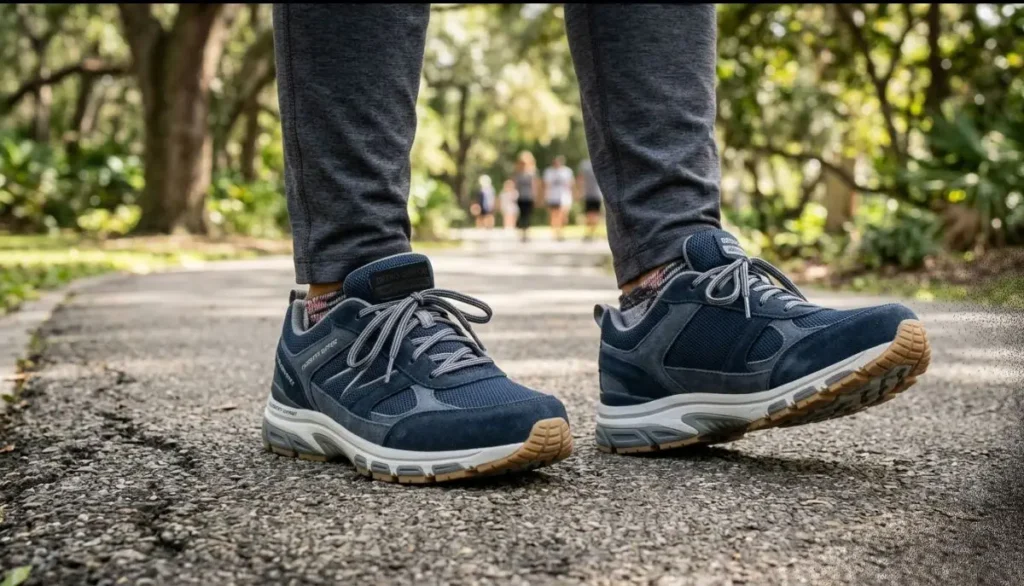
When shopping for diabetic-friendly footwear, focus less on style and more on structure and protection. Here are the most important features:
1. Extra Depth and Wide Toe Box
Feet with neuropathy often swell or change shape during the day. A wide toe box prevents squeezing and allows natural movement without pressure.
2. Seam-Free Interior
The stitching on the inside can rub against the skin and cause irritation. Smooth, uninterrupted interiors help reduce friction and lower the chance of blisters forming.
3. Soft, Cushioned Insoles
Memory foam or medical-grade cushioning helps absorb shock and evenly distribute weight across the foot.
4. Breathable Materials
Leather or mesh uppers help keep feet dry and reduce the risk of fungal infections.
5. Adjustable Closures
Velcro straps or adjustable laces help achieve a secure but non-restrictive fit, especially useful for swollen feet.
6. Firm Heel Support
A stable heel counter helps maintain balance and reduces the risk of falls, which is especially important when sensation is reduced.
7. Non-Slip Outsoles
Grip and traction are essential to prevent slipping, especially for those with reduced foot awareness.
Best Types of Shoes for Diabetics with Neuropathy
Different lifestyles require different types of support. Here are the most recommended categories:
👟 1. Diabetic Walking Shoes
Perfect for everyday use, these shoes offer cushioning, support, and flexibility. They are designed for long hours of wear and reduce pressure during movement.
🥿 2. Diabetic Slip-On Shoes
Slip-on styles are very useful for those who have some difficulty moving around, as they can be put on easily without much bending. Choose designs that have adjustable straps so they fit snugly and securely.
👞 3. Diabetic Dress Shoes
For work or formal occasions, diabetic dress shoes provide a balance of style and protection. They are built with hidden cushioning and soft interiors.
🏠 4. Diabetic House Shoes or Slippers
Even at home, protection matters. Diabetic slippers with support soles prevent injuries caused by walking barefoot on hard floors.
🥾 5. Diabetic Boots
For outdoor protection in colder weather, diabetic boots offer ankle support, insulation, and stable footing.
Common Mistakes to Avoid When Choosing Shoes
Many people unknowingly choose shoes that worsen neuropathy symptoms. Avoid these mistakes:
- Wearing narrow or pointed shoes
- Choosing style over comfort
- Ignoring pressure or tightness
- Using worn-out or flat shoes
- Skipping socks or wearing thin ones
- Buying shoes without trying them on
Remember: if a shoe feels slightly uncomfortable at the store, it will feel much worse after hours of use.
Emotional Side of Wearing Diabetic Shoes
Foot problems often affect more than just physical comfort—they impact confidence, independence, and emotional well-being.
Many people with neuropathy describe feeling:
- Frustrated by constant discomfort
- Anxious about walking or standing too long
- Restricted in their daily activities
- Relieved when they finally find the right shoes
The right footwear can restore a sense of normalcy. Walking without pain, going shopping, or spending time with family becomes easier and more enjoyable again.
Comfortable shoes do more than protect your feet—they help improve your overall quality of life.
Tips for Taking Care of Diabetic Feet
Along with the right shoes, daily care is essential:
- Check feet every day for cuts or redness
- Keep feet clean and dry
- Moisturize to prevent cracking (avoid between toes)
- Wear clean, cushioned socks
- Never walk barefoot
- Replace shoes when cushioning wears out
Small habits can make a big difference in preventing complications.
When to Replace Your Shoes
Even the best diabetic shoes lose their protective features over time. Replace them if you notice:
- Flattened cushioning
- Worn-out soles
- Loose or stretched fit
- Increased foot pain or pressure
- Visible damage inside or outside
Most diabetic shoes should be evaluated every 6–12 months depending on usage.
Final Thoughts
Choosing the best shoes for diabetics with neuropathy is about much more than simple comfort—it’s about protecting your feet, maintaining mobility, and enjoying greater peace of mind. A well-designed pair can help ease discomfort, safeguard sensitive areas, and give you the confidence to stay active every day.
When your feet are supported properly, every step becomes easier, steadier, and more secure. And for those living with neuropathy, that difference can be life-changing.
Frequently Asked Questions (FAQ) About the Best Shoes for Diabetics with Neuropathy
1. What are the best shoes for diabetics with neuropathy?
The best shoes for diabetics with neuropathy are designed to reduce pressure, prevent friction, improve stability, and protect sensitive feet. They typically feature extra depth, cushioned insoles, a wide toe box, seamless interiors, and non-slip soles to help minimize the risk of foot injuries.
2. Why do people with neuropathy need special shoes?
Diabetic neuropathy can decrease feeling in the feet, making it harder to detect minor injuries such as cuts, blisters, or areas of excessive pressure before they become more serious. The best shoes for diabetics with neuropathy provide added protection and support, helping prevent complications such as ulcers and infections.
3. Can diabetic shoes help reduce foot pain?
Yes. While diabetic shoes do not cure neuropathy, the best shoes for diabetics with neuropathy can help reduce discomfort by cushioning sensitive areas, absorbing shock, and distributing pressure more evenly across the foot.
4. What features should I look for in diabetic neuropathy shoes?
When shopping for the best shoes for diabetics with neuropathy, look for:
- Extra-depth design
- Wide toe box
- Seam-free interior
- Soft cushioning
- Breathable materials
- Adjustable closures
- Slip-resistant outsole
These features help enhance comfort and reduce the risk of foot injuries.
5. Are diabetic shoes covered by Medicare?
In some cases, Medicare may help cover diabetic shoes and inserts for qualifying individuals with diabetes who meet specific medical requirements. It is best to consult your healthcare provider and durable medical equipment supplier for information regarding eligibility.
6. Can I wear regular shoes if I have diabetic neuropathy?
While some regular shoes may feel comfortable, they often lack the protective features found in the best shoes for diabetics with neuropathy. Specialized diabetic footwear is usually a safer choice because it is designed to reduce pressure and prevent skin irritation.
7. How often should diabetic shoes be replaced?
Most diabetic shoes should be inspected regularly and replaced when signs of wear appear, such as flattened cushioning, uneven soles, or reduced support. Many people replace their diabetic shoes every 6 to 12 months, depending on usage.
8. Do diabetic shoes help prevent foot ulcers?
Yes. One of the main purposes of the best shoes for diabetics with neuropathy is to reduce pressure and friction that can lead to foot ulcers. Wearing the right shoes is essential for diabetic foot care and preventing ulcers.
9. Should I wear diabetic shoes indoors?
Yes. Foot injuries can happen inside the home as well as outdoors. Wearing the best shoes for diabetics with neuropathy or supportive diabetic slippers indoors can help protect your feet from accidental injuries and pressure-related problems.
10. Can diabetic shoes improve balance and stability?
Many shoes designed for people with diabetes feature supportive insoles and slip-resistant outsoles, which can improve stability while walking. The best shoes for diabetics with neuropathy help create a more secure walking experience, especially for individuals who experience numbness or balance issues.
11. What type of socks should be worn with diabetic shoes?
Diabetic-friendly socks are often recommended because they are seamless, moisture-wicking, and designed to reduce friction. Pairing these socks with the best shoes for diabetics with neuropathy provides an additional layer of protection for sensitive feet.
12. How do I know if my diabetic shoes fit properly?
A proper fit should feel comfortable immediately. There should be enough room for your toes to move freely without sliding around. The best shoes for diabetics with neuropathy should never feel tight, pinch any part of the foot, or create pressure points.