


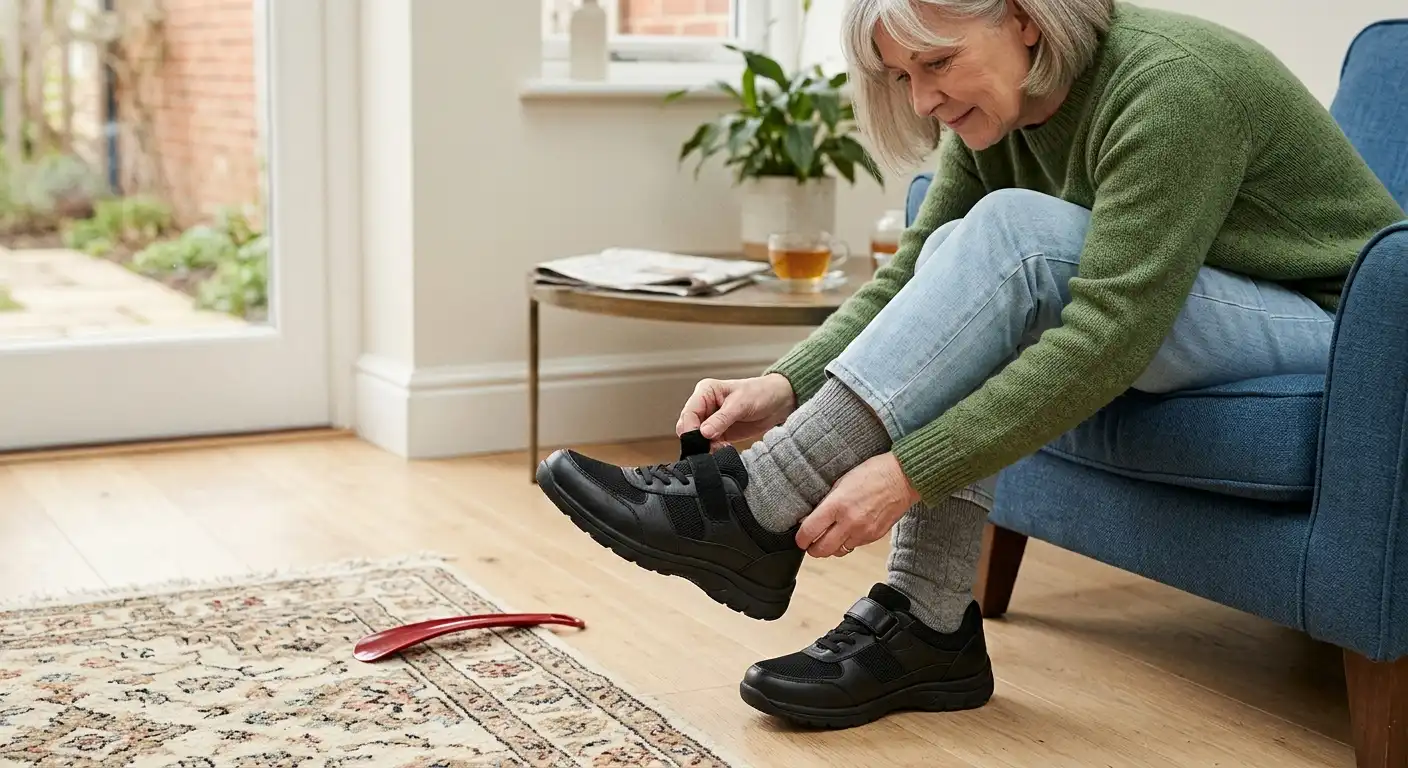
When people hear the term ‘diabetic shoes,’ they often assume that they are intended specifically for people suffering from diabetes. But a common question arises again and again: can anyone wear diabetic shoes?

The simple answer is yes—but the full answer is a little more meaningful. Diabetic shoes are designed with special features that benefit certain foot conditions, but they are not strictly limited to people with diabetes. Let’s explore what makes them unique, who can benefit from them, and whether they might be right for you.
When people first hear the term, they often wonder, can anyone wear diabetic shoes or are they strictly meant for medical use only? The name itself can feel limiting, as if these shoes belong to a very specific group of people. But once you really understand the purpose behind diabetic shoes, the answer starts to make much more sense—and becomes far more interesting.
Diabetic shoes are not just “medical footwear.” They are thoughtfully engineered comfort shoes built to protect, support, and reduce stress on the feet. And that’s why the question can anyone wear diabetic shoes comes up so often today. People are realizing that foot comfort is not just a medical concern—it’s a daily life concern.
Let’s take a deeper, more human look at what diabetic shoes really are and why they matter beyond labels.
To understand can anyone wear diabetic shoes, we first need to understand their purpose.
Diabetic shoes were originally created to help people with diabetes protect their feet from complications such as:
For someone with these conditions, even a minor pressure point inside a regular shoe can become a serious issue. So diabetic shoes were designed with one clear goal: reduce pressure and protect sensitive feet from harm.
But the key point is this: the same design features that support diabetic patients can also provide benefits for many others. That’s why can anyone wear diabetic shoes is not just a medical question anymore, but a comfort and lifestyle question.
When asking can anyone wear diabetic shoes, it helps to look at how they are built.
Unlike standard footwear, diabetic shoes focus on prevention rather than fashion. Every detail is intentional:
These features are not limited to diabetic care—they are beneficial for anyone dealing with foot discomfort or long hours of standing.
So when we ask again, can anyone wear diabetic shoes, the structure itself suggests: yes, because they are built for universal comfort and protection.
One of the biggest misconceptions is that diabetic shoes are only for people with diabetes. In reality, the name reflects their origin, not their limitations.
Those who often ask whether anyone can wear diabetic shoes are surprised to learn that these shoes are frequently recommended for the following people:
The truth is simple: if your feet experience pressure, fatigue, or discomfort, diabetic shoes can help.
That’s why the answer to the question “Can anyone wear diabetic shoes?” is just as important in everyday life as many people may realize.
Foot pain is often underestimated. People push through discomfort every day, thinking it is normal—tight shoes, aching heels, burning soles after a long shift.
But when someone finally tries diabetic shoes, they often describe a sense of relief they didn’t realize they needed.
This is where can anyone wear diabetic shoes becomes more than a technical question. It becomes personal.
Comfortable footwear can:
Sometimes, it’s not about a diagnosis—it’s about how your feet feel at the end of the day.
Another important point in answering can anyone wear diabetic shoes is how they fit into daily routines.
These shoes are designed for:
They are not fragile or restrictive. Instead, they are built for real-life movement.
So when people ask whether anyone can wear diabetic shoes, the simple answer is yes—they’re designed for everyday comfort and use, not just for medical or clinical environments.
At the end of the day, the discussion around can anyone wear diabetic shoes is really about shifting perspective.
Footwear is no longer just about style or category—it now focuses on:
Labels like “diabetic shoes” describe a purpose, not a restriction. And that purpose—protecting and supporting feet—is something everyone can benefit from.
Yes—can anyone wear diabetic shoes, and the answer is more straightforward than most people expect.
Diabetic shoes are not limited or restrictive footwear. Even though the name suggests otherwise, they are not exclusively for people with diabetes. Rather, they are a type of therapeutic comfort shoe made to reduce pressure, enhance support, and protect sensitive feet.
So when asking can anyone wear diabetic shoes, the correct answer is: yes, anyone can wear them, as long as they fit properly and meet the wearer’s comfort needs.
The reason can anyone wear diabetic shoes is yes comes down to their design purpose. These shoes are built with features that benefit a wide range of people, not just one medical group:
These are comfort-focused features, not condition-specific restrictions.
Even though can anyone wear diabetic shoes is yes, certain people tend to benefit more:
While can anyone wear diabetic shoes, the key is fit and purpose. They should:
They are not fashion shoes, but they are excellent comfort and protection shoes.
If you are still wondering can anyone wear diabetic shoes, it may help to know why non-diabetic individuals choose them.
People who stand or walk for long hours—such as healthcare workers, teachers, and retail employees—often find diabetic shoes extremely comfortable.
The extra cushioning reduces foot fatigue and helps maintain energy throughout the day.
Even without medical conditions, feet are exposed to stress daily. Diabetic shoes provide:
This lowers the risk of blisters, calluses, and pressure sores.
As people age, feet naturally change. They may become wider, more sensitive, or prone to swelling. Diabetic shoes offer the gentle support older adults often need.
People recovering from foot injuries, surgeries, or sprains may use diabetic shoes because they reduce pressure and promote healing comfort.
When people ask can anyone wear diabetic shoes, they’re often really trying to understand what makes these shoes different from regular footwear. The answer lies in their thoughtful, comfort-first design. Diabetic shoes are not just “softer shoes”—they are structured in a way that actively protects the feet and reduces everyday strain.
Here are the key features that make them stand out.
One of the most noticeable differences is the added space.
Diabetic shoes are designed with:
This matters because tight shoes can create pressure points, which leads people to wonder again: can anyone wear diabetic shoes if they are this roomy? Yes—because the design is meant for comfort, not restriction.
Inside regular shoes, seams can rub against the skin and create irritation over time.
Diabetic shoes reduce this risk with:
This feature is especially helpful for sensitive feet, which is why many people ask can anyone wear diabetic shoes when they experience discomfort in normal footwear.
Another key feature is advanced cushioning.
These shoes often include:
This helps reduce fatigue during walking or standing, making people realize that can anyone wear diabetic shoes isn’t just a medical question—it’s a comfort question.
Stability is another major benefit.
Diabetic shoes are built with:
This improves safety and reduces strain on joints, which is why can anyone wear diabetic shoes often includes people with active lifestyles or long working hours.
One of the most practical features is flexibility.
Diabetic shoes usually come with:
This makes them suitable for a wide range of users, reinforcing the idea behind can anyone wear diabetic shoes—they are adaptable, not limited.
Comfort also depends on airflow.
These shoes often use:
This helps ensure feet stay dry and comfortable all day long.
While exploring can anyone wear diabetic shoes, it’s also important to be realistic.
Diabetic shoes are:
However, many modern designs now blend comfort with style much better than before.
Even though the answer to can anyone wear diabetic shoes is yes, some groups benefit the most:
If your feet often feel tired, sore, or sensitive, diabetic shoes may be a worthwhile choice.
When people continue asking can anyone wear diabetic shoes, the next natural step is understanding how to actually choose the right pair. Because even though the answer to can anyone wear diabetic shoes is yes, not every pair will feel right for every person.
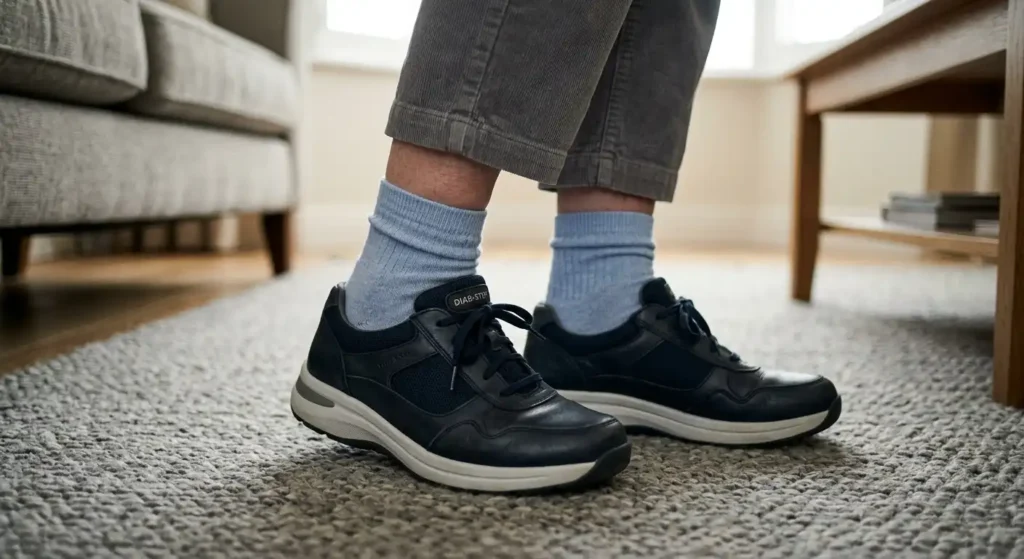
The goal is not just to wear diabetic shoes—but to find the pair that feels like it was made for your feet.
One of the most important parts of choosing diabetic shoes is fit.
A good pair should:
This is important because even if can anyone wear diabetic shoes is true, comfort depends heavily on getting the right fit for your foot shape.
Everyone’s feet are different, so choosing wisely matters.
Think about:
This is why can anyone wear diabetic shoes has a flexible answer—because the right pair adapts to the person, not the other way around.
Comfort comes from what’s inside the shoe.
Look for:
If you are still wondering can anyone wear diabetic shoes, remember: the better the support system, the more people can benefit from them.
A great diabetic shoe should adjust to your lifestyle.
Helpful features include:
These make it easier for different users to wear them comfortably, reinforcing why can anyone wear diabetic shoes is generally yes.
Your lifestyle matters when choosing the right pair.
Ask yourself:
Diabetic shoes are versatile, which is why can anyone wear diabetic shoes applies in many real-life situations.
Comfort isn’t just about support—it’s also about airflow.
Choose shoes that offer:
This helps keep feet fresh throughout the day.
So, can anyone wear diabetic shoes? Yes—absolutely. Diabetic shoes are not limited to a specific group; they are designed as therapeutic footwear focused on comfort, protection, and long-term foot health. While they are especially important for people with diabetes, their benefits extend far beyond that.
With features like extra cushioning, a wider fit, seamless interiors, and superior support, these shoes can help anyone who experiences foot fatigue, sensitivity, or discomfort in regular footwear. They are also a great option for people who stand or walk for long hours and need reliable all-day comfort.
In the end, the question can anyone wear diabetic shoes comes down to this: if your feet need more comfort, protection, and support, then yes—diabetic shoes are a practical and beneficial choice for everyday life.
Yes, can anyone wear diabetic shoes is a question with a simple answer: absolutely. Diabetic shoes are designed for comfort, support, and foot protection. While they are especially beneficial for people with diabetes, anyone can wear them if they appreciate extra cushioning, stability, and room for their feet.
Yes. Many people who do not have diabetes choose diabetic shoes because of their comfort-focused design. If you’re wondering can anyone wear diabetic shoes, the answer is yes, regardless of whether you have diabetes or not.
People without diabetes often wear diabetic shoes because they offer:
This is one reason why can anyone wear diabetic shoes has become such a common question among people looking for healthier footwear options.
In many cases, yes. Diabetic shoes are designed to minimize friction and pressure while providing enhanced support. Many people find them more comfortable than traditional footwear, which is another reason can anyone wear diabetic shoes is frequently asked.
Yes. Diabetic shoes are designed for daily wear and can be used for walking, working, shopping, traveling, and other everyday activities. If you’re asking can anyone wear diabetic shoes as part of a regular lifestyle, the answer is definitely yes.
Diabetic shoes may help reduce discomfort caused by pressure, friction, and poor support. While they are not a cure for foot conditions, many people experience relief from common foot pain when wearing properly fitted diabetic shoes.
No. Although older adults often benefit from diabetic shoes, people of all ages can wear them. The question can anyone wear diabetic shoes applies to younger adults as well, especially those seeking better foot support and comfort.
Yes. People who spend long hours standing, such as nurses, teachers, retail workers, and warehouse employees, often appreciate the added comfort and support diabetic shoes provide.
Modern diabetic shoes have come a long way in design. Many styles look similar to regular walking shoes, athletic shoes, or casual footwear while still providing the comfort features that make them unique.
If you experience foot fatigue, pressure points, swelling, discomfort, or simply want more supportive footwear, diabetic shoes may be worth considering. Since can anyone wear diabetic shoes is generally answered with yes, the best way to decide is to try a properly fitted pair and see how they feel.
Yes. Most diabetic shoes feature removable insoles and extra depth, making them ideal for people who use custom orthotics or specialty inserts.