


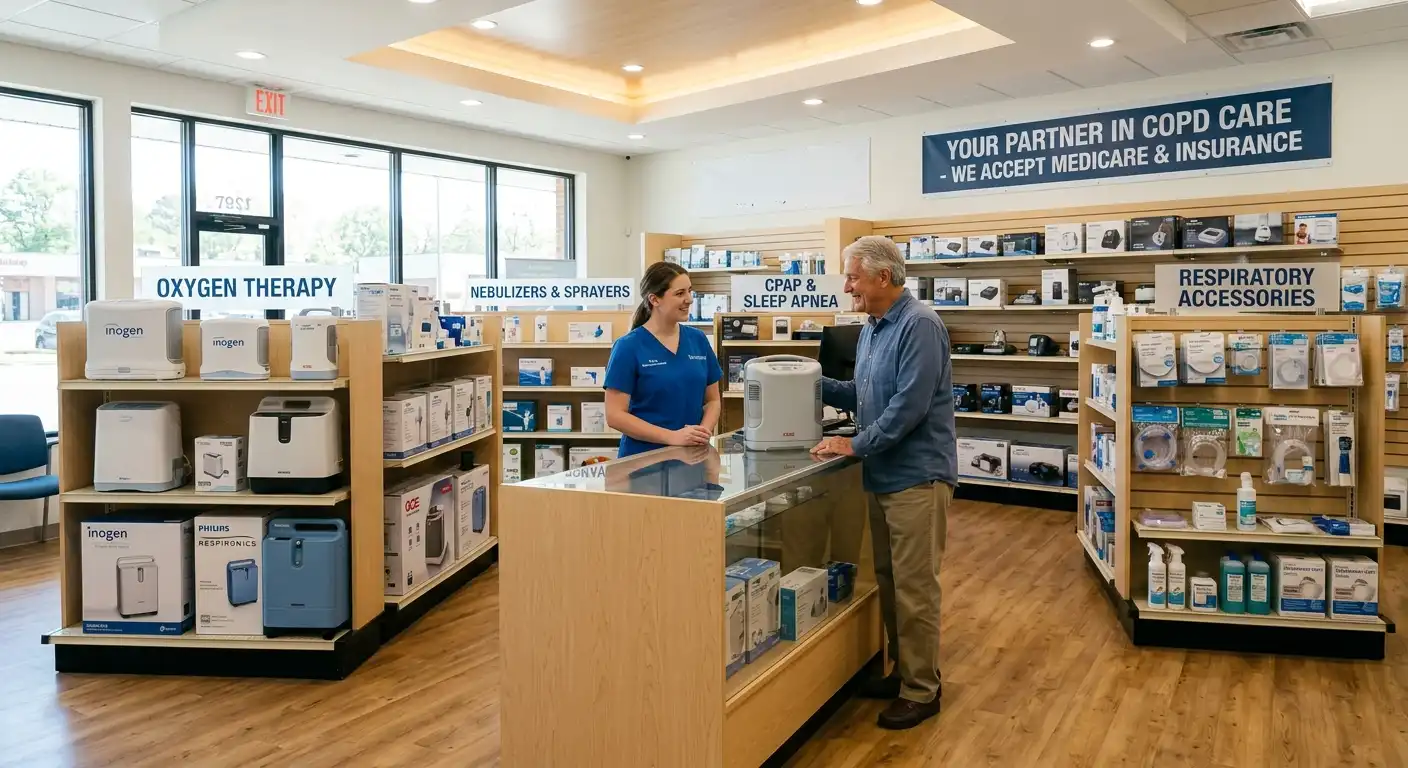
Living with chronic obstructive pulmonary disease (COPD) can make everyday activities feel more difficult. Simple tasks such as walking around the house, getting dressed, or going outside may require more planning when breathing becomes challenging. Having the right medical equipment and supplies at home can make daily care more organized and comfortable.
For people searching for COPD DME supplies Williamsbridge Road, finding a dependable medical supply provider is an important part of managing home care. Alfa Healthcare Supply Inc. provides durable medical equipment (DME) and medical supplies for patients and caregivers who need practical healthcare products.
This guide explains what COPD-related DME may include, how respiratory equipment can support a care plan, what to consider when choosing supplies, and why working with a qualified DME supplier can make the process easier.
Medical note: COPD treatment is different for every person. Equipment such as nebulizers or oxygen equipment should be used according to a healthcare professional’s instructions and the manufacturer’s directions.
DME stands for durable medical equipment. These are healthcare products designed for repeated use, often in the home.
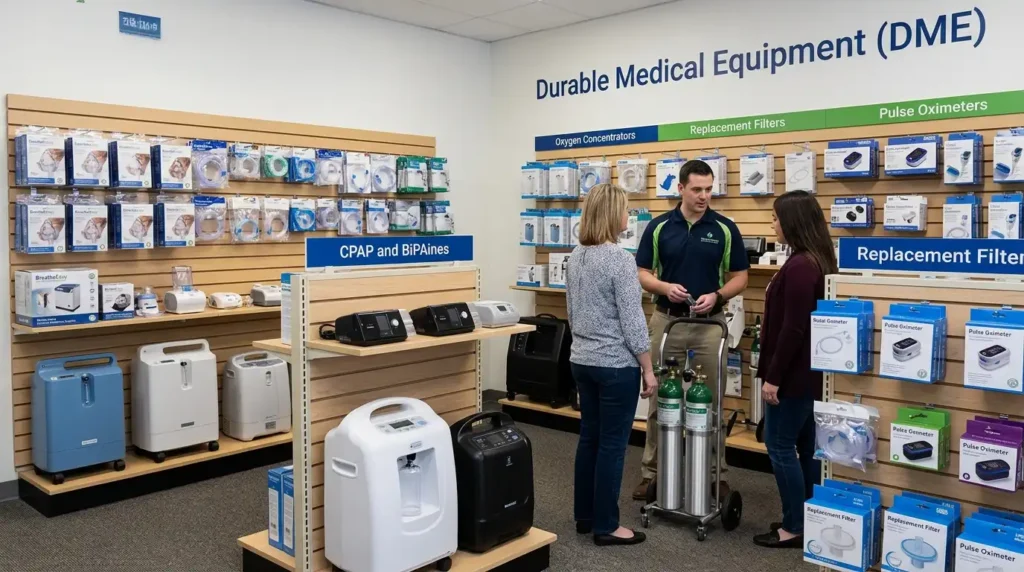
For someone with COPD, DME may support respiratory treatment, mobility, energy conservation, or other activities of daily living. Depending on an individual’s medical needs and prescription, equipment may include items such as:
Not every person with COPD needs the same equipment. The appropriate supplies depend on the person’s symptoms, treatment plan, mobility, oxygen requirements, and healthcare provider’s recommendations.
The American Lung Association notes that nebulizers are used by many people with chronic lung conditions, including COPD, to deliver medication as an inhaled mist.
COPD is a long-term lung condition, so home equipment may become part of a person’s regular routine.
The right equipment can help a patient follow an established treatment plan more easily. It can also help caregivers keep commonly needed supplies organized.
For example, a person who has been prescribed nebulized medication may need a nebulizer machine along with a medicine cup, tubing, mouthpiece, or mask. The American Lung Association explains that a nebulizer converts liquid medication into a mist that can be inhaled.
Having the necessary accessories available can make a routine treatment easier to manage.
However, DME should not be viewed as a replacement for medical care. Equipment should complement a treatment plan created by the patient’s healthcare provider.
When searching for COPD DME supplies Williamsbridge Road, it is helpful to look beyond simply finding a product.
A reliable DME supplier should make it easier to understand what equipment is available, whether documentation is needed, and how supplies can be obtained.
Start with the equipment recommended by your doctor or other healthcare professional.
For COPD patients, this may include respiratory equipment such as a nebulizer or other prescribed DME.
The American Lung Association advises patients to discuss nebulizer use with their healthcare provider and notes that nebulizers are available in stationary and portable forms.
A medical device may require several supporting components.
For a nebulizer, these can include:
Using compatible accessories is important for proper operation.
Some respiratory equipment includes components that require regular cleaning or replacement.
The American Lung Association recommends cleaning reusable nebulizer components and following manufacturer instructions for maintenance and filter replacement.
A DME supplier can be useful when patients or caregivers need replacement equipment or accessories.
Depending on the product, insurance plan, medical necessity, and prescription requirements, documentation may be needed.
Before ordering, ask the supplier and your insurance company what requirements apply.
Coverage rules can vary between insurance plans, so patients should confirm their individual benefits rather than assuming that every COPD supply is covered.
A nebulizer is one of the most commonly recognized pieces of respiratory DME.
Instead of requiring a patient to inhale medication directly from an inhaler, a nebulizer turns liquid medication into a mist that can be inhaled through a mouthpiece or mask.
The American Lung Association says nebulizers may be useful for people who have difficulty using inhalers or cannot inhale deeply enough for certain other devices.
A typical nebulizer system may include:
The specific medication used in the nebulizer must come from the patient’s healthcare provider.
Stationary nebulizers generally operate from a standard electrical outlet.
Portable models may offer additional flexibility, with some designed to work with batteries or other power sources. The American Lung Association notes that portable nebulizers can be battery-operated, while stationary units generally use an electrical outlet.
The best option depends on the patient’s treatment plan and lifestyle.
Equipment maintenance is an important part of home respiratory care.
A dirty nebulizer can collect germs and may not function properly. The American Lung Association recommends cleaning nebulizer components after use and following the manufacturer’s cleaning instructions.
General maintenance may include:
One important point is that nebulizer tubing should not be placed under water unless the manufacturer specifically says otherwise.
Always follow the instructions supplied with your particular device.
Some people with COPD may require supplemental oxygen, but oxygen therapy is not appropriate for every COPD patient.
If oxygen has been prescribed, the healthcare provider or oxygen supplier can help determine the appropriate equipment and supply requirements.
Depending on the individual’s prescription and circumstances, oxygen-related equipment can include:
Patients should never change their prescribed oxygen flow rate without speaking with their healthcare provider.
The American Lung Association also recommends coordinating with a DME company or oxygen supplier when planning travel for someone who uses oxygen.
COPD can affect more than breathing. Some people experience fatigue or become short of breath during everyday activities.
A healthcare provider may recommend mobility equipment when appropriate.
Possible equipment can include:
The American Lung Association specifically recommends using mobility devices such as walkers, canes, scooters, or rollators when they have been recommended by a healthcare provider.
Mobility equipment should be selected based on the patient’s individual needs rather than simply choosing the most convenient product.
It can be tempting to search online, choose the cheapest respiratory device, and place an order immediately.
However, medical equipment is different from an ordinary household purchase.
Patients should consider:
The American Lung Association advises patients to work with a healthcare provider or DME company when obtaining a nebulizer rather than simply choosing an unverified online product.
A COPD diagnosis can affect the entire household.
Caregivers may help with medication schedules, equipment cleaning, appointments, mobility, and supply ordering.
Having the necessary supplies in one organized location can reduce unnecessary stress.
For example, a caregiver may create a simple equipment checklist:
Respiratory equipment
Mobility equipment
Home-care supplies
The exact list should always be based on the patient’s medical needs.
Alfa Healthcare Supply Inc. is a medical supply and DME supplier serving patients and caregivers with a range of healthcare equipment and supplies.
The company offers categories that can be relevant to home healthcare, including COPD/Asthma Supplies, DME equipment, mobility products, and other medical supplies.
For patients looking for COPD DME supplies Williamsbridge Road, a local-focused supplier can make it easier to explore equipment options and understand the ordering process.
Alfa Healthcare Supply Inc. also provides delivery services, helping patients and caregivers obtain medical supplies without always needing to make an additional trip to a store.
You can explore available medical equipment and supplies through the company’s website:
Visit Alfa Healthcare Supply Inc.
Before purchasing or requesting respiratory DME, consider asking:
Some equipment may require a prescription or documentation of medical necessity. Ask the supplier about the requirements for the specific product.
Coverage varies according to the patient’s insurance plan and the equipment being requested.
Ask your healthcare provider if you are unsure which device or accessory you need.
Replacement schedules vary by product. Follow manufacturer recommendations.
Ask for instructions and read the manufacturer’s cleaning guidance.
Ask about warranty, repair, replacement, and customer-support options before purchasing.
Managing COPD can sometimes feel like a collection of small daily tasks.
A few practical habits can make equipment management easier.
Store respiratory equipment and accessories in a clean, dry, easily accessible location.
Do not wait until the last possible moment to order essential replacement accessories.
Use medications and respiratory equipment according to your healthcare provider’s instructions.
Cleaning and maintenance help keep equipment ready for use.
If you use respiratory equipment, consider your power supply, batteries, accessories, and transportation needs before traveling. The American Lung Association recommends planning oxygen and nebulizer-related needs in advance.
If you are unsure how to use, clean, or maintain equipment, ask your healthcare provider, pharmacist, DME supplier, or the equipment manufacturer.
Searching for COPD DME supplies Williamsbridge Road often means that a patient or caregiver needs more than a product—they need a practical solution that fits into everyday life.
Respiratory equipment, nebulizers, oxygen-related equipment, mobility aids, and replacement accessories can all play a role in home care when they are medically appropriate.
The most important step is choosing equipment based on professional guidance rather than purchasing a device simply because it is inexpensive or highly advertised.
A dependable DME supplier can help patients and caregivers understand available equipment, ordering requirements, documentation, and replacement needs.
For people in the Bronx and surrounding New York communities, Alfa Healthcare Supply Inc. offers medical equipment and supplies designed to support home healthcare needs.
Living with COPD can be challenging, but having the right equipment and a clear home-care routine can make day-to-day management more organized.
Whether you need a nebulizer, respiratory accessories, mobility equipment, or other DME, start by discussing your needs with your healthcare provider and then work with a qualified medical supply provider.
For those searching online for COPD DME supplies Williamsbridge Road, Alfa Healthcare Supply Inc. is a resource to explore for medical equipment and home-care supplies.
Alfa Healthcare Supply Inc. focuses on helping patients, families, and caregivers find practical medical supply solutions for everyday healthcare needs.
COPD DME supplies are durable medical equipment and related accessories that may be used by people with COPD as part of their prescribed home-care plan. Examples can include nebulizers, respiratory accessories, oxygen-related equipment, and mobility aids.
Patients searching for COPD DME supplies Williamsbridge Road can explore Alfa Healthcare Supply Inc. for medical equipment and home-care supplies. Product availability and requirements should be confirmed directly with the supplier.
No. A nebulizer is not necessary for every person with COPD. A healthcare provider should determine whether nebulized medication is appropriate.
Common components include a compressor, medication cup, tubing, mouthpiece, or mask. The exact components depend on the nebulizer model.
Cleaning instructions vary by device. The American Lung Association recommends cleaning reusable nebulizer components after use and performing more thorough cleaning according to appropriate instructions.
Some people with COPD are prescribed supplemental oxygen. Oxygen should be used only according to a healthcare professional’s prescription and instructions.
Some DME may be covered depending on the patient’s insurance plan, medical necessity, prescription, and documentation. Patients should confirm coverage with their insurer and DME supplier.
Some patients may benefit from mobility equipment when recommended by their healthcare provider. Options can include walkers, rollators, canes, wheelchairs, or scooters.
A DME supplier can help patients understand equipment options, documentation, ordering procedures, replacement accessories, and other practical considerations.
Alfa Healthcare Supply Inc. offers a range of medical supplies and DME categories, including COPD/Asthma Supplies. Patients should contact the company directly to confirm current product availability and requirements.
This article is for general educational purposes and is not a substitute for medical diagnosis, treatment, or advice from a qualified healthcare professional.