


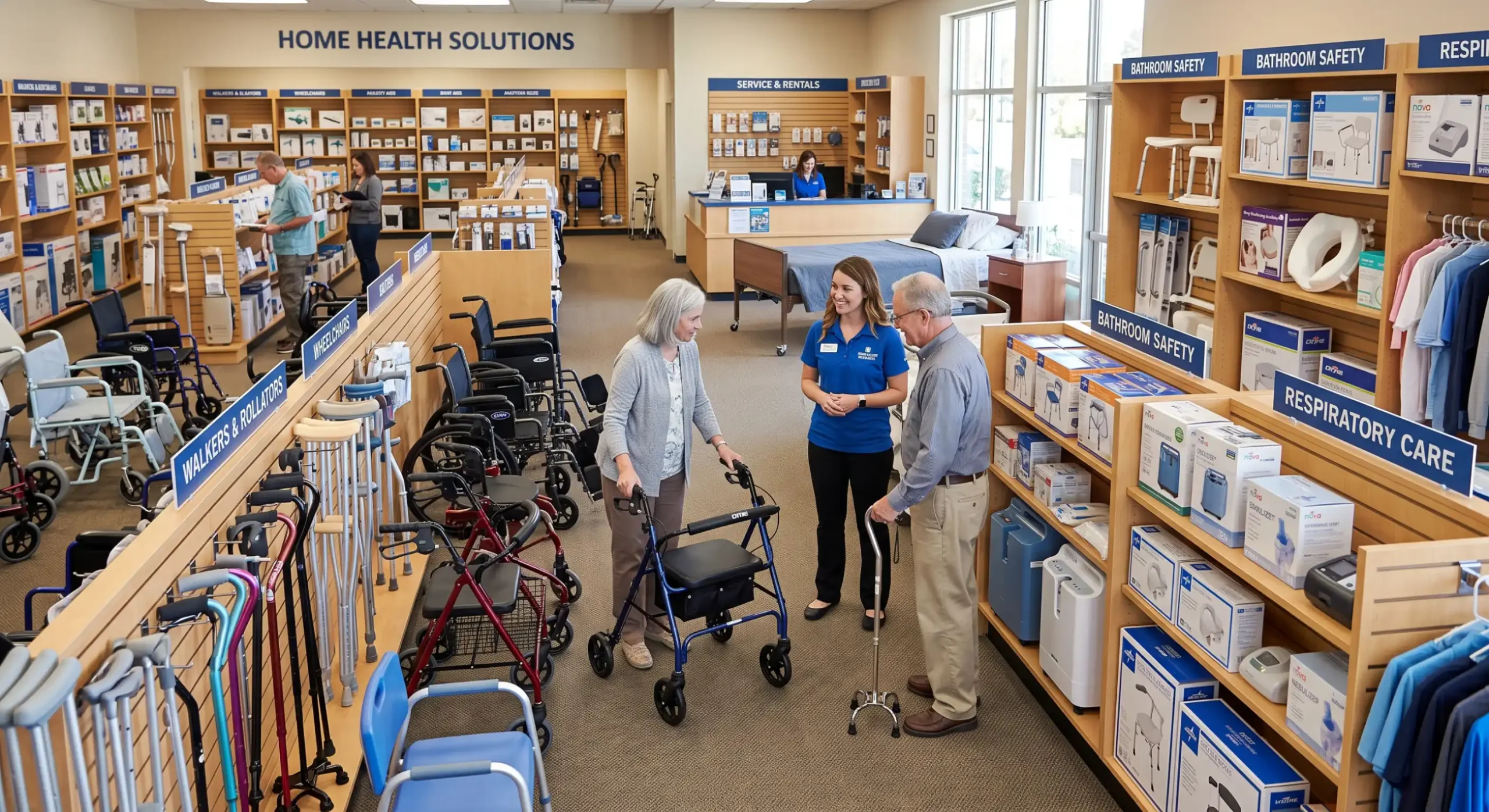
When someone needs medical equipment at home, the process can feel overwhelming. A hospital discharge may come with a list of supplies, a doctor may recommend mobility equipment, or a family caregiver may suddenly need to make a home safer for an aging loved one. In these situations, finding dependable home health equipment Longwood solutions can make everyday care easier and more comfortable.
Home healthcare equipment is not simply about buying a product. The right equipment should match the person’s medical needs, mobility, living environment, and daily routine. Whether you need a wheelchair, walker, hospital bed, respiratory equipment, monitoring device, or other durable medical equipment (DME), choosing the right supplier can help reduce unnecessary stress.
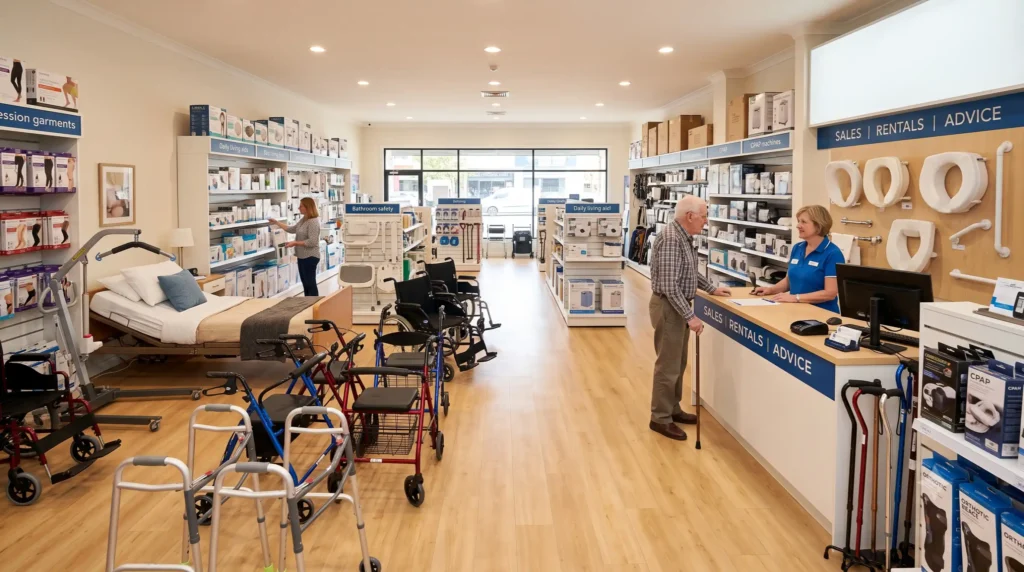
At Alfa Healthcare Supply Inc., the focus is on providing healthcare equipment and supplies that support patients, caregivers, and healthcare professionals. The company offers DME and a broad selection of healthcare products, including mobility aids, respiratory devices, orthopedic supports, diabetic supplies, incontinence products, and home-care equipment.
Home health equipment includes medical devices and supportive products designed to help people receive care, recover, manage health conditions, or maintain independence outside a hospital or clinical setting.
Depending on individual needs, home healthcare equipment may include:
Alfa Healthcare Supply Inc.’s DME catalog includes mobility solutions, home hospital beds, patient lifts, support surfaces, and bath-safety equipment designed for home care and recovery.
The important point is that not everyone needs the same equipment. A person recovering from surgery may have very different requirements from someone living with a long-term mobility limitation. Equipment should be chosen based on the individual’s specific needs and circumstances, rather than simply opting for the most advanced or costly option.
A piece of medical equipment can become part of someone’s daily life. A walker may be used every time a person gets up. A hospital bed may be used for sleeping and repositioning. A blood pressure monitor may become part of a regular health-monitoring routine.
That is why comfort, usability, safety, and reliability matter.
The right equipment can help:
For families, there is also an emotional side to choosing equipment. When a loved one needs assistance, the goal is often not simply to provide medical support but to help that person retain as much dignity and independence as possible.
Every household has different healthcare requirements. Some people need short-term equipment following an injury or operation, while others need long-term DME for chronic conditions or mobility challenges.
Mobility equipment can help people move around the home more safely.
Common options include:
A mobility aid should be appropriate for the user’s strength, balance, environment, and level of independence. For example, someone who can walk but needs additional stability may benefit from a walker or rollator, while someone with significant mobility limitations may require a wheelchair.
Alfa Healthcare Supply Inc. lists wheelchairs, walkers, scooters, and other mobility aids among its home healthcare solutions.
A standard household bed may not always provide the positioning or accessibility needed for someone receiving extensive care at home.
Home hospital beds can provide adjustable positioning and may make transfers and caregiving easier. Certain models can be useful for patients recovering from surgery or those who need longer-term assistance.
Alfa Healthcare Supply Inc. offers semi-electric and full-electric hospital beds as part of its DME equipment selection.
Before choosing a hospital bed, consider factors such as:
Moving a person who has limited mobility can be physically demanding for caregivers. Trying to lift someone manually can also create unnecessary safety risks.
Patient lifts and appropriate slings can help facilitate transfers between a bed, wheelchair, or other surfaces when clinically appropriate.
Alfa Healthcare Supply Inc. lists manual and hydraulic patient lifts and slings among its DME offerings.
Proper training is important. Caregivers should understand how equipment is intended to be used and follow the manufacturer’s instructions and healthcare professional’s guidance.
Bathrooms can present particular challenges for people with reduced balance, strength, or mobility.
Home health equipment for bathroom safety may include:
These products can make personal-care routines more manageable while helping reduce avoidable hazards.
Alfa Healthcare Supply Inc. includes commodes, shower chairs, grab bars, and other bath-safety products in its DME and home-care selection.
Some patients require equipment to support respiratory care at home.
Depending on the individual’s medical needs, home respiratory equipment can include:
Alfa Healthcare Supply Inc. identifies CPAP machines, oxygen concentrators, and breathing equipment among its respiratory healthcare solutions.
Respiratory equipment should be selected and used according to the patient’s prescription or healthcare professional’s instructions when applicable.
The phrase longwood medical supplies can cover much more than large medical devices. Many patients also need smaller healthcare products that support daily routines.
Depending on the patient’s needs, these may include:
Alfa Healthcare Supply Inc. maintains product categories covering diabetic supplies, incontinence supplies, orthopedic supplies, DME equipment, OBGYN supplies, COPD/asthma supplies, urological supplies, and miscellaneous healthcare products.
Having access to different categories through one supplier can make recurring healthcare purchasing more convenient for patients, families, and caregivers.
Although home healthcare and hospital care are different environments, some hospital-grade or clinical-style equipment may also be appropriate for home use when prescribed or otherwise clinically indicated.
When looking for hospital equipment Longwood, consider:
First, understand why the equipment is required. Is it for mobility, positioning, respiratory support, monitoring, recovery, or another purpose?
Consider the patient’s weight, height, mobility, strength, medical condition, and level of independence.
Measure doorways, hallways, bedrooms, bathrooms, and other areas where the equipment will be used.
A wheelchair or hospital bed that works well in a large clinical environment may not be practical in a small home.
Equipment should be understandable for the patient and caregiver. Complex equipment may require additional training.
Ask how the equipment should be cleaned, inspected, stored, and maintained.
Some DME products may require a prescription, documentation, prior authorization, or other insurance requirements. Coverage depends on the patient’s plan and the specific equipment.
Alfa Healthcare Supply Inc. states that its DME equipment is mapped to major insurance HCPCS codes to support the reimbursement process.
After surgery, the home environment can become an important part of recovery.
A patient may temporarily require equipment or supplies that make daily activities easier. Depending on the procedure and healthcare provider’s recommendations, this can include mobility aids, hospital beds, bathroom safety equipment, wound-care products, orthopedic supports, or other home-care supplies.
When searching for surgical equipment Longwood, it is important to distinguish between equipment intended for professional surgical settings and supplies intended for post-surgical care at home.
Patients should follow their surgeon’s or healthcare provider’s instructions regarding which products are appropriate.
For example, a walker may be recommended after an orthopedic procedure, while a shower chair may make bathing easier during a period of limited mobility. The equipment is useful because it supports the recovery plan—not because every patient needs the same products.
Searching for medical equipment Longwood can produce many choices. Before purchasing, ask a few practical questions.
The equipment should match the patient’s needs and physical abilities.
Measure the area where the product will be used. Consider stairs, doorways, bathroom space, flooring, and storage.
Comfort matters, particularly when equipment will be used for extended periods.
A product that is difficult to understand may not be practical for a patient or caregiver.
Do not automatically choose the product with the most features. Instead, focus on features that address the actual healthcare need.
Some equipment requires assessment, prescription, fitting, or training. When in doubt, speak with a healthcare professional or qualified medical equipment supplier.
Buying healthcare equipment is different from buying an ordinary household product. The equipment may directly affect comfort, mobility, safety, or a person’s ability to manage daily care.
An experienced supplier can help patients and caregivers understand available options and identify products appropriate for their circumstances.
Alfa Healthcare Supply Inc. describes a patient-focused process that includes consultation and assessment, product selection, ordering and delivery, and support for complex DME. The company also states that its specialists help evaluate factors such as mobility, home setup, device features, and longevity.
That kind of support can be particularly valuable when a family is purchasing medical equipment for the first time.
There is a human story behind almost every home medical equipment order.
It may be a daughter helping her parent become safer at home. It may be a patient returning home after surgery and learning to move differently. It may be a caregiver trying to make daily routines less physically demanding.
In each situation, the equipment is only one part of the solution.
The bigger goal is to help people live with greater comfort, safety, confidence, and independence.
That is why choosing healthcare products based on the person’s actual needs is so important.
Alfa Healthcare Supply Inc. is a New York-based healthcare equipment and medical supply provider offering DME and other healthcare products. Its website lists service coverage across New York, including Queens, Long Island, Brooklyn, the Bronx, and Westchester.
Its product categories include:
The company also states that it works with trusted manufacturers and provides assistance with product selection and ordering.
For patients and caregivers researching home health equipment Longwood, working with an established supplier can be a practical way to explore appropriate medical equipment and home-care products.
Before equipment arrives, take a few minutes to prepare the home.
Remove unnecessary furniture, loose rugs, cords, and clutter from areas where a patient will walk.
Wheelchairs, walkers, hospital beds, and other large equipment need enough clearance.
Consider whether the patient can safely enter the bathroom, sit down, stand up, and shower.
Good lighting can make it easier to navigate the home, particularly at night.
Place medications, water, communication devices, and other approved essentials where the patient can reach them safely.
Read manufacturer instructions and follow guidance from healthcare professionals.
If a caregiver is unsure how to operate a lift, hospital bed, respiratory device, or other equipment, professional guidance is preferable to guessing.
Finding the right home health equipment Longwood does not have to be confusing. The best approach is to start with the person’s needs, understand the home environment, and select equipment that supports safety, comfort, and independence.
Whether you are researching longwood medical supplies, hospital equipment Longwood, surgical equipment Longwood, or medical equipment Longwood, look beyond the product itself. Consider the supplier’s experience, product selection, customer support, equipment requirements, and insurance process.
Alfa Healthcare Supply Inc. provides a broad range of DME and healthcare supplies with a focus on helping patients, caregivers, and healthcare professionals access practical healthcare solutions.
Most importantly, remember that medical equipment is there to support a person—not define them. With the right equipment and appropriate professional guidance, home care can feel safer, more manageable, and a little less overwhelming for everyone involved.
Important note: Medical equipment should be selected and used according to the patient’s healthcare needs and, where applicable, a physician’s prescription or other professional guidance. Product availability, insurance coverage, and eligibility can vary.
Home health equipment includes medical devices and supportive products designed for healthcare, recovery, mobility, monitoring, and daily living in a person’s home.
Depending on individual needs, equipment can include wheelchairs, walkers, hospital beds, patient lifts, pressure-relief surfaces, bathroom safety equipment, respiratory equipment, and monitoring devices.
Yes. Home hospital beds are specifically designed for home-care situations when clinically appropriate. Alfa Healthcare Supply Inc. offers semi-electric and full-electric hospital bed options within its DME category.
Medical supplies may include diabetic monitoring products, incontinence supplies, orthopedic supports, urological products, respiratory supplies, wound-care products, and daily-living aids, depending on the patient’s requirements.
Start with the person’s healthcare needs and recommendations from their healthcare professional. Then consider mobility, home layout, comfort, ease of use, and caregiver requirements.
Some durable medical equipment may be covered by Medicare, Medicaid, private insurance, or other plans, but eligibility and coverage vary by product and plan. Always verify coverage and documentation requirements with the insurer and supplier.
Yes. An experienced supplier may help patients and caregivers understand product choices and identify equipment that fits their needs. Alfa Healthcare Supply Inc. states that its specialists assist with product selection and consider factors including mobility, home setup, features, and longevity.
Speak with your physician, therapist, nurse, or other qualified healthcare professional about the medical requirement. You can then discuss appropriate equipment options with a medical equipment supplier.