


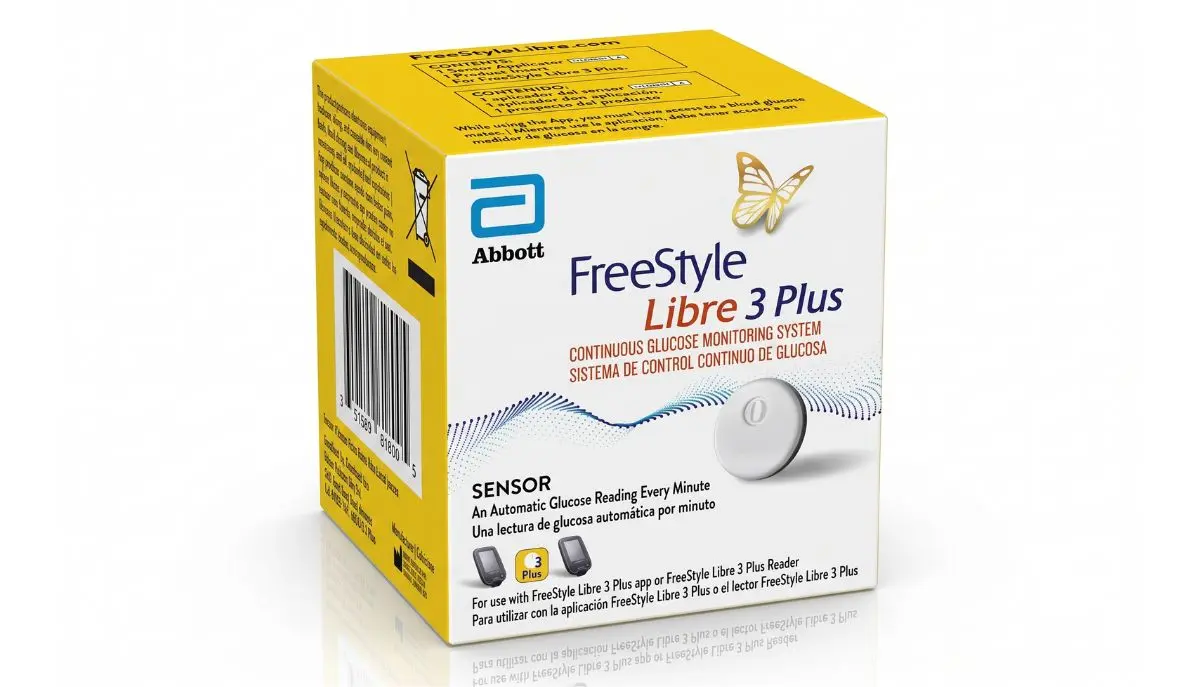
If you use a continuous glucose monitor (CGM), one of the most common questions is: how often to change FreeStyle Libre 3 Plus sensor?
The answer is simple for most users: the FreeStyle Libre 3 Plus sensor is designed to be worn for up to 15 days. After the 15-day wear period, the sensor should be removed and replaced with a new sensor according to the manufacturer’s instructions.
Knowing when to change your sensor can make your diabetes monitoring routine easier. It also helps you plan ahead so you are not suddenly left without a working sensor.
At Alfa Healthcare Supply Inc., we understand that diabetes supplies are not just products sitting on a shelf. They are part of someone’s everyday routine. A sensor may help you understand glucose patterns while you are working, sleeping, exercising, eating, or simply going about your day. That is why knowing how to use and replace your sensor properly matters.
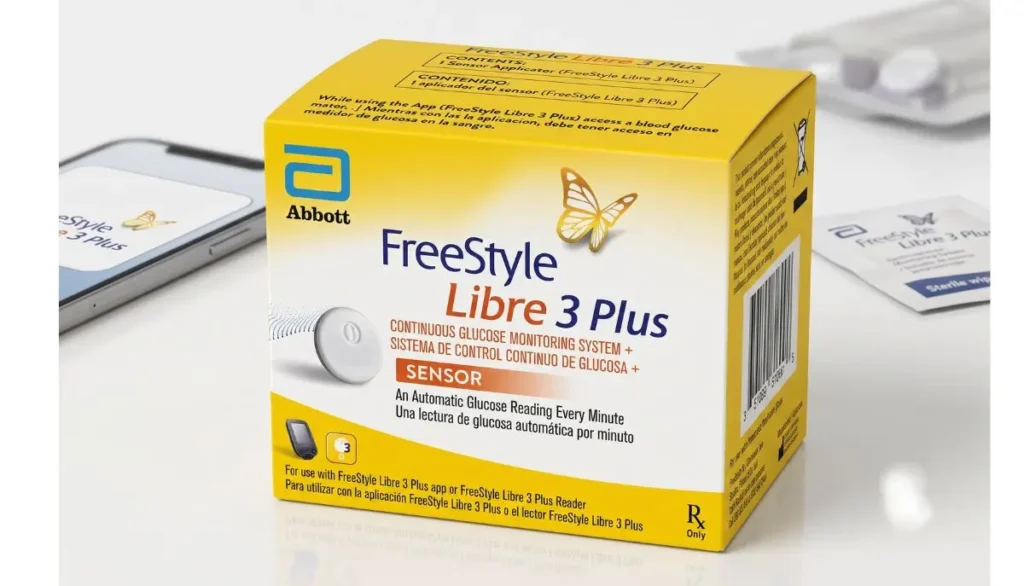
This guide explains how often to change a FreeStyle Libre 3 Plus sensor, what happens when the sensor reaches the end of its wear period, when you may need to replace it sooner, and practical tips for making sensor changes easier.
Important: Always follow the instructions supplied with your specific sensor and the advice of your healthcare professional. Product labeling and availability can vary by country.
The FreeStyle Libre 3 Plus sensor can be worn for up to 15 days under its labeled use.
Once the 15-day wear period is complete, the sensor should be removed and replaced with a new sensor. Abbott describes the Libre 3 Plus as a 15-day real-time CGM sensor that sends glucose readings automatically to a compatible smartphone or reader.
In simple terms:
One FreeStyle Libre 3 Plus sensor = up to 15 days of wear.
That means a person using sensors continuously will generally need approximately:
The actual number you need can vary because a sensor may sometimes need to be replaced earlier due to accidental removal, adhesion problems, sensor errors, skin irritation, or other issues.
A CGM sensor is designed for a specific period of use. The FreeStyle Libre 3 Plus is labeled for up to 15 days of wear.
After that period, you should not continue wearing the same sensor simply because it is still attached to your skin.
The sensor is designed as a single-use medical device. It should be removed when its wear period ends and replaced with a new sensor.
Using a new sensor according to the manufacturer’s instructions helps you follow the intended design of the CGM system.
For many people, changing the sensor every 15 days also creates a predictable routine. You can choose a regular day of the week for sensor changes, making it easier to remember.
As the FreeStyle Libre 3 Plus sensor reaches the end of its approved wear period, the app or compatible reader can notify you that it is time to replace the sensor.
Abbott’s getting-started information explains that the Libre 3 Plus is designed to remain in place for up to 15 days and that the app or reader can notify the user when it is time for removal.
When your sensor reaches the end of its wear period:
It is a good idea to have your replacement sensor available before the current sensor expires.
No.
You should not wait for the sensor to fall off naturally.
A sensor can remain attached to your skin even after its useful wear period has ended. Being physically attached does not mean it should continue to be used.
The FreeStyle Libre 3 Plus is designed for a specific maximum wear period. Once that period is complete, replace it with a new sensor.
Think of it like replacing a disposable medical supply according to its intended schedule. The adhesive may still be holding, but the device has reached the end of its designed use.
Yes, there are situations in which a sensor may need to be removed before 15 days.
For example, you may need to replace the sensor early if:
Abbott’s safety information says that if a sensor becomes loose or its tip comes out, readings may be unavailable or unreliable, and the sensor should be removed and replaced rather than reinserted.
If a sensor stops working unexpectedly, do not try to repair or reinsert it.
Instead, follow the manufacturer’s troubleshooting and replacement instructions.
This can be frustrating, especially when you expected the sensor to last the full 15 days.
Sweat, physical activity, clothing, accidental bumps, seat belts, doorways, and other everyday situations can sometimes affect sensor adhesion.
If your sensor falls off before the end of the expected wear period, do not attempt to put the same sensor back into your skin.
Abbott recommends replacing a sensor that falls off before 15 days and contacting its customer support or using its sensor support process when appropriate.
If you frequently experience sensors coming loose, consider reviewing your application technique and discussing the issue with your healthcare professional or the manufacturer’s support team.
Getting the full wear period from a CGM sensor starts with proper application.
Here are some practical tips.
Before applying the sensor, follow the manufacturer’s preparation instructions carefully.
The skin should be clean and dry.
Oils, lotions, sweat, or other products on the skin can interfere with adhesion.
Avoid applying lotion directly to the application area before placing the sensor.
After cleaning your skin, allow it to dry before applying the sensor.
A completely dry surface can help the adhesive make proper contact with the skin.
The FreeStyle Libre 3 Plus sensor is designed to be applied to the back of the upper arm according to Abbott’s labeling.
Avoid areas with:
Abbott specifically advises applying the sensor to the back of the upper arm and changing sites between sensors so the skin can recover.
If you use insulin, sensor placement matters.
Abbott advises keeping the sensor at least 1 inch away from insulin injection sites.
This is an important practical detail that is easy to overlook.
When putting on or removing a shirt, jacket, backpack, or other clothing, try not to catch the sensor.
Small accidental pulls can loosen the adhesive.
Exercise can involve sweat and repeated movement.
If you participate in activities that make the sensor more likely to catch on equipment or clothing, take extra care to protect the sensor.
Abbott’s getting-started guide notes that an over-bandage or suitable adhesive product may be used in some circumstances to help with adhesion, while following the manufacturer’s instructions.
The FreeStyle Libre 3 Plus is designed to be worn during normal activities, including bathing, swimming, and exercise, subject to the manufacturer’s water-use instructions.
Abbott’s product information says the sensor can be worn while bathing, swimming, and exercising.
However, water exposure does not mean you should ignore the sensor.
Avoid activities that could pull, hit, or loosen the sensor. After water exposure, gently pat the area dry rather than aggressively rubbing the sensor.
Always check the current product instructions for water-depth and duration limitations.
There is no universally required day of the week for changing your sensor.
The easiest approach is to create a routine that works for your lifestyle.
For example, you might start a new sensor on a Saturday morning. Approximately 15 days later, you will reach the end of its wear period and can plan your next change.
Some people prefer changing sensors:
The most important thing is consistency and following the sensor’s notifications and instructions.
Because each sensor is designed for up to 15 days, two sensors generally provide approximately 30 days of continuous sensor coverage.
A simple planning example is:
| Period | Approximate Sensors |
| 15 days | 1 |
| 30 days | 2 |
| 60 days | 4 |
| 90 days | 6 |
| 180 days | 12 |
| 1 year | About 24 |
These are planning estimates rather than guarantees.
If you experience early sensor failures or accidental sensor removal, you may need additional sensors.
This is one reason it can be helpful to keep an appropriate supply available rather than waiting until your current sensor is nearly finished.
No.
This is an important distinction.
The standard FreeStyle Libre 3 sensor is designed for up to 14 days of wear, while the FreeStyle Libre 3 Plus sensor is designed for up to 15 days in the U.S. labeling.
That one-day difference can cause confusion when people search online for information about “Libre 3.”
If you have the Libre 3 Plus, look specifically at the instructions and labeling for the Plus version rather than assuming that information about the standard Libre 3 applies.
Always check the product packaging and instructions for the exact sensor you are using.
A CGM can provide valuable information about glucose patterns throughout the day.
You may use that information to understand how your glucose responds to:
However, a CGM is only useful when the sensor is being used according to its intended instructions.
Replacing the sensor at the appropriate time is part of maintaining your monitoring routine.
It is also important not to make treatment decisions based solely on a reading that does not match how you feel. Abbott’s safety information advises confirming glucose with a blood glucose test when readings or alarms do not match symptoms or expectations.
This is an important situation.
Suppose your sensor shows a glucose level that seems unusual, but you feel completely different from what the reading suggests.
Do not automatically assume that the sensor reading is correct or incorrect.
Follow the instructions provided with your CGM system. Abbott advises using a blood glucose test when readings and symptoms do not match or when the system indicates that confirmation is needed.
If you continue to have concerns about sensor accuracy, contact your healthcare professional or the manufacturer’s support team.
Although 15 days is the normal maximum wear period for the FreeStyle Libre 3 Plus, certain problems can mean an earlier replacement is necessary.
Watch for:
If the sensor is becoming loose or has fallen off, it should not simply be reattached and reused.
If your app or reader repeatedly indicates that the sensor is not functioning correctly, follow the troubleshooting instructions.
If readings repeatedly appear inconsistent with your symptoms or expectations, follow the manufacturer’s instructions and consider confirming glucose with a blood glucose test.
Some people may develop irritation from medical adhesives.
If you experience significant irritation around or underneath the sensor, Abbott advises removing the sensor and contacting a healthcare professional before continuing use.
If the sensor is damaged or you have another concern about its condition, follow the manufacturer’s guidance.
When the sensor reaches the end of its wear period, removal is generally straightforward.
According to Abbott’s getting-started guide:
Abbott recommends applying the replacement sensor to a different location to help avoid skin irritation. Alternating arms can also be useful.
If the adhesive is difficult to remove or your skin is particularly sensitive, take your time rather than pulling aggressively.
No.
The sensor and applicator are intended for single use.
Do not try to remove a sensor and then reinsert it later. Abbott’s safety information specifically warns against reusing sensors because doing so can result in no glucose readings and may increase infection risk.
Once a sensor has been removed, use a new sensor according to the manufacturer’s instructions.
One of the easiest ways to avoid gaps in glucose monitoring is to plan ahead.
When you apply a new sensor, make a note of the date.
Do not wait until the final day of your current sensor to discover that you need another one.
If your healthcare plan or prescription allows, maintain an appropriate supply so an unexpected early replacement does not leave you without a sensor.
Abbott advises checking the expiration date on the sensor packaging and using the sensor with the shortest expiration date first when you have multiple sensors.
Follow the storage conditions listed on your product packaging.
Abbott’s U.S. safety information specifies storage within the labeled temperature range and advises avoiding freezing and excessive heat.
Travel can make sensor replacement a little more complicated.
Before leaving home, consider:
Having your replacement supplies organized can make travel less stressful.
If your current sensor is close to the end of its 15-day period, planning a replacement before a long journey may be more convenient than waiting until you are traveling.
The sensor is designed for up to 15 days of wear.
You should not attempt to extend its use beyond the labeled wear period or develop an unofficial method for resetting or reusing the sensor.
A CGM is a medical device, and the manufacturer’s instructions are there to help ensure it is used as intended.
If you need longer-term continuous monitoring, use a new sensor according to the approved schedule.
A CGM can be an important diabetes-management tool, but the best monitoring system can vary from person to person.
Your healthcare professional may consider factors such as:
There is no single diabetes-monitoring setup that is perfect for everyone.
The FreeStyle Libre 3 Plus is one option, and discussing your needs with your healthcare professional can help determine whether it fits your diabetes-management plan.
When you purchase diabetes supplies, reliability matters.
You want to know that you are ordering the correct product and that the product information is clear.
Alfa Healthcare Supply Inc. provides medical supplies and durable medical equipment for patients and caregivers. The company serves customers in New York and offers a range of healthcare products, including diabetes supplies.
If you are looking for a FreeStyle Libre 3 Plus sensor, you can visit the Alfa Healthcare Supply website to learn more about available products and ordering options.
For most users, the answer to “how often to change FreeStyle Libre 3 Plus sensor” is straightforward: replace the sensor after up to 15 days of wear.
The key is not simply remembering the number 15. A good sensor routine also means applying the sensor correctly, protecting it during everyday activities, watching for skin irritation or adhesion problems, replacing it if it fails early, and keeping your next sensor ready.
Diabetes management can already involve many daily decisions. Sensor replacement does not have to become another source of confusion.
A simple routine can help:
Apply → Monitor → Track the wear period → Replace at 15 days → Rotate the application site → Repeat.
If you have questions about your specific CGM, diabetes treatment, glucose readings, or whether a particular sensor is appropriate for you, speak with your healthcare professional and follow the instructions provided with your device.
At Alfa Healthcare Supply Inc., our goal is to make finding medical supplies easier and more convenient for patients, caregivers, and families.
The FreeStyle Libre 3 Plus sensor is designed to be worn for up to 15 days. After the 15-day period, remove the sensor and replace it with a new one according to the manufacturer’s instructions.
The sensor is designed for up to 15 days of wear. You should follow the manufacturer’s labeled wear period rather than trying to extend the sensor’s use.
Your compatible app or reader can notify you when it is time to replace the sensor. Remove the old sensor and apply a new sensor following the manufacturer’s instructions.
Yes. A sensor may need to be replaced early if it falls off, becomes damaged, develops a problem, causes significant skin irritation, or the system instructs you to replace it.
No. The sensor is designed for single use and should not be reinserted after removal.
The sensor is designed to be applied to the back of the upper arm. Follow the manufacturer’s placement instructions and avoid areas such as scars, moles, lumps, and areas that bend or fold significantly.
Abbott advises keeping the sensor at least 1 inch away from insulin injection sites.
Do not attempt to reinsert the sensor. Replace it with a new sensor and follow the manufacturer’s support instructions if necessary.
The Libre 3 Plus is designed to be worn during normal activities such as bathing, swimming, and exercise, subject to the manufacturer’s water-use instructions.
No. The standard Libre 3 sensor and Libre 3 Plus have different labeled wear durations. Abbott’s current U.S. information identifies the Libre 3 Plus as a 15-day sensor, while the standard Libre 3 is listed as a 14-day sensor.
Two sensors generally provide approximately 30 days of coverage because each sensor is designed for up to 15 days. Actual needs can vary if a sensor has to be replaced early.
Follow the system’s instructions and confirm your glucose with a blood glucose test when readings or symptoms do not match or when the system indicates that confirmation is required. Contact your healthcare professional if you remain concerned.