


How Often to Replace AirFit N20 Cushion?
Sleeping with a CPAP machine nightly can make a huge difference to your sleep routine. To make the most of your therapy, however, it’s more than just picking the right machine. Your mask cushion should also be well maintained and replaced when necessary.
If you are wondering how often to replace AirFit N20 cushion, ResMed recommends replacing it approximately once a month. Frequency changes ensure a comfortable fit, minimize leakages and help to keep your CPAP machine in good working order. If you notice any cracks, damage, stiffness, or other wear, it’s time for a new cushion.
At Alfa Healthcare Supply Inc., we know that minor equipment issues can impact your sleep quality through the night. This tutorial will cover when to change your cushion, how to take care of it, and what to look for when you order a new cushion.
What is the ResMed AirFit N20 Cushion?
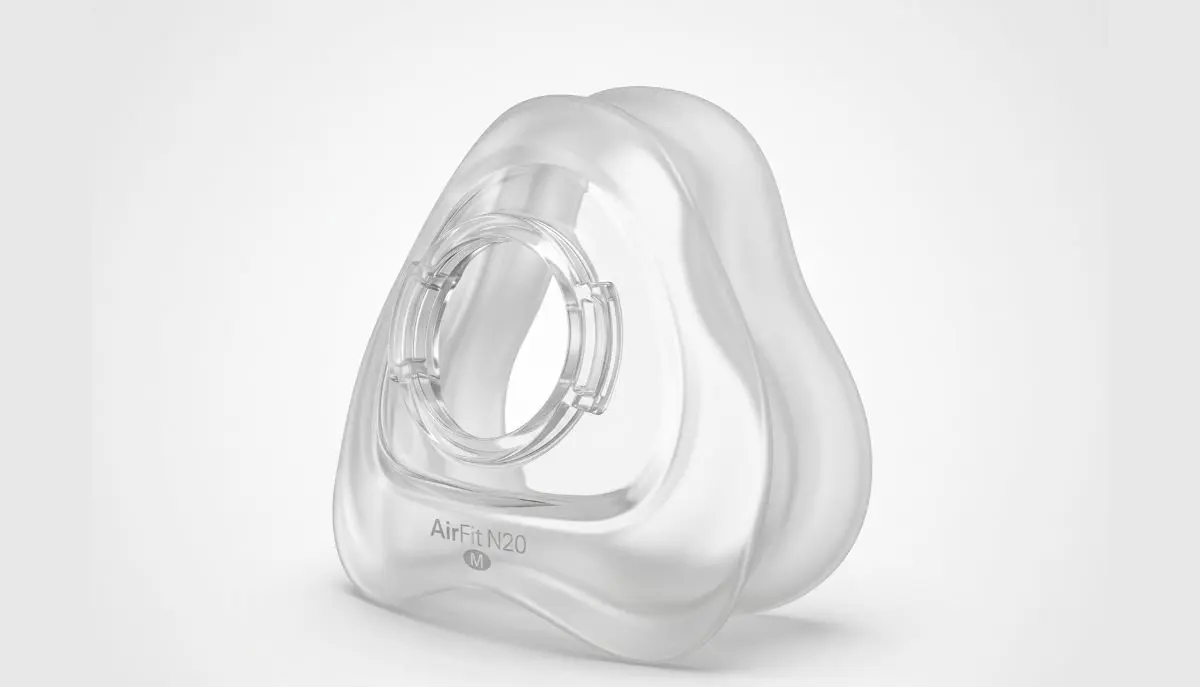
ResMed AirFit N20 is a mask used for sleep apnea therapy that is fitted over the nose and provides pressurized air through the nose. The soft silicone piece on which your face rests and makes contact with the skin is called the cushion.
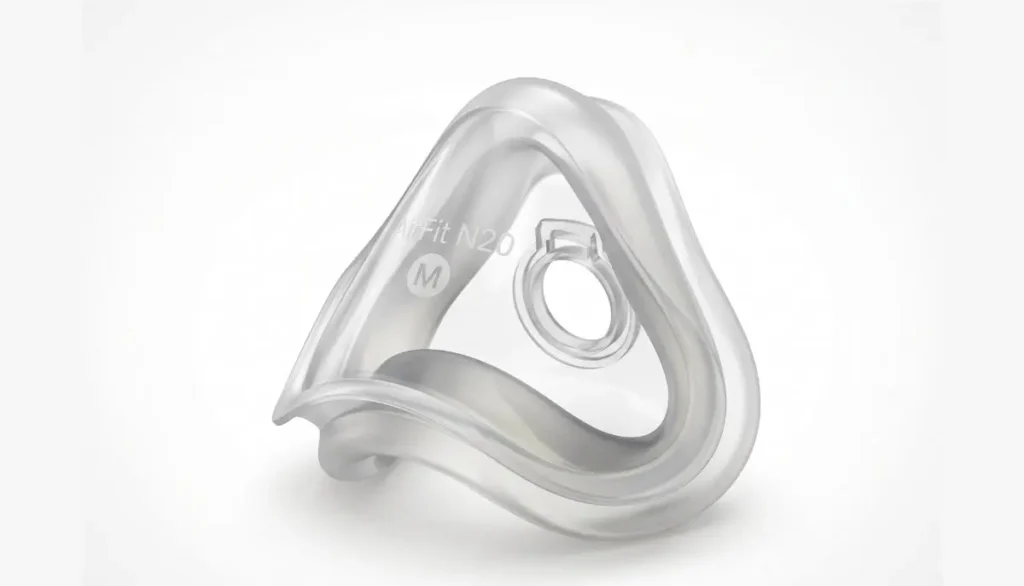
When a cushion is fitted properly, it will help to prevent air loss and help to keep you comfortable while you are sleeping. Facial oils, moisture, habitual use and cleaning over time can cause the cushion to become damaged.
Knowing how frequently to change AirFit N20 cushion may assist you to keep a trustworthy mask seal and not wait until a difficulty interrupts your sleep.
How Often to Replace AirFit N20 Cushion?
The guideline is to change your ResMed AirFit N20 cushion at least monthly, or sooner if the cushion is damaged or no longer seals.
The AirFit N20 cushion is recommended for replacement monthly by ResMed. You’ll have to determine your replacement situation, though, depending on the cushion’s state, your cleaning protocol, and the replacement policy of your insurance company.
Here is a simple guide:
- Every month: Plan for a routine cushion replacement.
- Before one month: Replace it if the silicone becomes cracked, torn, stiff, or visibly deteriorated.
- When air leaks continue: Inspect the cushion and mask fit. Replace the cushion if it is worn or damaged.
- When discomfort develops: Check for changes in the cushion that may contribute to pressure marks or skin irritation.
Knowing how often to replace AirFit N20 cushion is important, but the calendar is not the only thing to consider. Always inspect the cushion and follow the manufacturer’s instructions.
7 Signs Your AirFit N20 Cushion Needs Replacement
A cushion may appear good at first inspection but may, over time, lose its ability to provide a good seal. You can use these warning signs to determine when it’s time to replace it.
1. Air Leaks Around Your Nose
One of the most frequent indications is that air leaks around the edges of your mask. A hissing noise or whiff of air can be heard or felt towards the eyes.
First, adjust the headgear and re-position the mask. Even if the cushion looks in good condition, movement of the face can lead to leaks.
If leaks persist after correct positioning and adjustment, check the cushion for damage or loss of shape. If the cushion is worn, it may need to be replaced.
2. The Silicone Looks Cracked or Torn
Examine the cushion under good lighting. Search for signs of cracking, tears, splits and damage.
A defect, no matter how small, can impact the cushion’s fit against your body. Don’t stick on or tape a broken cushion or try to repair it with glue or other materials.
3. The Cushion Feels Stiff
The new cushion should be loose and comfortable. After multiple uses the silicone can wear out or become less soft.
If your cushion starts to feel very hard, out of shape, or hard to position, it may be time to get a new cushion.
4. You Notice Skin Irritation
Redness, soreness, or discomfort around your nose may indicate that your mask needs attention. Facial oils, residue, excessive strap tension, and an incorrect fit can all contribute to irritation.
Clean the cushion daily and check that the mask is not too tight. If the irritation continues, inspect the cushion and consult your healthcare provider or equipment supplier.
Persistent skin problems should not automatically be blamed on an old cushion.
5. The Cushion Has Changed Color
If the cushion is discolored, it means that the cushion is getting older or the padding has collected dirt on the surface.
Follow the manufacturer’s directions for cushion cleaning. Replace if discolored and stiff, damaged, or showing other signs of deterioration.
6. Cleaning No Longer Restores Its Condition
Washing on a regular basis removes oils, residues, but will not stop material deterioration.
If it still doesn’t feel right or is still dirty, or if the cushion no longer fits after it has been thoroughly cleaned, it may be time to replace it.
7. Your Cushion Has Passed Its Monthly Replacement Date
Even if you think you can use your cushion, ResMed recommends changing it once a month. It’s easier to monitor the date so you don’t end up using a cushion for an extended period of time because it hasn’t failed yet.
One good way to do this is to record your CPAP date on your CPAP supply calendar, and then think ahead for your next CPAP change.
Why Is Regular AirFit N20 Cushion Replacement Important?
Replacing your cushion on schedule can support a more comfortable and consistent CPAP routine.
Better mask seal: A cushion in good condition is more likely to seal properly when correctly fitted.
Improved comfort: A deteriorated cushion may feel less comfortable against your skin.
Reduced irritation from residue: Regular cleaning and timely replacement help you manage the buildup of facial oils and dirt.
Fewer interruptions: Checking your supplies before they wear out can reduce the chance of discovering a damaged cushion just before bedtime.
More dependable equipment care: Regular replacement is one part of maintaining your CPAP mask and following your prescribed therapy.
Remember that replacing a cushion alone does not guarantee effective therapy. Mask fit, machine settings, tubing condition, and other factors can also affect your results.
How to Clean Your AirFit N20 Cushion Properly
Cleaning your cushion every day can help keep it in good condition between replacements. ResMed recommends daily cleaning for the AirFit N20 cushion.
Follow these general steps:
- Turn off and unplug your CPAP machine before disconnecting the equipment.
- Remove the cushion from the mask frame according to the user guide.
- Wash it using warm water and a mild liquid detergent.
- Gently clean the surface to remove facial oils and residue.
- Rinse thoroughly with clean water to remove all soap.
- Place the cushion on a clean towel and allow it to air-dry away from direct sunlight.
- Inspect it before reassembling the mask.
Avoid harsh chemicals, cleaning products that may damage the silicone, and methods that are not approved by the manufacturer. Do not use a washing machine or dryer on your mask components.
Proper cleaning helps maintain the cushion, but it does not eliminate the need for regular replacement.
AirFit N20 Cushion vs. AirTouch N20 Cushion
The AirFit N20 and AirTouch N20 are related ResMed nasal mask products, but their cushions are different.
The AirFit N20 uses a silicone cushion. The AirTouch N20 uses a memory foam cushion and has different care requirements.
| Feature | AirFit N20 | AirTouch N20 |
| Cushion material | Silicone | Memory foam |
| General replacement guidance | Approximately monthly | Approximately monthly |
| Cleaning | Wash daily as directed | Follow its specific care instructions |
| Water exposure | Wash and rinse as instructed | Do not submerge the foam cushion |
| Replacement timing | Replace sooner if damaged | Replace sooner if damaged or deteriorated |
Do not assume that the two cushions are interchangeable. Check your exact mask model before purchasing replacement parts.
How to Choose the Correct AirFit N20 Replacement Cushion
Choosing the correct replacement is just as important as knowing how often to replace AirFit N20 cushion.
Before ordering, check the following:
1. Confirm the mask model. Make sure you use the ResMed AirFit N20, not the AirTouch N20 or another nasal mask.
2. Check the cushion size. Replacement cushions may be available in different sizes. Match the size to your current cushion and mask requirements.
3. Inspect the product description. Confirm that the item is a replacement cushion rather than a complete mask system.
4. Buy from a reliable medical supply provider. A reputable supplier can help you identify the appropriate replacement component.
If you are unsure which cushion fits your mask, contact your equipment supplier or healthcare provider for assistance.
How to Make Your CPAP Cushion Last Longer
You should not extend the recommended replacement schedule just to save money, but good care can help prevent unnecessary damage.
- Clean the cushion daily using the recommended method.
- Allow it to dry completely before using it again.
- Keep it away from direct sunlight when drying or storing it.
- Avoid harsh chemicals and unapproved cleaning devices.
- Handle the silicone gently when removing or attaching it.
- Avoid pulling the mask excessively tight to compensate for leaks.
- Check the cushion regularly for wear and tear.
- Keep a spare replacement cushion available if practical.
If you experience repeated leaks with a new cushion, check the fit and sizing instead of continually tightening the headgear.
How Often Should You Replace Other AirFit N20 Parts?
The cushion is only one component of your CPAP mask. Other parts also require inspection and replacement.
ResMed’s general replacement guidance provides the following schedule:
| CPAP component | General replacement schedule |
| AirFit N20 cushion | Every month |
| Mask frame system | Every 3 months |
| Headgear | Every 6 months |
These are general guidelines, not a guarantee that every part will last that long. Replace damaged components sooner and check your insurance policy, supplier instructions, and the manufacturer’s recommendations.
Can Insurance Cover AirFit N20 Cushion Replacements?
Your health insurance may cover replacement CPAP supplies, but coverage depends on your plan, eligibility, documentation, and supplier requirements.
Before ordering, contact your insurance provider or medical equipment supplier to confirm:
- Whether your plan covers replacement cushions.
- How frequently you can receive a new cushion.
- Whether a prescription or other documentation is required.
- Whether your supplier participates in your insurance network.
- Whether any copayment or out-of-pocket cost applies.
Do not assume that an insurance replacement schedule is the same as the manufacturer’s recommended maintenance schedule.
Where Can You Find AirFit N20 Replacement Supplies?
If your cushion is worn or approaching its monthly replacement date, planning ahead can help you maintain your regular CPAP routine.
Alfa Healthcare Supply Inc. provides medical supply information and supports customers looking for appropriate healthcare equipment and replacement supplies.
Visit the Alfa Healthcare Supply Inc. website to explore available products or contact the supplier for assistance with finding the correct CPAP replacement part.
Before purchasing, confirm the mask model, cushion size, product availability, and any applicable prescription or insurance requirements.
Final Thoughts
Knowing how often to replace AirFit N20 cushion can make CPAP maintenance easier and help you avoid unnecessary discomfort during sleep. ResMed recommends replacing the silicone cushion approximately once a month, with earlier replacement if it becomes damaged or deteriorates.
Make daily cleaning and regular inspection part of your routine. Keep track of replacement dates, confirm the correct cushion size, and ask your healthcare provider or supplier for help if leaks or discomfort continue.
For CPAP supply information and replacement options, visit Alfa Healthcare Supply Inc. at https://alfahealthcaresupplyinc.com/ and check that the product matches your exact mask model.
Frequently Asked Questions
1. How often to replace AirFit N20 cushion if I use CPAP every night?
ResMed recommends replacing the AirFit N20 cushion every month. Daily use can contribute to wear, so inspect it regularly and replace it earlier if it becomes damaged.
2. Can I use my AirFit N20 cushion for two or three months?
Although a cushion may appear usable for longer, the manufacturer’s general recommendation is monthly replacement. Follow that guidance and replace the cushion sooner if you notice damage or deterioration.
3. What happens if I do not replace my CPAP cushion?
A worn cushion may provide a poorer seal, allow air to leak, or become less comfortable. These problems can interfere with your mask fit and sleep routine.
4. Can I wash my AirFit N20 cushion every day?
Yes. ResMed recommends daily cleaning using warm water and mild liquid detergent. Rinse thoroughly and allow the cushion to dry away from direct sunlight.
5. How do I know if my AirFit N20 cushion is too old?
Look for cracks, tears, stiffness, discoloration, persistent residue, or repeated leaks despite proper fitting. A cushion that has reached its monthly replacement date should also be considered for replacement.
6. Does replacing the cushion fix every air leak?
No. Air leaks may result from incorrect sizing, loose or overly tight headgear, sleeping position, facial changes, or other mask problems. Check the fit first and seek help if leaks continue.
7. Is the AirFit N20 cushion the same as the AirTouch N20 cushion?
No. The AirFit N20 uses a silicone cushion, while the AirTouch N20 uses a memory foam cushion. Check your mask model carefully before ordering.
8. Can I replace the AirFit N20 cushion without buying a new mask?
Yes. The cushion is available as a separate replacement component. You generally do not need to purchase a complete mask system if the other components remain in good condition and are compatible.
Medical information note: This article provides general equipment-care information and does not replace your CPAP manufacturer’s instructions or advice from your healthcare provider.