


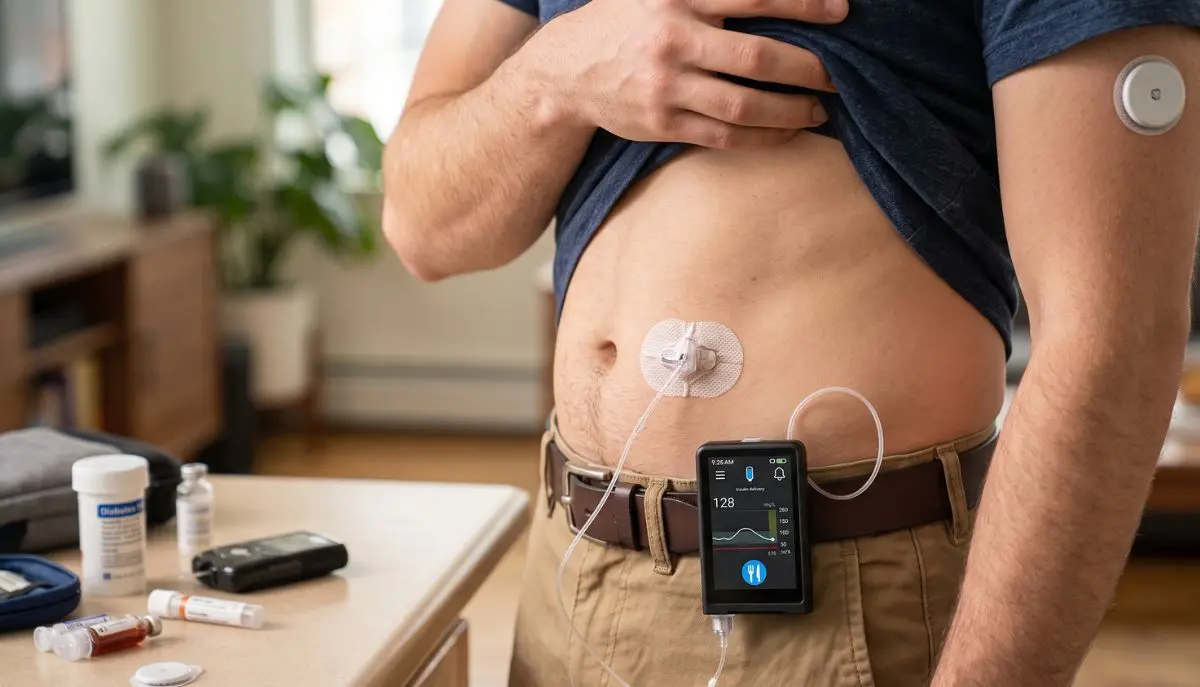
If you are searching for ilet bionic pancreas reviews, you are probably looking for something more useful than a simple star rating. An insulin pump can become part of everyday life, so it is natural to want to know how the device works, what real users like about it, what they find difficult, and whether it may fit their diabetes management routine.
The iLet Bionic Pancreas is an automated insulin delivery system developed by Beta Bionics. Unlike a traditional insulin pump that may require users to enter detailed carbohydrate information and adjust several settings, the iLet is designed to simplify insulin dosing. The system uses an algorithm to make insulin-delivery decisions based on continuous glucose monitoring information and meal announcements.
The U.S. Food and Drug Administration cleared the iLet ACE Pump and iLet Dosing Decision Software in 2023 for people 6 years of age and older with type 1 diabetes, when used with a compatible integrated continuous glucose monitor (iCGM).
However, there is an important point that should not be overlooked when reading ilet bionic pancreas reviews: experiences can be very different from one person to another. Clinical studies provide useful evidence, while individual reviews can reveal everyday advantages and frustrations that may not appear in a clinical trial.
There are also important recent safety developments involving the manufacturer that patients and healthcare professionals should discuss before choosing the system. The FDA issued a warning letter to Beta Bionics in January 2026 concerning deficiencies identified during an inspection, including complaint handling and risk-management issues involving reported device problems.
This article explains both sides so readers can make a more informed decision with their healthcare team.
The iLet Bionic Pancreas is an automated insulin delivery system intended to help manage blood glucose in people with type 1 diabetes.
The system combines:
The major idea behind the iLet is to reduce some of the daily decision-making involved in insulin dosing.
The FDA describes the iLet system as using an algorithm to determine and command insulin delivery based on information from a compatible CGM.
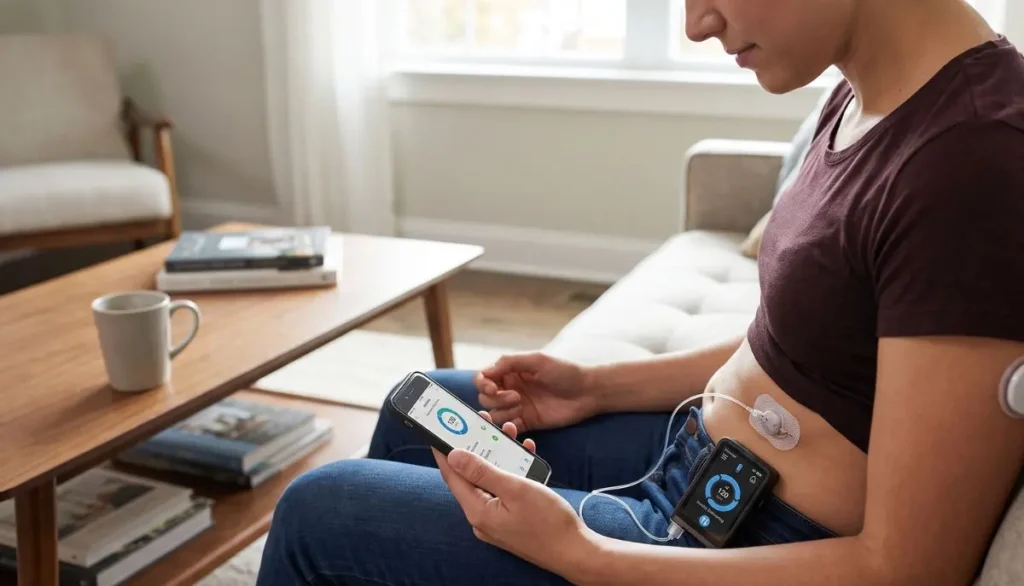
That approach is different from conventional pump therapy, where a person may need to manage multiple settings, calculate carbohydrates, determine correction doses, and make other dosing decisions.
The iLet is designed to automate much of this process.
That does not mean the person disappears from diabetes management. Users still need to monitor their diabetes, respond to alerts, announce meals as instructed, maintain the pump and infusion set, keep appropriate backup supplies available, and follow their healthcare provider’s recommendations.
Choosing an insulin pump is a personal decision.
People commonly search for ilet bionic pancreas reviews because they want answers to practical questions such as:
These are reasonable questions.
A good review should not simply say that a medical device is “good” or “bad.” Instead, it should explain the evidence, recognize limitations, and remind readers that diabetes technology should be selected with an appropriate healthcare professional.
One of the most frequently discussed benefits of the iLet is its simplified approach to insulin dosing.
Traditional diabetes management can involve significant mental effort.
A person may need to estimate carbohydrates, calculate an insulin-to-carbohydrate ratio, consider current glucose, think about recent insulin, and decide whether a correction is necessary.
The iLet takes a different approach.
Instead of requiring detailed carbohydrate counting for every meal, the user announces a meal and provides an indication of its size relative to their usual meals.
For some people, this can make diabetes management feel less complicated.
Real-world discussions show that some users appreciate this simplified meal-announcement system, particularly people who find detailed carbohydrate counting difficult or exhausting.
At the same time, other experienced pump users report that they miss having more control over the exact amount of insulin delivered for meals. This is one of the most important differences to consider.
The iLet is designed to continuously make insulin-delivery decisions using CGM information.
For someone who spends a lot of time thinking about glucose corrections, automated adjustments may reduce some of that burden.
Clinical evidence is important here.
In a pivotal randomized trial, researchers studied the iLet system in adults and children with type 1 diabetes. Beta Bionics reports that the study included 440 participants at 16 diabetes centers and lasted 13 weeks.
The company’s published results reported improvements in time in range and HbA1c compared with standard care in the study population. Individual results, however, can vary considerably.
That distinction matters.
A clinical trial average is not a promise about what one individual will experience.
Living with diabetes can involve hundreds of small decisions.
What should I eat?
Should I give insulin now?
Do I need a correction?
Why is my glucose rising?
Should I change my pump settings?
For some people, automated insulin delivery can reduce some of these decisions.
This is one reason the iLet concept is attractive to people who experience diabetes management fatigue.
Online user experiences are mixed, but there are also positive reports.
Some users describe improved time in range and less mental effort after becoming accustomed to the system.
For example, recent community discussions include users reporting substantial improvements in glucose control and satisfaction after an initial learning period.
These reports are useful for understanding everyday experiences, but they should not be treated as clinical evidence. Individual experiences may be affected by diabetes history, insulin needs, diet, activity, CGM performance, infusion-site management, and many other factors.
A balanced review also needs to discuss the disadvantages.
This is perhaps one of the biggest issues for experienced insulin-pump users.
The iLet is intentionally designed to automate dosing.
That can be an advantage for someone who wants simplicity.
But it can also be frustrating for someone who prefers to control every insulin calculation.
Some users report difficulty adjusting to the iLet because they cannot manage insulin dosing in exactly the same way they did with another pump.
This creates an important question:
Do you want more automation, or do you want more manual control?
Neither answer is automatically better.
It depends on the person.
The simplified meal system may sound easy, but “easy” does not always mean “instant.”
People who have spent years counting carbohydrates may initially find it strange to stop entering detailed carbohydrate amounts.
Some users report a learning curve while the system adapts to their insulin needs and eating patterns.
That means expectations should be realistic.
The first few days or weeks may not necessarily represent the long-term experience.
The iLet uses an infusion set, meaning tubing is part of the system.
For some users, tubing is not a major problem.
For others, it can get caught on clothing, furniture, door handles, or other objects.
The National Institute of Diabetes and Digestive and Kidney Diseases has also highlighted that tubing can be one of the disadvantages some people experience with bionic-pancreas technology.
If you strongly prefer a tubeless system, this is something to discuss with your diabetes care team before making a decision.
An automated pump still depends on physical insulin delivery.
A problem with an infusion set, cannula, connector, cartridge, or pump can interfere with insulin delivery.
This is why users need to understand troubleshooting instructions and maintain appropriate backup insulin supplies.
Recent FDA information is especially important here.
In its January 2026 warning letter to Beta Bionics, the FDA described deficiencies related to complaint investigations and identified reports involving issues such as cartridge or connector leaks, infusion-set failures, and other device problems.
The FDA letter also described reports involving motor failures and other problems.
This does not mean every iLet device will experience these problems. It does mean that consumers should not ignore recent regulatory information when evaluating the system.
Anyone researching ilet bionic pancreas reviews today should look beyond older reviews.
In January 2026, the FDA issued a warning letter to Beta Bionics following an inspection of the company’s Irvine facility.
The FDA identified concerns involving the company’s handling and investigation of complaints, risk-management processes, and reported device issues. The letter described complaints involving faulty motors, insulin delivery problems, cartridge and connector leaks, infusion-set failures, and other reported events.
The FDA’s letter is not the same thing as saying that the iLet system has been universally recalled or that every user will experience a problem.
Patients should therefore avoid interpreting the warning letter in an overly broad way.
Instead, it is a reason to:
The FDA’s public safety information should always take priority over an anonymous online review.
The FDA’s MAUDE database contains individual medical-device adverse-event reports.
For example, a 2026 report involving an iLet system described repeated motor-stall alerts associated with failure to infuse and hyperglycemia; the report stated that the patient used insulin by pen as backup therapy.
Another report described hyperglycemia associated with concerns about insulin delivery, although the precise cause was unclear.
These reports are important, but they must be interpreted correctly.
A medical-device report does not automatically establish that the device caused the reported medical outcome in every case. The FDA database contains reports submitted for investigation and surveillance.
That is why consumers should consider these reports as part of the overall safety picture rather than treating every report as proof of a specific cause.
“Easy” is subjective.
For a person who dislikes carbohydrate calculations and wants more automation, the iLet may feel simpler.
For someone who enjoys controlling pump settings and calculating doses, the same system may feel restrictive.
This is an important lesson from ilet bionic pancreas reviews.
The best insulin pump is not necessarily the pump with the most automation.
It is the pump that fits the person’s medical needs, lifestyle, preferences, insulin requirements, technology comfort level, and ability to safely use the system.
The iLet may be appealing to people who:
The system is indicated for people with type 1 diabetes age 6 and older, for home use, with a compatible iCGM and prescription.
The iLet may not be the ideal choice for someone who strongly prefers:
Compatibility and insulin requirements should be discussed with a healthcare provider before changing therapy.
A traditional insulin pump can offer considerable customization.
Users may have different basal rates, carbohydrate ratios, correction factors, and other settings.
The iLet takes a different approach by trying to simplify insulin management through automated dosing.
A traditional pump may require the user to:
The iLet is designed to:
Neither approach is automatically superior.
The right choice depends on the individual’s diabetes management needs.
User reviews can tell us what daily life feels like, but clinical studies provide another type of evidence.
The pivotal iLet study included 440 participants and evaluated automated insulin delivery over 13 weeks. Beta Bionics reports that participants were treated at 16 diabetes centers.
The published evidence found improvements in important glucose measures compared with standard care in the studied population.
However, people should remember three things:
First, clinical trials measure groups.
A positive average result does not guarantee the same result for every patient.
Second, technology does not replace diabetes care.
Users still need medical support, monitoring, supplies, education, and backup plans.
Third, newer safety information matters.
Older clinical-trial results should be considered alongside current post-market safety information.
Online reviews show a wide range of experiences.
Some users describe the iLet as a major improvement in their diabetes routine. They appreciate not having to calculate every carbohydrate amount and report less mental effort.
Other users report significant frustration with glucose control, limited manual correction options, or the transition from a highly customizable pump.
This difference is exactly why people should be careful when reading online reviews.
One person’s “life-changing” experience can coexist with another person’s “not for me” experience.
Both can be genuine.
Diabetes is highly individual.
Before choosing the iLet, consider asking:
The current FDA indication is important, and your healthcare provider can determine whether it fits your situation.
The iLet requires a compatible iCGM.
Ask your healthcare professional which insulin products and concentrations are appropriate for the specific system.
Have a clear troubleshooting plan.
You should know how to transition to your backup insulin plan if necessary.
Ask about backup infusion sets, insulin, glucose-monitoring supplies, batteries or charging needs, and other recommended supplies.
Your healthcare team can help you evaluate time in range, glucose patterns, hypoglycemia, hyperglycemia, A1C, and other appropriate measures.
There is no universal yes or no answer.
For some people, the iLet’s simplified automated approach may be very attractive.
For others, the limited manual control may be frustrating.
The clinical evidence supports the potential benefits of automated insulin delivery, while user experiences demonstrate that the day-to-day experience varies.
And because there are current regulatory safety concerns involving the manufacturer, people considering the device should review the latest safety information rather than relying only on older positive reviews.
The most reasonable conclusion is:
The iLet Bionic Pancreas may be a useful option for some people with type 1 diabetes, but it is not automatically the right insulin pump for everyone.
When managing diabetes, having reliable access to supplies matters.
Alfa Healthcare Supply Inc. is a medical supply company serving patients and caregivers with a range of diabetes and home medical supplies.
Before ordering an insulin pump or related prescription device, patients should confirm prescription requirements, product compatibility, insurance coverage, and availability.
For prescription medical devices such as the iLet, federal law and manufacturer requirements may restrict sales to or on the order of a physician. Beta Bionics states that the iLet Bionic Pancreas is a prescription device.
A medical supplier can help with product and supply questions, but decisions about insulin therapy should remain with the patient’s qualified healthcare team.
Searching for ilet bionic pancreas reviews is a smart first step when you are considering diabetes technology, but reviews should be read with an open mind.
The iLet has an interesting goal: make insulin management more automated and reduce some of the daily calculations that can make diabetes exhausting.
Clinical research supports the potential benefits of the technology, and many users report positive experiences. At the same time, other users describe a learning curve, frustration with reduced manual control, tubing concerns, or difficulties with glucose management.
Most importantly, current safety information should be part of any modern review. The FDA’s January 2026 warning letter concerning Beta Bionics identified issues involving complaint handling and risk management, including reports of device and infusion-related problems.
That does not mean the iLet is unsuitable for every patient. It means consumers should make an informed decision based on clinical evidence, current safety information, personal diabetes needs, and professional medical advice.
For someone who wants less manual calculation and is comfortable with an automated approach, the iLet may be worth discussing with a diabetes specialist.
For someone who wants extensive manual control or a tubeless design, another system may be a better fit.
The best choice is the one that can be used safely, consistently, and comfortably as part of an individual’s overall diabetes care plan.
The iLet can be a useful automated insulin delivery option for appropriate patients with type 1 diabetes. Clinical studies have demonstrated improvements in glucose measures, but individual results vary.
One of the main features of the iLet is its simplified meal-announcement approach, which reduces the need for traditional detailed carbohydrate counting.
However, users still need to understand how to announce meals correctly and follow their healthcare team’s instructions.
The iLet is designed to automatically adjust insulin delivery using its dosing algorithm and information from a compatible CGM.
The FDA cleared the iLet system for people 6 years of age and older with type 1 diabetes, subject to the device’s approved use requirements.
It is commonly described as a bionic or artificial-pancreas-type system because it combines automated insulin delivery with continuous glucose monitoring.
However, it does not reproduce every function of a biological pancreas.
Potential disadvantages include tubing, the learning curve, less manual control over dosing compared with some traditional pumps, dependence on compatible CGM technology, and the need to manage infusion supplies.
Current FDA regulatory information also makes it important for prospective users to understand reported device and complaint-management concerns.
No.
User experiences are mixed. Some report excellent results, while others report problems with glucose control or dislike the limited manual control.
No.
Online reviews can help you prepare questions, but an insulin pump is a medical device. Discuss your individual circumstances with your endocrinologist or diabetes care team.
Follow the manufacturer’s troubleshooting instructions and your healthcare provider’s backup plan. If you have unexplained high glucose or symptoms suggesting a serious problem, seek appropriate medical assistance promptly.
Do not assume that an automated pump is working simply because the screen appears normal.
Medical Disclaimer: This article is for general educational and informational purposes only. It is not medical advice and does not replace guidance from a physician, endocrinologist, diabetes educator, or other qualified healthcare professional. Do not change insulin doses or discontinue diabetes treatment based solely on this article or online reviews. Always follow the current prescribing information and manufacturer safety instructions for your device.