


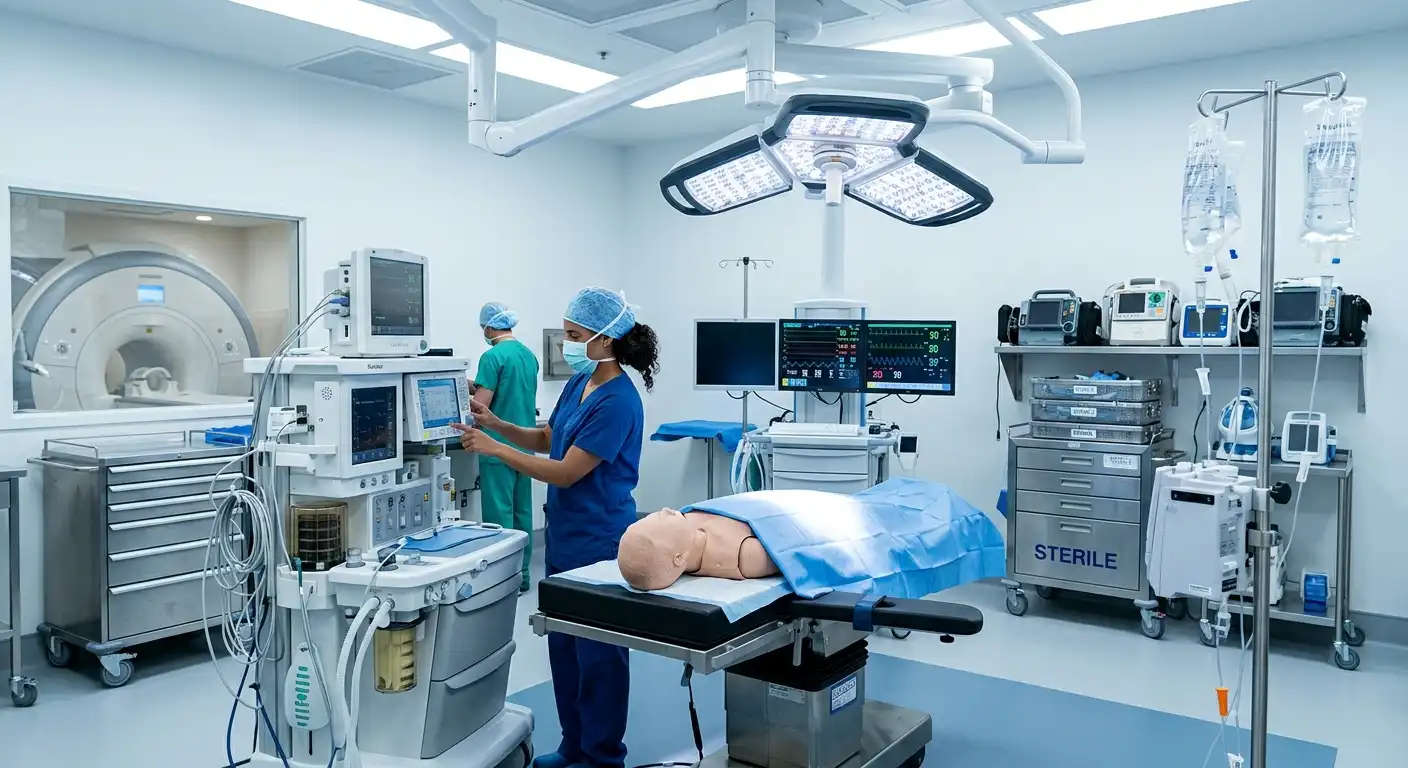
Healthcare has evolved rapidly over the past decade, but one thing remains constant: having access to the right medical equipment can significantly improve patient outcomes. Whether you’re caring for someone at home, managing a healthcare facility, or recovering after surgery, reliable medical equipment makes treatment safer, faster, and more comfortable.
If you’ve ever wondered what are the most needed medical equipments, the answer depends on the patient’s condition, but several essential devices are consistently used across hospitals, clinics, rehabilitation centers, nursing homes, and home healthcare settings.
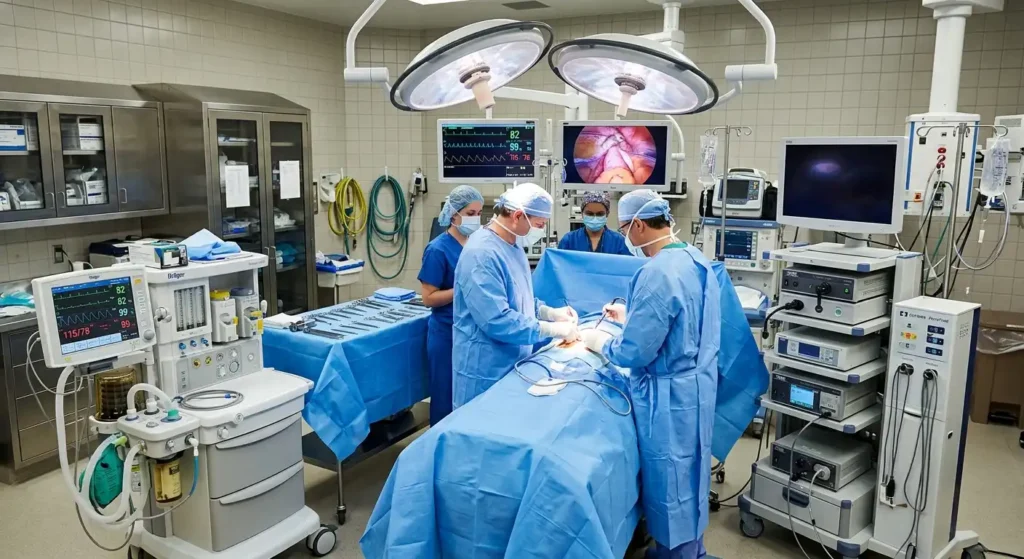
At Alfa Healthcare Supply Inc., healthcare professionals, caregivers, and patients can access a comprehensive range of durable medical equipment (DME) designed to improve comfort, mobility, independence, and overall quality of life. The company serves patients throughout New York with quality equipment, knowledgeable support, insurance assistance for eligible products, and dependable service.
Why Medical Equipment Is More Important Than Ever
Modern healthcare extends well beyond hospitals. More people are choosing to recover at home, manage ongoing health conditions, and receive long-term care in the comfort of their own homes rather than in traditional medical settings.
Having dependable medical equipment helps:
- Improve patient safety
- Reduce unnecessary hospital visits
- Support faster recovery
- Enhance mobility and independence
- Help caregivers provide better assistance
- Monitor health conditions more effectively
The right equipment isn’t simply convenient—it often becomes an essential part of everyday life.
What Are the Most Needed Medical Equipments?
Below are some of the most commonly used medical devices in healthcare today.
1. Wheelchairs
Wheelchairs remain among the most important mobility devices worldwide.
They help individuals who experience:
- Temporary injuries
- Permanent disabilities
- Post-surgical recovery
- Limited walking ability
- Advanced age-related mobility issues
Modern wheelchairs prioritize comfort, durability, ease of maneuverability, and long-term reliability.
Benefits include:
- Increased independence
- Reduced fall risk
- Easier transportation
- Better quality of life
2. Walkers and Rollators
Walkers provide stability for individuals who can still walk but require additional balance support.
They’re commonly recommended for:
- Seniors
- Hip replacement recovery
- Knee surgery rehabilitation
- Neurological disorders
- Arthritis patients
Rollators add wheels, brakes, and seating for greater convenience during longer walks.
3. Hospital Beds
Hospital beds have become increasingly common in home healthcare.
Unlike traditional beds, they allow adjustments that improve:
- Patient comfort
- Caregiver access
- Pressure relief
- Breathing position
- Circulation
They are particularly valuable for patients with chronic illnesses or limited mobility.
4. Blood Pressure Monitors
High blood pressure often develops without noticeable symptoms.
Digital blood pressure monitors allow patients to:
- Monitor hypertension
- Track medication effectiveness
- Share readings with physicians
- Detect concerning changes early
Home monitoring encourages better long-term cardiovascular management.
5. Blood Glucose Monitoring Devices
Millions of people rely on blood glucose monitoring every day.
These devices help individuals living with diabetes:
- Check blood sugar levels
- Adjust insulin safely
- Monitor treatment progress
- Prevent complications
Modern glucose monitoring systems offer greater accuracy, faster results, and easier daily management.
6. Continuous Glucose Monitors (CGMs)
Continuous Glucose Monitors represent one of the biggest advancements in diabetes care.
Unlike traditional finger-stick testing, CGMs provide:
- Real-time glucose readings
- Trend analysis
- High and low glucose alerts
- Better long-term diabetes management
These systems have become increasingly popular among patients and healthcare providers.
7. CPAP Machines
Patients with sleep apnea depend on CPAP machines to maintain healthy breathing during sleep.
Benefits include:
- Better sleep quality
- Improved oxygen levels
- Reduced daytime fatigue
- Lower cardiovascular risks
Reliable respiratory equipment plays a critical role in ongoing health management.
8. Nebulizers
Nebulizers convert liquid medication into a breathable mist.
They’re frequently prescribed for patients with:
- Asthma
- COPD
- Chronic bronchitis
- Respiratory infections
These devices make medication delivery easier, especially for children and older adults.
9. Oxygen Concentrators
Oxygen therapy supports individuals experiencing reduced oxygen levels.
Oxygen concentrators are commonly used by patients with:
- COPD
- Pulmonary fibrosis
- Severe respiratory illness
- Chronic lung disease
Portable models provide users the freedom to be active while receiving continuous oxygen.
10. Orthopedic Braces and Supports
Braces stabilize injured joints while reducing pain and promoting healing.
Common orthopedic products include:
- Knee braces
- Back supports
- Wrist braces
- Shoulder supports
- Ankle braces
- Elbow supports
These products are widely used after injuries, surgeries, and for chronic musculoskeletal conditions.
11. Compression Therapy Products
Compression stockings improve blood circulation while reducing swelling.
Healthcare providers often recommend them for:
- Varicose veins
- Chronic venous insufficiency
- Post-surgical recovery
- Pregnancy-related swelling
- Deep vein thrombosis prevention
12. Incontinence Care Supplies
Millions of adults require reliable incontinence products that provide dignity and comfort.
Essential supplies include:
- Adult briefs
- Protective pads
- Underpads
- Skin care products
High-quality products improve hygiene while reducing skin complications.
13. Patient Transfer Equipment
Moving patients safely protects both caregivers and patients.
Frequently used equipment includes:
- Transfer chairs
- Patient lifts
- Transfer boards
- Gait belts
These products reduce injury risk during movement.
14. Therapeutic Footwear
Specialized medical shoes are especially important for diabetic patients.
Proper footwear helps:
- Prevent foot ulcers
- Improve balance
- Reduce pressure points
- Support healthy circulation
Comfortable footwear can significantly reduce complications for individuals living with diabetes.
15. Home Safety Equipment
Simple home modifications often prevent serious injuries.
Popular safety equipment includes:
- Grab bars
- Bed rails
- Over-bed tables
- Shower chairs
- Raised toilet seats
These products help patients remain independent while reducing fall risks.
Medical Equipment Used Every Day in Healthcare Facilities
Healthcare facilities depend on a wide range of medical equipment to deliver safe, efficient, and high-quality patient care. From routine checkups to emergency treatment and long-term rehabilitation, medical professionals rely on dependable equipment every day. Choosing reliable devices not only improves clinical outcomes but also enhances patient comfort and supports healthcare teams in providing timely care.
Some of the most commonly used medical equipment in hospitals, clinics, outpatient centers, nursing homes, and home healthcare settings includes:
Patient Monitoring Equipment
Patient monitoring devices help healthcare providers track vital signs and quickly identify changes in a patient’s condition. Common examples include blood pressure monitors, pulse oximeters, thermometers, and heart rate monitors. Continuous monitoring enables faster medical intervention when needed.
Mobility and Rehabilitation Equipment
Mobility aids are essential for patients recovering from surgery, managing chronic conditions, or living with physical disabilities. Wheelchairs, walkers, rollators, crutches, canes, and patient transfer equipment help individuals move safely while reducing the risk of falls and injuries.
Respiratory Care Equipment
Respiratory devices support patients experiencing breathing difficulties due to conditions such as asthma, COPD, sleep apnea, or other lung disorders. Frequently used equipment includes CPAP machines, oxygen concentrators, nebulizers, oxygen accessories, and respiratory therapy supplies.
Diabetes Management Equipment
With diabetes affecting millions of people, healthcare providers regularly use blood glucose meters, continuous glucose monitors (CGMs), lancets, testing supplies, and diabetic footwear to help patients manage blood sugar levels and reduce the risk of complications.
Hospital Room Equipment
Every patient room is equipped with essential medical equipment designed to improve comfort and assist healthcare professionals during treatment. Hospital beds, over-bed tables, bedside commodes, patient lifts, grab bars, and pressure-relief cushions all contribute to safer and more effective patient care.
Orthopedic and Recovery Products
Patients recovering from injuries or surgery often require supportive medical devices to promote healing and mobility. Knee braces, back supports, ankle braces, wrist splints, shoulder supports, compression stockings, and rehabilitation accessories are commonly used across healthcare settings.
Personal Care and Daily Living Aids
Many healthcare facilities also provide products that help patients maintain independence during recovery. Shower chairs, raised toilet seats, bath safety equipment, dressing aids, and incontinence supplies improve comfort while supporting daily activities.
Diagnostic Equipment
Diagnostic tools enable healthcare professionals to assess a patient’s condition accurately and develop appropriate treatment plans. Common diagnostic equipment includes stethoscopes, digital thermometers, otoscopes, examination lights, pulse oximeters, and blood pressure monitoring systems.
Supporting Better Patient Care Every Day
Medical equipment plays a critical role in modern healthcare by improving safety, enhancing treatment efficiency, and supporting patient independence. Whether used in hospitals, physician offices, rehabilitation centers, or home healthcare environments, dependable equipment helps healthcare professionals deliver better outcomes while giving patients greater confidence throughout their recovery journey.
A trusted medical equipment supplier such as Alfa Healthcare Supply Inc. provides access to a comprehensive selection of durable medical equipment, mobility products, respiratory devices, diabetic supplies, orthopedic supports, and home healthcare solutions, helping patients and caregivers find the right equipment for their individual needs.
How to Choose the Right Medical Equipment
Selecting the right medical equipment is an important decision that can directly affect a patient’s safety, comfort, recovery, and overall quality of life. Whether you’re purchasing equipment for a hospital, clinic, long-term care facility, or home healthcare, it’s essential to choose products that meet both medical needs and quality standards. Reliable equipment not only performs better but also provides peace of mind for patients and caregivers alike.
Here are the key factors to consider when choosing medical equipment:
1. Understand the Patient’s Medical Needs
Every patient has unique healthcare requirements. Before selecting any medical equipment, consult a physician or healthcare professional to determine which products are appropriate for the patient’s condition, mobility level, and treatment plan. Choosing equipment based on professional recommendations helps ensure safety and effective care.
2. Prioritize Quality and Safety
Medical equipment should be manufactured using high-quality materials and comply with recognized safety standards. Durable, well-designed products are less likely to fail and provide reliable performance over time. Investing in quality equipment also helps reduce maintenance costs and improves patient confidence.
3. Look for Ease of Use
Equipment should be simple to operate for both patients and caregivers. Features such as easy-to-read displays, adjustable settings, ergonomic designs, and straightforward instructions make daily use more convenient and reduce the risk of user error.
4. Consider Comfort and Accessibility
Comfort is especially important for patients who rely on medical equipment for extended periods. Adjustable hospital beds, lightweight wheelchairs, ergonomic walkers, and properly fitted orthopedic supports can significantly improve daily comfort while encouraging greater independence.
5. Verify Insurance Coverage
Many durable medical equipment (DME) products may be eligible for insurance reimbursement when prescribed by a qualified healthcare provider. Before making a purchase, check with your insurance provider to understand coverage requirements, documentation, and any out-of-pocket costs.
6. Evaluate Product Availability and Replacement Parts
Choose equipment from suppliers that offer readily available replacement parts, accessories, and ongoing product support. This helps minimize downtime if repairs or maintenance become necessary and extends the life of your investment.
7. Choose a Trusted Medical Equipment Supplier
Working with an experienced and reputable supplier ensures access to genuine products, knowledgeable guidance, and dependable customer service. A trusted supplier can help you compare options, answer product questions, assist with insurance documentation when applicable, and recommend solutions that best fit your healthcare needs.
8. Consider Long-Term Value
While price is an important factor, the least expensive option is not always the best choice. Evaluate the product’s durability, warranty, manufacturer reputation, maintenance requirements, and expected lifespan. High-quality equipment often delivers better value through reliable performance and fewer replacement costs.
Why Healthcare Providers Trust Alfa Healthcare Supply Inc.
Choosing a medical equipment supplier is about more than simply purchasing products—it’s about finding a dependable partner that understands the needs of healthcare professionals, caregivers, and patients. Healthcare providers rely on suppliers that consistently deliver quality products, knowledgeable support, and reliable service to help ensure the best possible patient outcomes.
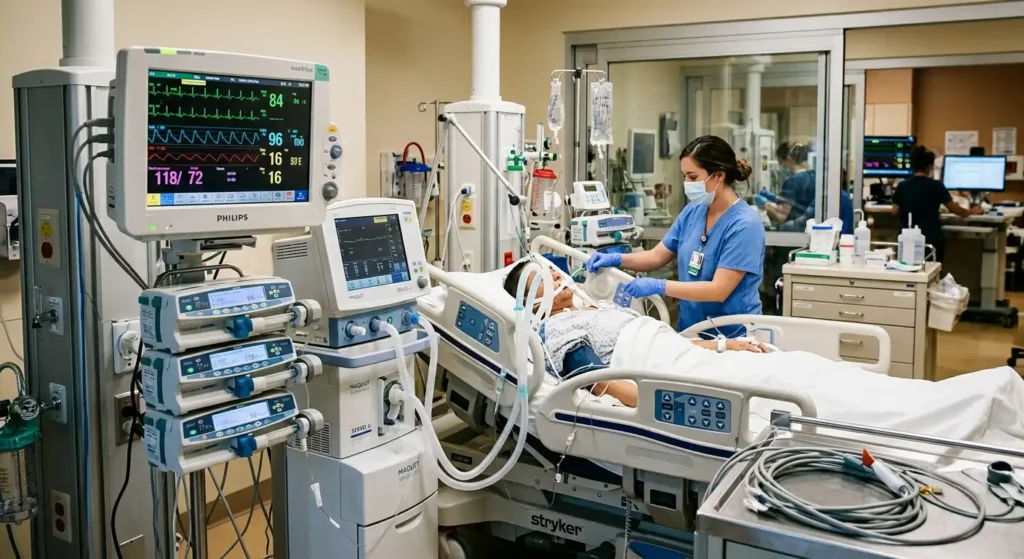
Alfa Healthcare Supply Inc. has earned the trust of healthcare providers throughout New York by offering a comprehensive selection of durable medical equipment (DME) and personalized customer support. Whether serving hospitals, physician offices, rehabilitation centers, home healthcare agencies, or individual patients, the company focuses on providing dependable solutions that improve comfort, mobility, and overall quality of care.
Extensive Selection of Quality Medical Equipment
Alfa Healthcare Supply Inc. offers a wide range of medical products designed to meet diverse healthcare needs, including:
- Mobility equipment such as wheelchairs, walkers, and rollators
- Hospital beds and patient room essentials
- Continuous glucose monitors (CGMs) and diabetic supplies
- CPAP machines and respiratory care equipment
- Orthopedic braces and supports
- Compression therapy products
- Incontinence care supplies
- Therapeutic diabetic footwear
- Bathroom safety and home accessibility products
- Daily living aids and rehabilitation equipment
This broad inventory allows healthcare providers to source multiple essential products from a single trusted supplier.
Personalized Customer Support
Every patient’s situation is unique. Alfa Healthcare Supply Inc. takes the time to understand individual healthcare needs and helps customers identify products that align with physician recommendations and treatment goals. This personalized approach simplifies the equipment selection process for both patients and caregivers.
Insurance Assistance for Eligible Equipment
Navigating insurance requirements can be challenging. Alfa Healthcare Supply Inc. assists customers with insurance documentation and works with eligible insurance plans to help make medically necessary equipment more accessible. Their experienced team guides patients through the process whenever applicable.
Commitment to Product Quality
Healthcare providers depend on equipment that performs reliably every day. Alfa Healthcare Supply Inc. prioritizes high-quality medical equipment from trusted manufacturers, helping ensure durability, safety, and dependable performance for both clinical and home healthcare environments.
Supporting Better Home Healthcare
As more patients recover and receive treatment at home, access to reliable medical equipment has become increasingly important. Alfa Healthcare Supply Inc. supports home healthcare by providing products that promote mobility, independence, comfort, and safer daily living for patients and caregivers alike.
A Partner Focused on Patient Care
Beyond supplying medical equipment, Alfa Healthcare Supply Inc. is committed to building lasting relationships through responsive service, product expertise, and a patient-first approach. Their goal is to help healthcare professionals and families access dependable equipment that supports better health outcomes and enhances quality of life.
By combining a comprehensive product selection, knowledgeable guidance, insurance support for eligible items, and a commitment to exceptional customer service, Alfa Healthcare Supply Inc. continues to be a trusted choice for medical equipment and home healthcare solutions across New York.
Final Thoughts
Understanding what are the most needed medical equipments helps patients, caregivers, and healthcare organizations make informed decisions about treatment and long-term care. From wheelchairs and hospital beds to glucose monitors, respiratory devices, orthopedic supports, and home safety products, the right equipment can improve comfort, independence, and overall health.
Working with a trusted supplier ensures access to high-quality products, knowledgeable guidance, and dependable support throughout the healthcare journey.
Frequently Asked Questions (FAQs)
1. What are the most needed medical equipments?
Some of the most needed medical equipment includes wheelchairs, walkers, hospital beds, blood pressure monitors, blood glucose meters, continuous glucose monitors (CGMs), CPAP machines, oxygen concentrators, nebulizers, orthopedic braces, compression therapy products, and bathroom safety equipment. These products are widely used in hospitals, clinics, rehabilitation centers, and home healthcare settings.
2. Why is high-quality medical equipment important?
High-quality medical equipment improves patient safety, supports accurate treatment, enhances comfort, reduces the risk of equipment failure, and contributes to better health outcomes. Reliable equipment also helps healthcare providers deliver efficient and consistent care.
3. What medical equipment is commonly used for home healthcare?
Home healthcare often requires equipment such as hospital beds, mobility aids, wheelchairs, walkers, rollators, blood pressure monitors, glucose monitoring devices, CPAP machines, oxygen concentrators, shower chairs, grab bars, and patient transfer aids. These products help patients recover safely while maintaining greater independence at home.
4. How do I choose the right medical equipment?
The best medical equipment depends on the patient’s medical condition, physician’s recommendations, mobility needs, and lifestyle. Consider factors such as product quality, ease of use, durability, warranty, insurance eligibility, and ongoing customer support before making a purchase.
5. Does insurance cover durable medical equipment (DME)?
Many durable medical equipment (DME) products may be covered by insurance when they are medically necessary and prescribed by a licensed healthcare provider. Coverage varies depending on the insurance plan, so it’s important to verify eligibility before purchasing.
6. Why should I choose Alfa Healthcare Supply Inc.?
Alfa Healthcare Supply Inc. offers a comprehensive selection of durable medical equipment, diabetic supplies, respiratory products, mobility aids, orthopedic supports, compression therapy products, and home healthcare solutions. The company is known for quality products, knowledgeable customer support, insurance assistance for eligible equipment, and personalized service to help patients and healthcare providers find the right solutions.
7. Who can benefit from durable medical equipment?
Durable medical equipment is beneficial for seniors, individuals recovering from surgery, people living with chronic illnesses, patients with mobility limitations, individuals managing diabetes or respiratory conditions, and anyone requiring long-term medical support at home or in a healthcare facility.
8. Where can I find reliable medical equipment in New York?
A trusted supplier like Alfa Healthcare Supply Inc. provides a wide range of quality medical equipment for hospitals, healthcare professionals, caregivers, and home healthcare patients throughout New York. Their experienced team helps customers select appropriate products while providing support throughout the purchasing process.