


What Equipment Do Hospitals Use?
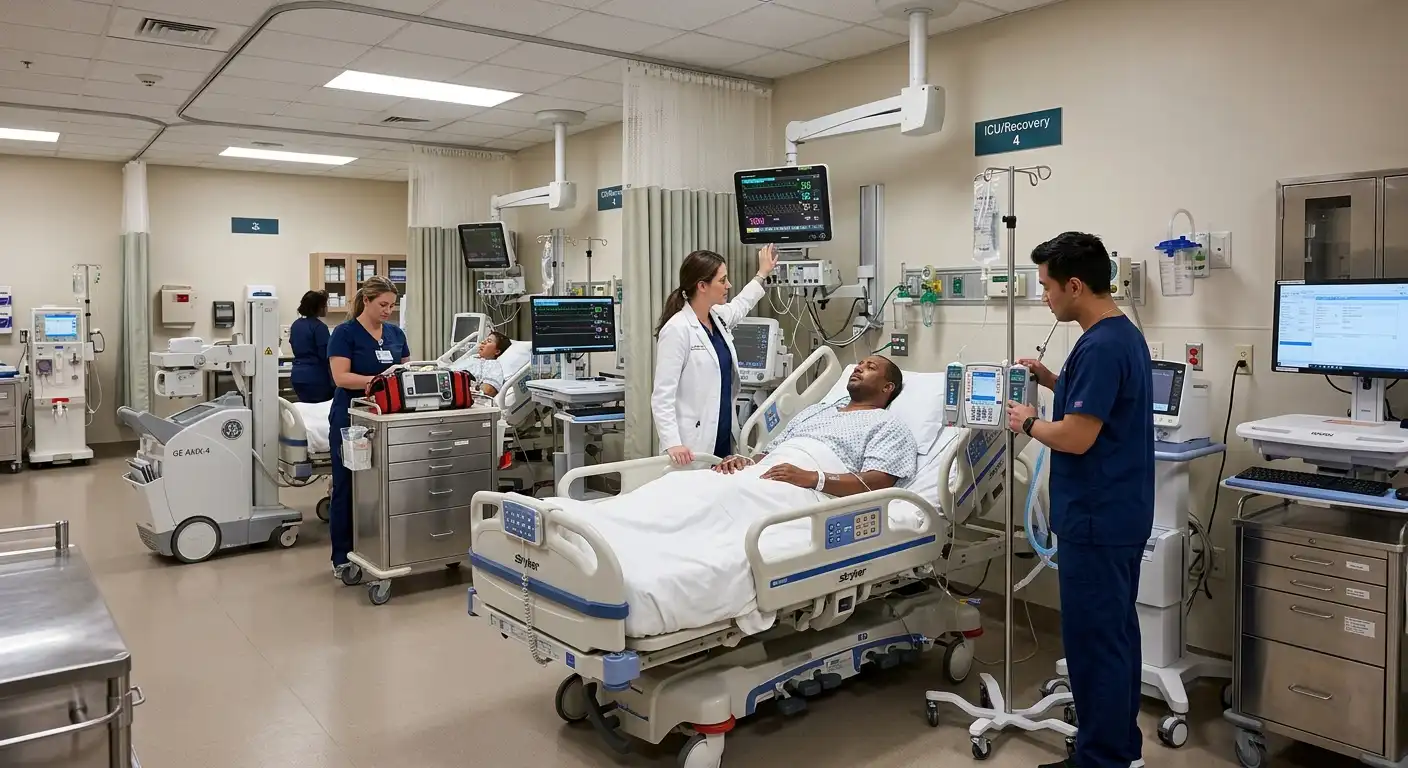
Hospitals are complex healthcare ecosystems where every second matters. Behind every diagnosis, treatment, and recovery, there is a carefully chosen system of medical equipment working silently but effectively. From emergency rooms to ICUs, laboratories to operating theaters, hospitals rely on a wide range of advanced and basic tools to save lives every day.
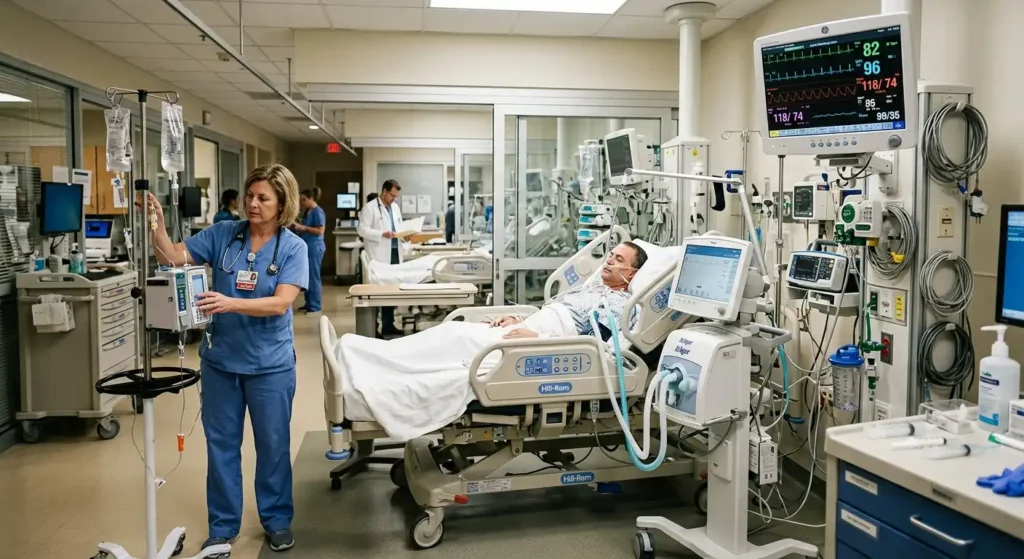
In this guide, we break down what equipment do hospitals use, why it matters, and how it supports patient care in real-world settings.
Understanding Hospital Equipment
Hospital equipment refers to all devices, instruments, and machines used for:
- Diagnosing diseases
- Monitoring patient health
- Providing treatment and therapy
- Supporting surgeries and emergency care
- Ensuring patient safety and comfort
These tools range from simple thermometers to complex MRI scanners.
Without this equipment, modern healthcare systems would not function efficiently or safely.
1. Diagnostic Equipment Used in Hospitals
Diagnostic tools enable doctors to quickly and accurately diagnose medical conditions.
Common diagnostic equipment includes:
- X-ray machines
- MRI scanners
- CT scanners
- Ultrasound machines
- ECG/EKG machines
- Laboratory analyzers
These devices allow healthcare professionals to see inside the human body and detect diseases early, often before symptoms become severe.
MRI and CT scanners are especially important in detecting neurological, cardiac, and internal organ conditions.
2. Patient Monitoring Equipment
Monitoring equipment is used continuously to track a patient’s vital signs.
Key monitoring devices:
- Heart rate monitors
- Blood pressure monitors
- Pulse oximeters
- Cardiac telemetry systems
- Multi-parameter bedside monitors
These machines help doctors and nurses respond immediately if a patient’s condition changes.
In critical care units, continuous monitoring can be the difference between early intervention and medical emergency.
3. Emergency & Life-Saving Equipment
Hospitals must be prepared for life-threatening situations at all times.
Essential emergency equipment includes:
- Defibrillators (used during cardiac arrest)
- Ventilators (support breathing)
- Oxygen supply systems
- Suction machines
- Crash carts (emergency medication kits)
- CPR and resuscitation equipment
Ventilators are especially critical in ICUs, helping patients breathe when they cannot do so independently.
4. Surgical Equipment in Operation Theaters
Operating rooms contain highly specialized tools used for surgical procedures.
Common surgical equipment:
- Surgical tables
- Anesthesia machines
- Surgical lights
- Scalpels and forceps
- Electrosurgical units
- Sterilization systems
Anesthesia machines ensure patients remain unconscious and pain-free during surgery, while sterilization equipment prevents infections.
5. Treatment & Therapeutic Equipment
These tools are used directly in patient care and recovery.
Examples include:
- Infusion pumps (IV medication delivery)
- Dialysis machines
- Wound care systems
- Nebulizers for respiratory therapy
- Physical therapy and rehabilitation devices
Infusion pumps are especially important because they control medication dosage with high precision.
6. Patient Care & Mobility Equipment
Hospitals also use equipment designed for comfort, safety, and mobility.
Common tools include:
- Hospital beds (adjustable for patient care)
- Wheelchairs and stretchers
- Patient lifts
- Gait belts
- Transfer sheets
These devices reduce injury risk for both patients and healthcare workers, especially during movement and repositioning.
7. Laboratory Equipment in Hospitals
Hospital laboratories play a major role in testing and diagnosis.
Lab equipment includes:
- Blood analyzers
- Microscopes
- Centrifuges
- Urine testing systems
- Microbiology culture systems
These tools help detect infections, monitor chronic diseases, and guide treatment decisions.
8. Sterilization & Infection Control Equipment
Infection control is one of the most critical aspects of hospital safety.
Equipment used:
- Autoclaves (steam sterilizers)
- UV sterilization units
- Disinfectant systems
- PPE (gloves, masks, gowns)
Sterilization ensures that all surgical and diagnostic tools are safe for reuse.
Why Hospital Equipment Quality Matters
High-quality hospital equipment is essential because it directly impacts:
- Patient safety
- Diagnostic accuracy
- Treatment success
- Emergency response time
- Staff efficiency
Even small errors in equipment performance can lead to serious consequences in clinical environments.
Role of Medical Supply Companies
Reliable suppliers play a key role in keeping hospitals fully equipped and operational.
Companies like Alfa Healthcare Supply Inc help healthcare facilities by providing essential medical equipment and durable medical supplies used in patient care environments.
A dependable supply chain ensures hospitals always have access to:
- Diagnostic tools
- Monitoring devices
- Mobility aids
- Home-care and hospital-grade equipment
This support becomes especially important during emergencies and high patient demand periods.
Human Side of Hospital Equipment
Behind every machine is a human story.
A ventilator may represent a second chance at life for one patient.
A monitor may alert staff just in time to prevent a crisis.
A simple infusion pump may ensure a patient receives the exact dose needed for recovery.
Hospital equipment is not just technology—it is part of patient care, hope, and survival.
Conclusion
Understanding what equipment do hospitals use gives a clear picture of how modern healthcare operates. From diagnostic machines to life-saving ICU devices, every tool plays a vital role in patient care.
Hospitals depend on a coordinated system of technology, trained professionals, and reliable medical supply partners to function effectively.
At the heart of it all, hospital equipment ensures one simple goal: better care, faster recovery, and saved lives.
Frequently Asked Questions (FAQs)
1. What equipment do hospitals use most commonly?
Hospitals commonly use monitors, ventilators, infusion pumps, diagnostic scanners, and surgical instruments.
2. Why is hospital equipment important?
It ensures accurate diagnosis, effective treatment, and patient safety.
3. What is the most important hospital equipment?
Life-saving devices like ventilators, defibrillators, and patient monitors are among the most critical.
4. Do all hospitals use the same equipment?
Basic equipment is similar, but advanced hospitals may use more specialized or high-tech machines.
5. Who supplies hospital equipment?
Medical supply companies like Alfa Healthcare Supply Inc provide essential healthcare equipment to hospitals and clinics.