


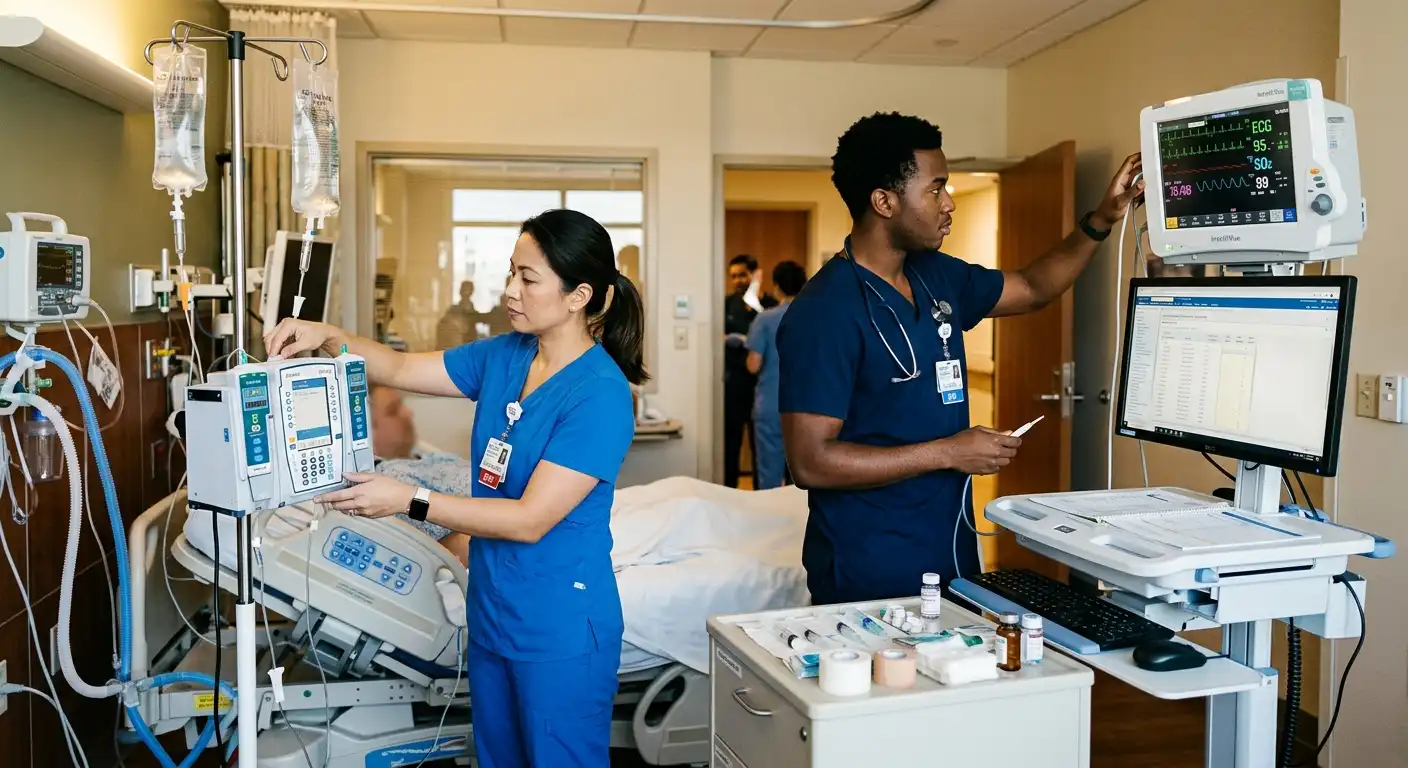
If you’ve ever watched a nurse move through a shift, you’ve probably noticed something: they’re never far from a piece of equipment. A stethoscope around the neck, a pulse oximeter clipped to a pocket, a vital signs monitor wheeled from room to room. Nursing is a hands-on profession, and the right tools aren’t just helpful — they’re what makes safe, accurate patient care possible.
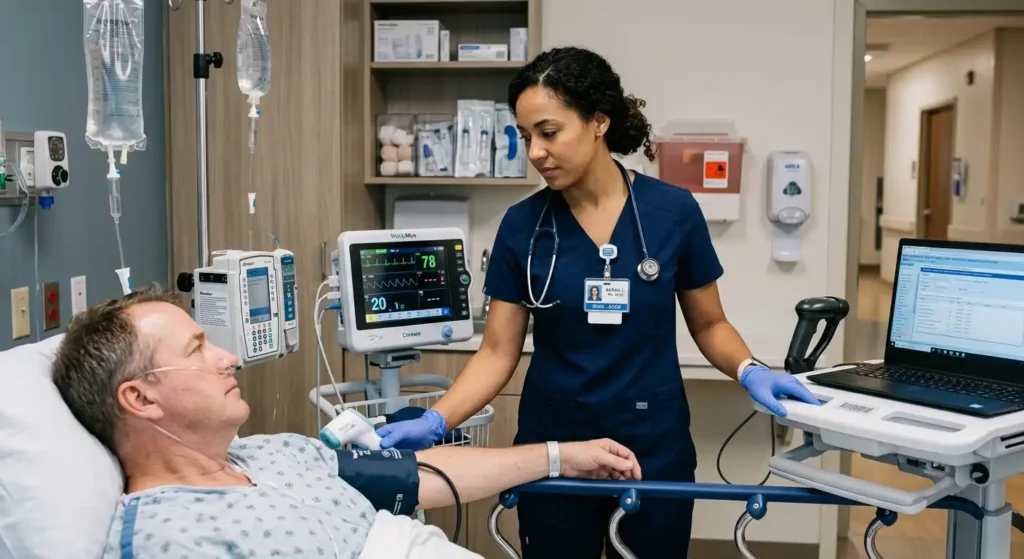
Whether you’re a nursing student building your first clinical kit, a new grad prepping for orientation, or a healthcare facility manager reviewing your supply list, this guide breaks down the medical equipment nurses actually rely on every day — and why each piece matters.
Nurses are often the first and most frequent point of contact a patient has with the healthcare system. A missed or inaccurate reading — blood pressure, oxygen saturation, temperature — can delay treatment or mask a developing complication. That’s why equipment quality isn’t a minor detail; it’s part of patient safety itself.
It’s also worth saying plainly: nursing tools have to survive real conditions. They get dropped, sanitized dozens of times a shift, used in low light, and passed between staff. Durability and calibration accuracy matter just as much as the initial price tag.
These are the items nurses typically own themselves and carry from unit to unit, or even job to job.
Still the most iconic tool in nursing, the stethoscope is used to assess heart sounds, lung sounds, and bowel sounds. Nurses working in cardiac or critical care often invest in higher-acoustic models that pick up subtler sounds than a standard dual-head stethoscope.
A small clip-on device that measures blood oxygen saturation (SpO2) and pulse rate through a fingertip. It’s one of the fastest ways to catch early signs of respiratory distress, which is why it’s used constantly in med-surg, ICU, and emergency settings.
Accurate, quick-read thermometers — oral, temporal, or tympanic — are used for routine vital sign checks and fever monitoring. Many facilities now use no-contact infrared thermometers to reduce cross-contamination risk.
A simple but essential tool for checking pupillary response, assessing the throat, and general bedside exams. It sounds basic, but a reliable, bright penlight is one of those things nurses notice the moment it fails.
Used for cutting gauze, tape, clothing, or dressings quickly — especially important in emergency and trauma situations where seconds matter.
Even with digital monitors everywhere, many nurses still keep a reliable watch for manually timing pulses and respirations, particularly when equipment is being shared or is temporarily unavailable.
These tools usually belong to the unit or facility, but nurses interact with them constantly throughout a shift.
These combine blood pressure, heart rate, SpO2, and sometimes temperature into a single device, often on a mobile cart. They’re used for routine checks and continuous monitoring in higher-acuity patients.
Manual and automatic cuffs are used to assess cardiovascular status. Nurses often calibrate readings against manual cuffs to double-check automated results, especially for patients with irregular pulses.
Used to deliver IV fluids, medications, and nutrition at precise, programmable rates. Infusion pump competency is a core part of nursing training because dosing errors here can have serious consequences.
Catheters, tourniquets, alcohol swabs, and dressings used for starting IV lines and drawing blood. Nurses often develop personal preferences for catheter gauge and kit setup based on patient population.
Blood glucose monitors are used constantly on units with diabetic patients, in post-surgical recovery, and in labor and delivery. Quick, accurate readings guide immediate treatment decisions like insulin dosing.
Sterile gauze, adhesive dressings, wound irrigation supplies, and specialty dressings for pressure injuries or surgical sites. Wound assessment and care is a major part of daily nursing documentation and treatment.
Mechanical lifts, gait belts, and slide sheets protect both patients and nurses during transfers. With musculoskeletal injuries being one of the most common workplace injuries in nursing, this equipment is as much about staff safety as patient safety.
Portable and wall-mounted suction units are used to clear airways, manage secretions, and assist during procedures. Nurses in respiratory, surgical, and ICU settings use these regularly.
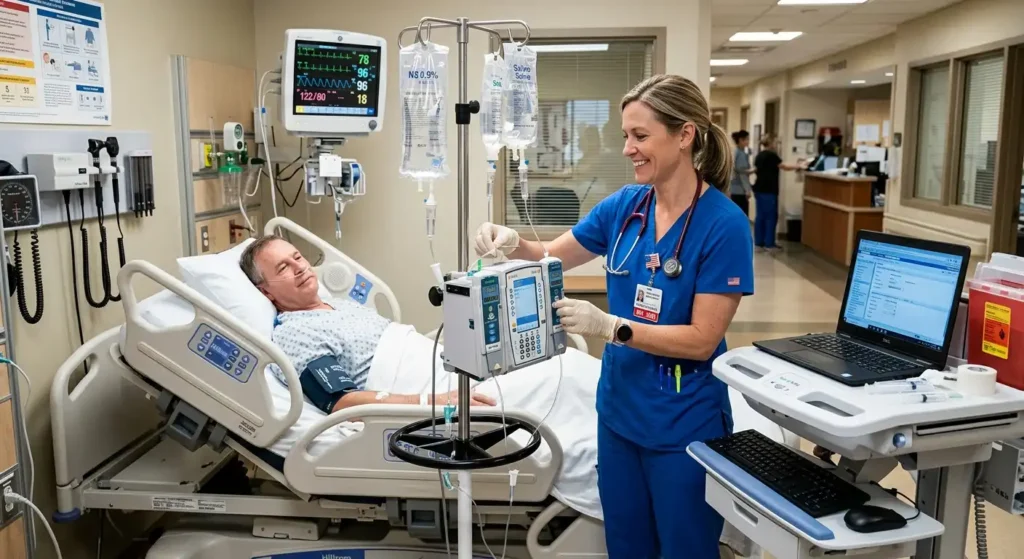
Not every nurse uses the same toolkit. Setting changes everything.
1] ICU and Critical Care Nurses rely heavily on cardiac monitors, ventilators, arterial line setups, and continuous infusion systems.
2] Labor and Delivery Nurses use fetal Doppler monitors, external fetal monitors, and specialized delivery instruments.
3] Emergency Department Nurses work with trauma shears, rapid IV access devices, defibrillators, and portable monitors built for speed.
4] School and Community Health Nurses often carry more compact, portable versions of standard equipment — think handheld BP monitors and basic first aid supplies — since they’re working without a full clinical setup.
5] Home Health Nurses need durable, transportable equipment: portable vital signs monitors, wound care kits, and glucose meters that hold up to travel.
No modern discussion of nursing equipment is complete without PPE. Gloves, gowns, masks, and eye protection are used constantly — not just during outbreaks, but as a daily standard of infection control. Facilities are trained to select the right level of protection for each task, from routine contact precautions to airborne isolation.
A few factors consistently guide purchasing and personal equipment decisions:
1] Accuracy and calibration — especially for diagnostic tools like BP cuffs and glucometers, where inconsistent readings can affect treatment.
2] Durability — equipment gets dropped, disinfected repeatedly, and used across long shifts.
3] Ease of cleaning — infection control standards mean equipment needs to withstand frequent sanitizing without degrading.
4] Comfort for patients — things like cuff sizing or catheter gauge affect the patient experience directly.
5] Cost and reliability at scale — for facilities outfitting entire units, consistent quality across bulk orders matters as much as any single device.
This is where working with an established medical supply source makes a real difference. Facilities and individual nurses alike often turn to dedicated suppliers — like Alfa Healthcare Supply — for clinical-grade equipment ranging from diagnostic tools to daily-use disposables, so they’re not sourcing critical items from inconsistent retail channels.
The equipment nurses use isn’t glamorous, and most of it is designed to be almost invisible when it’s working correctly — you only really notice a stethoscope, a glucometer, or an infusion pump when something goes wrong with it. But behind every accurate vital sign, every well-managed IV line, and every timely intervention is a piece of equipment doing exactly what it’s supposed to do, in the hands of someone trained to use it well.
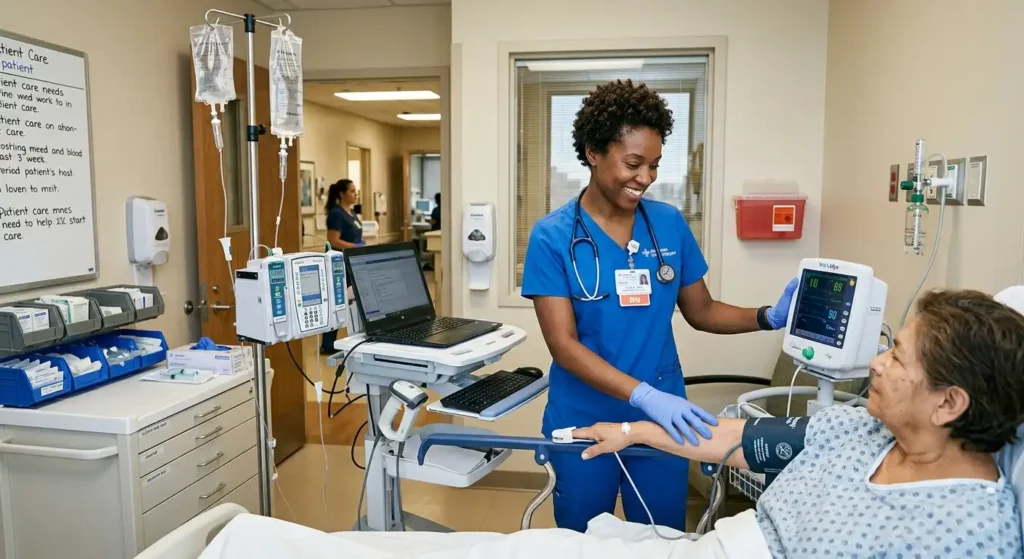
For nursing students building a first kit, or facilities re-evaluating their supply chain, the goal is the same: reliable tools that hold up under real clinical pressure, sourced from suppliers who understand what “clinical-grade” actually needs to mean.
Nurses use a wide range of medical equipment to provide safe and effective patient care. Some of the most common tools include stethoscopes, blood pressure monitors, thermometers, pulse oximeters, blood glucose monitors, infusion pumps, syringes, personal protective equipment (PPE), and wound care supplies. The exact equipment depends on the healthcare setting, such as hospitals, clinics, nursing homes, or home healthcare.
High-quality medical equipment helps nurses perform accurate patient assessments, detect health concerns early, and reduce the risk of medical errors. Reliable devices also improve workflow efficiency and contribute to better patient outcomes. Choosing equipment from a trusted medical supplier ensures durability, accuracy, and compliance with healthcare standards.
Home healthcare nurses often use portable medical equipment that allows them to monitor patients outside of a hospital. Common items include digital blood pressure monitors, pulse oximeters, blood glucose meters, thermometers, portable scales, wound care kits, and mobility aids. These tools help nurses provide professional care while allowing patients to remain comfortable at home.
Nurses and healthcare providers select medical equipment based on the patient’s medical condition, the intended use, ease of operation, accuracy, safety features, and regulatory compliance. Equipment should also be easy to clean, durable, and supported by the manufacturer for long-term reliability.
Nurses regularly use Personal Protective Equipment (PPE) to reduce the spread of infections and maintain a safe healthcare environment. PPE commonly includes disposable gloves, surgical masks, N95 respirators when appropriate, face shields, protective gowns, and eye protection. Proper use of PPE follows infection prevention guidelines established by healthcare authorities.
To monitor a patient’s vital signs, nurses commonly use blood pressure monitors, thermometers, pulse oximeters, stethoscopes, heart rate monitors, and respiratory monitoring devices. These tools provide essential information about a patient’s overall health and help identify changes that may require medical attention.
Many medical devices used by nurses, such as digital blood pressure monitors, thermometers, pulse oximeters, and blood glucose monitors, are also designed for home use by caregivers and patients. However, more advanced equipment, including infusion pumps and cardiac monitors, should only be used by trained healthcare professionals or under medical supervision.
When purchasing medical equipment, look for an established supplier that offers quality products, knowledgeable customer support, and dependable service. Alfa Healthcare Supply provides a wide selection of durable medical equipment (DME), diabetic supplies, respiratory products, orthopedic supplies, mobility aids, and other healthcare essentials to support both healthcare professionals and home caregivers.
Medical equipment should be cleaned after each use when appropriate and maintained according to the manufacturer’s instructions. Regular inspection, calibration, battery replacement, and proper storage help ensure accurate performance and extend the life of the equipment. Healthcare facilities should also follow their internal maintenance and infection control protocols.
Before purchasing medical equipment, consider the following: