


When it comes to healthcare, some of the simplest supplies can make a big difference. An alcohol prep pad may look like nothing more than a small square of cotton or nonwoven material, but it can play an important role in preparing clean skin before certain routine healthcare procedures.
Whether you manage diabetes, give injections at home, work in a medical office, prepare supplies for a clinic, or simply want to keep useful first-aid and healthcare products available, choosing the best alcohol prep pads matters.
The right prep pad should be convenient, appropriately packaged, easy to use, and suitable for the intended purpose. Many healthcare settings commonly use alcohol prep pads containing isopropyl alcohol, often at a concentration around 70%. The Centers for Disease Control and Prevention (CDC) identifies 60–70% alcohol-based solutions as an option for skin preparation before certain injections, with the area allowed to dry completely before the procedure.
At Alfa Healthcare Supply Inc., alcohol prep pads are part of a broader range of healthcare and diabetic supplies designed to support patients, caregivers, healthcare professionals, and families.
This guide explains what alcohol prep pads are, how they work, what to look for when choosing them, how to use them properly, common mistakes to avoid, and how to decide which type may be appropriate for your needs.
What are Alcohol Prep Pads?
Alcohol prep pads are small, individually packaged pads saturated with an alcohol-based solution. They are commonly used to prepare intact skin before certain healthcare procedures.
Many medical alcohol prep pads use isopropyl alcohol, commonly at a concentration of 70%. The pad is designed for single use and is generally packaged individually to help maintain cleanliness until it is opened.
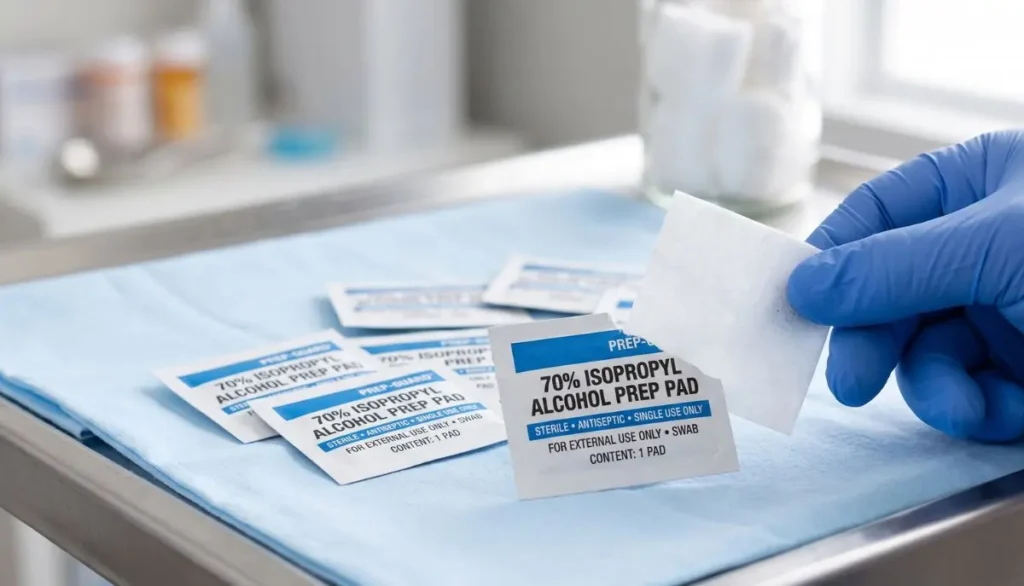
The basic idea is simple:
- Open a fresh pad.
- Use it according to the instructions for the intended procedure.
- Allow the prepared area to dry when directed.
- Dispose of the used pad appropriately.
Despite their simplicity, these steps are important.
A prep pad is not simply a substitute for washing dirty skin. If the skin is visibly dirty, it may need to be cleaned appropriately first. CDC guidance for injection-related skin preparation emphasizes inspecting the skin and preparing it appropriately before the procedure.
Why Are Alcohol Prep Pads So Popular?
Alcohol prep pads are popular because they are:
- Small and lightweight
- Individually packaged
- Convenient for home use
- Easy to carry
- Simple to dispose of
- Useful in many healthcare environments
- Commonly available in medical supply stores
- Convenient for diabetes-care kits and injection supplies
For someone who performs routine healthcare tasks at home, convenience can make a genuine difference.
A small box of individually wrapped prep pads can be easier to organize than a bottle of liquid alcohol and reusable cotton material.
Best Alcohol Prep Pads: What Makes One a Good Choice?
There is no single alcohol prep pad that is automatically the best for every person or every medical procedure.
The best alcohol prep pads are the ones that match the intended use, are appropriately packaged, come from a reliable source, and follow the instructions for the specific procedure.
Here are some of the most important characteristics to consider.
1. Appropriate Alcohol Concentration
One of the first things to check is the alcohol concentration listed on the packaging.
Many commonly used medical prep pads contain approximately 70% isopropyl alcohol.
The CDC notes that alcohol concentrations in the 60–90% range have strong germicidal activity, while its injection-safety materials specifically describe using a 60–70% alcohol-based solution for certain skin-preparation procedures.
However, concentration should not be considered in isolation.
A product should be selected according to its labeling and intended purpose rather than assuming that a particular percentage is appropriate for every situation.
2. Individually Wrapped Packaging
Individual packaging is one of the most useful features of alcohol prep pads.
Each pad remains sealed until it is needed.
This can be particularly useful for:
- Home diabetes-care kits
- Injection supplies
- Medical offices
- Clinics
- Travel healthcare kits
- First-aid supplies
- Caregiver supply bags
- Workplace medical kits
Individually packaged pads are also easier to carry.
Instead of bringing an entire bottle of alcohol, a person can carry a few individually wrapped pads in a small healthcare pouch.
3. Single-Use Design
Most medical alcohol prep pads are designed for single use.
After using a pad, it should not be saved and reused.
This is important because reusing a previously opened pad can compromise the cleanliness of the product and may introduce contamination.
CDC injection-safety guidance emphasizes aseptic technique and the use of appropriate single-use supplies when performing injections.
4. Pad Size and Material
Alcohol prep pads are available in different sizes and materials.
The best size depends on the intended application.
A smaller pad may be convenient for routine home use where only a small area needs preparation.
A larger pad may be useful when a larger skin area needs to be prepared according to the instructions for the procedure.
Look for a pad that is:
- Large enough for the intended use
- Easy to handle
- Properly saturated
- Strong enough not to fall apart during normal use
- Individually packaged
The pad should also be comfortable to handle without excessive dripping.
Why 70% Isopropyl Alcohol Is Commonly Used
One of the most frequently asked questions is:
Why do so many medical alcohol prep pads contain 70% isopropyl alcohol?
The answer involves how alcohol interacts with microorganisms.
According to the CDC, alcohols such as ethanol and isopropyl alcohol have rapid germicidal activity against many microorganisms. The CDC notes that their activity drops substantially when diluted below 50%, with an optimum bactericidal concentration generally identified in the 60–90% range.
This helps explain why 70% isopropyl alcohol is widely used in healthcare products.
However, it is important to understand that alcohol is not a universal sterilizing solution.
The CDC notes that alcohols do not destroy bacterial spores and should not automatically be treated as sterilants for every healthcare application.
That distinction matters.
An alcohol prep pad may be appropriate for a specific skin-preparation task, but that does not mean the same pad should be used to disinfect every medical device, wound, surface, or piece of equipment.
Best Alcohol Prep Pads for Diabetes Care
People living with diabetes may regularly use healthcare supplies such as:
- Blood glucose meters
- Test strips
- Lancets
- Insulin syringes
- Pen needles
- Continuous glucose monitoring supplies
- Other diabetes-management products
Alcohol prep pads are commonly included in diabetes supply kits because they can provide a convenient way to prepare skin for certain procedures.
For example, CDC materials for vaccination clinics list sterile alcohol prep pads among clinical administration supplies.
If you are building a diabetes-care supply kit, individually wrapped alcohol prep pads can be convenient because they take up little space and are easy to organize.
A Simple Diabetes Supply Checklist
A home diabetes-care kit may include items recommended by the person’s healthcare provider, such as:
- Blood glucose meter
- Appropriate test strips
- Lancets
- Lancing device
- Alcohol prep pads when appropriate
- Sharps container
- Glucose treatment supplies when recommended
- Record-keeping materials
- Other prescribed or recommended diabetes supplies
The exact supplies needed vary from person to person.
Are Alcohol Prep Pads Used Before Injections?
Yes, alcohol-based skin preparation can be part of certain injection procedures.
CDC injection-safety guidance describes preparing the skin with a 60–70% alcohol-based solution in appropriate circumstances. The guidance says to wipe from the center of the injection site outward without going back through an already cleaned area, and to allow the area to dry completely.
However, the exact procedure should always follow:
- The medication instructions
- Device instructions
- Healthcare provider instructions
- Facility protocols
- Manufacturer labeling
Not every injection or medical procedure has identical preparation requirements.
If a healthcare professional has given you specific instructions, those instructions should take priority.
How to Use an Alcohol Prep Pad Correctly
Correct use is just as important as choosing a quality product.
Here is a general overview for appropriate skin-preparation situations.
Step 1: Wash Your Hands
Start with clean hands.
Wash your hands using soap and water when appropriate, or use an appropriate hand-hygiene method according to the situation.
Clean hands help reduce the possibility of transferring contamination to the procedure area.
Step 2: Inspect the Skin
Look at the area you intend to prepare.
If the skin is visibly dirty, it may need appropriate cleaning before the antiseptic preparation.
Do not automatically assume that an alcohol pad is a replacement for cleaning visibly dirty skin.
Step 3: Check the Package
Before opening the pad, inspect the wrapper.
Do not use a pad if:
- The package is damaged
- The seal appears broken
- The pad appears contaminated
- The product is expired
- The product does not match the intended purpose
Packaging is part of the product’s protection.
Step 4: Open the Pad
Open the package carefully.
Avoid unnecessarily touching the pad.
The goal is to keep the portion that contacts the skin as clean as practical.
Step 5: Wipe the Appropriate Area
For procedures where alcohol skin preparation is indicated, use the pad according to the applicable instructions.
CDC injection guidance describes wiping from the center of the injection site outward and avoiding going back through an area that has already been cleaned.
Do not scrub aggressively unless the procedure specifically instructs you to do so.
Step 6: Allow the Skin to Dry
This step is frequently overlooked.
The CDC recommends allowing antiseptics to dry according to manufacturer recommendations before certain procedures.
For injection-related skin preparation, CDC materials describe applying the alcohol-based solution for the recommended preparation period and allowing it to dry completely.
Do not immediately wipe the alcohol away unless the instructions tell you to.
Step 7: Dispose of the Used Pad
After use, dispose of the pad appropriately.
Do not put a used pad back into the package.
Do not save it for another procedure.
If the pad has been used during a procedure involving blood or other potentially infectious material, follow the applicable disposal and infection-control instructions.
Alcohol Prep Pads Are Not the Same as Wound Care Products
This is one of the most important distinctions to understand.
An alcohol prep pad intended for preparing intact skin before a procedure is not automatically appropriate for cleaning an open wound.
Alcohol can irritate damaged tissue and may cause discomfort.
If you have an open wound, surgical wound, ulcer, burn, or other damaged skin, follow the wound-care instructions provided by your healthcare professional.
Do not assume that because a product is labeled “alcohol” or “antiseptic” it is appropriate for every type of skin problem.
Alcohol Prep Pads vs. Alcohol Bottles
Both alcohol prep pads and bottled alcohol can contain similar active ingredients, but they are not necessarily interchangeable in practical use.
Alcohol Prep Pads
Advantages include:
- Pre-measured product
- Convenient packaging
- Portable
- No need for separate cotton
- Easy disposal
- Useful for individual procedures
- Less mess for routine tasks
Bottled Alcohol
Advantages can include:
- Useful when a larger quantity is required
- May be suitable for certain cleaning applications
- Can be economical for some settings
However, bottled alcohol requires additional handling and may require an appropriate applicator.
For many routine healthcare tasks, individually wrapped pads are simply easier.
Sterile vs. Non-Sterile Alcohol Prep Pads
Another important consideration is whether a product is labeled sterile or non-sterile.
This distinction should not be ignored.
If a particular procedure requires a sterile product, choose a product specifically labeled and packaged for that requirement.
The CDC’s vaccination clinic supply checklist, for example, specifically lists sterile alcohol prep pads among clinical administration supplies.
Sterility is not something that should be assumed simply because a pad contains alcohol.
Always Check the Label
Look for information such as:
- Sterile or non-sterile status
- Alcohol type
- Alcohol concentration
- Pad dimensions
- Intended use
- Expiration date
- Manufacturer information
- Storage requirements
- Warnings
- Lot information
When in doubt, ask a pharmacist, healthcare professional, or medical-supply specialist.
What to Look for When Buying the Best Alcohol Prep Pads
Choosing the best product becomes easier when you know what questions to ask.
1. What Will You Use Them For?
Start with the intended purpose.
Are the pads for:
- Routine diabetes care?
- Injection preparation?
- Vaccination supplies?
- Clinical use?
- First-aid supplies?
- Travel?
- A healthcare facility?
- Home-care assistance?
The intended use determines what characteristics matter most.
2. Is the Product Individually Packaged?
Individual packaging is often preferable for single-use healthcare applications.
It helps keep unused pads protected and makes storage convenient.
3. Is the Alcohol Concentration Clearly Listed?
Look for clear product labeling.
For commonly used alcohol prep pads, 70% isopropyl alcohol is a frequent formulation, but you should always confirm the actual product label.
4. Is It Sterile When Sterility Is Required?
Do not assume.
If your procedure requires sterile supplies, verify that the package specifically indicates sterility.
5. Is the Pad Large Enough?
A pad that is too small may be inconvenient for the intended procedure.
On the other hand, a very large pad may be unnecessary for a small preparation area.
Choose according to the application.
6. Is the Packaging Intact?
Never ignore damaged packaging.
If an individual wrapper is torn, punctured, wet, or otherwise compromised, do not assume the pad is suitable for use.
7. Is the Product Within Its Expiration Date?
Check expiration dates before storing large quantities.
Healthcare supplies should be rotated so older products are used appropriately before newer stock.
Why Individually Wrapped Alcohol Prep Pads Are Convenient at Home
Home healthcare has changed considerably.
Many people now manage aspects of their healthcare outside traditional clinical settings.
Patients may monitor blood glucose, administer prescribed medications, manage chronic conditions, or care for family members at home.
That makes organization important.
An individually wrapped alcohol prep pad can be used when needed without opening a larger container.
For someone who travels frequently, this can be especially useful.
A few pads can fit into a diabetes supply pouch, medication bag, or travel kit without taking up much space.
Best Alcohol Prep Pads for Medical Offices and Clinics
Healthcare professionals need supplies that are consistent, easy to access, and appropriate for their protocols.
Alcohol prep pads may be used in settings such as:
- Primary care offices
- Diabetes clinics
- Outpatient facilities
- Vaccination clinics
- Nursing facilities
- Home healthcare
- Specialty clinics
- Dental settings
- Other healthcare environments
The CDC’s clinical guidance emphasizes safe injection practices and appropriate infection-control procedures. Alcohol wipes or prep pads may be included among the supplies available in medication-preparation areas.
For healthcare facilities, product selection should also consider:
- Quantity per box
- Unit packaging
- Sterility requirements
- Storage
- Staff familiarity
- Facility protocols
- Procurement consistency
- Product labeling
Alcohol Prep Pads and Safe Injection Practices
Alcohol prep pads are only one part of safe injection practice.
They cannot compensate for unsafe needle or syringe practices.
CDC guidance emphasizes:
- Using aseptic technique
- Using a new sterile syringe and needle for each patient
- Never reusing needles or syringes
- Avoiding contamination of medication vials
- Preparing medications in a clean designated area
- Disposing of used sharps safely
This is an important point for patients and caregivers.
A high-quality alcohol prep pad is useful, but safe healthcare requires a complete process.
Common Mistakes When Using Alcohol Prep Pads
Even simple healthcare products can be used incorrectly.
Here are common mistakes to avoid.
Mistake 1: Reusing a Pad
Alcohol prep pads are generally designed for single use.
Do not reuse them.
Mistake 2: Using a Damaged Package
If the package is compromised, the product may no longer provide the intended protection.
Use a new, properly sealed pad.
Mistake 3: Not Allowing the Area to Dry
Drying is an important part of many antiseptic skin-preparation procedures.
Follow the manufacturer’s instructions and applicable healthcare guidance.
Mistake 4: Using Alcohol Pads on Open Wounds Without Guidance
Alcohol prep pads are not automatically appropriate for wound cleaning.
Follow specific wound-care instructions.
Mistake 5: Assuming Every Alcohol Pad Is Sterile
Alcohol content does not automatically mean sterility.
Check the product label.
Mistake 6: Ignoring Product Instructions
Different products can have different intended uses.
Always read the package.
Mistake 7: Using an Alcohol Prep Pad as a General Surface Disinfectant
A skin-preparation pad is not necessarily designed for cleaning countertops, medical equipment, electronics, or other surfaces.
Use a product specifically labeled for the surface or equipment you are cleaning.
Can Alcohol Prep Pads Be Used on Sensitive Skin?
Some people experience dryness, irritation, or discomfort after exposure to alcohol.
If your skin is sensitive, pay attention to how it responds.
Do not continue using a product that causes a significant reaction without seeking appropriate medical advice.
If you develop symptoms such as:
- Significant redness
- Burning
- Swelling
- Blistering
- Persistent irritation
- Severe itching
stop and seek advice from an appropriate healthcare professional.
For children, older adults, or people with fragile skin, product selection may require additional care.
Are Alcohol Prep Pads Safe for Children?
Alcohol prep pads may be used in pediatric healthcare when appropriate, but the specific product and procedure matter.
Children can have different skin characteristics and healthcare requirements.
Do not use an alcohol prep pad simply because it is convenient.
Instead, follow the instructions from the child’s healthcare provider and the product manufacturer.
Special care is particularly important for infants and very young children. CDC guidance notes unresolved safety/efficacy questions for certain chlorhexidine preparations in infants younger than two months, illustrating why age-specific antiseptic guidance matters.
Alcohol Prep Pads for Travel
Travel can make healthcare routines more challenging.
A well-organized healthcare kit can reduce unnecessary stress.
Individually wrapped alcohol prep pads are convenient because they are:
- Lightweight
- Compact
- Easy to organize
- Simple to dispose of
- Ready to use when needed
If you travel with prescription medications, injections, glucose-monitoring supplies, or other healthcare equipment, ask your healthcare provider what supplies you should carry.
Keep medical supplies protected from excessive heat, moisture, and direct sunlight, and follow the storage instructions provided with each product.
How to Store Alcohol Prep Pads
Proper storage helps preserve the condition of your supplies.
General storage considerations include:
- Keep pads in their original packaging.
- Store them in a clean, dry location.
- Avoid excessive heat.
- Keep them away from flames and ignition sources.
- Keep them away from children unless intended for supervised use.
- Check expiration dates regularly.
- Do not use damaged packaging.
Alcohol is flammable.
FDA-approved labeling for 70% isopropyl alcohol skin-preparation products includes warnings about flammability and keeping the product away from fire or flame.
Never use alcohol-based products near an ignition source when the product is still wet.
Why Drying Matters
Allowing an antiseptic to dry is not simply about avoiding a cold sensation.
Drying can be an important part of the procedure.
CDC guidance states that antiseptics should be allowed to dry according to manufacturer recommendations before certain catheter procedures.
For injection-related skin preparation, CDC materials similarly emphasize allowing the alcohol to dry completely.
Drying also reduces the amount of wet alcohol remaining on the skin.
Always follow the product’s instructions because different antiseptic products and procedures may have different drying requirements.
Alcohol Prep Pads vs. Other Antiseptic Products
Alcohol is only one type of skin antiseptic.
Depending on the procedure, healthcare professionals may use products containing:
- Isopropyl alcohol
- Ethanol
- Chlorhexidine
- Iodophors
- Other antiseptic formulations
The CDC notes that the appropriate skin antiseptic can vary by procedure. For example, its guidance for certain catheter procedures recommends chlorhexidine with alcohol in some circumstances, with other antiseptics—including 70% alcohol—available as alternatives when chlorhexidine is contraindicated.
This means that “best” does not always mean “strongest.”
It means appropriate for the job.
What Makes a Medical Supply Store a Good Place to Buy Alcohol Prep Pads?
A medical supply store can provide more than a product.
For people managing ongoing healthcare needs, having access to knowledgeable staff can make choosing supplies easier.
When shopping for alcohol prep pads, consider whether the supplier:
- Clearly identifies products
- Provides useful product information
- Carries healthcare-related supplies
- Understands common home-care needs
- Offers convenient ordering
- Can help customers identify the appropriate category of product
This can be particularly helpful for patients who purchase multiple healthcare supplies at the same time.
Alfa Healthcare Supply Inc. and Alcohol Prep Pads
Alfa Healthcare Supply Inc. provides healthcare and durable medical equipment supplies for patients, caregivers, families, and healthcare needs.
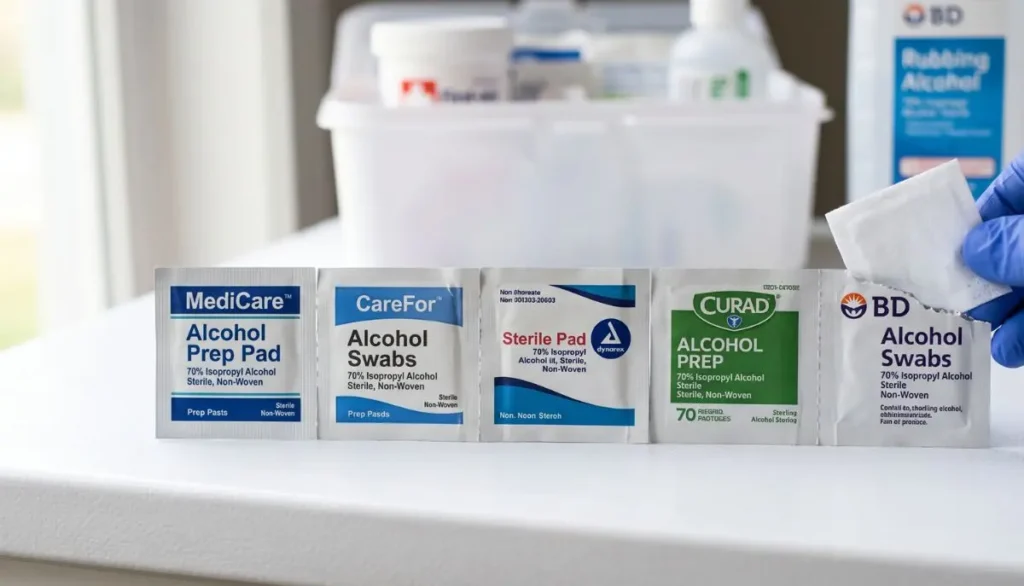
Its product selection includes diabetic supplies and other medical products. The company’s diabetic-supplies category lists Sterile Alcohol Prep Pads – A4245 among its available products.
For customers looking for best alcohol prep pads, having access to a healthcare-focused supplier can make it easier to keep commonly needed supplies organized in one place.
Who May Benefit From Keeping Alcohol Prep Pads Available?
Alcohol prep pads may be useful for:
People Managing Diabetes
Individuals who regularly perform blood glucose monitoring or prescribed injections may find individually packaged prep pads convenient when appropriate for their care routine.
Caregivers
Family members and professional caregivers may keep appropriate supplies organized for patients receiving home healthcare.
Healthcare Professionals
Medical offices and clinics may use alcohol prep pads as part of appropriate clinical procedures.
Travelers
Compact packaging can make them convenient for healthcare travel kits.
Families
A properly stored box of appropriate medical prep pads can be a useful addition to a home healthcare supply cabinet.
How Many Alcohol Prep Pads Should You Buy?
There is no universal number.
The right quantity depends on your actual use.
If you use them occasionally, a smaller package may make sense.
If you have a recurring healthcare routine, a larger quantity may be more convenient.
Consider:
- How often you use them
- How many people need them
- Whether they are used at home or professionally
- Expiration dates
- Storage space
- Cost per pad
- Availability of replacement supplies
Avoid buying an unnecessarily large quantity if you are unlikely to use the pads before their expiration date.
Are More Expensive Alcohol Prep Pads Always Better?
Not necessarily.
Price alone does not determine quality.
When comparing products, look at:
- Alcohol concentration
- Sterile/non-sterile status
- Pad size
- Packaging
- Intended use
- Manufacturer
- Expiration
- Product labeling
- Quantity
- Overall convenience
A lower-priced product may be appropriate if it meets the requirements of your intended use.
A more expensive product may be justified when specialized packaging, sterility, larger size, or another feature is required.
The goal is not to find the most expensive product.
The goal is to find the right product for the right purpose.
A Quick Buying Checklist for the Best Alcohol Prep Pads
Before purchasing, ask these questions:
Product
- Is it designed for my intended use?
- Is the alcohol type clearly identified?
- Is the concentration listed?
- Is the pad size appropriate?
Packaging
- Is each pad individually wrapped?
- Is the packaging intact?
- Is it easy to open?
Sterility
- Do I need sterile pads?
- Does the package clearly state whether the product is sterile?
Storage
- Can I store the product correctly?
- Is the expiration date reasonable?
Supplier
- Is the seller a reliable healthcare supplier?
- Is product information available?
- Can I obtain replacement supplies when needed?
These questions can make purchasing much easier.
Best Alcohol Prep Pads for a Home Healthcare Kit
A home healthcare kit should be simple and organized.
Depending on individual needs, a basic kit may include:
- Alcohol prep pads when appropriate
- Bandages
- Gauze
- Disposable gloves
- Hand-hygiene supplies
- Digital thermometer
- Blood glucose supplies if needed
- Sharps container if injections are performed
- Other supplies recommended by a healthcare professional
Keep supplies separated and labeled.
Do not store alcohol products next to heat sources.
Keep sharps and medications safely away from children.
The Human Side of Choosing Medical Supplies
Healthcare products can sometimes feel impersonal.
A box of alcohol prep pads may not seem important compared with a glucose monitor, CPAP machine, mobility device, or prescription medication.
But anyone who manages healthcare at home understands that small supplies matter.
When you are preparing for a routine injection, checking your glucose, helping a family member, or organizing supplies before leaving home, you want the basics to work without creating extra stress.
That is where simple, well-designed supplies can help.
A product that is easy to open, individually packaged, clearly labeled, and stored properly can make a routine feel more manageable.
Good healthcare is often built from many small details.
Alcohol Prep Pads and Infection Prevention
Alcohol prep pads can support appropriate infection-control practices, but they are only one component.
CDC guidance emphasizes that safe injection practices involve a broader system of measures designed to prevent transmission of infectious diseases.
That system includes:
- Clean hands
- Appropriate skin preparation
- New sterile needles and syringes
- Clean medication preparation areas
- Proper medication handling
- Appropriate sharps disposal
- Correct storage
- Following healthcare-provider instructions
Using a prep pad correctly is useful, but it should never create a false sense of security.
Can Alcohol Prep Pads Disinfect Everything?
No.
This is a common misconception.
Alcohol has useful antimicrobial properties, but it does not destroy every type of microorganism in every situation.
The CDC notes that alcohol does not destroy bacterial spores.
Additionally, a product designed for skin preparation should not automatically be used on medical equipment or household surfaces.
Always use a disinfectant according to its label and intended application.
Alcohol Prep Pads and Medical Equipment
If you need to clean a medical device, check the device manufacturer’s instructions first.
Some devices can be damaged by alcohol.
Others may specifically recommend alcohol-based cleaning.
Do not assume.
For example, glucose meters, CGM components, injection devices, electronic equipment, and other healthcare products can have different cleaning instructions.
When a manufacturer says to use a particular cleaning method, follow it.
How to Choose the Best Alcohol Prep Pads for Your Needs
If you want a simple decision-making process, use these five steps.
Step 1: Identify the Procedure
Know what the pad will be used for.
Step 2: Check the Product Label
Confirm the alcohol type, concentration, intended use, and sterile status.
Step 3: Consider Packaging
Individually wrapped pads are generally convenient for single-use applications.
Step 4: Check Quality and Expiration
Avoid damaged or expired products.
Step 5: Follow Professional Guidance
If the pad is being used for a medical procedure, follow your healthcare provider’s and manufacturer’s instructions.
Why Buying From a Healthcare-Focused Supplier Can Help
Medical supplies are not ordinary household products.
Small differences in labeling, sterility, packaging, and intended use can matter.
A healthcare-focused supplier can make it easier to find products within the correct category.
Alfa Healthcare Supply Inc. offers a range of healthcare products, including diabetic supplies and sterile alcohol prep pads listed under its diabetic-supplies category.
Whether you are stocking a home healthcare cabinet, preparing a diabetes-care kit, supporting a family member, or managing supplies for a healthcare environment, choosing products carefully can make everyday routines easier.
Final Thoughts: Finding the Best Alcohol Prep Pads
The best alcohol prep pads are not necessarily the largest, strongest, or most expensive.
They are the pads that are appropriate for the intended use and meet the requirements of the procedure.
For many routine skin-preparation applications, 70% isopropyl alcohol is a commonly used formulation. Individually wrapped, single-use packaging can add convenience, while sterile packaging may be important when the procedure specifically requires sterile supplies.
Before purchasing, check:
- Alcohol concentration
- Product type
- Sterility
- Pad size
- Individual packaging
- Expiration date
- Manufacturer instructions
- Intended use
And remember one simple rule: use the product according to its label and your healthcare professional’s instructions.
A small alcohol prep pad may be an everyday item, but choosing and using it correctly is part of a larger commitment to safe and organized healthcare.
For patients, caregivers, clinics, and families looking for healthcare supplies, Alfa Healthcare Supply Inc. provides access to a range of medical and diabetic products, including sterile alcohol prep pads.
Frequently Asked Questions About the Best Alcohol Prep Pads
1. What are the best alcohol prep pads?
The best alcohol prep pads are those that match your intended healthcare use, have appropriate labeling, suitable alcohol concentration, reliable packaging, and the required sterile or non-sterile status.
For many routine skin-preparation applications, 70% isopropyl alcohol pads are commonly used, but the correct choice depends on the specific procedure and product instructions.
2. Are 70% alcohol prep pads good?
70% isopropyl alcohol is widely used in healthcare because alcohol has strong antimicrobial activity at appropriate concentrations. The CDC describes 60–70% alcohol-based solutions for certain skin-preparation procedures.
Always follow the instructions for your particular procedure.
3. Are alcohol prep pads sterile?
Some are and some are not.
Do not assume that an alcohol pad is sterile merely because it contains alcohol.
Check the packaging.
If your procedure requires sterile supplies, choose a product specifically labeled sterile.
4. Can I reuse an alcohol prep pad?
No.
Medical alcohol prep pads are generally intended for single use.
Use a fresh pad whenever a new pad is required.
5. Can I use an alcohol prep pad to clean an open wound?
You should not automatically do so.
Alcohol may irritate damaged tissue.
Follow specific wound-care instructions from your healthcare professional.
6. Can alcohol prep pads be used before an injection?
Alcohol-based skin preparation can be used before certain injections when appropriate.
CDC guidance describes 60–70% alcohol-based skin preparation for certain injection procedures and emphasizes allowing the area to dry.
Follow your healthcare provider’s instructions and the medication/device labeling.
7. Why should alcohol dry before an injection?
Drying is part of appropriate skin preparation for many procedures.
CDC guidance recommends allowing antiseptics to dry according to manufacturer instructions before certain procedures.
8. Are alcohol prep pads useful for diabetes care?
They can be convenient for certain diabetes-care procedures, including appropriate skin preparation.
People with diabetes should follow the specific instructions provided by their healthcare professional for glucose monitoring and medication administration.
9. Are individually wrapped pads better?
Individual packaging provides convenience and protects each pad until use.
It is especially practical for travel, home healthcare, clinics, and diabetes-care kits.
10. What should I look for when buying alcohol prep pads?
Check:
- Alcohol concentration
- Alcohol type
- Sterility
- Pad size
- Individual packaging
- Expiration date
- Manufacturer
- Intended use
- Storage instructions
11. Can I carry alcohol prep pads while traveling?
Individually packaged alcohol prep pads are compact and convenient for many travel healthcare kits.
If you are traveling with medications or medical devices, check applicable transportation and storage requirements.
12. Do alcohol prep pads expire?
Yes, medical products have expiration information that should be checked.
Do not use a product past its labeled expiration date.
13. What if an alcohol prep pad package is damaged?
Do not use a pad if its individual package is damaged or compromised.
Choose a properly sealed replacement.
14. Can alcohol prep pads replace handwashing?
No.
Alcohol prep pads are intended for specific applications and should not be treated as a replacement for appropriate hand hygiene.
15. Can I use alcohol prep pads to clean my glucose meter?
Only if the glucose meter manufacturer specifically permits that cleaning method.
Always follow the device’s cleaning and maintenance instructions.
16. Are alcohol prep pads safe for sensitive skin?
Alcohol may cause dryness or irritation in some people.
If you experience significant irritation, contact a healthcare professional for advice about alternatives or appropriate skin care.
17. What is the difference between alcohol prep pads and disinfecting wipes?
They may differ in formulation, concentration, intended surface, size, and regulatory labeling.
A product designed for skin preparation should not automatically be substituted for a surface disinfectant.
18. Does a stronger alcohol concentration mean a better prep pad?
Not necessarily.
The appropriate formulation depends on the intended use.
Choosing the highest concentration available is not a reliable way to determine which product is best.
Medical Disclaimer
This article is intended for general educational and informational purposes only. It does not replace advice from a physician, pharmacist, nurse, or other qualified healthcare professional. Product selection and skin-preparation procedures may vary depending on the patient’s condition, procedure, age, device, medication, and manufacturer instructions. Always read the product label and follow instructions provided by your healthcare professional.
If you use a continuous glucose monitor (CGM), changing your sensor regularly is an important part of keeping your glucose information reliable and easy to follow. One common question from people considering or already using the FreeStyle Libre 3 Plus system is: how long does FreeStyle Libre 3 Plus sensor last?
The answer is simple: the FreeStyle Libre 3 Plus sensor is designed to be worn for up to 15 days. After that period, the sensor should be removed and replaced with a new one. Abbott describes the FreeStyle Libre 3 Plus as a 15-day real-time CGM sensor that automatically sends glucose readings to a compatible smartphone or reader.
For someone managing diabetes every day, a 15-day sensor can make glucose monitoring feel more convenient because you do not have to change the sensor every few days. However, understanding what happens during those 15 days—and what to do if the sensor comes off early—can make the experience much easier.
How Long Does FreeStyle Libre 3 Plus Sensor Last?
The FreeStyle Libre 3 Plus sensor lasts up to 15 days when used according to the manufacturer’s instructions.
That means one sensor is intended to provide glucose monitoring for approximately two weeks. Abbott’s instructions state that after 15 days, the sensor should be removed or replaced. The app or compatible reader can notify you when it is time to change the sensor.
Quick answer
FreeStyle Libre 3 Plus sensor wear time: Up to 15 days
During this period, the sensor can continuously provide glucose information when properly connected to a compatible device. Unlike the original FreeStyle Libre 3 sensor, which has a 14-day wear period, the Libre 3 Plus extends the intended wear time to 15 days.
This extra day may sound small, but over several months it can mean fewer sensor changes and fewer interruptions to your routine.
Is FreeStyle Libre 3 Plus the Same as FreeStyle Libre 3?
Not exactly.
Both sensors belong to the FreeStyle Libre family, but their intended wear periods are different.
| Feature | FreeStyle Libre 3 | FreeStyle Libre 3 Plus |
| Wear time | Up to 14 days | Up to 15 days |
| Continuous glucose monitoring | Yes | Yes |
| Automatic glucose readings | Yes | Yes |
| Intended application area | Back of upper arm | Back of upper arm |
| Age indication in the U.S. | 4+ | 2+ |
| Compatible with certain AID systems | No | Yes |
Abbott states that the FreeStyle Libre 3 Plus can be used by people age 2 and older and can work with compatible automated insulin dosing systems. Always confirm device and treatment compatibility with your healthcare professional.
Why Does the FreeStyle Libre 3 Plus Last 15 Days?
The sensor is designed for extended wear so users can receive continuous glucose information without frequently applying a new sensor.
For many people, fewer sensor changes can make daily diabetes management feel simpler. Instead of thinking about sensor replacement every week, users can generally plan around a roughly 15-day cycle.
The sensor automatically sends glucose readings to a compatible smartphone, helping users view their glucose information without repeatedly scanning the sensor. Abbott says readings can be sent automatically every minute when the system is properly connected.
Of course, individual experiences can differ. Skin condition, adhesive performance, physical activity, and how well the sensor is applied can affect whether someone gets the full intended wear period.
What Happens After 15 Days?
Once the 15-day wear period is complete, the sensor should be removed and replaced.
The FreeStyle Libre system can notify you when it is time to remove the sensor. Abbott’s setup guidance recommends removing the old sensor and applying a new one to a different location on the back of the upper arm.
Do not attempt to extend the sensor beyond its intended wear period or reuse an old sensor.
A simple replacement routine can help you stay prepared:
- Check the sensor status in your app or reader.
- Prepare a new sensor before the current one expires.
- Remove the old sensor when the wear period is complete.
- Clean and dry the new application area.
- Apply the new sensor according to the manufacturer’s instructions.
- Activate the new sensor using your compatible app or reader.
- Allow the required warm-up period before relying on the new sensor’s readings.
The current Abbott setup information indicates that the FreeStyle Libre 3 Plus requires a 60-minute warm-up after activation.
Can You Wear the FreeStyle Libre 3 Plus for More Than 15 Days?
The sensor is designed for up to 15 days of wear. Once the 15-day period is complete, it should be removed and replaced.
Trying to keep a sensor on beyond its intended wear period is not a good way to get additional use from it. Instead, follow the manufacturer’s replacement instructions.
It is also important to distinguish between a sensor physically staying attached to your skin and the sensor being approved for continued use. Even if the adhesive still feels secure after the intended wear period, that does not mean the sensor should continue to be used.
What If Your Sensor Falls Off Before 15 Days?
Sometimes a sensor may loosen or come off before the full 15-day period.
This can be frustrating, especially when you expected to get two weeks of glucose monitoring from one sensor. If your FreeStyle Libre 3 Plus sensor comes off early, do not attempt to reinsert it or reuse it.
Abbott advises users to replace a sensor that falls off before the end of the intended wear period and contact its customer support or use the sensor support process for assistance.
Why might a sensor come loose?
Several everyday factors can contribute to sensor adhesion problems, including:
- Sweat from exercise
- Frequent movement or friction
- Moisture on the skin during application
- Applying the sensor before the skin is completely dry
- Rubbing against clothing
- Accidental bumps or catching the sensor on an object
Proper skin preparation can help improve adhesion.
How Can You Help Your Sensor Stay on for 15 Days?
Getting the full intended wear period can depend partly on how the sensor is applied.
Abbott recommends choosing the appropriate area on the back of the upper arm, cleaning the skin properly, and allowing it to dry before application.
Here are some practical tips:
1. Start with clean skin
Wash the application area with plain soap and water and dry it thoroughly.
2. Make sure the skin is dry
Moisture can interfere with adhesion. Give the skin enough time to dry completely before applying the sensor.
3. Avoid applying lotion beforehand
Skin-care products, oils, and lotions may make it harder for an adhesive to stick properly.
4. Choose the recommended location
The FreeStyle Libre 3 Plus sensor is designed to be worn on the back of the upper arm.
5. Be mindful during exercise
Heavy sweating and repeated friction can sometimes make a sensor more likely to loosen.
6. Follow the manufacturer’s application instructions
Taking a few extra moments during application can make a difference in how comfortably the sensor stays in place.
Can You Shower or Swim With the FreeStyle Libre 3 Plus?
The FreeStyle Libre 3 Plus is designed to remain on during normal activities such as bathing, swimming, and exercise.
However, it is important to follow the manufacturer’s water-resistance instructions. Abbott states that the sensor can be exposed to water up to 1 meter (3 feet) for up to 30 minutes.
That does not mean you should intentionally keep the sensor submerged for extended periods.
If you enjoy swimming or exercising regularly, taking reasonable care of the sensor can help reduce the chance of accidentally loosening it.
Does the FreeStyle Libre 3 Plus Give Readings All 15 Days?
The sensor is designed to provide continuous glucose monitoring throughout its intended wear period.
Abbott says the FreeStyle Libre 3 Plus automatically sends glucose readings to a compatible smartphone, with readings updated every minute.
However, your phone, reader, Bluetooth connection, sensor placement, and other system requirements can affect the information you receive.
If you experience a signal-loss message, check that your compatible device is within the recommended range and that the required connection settings are enabled. Abbott recommends keeping the reading device within 33 feet of the sensor for communication.
What If the Sensor Says “Signal Loss”?
A signal-loss notification does not necessarily mean that your sensor has stopped working.
It can mean that the sensor has not communicated with the compatible smartphone or reader for a period of time.
If you see this message, Abbott recommends checking the connection between your sensor and device. Depending on your setup, you may need to confirm that Bluetooth is enabled, the app has not been force-closed, and your device is within the appropriate range.
If signal loss continues before the 15-day wear period ends, contacting Abbott support can help determine the next step.
Where Should the FreeStyle Libre 3 Plus Sensor Be Placed?
The FreeStyle Libre 3 Plus sensor is intended to be worn on the back of the upper arm.
Selecting an appropriate application area is important for both comfort and proper sensor use. The skin should be clean and dry before application.
If you are unsure about the correct placement or have concerns about your skin, speak with your healthcare professional and follow the manufacturer’s instructions.
Is the FreeStyle Libre 3 Plus Comfortable for 15 Days?
Many people appreciate the small size of the FreeStyle Libre 3 Plus sensor because it is designed to be discreet and worn continuously.
Abbott describes it as a small, discreet CGM sensor that can be worn during everyday activities.
Still, comfort can vary from person to person. If you experience significant skin irritation, pain, swelling, or other concerning symptoms around the sensor site, remove the sensor and contact your healthcare professional before continuing use.
FreeStyle Libre 3 Plus vs. Changing Sensors More Frequently
One of the practical benefits of a 15-day sensor is that it reduces how often you need to apply a new sensor.
For example, a 30-day period generally requires about two 15-day sensors when each sensor completes its full intended wear period.
That can make planning your supplies easier. It also means fewer application days, which may be especially helpful for people who find sensor replacement inconvenient.
The key is to plan ahead so you have your replacement sensors available when needed.
What Does the FreeStyle Libre 3 Plus Monitor?
The FreeStyle Libre 3 Plus is a continuous glucose monitoring system designed to provide glucose information throughout the day.
Instead of checking glucose only at individual moments, CGM technology can help users see glucose trends and patterns over time.
This information can help people and their healthcare professionals better understand how glucose levels may change around meals, physical activity, medication, sleep, and other daily factors.
However, a CGM is a monitoring tool—not a replacement for personalized medical advice.
Are Fingersticks Ever Necessary?
Although the FreeStyle Libre 3 Plus provides continuous glucose information, there can be situations where a blood glucose test may be appropriate.
Abbott states that fingerstick testing is required for treatment decisions when the system displays a Check Blood Glucose symbol or when glucose readings and alarms do not match symptoms or expectations.
If your symptoms do not match what the sensor reports, do not simply ignore how you feel. Follow the manufacturer’s guidance and speak with your healthcare professional when appropriate.
FreeStyle Libre 3 Plus and Vitamin C
Another important point for users is vitamin C.
Abbott’s current safety information states that taking more than 1,000 mg of vitamin C per day may falsely raise FreeStyle Libre 3 Plus sensor readings.
This is important because a falsely high glucose reading could affect how someone interprets their glucose information.
Always tell your healthcare professional about supplements and medications you use, particularly if you have questions about how they may affect CGM readings.
How Many FreeStyle Libre 3 Plus Sensors Do You Need Per Month?
Because each FreeStyle Libre 3 Plus sensor is designed for up to 15 days, a typical 30-day period would require approximately two sensors if each sensor completes its full wear period.
This is one reason the 15-day wear time can be convenient for people planning their diabetes supplies.
However, actual supply requirements can depend on your prescription, insurance coverage, replacement policies, and whether you experience early sensor failures.
Tips for Planning Your Sensor Changes
A little planning can prevent last-minute stress.
Consider keeping track of:
- The date you started your current sensor
- The date the 15-day wear period ends
- Your available replacement sensors
- Your compatible phone or reader
- Any sensor issues you experience
- Your healthcare provider’s instructions
Having a replacement sensor available before the current one expires can make the transition smoother.
What Makes the 15-Day Wear Time Helpful?
The biggest advantage is convenience.
Living with diabetes already involves many daily decisions. Having a CGM sensor designed to last up to 15 days can reduce the number of times you need to think about sensor replacement.
A longer wear period can mean:
- Fewer sensor changes
- Less frequent skin preparation
- Easier supply planning
- More consistent access to glucose trend information
- Less interruption to everyday routines
For many users, these small conveniences can make diabetes management feel a little less complicated.
A Simple 15-Day FreeStyle Libre 3 Plus Routine
Here is an easy way to think about the sensor cycle:
Day 1: Apply and activate a new sensor.
Day 1–15: Wear the sensor and monitor glucose information through your compatible device.
Before Day 15 ends: Make sure you have a replacement sensor available.
Day 15: Remove the sensor when instructed and replace it according to the manufacturer’s directions.
Next cycle: Apply the new sensor to an appropriate location on the back of the upper arm.
This routine can make sensor changes easier to remember.
Final Thoughts: How Long Does FreeStyle Libre 3 Plus Sensor Last?
So, how long does FreeStyle Libre 3 Plus sensor last? The straightforward answer is up to 15 days.
That 15-day wear period is one of the practical features that can make continuous glucose monitoring easier to manage. Instead of changing a sensor every few days, users can generally plan for a new sensor about twice a month.
Still, getting the best experience means using the sensor according to the manufacturer’s instructions, applying it correctly, paying attention to alerts, and replacing it when the intended wear period ends.
If you are looking for diabetes supplies, CGM-related products, or other home healthcare equipment, Alfa Healthcare Supply Inc. provides medical supply products and equipment for patients and caregivers.
Frequently Asked Questions: How Long Does FreeStyle Libre 3 Plus Sensor Last?
How long does FreeStyle Libre 3 Plus sensor last?
The FreeStyle Libre 3 Plus sensor is designed to last up to 15 days. After 15 days, it should be removed and replaced with a new sensor.
Is FreeStyle Libre 3 Plus a 14-day sensor?
No. The FreeStyle Libre 3 Plus is designed for up to 15 days of wear. The original FreeStyle Libre 3 sensor has a 14-day wear period.
Can I use the FreeStyle Libre 3 Plus after 15 days?
The sensor is intended for up to 15 days of wear. After that, follow the manufacturer’s instructions to remove and replace it.
What if my sensor falls off early?
If the sensor falls off before 15 days, do not attempt to reinsert or reuse it. Replace the sensor and contact Abbott’s support team or use its sensor support process for assistance.
Can I swim while wearing FreeStyle Libre 3 Plus?
Yes, the sensor is designed to be worn during activities such as swimming and bathing, subject to Abbott’s water-resistance limitations. Abbott states that it can be exposed to water up to 1 meter (3 feet) for up to 30 minutes.
Where do I put the FreeStyle Libre 3 Plus sensor?
The sensor is designed to be worn on the back of the upper arm. Follow the manufacturer’s application instructions carefully.
Does the FreeStyle Libre 3 Plus need to be scanned?
The system can automatically send glucose readings to a compatible smartphone when properly connected, so routine scanning is not required in the same way as older flash glucose monitoring systems.
How long does a new sensor take to start?
Abbott states that a 60-minute warm-up is required after starting a new sensor.
Important: This article is for general educational purposes and should not replace advice from your physician, diabetes educator, pharmacist, or other qualified healthcare professional. Always follow the current FreeStyle Libre manufacturer’s instructions and your healthcare provider’s recommendations.
Managing blood sugar is often part of everyday life for people living with diabetes. While checking glucose can become a familiar routine, running out of test strips or accidentally purchasing the wrong ones can quickly create unnecessary stress.
If you are searching for contour next test strips usa, you are likely looking for reliable blood glucose test strips that work with your CONTOUR®NEXT meter and are convenient to purchase in the United States.
CONTOUR®NEXT Test Strips are designed specifically for compatible CONTOUR®NEXT blood glucose meters. According to Ascensia Diabetes Care, the strips are intended for over-the-counter self-testing by people with diabetes and are designed to provide glucose readings in seconds when used with compatible CONTOUR®NEXT meters.
For people who check their blood sugar regularly, having the correct strips available can make the entire testing routine feel much simpler.
What are CONTOUR NEXT Test Strips?
CONTOUR NEXT Test Strips are disposable blood glucose test strips used with compatible CONTOUR®NEXT blood glucose meters.
A small blood sample is placed on the test strip after it is inserted into the meter. The meter then measures the glucose in the blood sample and displays the result.
These strips are intended for self-testing at home and are designed to help people with diabetes monitor their glucose as part of their diabetes management plan. They are not intended to diagnose or screen for diabetes.
One important advantage is that CONTOUR NEXT meters use No Coding® technology, meaning users do not have to manually enter a code for each new strip lot. The calibration information is incorporated into the strip.
That small detail can make testing feel less complicated, especially for someone who checks their blood glucose several times a day.
Why Are People Searching for CONTOUR NEXT Test Strips USA?
When someone searches for contour next test strips usa, they may have several practical questions:
- Where can I buy genuine CONTOUR NEXT test strips?
- Which CONTOUR NEXT meters use these strips?
- Are the strips available without a prescription?
- How many strips should I purchase?
- How should the strips be stored?
- Can I use another brand of strip with my CONTOUR NEXT meter?
- What should I check before ordering online?
These are important questions because blood glucose meters and test strips are designed to work as specific systems. Buying a strip simply because its name looks similar can lead to compatibility problems.
The manufacturer’s information states that CONTOUR NEXT Test Strips are specifically designed for compatible CONTOUR NEXT meters.
Which Meters Use CONTOUR NEXT Test Strips?
Compatibility is one of the first things to check before purchasing.
According to the manufacturer’s package information, CONTOUR NEXT Test Strips are approved for use with several CONTOUR NEXT meter models, including:
- CONTOUR NEXT GEN
- CONTOUR NEXT
- CONTOUR NEXT EZ
- CONTOUR NEXT USB
- CONTOUR NEXT ONE
- CONTOUR NEXT LINK
- CONTOUR NEXT LINK 2.4
The specific instructions and features can vary between meter models, so users should always follow the user guide supplied with their particular meter.
Always Check Your Meter Before Ordering
Before buying contour next test strips usa, look at the name printed on your meter.
If you are unsure whether a particular strip works with your meter, check the meter’s user guide or the manufacturer’s compatibility information rather than guessing.
Using the correct strip helps ensure that the meter and strip are functioning as the manufacturer intended.
Key Features of CONTOUR NEXT Test Strips
1. Designed for Compatible CONTOUR NEXT Meters
The strips are manufactured specifically for compatible CONTOUR NEXT blood glucose monitoring systems.
This is important because glucose meters are not universally compatible with every brand of test strip.
2. No Coding® Technology
CONTOUR NEXT systems use No Coding technology, which eliminates the need for users to manually enter a code when starting a new strip lot.
For someone testing regularly, removing an extra step can make the process more convenient.
3. Second-Chance® Sampling
CONTOUR NEXT Test Strips feature Second-Chance Sampling. According to Ascensia Diabetes Care, this technology can allow additional blood to be applied within the specified testing process if the initial sample is insufficient, potentially reducing wasted strips.
This can be especially useful because nobody enjoys wasting a test strip when every strip counts.
4. Fast Results
The manufacturer states that CONTOUR NEXT Test Strips are designed to provide results in seconds when used with a compatible CONTOUR NEXT meter.
The actual testing process and display features depend on the meter model.
5. OTC Availability
CONTOUR NEXT Test Strips are an over-the-counter product. Ascensia lists multiple purchasing channels in the United States, including online retailers, pharmacies, supermarkets, and other retailers.
How to Use CONTOUR NEXT Test Strips
Testing your blood glucose should always be performed according to your meter’s instructions. The general process is straightforward.
Step 1: Wash and Dry Your Hands
Wash your hands with soap and water and dry them thoroughly.
Clean, dry hands can help prevent substances on the fingers from interfering with the blood sample.
Step 2: Prepare Your Meter and Supplies
Have your CONTOUR NEXT meter, test strip, and lancing device ready.
Avoid opening a strip container unnecessarily and follow the storage instructions supplied with your product.
Step 3: Insert the Test Strip
Insert a CONTOUR NEXT Test Strip into the meter according to the meter’s instructions.
The meter should indicate that it is ready for the blood sample.
Step 4: Obtain a Blood Sample
Use your lancing device to obtain a small blood sample from your fingertip or another approved site according to the instructions for your specific meter.
Alternative-site testing is not appropriate in every situation or with every CONTOUR NEXT meter, so follow your model’s instructions carefully.
Step 5: Apply the Blood
Touch the test strip to the blood sample as directed.
The meter will process the sample and display the blood glucose result.
Step 6: Record or Review Your Result
Depending on your meter and diabetes-management routine, you may record your result manually or use compatible connected features.
If a reading seems unexpected, do not automatically assume that the number represents a sudden change in your health. Recheck according to your meter’s instructions and discuss recurring or concerning readings with your healthcare professional.
How Accurate Are CONTOUR NEXT Test Strips?
Accuracy matters when monitoring blood glucose because treatment decisions may depend on glucose readings.
Ascensia Diabetes Care states that CONTOUR NEXT Test Strips are designed to provide highly accurate results when used with a compatible CONTOUR NEXT meter and reports performance within ±10% of laboratory measurements under its stated testing conditions.
However, no home glucose meter should be treated as a substitute for professional medical care.
If your reading does not match how you feel, or if you repeatedly receive unexpected results, follow the instructions for your meter and speak with your healthcare professional.
How to Store CONTOUR NEXT Test Strips
Proper storage is an easy step that is sometimes overlooked.
Test strips should be stored according to the manufacturer’s instructions. Keep the container properly closed when applicable and protect the strips from conditions that could damage them.
Keep These Points in Mind
- Check the expiration date.
- Follow the storage temperature instructions.
- Keep strips protected from moisture.
- Do not use damaged or compromised strips.
- Follow the instructions regarding the strip container.
- Avoid using strips after their expiration date.
- Keep diabetes supplies away from children and pets.
If you have questions about storage requirements, consult the package insert or your meter’s instructions.
Why Expiration Dates Matter
It may be tempting to use an older test strip when you have nothing else available.
However, test strips are manufactured for use within specified conditions and time periods. An expired or improperly stored strip may not provide the expected performance.
If you regularly depend on blood glucose testing, it is a good idea to check your supply before you run low rather than waiting until the last strip.
How Many CONTOUR NEXT Test Strips Should You Buy?
Everyone’s needs are different, so there’s no universal number.
The amount you need depends on factors such as:
- How frequently you test
- Your healthcare professional’s testing recommendations
- Your diabetes management plan
- Whether you need strips for travel
- How quickly you typically use a box
- Your insurance or out-of-pocket purchasing situation
Some people may use strips relatively quickly, while others may test less frequently.
A simple approach is to keep track of how many strips you use during an average week and plan your next purchase before your current supply becomes too low.
Buying CONTOUR NEXT Test Strips in the USA
If you are searching for contour next test strips usa, you have several purchasing options.
Ascensia Diabetes Care lists online stores, pharmacies, supermarkets, and other retailers as potential sources for CONTOUR NEXT Test Strips.
When purchasing online, consider more than just price.
Check the Product Name
Make sure the listing specifically identifies CONTOUR NEXT Test Strips.
Check Compatibility
Confirm that the strips match your meter model.
Check Quantity
Compare the number of strips included in each package rather than looking only at the package price.
Check Expiration Information
When possible, purchase from a reputable healthcare or medical-supply source and check the product information when it arrives.
Choose a Reputable Supplier
For diabetes supplies, reliability matters. A trustworthy supplier should provide clear product information and appropriate customer support.
Alfa Healthcare Supply Inc. provides healthcare and medical supplies for customers looking for dependable products for everyday health management.
You can explore available diabetes supplies through Alfa Healthcare Supply Inc.
Are CONTOUR NEXT Test Strips Available Without a Prescription?
CONTOUR NEXT Test Strips are sold as an over-the-counter product in the United States. Ascensia Diabetes Care specifically identifies them as OTC test strips and provides information about purchasing them through retailers.
However, insurance coverage and individual purchasing requirements can vary.
Ascensia also notes that purchasing strips over the counter may be more affordable than some insurance copays, but consumers should check their own insurance plan for current coverage and pricing.
Can You Use CONTOUR NEXT Test Strips With Another Brand of Meter?
You should not assume that a CONTOUR NEXT Test Strip will work with a different manufacturer’s meter.
Test strips are designed for specific glucose monitoring systems.
Likewise, you should not automatically use another manufacturer’s strip with a CONTOUR NEXT meter.
The safest approach is to use the strip specifically identified as compatible with your meter model.
CONTOUR NEXT Test Strips vs. Generic Test Strips
Price is understandably important when buying diabetes supplies. However, choosing a test strip should not be based on price alone.
Consider:
- Meter compatibility
- Product authenticity
- Expiration date
- Storage requirements
- Ease of use
- Availability
- Your healthcare professional’s recommendations
- Your insurance or out-of-pocket cost
A strip that is inexpensive but incompatible with your meter is not a useful purchase.
For many people, consistency is more valuable than constantly switching between different glucose-monitoring systems.
Tips for Better Blood Glucose Testing
Small habits can make your testing routine easier.
Wash Your Hands Before Testing
Food, lotion, or other substances on your fingers can affect a blood glucose test. Clean and dry hands are an important part of preparing for a test.
Follow the Meter Instructions
Different CONTOUR NEXT meters may have different features or instructions.
Don’t assume that instructions for one model apply exactly to another.
Don’t Share Your Lancing Device
Lancing devices and lancets should be used according to appropriate safety instructions and should not be shared between people.
Keep Supplies Organized
Store your meter, strips, lancets, and other supplies in a convenient location.
When everything is easy to find, testing can become less frustrating.
Monitor Your Supply
Don’t wait until you have only a few strips left.
Keeping a reasonable supply on hand can help prevent interruptions in your routine.
Common Mistakes to Avoid
Using the Wrong Test Strip
Always verify compatibility before purchasing.
Using Expired Strips
Check the expiration date before testing.
Leaving Strips Exposed
Follow the manufacturer’s instructions for protecting strips from moisture and environmental conditions.
Testing With Dirty Hands
Wash and dry your hands before obtaining a blood sample.
Ignoring Unexpected Results
If a result seems unusual or does not match how you feel, follow the appropriate troubleshooting steps in your meter’s instructions and contact your healthcare professional when necessary.
Who May Benefit From CONTOUR NEXT Test Strips?
CONTOUR NEXT Test Strips are intended for people with diabetes who use compatible CONTOUR NEXT blood glucose monitoring systems for self-testing.
They may be useful for people who:
- Monitor blood glucose at home
- Need regular glucose testing
- Already own a compatible CONTOUR NEXT meter
- Want an OTC testing option
- Prefer a straightforward testing process
- Need a consistent supply of compatible strips
Your healthcare professional can help determine how frequently you should test and how to interpret your results within your individual diabetes-management plan.
A Simple Routine Can Make Diabetes Testing Less Stressful
Checking blood glucose can sometimes feel like one more responsibility in an already busy day.
But the right supplies can make the routine easier.
When your meter, strips, lancets, and other supplies are ready to use, there is less time spent searching for what you need. With compatible CONTOUR NEXT test strips, the testing process can become a familiar part of your daily routine.
The goal isn’t simply to collect numbers. Blood glucose readings can help you and your healthcare team understand patterns and make informed decisions as part of your overall diabetes-management plan.
Final Thoughts: Finding the Right CONTOUR NEXT Test Strips USA
Finding the right blood glucose test strips should not be complicated.
If you use a compatible CONTOUR NEXT meter, CONTOUR NEXT Test Strips are specifically designed for that system and offer features such as No Coding technology and Second-Chance Sampling.
When searching for contour next test strips usa, focus on compatibility, product authenticity, expiration dates, proper storage, package quantity, and overall value—not simply the lowest advertised price.
For dependable diabetes-supply shopping, choose a reputable healthcare supplier and make sure you are purchasing the correct product for your meter.
Frequently Asked Questions About CONTOUR NEXT Test Strips USA
1. What are CONTOUR NEXT Test Strips used for?
CONTOUR NEXT Test Strips are used with compatible CONTOUR NEXT blood glucose meters to measure glucose in fresh capillary whole blood samples during at-home self-testing by people with diabetes. They are not intended to diagnose or screen for diabetes.
2. Which meters are compatible with CONTOUR NEXT Test Strips?
The manufacturer’s information lists CONTOUR NEXT GEN, CONTOUR NEXT, CONTOUR NEXT EZ, CONTOUR NEXT USB, CONTOUR NEXT ONE, CONTOUR NEXT LINK, and CONTOUR NEXT LINK 2.4 among compatible systems.
3. Can I buy CONTOUR NEXT Test Strips in the USA without a prescription?
Yes. CONTOUR NEXT Test Strips are identified by the manufacturer as an over-the-counter product and are available through various retail channels.
4. Do CONTOUR NEXT Test Strips require coding?
CONTOUR NEXT systems use No Coding technology, which eliminates the need for manual code entry for the strip lot.
5. How quickly do CONTOUR NEXT Test Strips provide results?
The manufacturer states that the strips are designed to provide results in seconds when used with a compatible CONTOUR NEXT meter.
6. Are CONTOUR NEXT Test Strips accurate?
Ascensia Diabetes Care states that CONTOUR NEXT Test Strips are designed for highly accurate results when used with compatible CONTOUR NEXT meters and reports readings within ±10% of laboratory measurements under specified conditions.
7. Can I use CONTOUR NEXT Test Strips with another glucose meter?
Do not assume compatibility. Test strips should be used with the meter systems for which they are designed. Check the manufacturer’s compatibility information for your specific meter.
8. How should I store CONTOUR NEXT Test Strips?
Follow the storage instructions supplied with your specific test strips. Protect the strips from conditions that could affect their performance, and check expiration dates before use.
9. Where can I buy CONTOUR NEXT Test Strips in the USA?
They are available through various online retailers, pharmacies, supermarkets, and other retailers. Ascensia Diabetes Care recommends using its authorized retailer information to help verify sources.
10. What should I do if my glucose result seems wrong?
Follow your meter’s troubleshooting instructions and consider repeating the test when appropriate. If readings remain unexpected or you have symptoms that concern you, contact your healthcare professional. Do not make medication changes solely based on general online information.
Important: This article is for general educational purposes and does not replace advice from a physician, diabetes educator, pharmacist, or other qualified healthcare professional. Always follow the instructions supplied with your specific CONTOUR NEXT meter and test strips.
If you have type 1 diabetes, you may have heard people talk about the iLet Bionic Pancreas and wondered, “When will the iLet Bionic Pancreas be available?” The good news is that you do not have to wait for a future launch—the iLet Bionic Pancreas is already an FDA-cleared automated insulin delivery system in the United States.
However, there is an important difference between FDA clearance, commercial availability, and the availability of a particular updated version. Recent regulatory developments involving Beta Bionics also make it especially important to check the current status of the device before making treatment decisions.
This guide explains what the iLet Bionic Pancreas is, when it became available, how it works, who it is designed for, and what patients should know about its current status.
When Will the iLet Bionic Pancreas Be Available?
The iLet Bionic Pancreas is already available in the United States. The U.S. Food and Drug Administration (FDA) cleared the iLet ACE Pump and iLet Dosing Decision Software in May 2023 for people ages 6 and older with type 1 diabetes. The system works with a compatible continuous glucose monitor (CGM).
Therefore, if you are searching for “when will the iLet Bionic Pancreas be available,” the answer is: it is not simply an upcoming product waiting for its initial U.S. launch—it has already reached the U.S. market.
That said, availability can depend on prescription requirements, insurance coverage, supplier inventory, compatible CGM systems, and the patient’s healthcare provider.
What Is the iLet Bionic Pancreas?
The iLet Bionic Pancreas is an automated insulin delivery (AID) system developed by Beta Bionics.
Unlike a traditional insulin pump that requires users or clinicians to program many insulin-delivery settings, the iLet system is designed to automate much of the insulin-dosing process.
The FDA describes the system as consisting of the iLet ACE Pump, iLet Dosing Decision Software, and a compatible integrated continuous glucose monitor. The software uses glucose information and other inputs to determine insulin delivery.
The goal is simple: reduce some of the daily burden associated with managing type 1 diabetes.
For many people living with diabetes, that can be meaningful. Diabetes management can involve countless decisions throughout the day, from monitoring glucose to calculating insulin doses. Automated technology is intended to make some of those decisions easier.
When Was the iLet Bionic Pancreas First FDA Cleared?
The FDA announced clearance of the iLet ACE Pump and iLet Dosing Decision Software on May 19, 2023.
The clearance applies to people 6 years of age and older with type 1 diabetes. The system uses an algorithm to determine and command insulin delivery based on CGM information and meal announcements.
The FDA’s database also records the 510(k) clearance for the iLet ACE Pump in 2023.
This means patients who meet the appropriate criteria have not needed to wait for a hypothetical future FDA approval of the original iLet system.
Why Do People Still Ask When the iLet Bionic Pancreas Will Be Available?
The confusion is understandable.
Diabetes technology changes quickly. Companies frequently introduce:
- New CGM compatibility
- Software updates
- New pump versions
- Improved algorithms
- Updated accessories
- New indications
- New automated insulin-delivery features
As a result, someone may hear about a new iLet-related announcement and assume that the entire iLet system has not yet been released.
There can also be differences between FDA clearance and actually obtaining a device. A device may be legally marketed while an individual patient still needs a prescription, insurance authorization, training, or assistance from a healthcare provider.
How Does the iLet Bionic Pancreas Work?
The iLet Bionic Pancreas is designed to work as an automated insulin delivery system.
A compatible CGM provides glucose information. The iLet system then uses its dosing software to help determine insulin delivery.
One of the system’s distinctive features is its approach to meal announcements. Rather than requiring the user to calculate an exact carbohydrate amount for every meal, the system allows users to identify a meal as relatively small, medium, or large. The algorithm then uses that information together with glucose data to determine insulin delivery.
This does not mean the device completely eliminates diabetes management. Users still need to interact with the system, monitor their health, follow their healthcare team’s instructions, and respond appropriately to alerts or other situations.
Is the iLet Bionic Pancreas Available for Everyone With Diabetes?
No.
The FDA’s 2023 clearance was for people 6 years and older with type 1 diabetes.
That distinction matters.
People with type 2 diabetes, gestational diabetes, or other forms of diabetes should not assume that an FDA-cleared indication for type 1 diabetes automatically applies to them.
If you are considering an automated insulin delivery system, discuss your individual situation with your endocrinologist or diabetes care team.
Important 2026 Update: FDA Regulatory Developments
Because this article addresses current availability, it is important to mention recent regulatory developments rather than relying only on older information.
In January 2026, the FDA issued a warning letter to Beta Bionics following an inspection. The FDA’s letter addressed issues involving the company’s quality systems, medical-device reporting, and corrective/removal procedures.
The FDA also identified concerns involving an iLet software correction/removal and reporting requirements.
These developments do not mean that the original answer to “when will the iLet Bionic Pancreas be available?” changes to “it is not available.” The iLet had already been cleared and commercialized.
However, they do mean that patients, caregivers, healthcare professionals, and suppliers should pay attention to official safety communications, device updates, and manufacturer instructions.
Was the iLet Bionic Pancreas Recalled?
The FDA’s medical-device recall database lists a Class II recall associated with the iLet Bionic Pancreas, posted April 29, 2026.
A recall does not automatically mean every device in use must be discarded. The specific recall information, affected product or lot, corrective action, and instructions should be reviewed carefully.
If you currently use an iLet system, do not make changes to your insulin therapy simply because you read about a recall online. Instead, review the official notice and contact your diabetes care team or the appropriate manufacturer support channel for instructions.
Does a Recall Mean the iLet Is No Longer Available?
Not necessarily.
This is an important distinction.
Medical-device recalls can involve specific products, configurations, software, lots, or corrective actions. A recall is different from saying that an entire product category has permanently disappeared from the market.
The FDA database currently identifies an iLet Bionic Pancreas recall, so consumers should verify whether their particular device is affected.
For current availability, patients should check with their healthcare provider, authorized suppliers, and the manufacturer rather than relying on an old article or social-media post.
What About New iLet Updates?
The iLet platform continues to evolve.
For example, Beta Bionics has expanded compatibility with newer CGM technology, including the Dexcom G7 platform. This illustrates why “availability” can mean different things depending on whether someone is asking about the original iLet system or a newer combination of pump, software, and CGM technology.
For patients, the most useful question may therefore be:
“Which iLet system and compatible CGM options are currently available and appropriate for me?”
That is a much more practical question than simply asking whether the iLet exists.
What Are the Potential Benefits of an Automated Insulin Delivery System?
Automated insulin delivery can potentially reduce some of the mental workload involved in diabetes management.
Potential advantages may include:
- More automated insulin adjustments
- Integration with CGM glucose information
- Less need for manual insulin calculations in some situations
- Support for more consistent diabetes management
- A system designed to respond to changing glucose levels
- Potentially less day-to-day decision fatigue
However, benefits vary from person to person.
An automated system is not a cure for diabetes, and it does not guarantee perfect glucose control.
What Should Patients Consider Before Choosing the iLet?
If you are thinking about the iLet, consider more than simply whether it is available.
1. Your diabetes type
The FDA clearance is specifically for people 6 years and older with type 1 diabetes.
2. Your age
Eligibility can depend on age and the applicable indication.
3. CGM compatibility
The pump is intended to work with a compatible integrated CGM. Make sure you understand which CGM options are currently supported.
4. Insurance coverage
Even when a device is FDA-cleared, insurance coverage can vary.
5. Prescription requirements
Talk with your healthcare provider about whether the iLet is appropriate for your treatment plan and how to obtain it.
6. Training and support
Automated insulin delivery is still medical therapy. Understanding alarms, supplies, CGM readings, infusion-set management, and troubleshooting is important.
7. Current safety information
Because regulatory and recall information can change, always check current official information rather than relying on older online articles.
Can I Buy the iLet Bionic Pancreas Without a Prescription?
The iLet is a prescription medical device, so people should not treat it like an ordinary consumer electronics product.
Your healthcare provider can determine whether it is appropriate for you and help with the prescription and setup process.
A medical equipment supplier can also help patients understand product availability and supply options, but the decision to use an insulin-delivery system should be made with appropriate medical guidance.
What If I Am Waiting for a Newer Version?
This is where it becomes especially important to distinguish between the iLet Bionic Pancreas already available today and future Beta Bionics products.
Beta Bionics has also been developing other diabetes technology. For example, the company announced expectations to commercialize its Mint patch pump by the end of the second quarter of 2027, subject to FDA clearance.
That product should not be confused with the currently marketed iLet Bionic Pancreas.
In other words:
iLet Bionic Pancreas = already FDA-cleared and available.
Future Beta Bionics products = may have different regulatory and commercialization timelines.
Where Can You Get Diabetes Supplies?
If you are looking for diabetes supplies, it is helpful to work with a medical supply company that understands the difference between glucose-monitoring products, insulin-delivery equipment, and other durable medical equipment.
Alfa Healthcare Supply Inc. provides medical equipment and healthcare supplies and can be a resource for patients looking for diabetes-related medical supplies.
Availability of a particular insulin pump or CGM can change, so patients should confirm current inventory, prescription requirements, insurance eligibility, and product compatibility before ordering.
Final Thoughts: When Will the iLet Bionic Pancreas Be Available?
If you came here searching “when will the iLet Bionic Pancreas be available,” the most important thing to know is that the wait for the original U.S. launch is already over.
The FDA cleared the iLet system in 2023, and it has been commercialized as an automated insulin delivery option for eligible people with type 1 diabetes.
At the same time, diabetes technology does not stand still. New CGMs, software updates, regulatory actions, recalls, and next-generation devices can change the practical availability of specific configurations.
As of 2026, consumers should therefore look beyond the simple question of whether the iLet exists. The better question is whether the currently available iLet system is appropriate for your diabetes care, compatible with your CGM, available through your supplier, covered by your insurance, and suitable according to your healthcare provider.
For anyone considering an automated insulin delivery system, that conversation with a qualified diabetes care professional is an important step. The right technology should not only be available—it should also be appropriate for the person using it.
Frequently Asked Questions: When Will the iLet Bionic Pancreas Be Available?
When will the iLet Bionic Pancreas be available?
The iLet Bionic Pancreas is already available in the United States. The FDA cleared the iLet ACE Pump and iLet Dosing Decision Software in May 2023 for people age 6 and older with type 1 diabetes.
Is the iLet Bionic Pancreas FDA approved?
The FDA cleared the iLet ACE Pump and iLet Dosing Decision Software through the 510(k) pathway. The system is used with a compatible FDA-cleared integrated CGM.
Is the iLet Bionic Pancreas available for children?
The FDA’s clearance includes people 6 years of age and older with type 1 diabetes.
Is the iLet a true artificial pancreas?
The term “bionic pancreas” is used for the system because it automates insulin delivery based on glucose information and other inputs. However, it does not completely replace the biological functions of a healthy human pancreas.
Do I still need a CGM with the iLet?
Yes. The iLet Bionic Pancreas is designed to work with a compatible integrated continuous glucose monitor.
Does the iLet require carbohydrate counting?
The system was designed to reduce the need for precise carbohydrate calculations. Users can announce meals using meal-size categories, while the dosing algorithm determines insulin delivery.
Is the iLet Bionic Pancreas still available in 2026?
The iLet has already been commercialized. However, current product availability, affected devices, recalls, software updates, and compatible CGM options should be confirmed through current official sources and your healthcare provider.
Was there an iLet recall in 2026?
Yes. The FDA recall database lists a Class II recall associated with the iLet Bionic Pancreas, posted April 29, 2026.
Should I stop using my iLet because of the recall?
Do not make changes to insulin therapy based solely on an online article. Check the official recall information to determine whether your device is affected and follow instructions from your healthcare provider and the manufacturer.
FreeStyle Lite Blood Glucose Test Strips Near Me
When you search for “ FreeStyle Lite blood glucose test strips near me,” you are usually looking for more than just a product on a shelf. You want the right strips for your meter, dependable supplies, and a convenient way to keep your blood glucose testing routine on track.
At Alfa Healthcare Supply Inc., we understand that diabetes supplies are part of everyday life. Running out of test strips can interrupt a routine that you rely on, so choosing a dependable medical supply provider can make diabetes management a little easier.
Alfa Healthcare Supply Inc. offers a range of healthcare and medical supplies for everyday patient needs.
What Are FreeStyle Lite Blood Glucose Test Strips?
FreeStyle Lite blood glucose test strips are disposable strips designed to work with compatible FreeStyle blood glucose meters. The strip receives a small blood sample, and the meter analyzes it to provide a blood glucose reading.
Abbott describes the FreeStyle Lite system as compact and portable, with no coding required. The system uses a small blood sample, and compatible strips feature ZipWik Tabs designed to help draw blood into the strip.
The FDA’s device database identifies FreeStyle Lite blood glucose test strips as over-the-counter medical devices intended for blood glucose testing.
Why Search for FreeStyle Lite Test Strips Near Me?
For people who regularly monitor blood sugar, convenience matters.
Searching for FreeStyle Lite blood glucose test strips near me can help you find a local medical supply store or pharmacy where you can ask about availability instead of waiting until you completely run out.
Local shopping can be especially helpful when you:
- Need replacement strips quickly
- Prefer speaking with a healthcare supply professional
- Want to confirm meter and strip compatibility
- Need other diabetes supplies at the same time
- Prefer local pickup rather than waiting for shipping
- Want help finding the appropriate product for your existing meter
Before visiting a store, it is a good idea to call and confirm that the specific FreeStyle Lite strips you need are currently available.
Are FreeStyle Lite Test Strips Compatible With Every Glucose Meter?
No. Compatibility is important.
FreeStyle Lite test strips are intended for compatible FreeStyle blood glucose meters. Abbott’s information specifically states that the FreeStyle Lite meter should be used with FreeStyle Lite test strips and the appropriate control solution.
This is why you should not simply purchase a test strip because the brand name says “FreeStyle.” Different glucose meters can require different strips.
Before Buying, Check:
- Your meter model
- The exact name of the test strip
- The package size
- The expiration date
- The condition of the package
- Storage requirements
If you’re unsure, bring your meter or the empty test-strip container with you when shopping. It can make identifying the correct product much easier.
How Do FreeStyle Lite Test Strips Work?
Using compatible FreeStyle Lite strips is designed to be straightforward.
Generally, the process involves:
- Wash and dry your hands.
- Prepare your lancing device.
- Insert a compatible FreeStyle Lite test strip into the meter.
- Obtain a blood sample according to your meter’s instructions.
- Apply the blood to the designated area of the strip.
- Allow the meter to process the sample.
- Review the glucose result displayed by the meter.
- Dispose of the used lancet and strip appropriately.
The manufacturer’s information indicates that the FreeStyle Lite system can use a very small blood sample, while the American Diabetes Association’s Consumer Guide lists results in approximately five seconds and a 0.3 µL sample size for the system.
Always follow the instructions supplied with your specific meter and test strips.
How Much Blood Is Needed?
One of the useful features associated with the FreeStyle Lite system is its small blood-sample requirement.
Manufacturer documentation identifies a 0.3 µL sample volume and a measurement range of approximately 20–500 mg/dL for the referenced FreeStyle Lite system.
A smaller sample can make routine testing feel less intimidating, particularly for people who test frequently.
However, you should never try to guess whether a sample is sufficient. Follow the meter’s instructions and repeat the test according to the manufacturer’s guidance if an error occurs.
Tips for Getting More Consistent Blood Glucose Readings
The test strip is only one part of the testing process. How you handle your supplies and perform the test can also affect your experience.
1. Wash Your Hands
Clean hands help reduce contamination from food, drinks, lotions, or other substances that could interfere with testing.
Dry your hands completely before testing.
2. Check the Expiration Date
Do not use expired test strips. Check the date on the container before opening a new package.
3. Store Strips Properly
Keep strips in accordance with the manufacturer’s storage instructions. Avoid leaving the container open unnecessarily.
4. Close the Container
If your strips come in a vial, close the container securely after removing a strip. Exposure to environmental conditions can affect test-strip performance.
5. Use the Correct Strip
Using the wrong strip with a meter can result in inaccurate readings. Confirm compatibility before purchasing.
6. Don’t Share Testing Equipment
Lancing devices and lancets should not be shared between people because of the risk of bloodborne infection.
7. Pay Attention to Unexpected Results
If a result seems inconsistent with how you feel, follow your healthcare provider’s instructions for confirming the reading or responding to the result.
FreeStyle Lite Test Strips and Everyday Diabetes Management
Blood glucose testing can become part of a person’s daily rhythm: before breakfast, before exercise, after meals, or at other times recommended by a healthcare professional.
That routine may seem small, but having the supplies available when you need them can make a meaningful difference.
This is one reason searches such as “FreeStyle Lite blood glucose test strips near me” are so common. People aren’t necessarily looking for something complicated. They simply want a convenient source for a product they already use.
What Should You Look for When Buying FreeStyle Lite Test Strips?
When comparing local medical supply stores, pharmacies, and online suppliers, consider more than price.
Product Compatibility
The most important consideration is whether the strips are designed for your meter.
Availability
If you’re nearly out of strips, local availability may be more important than finding the lowest advertised price.
Package Quantity
FreeStyle Lite strips can be available in different package quantities. Choose an amount that makes sense for your testing schedule and expiration dates.
Product Condition
Purchase sealed products from reputable healthcare suppliers. Check packaging for damage before use.
Customer Support
A supplier that understands medical equipment and diabetes supplies can be helpful when you have questions about product selection.
Why Choose a Medical Supply Store?
A medical supply store can be different from a general retail store because its focus is healthcare equipment and supplies.
For someone managing diabetes, that can mean being able to shop for several related products in one place, such as:
- Blood glucose test strips
- Blood glucose meters
- Lancets
- Lancing devices
- Diabetic footwear
- Diabetic shoe inserts
- Other diabetes-related supplies
At Alfa Healthcare Supply Inc., our goal is to make access to healthcare supplies more convenient while helping customers identify products that fit their everyday needs.
A Human Approach to Diabetes Supplies
Managing diabetes isn’t always easy.
Some days, checking your blood sugar is simply another part of your routine. Other days, it can feel like one more responsibility on an already busy schedule.
That is why having your supplies ready matters.
A box of test strips might seem like a small purchase, but when you depend on regular blood glucose monitoring, those strips become an important part of your daily routine.
Finding a convenient supplier can help remove one more unnecessary worry.
Are FreeStyle Lite Test Strips Still Available?
Availability can vary by supplier, location, package size, and current inventory. The FDA’s National Library of Medicine device database continues to list FreeStyle Lite blood glucose test strips as a device in commercial distribution.
Because inventory changes, customers looking for FreeStyle Lite blood glucose test strips near me should confirm current availability before traveling to a store.
Important Safety Information
FreeStyle Lite test strips are intended for blood glucose monitoring with compatible systems. They are not intended to independently diagnose diabetes.
Manufacturer documentation also specifies appropriate blood samples and testing conditions.
If your glucose reading is unexpectedly high or low, or does not match your symptoms, follow the instructions provided by your healthcare professional and your glucose meter manufacturer.
If you have questions about how frequently you should test, which testing sites are appropriate, or how to respond to glucose results, speak with your physician, diabetes educator, or other qualified healthcare professional.
Find the Right Diabetes Testing Supplies With Alfa Healthcare Supply Inc.
If you’re searching online for “FreeStyle Lite blood glucose test strips near me,” don’t wait until your supply is completely gone.
At Alfa Healthcare Supply Inc., we understand that dependable access to medical supplies is part of maintaining an organized diabetes-care routine. Whether you need replacement test strips or are looking for additional diabetes supplies, our healthcare supply team can help you identify products appropriate for your needs.
Visit Alfa Healthcare Supply Inc. to explore available medical and healthcare supplies.
Frequently Asked Questions: FreeStyle Lite Blood Glucose Test Strips Near Me
Where can I find FreeStyle Lite blood glucose test strips near me?
You can check local pharmacies and medical supply stores, including diabetes-focused healthcare suppliers. Because inventory changes, calling ahead is recommended.
Can I use FreeStyle Lite test strips with another glucose meter?
Do not assume that they are interchangeable. Check the manufacturer’s compatibility information for your particular meter before using the strips.
How much blood do FreeStyle Lite test strips require?
The referenced FreeStyle Lite system uses a small blood sample of approximately 0.3 µL.
Do FreeStyle Lite test strips require coding?
The FreeStyle Lite system is listed as requiring no coding.
How quickly does the FreeStyle Lite system provide a result?
The American Diabetes Association’s Consumer Guide lists results in approximately five seconds for the FreeStyle Lite system.
Can I use expired FreeStyle Lite test strips?
It is best not to use expired test strips. Always check the expiration date and follow the manufacturer’s instructions.
What should I do if my test strip gives an error?
Follow the troubleshooting instructions for your meter. Check that the strip is compatible, properly stored, and being used according to the manufacturer’s instructions. If problems continue, contact the manufacturer or speak with a qualified healthcare professional.
Can I buy other diabetes supplies at the same time?
Depending on inventory, medical supply stores may also carry items such as glucose meters, lancets, diabetic footwear, and other diabetes-care products.
Remember: Always verify that your test strips are compatible with your meter, check expiration dates, store them according to the manufacturer’s instructions, and follow your healthcare professional’s recommendations for blood glucose monitoring.
If you are using a FreeStyle Libre 3 sensor for continuous glucose monitoring, one of the first questions you may have is: where can I put my Libre 3 sensor on my body?
It is an important question because sensor placement can affect comfort, adhesion, and how well the system performs. You may see people online wearing glucose sensors in different places, but that does not necessarily mean every location is approved for the FreeStyle Libre 3 system.
For the FreeStyle Libre 3, Abbott recommends placing the sensor on the back of the upper arm. The application area should generally remain flat during normal activities. Abbott also advises avoiding scars, moles, stretch marks, lumps, and areas close to insulin injection sites.
This guide from Alfa Healthcare Supply Inc. explains where to place your Libre 3 sensor, how to prepare your skin, which areas to avoid, and practical tips to help you get a more comfortable sensor-wearing experience.
Where Can I Put My Libre 3 Sensor on My Body?
The recommended and approved location for the FreeStyle Libre 3 sensor is the back of the upper arm.
The sensor should be placed on an area that:
- Is on the back of your upper arm
- Is relatively flat
- Does not frequently bend or fold
- Is free from scars, moles, stretch marks, or lumps
- Is not irritated or damaged
- Is at least 1 inch away from an insulin injection site
Abbott specifically states that the sensor may not function properly if it is placed somewhere other than the approved application area.
Why the Back of the Upper Arm?
The back of the upper arm provides a suitable area for the sensor to remain attached while you go about your normal day.
A good application site should not experience excessive bending, folding, friction, or repeated pressure. Choosing an appropriate location can also help reduce the chance of accidentally catching the sensor on clothing, furniture, or other objects.
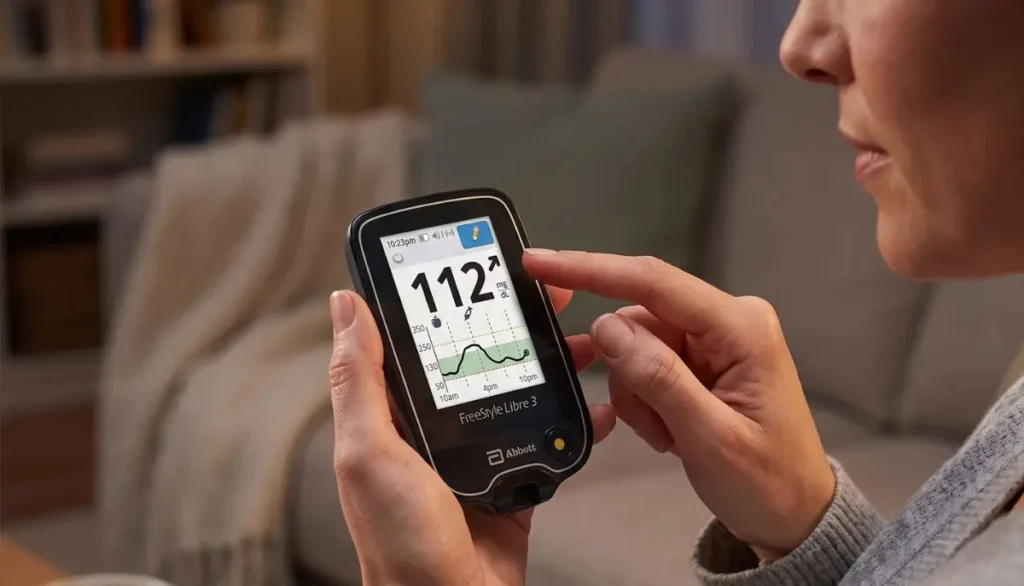
Think of sensor placement as more than simply finding an open patch of skin. You want an area where the sensor can stay securely attached and remain comfortable throughout everyday activities.
Can I Put My Libre 3 Sensor on My Stomach?
You may see other CGM users wearing sensors on their abdomen or other areas of the body.
However, you should not assume those locations are approved for your FreeStyle Libre 3 sensor.
Abbott’s guidance for the Libre 3 specifies the back of the upper arm as the application site. Placement on other parts of the body may cause the sensor to work improperly or produce inaccurate readings.
If you are considering an alternative location because the upper arm is uncomfortable, difficult to reach, or causing skin problems, speak with your healthcare professional before changing the recommended placement.
Can I Put My Libre 3 Sensor on My Thigh?
The thigh is another location sometimes discussed by people who use continuous glucose monitors.
However, the FreeStyle Libre 3 is not approved for placement on the thigh according to Abbott’s U.S. safety guidance. The recommended site is the back of the upper arm.
Even if another person has successfully worn a sensor on their thigh, that does not establish that the location is appropriate for your specific sensor.
For accurate and safe use, follow the application instructions supplied with your Libre 3 system.
Can I Put My Libre 3 Sensor on My Chest or Back?
The same principle applies to the chest, abdomen, lower back, or other body locations.
The recommended Libre 3 application site is the back of the upper arm.
Avoid experimenting with alternative sites simply because they seem more convenient. The sensor’s performance has been evaluated according to its approved placement instructions.
If your usual arm placement is difficult because of skin sensitivity, limited mobility, occupational activities, or another concern, ask your healthcare provider for guidance.
How Do I Choose the Best Spot on the Back of My Upper Arm?
Finding the right spot is relatively simple, but taking a few extra moments before applying the sensor can make a difference.
Look for an area that is:
1. Flat
Choose skin that stays relatively flat when you move your arm.
Avoid areas that crease, fold, or experience frequent movement.
2. Healthy
The skin should be clean and intact.
Avoid areas with:
- Cuts
- Rashes
- Bruising
- Irritation
- Scars
- Moles
- Stretch marks
- Lumps
Abbott specifically recommends avoiding scars, moles, stretch marks, and lumps when selecting a sensor site.
3. Away From Insulin Injection Sites
Place the sensor at least 1 inch away from areas where you inject insulin.
This helps prevent placing the sensor directly in an area that is being used for injections.
4. Comfortable During Daily Activities
Think about your normal routine.
Will your clothing repeatedly rub against the location? Will a backpack strap or sports equipment hit it? Do you frequently lean that part of your arm against a chair?
A location that feels fine when you apply the sensor may become irritating if it experiences repeated friction.
How to Prepare Your Skin Before Applying a Libre 3 Sensor
Correct skin preparation can help the sensor stay attached.
Abbott recommends cleaning the application area before applying the sensor. The general preparation process includes washing the area with plain, non-moisturizing, fragrance-free soap and water, drying the skin, cleaning it with an alcohol wipe, and allowing it to air dry completely.
Step 1: Wash Your Hands
Start with clean hands before handling the sensor and applicator.
Step 2: Wash the Application Area
Use plain, non-moisturizing, fragrance-free soap and water.
Avoid leaving lotions, creams, oils, or other products on the application area.
Step 3: Dry the Skin
Pat the area dry with a clean towel.
Your skin should be completely dry before application.
Step 4: Use an Alcohol Wipe
Clean the area with an alcohol wipe as directed.
Allow the area to air dry completely before applying the sensor.
Step 5: Apply the Sensor
Once the skin is properly prepared, follow the instructions supplied with your FreeStyle Libre 3 sensor and applicator.
Do not improvise the application process. If you are unsure about any step, refer to the manufacturer’s instructions or ask your healthcare professional.
Should I Put the Libre 3 Sensor on My Left or Right Arm?
Either the left or right upper arm can be used as long as you follow the recommended application location.
One useful approach is to alternate arms between sensors. Moving the sensor to a different location gives the previous area time to recover and may help reduce repeated irritation. Abbott recommends changing the application site between sensors.
For example:
Sensor 1: Back of right upper arm
Sensor 2: Back of left upper arm
Sensor 3: Back of right upper arm, using a different suitable spot
If your skin becomes irritated, painful, swollen, or unusually sensitive, stop and speak with your healthcare professional.
How Can I Keep My Libre 3 Sensor From Falling Off?
Sometimes the problem isn’t sensor placement itself—it is skin preparation or everyday friction.
Here are practical ways to help your sensor stay in place.
Keep the Skin Clean and Dry
Moisture, lotion, oils, and residue can interfere with adhesion. Properly cleaning and drying the application site before installation is important.
Be Careful With Clothing
Try not to catch the sensor when putting on or removing shirts, jackets, or other clothing.
Be Careful After Showering
When drying yourself, gently pat around the sensor rather than aggressively rubbing over it.
Consider Your Exercise Routine
If you exercise frequently, choose a suitable upper-arm location that minimizes repeated impact or rubbing.
Avoid Picking at the Sensor
Once applied, avoid repeatedly touching, pulling, or playing with the sensor.
These small habits can help reduce accidental removal.
Can I Put My Libre 3 Sensor Over a Scar?
It is best to avoid scars when selecting your application site.
Abbott recommends choosing healthy skin and specifically advises avoiding scars, moles, stretch marks, and lumps.
If you have extensive scarring on both upper arms and are having trouble finding an appropriate location, ask your healthcare professional for advice rather than selecting an unapproved body site yourself.
Can I Put My Libre 3 Sensor Over a Mole?
No. Abbott advises avoiding moles when choosing the sensor application area.
Look for a smooth, healthy section of skin on the back of the upper arm instead.
What If My Upper Arm Is Very Hairy?
Excessive hair can make sensor adhesion more difficult.
If you have significant hair at the intended application location, Abbott’s application guidance notes that shaving the application area may be considered to improve adhesion.
If you do shave, avoid irritating or damaging the skin. Do not apply a sensor to freshly irritated skin.
Can I Wear the Libre 3 While Showering or Swimming?
The FreeStyle Libre system is designed to be worn during normal activities, including bathing and swimming, subject to the specific product’s instructions and limitations.
However, water exposure does not mean you should ignore sensor care. Be gentle when drying your skin and avoid catching the sensor with a towel or clothing.
Always check the instructions that came with your specific sensor because product versions and approved wear times can differ.
What If My Sensor Placement Hurts?
A small amount of discomfort, bruising, or bleeding can occur with sensor insertion.
However, significant pain or persistent irritation should not simply be ignored. The sensor inserts a small filament under the skin, so skin condition and proper placement matter.
Contact your healthcare professional if you experience concerning symptoms such as:
- Significant or worsening pain
- Persistent bleeding
- Severe redness
- Swelling
- Signs of infection
- A significant skin reaction
If you suspect the sensor is not functioning correctly, follow the troubleshooting instructions provided with your system.
What If My Libre 3 Reading Doesn’t Match How I Feel?
A CGM reading is useful, but there can be situations where sensor glucose and blood glucose readings differ.
Abbott notes that differences can occur because CGMs measure glucose in interstitial fluid rather than directly measuring capillary blood. Differences may be more noticeable when glucose levels are changing rapidly, such as after eating, exercising, or taking insulin.
If your sensor reading does not match your symptoms or expectations, follow the instructions provided with your Libre system regarding blood glucose testing and treatment decisions.
Do not change medication or insulin doses based solely on an unexpected reading without following your healthcare provider’s treatment plan.
Common Libre 3 Sensor Placement Mistakes to Avoid
Mistake 1: Using a Random Body Location
Just because another CGM user wears a sensor somewhere else doesn’t mean the location is approved for your Libre 3.
Better approach: Use the back of the upper arm as directed by Abbott.
Mistake 2: Applying Lotion Before the Sensor
Lotions and creams can leave residue on the skin.
Better approach: Apply the sensor to properly cleaned and completely dry skin.
Mistake 3: Choosing a Scar or Stretch Mark
These areas may not be appropriate for sensor placement.
Better approach: Select healthy, relatively flat skin.
Mistake 4: Putting the Sensor Too Close to an Injection Site
Abbott recommends keeping the sensor at least 1 inch away from insulin injection sites.
Mistake 5: Reusing the Same Exact Spot
Repeatedly using the same location can contribute to discomfort or irritation.
Better approach: Rotate application sites between sensors.
A Simple Libre 3 Placement Checklist
Before applying your next sensor, ask yourself:
☐ Am I using the back of my upper arm?
☐ Is the area relatively flat?
☐ Is the skin healthy and free of irritation?
☐ Is the area free of scars, moles, stretch marks, and lumps?
☐ Is it at least 1 inch away from an insulin injection site?
☐ Have I cleaned the skin properly?
☐ Is the skin completely dry?
☐ Am I rotating locations between sensors?
If you can answer yes to these questions, you are following the major placement principles recommended by Abbott.
Why Correct Libre 3 Placement Matters
A continuous glucose monitor becomes part of your daily routine. You may sleep with it, exercise with it, work with it, shower with it, and wear it under your clothing.
That means the application location needs to be practical—not simply convenient for the first few minutes.
Choosing the recommended location can help you:
- Keep the sensor securely attached
- Reduce unnecessary skin irritation
- Avoid excessive friction
- Follow manufacturer instructions
- Get the intended performance from the system
- Feel more confident about your CGM routine
For many people, the best sensor placement is simply the location that follows the manufacturer’s instructions while fitting comfortably into their everyday life.
Final Thoughts: Where Can I Put My Libre 3 Sensor on My Body?
If you have been wondering, “where can I put my Libre 3 sensor on my body?”, the answer is straightforward: the back of your upper arm is the recommended application site.
You don’t need to search for a complicated alternative location. Instead, focus on finding a healthy, relatively flat area on the back of your upper arm, preparing your skin correctly, staying away from scars and other unsuitable areas, and rotating your application sites.
At Alfa Healthcare Supply Inc., we understand that medical equipment is not just about the product itself. It is also about knowing how to use that product comfortably and confidently as part of everyday life.
If you have questions about diabetes supplies, CGM products, diabetic equipment, or other home healthcare supplies, speak with a qualified healthcare professional for advice specific to your needs.
Frequently Asked Questions: Where Can I Put My Libre 3 Sensor on My Body?
Where can I put my Libre 3 sensor on my body?
The FreeStyle Libre 3 sensor should be applied to the back of the upper arm, according to Abbott’s guidance. Other locations are not approved and may affect sensor performance.
Can I put my Libre 3 sensor on my stomach?
The stomach is not the recommended application location for the FreeStyle Libre 3. Use the back of the upper arm unless your healthcare professional gives you different instructions.
Can I put my Libre 3 sensor on my thigh?
The thigh is not the approved application site for the Libre 3. Abbott recommends the back of the upper arm.
Can I switch between my left and right arm?
Yes. Rotating between suitable areas on the upper arms can help give your skin time to recover. Abbott recommends changing application sites between sensors.
Should the Libre 3 sensor be placed on a flat area?
Yes. Abbott recommends selecting an area on the back of the upper arm that generally stays flat during normal daily activities.
Can I put the sensor over a scar?
It is recommended to avoid scars when selecting your sensor site.
Can I put lotion under my Libre 3 sensor?
Avoid applying lotion or cream to the sensor application area. The skin should be clean and dry before sensor application.
How far should the sensor be from an insulin injection site?
Abbott recommends keeping the sensor at least 1 inch (2.5 cm) away from insulin injection sites.
What happens if I put the Libre 3 somewhere other than my upper arm?
The sensor may not function properly or may provide inaccurate readings if used at an unapproved site. Follow the manufacturer’s placement instructions.
Does putting the sensor in the right place make a difference?
Yes. Proper placement can help with sensor adhesion, comfort, and use according to the manufacturer’s instructions.
Medical Disclaimer: This article is intended for general educational purposes and is not a substitute for professional medical advice, diagnosis, or treatment. Always follow the instructions supplied with your specific FreeStyle Libre system and consult your healthcare professional if you have questions about sensor placement, readings, skin reactions, medications, or diabetes management.
Using a continuous glucose monitoring (CGM) system can make everyday diabetes management feel more manageable. A Dexcom sensor continuously tracks glucose levels and sends information to a compatible receiver, smartphone, or other display device. But sometimes you may wonder: can you change your Dexcom sensor before it expires?
The short answer is yes. Depending on the Dexcom model you use, you can end the current sensor session early and start a new sensor. Dexcom provides specific steps for ending a session before its scheduled expiration.
This can be useful when a sensor becomes loose, is uncomfortable, needs to be removed for a medical procedure, or you simply need to replace it before the normal wear period ends.
At Alfa Healthcare Supply Inc., we understand that reliable diabetes supplies are part of everyday life. Having the right information about your CGM supplies can help you feel more prepared and confident.
Can You Change Your Dexcom Sensor Before It Expires?
Yes. You can change your Dexcom sensor before it expires.
For example, Dexcom states that a G6 sensor can be changed before completing its 10-day sensor session. To do this, you should first end the sensor session through your compatible display device before removing the sensor.
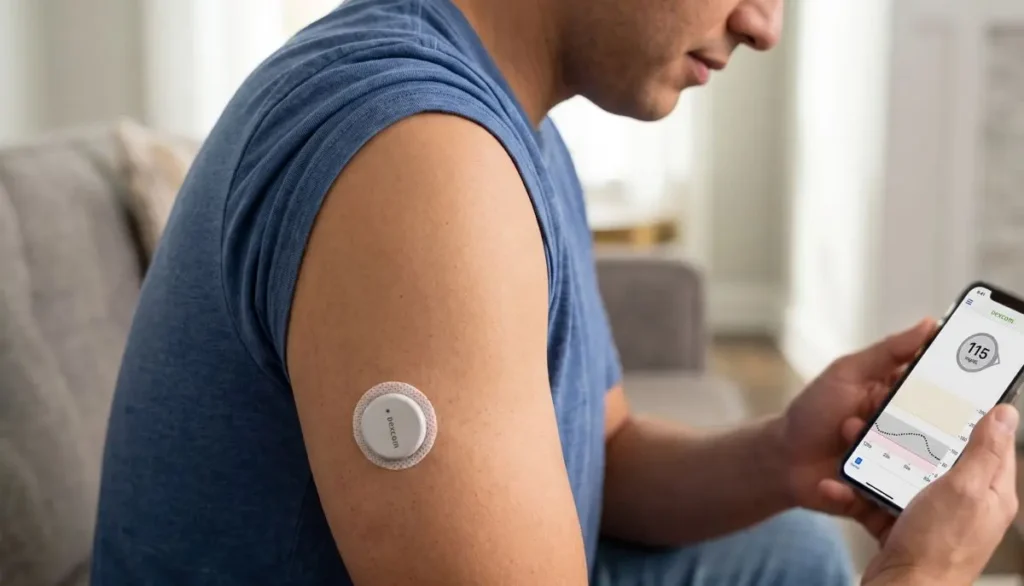
For Dexcom G7, Dexcom also allows users to manually end the sensor session or grace period before it finishes. The app or receiver provides options such as “Replace Sensor” or “Stop Sensor Session,” depending on what you want to do next.
So, if your sensor has several days remaining but you need to replace it, you generally do not have to wait until the automatic expiration.
Why Would Someone Change a Dexcom Sensor Early?
There are several practical reasons why someone might need to replace a sensor before its scheduled end.
1. The Sensor Is Coming Loose
Adhesive can loosen because of sweating, exercise, bathing, friction from clothing, or normal daily movement.
If the sensor is no longer securely attached, replacing it may be more appropriate than trying to continue using a sensor that cannot remain properly positioned.
2. The Sensor Is Uncomfortable
Skin irritation or discomfort can make wearing a sensor unpleasant.
If you experience significant irritation, pain, swelling, or another concerning reaction, remove the sensor and speak with your healthcare professional for appropriate advice.
3. The Sensor Has Failed
Sometimes a CGM sensor may stop working before completing its expected wear period.
Dexcom’s replacement policy states that confirmed product failures during the intended sensor lifetime may qualify for a replacement. Dexcom recommends contacting its Technical Support team when a sensor fails prematurely.
4. You Need to Remove the Sensor for a Procedure
There may be situations in which a healthcare professional tells you to remove your CGM sensor for a medical procedure or examination.
Dexcom specifically provides instructions for ending a sensor session early in situations where the sensor cannot be worn.
5. You Want to Start a New Sensor
You may simply want to replace the current sensor and begin a new session.
The important step is to properly end the current session before removing the sensor.
How Long Does a Dexcom Sensor Normally Last?
Sensor life depends on the Dexcom model.
According to Dexcom’s current information:
- Dexcom G6: up to 10 days
- Dexcom G7: up to 10 days
- Dexcom G7 15 Day: up to 15 days
Dexcom’s G7 and G7 15 Day systems also include a 12-hour grace period at the end of the sensor session.
Always check the instructions for the exact Dexcom system you use because product features and availability can vary.
How to Change a Dexcom Sensor Before It Expires
The exact process depends on your Dexcom model, but the general process is straightforward.
Step 1: End the Current Sensor Session
Do not simply remove the sensor without first following the instructions on your display device.
For the Dexcom G7, you can manually end the session through the app or receiver. Dexcom provides a Replace Sensor option when you want to immediately start another sensor.
For the Dexcom G6, use the Stop Sensor option and follow the instructions displayed on your device.
Step 2: Remove the Old Sensor
Once the session has been properly ended, remove the old sensor according to the instructions for your specific model.
Avoid pulling or handling the sensor unnecessarily while it is still active.
Step 3: Prepare the New Sensor
Wash and dry your hands and prepare the new sensor according to the manufacturer’s instructions.
The application area should be appropriate for your specific Dexcom model and should be clean and dry.
Step 4: Insert the New Sensor
Follow the on-screen prompts and Dexcom instructions to apply and activate the new sensor.
Do not use a sensor that has been previously used.
Step 5: Complete the New Sensor Startup
Your display device will guide you through starting the new sensor session and, where applicable, the sensor warmup period.
Follow the prompts carefully rather than attempting to bypass the normal startup process.
Can You Change a Dexcom G7 Sensor Early?
Yes.
Dexcom states that a G7 sensor session or grace period can be ended manually before it finishes. The G7 app or receiver provides an option to replace the sensor immediately.
This can be helpful if the sensor is no longer suitable to wear or if you need to change it for another reason.
However, once a G7 sensor session has ended, Dexcom says the sensor cannot be restarted. A new sensor is required to continue receiving glucose readings and alerts.
Can You Change a Dexcom G6 Sensor Early?
Yes.
Dexcom specifically confirms that a G6 sensor can be changed before the 10-day period is complete.
Before removing it, select Stop Sensor on your compatible smartphone or Dexcom receiver. After ending the session, the display should show the option to start a New Sensor.
Following this sequence helps prevent problems when pairing or starting the next sensor.
Should You Wait Until Your Dexcom Sensor Expires?
Not necessarily.
If the sensor is working correctly, is comfortable, and remains securely attached, you generally do not need to replace it early simply because you have a new sensor available.
Using the sensor for its intended wear period can help you make the most of your supplies.
However, if there is a legitimate reason to replace it early, Dexcom provides instructions for ending the session before expiration.
If you are uncertain whether a sensor should be removed, contact your healthcare professional or Dexcom Product Support.
What Happens If You Remove Your Dexcom Sensor Without Ending the Session?
This is an important consideration.
For an early replacement, Dexcom instructs users to end the existing session through the appropriate app or receiver before removing the sensor. This helps ensure the system knows that the current sensor session has ended and allows you to proceed with a new sensor.
Because the exact steps can differ between models, always follow the instructions displayed on your device.
What If Your Dexcom Sensor Stops Working Early?
A sensor that fails before the end of its expected lifetime may qualify for replacement depending on the circumstances.
Dexcom’s current replacement policy covers confirmed product failures during the intended sensor lifetime. Dexcom also notes that certain non-defective situations may qualify for a courtesy replacement on a case-by-case basis.
If your sensor fails early:
- Follow the troubleshooting instructions on your Dexcom system.
- Record the sensor’s serial number.
- Contact Dexcom Product Technical Support.
- Explain what happened and when the sensor stopped working.
- Follow the support team’s instructions regarding replacement.
Dexcom advises having the sensor’s identifying number available when contacting support.
Does Changing a Sensor Early Affect Your Diabetes Management?
Changing a sensor early may create a period without CGM readings while the replacement sensor starts its session.
This is why planning ahead can be helpful.
If you rely heavily on CGM readings for daily diabetes decisions, make sure you understand what to do if your sensor is temporarily unavailable. Your healthcare provider can advise you about alternative glucose monitoring and what to do during gaps in CGM data.
If your CGM readings do not match how you feel or what you expect, follow your healthcare professional’s guidance about confirming glucose levels with a blood glucose meter when appropriate.
Tips for a Smooth Dexcom Sensor Change
Replacing a CGM sensor does not have to become a stressful part of your routine.
Keep a Replacement Sensor Available
Try to avoid waiting until the last moment to arrange your next sensor.
Having your replacement supply available can reduce unnecessary gaps in monitoring.
Check Your Sensor Before Removing It
If you are considering early replacement because of an issue, identify what is happening first.
Is the adhesive lifting? Is the sensor damaged? Are you experiencing skin irritation? Is the system showing an error?
Knowing the problem can help you determine the next appropriate step.
Follow Your Model’s Instructions
G6 and G7 systems have different features and procedures.
Do not assume instructions for one model automatically apply to another.
Keep Your Supplies Organized
Store your unused sensors according to the manufacturer’s instructions and check packaging before use.
Ask for Help When Something Does Not Look Right
You do not have to figure everything out alone.
If your sensor repeatedly fails, readings appear unusual, or you are unsure how to replace the sensor, contact your healthcare provider or Dexcom support.
Can You Reuse a Dexcom Sensor?
No.
Dexcom describes its sensors as single-use, disposable supplies. A used sensor should not be reused as a new sensor.
For the Dexcom G7, restarting a completed sensor session is also not supported. Once the session has ended, you need a new sensor for continued readings and alerts.
What Is the Difference Between Changing Early and Restarting?
These two terms can sound similar, but they are different.
Changing early means ending the current sensor session before its scheduled end and applying a new, unused sensor.
Restarting generally refers to attempting to use a sensor again after its normal session has ended.
Dexcom does not allow restarting a completed G7 sensor session.
Therefore, if your current sensor needs to be replaced, use a new sensor rather than attempting to extend or restart the old one.
A Simple Way to Think About Early Dexcom Replacement
It can help to remember three simple points:
1. Yes, you can change it early.
You do not always have to wait for the sensor’s scheduled expiration.
2. End the session correctly.
Use the appropriate option on your Dexcom app or receiver before removing the sensor.
3. Use a new sensor.
Do not attempt to restart or reuse a completed Dexcom G7 sensor.
These small steps can make the transition from one sensor to another much smoother.
Get Diabetes and Medical Supplies from Alfa Healthcare Supply Inc.
Managing diabetes involves more than checking glucose. Having dependable access to appropriate medical supplies can make everyday routines easier and less stressful.
Alfa Healthcare Supply Inc. provides a range of healthcare and durable medical equipment supplies designed to support patients, caregivers, and families. From diabetes-related supplies to other home healthcare equipment, having a dependable medical supply source can make it easier to stay prepared.
If you are looking for diabetes supplies or other medical equipment, visit Alfa Healthcare Supply Inc. to explore available products and services.
Final Thoughts
So, can you change your Dexcom sensor before it expires? Yes.
Whether you use a Dexcom G6 or G7, there are situations where changing the sensor early is appropriate. The most important thing is to properly end the current sensor session through your compatible app or receiver before removing the sensor.
If your sensor fails unexpectedly, do not assume you have to absorb the cost of a replacement. Dexcom has a sensor replacement policy for confirmed product failures, so contacting Dexcom Product Support may be worthwhile.
Most importantly, remember that your CGM is a tool to support your diabetes management. When something does not seem right, take a moment to check the instructions, contact the appropriate support team, and speak with your healthcare professional when necessary.
A little preparation can make sensor changes feel much less complicated—and help you stay focused on the things that matter most in your daily life.
Frequently Asked Questions
Can you change your Dexcom sensor before it expires?
Yes. Dexcom allows early sensor replacement for its systems when the current sensor session is properly ended through the compatible app or receiver. The exact procedure depends on your Dexcom model.
Can I change my Dexcom G7 before 10 days?
Yes. A Dexcom G7 session can be ended manually before the normal session or grace period ends. You can then start a new sensor session with a new sensor.
Can I change my Dexcom G6 before 10 days?
Yes. Dexcom specifically states that G6 sensors can be changed earlier than 10 days. End the sensor session using the Stop Sensor option before removing the sensor.
Can you restart a Dexcom G7 after it expires?
No. Dexcom states that the G7 cannot be restarted after the sensor session is complete. A new sensor is required.
What if my Dexcom sensor fails early?
Contact Dexcom Product Technical Support. A confirmed product failure during the intended sensor lifetime may qualify for a replacement under Dexcom’s sensor replacement policy.
Do I have to wait until the sensor expires before changing it?
No. If you need to replace the sensor early, you can follow the manufacturer’s instructions to end the current session and start a new one.
Can I reuse an old Dexcom sensor?
No. Dexcom sensors are single-use, disposable products.
How long does a Dexcom G7 sensor last?
A standard Dexcom G7 sensor lasts up to 10 days, followed by a 12-hour grace period. The Dexcom G7 15 Day is designed for up to 15 days, also with a 12-hour grace period.
Should I contact my doctor if I want to change my sensor early?
For routine replacement, follow the Dexcom instructions for your specific system. If you have skin problems, persistent inaccurate readings, repeated sensor failures, or concerns about your glucose levels, contact your healthcare professional.
Managing diabetes is not just about checking blood sugar or taking medication. It is a daily routine that may involve glucose monitoring, testing supplies, insulin-related accessories, protective footwear, and other healthcare products. Having dependable access to the right supplies can make that routine feel much easier and more manageable.
For residents and families searching for a diabetes supply store Longwood, Alfa Healthcare Supply Inc. provides diabetes-care products and durable medical equipment designed to support patients, caregivers, and healthcare professionals throughout New York.
Alfa Healthcare Supply Inc. has more than 25 years of healthcare experience and offers a broad selection of medical supplies, including diabetic supplies, DME, respiratory equipment, orthopedic products, mobility aids, and home healthcare solutions.
What is a Diabetes Supply Store?
A diabetes supply store is a healthcare supplier that provides products used to support everyday diabetes management. Depending on a person’s treatment plan, these products can include blood glucose monitoring systems, test strips, lancets, insulin-related supplies, diabetic footwear, and other accessories.
For someone managing diabetes, having these items available when needed is important. A missing box of test strips or an expired supply can interrupt an established monitoring routine.
That is why choosing a reliable supplier is about more than simply finding a place to purchase products. It is about finding a healthcare resource that understands the importance of dependable supplies, product quality, and patient support.
Diabetes Supplies Available from Alfa Healthcare Supply Inc.
Alfa Healthcare Supply Inc. maintains a dedicated diabetic supplies category with products designed for glucose monitoring and everyday diabetes care. Its catalog includes glucose monitoring systems and recurring diabetes supplies.
Depending on individual healthcare needs and prescriptions, available products may include:
- Blood glucose monitoring systems
- Blood glucose test strips
- Lancets and testing accessories
- Continuous glucose monitoring products
- Insulin pen needles and related supplies
- Diabetic shoes
- Diabetic shoe inserts
- Foot-care products
- Other diabetes-management accessories
The company currently lists products such as the Ascensia Contour Next EZ Blood Glucose Monitoring System, Contour Next Test Strips, and Dexcom G7 Receiver in its diabetic supplies catalog.
The appropriate equipment can vary from person to person. Patients should follow the recommendations of their physician, diabetes educator, or other qualified healthcare professional when selecting and using diabetes equipment.
Why Reliable Diabetes Supplies Matter
Diabetes management often depends on consistency.
A person may have a specific schedule for checking blood glucose, changing monitoring supplies, taking medication, or caring for their feet. Having dependable supplies can help make these routines easier to maintain.
Quality supplies can also provide practical benefits such as:
- Convenient daily monitoring
- Easier organization of diabetes-care products
- Greater confidence when following a prescribed routine
- Better access to replacement supplies
- Support for home-based diabetes management
For families and caregivers, having a dependable medical supply provider can also reduce the stress of searching for individual products from multiple sources.
Blood Glucose Monitoring Supplies
Blood glucose monitoring is an important part of diabetes care for many patients. A glucose meter uses a small blood sample to measure blood sugar, while test strips and lancets are essential components of traditional blood glucose testing.
A typical monitoring routine may require:
- A compatible blood glucose meter
- Appropriate test strips
- Lancets
- A lancing device
- A safe method for disposing of used lancets
- Proper storage for testing supplies
Different glucose meters use different test strips, so compatibility matters. Patients should check the manufacturer’s instructions and use the correct supplies for their specific device.
Alfa Healthcare Supply Inc. offers glucose monitoring systems and recurring diabetic supplies intended to support patients and healthcare providers.
Continuous Glucose Monitoring Options
Some people use a Continuous Glucose Monitoring (CGM) system rather than relying only on traditional finger-stick testing.
CGM technology can provide ongoing glucose information through a sensor worn on the body. Depending on the specific system, glucose information may be displayed on a receiver, smartphone, or compatible device.
Alfa Healthcare Supply Inc.’s diabetic supplies catalog includes CGM-related products, including the Dexcom G7 Receiver.
Because CGM systems differ in how they are applied, used, maintained, and replaced, patients should follow the instructions provided with their particular device and the guidance of their healthcare professional.
Diabetic Footwear and Foot Protection
Foot care deserves special attention for many people with diabetes.
Diabetes can be associated with changes in sensation and circulation, which may increase the importance of protecting the feet from pressure, friction, and unnoticed injuries. Appropriate footwear may help provide additional comfort and protection when it is medically indicated.
Diabetic footwear may include:
- Therapeutic diabetic shoes
- Diabetic shoe inserts
- Protective footwear
- Non-binding socks
- Foot-care accessories
Alfa Healthcare Supply Inc. identifies diabetic footwear and specialized orthopedic insoles among its diabetes-care solutions.
The right footwear should not simply be chosen because it looks comfortable. Fit, foot shape, pressure points, activity level, and individual medical needs should all be considered. A podiatrist or other qualified healthcare professional can help determine whether therapeutic footwear is appropriate.
Longwood Medical Supplies for Everyday Healthcare Needs
Searching for Longwood medical supplies may involve more than diabetes products.
Patients recovering at home, older adults, caregivers, and people managing chronic conditions may need several types of healthcare equipment. Alfa Healthcare Supply Inc. offers a broad catalog that includes diabetic supplies, DME equipment, respiratory products, orthopedic supports, mobility aids, incontinence supplies, OBGYN supplies, and other healthcare products.
This broader range can be useful when a household needs several healthcare products at the same time.
For example, someone managing diabetes may also require mobility support, orthopedic products, respiratory equipment, or home-care equipment. Having access to multiple categories through one healthcare supplier can make product coordination more convenient.
Hospital Equipment Longwood
Healthcare facilities and professional caregivers may require dependable equipment and supplies for patient care.
When searching for hospital equipment Longwood, it is important to consider the intended environment and the patient’s specific requirements. Medical equipment is not one-size-fits-all, and the right choice depends on factors such as the user’s condition, mobility, treatment plan, and care setting.
Alfa Healthcare Supply Inc. provides a broad range of durable medical equipment and healthcare products. Its catalog includes mobility aids, respiratory devices, orthopedic supports, home-care equipment, and other medical supplies.
Professional healthcare providers should select equipment according to clinical requirements and applicable manufacturer or facility guidelines.
Surgical Equipment Longwood
People searching for surgical equipment Longwood may be looking for supplies needed before, during, or after a medical procedure.
Surgical and recovery-related products should be selected according to the healthcare professional’s instructions. Depending on the situation, a patient may also need post-operative support products, orthopedic equipment, mobility aids, wound-care items, or other medical supplies.
For patients recovering at home, having the appropriate equipment ready before discharge can make the transition from hospital to home more comfortable.
Alfa Healthcare Supply Inc. offers multiple categories of medical and durable equipment that can support different stages of patient care.
Medical Equipment Longwood for Home Healthcare
Home healthcare can feel very different from receiving treatment in a hospital.
At home, patients and caregivers often need to create a safe and comfortable environment around the person’s daily routine. Depending on medical needs, that may involve mobility equipment, respiratory equipment, orthopedic supports, diabetes supplies, or other DME.
When looking for medical equipment Longwood, consider:
- Whether the equipment is appropriate for the patient’s condition
- Whether the product fits the intended environment
- Whether professional guidance is required
- Whether replacement supplies will be needed
- Whether the equipment is easy for the patient or caregiver to use
- Whether instructions and maintenance requirements are understood
Alfa Healthcare Supply Inc. describes its DME and healthcare catalog as covering products intended to support different stages of care, from daily medical supplies to specialized durable medical equipment.
What Makes Alfa Healthcare Supply Inc. Different?
Choosing a medical supplier can feel personal, especially when the products are connected to a condition that requires daily attention.
Alfa Healthcare Supply Inc. focuses on combining healthcare products with patient and provider support. The company states that it has more than 25 years of experience and provides personalized care consultations, insurance billing assistance, customer support, and a broad medical product catalog.
Its diabetes services also include documentation management, insurance verification, electronic prescribing through Parachute Health, and patient education for monitoring systems.
For patients, this can mean less time worrying about where to find essential supplies and more time focusing on their established care routine.
Help for Patients, Caregivers, and Healthcare Providers
Diabetes affects more than the person receiving the diagnosis. Family members, caregivers, nurses, and healthcare providers may all become part of the daily care process.
A good medical supply provider should make that process easier rather than more confusing.
Alfa Healthcare Supply Inc. works with patients and healthcare providers and provides referral services for categories including diabetic supplies, shoes, orthopedic supplies, DME equipment, respiratory supplies, and other healthcare products.
For providers, appropriate documentation and referral processes can help streamline equipment ordering. For patients and caregivers, having access to knowledgeable support can make the process feel less overwhelming.
How to Choose the Right Diabetes Supply Store
If you are comparing diabetes supply providers, consider these practical questions:
1. Does the supplier carry the products you actually need?
Look for a provider with access to the specific glucose monitoring system, test strips, lancets, diabetic footwear, or other supplies recommended for you.
2. Are the products appropriate for your treatment plan?
Avoid selecting diabetes equipment solely because it is popular or expensive. The most appropriate product depends on individual circumstances and professional recommendations.
3. Is ongoing support available?
Diabetes supplies are often recurring purchases. A supplier that can assist with refills, product questions, documentation, and ordering can be valuable over time.
4. Does the supplier work with healthcare providers?
Provider coordination may make the ordering process easier when documentation or referrals are required.
5. Can you access other medical equipment when your needs change?
Healthcare needs can evolve. A supplier offering diabetes products alongside DME, orthopedic, respiratory, mobility, and home-care equipment may provide a more convenient long-term resource.
A More Comfortable Approach to Diabetes Care
Diabetes management can sometimes feel like a long list of small responsibilities.
Check your glucose. Refill your supplies. Remember your appointments. Take care of your feet. Keep your equipment clean and ready. Repeat.
The right medical supply partner cannot remove every challenge, but it can make one part of the journey easier: getting dependable healthcare products when you need them.
For individuals and families searching for a diabetes supply store Longwood, Alfa Healthcare Supply Inc. provides a range of diabetic products and healthcare equipment designed to support everyday care. Its wider catalog also includes medical supplies, DME, respiratory equipment, orthopedic products, mobility aids, and home healthcare solutions.
Conclusion: Diabetes Supply Store Longwood
Finding the right diabetes supply store Longwood can make everyday diabetes management more organized and less stressful. Reliable access to glucose monitoring products, testing supplies, diabetic footwear, and other healthcare essentials can help patients and caregivers maintain their established care routines.
Alfa Healthcare Supply Inc. combines diabetes supplies with a broader range of Longwood medical supplies, hospital equipment Longwood, surgical equipment Longwood, and medical equipment Longwood solutions. With more than 25 years of healthcare experience and a focus on patient and provider support, the company aims to make access to essential medical products more convenient.
Frequently Asked Questions: Diabetes Supply Store Longwood
What can I buy from a diabetes supply store?
Depending on the supplier and your healthcare needs, diabetes supplies may include blood glucose meters, test strips, lancets, CGM products, insulin-related supplies, diabetic shoes, shoe inserts, and foot-care products.
Does Alfa Healthcare Supply Inc. offer diabetic supplies?
Yes. Alfa Healthcare Supply Inc. has a dedicated diabetic supplies category that includes glucose monitoring systems, testing supplies, CGM-related products, diabetic footwear, and other diabetes-care products.
Can I find medical equipment along with diabetes supplies?
Yes. Alfa Healthcare Supply Inc. offers multiple healthcare categories, including diabetic supplies, DME equipment, respiratory products, orthopedic supplies, mobility aids, and home healthcare products.
Are diabetic shoes appropriate for everyone with diabetes?
Not necessarily. The need for therapeutic or diabetic footwear depends on individual foot health and medical circumstances. A qualified healthcare professional can help determine whether specialized footwear or inserts are appropriate.
How do I choose a blood glucose monitor?
Consider your healthcare professional’s recommendations, the meter’s compatibility with available test strips, ease of use, readability, testing requirements, and any features that are important for your daily routine.
Does Alfa Healthcare Supply Inc. provide patient support?
The company states that it provides personalized care consultations, customer support, insurance billing assistance, and patient education for monitoring systems.
Can healthcare providers refer patients to Alfa Healthcare Supply Inc.?
Yes. Alfa Healthcare Supply Inc. provides a patient referral process that includes diabetic supplies, DME equipment, shoes, orthopedic supplies, respiratory supplies, and other categories.
When healthcare needs arise, having access to dependable medical products can make everyday care feel a little easier. Whether a family is preparing for a loved one’s recovery at home, a caregiver needs essential equipment, or a healthcare professional is looking for reliable supplies, choosing the right supplier matters.
For residents and healthcare providers searching for hospital supply East Morrisania, Alfa Healthcare Supply Inc. offers access to a broad selection of medical supplies and durable medical equipment designed to support different healthcare needs. The company serves the Bronx along with Queens, Brooklyn, Manhattan, Long Island, Westchester, and other areas throughout New York.
What is a Hospital Supply Store?
A hospital supply provider is more than a place to purchase healthcare products. It can serve as an important resource for patients, caregivers, physicians, clinics, rehabilitation professionals, home healthcare providers, and other healthcare organizations.
Hospital supplies may include products used for:
- Patient mobility and transfers
- Home recovery after hospitalization
- Respiratory care
- Diabetes management
- Orthopedic support
- Incontinence and urological care
- Wound and post-surgical care
- Daily living and personal care
- Long-term medical needs
- Durable medical equipment (DME)
Not every patient requires the same equipment. Someone recovering from surgery may need mobility assistance, while another individual may require respiratory equipment or diabetes supplies. A knowledgeable supplier can help customers identify products appropriate for their situation while encouraging them to follow their healthcare professional’s recommendations.
Why Choosing the Right Hospital Supply East Morrisania Provider Matters
Medical equipment is often purchased during an important or stressful period. A patient may have just returned home from the hospital. A family member may suddenly become a caregiver. A medical office may need supplies to keep daily operations running smoothly.
In these situations, reliability matters.
A good hospital supply provider should offer:
1. A Broad Product Selection
Having access to multiple healthcare categories can make purchasing more convenient. Alfa Healthcare Supply Inc. provides products across areas such as DME, diabetic supplies, respiratory equipment, mobility aids, orthopedic products, incontinence supplies, and other healthcare essentials.
2. Quality-Focused Products
Healthcare products should be selected carefully because they can directly affect comfort, safety, and daily usability. Alfa Healthcare Supply Inc. states that it focuses on quality healthcare products and FDA-approved, compliant medical equipment.
3. Experienced Support
Knowing which product to choose is not always straightforward. Different walkers, mobility devices, respiratory products, supports, and home-care equipment can have different features and intended uses.
Alfa Healthcare Supply Inc. has more than 25 years of experience serving patients, caregivers, and healthcare providers, giving customers an experienced resource when evaluating their medical supply needs.
Surgical Supply East Morrisania for Recovery and Patient Care
Surgery can change a person’s daily routine considerably. After leaving a hospital, patients may need additional equipment or supplies to make recovery at home safer and more comfortable.
People searching for surgical supply East Morrisania may be looking for products associated with post-operative recovery, mobility, wound care, orthopedic support, or other healthcare needs.
Depending on the individual’s care plan, useful categories may include:
- Mobility aids
- Wheelchairs and walkers
- Orthopedic supports
- Compression products
- Wound-care essentials
- Bathroom safety equipment
- Hospital beds
- Patient-care equipment
- Incontinence products
- Respiratory equipment
The right product depends on the patient’s condition, physician’s instructions, home environment, and recovery plan. Medical supplies should not be selected solely because they appear convenient or inexpensive.
Medical Supply East Morrisania for Everyday Healthcare Needs
Healthcare does not stop when a patient leaves a hospital. Many people require ongoing products to manage chronic conditions, recover from injuries, maintain mobility, or remain comfortable at home.
A dependable medical supply East Morrisania resource can help patients and caregivers access products for a variety of needs.
Mobility Equipment
Mobility products can support individuals who have difficulty walking or standing independently.
Common examples include:
- Walkers
- Rollators
- Wheelchairs
- Transport chairs
- Mobility scooters
- Patient lifts
- Other mobility accessories
Alfa Healthcare Supply Inc. lists mobility aids among its healthcare solutions and provides equipment intended to help people maintain greater independence in daily life.
Respiratory Equipment
People managing respiratory conditions may require specialized equipment prescribed or recommended by their healthcare provider.
Alfa Healthcare Supply Inc. offers respiratory products including CPAP machines, oxygen concentrators, and other breathing-related equipment.
Respiratory equipment should be used according to professional medical instructions. Patients should speak with their healthcare provider when they have questions about settings, treatment, or whether a particular device is appropriate.
Diabetes Supplies
Diabetes management often involves regular monitoring and consistent access to necessary supplies.
Medical supply providers may offer products such as:
- Blood glucose monitors
- Glucose testing supplies
- Insulin-related supplies
- Diabetic footwear
- Diabetic shoe inserts
- Other diabetes-care essentials
Having supplies readily available can help patients maintain their established diabetes-management routine.
Orthopedic Supplies
Injuries, joint problems, and post-surgical recovery may require additional support.
Orthopedic products can include braces, supports, compression therapy products, and other equipment intended to assist with mobility or recovery. Alfa Healthcare Supply Inc. identifies orthopedic supports as one of its healthcare service categories.
Hospital Supplies for Home Recovery
Returning home after hospitalization can feel overwhelming. A familiar home may suddenly need to function as a temporary recovery environment.
A patient might need a walker near the bedroom, bathroom safety equipment, a hospital bed, or other DME depending on their medical situation.
Alfa Healthcare Supply Inc. provides DME such as mobility equipment and home-care products, and its published information also describes professional setup and training for certain complex equipment.
This type of support can be valuable because simply receiving medical equipment is not always enough. Patients and caregivers should understand how equipment is intended to be used and follow the instructions provided by the manufacturer and healthcare professional.
Why Local Healthcare Access Can Make a Difference
Searching for hospital supply East Morrisania is often about convenience, but local access is also about reducing unnecessary stress.
When a medical product is needed, people may not have the time or energy to search through dozens of unfamiliar suppliers. A healthcare supplier serving the Bronx and surrounding New York communities can provide a more practical starting point.
Alfa Healthcare Supply Inc. states that it serves the Bronx as well as Queens, Brooklyn, Manhattan, Long Island, Westchester, and other New York communities.
For customers who need products delivered rather than purchased in person, the company also provides ordering and shipping options throughout New York.
What to Consider Before Purchasing Medical Equipment
Choosing medical equipment should involve more than comparing prices.
Before purchasing, consider:
Medical necessity: Is the product appropriate for the patient’s condition and care plan?
Correct size and fit: Mobility aids, orthopedic supports, compression products, and other equipment may require appropriate sizing.
Ease of use: A product should be practical for the patient and caregiver who will actually use it.
Home environment: Consider doorways, stairs, bathroom space, flooring, and available storage when selecting larger DME.
Product instructions: Read the manufacturer’s instructions and ask questions if something is unclear.
Professional guidance: For prescription-related or treatment-specific equipment, consult the appropriate healthcare professional.
Insurance eligibility: Some DME and medical supplies may qualify for insurance coverage depending on the patient, product, provider, and plan requirements. Alfa Healthcare Supply Inc. states that it offers insurance billing assistance.
Alfa Healthcare Supply Inc.: A Patient-Focused Approach
Alfa Healthcare Supply Inc. describes its approach as centered on quality products, customer support, and compassionate healthcare service. The company has more than 25 years of industry experience and works with patients, caregivers, and healthcare professionals.
Its catalog covers multiple healthcare categories, which can be helpful for customers whose needs extend beyond one type of product.
Whether someone needs mobility equipment for recovery, diabetic supplies for ongoing care, respiratory equipment, orthopedic support, or other healthcare essentials, having one experienced supplier can simplify the process.
The goal is not simply to sell a product. The better goal is to help customers find an appropriate healthcare solution that fits their individual circumstances.
Supporting Families, Caregivers, and Healthcare Professionals
Behind every medical supply order is usually a person.
It may be an older adult trying to remain independent at home. It may be a parent caring for a family member after surgery. It may be a caregiver trying to make a home safer. Or it may be a healthcare professional who needs dependable equipment for patient care.
That human side of healthcare is why product quality, availability, communication, and service all matter.
A trusted supplier should understand that customers may have questions and that medical equipment can sometimes feel unfamiliar. Clear information and responsive support can make the purchasing experience less stressful.
Choose a Healthcare Supply Partner With Care in Mind
Finding hospital supply East Morrisania does not have to be a frustrating experience. The right supplier can provide more than products—it can provide access to dependable healthcare equipment, knowledgeable support, and solutions designed around real patient needs.
For patients, caregivers, healthcare professionals, and families in the Bronx and throughout New York, Alfa Healthcare Supply Inc. brings together medical supplies, durable medical equipment, respiratory products, mobility aids, diabetic supplies, orthopedic products, and other healthcare essentials.
When health and independence matter, having a reliable medical supply partner can provide something that is difficult to put a price on: peace of mind.
For more information about available products and healthcare solutions, visit Alfa Healthcare Supply Inc..
Frequently Asked Questions
What can I find from a hospital supply East Morrisania provider?
Hospital and medical supply providers may offer DME, mobility equipment, respiratory products, diabetic supplies, orthopedic supports, incontinence products, and other healthcare essentials. Product availability varies by supplier.
Does Alfa Healthcare Supply Inc. serve East Morrisania?
Alfa Healthcare Supply Inc. serves the Bronx and other New York communities as part of its broader service area.
What is the difference between hospital supplies and medical supplies?
The terms often overlap. Hospital supplies generally refer to products used in clinical and patient-care environments, while medical supplies can include products used by hospitals, clinics, caregivers, and patients at home.
Can I find surgical products for home recovery?
Depending on your needs, a medical supplier may offer mobility equipment, orthopedic supports, wound-care products, bathroom safety equipment, and other recovery-related supplies. Always follow your healthcare professional’s recommendations.
Does Alfa Healthcare Supply Inc. offer durable medical equipment?
Yes. Its product and service information includes DME such as wheelchairs, walkers, mobility equipment, hospital beds, patient lifts, and other home-care equipment.
Can medical equipment be delivered?
Alfa Healthcare Supply Inc. states that it offers shipping and delivery services throughout New York, including standard and expedited shipping options.
Important Healthcare Disclaimer
This article is intended for general educational and informational purposes. Medical equipment should be selected and used according to applicable manufacturer instructions and the advice of qualified healthcare professionals. Alfa Healthcare Supply Inc. states that information on its website does not replace a personalized relationship with a healthcare provider and that it does not provide diagnosis or treatment through its website.