


What Do Diabetic Shoes Look Like?
When someone hears the term diabetic shoes, they often imagine oversized or unattractive footwear. Fortunately, that’s no longer true. Today, if you’re asking what do diabetic shoes look like, you’ll find they come in stylish designs while offering advanced protection for diabetic feet.

Modern diabetic shoes are carefully engineered to reduce pressure, prevent skin irritation, and provide exceptional support without sacrificing appearance. Whether you’re heading to work, exercising, or attending a family gathering, diabetic shoes can blend seamlessly into your everyday wardrobe.
At Alfa Healthcare Supply, we believe healthy feet deserve footwear that looks great and feels even better.
What Do Diabetic Shoes Look Like?
If you’re wondering what do diabetic shoes look like, the answer is simple—they look surprisingly similar to regular shoes.
Today’s diabetic shoes are available in:
- Athletic sneakers
- Walking shoes
- Casual everyday shoes
- Dress shoes
- Slip-on shoes
- Boots
- Sandals designed for diabetic foot care
Most people wouldn’t even recognize they’re wearing diabetic shoes unless they looked inside.
The difference lies beneath the surface, where specialized features provide extra protection and comfort.
Why Do Diabetic Shoes Look Different on the Inside?
When people first ask what diabetic shoes look like, they usually focus on the outside. Modern diabetic shoes often resemble stylish sneakers, walking shoes, or casual footwear, making them almost indistinguishable from regular shoes. However, the real difference is hidden inside the shoe, where every detail is designed to protect sensitive feet and provide lasting comfort.
The inside of a diabetic shoe is carefully engineered to reduce pressure, minimize friction, and support healthy foot movement. These features are especially important for people living with diabetes, as even a small blister or sore can become a serious problem if left unnoticed. While the exterior offers an attractive, everyday look, the interior works quietly to help keep feet safe throughout the day.
A Seam-Free Interior for Better Protection
One of the first things you’ll notice when looking inside diabetic shoes is the smooth lining. Unlike traditional footwear, diabetic shoes are made with as few interior seams as possible. Rough stitching or raised edges can rub against the skin, creating irritation that may lead to blisters or ulcers.
A seamless interior helps eliminate unnecessary friction, making every step more comfortable. This hidden feature is one of the biggest reasons diabetic shoes look like ordinary shoes on the outside but perform much differently on the inside.
Extra Depth for a Comfortable Fit
Another key feature is the extra depth built into diabetic shoes. This additional space allows the feet to sit naturally without feeling squeezed. It also creates room for custom orthotics, diabetic inserts, or thicker therapeutic socks.
Many people experience swelling throughout the day, and the extra depth helps accommodate these changes while maintaining comfort. Although this feature isn’t always visible from the outside, it’s one of the reasons diabetic shoes provide such a supportive fit.
Soft Cushioning That Reduces Pressure
Every step places pressure on your feet, especially if you spend long hours standing or walking. Diabetic shoes include soft, supportive cushioning that distributes body weight more evenly across the foot.
Instead of concentrating pressure on specific areas, the cushioned interior helps absorb impact with each step. This reduces discomfort and lowers the chance of developing painful pressure points.
For anyone wondering what diabetic shoes look like, it’s important to remember that their greatest benefits are often hidden beneath the insole.
A Wide Toe Box for Natural Movement
Inside diabetic shoes, the toe area offers more room than standard footwear. This wider toe box allows your toes to spread naturally instead of being compressed together.
Extra toe space helps reduce rubbing and pressure, making diabetic shoes more comfortable for people with bunions, hammertoes, swollen feet, or neuropathy. Better circulation and improved comfort are just a few of the advantages this design provides.
Breathable Interior Materials
Moisture can increase the risk of skin irritation and infection, particularly for people with diabetes. That’s why many diabetic shoes feature breathable interior fabrics that encourage airflow and help keep feet cool and dry.
Soft moisture-managing materials reduce sweating while creating a healthier environment inside the shoe. Comfortable feet are often healthier feet, and breathable construction plays an important role in daily foot care.
Removable Insoles for Personalized Support
Many diabetic shoes include removable insoles that allow users to customize their footwear. Whether you need prescription orthotics or additional cushioning, removable insoles make it easy to tailor the fit to your specific needs.
This flexibility allows diabetic shoes to provide personalized comfort while adapting to changing foot conditions over time.
Stable Heel Support
The inside heel area is designed to hold the foot securely in place. Proper heel support reduces unnecessary movement inside the shoe, which helps prevent rubbing and improves balance while walking.
By keeping the foot stable, diabetic shoes promote a smoother walking experience and reduce fatigue during daily activities.
Why These Hidden Features Matter
Although diabetic shoes look like stylish everyday footwear, their true value comes from the carefully designed interior. Every feature works together to help protect sensitive feet from injuries that might otherwise go unnoticed.
The combination of seamless construction, extra cushioning, breathable materials, spacious toe boxes, and supportive insoles creates an environment where feet can remain comfortable throughout the day. These thoughtful design elements not only improve comfort but also support long-term foot health.
Trust Alfa Healthcare Supply for Quality Diabetic Footwear
At Alfa Healthcare Supply, we understand that diabetic footwear should provide more than just protection—it should also fit your lifestyle. That’s why we offer diabetic shoes that combine modern style with advanced comfort features hidden inside every pair.
Whether you’re looking for everyday walking shoes, supportive casual footwear, or diabetic-friendly shoes designed for all-day wear, our carefully selected products are built to help you stay comfortable, confident, and active.
The Modern Design of Diabetic Shoes
Years ago, diabetic shoes had a medical appearance that many people disliked.
Today, manufacturers focus equally on style and function.0
Modern diabetic shoes look like:
Stylish Sneakers
- Perfect for daily wear, errands, walking, and exercise.
- They feature breathable materials while maintaining excellent foot protection.
Professional Dress Shoes
- Business professionals can enjoy polished leather shoes that still provide diabetic-friendly support.
Casual Walking Shoes
- These are among the most popular options because they combine comfort with versatile everyday style.
Slip-On Shoes
- Ideal for seniors or individuals with mobility challenges.
- Easy to wear without sacrificing stability.
Outdoor Shoes
- Designed for hiking or extended walking while protecting pressure-sensitive feet.
Features You’ll Notice When Looking at Diabetic Shoes
If someone asks what do diabetic shoes look like, these are the visible characteristics you’ll often notice.
Wider Toe Box
One of the easiest features to spot is the roomy front portion.
Instead of squeezing the toes together, diabetic shoes allow natural movement while reducing pressure.
This extra room helps prevent:
- Blisters
- Corns
- Calluses
- Toe deformities
Extra Depth
Diabetic shoes are usually deeper than ordinary shoes.
This added space allows room for:
- Swollen feet
- Custom orthotics
- Diabetic insoles
- Thick therapeutic socks
Although the depth isn’t always noticeable from the outside, it makes a huge difference in comfort.
Soft Upper Materials
Modern diabetic shoes often use:
- Soft leather
- Knit fabrics
- Mesh materials
- Stretchable uppers
These materials reduce rubbing while adapting to natural foot movement.
Seam-Free Interior
- One hidden feature that makes diabetic shoes unique is their smooth interior.
- Traditional shoes often contain internal stitching that may rub against the skin.
- Diabetic shoes eliminate many of these seams to lower the risk of irritation.
Adjustable Closures
You’ll commonly see:
- Velcro straps
- Stretch laces
- Adjustable laces
- Buckles
These closures allow users to customize the fit throughout the day, especially when swelling changes.
Thick Cushioned Soles
Another noticeable feature is the supportive sole.
Diabetic shoes often include:
- Shock absorption
- Cushioning
- Better weight distribution
- Improved stability
The sole helps reduce pressure on sensitive areas of the foot.
Are Diabetic Shoes Bulky?
Many people worry diabetic shoes will look oversized.
Fortunately, today’s designs are much slimmer.
Advancements in footwear technology mean diabetic shoes now offer:
- Modern styling
- Lightweight materials
- Athletic appearance
- Fashionable colors
- Comfortable fit
Most people cannot distinguish diabetic shoes from premium walking shoes.
Do Diabetic Shoes Come in Different Styles?
Absolutely.
If you’re asking what do diabetic shoes look like, you’ll be happy to know there are styles for nearly every occasion.
You can find diabetic shoes for:
- Walking
- Running
- Office wear
- Formal events
- Travel
- Outdoor activities
- Everyday casual use
This variety allows individuals to protect their feet without compromising personal style.
Who Should Wear Diabetic Shoes?
Many people assume diabetic shoes are only for individuals diagnosed with diabetes. While they are specifically designed to protect diabetic feet, they can also benefit anyone dealing with certain foot conditions or looking for extra comfort and support. If you’ve been wondering what diabetic shoes look like, you’ll be pleased to know they resemble stylish everyday footwear while offering advanced features that promote healthier feet.
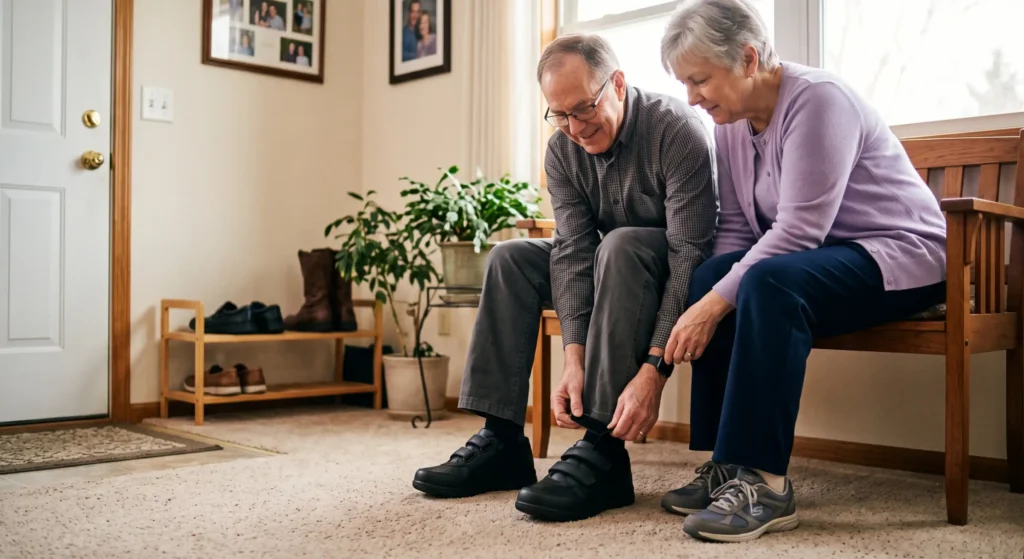
Understanding who can benefit from diabetic shoes can help you make a more informed decision about your foot health.
People Living with Diabetes
The primary group that should wear diabetic shoes is people living with diabetes. Diabetes can reduce blood circulation and damage the nerves in the feet, making it difficult to notice cuts, blisters, or pressure points.
Because diabetic shoes look like regular sneakers, walking shoes, or casual footwear, many people can wear them confidently while receiving the protection their feet need. Their extra cushioning, roomy fit, and seamless interior help reduce the risk of foot injuries that could lead to more serious complications.
Individuals with Diabetic Neuropathy
Diabetic neuropathy is one of the most common complications of diabetes. It causes numbness, tingling, burning sensations, or a loss of feeling in the feet.
Since people with neuropathy may not notice injuries right away, diabetic shoes provide an added layer of protection. Their soft interior and pressure-relieving design help reduce friction and lower the chance of developing sores or ulcers.
People with Poor Blood Circulation
Healthy blood flow is essential for proper healing. Individuals with poor circulation often experience cold feet, swelling, or slow-healing wounds.
Diabetic shoes support better comfort by minimizing pressure and allowing the feet to rest naturally inside the shoe. Their spacious design helps improve overall comfort throughout the day.
Anyone with Sensitive Feet
Not everyone who wears diabetic shoes has diabetes. Some people simply have sensitive feet that become irritated by regular footwear.
If your feet frequently develop blisters, redness, or sore spots, diabetic shoes may provide a more comfortable solution. Their smooth lining and soft materials reduce rubbing while keeping your feet supported.
People with Bunions, Hammertoes, or Foot Deformities
Foot conditions like bunions, hammertoes, and other deformities can make finding comfortable shoes difficult.
Diabetic shoes usually feature a wider toe box that allows the toes to move naturally without unnecessary pressure. This extra room helps reduce discomfort during walking and everyday activities.
Individuals with Arthritis
People living with arthritis often experience joint pain and stiffness in their feet.
The supportive cushioning found in diabetic shoes absorbs shock with every step, helping reduce discomfort while walking. The lightweight design also places less strain on painful joints.
Seniors Looking for Greater Comfort
As we age, our feet naturally change. Skin becomes thinner, circulation may slow, and balance can become more challenging.
Many older adults choose diabetic shoes because they provide additional stability, cushioning, and support. Since diabetic shoes look like modern walking shoes, seniors can enjoy both comfort and confidence without wearing footwear that appears medical.
People Who Spend Long Hours Standing
Teachers, healthcare professionals, retail employees, warehouse workers, and others who spend most of the day on their feet often experience fatigue and foot pain.
Diabetic shoes offer superior cushioning and pressure distribution, making them an excellent option even for people without diabetes who want greater everyday comfort.
Individuals Recovering from Foot Injuries
After certain foot injuries or surgeries, healthcare providers may recommend shoes that reduce pressure on healing areas.
Diabetic shoes provide extra room, soft support, and shock absorption that can make recovery more comfortable while protecting vulnerable areas of the foot.
How to Identify High-Quality Diabetic Shoes
When shopping, look for shoes that offer:
- Wide and deep toe space
- Soft interior lining
- Breathable materials
- Firm heel support
- Cushioned insoles
- Adjustable fastening
- Non-slip outsole
- Compatibility with diabetic inserts
Choosing high-quality diabetic shoes helps improve comfort while supporting long-term foot health.
Why Choose Alfa Healthcare Supply?
Finding the right diabetic shoes isn’t just about appearance—it’s about protecting your feet every day.
At Alfa Healthcare Supply, we offer diabetic footwear designed with both comfort and style in mind. Whether you need shoes for daily walks, work, or all-day support, our collection focuses on reducing pressure, improving stability, and helping you stay active with confidence.
Our goal is to provide footwear that supports healthier feet without compromising on modern design, so you can enjoy both protection and style every step of the way.
Final Thoughts
So, what do diabetic shoes look like today?
The answer is encouraging. Modern diabetic shoes no longer resemble bulky medical footwear. Instead, they look like stylish sneakers, comfortable walking shoes, professional dress shoes, and casual everyday footwear. The real difference is found inside, where advanced cushioning, seamless interiors, extra depth, and supportive construction work together to protect sensitive feet.
If you’re searching for footwear that combines comfort, safety, and modern style, diabetic shoes are an excellent investment in your long-term foot health. With trusted options from Alfa Healthcare Supply, you can enjoy every step with greater confidence and comfort.
Frequently Asked Questions (FAQ)
What do diabetic shoes look like?
Modern diabetic shoes look like regular sneakers, walking shoes, casual shoes, or even dress shoes. While they have a stylish appearance on the outside, they include special features inside, such as extra cushioning, seamless linings, and a wider toe box to help protect sensitive feet.
Are diabetic shoes only for people with diabetes?
No. Although they are designed for people with diabetes, diabetic shoes can also benefit individuals with neuropathy, arthritis, poor circulation, bunions, swollen feet, or anyone looking for greater comfort and foot support.
Why Do Diabetic Shoes Look Like Regular Shoes?
Manufacturers now focus on combining medical-grade foot protection with fashionable designs. As a result, diabetic shoes look like everyday footwear while offering advanced features that help reduce pressure, friction, and the risk of foot injuries.
Can anyone wear diabetic shoes?
Yes. Anyone who wants extra cushioning, a roomy fit, and enhanced comfort can wear diabetic shoes. Many people without diabetes choose them because they provide better support for long hours of standing or walking.
What features make diabetic shoes different?
Diabetic shoes include several protective features, such as:
- Extra-depth construction
- Wide toe box
- Soft, seamless interior
- Shock-absorbing cushioning
- Breathable materials
- Adjustable closures
- Supportive heel design
These features help improve comfort while reducing the risk of blisters and pressure points.
Do diabetic shoes come in fashionable styles?
Absolutely. Today’s diabetic shoes look like modern athletic shoes, casual sneakers, loafers, walking shoes, boots, and even professional dress shoes. They are available in a variety of colors and styles to suit different lifestyles.
How do diabetic shoes help protect the feet?
Diabetic shoes are designed to evenly distribute pressure, reduce friction, absorb shock, and provide additional support. These features help lower the risk of sores, ulcers, and other foot complications, especially for people with diabetes or neuropathy.
Can diabetic shoes be worn every day?
Yes. Diabetic shoes are made for everyday use. Whether you’re at work, shopping, exercising, or relaxing at home, they provide consistent comfort and protection throughout the day.
Should diabetic shoes be worn with special socks?
For the best results, many healthcare professionals recommend wearing diabetic shoes with diabetic or seamless socks. These socks help reduce moisture, minimize friction, and improve overall foot comfort.
Why choose Alfa Healthcare Supply for diabetic shoes?
At Alfa Healthcare Supply, we offer high-quality diabetic shoes that combine comfort, protection, and modern style. Whether you’re managing diabetes or simply looking for supportive footwear, our collection is designed to keep your feet comfortable, healthy, and confident with every step.
Can Anyone Wear Diabetic Shoes?
When people hear the term ‘diabetic shoes,’ they often assume that they are intended specifically for people suffering from diabetes. But a common question arises again and again: can anyone wear diabetic shoes?
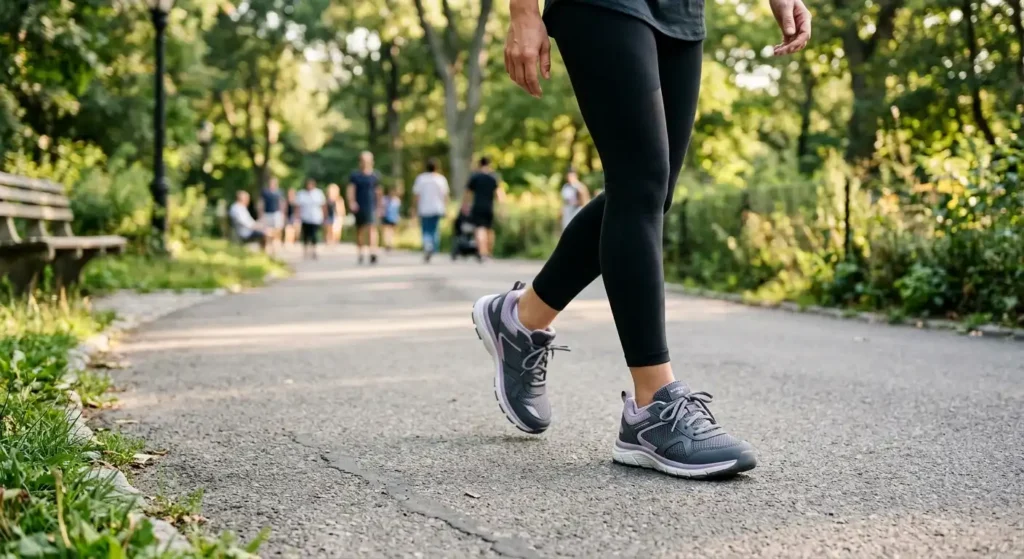
The simple answer is yes—but the full answer is a little more meaningful. Diabetic shoes are designed with special features that benefit certain foot conditions, but they are not strictly limited to people with diabetes. Let’s explore what makes them unique, who can benefit from them, and whether they might be right for you.
Understanding What Diabetic Shoes Really Are
When people first hear the term, they often wonder, can anyone wear diabetic shoes or are they strictly meant for medical use only? The name itself can feel limiting, as if these shoes belong to a very specific group of people. But once you really understand the purpose behind diabetic shoes, the answer starts to make much more sense—and becomes far more interesting.
Diabetic shoes are not just “medical footwear.” They are thoughtfully engineered comfort shoes built to protect, support, and reduce stress on the feet. And that’s why the question can anyone wear diabetic shoes comes up so often today. People are realizing that foot comfort is not just a medical concern—it’s a daily life concern.
Let’s take a deeper, more human look at what diabetic shoes really are and why they matter beyond labels.
The Real Purpose Behind Diabetic Shoes
To understand can anyone wear diabetic shoes, we first need to understand their purpose.
Diabetic shoes were originally created to help people with diabetes protect their feet from complications such as:
- Reduced blood circulation
- Nerve damage (neuropathy)
- Slow healing injuries
- High risk of infections from small cuts or blisters
For someone with these conditions, even a minor pressure point inside a regular shoe can become a serious issue. So diabetic shoes were designed with one clear goal: reduce pressure and protect sensitive feet from harm.
But the key point is this: the same design features that support diabetic patients can also provide benefits for many others. That’s why can anyone wear diabetic shoes is not just a medical question anymore, but a comfort and lifestyle question.
Designed for Protection, Not Just a Condition
When asking can anyone wear diabetic shoes, it helps to look at how they are built.
Unlike standard footwear, diabetic shoes focus on prevention rather than fashion. Every detail is intentional:
- Extra depth to reduce pressure on toes
- Wider toe box to prevent crowding
- Soft interiors to avoid friction
- Seam-free lining to prevent rubbing
- Shock-absorbing soles to reduce impact
- Room for custom orthotics or inserts
These features are not limited to diabetic care—they are beneficial for anyone dealing with foot discomfort or long hours of standing.
So when we ask again, can anyone wear diabetic shoes, the structure itself suggests: yes, because they are built for universal comfort and protection.
Why “Diabetic Shoes” Isn’t Just for Diabetics
One of the biggest misconceptions is that diabetic shoes are only for people with diabetes. In reality, the name reflects their origin, not their limitations.
Those who often ask whether anyone can wear diabetic shoes are surprised to learn that these shoes are frequently recommended for the following people:
- People with sensitive feet
- Individuals with swelling or edema
- Those with bunions or hammertoes
- People recovering from foot injuries
- Elderly individuals with fragile skin
- Workers who stand all day
The truth is simple: if your feet experience pressure, fatigue, or discomfort, diabetic shoes can help.
That’s why the answer to the question “Can anyone wear diabetic shoes?” is just as important in everyday life as many people may realize.
The Emotional Side of Foot Comfort
Foot pain is often underestimated. People push through discomfort every day, thinking it is normal—tight shoes, aching heels, burning soles after a long shift.
But when someone finally tries diabetic shoes, they often describe a sense of relief they didn’t realize they needed.
This is where can anyone wear diabetic shoes becomes more than a technical question. It becomes personal.
Comfortable footwear can:
- Reduce daily stress on the body
- Improve mood and mobility
- Make walking feel effortless again
- Restore confidence in movement
Sometimes, it’s not about a diagnosis—it’s about how your feet feel at the end of the day.
Built for Everyday Life, Not Just Medical Use
Another important point in answering can anyone wear diabetic shoes is how they fit into daily routines.
These shoes are designed for:
- Long walking hours
- Standing jobs
- Indoor and outdoor use
- Aging feet that need extra softness
- Recovery phases after strain or injury
They are not fragile or restrictive. Instead, they are built for real-life movement.
So when people ask whether anyone can wear diabetic shoes, the simple answer is yes—they’re designed for everyday comfort and use, not just for medical or clinical environments.
Why Comfort Matters More Than Labels
At the end of the day, the discussion around can anyone wear diabetic shoes is really about shifting perspective.
Footwear is no longer just about style or category—it now focuses on:
- Comfort
- Support
- Long-term foot health
- Preventing avoidable pain
Labels like “diabetic shoes” describe a purpose, not a restriction. And that purpose—protecting and supporting feet—is something everyone can benefit from.
So, Can Anyone Wear Diabetic Shoes?
Yes—can anyone wear diabetic shoes, and the answer is more straightforward than most people expect.
Diabetic shoes are not limited or restrictive footwear. Even though the name suggests otherwise, they are not exclusively for people with diabetes. Rather, they are a type of therapeutic comfort shoe made to reduce pressure, enhance support, and protect sensitive feet.
So when asking can anyone wear diabetic shoes, the correct answer is: yes, anyone can wear them, as long as they fit properly and meet the wearer’s comfort needs.
Why the Answer Is “Yes”
The reason can anyone wear diabetic shoes is yes comes down to their design purpose. These shoes are built with features that benefit a wide range of people, not just one medical group:
- Extra cushioning to reduce foot stress
- Wider toe box for natural movement
- Soft interiors to prevent rubbing
- Shock-absorbing soles for comfort
- Room for custom insoles or orthotics
These are comfort-focused features, not condition-specific restrictions.
Who Commonly Wears Them?
Even though can anyone wear diabetic shoes is yes, certain people tend to benefit more:
- People with foot pain or sensitivity
- Those who stand or walk for long hours
- Elderly individuals needing extra support
- People with bunions, swelling, or foot fatigue
- Anyone recovering from foot strain or injury
Important Consideration
While can anyone wear diabetic shoes, the key is fit and purpose. They should:
- Fit securely without being tight
- Provide proper arch and heel support
- Match your daily activity needs
They are not fashion shoes, but they are excellent comfort and protection shoes.
Why Non-Diabetic People Choose Diabetic Shoes
If you are still wondering can anyone wear diabetic shoes, it may help to know why non-diabetic individuals choose them.
1. All-Day Comfort
People who stand or walk for long hours—such as healthcare workers, teachers, and retail employees—often find diabetic shoes extremely comfortable.
The extra cushioning reduces foot fatigue and helps maintain energy throughout the day.
2. Better Foot Protection
Even without medical conditions, feet are exposed to stress daily. Diabetic shoes provide:
- Soft interiors
- Reduced friction
- Extra toe room
This lowers the risk of blisters, calluses, and pressure sores.
3. Support for Aging Feet
As people age, feet naturally change. They may become wider, more sensitive, or prone to swelling. Diabetic shoes offer the gentle support older adults often need.
4. Post-Injury or Recovery Use
People recovering from foot injuries, surgeries, or sprains may use diabetic shoes because they reduce pressure and promote healing comfort.
Key Features That Make Them Different
When people ask can anyone wear diabetic shoes, they’re often really trying to understand what makes these shoes different from regular footwear. The answer lies in their thoughtful, comfort-first design. Diabetic shoes are not just “softer shoes”—they are structured in a way that actively protects the feet and reduces everyday strain.
Here are the key features that make them stand out.
Extra Depth and Wider Fit
One of the most noticeable differences is the added space.
Diabetic shoes are designed with:
- Extra depth inside the shoe
- A wider toe box
- More room for swelling or natural foot movement
This matters because tight shoes can create pressure points, which leads people to wonder again: can anyone wear diabetic shoes if they are this roomy? Yes—because the design is meant for comfort, not restriction.
Seamless Interior Design
Inside regular shoes, seams can rub against the skin and create irritation over time.
Diabetic shoes reduce this risk with:
- Smooth, seamless interiors
- Soft lining materials
- Minimal friction zones
This feature is especially helpful for sensitive feet, which is why many people ask can anyone wear diabetic shoes when they experience discomfort in normal footwear.
Cushioning That Reduces Pressure
Another key feature is advanced cushioning.
These shoes often include:
- Shock-absorbing midsoles
- Soft insoles for pressure relief
- Even weight distribution across the foot
This helps reduce fatigue during walking or standing, making people realize that can anyone wear diabetic shoes isn’t just a medical question—it’s a comfort question.
Supportive and Stable Soles
Stability is another major benefit.
Diabetic shoes are built with:
- Firm yet flexible outsoles
- Slip-resistant grip
- Balanced support for posture alignment
This improves safety and reduces strain on joints, which is why can anyone wear diabetic shoes often includes people with active lifestyles or long working hours.
Removable Insoles for Custom Fit
One of the most practical features is flexibility.
Diabetic shoes usually come with:
- Removable insoles
- Space for orthotic inserts
- Customizable support options
This makes them suitable for a wide range of users, reinforcing the idea behind can anyone wear diabetic shoes—they are adaptable, not limited.
Breathable and Soft Materials
Comfort also depends on airflow.
These shoes often use:
- Lightweight materials
- Breathable mesh or leather
- Moisture-reducing interiors
This helps ensure feet stay dry and comfortable all day long.
Are There Any Downsides?
While exploring can anyone wear diabetic shoes, it’s also important to be realistic.
Diabetic shoes are:
- Slightly bulkier than fashion shoes
- More functional than stylish
- Sometimes more expensive than regular footwear
However, many modern designs now blend comfort with style much better than before.
Who Should Definitely Consider Them?
Even though the answer to can anyone wear diabetic shoes is yes, some groups benefit the most:
- People with diabetes or neuropathy
- Individuals with chronic foot pain
- Elderly adults
- People with foot deformities
- Workers who stand for long hours
- Anyone needing extra comfort and protection
If your feet often feel tired, sore, or sensitive, diabetic shoes may be a worthwhile choice.
Choosing the Right Pair
When people continue asking can anyone wear diabetic shoes, the next natural step is understanding how to actually choose the right pair. Because even though the answer to can anyone wear diabetic shoes is yes, not every pair will feel right for every person.
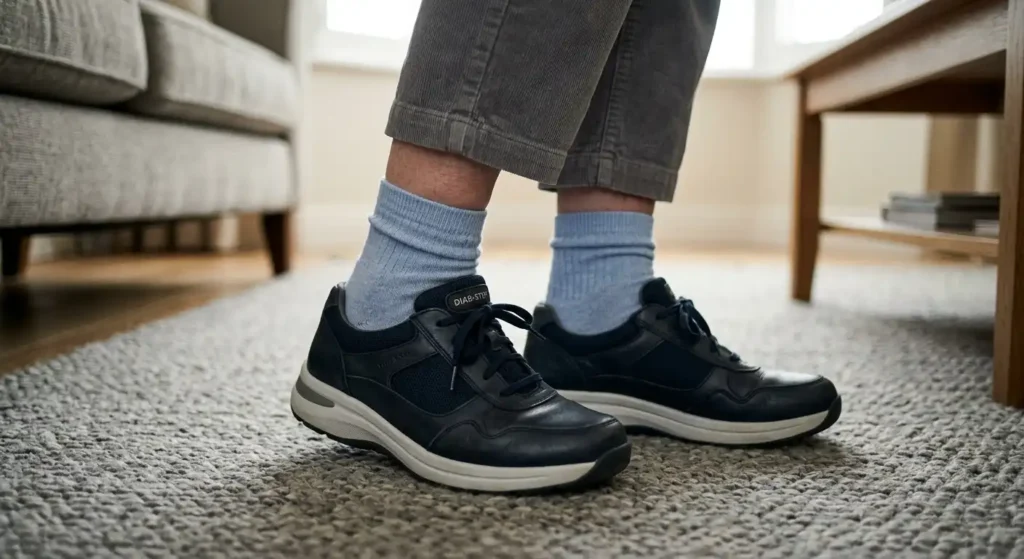
The goal is not just to wear diabetic shoes—but to find the pair that feels like it was made for your feet.
Start With Proper Fit (Not Just Size)
One of the most important parts of choosing diabetic shoes is fit.
A good pair should:
- Fit snugly without feeling tight
- Leave enough room in the toe box
- Allow natural foot movement
- Avoid any pressure points
This is important because even if can anyone wear diabetic shoes is true, comfort depends heavily on getting the right fit for your foot shape.
Pay Attention to Foot Shape and Needs
Everyone’s feet are different, so choosing wisely matters.
Think about:
- Wide or narrow feet
- Swelling during the day
- High arches or flat feet
- Existing foot pain or sensitivity
This is why can anyone wear diabetic shoes has a flexible answer—because the right pair adapts to the person, not the other way around.
Check Cushioning and Support
Comfort comes from what’s inside the shoe.
Look for:
- Soft but supportive cushioning
- Shock-absorbing soles
- Even weight distribution
If you are still wondering can anyone wear diabetic shoes, remember: the better the support system, the more people can benefit from them.
Look for Adjustable Features
A great diabetic shoe should adjust to your lifestyle.
Helpful features include:
- Velcro straps or adjustable closures
- Removable insoles
- Stretchable upper material
These make it easier for different users to wear them comfortably, reinforcing why can anyone wear diabetic shoes is generally yes.
Consider Your Daily Routine
Your lifestyle matters when choosing the right pair.
Ask yourself:
- Do you stand all day?
- Do you walk long distances?
- Do you need indoor or outdoor use?
Diabetic shoes are versatile, which is why can anyone wear diabetic shoes applies in many real-life situations.
Don’t Ignore Breathability
Comfort isn’t just about support—it’s also about airflow.
Choose shoes that offer:
- Breathable materials
- Moisture control
- Lightweight construction
This helps keep feet fresh throughout the day.
Final Thoughts: Can Anyone Wear Diabetic Shoes?
So, can anyone wear diabetic shoes? Yes—absolutely. Diabetic shoes are not limited to a specific group; they are designed as therapeutic footwear focused on comfort, protection, and long-term foot health. While they are especially important for people with diabetes, their benefits extend far beyond that.
With features like extra cushioning, a wider fit, seamless interiors, and superior support, these shoes can help anyone who experiences foot fatigue, sensitivity, or discomfort in regular footwear. They are also a great option for people who stand or walk for long hours and need reliable all-day comfort.
In the end, the question can anyone wear diabetic shoes comes down to this: if your feet need more comfort, protection, and support, then yes—diabetic shoes are a practical and beneficial choice for everyday life.
FAQ: Can Anyone Wear Diabetic Shoes?
Can anyone wear diabetic shoes?
Yes, can anyone wear diabetic shoes is a question with a simple answer: absolutely. Diabetic shoes are designed for comfort, support, and foot protection. While they are especially beneficial for people with diabetes, anyone can wear them if they appreciate extra cushioning, stability, and room for their feet.
Can anyone wear diabetic shoes even if they do not have diabetes?
Yes. Many people who do not have diabetes choose diabetic shoes because of their comfort-focused design. If you’re wondering can anyone wear diabetic shoes, the answer is yes, regardless of whether you have diabetes or not.
Why would someone without diabetes wear diabetic shoes?
People without diabetes often wear diabetic shoes because they offer:
- Extra comfort
- Better foot support
- Reduced pressure points
- More room for toes
- Improved cushioning
This is one reason why can anyone wear diabetic shoes has become such a common question among people looking for healthier footwear options.
Are diabetic shoes more comfortable than regular shoes?
In many cases, yes. Diabetic shoes are designed to minimize friction and pressure while providing enhanced support. Many people find them more comfortable than traditional footwear, which is another reason can anyone wear diabetic shoes is frequently asked.
Can anyone wear diabetic shoes for everyday use?
Yes. Diabetic shoes are designed for daily wear and can be used for walking, working, shopping, traveling, and other everyday activities. If you’re asking can anyone wear diabetic shoes as part of a regular lifestyle, the answer is definitely yes.
Can diabetic shoes help with foot pain?
Diabetic shoes may help reduce discomfort caused by pressure, friction, and poor support. While they are not a cure for foot conditions, many people experience relief from common foot pain when wearing properly fitted diabetic shoes.
Are diabetic shoes only for older adults?
No. Although older adults often benefit from diabetic shoes, people of all ages can wear them. The question can anyone wear diabetic shoes applies to younger adults as well, especially those seeking better foot support and comfort.
Can anyone wear diabetic shoes if they stand all day at work?
Yes. People who spend long hours standing, such as nurses, teachers, retail workers, and warehouse employees, often appreciate the added comfort and support diabetic shoes provide.
Do diabetic shoes look different from regular shoes?
Modern diabetic shoes have come a long way in design. Many styles look similar to regular walking shoes, athletic shoes, or casual footwear while still providing the comfort features that make them unique.
How do I know if diabetic shoes are right for me?
If you experience foot fatigue, pressure points, swelling, discomfort, or simply want more supportive footwear, diabetic shoes may be worth considering. Since can anyone wear diabetic shoes is generally answered with yes, the best way to decide is to try a properly fitted pair and see how they feel.
Can anyone wear diabetic shoes with custom orthotics?
Yes. Most diabetic shoes feature removable insoles and extra depth, making them ideal for people who use custom orthotics or specialty inserts.
Living with diabetes is not just about managing blood sugar—it’s about protecting every step you take. For many people, something as simple as walking can become uncomfortable or even risky due to nerve damage, poor circulation, or foot sensitivity. This is where diabetic shoes make a real difference.
But the real question is: how do diabetic shoes work? And why are they so important for daily life?
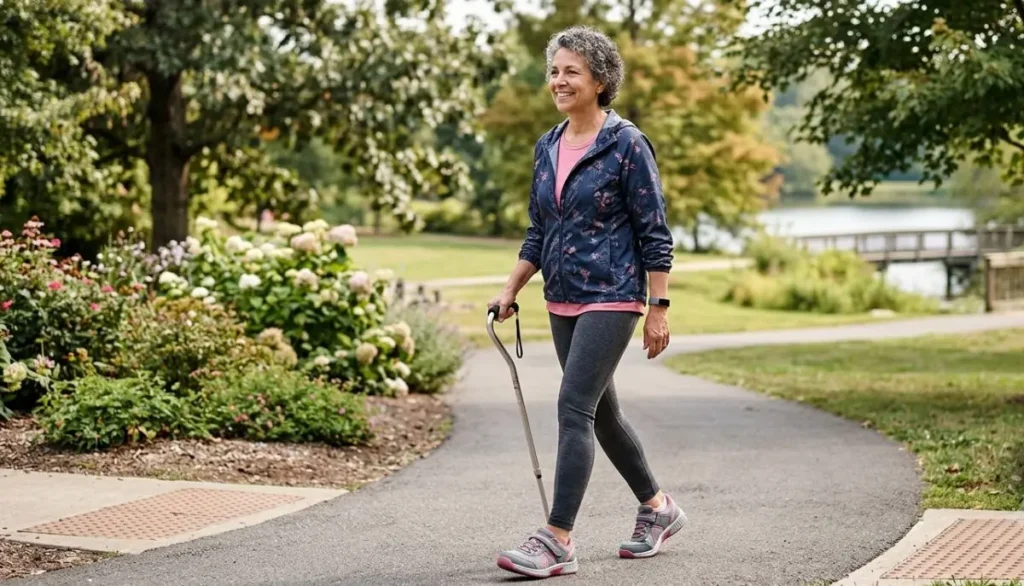
Let’s break it down in a simple, human way—no medical jargon overload, just clear understanding of how these shoes protect your feet and improve your comfort.
Understanding the Problem First: Why Regular Shoes Aren’t Enough
When people first hear about specialized footwear, one common thought comes up: “Why can’t I just wear regular shoes?” It feels like a simple question, but for someone living with diabetes, the answer is deeply personal.
To understand why diabetic shoes are effective, we must first understand what ordinary shoes fail to do. For sensitive feet, the wrong shoes are not merely uncomfortable; they can also silently pose long-term health risks.
This is where the importance of diabetic shoes work begins to make sense in everyday life.
When “Normal” Shoes Become a Hidden Problem
Regular shoes are designed for the average foot—not for feet affected by diabetes, nerve damage, or circulation issues.
At first glance, they look fine. They feel fine. But over time, small issues begin to appear:
- Tight pressure on certain areas
- Uneven weight distribution
- Hard internal stitching
- Limited toe space
- Lack of shock absorption
For most people, these problems are minor. But for someone with diabetes, these small discomforts can turn into serious complications.
This is exactly why understanding how diabetic shoes work is so important—they are designed to solve problems that regular shoes simply ignore.
Loss of Sensation: The Silent Risk
One of the biggest challenges in diabetes is neuropathy, or nerve damage.
This means a person may not feel:
- Small cuts
- Blisters forming
- Pressure points building up
- Heat or irritation inside the shoe
So imagine wearing a pair of regular shoes that are slightly tight or rubbing your skin. Most people would feel it immediately and adjust.
But someone with reduced sensation may not notice until damage has already happened.
This is one of the key reasons why diabetic shoes work so effectively—they are designed to prevent damage before you can feel it happening.
Pressure That Builds Slowly Over Time
Regular shoes often place uneven pressure on the foot without you realizing it.
For example:
- The heel may carry too much weight
- The ball of the foot may become overloaded
- Certain toes may be squeezed together
At first, nothing seems wrong. However, this pressure—persisting for hours, days, and weeks—can lead to these problems:
- Skin breakdown
- Calluses
- Ulcers
- Painful sores
This is where diabetic shoes work differently. They are engineered to distribute pressure evenly, reducing stress on high-risk areas.
Instead of forcing the foot to adjust to the shoe, the shoe adapts to the foot.
The Problem of Friction You Don’t Notice
Inside a regular shoe, there are seams, stitches, and rough surfaces. For most people, this is harmless.
But in diabetic feet, even slight friction can lead to:
- Blisters
- Skin irritation
- Open wounds
- Infection risks
And because healing is slower in diabetes, even a small blister can become a major medical issue.
This is why diabetic shoes work with seamless interiors and soft lining materials. They eliminate unnecessary rubbing and protect the skin from constant irritation.
Swelling and Changing Foot Shape
Another overlooked issue is foot swelling, which is common in people with diabetes.
Regular shoes:
- Do not adjust to swelling
- Often become tight during the day
- Can restrict blood flow
This creates discomfort and increases the risk of injury.
But diabetic shoes work by offering extra depth and flexible space. This allows the foot to expand naturally without pressure or restriction.
The difference may feel small, but for someone experiencing daily swelling, it can completely change comfort levels.
Circulation Problems Make Things Worse
Poor blood circulation is another complication of diabetes. When blood flow is reduced:
- Healing becomes slower
- Skin becomes more fragile
- Infection risks increase
Tight or rigid shoes make circulation even worse by compressing the foot.
This is where the design of diabetic footwear becomes essential. Understanding how diabetic shoes work helps explain why they avoid tight compression and instead promote gentle support and airflow-friendly structure.
They don’t fight against the foot—they support it.
Why Small Injuries Become Big Problems
In healthy individuals, a small blister or cut heals quickly.
But in diabetes:
- Healing is slower
- Infection risk is higher
- Minor injuries can worsen quickly
A simple rubbing point from a regular shoe can turn into:
- A chronic wound
- A foot ulcer
- A serious medical complication
This is the reality that many people don’t see until it happens.
That’s why diabetic shoes work as preventive protection rather than just comfort footwear. They aim to stop injuries before they start.
The Emotional Side: The Fear People Don’t Always Talk About
Beyond the physical issues, there is also an emotional weight.
Many people with diabetes quietly worry about:
- “What if I hurt my leg and I don’t know?”
- “If the condition of my legs worsens, will I lose my freedom?”
- “Is every step risky?”
Regular shoes don’t address these fears at all. They simply exist as footwear.
But when people understand how diabetic shoes work, there is often a sense of relief. Because these shoes are designed with protection in mind, not just appearance or style.
They bring confidence back into something as simple as walking to the kitchen or going outside.
Why Regular Shoes Fall Short Overall
To summarize the core issue, regular shoes fail because they:
- Don’t reduce pressure points
- Don’t protect sensitive skin
- Don’t support medical conditions
- Don’t adjust to foot changes
- Don’t prevent injury risk
They are made for general use—not medical protection.
This is the gap that diabetic footwear fills, and it explains why diabetic shoes work so effectively for people who need extra care.
So, How Do Diabetic Shoes Work?
At their core, diabetic shoes work by reducing pressure, preventing friction, and improving foot stability. Every feature is designed to protect sensitive feet from injury.
Let’s look at how each part works together.
1. Pressure Redistribution: The Most Important Function
One of the main ways diabetic shoes work is by spreading pressure evenly across the foot.
Instead of allowing weight to concentrate on one area (like the heel or ball of the foot), diabetic shoes:
- Cushion the entire foot surface
- Reduce “hot spots” where pressure builds up
- Support natural foot alignment
This helps prevent pressure ulcers and sores, which are common in diabetic patients.
In simple terms:
👉 Less pressure = fewer injuries = safer walking
2. Extra Depth Design for Swelling and Comfort
Diabetic shoes are built deeper than regular shoes.
Why does that matter?
People with diabetes often experience:
- Foot swelling throughout the day
- Changing foot shape over time
- Sensitivity to tight spaces
The extra depth allows:
- More room for movement
- Reduced compression on toes
- Space for custom orthotic inserts
So instead of squeezing the foot, diabetic shoes gently “hold” it in a safe, relaxed position.
3. Seamless Interior to Prevent Friction
One small seam inside a normal shoe might not bother most people—but for someone with diabetes, it can cause irritation, blisters, or even open wounds.
That’s why diabetic shoes work with:
- Smooth, seamless interiors
- Soft lining materials
- Carefully placed stitching outside pressure zones
This reduces friction, which is one of the biggest causes of foot injuries.
Think of it like this:
👉 No rubbing = no blisters = healthier skin
4. Wide Toe Box for Natural Movement
Another important feature is the wide toe box.
Diabetic shoes work by giving your toes space to:
- Spread naturally
- Avoid crowding or overlap
- Move comfortably during walking
This helps prevent conditions like:
- Hammertoes
- Corns
- Nail pressure injuries
A wide toe box may seem like a small detail, but it plays a huge role in long-term foot health.
5. Shock Absorption for Every Step
Walking creates impact force every time your foot hits the ground. For sensitive diabetic feet, that impact can cause pain or tissue damage.
Diabetic shoes work by using:
- Soft midsoles
- Shock-absorbing cushioning layers
- Flexible soles that reduce impact stress
This helps protect joints, bones, and soft tissue from repeated strain.
The result is simple:
👉 Walking feels smoother, lighter, and less painful
6. Better Blood Flow Support
Poor circulation is a common issue in diabetes. Tight or rigid shoes can make it worse.
Diabetic shoes work by:
- Avoiding tight compression points
- Allowing natural blood flow
- Supporting relaxed foot positioning
This helps reduce numbness and supports healthier tissue function over time.
Good circulation also helps with healing—something extremely important for diabetic foot care.
7. Stability and Balance Support
Many people with diabetes experience reduced sensation in their feet, making balance harder.
Diabetic shoes help by:
- Providing firm heel support
- Improving posture alignment
- Reducing the risk of slipping or twisting
This stability is especially important for older adults or those with neuropathy.
8. Compatibility with Custom Orthotics
Another key way diabetic shoes work is by supporting custom inserts.
Many patients use orthotics designed to:
- Correct foot alignment
- Reduce pressure points
- Support arch structure
Diabetic shoes are built with removable insoles and extra depth to fit these medical inserts comfortably.
The Emotional Side of Wearing Diabetic Shoes
When people talk about diabetic footwear, the conversation often stays technical—pressure relief, cushioning, support, and protection. But behind all of that, there’s something more personal that rarely gets spoken about.
Wearing diabetic shoes isn’t just a physical adjustment. It’s an emotional experience too.
For many people, it begins quietly—with concern, uncertainty, and sometimes even resistance. Over time, it can shift into comfort, acceptance, and even relief. Understanding this emotional journey helps explain why diabetic shoes work in more ways than just protecting the feet.
The First Feeling: Denial or Hesitation
At the beginning, many people don’t feel excited about the idea of diabetic shoes.
There’s often a thought like:
- “Do I really need special shoes?”
- “Are my feet that bad?”
- “I can still manage with normal footwear.”
This reaction is completely human. Shoes are personal—they’re tied to style, identity, and independence. The idea of switching to medical footwear can feel like losing something.
But this is also where the importance of understanding how diabetic shoes work begins to matter. They are not about limitation—they are about protection.
Fear Beneath the Surface
For many people living with diabetes, there is a quiet, ongoing fear they don’t always express out loud.
It might sound like:
- Fear of unnoticed injuries
- Fear of slow-healing wounds
- Fear of losing mobility over time
- Fear of complications that start with something “small”
Regular shoes don’t address these worries. They simply cover the feet and go on.
But diabetic shoes work differently. They are designed to reduce those risks before they happen. And emotionally, that can bring a sense of reassurance that is just as important as physical comfort.
This is one of the reasons diabetic shoes work beyond the physical level—they help reduce anxiety tied to movement and walking.
The Transition: Getting Used to Something New
The first few days of wearing diabetic shoes can feel unfamiliar.
They may feel:
- Different in shape
- Softer or more padded than expected
- Wider than regular shoes
- “Too protective” at first
During this stage, some people question whether they are necessary. But slowly, the body adjusts—and so does the mind.
What once felt unusual starts to feel supportive. This is where the functional design of diabetic footwear begins to prove itself, reinforcing how diabetic shoes work not just physically, but through gradual emotional acceptance.
The Hidden Relief No One Talks About
After some time, something important happens: relief begins to replace worry.
It doesn’t always happen loudly. It’s subtle.
- Walking feels less stressful
- There’s less checking of feet throughout the day
- Movement feels safer
- Daily routines become easier
For someone who has spent time worrying about foot health, this relief can be powerful.
This is where people begin to realize that diabetic shoes work not just by protecting skin and bones—but by easing mental pressure too.
Regaining Confidence in Everyday Life
Confidence doesn’t always come from big moments. Sometimes it comes from small ones:
- Walking to the mailbox without concern
- Standing longer while cooking
- Going out without overthinking every step
- Moving without constant foot awareness
These small moments rebuild independence.
And independence is deeply emotional.
When people feel safe in their footwear, they start moving more freely again. That’s a quiet but meaningful part of how diabetic shoes work—they help restore trust in your own steps.
Letting Go of “Normal” Expectations
One of the emotional challenges is accepting that “regular shoes” may no longer be the safest option.
This can feel like a shift in identity:
- From “I wear whatever I like”
- To “I need shoes that protect my health”
That adjustment takes time.
But over time, many people realize something important: comfort and safety are not limitations—they are priorities.
And once that mindset shifts, understanding how diabetic shoes work becomes less about restriction and more about self-care.
Feeling Seen and Supported
There’s also an emotional comfort in knowing that diabetic shoes exist for a reason.
They send a message:
- Your condition matters
- Your mobility matters
- Your comfort matters
That recognition is powerful.
It helps people feel supported rather than overlooked. And that emotional support is part of why diabetic shoes work so effectively—they acknowledge the real challenges people face every day.
The Quiet Confidence of Protection
Eventually, diabetic shoes stop feeling “special.” They simply become part of daily life.
And at that point, something changes:
- Worry decreases
- Movement feels natural again
- Foot care becomes less stressful
- Confidence quietly returns
This is the stage where protection becomes invisible—but meaningful.
It’s not about thinking about shoes all the time. It’s about not having to think about them at all.
That is one of the deepest ways diabetic shoes work—they fade into the background while doing their job quietly and consistently.
Who Should Use Diabetic Shoes?
Not everyone considers footwear a component of healthcare, but for certain individuals, shoes are more than just comfort—they provide protection, help prevent complications, and offer essential daily support.
So the question is simple: who should use diabetic shoes?
The answer is important because diabetic footwear is not just for “severe cases.” It is designed for people who need extra protection long before serious problems appear. And this is exactly where understanding how diabetic shoes work becomes meaningful in everyday life.

People Living With Diabetes (With or Without Symptoms)
The most obvious group consists of people who have diabetes.
But here’s something many don’t realize:
You don’t need to have visible foot problems to benefit from diabetic shoes.
Even early-stage diabetes can lead to:
- Reduced circulation
- Mild nerve sensitivity changes
- Slight swelling
- Slower healing
This is why doctors often recommend protective footwear early.
Diabetic shoes work by reducing pressure, preventing friction, and protecting sensitive areas before damage occurs.
👉 So yes—anyone with diabetes can benefit, even if their feet “feel fine.”
People With Diabetic Neuropathy (Nerve Damage)
Neuropathy is one of the biggest reasons diabetic shoes are recommended.
When nerve damage occurs:
- Pain signals become weak or disappear
- Injuries may go unnoticed
- Pressure points are not felt
This creates a hidden risk.
A small blister or cut can go unnoticed until it becomes serious.
This is where diabetic shoes work as a protective barrier. They reduce the chance of injury in the first place because relying on sensation is no longer safe.
People With Poor Blood Circulation
Good circulation is essential for healthy feet. But diabetes and other conditions can reduce blood flow to the lower limbs.
This leads to:
- Cold feet
- Slow healing wounds
- Higher risk of infection
Tight or rigid shoes can make circulation worse.
Diabetic shoes are designed to:
- Avoid compression
- Support natural blood flow
- Reduce pressure buildup
👉 If blood circulation is poor, diabetic shoes become essential not just for comfort, but for protection.
People With Foot Deformities or Structural Changes
Over time, diabetes can lead to changes in foot shape such as:
- Bunions
- Hammertoes
- Swelling
- Uneven pressure distribution
Regular shoes often fail to fit these changes properly.
But diabetic shoes work by offering:
- Extra depth
- Wider toe boxes
- Flexible internal space
- Room for custom orthotics
This helps reduce friction and prevents further damage.
People With a History of Foot Ulcers or Wounds
Anyone who has previously experienced:
- Foot ulcers
- Open sores
- Repeated infections
is at higher risk of recurrence.
Even after healing, the area remains sensitive.
Diabetic shoes help by:
- Reducing pressure on healed areas
- Preventing re-injury
- Supporting safe movement
👉 In these cases, diabetic shoes are often part of long-term care.
Older Adults With Reduced Foot Sensitivity
As people age, foot sensitivity and balance often decline—even without diabetes.
This can lead to:
- Unsteady walking
- Increased fall risk
- Difficulty sensing pressure or discomfort
Diabetic shoes provide:
- Better stability
- Shock absorption
- Safer walking support
So even older adults with mild sensitivity issues may benefit from them.
People With Swollen or Changing Foot Size
Some individuals experience daily or frequent swelling due to:
- Diabetes
- Circulatory issues
- Long hours of standing
- Medical conditions affecting fluid retention
Standard shoes can feel tight and uncomfortable as the day goes on.
Diabetic shoes work by providing:
- Extra depth
- Flexible fit
- Reduced pressure on swollen areas
👉 This makes them suitable for anyone whose foot size changes throughout the day.
People Using Custom Orthotics
If someone uses medical insoles or orthotic inserts, they often need shoes designed to accommodate them properly.
Diabetic shoes:
- Fit orthotics comfortably
- Provide enough internal space
- Maintain proper alignment
This improves posture and reduces uneven pressure.
People Focused on Preventive Foot Health
One of the most overlooked groups is people who simply want to prevent future problems.
This includes individuals who:
- Are newly diagnosed
- Have mild symptoms
- Want to reduce long-term risks
- Have family history of foot complications
In prevention, diabetic shoes work like daily protection—not treatment after damage occurs.
The Emotional Reality Behind the Choice
Choosing diabetic shoes is not just a medical decision—it is often an emotional one.
Some people worry:
- “Do I really need this?”
- “Is my condition serious enough?”
- “Will it feel different from normal shoes?”
But over time, many realize something important:
It’s not about severity—it’s about safety.
And once that understanding settles in, the purpose of how diabetic shoes work becomes clearer: they are designed to make walking safer, not more complicated.
Final Thoughts: How Do Diabetic Shoes Work
When we think about footwear, most people focus on style, comfort, or durability. But for individuals living with diabetes, shoes carry a much deeper meaning. They are not just part of an outfit—they are part of daily health protection. This is where understanding how diabetic shoes work becomes essential, because their purpose goes far beyond ordinary footwear.
Diabetic shoes are designed to protect feet that may be vulnerable due to reduced sensation, poor circulation, swelling, or long-term complications of diabetes. What makes them truly important is not just what they look like, but how they function in preventing problems before they start. Unlike regular shoes, which are made for general comfort, diabetic footwear is built with medical awareness in mind. Every detail—from cushioning to interior design—is intentional and protective.
At the heart of their purpose, diabetic shoes work by reducing pressure on sensitive areas of the foot. In everyday life, even normal walking creates repeated pressure on heels, toes, and the ball of the foot. For someone with diabetes, this pressure can lead to serious issues like calluses, ulcers, or unnoticed injuries. Diabetic shoes distribute weight more evenly, eliminating areas of high pressure and reducing the risk of damage over time.
Another important aspect of how diabetic shoes work is friction control. Inside regular shoes, seams, stitching, or tight areas can rub against the skin. For most people, this may cause minor discomfort. But for diabetic feet—especially those with neuropathy, where sensation is reduced—this friction can go unnoticed until a wound forms. Diabetic shoes use seamless interiors, soft linings, and carefully designed structures to prevent rubbing and protect the skin from irritation.
FAQ: How Do Diabetic Shoes Work?
1. How do diabetic shoes work?
Diabetic shoes work by reducing pressure, friction, and stress on the feet. They are specially designed with extra depth, soft interiors, and supportive cushioning to help protect sensitive feet from injuries that may go unnoticed due to reduced sensation.
2. Why are diabetic shoes important for people with diabetes?
People with diabetes may experience nerve damage (neuropathy) and poor circulation, making their feet more vulnerable to cuts, blisters, and ulcers. Diabetic shoes work as a protective barrier, helping to prevent small problems from becoming serious complications.
3. How do diabetic shoes work to prevent foot ulcers?
One of the main ways diabetic shoes work is by evenly distributing body weight across the foot. This reduces pressure points that can lead to skin breakdown, irritation, and foot ulcers over time.
4. Do diabetic shoes improve comfort?
Yes. Many people are surprised by how comfortable they feel. Diabetic shoes work by providing extra cushioning and support that help reduce foot fatigue, making everyday activities like walking, shopping, or working much more comfortable.
5. Can diabetic shoes help people with neuropathy?
Absolutely. Since neuropathy can reduce feeling in the feet, injuries may go unnoticed. Diabetic shoes work by minimizing rubbing, pressure, and irritation that could otherwise cause wounds or infections.
6. What features make diabetic shoes different from regular shoes?
Several special features explain how diabetic shoes work, including:
- Extra-depth construction
- Wide toe boxes
- Soft, seamless interiors
- Shock-absorbing soles
- Adjustable closures
- Removable inserts for custom orthotics
These features work together to protect and support the feet throughout the day.
7. Do diabetic shoes help with foot swelling?
Yes. Many diabetic shoes are designed with adjustable straps or laces and extra room inside. This means diabetic shoes work well for people whose feet swell during the day, providing comfort without creating painful pressure.
8. Can diabetic shoes improve blood circulation?
While they do not directly treat circulation problems, diabetic shoes work by avoiding tight pressure on the feet and allowing natural movement. This can help create a healthier environment for overall foot comfort and circulation.
9. Are diabetic shoes only for severe diabetes?
No. Diabetic shoes work for people at different stages of diabetes. Whether someone has mild symptoms or advanced foot concerns, these shoes can provide valuable protection and support.
10. Do I need special inserts with diabetic shoes?
In many cases, yes. Custom or diabetic inserts can enhance how diabetic shoes work by offering additional cushioning, pressure relief, and personalized support based on your foot shape and needs.
11. Can diabetic shoes help people stay active?
Definitely. When feet feel comfortable and protected, people are often more confident about walking, exercising, traveling, and participating in daily activities. Diabetic shoes work not only to protect the feet but also to support a more active lifestyle.
12. How quickly will I notice the benefits of diabetic shoes?
Many people notice improved comfort immediately. Over time, diabetic shoes work to reduce pressure, prevent injuries, and support healthier feet, helping individuals feel more secure with every step they take.
13. Can anyone wear diabetic shoes?
Yes. Although they are designed for people with diabetes, many people appreciate the comfort and support they provide. The reason diabetic shoes work so well is that their design focuses on reducing pressure and improving overall foot comfort.
14. What is the biggest reason diabetic shoes work so well?
The biggest reason diabetic shoes work is that they focus on prevention. They protect vulnerable feet before problems develop. For many people, they’re more than footwear—they’re a source of confidence, independence, and peace of mind, helping them move through life with greater comfort and less worry.
Why Do Diabetics Need Special Shoes?
Introduction
When people first hear the phrase diabetics need special shoes, it often raises questions. Do they really need something different from regular footwear? Is it just a precaution, or is there a deeper medical reason behind it?
The truth is, footwear becomes much more than a daily comfort choice for individuals living with Diabetes. It turns into a form of protection, prevention, and long-term care.
Over time, diabetes can quietly affect the nerves and blood flow in the feet, making them more vulnerable to injuries that might seem small at first—but can quickly become serious if ignored. What makes it even more challenging is that many of these injuries may not be felt right away due to reduced sensation.

This is where the idea that diabetics need special shoes becomes important. It is not about limitation or restriction—it is about safety, support, and maintaining independence in everyday life.
For many people, the right pair of shoes can mean the difference between constant worry and confident, pain-free movement. It’s about walking without fear, staying active longer, and protecting one of the most essential parts of the body—the feet that carry you through every step of life.
Understanding the Connection Between Diabetes and Foot Health
When we talk about why diabetics need special shoes, it all starts with understanding what diabetes does quietly inside the body—especially in the feet. Foot health is often overlooked until discomfort or complications appear, but for people living with Diabetes, the feet are one of the most sensitive and vulnerable areas.
At first glance, feet may seem strong and simple—they carry us, balance us, and keep us moving every day. But diabetes can gradually change how they feel and function. Over time, high blood sugar levels can damage tiny blood vessels and nerves, especially in the lower limbs. This condition, often linked with diabetic nerve damage, can reduce sensation in the feet, making it harder to feel pain, heat, or pressure.
This is where the importance of wearing the right footwear becomes evident. When sensation in the feet is reduced, even a minor issue inside the shoe—such as a tight seam, a rough edge, or a slightly snug fit—may go unnoticed. What might otherwise seem like a trivial annoyance can develop into blisters, sores, or injuries without the person realizing it. This is a primary reason why diabetic patients require specialized footwear designed to minimize friction and protect sensitive skin.
Blood circulation is essential for maintaining healthy feet. When circulation is reduced, even minor wounds can take longer to heal, making prevention especially important. Diabetic shoes are designed to encourage better blood flow by reducing pressure points and giving the feet adequate room to move comfortably throughout the day.
There is also an emotional side to this connection. Many people with diabetes begin to feel cautious or even anxious about walking long distances or staying on their feet for too long. Simple daily activities—like going for a walk, shopping, or working—can start to feel uncertain. Proper footwear helps rebuild that confidence, offering stability and reassurance with every step.
In essence, understanding foot health is not just about medical facts—it is about protecting independence and quality of life. That is why the diabetics need special shoes is not just a recommendation; it is a practical step toward preventing complications, supporting healing, and helping people stay active with confidence and comfort.
Why Regular Shoes Are Not Enough
At first glance, regular shoes may seem perfectly fine for everyday use. They are widely available, stylish, and designed for general comfort. But when it comes to long-term foot protection for people living with Diabetes, they often fall short in ways that are not immediately obvious. This is one of the main reasons diabetics need special shoes instead of relying on standard footwear.
Regular shoes are typically built for average foot shapes and normal sensitivity. They are not designed with medical protection in mind. For someone with diabetes, this difference becomes very important. Reduced nerve sensation can make it difficult to feel pain, pressure, or irritation. So a shoe that feels “fine” at the start of the day may slowly create friction points, tight spots, or rubbing areas without the wearer realizing it.
Another issue is related to fit and how pressure is distributed across the foot. Many standard shoes provide limited room in the toe area, include rigid stitching, or have uneven inner surfaces. These design elements can create excessive pressure on certain points of the foot. Over time, this can result in blisters, calluses, or even open sores. Because healing may be slower due to reduced blood circulation, even small injuries can become serious if they are not noticed and treated early.
Ordinary shoes lack the specialized cushioning and shock-absorbing capabilities essential for protecting sensitive feet. Daily activities like walking and standing subject the soles of the feet to repetitive pressure. Without proper support, this pressure is transmitted directly to the skin and underlying tissues, increasing the risk of discomfort and injury.
Moisture control is another overlooked issue. Many regular shoes do not offer breathable, medical-grade materials that help keep feet dry. Excess moisture can increase the risk of skin breakdown and infection, especially in sensitive diabetic feet.
All these factors point to a simple yet crucial truth: ordinary shoes are designed for everyday use, not for protection. For those at risk of foot-related problems, this distinction is significant. That is why diabetic patients require specialized footwear that reduces pressure, prevents friction, and supports daily foot health.
Regular footwear is designed mainly for everyday comfort and appearance, not for medical support or protection. For individuals with diabetes, this level of protection is often not sufficient.
Regular shoes often:
- Create pressure points
- Have tight toe boxes
- Lack shock absorption
- Cause friction and rubbing
- Do not support swollen or sensitive feet
For someone with reduced sensation, these small issues can go unnoticed until they become wounds or infections.
Key Reasons Diabetics Need Special Shoes
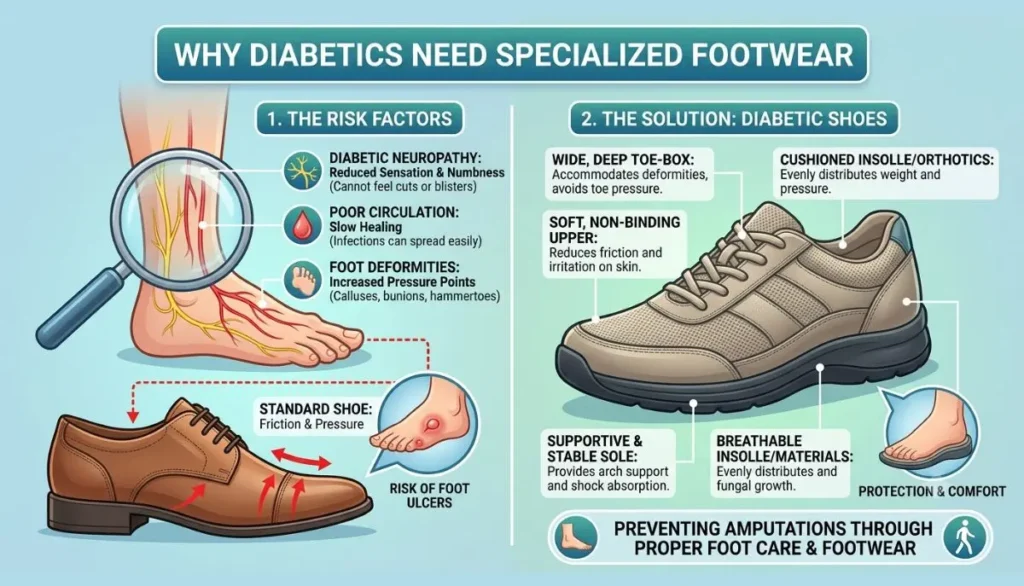
1. Protection from Injuries You Can’t Feel
Nerve damage can reduce pain sensation. That means cuts, blisters, or pressure sores may not be felt immediately.
Special diabetic shoes are designed with:
- Seamless interiors
- Soft padding
- Smooth lining
These features help prevent injuries before they start.
2. Improved Blood Circulation Support
Poor circulation is a common issue in diabetic feet. Special shoes help by:
- Avoiding tight compression
- Providing proper width and depth
- Allowing natural foot movement
This helps maintain healthier blood flow, reducing complications over time.
3. Reduced Risk of Foot Ulcers
Foot ulcers are one of the most serious complications for diabetic patients. Once they form, they can take a long time to heal.
Proper diabetic footwear reduces pressure on high-risk areas, helping prevent ulcers before they develop.
This is a major reason diabetics need special shoes as part of daily care.
4. Extra Cushioning for Sensitive Feet
Many people with diabetes experience foot sensitivity, swelling, or discomfort when walking.
Special shoes provide:
- Memory foam or gel cushioning
- Shock absorption
- Even weight distribution
This makes walking more comfortable and safer.
5. Better Fit for Changing Foot Shapes
Diabetes can cause changes in foot structure over time, including swelling or deformities.
Diabetic shoes are designed with:
- Adjustable straps or closures
- Wider toe boxes
- Flexible materials
This ensures a more customized and stable fit.
Emotional Side of Wearing Diabetic Shoes
When people first hear that diabetics need special shoes, the reaction is often emotional before it is practical. It can feel like a reminder of a health condition that demands constant attention, or a sign that everyday choices now come with more caution. For someone living with Diabetes, footwear is no longer just about style or routine comfort—it becomes tied to safety, confidence, and peace of mind.
There is a certain suppressed sense of disappointment that many people do not openly discuss. Switching from ordinary footwear to specially designed medical shoes can feel like a loss—a sacrifice of style, simplicity, or the feeling of living a normal life. Yet, over time, this emotional burden often shifts; what once seemed like a limitation or a hindrance gradually transforms into a source of confidence and comfort.
Because once someone understands why diabetics need special shoes, the perspective changes. It is no longer about restriction; it is about protection. It becomes easier to appreciate that each step taken in the right shoes is a step taken with less worry about hidden injuries, pain, or complications.
There is also a powerful sense of relief that comes with the right pair. Many people describe finally feeling “safe” while walking again—something most people take for granted. That feeling of safety can restore independence in a deeply meaningful way. Simple moments—walking through a store, taking a short stroll, or standing for longer periods—begin to feel possible again without fear in the background.
Over time, diabetic shoes become more than medical equipment. They become part of daily life, quietly supporting mobility and helping people stay active without constant concern. And emotionally, that support matters just as much as the physical protection they provide.
In the end, understanding why diabetics need special shoes is not just about health education—it is about empathy. It is about recognizing that behind every pair of shoes is a person trying to move through life with comfort, dignity, and confidence in every step.
Footwear is more than just a medical tool—it affects confidence and independence.
Many people feel frustrated when they first hear that diabetics need special shoes. It can feel like a limitation. But in reality, the right shoes often bring freedom back:
- Freedom to walk without fear
- Freedom to stay active longer
- Freedom from constant discomfort
Good diabetic shoes are not about restriction—they are about protection and independence. diabetics need special shoes.
Who Should Wear Diabetic Shoes?
Not every person with diabetes will need medical footwear immediately, but it is strongly recommended for those who have:
- Diabetic neuropathy
- Poor circulation
- Foot deformities
- History of foot ulcers
- Swelling or chronic foot pain
Even individuals in early stages may benefit from preventive protection.
What Makes Diabetic Shoes Different?
To understand why diabetics need special shoes, it helps to know what sets them apart:
- Seam-free interiors to reduce friction
- Extra depth to reduce pressure
- Soft, breathable materials
- Protective toe box
- Shock-absorbing soles
- Custom orthotic compatibility
Each feature is designed with prevention in mind.
Final Thoughts: Why Diabetics Need Special Shoes
Ultimately, the answer to why diabetic patients need special footwear lies in a simple principle: prevention is better than cure. For those with diabetes, the feet are not just ordinary body parts; rather, they require constant care, awareness, and protection.
What may seem like a small detail, such as shoe fit or inner cushioning, can make a meaningful difference over time. Reduced sensation and slower healing mean that even minor pressure or friction can quietly develop into serious complications if it goes unnoticed. Special diabetic shoes are designed specifically to reduce these risks, offering a safer and more supportive environment for daily movement.
But beyond the medical benefits, there is also a human side to it. The right footwear restores confidence. It allows people to walk, work, and stay active without constantly worrying about discomfort or hidden injuries. That sense of freedom matters just as much as physical protection.
In the bigger picture, understanding why diabetics need special shoes is really about understanding how small choices in daily life can protect long-term health. A well-designed pair of shoes is not just footwear—it is a form of care, prevention, and independence that supports every step forward.
FAQ: Why Do Diabetics Need Special Shoes?
1. Why do diabetics need special shoes?
People with diabetes often experience changes in their feet, including reduced sensation, poor circulation, and a higher risk of injuries. Special diabetic shoes are designed to protect the feet, reduce pressure points, and provide extra comfort. For many individuals, these shoes offer peace of mind, knowing their feet are better protected throughout the day.
2. How are diabetic shoes different from regular shoes?
Diabetic shoes are built with extra depth, soft interiors, wider toe boxes, and cushioned support. Unlike regular shoes, they are specifically designed to minimize friction and pressure that can lead to blisters, sores, or foot complications. They help create a safer and more comfortable environment for sensitive feet.
3. Can diabetic shoes help prevent foot ulcers?
Yes. One of the main reasons diabetics need special shoes is to reduce the risk of foot ulcers. These shoes distribute body weight more evenly, helping prevent excessive pressure on certain areas of the foot that can lead to skin breakdown and wounds.
4. Do all people with diabetes need diabetic shoes?
Not everyone with diabetes will require diabetic shoes, but they can be highly beneficial for individuals with neuropathy, poor circulation, foot deformities, previous ulcers, or other diabetes-related foot conditions. A healthcare professional can help determine if diabetic shoes are the right choice.
5. What is diabetic neuropathy, and why does it matter?
Diabetic neuropathy is nerve damage caused by diabetes. It can reduce the ability to feel pain, heat, or injuries in the feet. This means a person may not notice a blister, cut, or sore until it becomes serious. Diabetic shoes provide added protection to help lower this risk.
6. Are diabetic shoes comfortable for everyday wear?
Absolutely. Many people find diabetic shoes more comfortable than traditional footwear because they offer extra cushioning, support, and room for natural foot movement. They are designed to keep feet comfortable whether you’re walking, working, or spending time with family.
7. Can diabetic shoes improve daily confidence?
Yes. Living with diabetes can sometimes create anxiety about foot health. Wearing diabetic shoes can provide reassurance and confidence, allowing people to stay active and enjoy daily activities without constantly worrying about foot injuries.
8. Do diabetic shoes help with swelling?
Many diabetic shoes feature adjustable closures and extra depth, making them more accommodating for feet that experience swelling throughout the day. This helps maintain comfort without creating tight pressure points.
9. How often should diabetic shoes be replaced?
The lifespan of diabetic shoes depends on how frequently they are worn. Generally, they should be inspected regularly for signs of wear, loss of cushioning, or damaged support. Replacing worn shoes helps ensure continued protection and comfort.
10. Can diabetic shoes be worn with custom inserts?
Yes. Most diabetic shoes are designed to accommodate custom orthotics or diabetic inserts. These inserts can provide additional cushioning, pressure relief, and support tailored to an individual’s specific foot needs.
11. Are diabetic shoes only for older adults?
No. Diabetes can affect people of all ages. Anyone with diabetes who experiences foot-related concerns may benefit from diabetic shoes, regardless of age. Protecting foot health early can help prevent future complications.
12. What is the biggest benefit of diabetic shoes?
The greatest benefit is protection. Diabetic shoes help reduce the risk of injuries, ulcers, and complications while improving comfort and mobility. Beyond physical benefits, they can also provide emotional comfort, helping individuals feel more secure and confident in their daily lives.
Best Shoes for Diabetics with Neuropathy: Why Footwear Matters So Much in Diabetic Neuropathy
When someone searches for the best shoes for diabetics with neuropathy, they’re usually not just looking for footwear—they’re looking for relief. Relief from discomfort, from uncertainty, and from the quiet worry that every step might cause harm.
Diabetic neuropathy changes the relationship between your feet and the ground beneath you. What used to be automatic—walking, standing, moving around the house—can slowly become something you think about constantly. And in that space, footwear becomes more than an accessory. It becomes protection, support, and sometimes even confidence.

Neuropathy Changes How Your Feet “Feel” the World
Diabetic neuropathy damages the nerves in the feet, reducing sensation. This means you might not feel pain, heat, pressure, or small injuries the same way anymore.
That sounds simple on paper, but in real life, it creates a serious problem:
You may not notice a blister forming.
You may not feel a shoe rubbing too tightly.
You may not realize you’ve developed a pressure point until it becomes a wound.
This is exactly why choosing the best shoes for diabetics with neuropathy becomes so important. Because when sensation decreases, protection must increase.
Why Ordinary Shoes Are Not Enough
Standard shoes are designed for everyday comfort and style—not for medical protection. For someone with neuropathy, this distinction matters more than most people realize.
Ordinary shoes often have:
- Tight toe areas that compress sensitive nerves
- Hard seams that create friction
- Thin soles that don’t absorb shock
- Poor arch support
- Narrow designs that restrict circulation
Even a small design flaw can lead to repeated pressure on the same spot. And in neuropathy, repeated pressure can quietly turn into skin damage.
That’s why doctors often recommend switching to the best shoes for diabetics with neuropathy, specifically designed to reduce risk and protect fragile feet.
The Silent Risk: When Small Problems Become Serious
One of the hardest parts of diabetic neuropathy is how quietly problems can develop.
A small blister can go unnoticed.
A tight shoe can create constant pressure without pain signals.
A minor cut can worsen without immediate awareness.
Over time, these small issues may develop into ulcers or infections that take much longer to heal.
This is why footwear is not just about comfort—it is about prevention.
The best shoes for diabetics with neuropathy act like a protective barrier, reducing friction, distributing pressure evenly, and helping prevent injuries before they even begin.
Comfort Is Not a Luxury—It’s a Medical Need
For many people, comfort is something optional when choosing shoes. But for someone with neuropathy, comfort becomes a necessity.
The right shoes should feel:
- Soft but supportive
- Gentle but stable
- Secure but never tight
When you wear properly designed diabetic shoes, something subtle changes. You stop thinking about your feet every few minutes. You stop adjusting your steps. You stop worrying about pain that might come later.
That emotional relief is just as important as physical protection.
This is why the search for the best shoes for diabetics with neuropathy is often driven by more than medical advice—it’s driven by lived experience.
Pressure Distribution: The Hidden Science Behind Foot Protection
Every step you take puts pressure on your feet. In healthy feet, the nerves and tissues handle this pressure naturally. However, with neuropathy, uneven pressure becomes dangerous.
Good diabetic footwear helps by:
- Spreading weight evenly across the foot
- Reducing stress on heels and toes
- Supporting natural walking motion
- Minimizing impact shock
This pressure distribution is one of the most important reasons why the best shoes for diabetics with neuropathy are designed differently from regular footwear.
It’s not just about cushioning—it’s about engineering safety into every step.
Emotional Impact: The Fear of Taking a Step
There’s a part of diabetic neuropathy that is rarely discussed—the emotional side.
Many people begin to feel:
- Fear of walking long distances
- Anxiety about foot pain later in the day
- Hesitation when choosing footwear
- Frustration over limited options
Something as simple as putting on shoes can become a moment of doubt.
But when the right footwear is found, that emotional weight starts to lift. Walking becomes less stressful. Movement feels more natural again. Confidence slowly returns.
That’s why people don’t just want shoes—they want the best shoes for diabetics with neuropathy that restore a sense of normal life.
Protection Starts with the Right Design
The design of diabetic footwear is focused on one core idea: prevent injury before it happens.
That’s why the best shoes for diabetics with neuropathy often include:
- Extra depth to reduce pressure
- Wide toe boxes for natural movement
- Seam-free interiors to prevent rubbing
- Cushioned insoles for shock absorption
- Breathable materials to keep feet dry
- Non-slip soles for stability
Each feature works together like layers of protection. Not one detail is accidental.
Why Footwear Is a Daily Health Decision
For someone with neuropathy, shoes are not just something you wear when going out—they are part of daily health management.
Choosing the wrong pair can affect:
- Walking comfort
- Balance and stability
- Skin health
- Long-term foot condition
Choosing the right pair, especially the best shoes for diabetics with neuropathy, can support independence and reduce complications over time.
Read More…..
Understanding Diabetic Neuropathy and Its Impact on Feet
When people start searching for the best shoes for diabetics with neuropathy, it’s usually not just about buying footwear—it’s about trying to solve a deeper problem. Something has already changed in how their feet feel. Walking doesn’t feel the same anymore. Comfort becomes unpredictable. And every step starts to carry a little more caution than before.
That change is often caused by diabetic neuropathy, a condition that affects the nerves—especially in the feet. Understanding it is the first step toward protecting your feet, preventing complications, and choosing the right footwear that truly supports your daily life.
What is Diabetic Neuropathy?
Diabetic neuropathy is a type of nerve damage that happens when blood sugar levels stay high for a long period of time. Over time, this damages the small nerves in the body, especially in the legs and feet.
The most common form is peripheral neuropathy, which directly affects the feet.
And this is where footwear becomes critical. Because once sensation changes, you can no longer rely on your feet to warn you when something is wrong. That’s why the best shoes for diabetics with neuropathy become essential—not optional.
How Diabetic Neuropathy Changes the Feet
Neuropathy does not develop overnight. It progresses gradually, and often, no clear warning signs are visible in the early stages. However, the changes associated with it become clearly apparent over time.
1. Loss of Sensation
Many people begin to feel numbness in their feet. It may start as a mild tingling, then progress to reduced feeling altogether.
This means:
- You may not feel cuts or blisters
- You may not notice tight shoes rubbing
- You may not sense heat or pressure properly
At this stage, wearing the best shoes for diabetics with neuropathy becomes a protective necessity.
2. Burning or Sharp Pain
For some people, neuropathy doesn’t just cause numbness—it causes pain.
This pain can feel like:
- Burning sensations
- Electric shocks
- Sharp stabbing feelings
- Night-time discomfort
Proper footwear helps reduce pressure points, which is why the best shoes for diabetics with neuropathy are designed with cushioning and shock absorption in mind.
3. Increased Risk of Injuries
Because sensation is reduced, small injuries often go unnoticed.
A simple problem can include:
- A blister from tight shoes
- A small cut from friction
- Pressure sores from uneven walking
Without proper footwear, these can worsen quickly. That’s why doctors often recommend the best shoes for diabetics with neuropathy to prevent injuries before they start.
4. Changes in Foot Shape
Over time, neuropathy can also affect muscles and joints in the feet.
This may lead to:
- Foot deformities
- Swelling
- Uneven pressure while walking
Shoes that are too narrow or rigid can make this worse. The best shoes for diabetics with neuropathy are designed with extra depth and wider toe boxes to accommodate these changes comfortably.
Why Foot Pain Often Goes Unnoticed
One of the most dangerous aspects of neuropathy is the “silent injury” effect.
A person may:
- Step on something sharp and not feel it
- Wear tight shoes all day without realizing damage is happening
- Develop a wound without pain signals
This is why relying on sensation alone is no longer enough.
Instead, protection must come from external support—especially from wearing the best shoes for diabetics with neuropathy that reduce friction, pressure, and impact.
The Emotional Side of Living With Neuropathy
Beyond the physical symptoms, there is an emotional experience that often goes unspoken.
Many people quietly feel:
- Uncertainty when walking longer distances
- Fear of developing foot wounds
- Frustration over limited shoe choices
- Anxiety about long-term foot health
Even something as simple as getting ready in the morning can involve hesitation.
In such a situation, the best shoes for diabetic patients with neuropathy not only protect their feet but also instill confidence. These shoes make walking safe again, even when sensation in the feet is reduced.
Why Regular Shoes Are Not Enough
Normal shoes are designed for general use, not medical protection. For someone with neuropathy, that difference is critical.
Regular footwear may:
- Create pressure points
- Lack proper cushioning
- Have tight toe boxes
- Cause friction without warning
This is why switching to the best shoes for diabetics with neuropathy is often recommended early in the condition. It helps prevent small issues from becoming serious complications.
How Neuropathy Affects Balance and Walking
As nerve damage progresses, it can also affect balance and coordination.
You may notice:
- Feeling unsteady while walking
- Difficulty sensing the ground properly
- Slower reaction to uneven surfaces
This increases the risk of falls.
The best shoes for diabetics with neuropathy often include non-slip soles and stable base support to help improve balance and reduce risk.
Why Early Protection Matters So Much
One of the most important things to understand is this: neuropathy damage cannot always be reversed, but complications can be prevented.
That means:
- Early foot protection is critical
- Daily monitoring becomes important
- Proper footwear plays a key role
Choosing the best shoes for diabetics with neuropathy early can significantly reduce the risk of ulcers, infections, and long-term complications.
What Proper Diabetic Footwear Actually Does
The right shoes are not just “comfortable.” They are designed with purpose:
- Reduce pressure on sensitive areas
- Protect against friction injuries
- Support natural walking movement
- Improve stability and balance
- Keep feet dry and breathable
Every feature works together to support foot health. That is why the best shoes for diabetics with neuropathy are considered part of diabetes care—not just fashion or comfort.
Why the Feet Need Extra Protection Every Day
For someone living with diabetes and nerve damage, the question isn’t just about comfort anymore—it becomes about safety. And that’s exactly why the best shoes for diabetics with neuropathy are not just recommended, but often necessary.
Your feet support your entire body weight every single day. They withstand pressure, adapt to movement, and maintain your balance as you take thousands of steps. However, when diabetes and neuropathy set in, this natural protective system begins to weaken. In such a situation, consistent and mindful daily care becomes essential.
Loss of Sensation Means Loss of Warning Signals
One of the biggest challenges with diabetic neuropathy is reduced feeling in the feet.
Normally, pain is a warning system. It tells you:
- Something is too tight
- Something is rubbing
- Something is wrong
But when sensation decreases, those warning signals become weak or disappear completely.
That means:
- A blister can form without being noticed
- A tight shoe can cause damage without pain
- A small injury can go unnoticed for days
That is why it is essential for diabetic patients suffering from neuropathy to wear the best possible footwear. When the body’s internal warning system does not function properly, these shoes act as an external protective system.
Everyday Pressure Becomes a Hidden Risk
Every step you take puts pressure on your feet. In healthy feet, this pressure is naturally cushioned and evenly distributed across the foot.
But in neuropathy:
- Pressure may concentrate in one area
- Certain spots become more vulnerable
- Repeated stress leads to skin breakdown
Even simple daily activities—walking to the kitchen, standing in line, or going for a short walk—can create enough pressure to cause damage over time.
The best shoes for diabetics with neuropathy are designed to spread this pressure evenly, reducing stress on sensitive areas and preventing injury before it starts.
Small Injuries Can Turn Serious Quickly
One of the most important reasons feet need protection every day is how quickly small problems can escalate.
A tiny issue like:
- A blister
- A scratch
- A pressure mark
can slowly turn into:
- An open wound
- An infection
- A diabetic ulcer
Because healing is slower in diabetes, prevention becomes far more important than treatment.
That’s why doctors often emphasize wearing the best shoes for diabetics with neuropathy consistently—not occasionally.
Daily Movement Still Matters—But Must Be Safer
Staying active is important for circulation, blood sugar control, and overall health. But movement must be safe and supported.
Without proper footwear, walking can feel:
- Unstable
- Painful
- Risky
With the best shoes for diabetics with neuropathy, movement becomes more controlled and supported. Cushioning reduces impact, and stability features help prevent falls or missteps.
The point isn’t to avoid walking—it’s to make everyday walking safer.
Skin Sensitivity Increases Over Time
Diabetic feet are more vulnerable to:
- Dry skin
- Cracks
- Friction injuries
- Pressure sores
Even minor rubbing from poor footwear can lead to irritation that worsens over time.
The best shoes for diabetics with neuropathy are designed with soft interiors, seamless construction, and breathable materials to reduce skin irritation and protect fragile tissue.
Balance and Stability Become More Important
Neuropathy doesn’t only affect sensation—it can also affect balance.
You may notice:
- Slight unsteadiness while walking
- Difficulty feeling the ground properly
- Reduced confidence on uneven surfaces
This increases the risk of falls, especially in everyday environments like stairs, sidewalks, or tile floors.
That’s why the best shoes for diabetics with neuropathy often include non-slip soles and structured support to improve stability.
Protection Is Not Just for “Outside the House”
Many people think that foot protection is needed only when stepping out of the house. But in reality, risks exist everywhere:
- At home
- While walking barefoot
- While wearing soft indoor slippers without support
Even indoor environments can cause injury if feet are unprotected.
This is why consistent use of the best shoes for diabetics with neuropathy or protective diabetic footwear is recommended throughout the day—not just outside.
Emotional Comfort Comes With Physical Safety
There is also a mental side to foot protection that often goes unnoticed.
When feet are unprotected, there is often:
- Anxiety about stepping incorrectly
- Fear of developing sores
- Constant awareness of discomfort
But when diabetics with neuropathy wear the best shoes, this worry gradually reduces. This creates a comforting sense of security—knowing there is support every step of the way.
That emotional relief is just as valuable as the physical protection.3
The Silent Problem: “I Don’t Feel It”
One of the most dangerous aspects of neuropathy is loss of sensation.
Many people say things like:
- “I didn’t realize my shoe was rubbing.”
- “I didn’t feel the blister forming.”
- “I only noticed the injury when it got worse.”
This is what makes footwear so critical. Without proper protection, the feet lose their natural warning system.
Good diabetic shoes act as a substitute for that missing feedback system by reducing friction, absorbing shock, and distributing pressure evenly.
How Improper Footwear Creates Long-Term Damage
Wearing the wrong shoes doesn’t always cause immediate pain—but damage builds slowly.
Poor footwear can lead to:
1. Constant Pressure Points
Tight or narrow shoes squeeze the toes and forefoot, leading to pressure injuries.
2. Reduced Circulation
Poor fit or stiff materials can restrict blood flow, slowing healing.
3. Skin Irritation Without Awareness
Because nerve damage limits sensation, minor irritation may remain unnoticed until it develops into a more serious problem.
4. Risk of Ulcers
Repeated pressure on the same area of the foot can damage the skin and underlying tissue, leading to ulcers that may require professional medical treatment.
This is why prevention is far easier—and safer—than treatment.
What Makes the Best Shoes for Diabetics with Neuropathy So Important
Not all shoes are designed for sensitive feet. The best shoes for diabetics with neuropathy are carefully engineered to reduce risk and increase comfort.
They typically provide:
✔ Pressure Relief
Soft cushioning helps distribute body weight evenly.
✔ Protective Structure
Reinforced design prevents external injury and internal friction.
✔ Extra Depth and Width
More space means less compression on sensitive areas.
✔ Seam-Free Comfort
Smooth interiors reduce rubbing that can cause skin damage.
✔ Stability Support
Better balance reduces the risk of falls, especially when sensation is reduced.
These features work together quietly—but powerfully—to protect feet every day.
The Emotional Reality Behind Footwear Choices
Footwear decisions for neuropathy are not just physical—they’re emotional.
Many people experience:
- Fear of developing wounds
- Anxiety about walking too far
- Frustration with limited shoe options
- Loss of confidence in movement
Something as simple as putting on shoes can feel like a decision with consequences.
But the right footwear can change that emotional experience.
It brings a sense of reassurance:
- “I can walk without worrying.”
- “My feet are protected.”
- “I feel steady again.”
The emotional reassurance it offers is equally important as the physical help it delivers.
Everyday Life Becomes Easier with Proper Footwear
Consistently wearing supportive diabetic shoes can make a noticeable difference, bringing gradual improvements in comfort, protection, and overall foot wellness.
- Walking feels more stable
- Fatigue in feet decreases
- Skin irritation reduces
- Confidence in movement improves
It’s not an instant transformation, but over time, the difference becomes noticeable in daily life.
This is why selecting the best shoes for diabetics with neuropathy is considered a long-term health decision, not just a purchase.
Small Mistakes That Can Lead to Big Problems
Even with good intentions, people sometimes make mistakes like:
- Choosing shoes based on appearance instead of fit
- Wearing the same worn-out shoes for too long
- Ignoring slight discomfort
- Walking barefoot at home
- Not checking inside shoes for rough seams or objects
For neuropathy patients, these small habits can increase risk significantly.
A Simple Truth: Your Shoes Are Part of Your Care Plan
Managing diabetic neuropathy requires a combination of healthy habits, including maintaining stable blood sugar levels, attending regular medical checkups, and practicing consistent foot care. However, one important factor that is often overlooked is wearing the right footwear.
And yet, it plays a constant role—every step, every day.
The right shoes:
- Reduce risk
- Improve comfort
- Support mobility
- Protect long-term foot health
That’s why they are not optional—they are essential.
Key Features of the Best Shoes for Diabetic Neuropathy
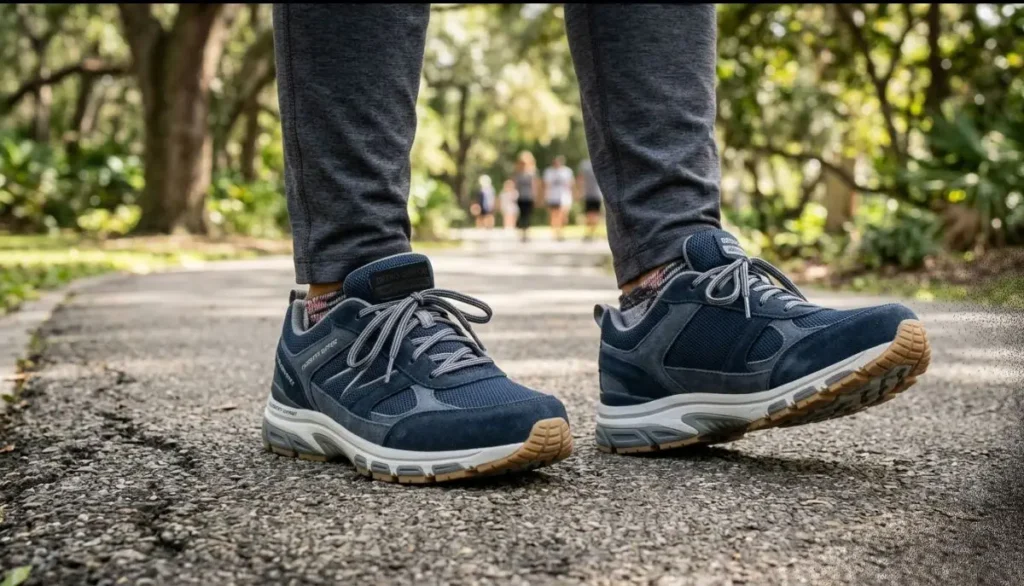
When shopping for diabetic-friendly footwear, focus less on style and more on structure and protection. Here are the most important features:
1. Extra Depth and Wide Toe Box
Feet with neuropathy often swell or change shape during the day. A wide toe box prevents squeezing and allows natural movement without pressure.
2. Seam-Free Interior
The stitching on the inside can rub against the skin and cause irritation. Smooth, uninterrupted interiors help reduce friction and lower the chance of blisters forming.
3. Soft, Cushioned Insoles
Memory foam or medical-grade cushioning helps absorb shock and evenly distribute weight across the foot.
4. Breathable Materials
Leather or mesh uppers help keep feet dry and reduce the risk of fungal infections.
5. Adjustable Closures
Velcro straps or adjustable laces help achieve a secure but non-restrictive fit, especially useful for swollen feet.
6. Firm Heel Support
A stable heel counter helps maintain balance and reduces the risk of falls, which is especially important when sensation is reduced.
7. Non-Slip Outsoles
Grip and traction are essential to prevent slipping, especially for those with reduced foot awareness.
Best Types of Shoes for Diabetics with Neuropathy
Different lifestyles require different types of support. Here are the most recommended categories:
👟 1. Diabetic Walking Shoes
Perfect for everyday use, these shoes offer cushioning, support, and flexibility. They are designed for long hours of wear and reduce pressure during movement.
🥿 2. Diabetic Slip-On Shoes
Slip-on styles are very useful for those who have some difficulty moving around, as they can be put on easily without much bending. Choose designs that have adjustable straps so they fit snugly and securely.
👞 3. Diabetic Dress Shoes
For work or formal occasions, diabetic dress shoes provide a balance of style and protection. They are built with hidden cushioning and soft interiors.
🏠 4. Diabetic House Shoes or Slippers
Even at home, protection matters. Diabetic slippers with support soles prevent injuries caused by walking barefoot on hard floors.
🥾 5. Diabetic Boots
For outdoor protection in colder weather, diabetic boots offer ankle support, insulation, and stable footing.
Common Mistakes to Avoid When Choosing Shoes
Many people unknowingly choose shoes that worsen neuropathy symptoms. Avoid these mistakes:
- Wearing narrow or pointed shoes
- Choosing style over comfort
- Ignoring pressure or tightness
- Using worn-out or flat shoes
- Skipping socks or wearing thin ones
- Buying shoes without trying them on
Remember: if a shoe feels slightly uncomfortable at the store, it will feel much worse after hours of use.
Emotional Side of Wearing Diabetic Shoes
Foot problems often affect more than just physical comfort—they impact confidence, independence, and emotional well-being.
Many people with neuropathy describe feeling:
- Frustrated by constant discomfort
- Anxious about walking or standing too long
- Restricted in their daily activities
- Relieved when they finally find the right shoes
The right footwear can restore a sense of normalcy. Walking without pain, going shopping, or spending time with family becomes easier and more enjoyable again.
Comfortable shoes do more than protect your feet—they help improve your overall quality of life.
Tips for Taking Care of Diabetic Feet
Along with the right shoes, daily care is essential:
- Check feet every day for cuts or redness
- Keep feet clean and dry
- Moisturize to prevent cracking (avoid between toes)
- Wear clean, cushioned socks
- Never walk barefoot
- Replace shoes when cushioning wears out
Small habits can make a big difference in preventing complications.
When to Replace Your Shoes
Even the best diabetic shoes lose their protective features over time. Replace them if you notice:
- Flattened cushioning
- Worn-out soles
- Loose or stretched fit
- Increased foot pain or pressure
- Visible damage inside or outside
Most diabetic shoes should be evaluated every 6–12 months depending on usage.
Final Thoughts
Choosing the best shoes for diabetics with neuropathy is about much more than simple comfort—it’s about protecting your feet, maintaining mobility, and enjoying greater peace of mind. A well-designed pair can help ease discomfort, safeguard sensitive areas, and give you the confidence to stay active every day.
When your feet are supported properly, every step becomes easier, steadier, and more secure. And for those living with neuropathy, that difference can be life-changing.
Frequently Asked Questions (FAQ) About the Best Shoes for Diabetics with Neuropathy
1. What are the best shoes for diabetics with neuropathy?
The best shoes for diabetics with neuropathy are designed to reduce pressure, prevent friction, improve stability, and protect sensitive feet. They typically feature extra depth, cushioned insoles, a wide toe box, seamless interiors, and non-slip soles to help minimize the risk of foot injuries.
2. Why do people with neuropathy need special shoes?
Diabetic neuropathy can decrease feeling in the feet, making it harder to detect minor injuries such as cuts, blisters, or areas of excessive pressure before they become more serious. The best shoes for diabetics with neuropathy provide added protection and support, helping prevent complications such as ulcers and infections.
3. Can diabetic shoes help reduce foot pain?
Yes. While diabetic shoes do not cure neuropathy, the best shoes for diabetics with neuropathy can help reduce discomfort by cushioning sensitive areas, absorbing shock, and distributing pressure more evenly across the foot.
4. What features should I look for in diabetic neuropathy shoes?
When shopping for the best shoes for diabetics with neuropathy, look for:
- Extra-depth design
- Wide toe box
- Seam-free interior
- Soft cushioning
- Breathable materials
- Adjustable closures
- Slip-resistant outsole
These features help enhance comfort and reduce the risk of foot injuries.
5. Are diabetic shoes covered by Medicare?
In some cases, Medicare may help cover diabetic shoes and inserts for qualifying individuals with diabetes who meet specific medical requirements. It is best to consult your healthcare provider and durable medical equipment supplier for information regarding eligibility.
6. Can I wear regular shoes if I have diabetic neuropathy?
While some regular shoes may feel comfortable, they often lack the protective features found in the best shoes for diabetics with neuropathy. Specialized diabetic footwear is usually a safer choice because it is designed to reduce pressure and prevent skin irritation.
7. How often should diabetic shoes be replaced?
Most diabetic shoes should be inspected regularly and replaced when signs of wear appear, such as flattened cushioning, uneven soles, or reduced support. Many people replace their diabetic shoes every 6 to 12 months, depending on usage.
8. Do diabetic shoes help prevent foot ulcers?
Yes. One of the main purposes of the best shoes for diabetics with neuropathy is to reduce pressure and friction that can lead to foot ulcers. Wearing the right shoes is essential for diabetic foot care and preventing ulcers.
9. Should I wear diabetic shoes indoors?
Yes. Foot injuries can happen inside the home as well as outdoors. Wearing the best shoes for diabetics with neuropathy or supportive diabetic slippers indoors can help protect your feet from accidental injuries and pressure-related problems.
10. Can diabetic shoes improve balance and stability?
Many shoes designed for people with diabetes feature supportive insoles and slip-resistant outsoles, which can improve stability while walking. The best shoes for diabetics with neuropathy help create a more secure walking experience, especially for individuals who experience numbness or balance issues.
11. What type of socks should be worn with diabetic shoes?
Diabetic-friendly socks are often recommended because they are seamless, moisture-wicking, and designed to reduce friction. Pairing these socks with the best shoes for diabetics with neuropathy provides an additional layer of protection for sensitive feet.
12. How do I know if my diabetic shoes fit properly?
A proper fit should feel comfortable immediately. There should be enough room for your toes to move freely without sliding around. The best shoes for diabetics with neuropathy should never feel tight, pinch any part of the foot, or create pressure points.
Introduction: Why Diabetic Shoes Matter More Than You Think
For many people, shoes are just part of an outfit. But for someone managing diabetes, shoes can be a critical part of daily health care. Wearing special footwear becomes necessary due to reduced blood flow, nerve damage (neuropathy), and a higher risk of foot injuries.
So the question isn’t just “where can you buy diabetic shoes?” but also:
- Where can I find safe diabetic footwear?
- Which supplier can I trust?
- How do I know I’m getting the right support?
The answer often lies in choosing a reliable medical supply provider rather than a general retail store.
One such option is exploring trusted medical equipment providers like Alfa Healthcare Supply Inc., which offers diabetic footwear solutions designed for comfort and protection.
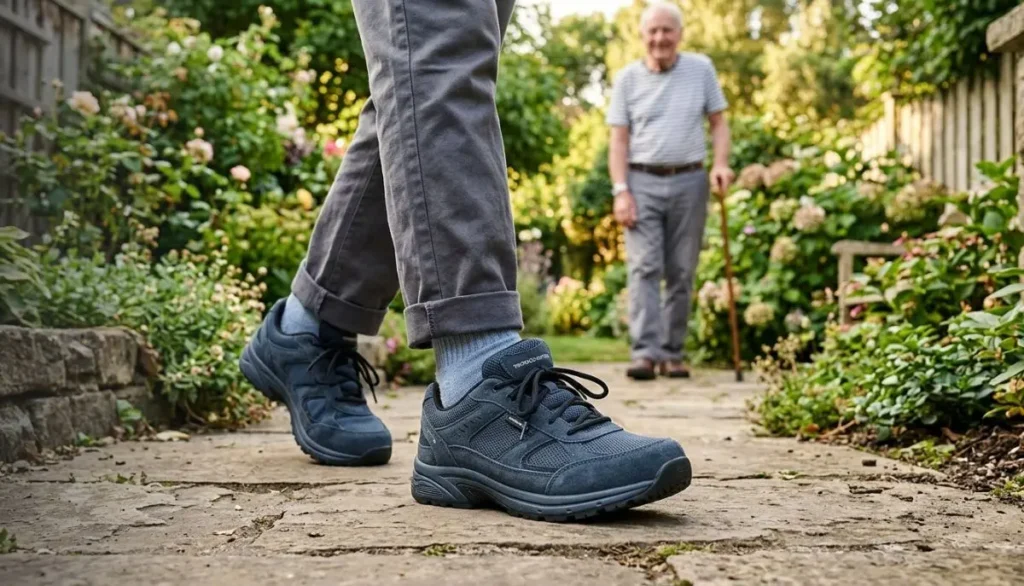
Understanding Diabetic Shoes: What Makes Them Different?
Before you decide where to buy diabetic shoes, it’s important to understand what sets them apart from regular footwear.
Diabetic shoes are specially designed to:
- Reduce pressure on sensitive areas of the foot
- Prevent blisters, ulcers, and wounds
- Improve stability and balance
- Support natural foot shape without tight compression
- Allow better airflow and reduce moisture buildup
Unlike fashion shoes, diabetic shoes prioritize protection over appearance—though modern designs now balance both comfort and style.
Who Needs Diabetic Shoes?
You may need diabetic shoes if you experience:
- Diabetes with neuropathy (loss of sensation in feet)
- Poor circulation in legs or feet
- Foot deformities like bunions or hammertoes
- History of foot ulcers or infections
- Swelling or sensitivity in feet
- High risk of skin breakdown
Doctors often recommend diabetic footwear for preventive care, even before severe symptoms appear.
Where Can You Buy Diabetic Shoes?
There are several places where diabetic shoes are available, but not all sources are equal in quality and reliability.
You can buy diabetic shoes from several reliable places in the United States, depending on whether you want online convenience, insurance coverage, or professional fitting.
Here are the most trusted options:
1. Medical Equipment & Diabetic Shoe Suppliers (Best Option)
These are specialized providers that focus on foot health for people with diabetes. They often offer Medicare-approved diabetic shoes and custom inserts.
Examples include:
- Durable medical equipment (DME) suppliers
- Orthopedic footwear providers
- Podiatry-linked shoe programs
These suppliers are ideal because they provide:
- Proper fitting guidance
- Medical-grade footwear
- Insurance/Medicare support in some cases
2. Online Medical Supply Stores (Most Convenient Option)
If you prefer shopping from home, online medical suppliers are one of the easiest ways to buy diabetic shoes.
A good example of a related provider is:
- Alfa Healthcare Supply Inc.
They offer diabetic-related footwear solutions and supportive products designed for foot protection and comfort.
You can also explore diabetic shoe inserts here:
Online stores typically offer:
- Wide size selection
- Home delivery
- Product descriptions for medical needs
3. Orthopedic & Therapeutic Shoe Brands
Many specialized shoe brands sell directly or through authorized retailers, offering diabetic-friendly designs.
These shoes usually include:
- Extra depth design
- Seamless interiors
- Wide toe boxes
- Cushioning for pressure relief
They are commonly available through medical footwear websites and orthopedic stores.
4. Pharmacies & Local Medical Supply Stores
Some pharmacies and local DME stores carry diabetic shoes or can order them for you.
Benefits:
- In-person fitting
- Insurance paperwork assistance
- Professional recommendations
5. Podiatrists & Foot Clinics (Most Personalized Option)
Foot specialists often prescribe diabetic shoes after evaluating your foot health.
They may:
- Recommend specific shoe types
- Provide custom orthotics
- Help with insurance-covered footwear programs
Why Choosing the Right Place Matters
Buying diabetic shoes isn’t just about comfort—it’s about preventing complications like:
- Foot ulcers
- Pressure sores
- Poor circulation injuries
- Long-term mobility issues
That’s why medical-grade suppliers are strongly preferred over regular shoe stores.
Why Buying from a Trusted Medical Supplier Matters
When it comes to diabetic shoes, where you buy matters just as much as what you buy.
A trusted supplier ensures:
✔ Medical-Grade Quality
Shoes designed for diabetic foot health, not just comfort marketing.
✔ Proper Fit Guidance
Ill-fitting shoes can do more harm than good.
✔ Safety Standards
Reduced risk of friction, pressure, or internal foot injuries.
✔ Supportive Customer Care
Medical suppliers understand patient needs better than general retailers.
Key Features to Look for Before You Buy Diabetic Shoes
When shopping for diabetic footwear, keep an eye out for these essential features:
1. Extra Depth Design
Allows room for swelling and custom insoles.
2. Seam-Free Interior
Prevents rubbing that can cause blisters.
3. Cushioned Insoles
Reduces pressure on sensitive areas.
4. Adjustable Closures
Velcro or straps help accommodate swelling.
5. Breathable Material
Keeps feet dry and reduces infection risk.
6. Non-Slip Soles
Helps prevent falls and improves stability.
The Emotional Side of Buying Diabetic Shoes
Buying diabetic shoes is often considered a practical health decision—but for many people, it goes much deeper than that. It’s not just about shoes. it is about fear, relief, adjustment, acceptance, and ultimately, self-care.
For someone living with diabetes, shoes stop being a fashion choice and start becoming a daily form of protection. And that shift carries a lot of emotional weight that people don’t always talk about openly.
The Moment of Realization
For many individuals, the emotional experience starts well before they actually buy diabetic shoes.
It often starts with small signs:
- A blister that takes too long to heal
- Tingling or numbness in the feet
- A doctor warning about foot care
- A minor wound that suddenly becomes serious
At first, it feels easy to ignore. But eventually, there’s a moment when reality becomes clear:
“My feet require more protection than standard shoes can offer”
That realization can feel unsettling. It’s not just about shoes—it’s about acknowledging that the body needs extra care now.
Fear: The Hidden Emotion Behind Foot Care
One of the strongest emotions tied to diabetic footwear is fear.
Not fear of shoes themselves—but fear of what happens without them:
- Fear of developing ulcers
- Fear of infections that don’t heal
- Fear of losing mobility
- Fear of complications that affect independence
Even if everything is currently fine, that awareness sits quietly in the background.
That’s why diabetic shoes are more than just medical devices—they provide peace of mind. They help reduce uncertainty in situations where even minor issues can quickly become serious.
Letting Go of “Normal” Shoes
For many people, giving up their regular shoes can be one of the most emotionally difficult steps.
Shoes often carry personal meaning:
- Style and identity
- Professional appearance
- Social confidence
- Personal expression
Switching to diabetic shoes can initially feel like losing a part of one’s identity.
Some people think:
- “These don’t look like my old shoes.”
- “Will people notice?”
- “Do I really need this level of support?”
But over time, something important shifts—the priority moves from appearance to protection.
And that shift is an act of self-respect, even if it doesn’t feel like it in the beginning.
Relief: When Comfort Finally Replaces Pain
After the adjustment phase comes something powerful: relief.
For many people, wearing properly fitted diabetic shoes feels like:
- Pressure disappearing from painful areas
- Walking without constant discomfort
- Less worry with every step
- A sense of stability returning
This is the moment when diabetic shoes stop feeling like a “medical requirement” and start feeling like freedom.
Comfort becomes emotional healing.
The Quiet Confidence Boost
Something surprising happens after switching to proper diabetic footwear: confidence slowly returns.
It doesn’t come from appearance—it comes from security.
People begin to:
- Walk longer distances again
- Move without hesitation
- Stop worrying constantly about foot pain
- Feel more independent in daily routines
Confidence grows quietly, one safe step at a time.
That trust runs deep on an emotional level, as it restores what fear once stripped away.
The Role of Caregivers and Family
The emotional experience is not limited to the person wearing the shoes.
Family members and caregivers often feel:
- Concern about foot health risks
- Responsibility for making the right choices
- Relief when proper protective footwear is found
Sometimes, buying diabetic shoes becomes a shared decision—a small but meaningful act of care.
It often brings reassurance not just to the wearer, but to everyone who cares about them.
Acceptance: A Turning Point
One of the most important emotional milestones is acceptance.
Acceptance does not mean giving up—it means adapting wisely.
It sounds like:
- “This is what my body needs right now.”
- “Taking care of my feet is important.”
- “Prevention is better than treatment.”
Once this mindset shifts, diabetic shoes are no longer viewed as a limitation or a hindrance. Instead, they are seen as a protective shield that helps one lead a better and more fulfilling life.
Empowerment Through the Right Choice
Choosing the right diabetic shoes becomes an empowering act.
It means:
- Taking control of health decisions
- Preventing future complications
- Prioritizing long-term well-being over short-term comfort
- Making informed choices instead of reactive ones
Trusted providers like Alfa Healthcare Supply Inc. play a role in this process by offering medical-grade footwear solutions designed for safety, comfort, and daily support.
Having reliable access to the right products makes the emotional journey less overwhelming and more guided.
The Hidden Truth: It’s About Living Better, Not Limiting Life
Initially, wearing diabetic shoes might feel restrictive. But over time, people come to realize an important point:
They don’t limit life—they protect it.
They make it possible to:
- Stay active longer
- Walk with less worry
- Avoid preventable complications
- Maintain independence
The emotional shift is powerful: from resistance → to acceptance → to appreciation.
Why Diabetic Shoes Are So Important
Diabetes can impact your feet in two primary ways.
- Nerve damage (neuropathy) → You may not feel pain or notice an injury.
- Poor blood circulation → Wounds heal slower and can get worse quickly
This means a simple shoe that feels “a little tight” can actually lead to:
- Skin breakdown
- Blisters
- Ulcers
- Infections
- Long-term foot complications
Diabetic shoes are made to help reduce pressure on the feet and safeguard sensitive areas, preventing many related complications.
Step 1: Understand Your Foot Condition First
Before choosing diabetic shoes, you need to understand your foot health. Ask yourself:
- Do I feel numbness in my feet?
- Do my feet swell during the day?
- Have I had foot ulcers or wounds before?
- Do I feel pain while walking or standing?
- Do I have foot deformities like bunions or hammertoes?
If you answered yes to any of these, you likely need medical-grade diabetic footwear, not regular shoes.
Step 2: Get an Accurate Foot Measurement
A frequent mistake people make is choosing the incorrect size.
For diabetic shoes, sizing is even more important because:
- Feet may swell during the day
- It’s common for one foot to be a little bigger than the other.
- Pressure points must be avoided completely
✔ Measure your feet in the evening
✔ Always measure both length and width
✔ Don’t rely on old shoe sizes
A well-fitted shoe is essential for maintaining diabetic foot safety.
Step 3: Look for Extra Depth and Wide Toe Box
Good diabetic shoes always include:
✔ Extra Depth Design
This provides extra room for your feet, particularly when using orthotics or shoe inserts.
✔ Wide Toe Box
Your toes should never feel squeezed. This helps prevent:
- Pressure buildup
- Corns
- Blisters
Your feet should feel light and breathable while still being comfortably supported, not constricted.
Step 4: Choose a seamless or soft interior design.
The interior of the shoe matters just as much as its exterior.
Look for:
- Seamless interior lining
- Soft padding
- No hard stitching points
Why? Because even small internal seams can rub against sensitive diabetic skin and cause wounds over time.
Step 5: Focus on Cushioning and Shock Absorption
The interior of the shoe is just as important as its exterior.
Good shoes include:
- Memory foam or orthopedic insoles
- Shock-absorbing soles
- Pressure redistribution layers
This helps reduce stress on:
- Heels
- Balls of the feet
- Toes
Step 6: Adjustable Closures Matter More Than Style
Instead of fashion laces or tight slip-ons, look for:
- Velcro straps
- Adjustable closures
- Easy-entry designs
These features let you modify the fit during the day, especially when your feet become swollen.This reduces the risk of falls, which can be dangerous for healing feet.
Step 7: Breathable Material is a Must
Healthy diabetic feet need airflow.
Choose shoes made with:
- Mesh fabric
- Soft leather
- Moisture-wicking materials
This helps prevent:
- Excess sweating
- Fungal infections
- Skin irritation
Dry feet are healthy feet.
Step 8: Non-Slip and Stable Outsoles
Balance is often affected in people with diabetes, especially if neuropathy is present.
Good diabetic shoes include:
- Anti-slip rubber soles
- Stable heel support
- Firm grip design
This helps lower the risk of falls, which can be especially harmful for feet that are in the process of healing.
Step 9: Buy from a Trusted Medical Supplier
Where you purchase diabetic shoes is just as important as the shoes you choose.
Avoid general fashion stores and instead choose:
- Medical supply stores
- Orthopedic footwear providers
- Diabetes-focused equipment suppliers
A trusted option is Alfa Healthcare Supply Inc., which specializes in durable medical equipment and diabetic care products designed for comfort and safety.
They also offer supportive diabetic footwear solutions along with related accessories designed to enhance foot protection.
You can explore a related product here:
Diabetic Shoe Inserts A5514
These inserts help:
- Reduce pressure points
- Improve walking comfort
- Support foot alignment inside diabetic shoes
Step 10: Avoid These Common Mistakes
Many people unknowingly choose the wrong diabetic shoes. Avoid:
❌ Choosing tight or narrow shoes
❌ Buying fashion shoes labeled “comfortable”
❌ Ignoring swelling changes
❌ Skipping medical advice
❌ Wearing shoes without proper cushioning
A small mistake can lead to serious foot complications later.
The Emotional Side of Choosing Diabetic Shoes
For many people, choosing diabetic shoes is not just a medical step—it’s emotional.
It often comes after:
- Experiencing foot pain
- Visiting a doctor
- Dealing with fear of complications
- Realizing the importance of foot protection
The right diabetic shoes bring something powerful:
👉 Confidence to walk again without fear
👉 Relief from daily discomfort
👉 Peace of mind about long-term health
It’s not just footwear—it’s freedom.
Quick Checklist: The Perfect Diabetic Shoe Should Have
Before buying, make sure your shoes include:
✔ Extra depth design
✔ Wide toe box
✔ Seam-free interior
✔ Soft cushioning
✔ Breathable material
✔ Adjustable closure
✔ Non-slip outsole
✔ Proper medical fit
If it checks all these boxes, it’s a good choice.
Recommended Product for Diabetic Foot Support
If you are specifically looking for supportive solutions, diabetic shoe inserts are a great starting point. They help improve comfort and reduce pressure points.
You can explore this option here:
Diabetic Shoe Inserts A5514 – View Product
These inserts are designed to:
- Support foot alignment
- Reduce friction
- Improve daily walking comfort
- Work inside diabetic shoes for added protection
Benefits of Buying Diabetic Shoes Online
Online purchasing has become the most common way to buy diabetic shoes due to:
- Convenience from home
- Easy product comparison
- Access to medical-grade suppliers
- Better availability of sizes
- Time-saving experience
However, always ensure you are buying from a reputable healthcare supplier.
Common Mistakes to Avoid
When buying diabetic shoes, avoid:
- Choosing style over function
- Ignoring sizing differences
- Wearing tight-fitting shoes “because they stretch”
- Skipping medical advice
- Buying cheap, non-medical footwear
These mistakes can increase the risk of complications.
Long-Term Value of Diabetic Shoes
Diabetic shoes are not just a purchase—they are an investment in health.
They help:
- Prevent costly medical treatments
- Reduce risk of ulcers and infections
- Improve mobility and independence
- Enhance daily comfort and confidence
Spending on proper footwear today can prevent serious health issues tomorrow.
Final Thoughts: Where You Should Buy Diabetic Shoes
If you are wondering where to buy diabetic shoes, the answer is simple: choose trusted medical suppliers that specialize in diabetic care and foot protection.
Online medical equipment providers like Alfa Healthcare Supply Inc. offer reliable solutions designed for safety, comfort, and long-term foot health.
Whether you are shopping for yourself or a loved one, the right diabetic shoes can make walking feel safe again—one step at a time.
Frequently Asked Questions (FAQ)
❓ What are diabetic shoes?
Diabetic shoes are specially designed footwear that helps protect the feet of people with diabetes. They reduce pressure, prevent rubbing, and lower the risk of blisters, ulcers, and infections.
Unlike regular shoes, they are built with:
- Extra depth
- Soft cushioning
- Seam-free interiors
- Wide toe space
❓ Who should wear diabetic shoes?
Diabetic shoes are recommended for people who have:
- Diabetes with neuropathy (nerve damage)
- Poor blood circulation in the feet
- Foot swelling or deformities
- History of foot ulcers or wounds
- High risk of foot injuries
Even people without severe symptoms may be advised to wear them for prevention.
❓ Where can I buy diabetic shoes?
You can buy diabetic shoes from:
- Medical equipment suppliers
- Orthopedic footwear stores
- Podiatrist clinics
- Online medical supply websites
A trusted option for diabetic care products is Alfa Healthcare Supply Inc., which provides diabetic footwear solutions and related medical equipment.
❓ Are diabetic shoes covered by insurance or Medicare?
In many cases, yes. Medicare and some insurance plans may cover diabetic shoes if you meet certain medical conditions and receive a prescription from a doctor.
Coverage typically includes:
- One pair of diabetic shoes per year
- Custom inserts (in some cases)
Always check with your healthcare provider or insurance company for eligibility.
❓ How do I know if I need diabetic shoes?
You may need diabetic shoes if you experience:
- Numbness or tingling in your feet
- Frequent foot pain or pressure
- Slow-healing cuts or sores
- Swelling in your feet
- Loss of sensation in your toes or soles
A doctor or podiatrist can confirm whether they are necessary for you.
❓ Can I wear regular shoes instead of diabetic shoes?
Regular shoes are not designed to protect diabetic feet. They may:
- Create pressure points
- Cause friction and blisters
- Restrict circulation
While some comfortable shoes may be used in mild cases, diabetic shoes are safer and recommended for long-term foot protection.
❓ How should diabetic shoes fit?
Diabetic shoes should feel:
- Comfortable, not tight
- Spacious in the toe area
- Secure but not restrictive
- Supportive with soft cushioning
There should always be enough room to wiggle your toes freely.
❓ How often should I replace diabetic shoes?
Most diabetic shoes should be replaced every:
- 12 months, or sooner if worn out
- Earlier if the cushioning or support breaks down
Regular replacement ensures continued protection and comfort.
❓ Can diabetic shoes help prevent foot problems?
Yes. Diabetic shoes are designed to reduce pressure and protect sensitive areas of the foot, helping prevent:
- Foot ulcers
- Blisters
- Calluses
- Infections
- Pressure injuries
They are a key part of diabetic foot care prevention.
❓ Do diabetic shoes look different from regular shoes?
Modern diabetic shoes are designed to look more like regular footwear than before. While they may be slightly bulkier due to added support features, many styles now balance appearance with medical function.
❓ Can I use diabetic shoe inserts with regular shoes?
In some cases, custom inserts may be used in wider regular shoes, but diabetic shoes are specifically designed to hold inserts safely and provide proper pressure distribution.
You can explore diabetic shoe inserts here:
Diabetic Shoe Inserts A5514
The Ultimate At-Home Foot Care Routine: Tips for Healthy Feet
Our feet carry us through life, yet they’re often the most neglected part of our bodies. A consistent at-home foot care routine is not just about pampering; it’s a crucial practice for maintaining overall health, preventing discomfort, and proactively addressing potential issues, especially if you have conditions like diabetes. This ultimate guide will give you simple, actionable tips for keeping your feet healthy, happy, and ready for whatever comes your way.
Why an At-Home Foot Care Routine Matters
Neglecting your feet can lead to a host of problems, from common issues like calluses and ingrown toenails to more serious conditions such as infections or diabetic foot ulcers. A regular routine helps:
- Prevent Pain and Discomfort: Addressing minor issues before they become major.
- Boost Circulation: Especially vital for individuals with diabetes.
- Catch Problems Early: You’ll be more likely to notice changes or potential issues.
- Improve Overall Hygiene: Keeping your feet clean and healthy.
Your Daily At-Home Foot Care Routine
Make these simple steps a part of your everyday hygiene:
- Wash Your Feet Daily: Use warm (not hot!) water and a mild soap. Pay special attention to cleaning between your toes.
- Dry Thoroughly: This is critical! Gently pat your feet dry, making sure to dry completely between your toes. Excess moisture is a breeding ground for fungus.
- Inspect Your Feet: This is one of the most important steps, especially for individuals with diabetes. Check the tops, bottoms, and sides of your feet, and between your toes. Look for:
a. Redness, swelling, or changes in skin color.
b. Blisters, cuts, sores, or calluses.
c. Ingrown toenails.
d. Any unusual changes in sensation.
e. You can use a mirror to check the soles of your feet.
Your Weekly / As-Needed Foot Care Routine
Incorporate these practices a few times a week or as needed:
- Moisturize: Apply a good foot cream or lotion, but avoid putting it between your toes (this can encourage fungal growth). Moisturizing helps prevent dry, cracked skin.
- Trim Toenails Correctly: Cut toenails straight across, not curved, to prevent ingrown toenails. Use a clean nail clipper and avoid cutting them too short.
- Manage Calluses (Carefully): Use a pumice stone or foot file gently after a shower on softened skin. Never use sharp objects or attempt to cut off calluses yourself, especially if you have diabetes or poor circulation.
- Wear the Right Shoes and Socks:
a. Shoes: Opt for comfortable, well-fitting shoes. If you have diabetes, invest in diabetic shoes for women or orthopedic shoes for men designed to protect your feet.
b. Socks: Choose clean, dry, breathable socks daily. Avoid tight socks that can restrict circulation.
Conclusion
An at-home foot care routine is a simple yet powerful way to invest in your long-term health and comfort. By dedicating a few minutes each day and week to your feet, you can prevent many common problems and ensure your feet continue to carry you through life comfortably.
Ready to give your feet the care they deserve? Explore our comprehensive range of foot care supplies and specialized footwear to support your healthy foot routine.